
Last updated: Apr 19, 2026
Kentucky roof claims commonly involve wind and hail, and Florence homeowners are often pushed into claim decisions after regional hail events that tighten contractor availability. The closest thing to a stampede you'll see is a storm day with flashing blue tarps and a row of fast-tix crews rolling through town. When a hail event hits, the market shifts from routine upgrades to urgent storm-response work almost overnight. That means every decision point-from inspection to contractor selection to timing of replacement-gets compressed by weather, demand, and the pressure to meet insurance timelines. If you've got shingles with granule loss, dented metal, or cracked tiles after a storm, you're not imagining it: the market is tuned to respond, and delays are a real risk.
Spring storms and heavy rains in Florence can both create active leaks and delay tear-off schedules, making post-storm triage and documentation especially time-sensitive. Start with a prompt, thorough assessment: photograph damage from multiple angles, capture the date and weather conditions, and note any interior water intrusion and staining. Keep a running log of when shingles lifted, missing granules, or metal edges bent in the wind. If you can, arrange a quick, temporary roof stabilization-tarps or boards placed by a trained hand-to prevent further interior damage while you document. Insurance adjusters move faster when you can present a clear, dated trail of damage and urgent need for evaluation.
The local pattern is clear: storm damage, emergency repair, and insurance claims are the most prevalent specialties, so you'll frequently encounter contractors who specialize in storm response rather than purely elective upgrades. When you call in, expect immediate requests for damage photos, parcel specifics, and your claim number. Be wary of contractors who promise a hurry-up replacement without a documented scope; this market treats speed, but your home must still be properly assessed. Stand firm on obtaining a written estimate that itemizes labor, materials, and any temporary fixes, and insist on a licensed, insured team with a track record of handling insurance-driven replacements. Time is money, and insurance timelines can tighten quickly once hail is confirmed.
Florence homeowners often feel the pinch after a hail event, as regional weather patterns and the Ohio Valley freeze-thaw cycle compound scheduling challenges. When multiple homes in your neighborhood are in need, tear-off windows can shift from weeks to months, particularly if the storm site is more complex or if emergency repairs are in progress elsewhere. The practical approach is to secure a reputable storm-response contractor early and request a precedence plan that prioritizes damaged areas and interior risk. A clear written schedule helps protect you from repeat delays if the weather turns and crews are diverted to new storm zones. If your home shows signs of moisture intrusion behind the walls or attic condensation after a storm, don't delay in flagging the urgency to your insurer and your contractor-water damage in this climate propagates quickly and can complicate later repairs.
In practice, the best outcome is a fast, accurate assessment followed by a transparent, insurer-aligned replacement plan. Seek a contractor who demonstrates a methodical process: staged inspections, documented scope with photo-backed estimates, and a coordinated communications channel that includes your insurer. Avoid high-pressure tactics or sales pitches that hinge on the next weather event. Instead, align with a team that can articulate the rationale for timing-why certain areas should be replaced sooner, how tear-off sequencing will protect your interior, and what steps are needed to ensure a durable, weather-ready roof once the storm risk subsides. In this market, patience is not a luxury but a strategic asset; the right documentation and the right partner can prevent rushed decisions that you'll regret when the next squall rolls through.
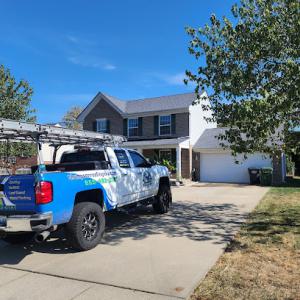
Thompson Roofing
(859) 462-0181 thompsonroofingnky.com
75 Cavalier Blvd, Florence, Kentucky
5.0 from 146 reviews
Searching for the best roofing contractors in Northern Kentucky? Look no further because, at Thompson Roofing, we are committed to delivering top-notch services tailored to meet all your roofing needs in Campbell County, Kenton County, and Boone County in KY. Our team of experts is dedicated to ensuring your satisfaction with every project. Whether you require residential roof installation service, efficient roof repair service in your area, attic venting installation, or gutter installation, we've got you covered. We guarantee solutions for your needs. Choose us as we are one of the best roofing companies in Florence, KY and surrounding areas. Call us today for a detailed consultation and receive a free quote for your roofing projec...
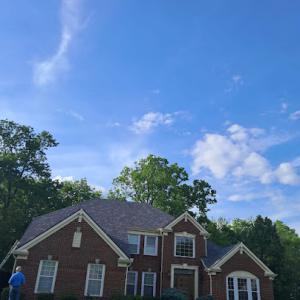
Northern KY Roofing & Siding.
(859) 414-2705 www.northern-ky-roofing.com
71 Cavalier Blvd Suite 323, Florence, Kentucky
4.9 from 294 reviews
Established in 1998, NKY Roofing & Siding Contractor offers residential and commercial roofing and siding services throughout Northern Kentucky. Their team of experienced professionals specializes in repairs, replacements, and installations using high-quality materials. NKY Roofing & Siding Contractor is committed to providing superior craftsmanship and customer satisfaction, ensuring your property is protected and looks its best. We only want the absolute best for you and your family, so please don't hesitate to call us to get a free quote!
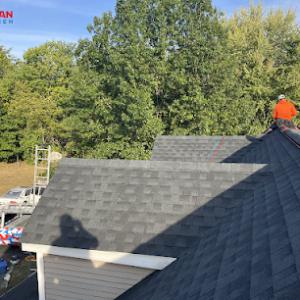
American Home Tech
(859) 869-4101 www.americanhometech.com
6555 Nicholas St #1A, Florence, Kentucky
4.7 from 892 reviews
At American Home Tech, we are the best full-service contractor for your commercial and residential roofing, siding, windows, gutters, decks, and interior remodeling projects, including doors, kitchen remodels, bath remodels, and painting, throughout Florence, KY, Northern Kentucky, and Cincinnati, OH. We provide expert services at any budget and specialize in insurance claim replacements. We proudly offer free estimates and inspections on your project with a no-obligation guarantee. American Home Tech strives to stand behind our motto of “trust is just one thing we build well” with every project we complete.
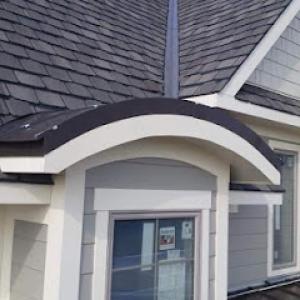
Reyes Remodeling
(859) 777-4057 www.reyesremodelingnky.com
8449 Pheasant Dr, Florence, Kentucky
5.0 from 9 reviews
Reyes Remodeling is a family-owned business with more than twenty years of experience in the roofing industry. We are focused on providing the highest quality remodeling/roofing services, and we treat every project as if it were our own.
Merrick Contracting
(859) 534-2735 merrickroofingllc.com
71 Cavalier Blvd # 210, Florence, Kentucky
4.6 from 20 reviews
Merrick Contracting is a premier company specializing in insurance claims, residential and commercial roofing services. We are dedicated to providing customer service that is second to none. Merrick Contracting is a one-stop shop for all of your exterior needs. Siding, Gutters, etc., we have it handled. Whether you need a new construction project or need to replace an old or damaged roof, we offer complete roofing systems as well as roofing repairs. Let us show you why calling Merrick Contracting was your best call to care for your home or business.
Holland Roofing
(859) 525-0887 www.hollandroofing.com
7450 Industrial Rd, Florence, Kentucky
4.3 from 18 reviews
Holland Roofing serving Cincinnati, OH is fully-staffed to provide you with prompt, reliable service for all facets of the commercial roofing and industrial roofing markets. Regardless of the specific commercial roofing demands of your Cincinnati facility, the experts at Holland Roofing can provide effective, worry-free solutions. New Constructions, roof repair and maintenance services in Cincinnati, Ohio and Northern Kentucky The commercial roofers at Holland also provide emergency roofing repair to our Cincinnati customers to ensure that any roofing issues you experienced are addressed before they significantly disrupt your business.
Thoroughbred Roofing Florence
(859) 407-7905 www.thoroughbredroofinghomedesign.com
200 Windridge Ln, Florence, Kentucky
5.0 from 5 reviews
Thank you for checking out Thoroughbred Roofing & Home Design! We proudly serve Florence, Somerset, and Lexington, Kentucky. Whether you're ready to upgrade your home or need a few repairs, we have you covered. Some of our services include roof installation and repair, deck installation and repair, water mitigation, and water damage repair. Get a free estimate for roofing and home services near Florence, KY, today!
Seymour Roofing
9121 Susie Dr, Florence, Kentucky
5.0 from 5 reviews
SEYMOUR ROOFING, a veteran-owned and family-operated business founded in 2024, offers residential roofing services based out of Florence, Kentucky. Their expertise covers both roof repair and replacement, and they assist homeowners in navigating the insurance claim process for roof repairs.
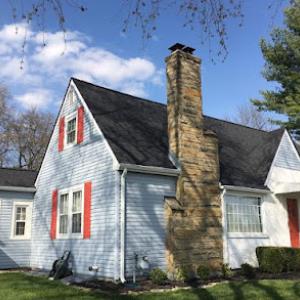
Alpha Home Pros
(859) 251-8881 www.alphahomepros.com
Florence, Kentucky
5.0 from 4 reviews
Roof problems can create a lot of stress, whether it's a sudden leak or the need for a full replacement. At Alpha Home Pros, we make it our mission to solve these concerns with professionalism and efficiency. Proudly serving the Union, KY area since 2019, we bring over 25 years of combined experience to every project. As a fully licensed and insured roofing contractor, we provide residential and commercial clients with dependable roofing solutions and outstanding service they can trust. From the moment we start working with you, our focus is on delivering results that last. We specialize in a wide array of services, including asphalt shingle roof installation and repair, metal roof installation, and even wood shake roofing.
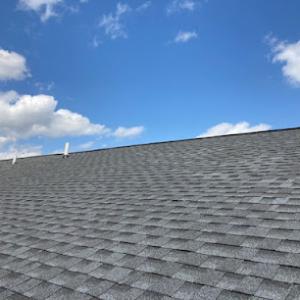
Schwarz Construction
(513) 646-0589 schwarzconstruction.com
7 Banklick St, Florence, Kentucky
5.0 from 3 reviews
New Roofing, Roofing Repair, Gutters, Masonry
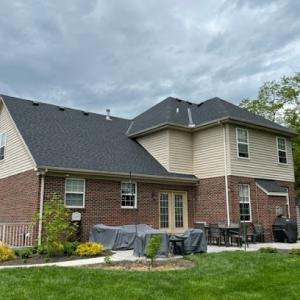
JAF Roofing
Florence, Kentucky
5.0 from 3 reviews
Looking for a top-quality roofing contractor in Union, KY? Look no further than JAF Roofing! As the region's premier residential roofing contractor, we specialize in all types of roofing repair, replacement, and installation services. From fixing a leaky roof to replacing a missing shingle, our highly skilled installers have the experience and expertise needed to get the job done right the first time. We're dedicated to providing our clients with the very best in old-fashioned service and always take the time to listen to your needs and concerns, answer your questions, and work with you to find the best solution for your roofing issues. Contact us today to work with a licensed and insured team of roofing professionals!
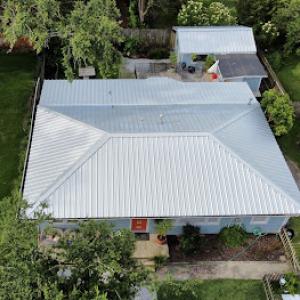
Fortress Solutions
(859) 328-6338 www.gowithfortress.com
Serving
5.0 from 172 reviews
Fortress Solutions is a trusted roofing contractor based in Elsmere, KY, specializing in roof repairs, replacements, gutters, siding, and storm damage restoration. We proudly serve Elsmere, Erlanger, Florence, Independence, Covington, Cincinnati, Edgewood, Fort Mitchell, Fort Wright, Crestview Hills, Villa Hills, Newport, Fort Thomas, Taylor Mill, Norwood, Blue Ash, Reading, Finneytown, Union, and Burlington. With 20+ years of experience and easy financing options, we deliver expert service with integrity. Contact us today for a free estimate and 100% no-leak guarantee!
For full roof replacements in this area, the permit comes from the Boone County Building Department rather than a standalone city roofing office. That means your project is filed and tracked through the county system, even though the house sits in a Florence neighborhood. Plan on starting with the county portal or in-person at the county office to verify that a reroof qualifies as a permitted project. The process is oriented around the storm-driven, fast-turnaround repairs common after hail events, but the county office still expects thoughtful documentation and a clear timeline.
As soon as you have a signed contract and a scheduled start date, initiate the permit review with Boone County. Delays at this stage are often caused by missing paperwork or questions about venting, underlayment, or disposal methods. The county will want to see that the proposed replacement aligns with local building standards and Boone County codes, especially for roof ventilation and attic health in the region's freeze-thaw climate. If a contractor is pushing to start before permit approval, that is a red flag-work completed without a permit can complicate insurance claims, re-inspections, and closeout.
Be prepared to provide project documentation that covers ventilation, underlayment, and debris disposal. The county reviewer may want to see a ventilation plan that demonstrates adequate soffit and ridge venting, as well as any attic intake details. Underlayment requirements should align with the typical Boone County expectations for weather resistance and airflow in this area. Debris disposal plans should specify how roof debris will be contained and removed to prevent mess on neighboring properties and streets. If the plan includes more than a standard replacement-such as roof ventilation upgrades or drainage changes-the department may request additional technical details or manufacturer specifications.
Inspections are scheduled through the county department, and the process commonly uses rough and final inspection stages for reroofing work. Rough inspections generally occur after the roof deck and underlayment are in place but before final shingle installation or after critical weatherproofing steps. The final inspection occurs once the roof is complete and any ancillary work, such as ventilation updates or flashing, has been addressed. Scheduling is typically coordinated with Boone County's inspection calendar, so delays can occur if inspections are not arranged promptly after the specified milestones. It helps to have a competent inspection window coordinated with your contractor to minimize downtime and weather exposure.
Failing any item on the rough or final inspection can trigger a re-inspection before closeout. Common triggers include inadequate ventilation provisions, improper underlayment installation, or issues with debris disposal compliance. If a re-inspection is needed, expect a follow-up slot that might require you to address the noted deficiency and provide documentation showing the fix. In the high-storm season, the county can be particularly mindful of workmanship quality and safety standards, so aligning with their expectations early reduces the chance of delayed closeout.
After the final inspection passes, obtain the official closeout documentation from Boone County. Keep all permit numbers, inspection dates, and any corrective notices with the project records. If future storm events occur or a homeowner later questions the installation, having the permit trail and inspection notes can streamline any insurance or contractor discussions.
Hot summers followed by cold winters in this area create a pronounced expansion-contraction cycle in shingles, flashing, and sealants. The seasonal swing can push tabs and edges where fasteners sit, slowly loosening them or loosening the seal around vents and flashings. Asphalt and composite shingles are especially susceptible when heat softens them in July and a sudden cold snap follows. Over time, that repeated stress can lead to small granule loss, hairline cracks, and accelerated edge wear. If your attic is not helping to moderate temperature, those stress points are more exposed, and the damage potential increases with each season.
Winter freezes can produce ice dams, particularly on aging roofs with marginal attic ventilation or uneven heat loss. When attic heat escapes unevenly, snow near the eaves melts and refreezes at the overhang, damming meltwater that can back up under shingles and along flashing lines. The result can be water intrusion that appears as staining or dampness on ceilings, and it can breach underlayment over time. On older roofs, where seals around vent pipes or dormer transitions are already worn, the odds of leakage increase. The combination of heat loss, moisture intrusion, and shingle aging makes timely inspection after heavy snows critical.
The local installation window tends to favor the drier spring and fall periods, partly to dodge the heat's workability limitations and the winter's freeze complications. Choosing these shoulder seasons for any reroofing project reduces the likelihood of rapid weather-driven failures during the work and helps ensure the roof dries and cures properly after installation. If a storm-damaged roof requires quick response, know that a rushed replacement during peak heat or mid-winter can introduce additional stress during installation and settlement. Planning around the milder days in spring or autumn supports longer-term performance.
Focus on improving attic ventilation to blunt the heat-driven expansion and to reduce ice dam formation. Ensure soffit intake and ridge exhaust are balanced, and look for any obvious air leaks that allow heat to bleed into the attic. When inspecting or planning repairs, pay attention to flashing transitions around chimneys, dormers, and vent stacks, as these are common failure points after freeze-thaw cycles. Finally, document any prior heat or ice-related damage, because repeated stress can compound small issues into more noticeable problems, and addressing them early preserves roof longevity even in a climate with strong seasonal swings.
Asphalt shingles dominate the local market because they fit the area's common re-roofing cycle and moderate upfront budgets, while still being widely available after storms. They handle Boone County's mix of sun and spring thaw reasonably well when paired with a proper underlayment and attic ventilation. In storm events, asphalt shingles are easier to replace in small sections, which matters when crews respond quickly to hail or wind damage. For homeowners weighing longevity against cost, asphalt remains the most practical baseline material in this market. If a roof sees many freeze-thaw cycles, ask about laminated options that add a band of additional thickness to resist hail impacts and reduce the risk of granule loss after a severe storm.
Metal offers a strong alternative when you want better performance through hot summers and winter weather. Its durability shines in rapid temperature swings and wind-driven rains, which are common on storm days. The installation requires a precise batten and seam approach, and the higher installed cost influences replacement decisions over the long run. In Florence, metal can provide a valuable upgrade if the goal is a longer service life with fewer seasonal headaches, especially on homes with vaulted ceilings or visually exposed roof lines where a reflective steel or aluminum panel reads well and reduces heat transfer to the attic. Consider finishes that resist oxidation and fading given the region's sun exposure.
Tile, wood, and synthetic options exist in this market, but they sit in a smaller specialty segment than asphalt and metal. Tile and cedar work align with certain architectural styles, yet the contractor signal for tile and cedar installations tends to be lower, which can affect scheduling and response times after hail or wind damage. Synthetic shingles offer a middle ground: they mimic the look of natural products with potentially improved impact resistance and longer warranty terms, but still rely on skilled installation to perform well in freeze-thaw cycles. In practice, these choices are most common on homes with distinctive facades or owner preferences that prioritize appearance and a longer aesthetic life, rather than broad market availability.
Storm events influence material choice even after the storm passes. Insurance-driven timelines can push rapid replacement, so durability and repairability become practical priorities. Hail documentation matters: precise photos, dates, and storm paths help substantiate damage and guide replacements. In Florence, the mix of fast re-roofing and storm response means you'll see a lot of quick-turnround projects, especially after mid-season hail. Matching a material to typical local weather patterns-hot summers, winter cycles, and freeze-thaw-supports longer intervals between major overhauls and better overall performance for the home.
In Florence, typical material pricing runs about 350 to 550 USD per square for asphalt shingles, 650 to 1100 for metal, 900 to 1500 for clay tile, 750 to 1200 for concrete tile, 500 to 850 for wood shingles or shakes, and 550 to 900 for synthetic or composite shingles. Those numbers reflect a local market accustomed to quick turnaround after a storm and a steady flow of re-roof projects. When you price out a job, remember a square is 100 square feet of roof; most crews quote by the square anyway, so that helps you compare apples to apples across shingle types.
Costs in Florence can rise after major storm activity because a market already oriented toward re-roofing and quick-response work sees demand spikes that compress scheduling. If a hail event or high-wall wind storm hits, you'll likely encounter faster timelines and tighter crew availability. That can push unit prices upward a bit, especially if you're aiming for the best shingle options or need expedited service to prevent interior damage. If you're weighing material choices right after a storm, know that the premium for opting into premium underlayment, upgraded ventilation, or impact-resistant shingles is still a real consideration, but the urgency factor often drives contractor availability more than the premium itself.
When you're coordinating a Florence replacement, expect a process that includes documentation and careful sequencing, especially after hail or wind events. Gather evidence of damage with dated photos and notes about affected areas, then share those with your chosen contractor and insurer to help translate damage into a scope of work. If your insurer requires a roofing scope, the replacement timeline will hinge on approval and the agreed-upon material choice. Ventilation, underlayment, and disposal details add steps that can affect both total cost and timing. A well-prepared plan aligns your chosen material with the expected storm season cadence, helps avoid scheduling bottlenecks, and keeps your project moving toward a solid, weather-tight result.
Get a clear picture of your project costs upfront - no commitment required.
Thompson Roofing
(859) 462-0181 thompsonroofingnky.com
75 Cavalier Blvd, Florence, Kentucky
5.0 from 146 reviews

Northern KY Roofing & Siding.
(859) 414-2705 www.northern-ky-roofing.com
71 Cavalier Blvd Suite 323, Florence, Kentucky
4.9 from 294 reviews
American Home Tech
(859) 869-4101 www.americanhometech.com
6555 Nicholas St #1A, Florence, Kentucky
4.7 from 892 reviews
After a major hail event or strong wind, insurers in this area expect a tight paper trail: detailed photo records, contractor estimates, and date-specific damage notes. If you're dealing with a claim, you'll want clear photos of every affected area, both from the ground and from the attic if feasible, showing shingle lifting, granule loss, and any underlying decking concerns. In this climate, wind-driven strikes arrive quickly and often resemble wear, so accurate timing on the damage matters.
Carriers scrutinize whether damage is storm-related or simply age-related when the region sees back-to-back hail and freeze-thaw cycles. The adjuster will compare daylight photos from various dates and may request a professional roof report. Be prepared to demonstrate when the damage appeared and how it progressed, especially after a storm like the recent activity near the river valley. Quick, well-documented responses can influence what the insurer views as storm replacement versus wear replacement.
After completion, insurers may also request proof of installation quality or a roof certification. Keep permit records, inspection results, material details, and completion photos organized and accessible. The better your documentation, the smoother the post-work review. Store digital copies and physical files in a single, weather-resistant folder so you can produce them quickly if a claim needs re-evaluation.
Expect questions about the timeline-from storm to settlement-and be ready to present a coherent narrative with dates and visuals. If a contractor delivers a final bill or certification, you may be asked for confirmation that the installation meets the insurer's standards. Stay proactive in compiling your evidence to protect against late or disputed settlements. Florence homeowners face a market that rewards precise records and timely communication.
Connect with contractors who help homeowners navigate the claims process from damage assessment to final approval.
American Home Tech
(859) 869-4101 www.americanhometech.com
6555 Nicholas St #1A, Florence, Kentucky
4.7 from 892 reviews
Merrick Contracting
(859) 534-2735 merrickroofingllc.com
71 Cavalier Blvd # 210, Florence, Kentucky
4.6 from 20 reviews
Although this area is primarily a residential pitched-roof market, local contractor signals show meaningful demand for flat-roof and low-slope work, especially on additions, porches, and mixed-use structures. In practice, these areas tend to reveal themselves after heavy rainfall when the drainage system is stressed or when flashing transitions meet adjoining surfaces. You'll notice pooled water lingering along seams or near parapet edges, and you may hear occasional drip lines where different roof surfaces meet. If you're evaluating a home with a low-slope section, treat any standing water as a red flag and inspect all edge details, drain terminations, and the roof-to-wall transitions for signs of aging or misalignment.
Spring heavy rains in this market tend to expose drainage and flashing weaknesses quickly on low-slope sections that may not fail visibly during drier periods. After a storm, walk the perimeter and check for dampness along ledger boards, scuppers, and drip edges. Look for staining on interior ceilings beneath additions or porches, which can indicate slow leaks over weeks. If you have a low-slope porch or sunroom, pay special attention to the flashing where the roof meets window or door openings, as movement or improper caulking here almost always becomes a leak during a heavy rain event. Address any micro-leaks promptly rather than waiting for a full failure.
Skylight repair appears as a recurring specialty in the local market, suggesting that flashing transitions and curb details are a notable source of homeowner calls after storms. Inspect skylight curb tiles or sealant joints after a storm line. Common trouble spots include the seam where the skylight flange meets the roof surface, the sealant at the base, and the metal flashing at the curb. If you notice any moisture staining around the skylight interior or hear wind-driven water infiltration near the skylight, plan for a targeted inspection of the flashing, fasteners, and sealant condition. When addressing repairs, prioritize replacing compromised flashing and resealing joints rather than simply replacing shingles around the skylight. Regular maintenance-re-sealing every few years and ensuring proper drainage away from the skylight-helps prevent repeated calls.
Find specialists in TPO, EPDM, and built-up flat roofing systems for residential and commercial properties.
American Home Tech
(859) 869-4101 www.americanhometech.com
6555 Nicholas St #1A, Florence, Kentucky
4.7 from 892 reviews

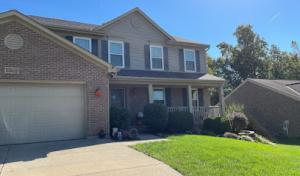
The Florence market strongly favors contractors advertising quick response, cleanup included, and affordable re-roofing, reflecting homeowner concern about disruption after storm events. When a storm hits, you'll see a lot of ads promising fast turnarounds and bundled cleanup. That's normal here, but it also means you must separate the marketing from the real work. Look for teams that can outline a clear schedule, a defined cleanup plan, and a reasonable timeline that fits your property's needs without rushing through the job.
A notable share of local firms are long-established, while smaller family-owned and locally owned companies remain part of the market, giving homeowners a real choice between scale and local continuity. Start with firms that have a consistent local presence and can reference nearby roofs they've serviced. Ask for recent projects in your neighborhood, and if possible, drive by a completed job to assess workmanship and cleanup. Don't assume longevity guarantees quality-verify workmanship through a few solid, recent referrals and drive-by observations.
Manufacturer-certified, licensed, and insured signals exist but are not dominant in the local data, so homeowners in Florence should verify credentials directly rather than assume every bidder offers the same documentation standard. Ask for any credential claims in writing and contact the issuing bodies to confirm current status. In addition, request proof of insurance coverage (liability and workers' compensation) and a valid contractor license number. If a bidder balks at sharing the details, treat it as a red flag and move on to another option.
Get written estimates that detail the scope of work, materials, and access needs, plus a scheduled sequence for removal, decking, underlayment, and final inspection. Compare not only price but the proposed timeline, cleanup commitments, and who handles debris disposal. Before signing, confirm who will serve as the project manager on site, how weather interruptions are handled, and what happens if storm-related supply delays occur. This is where a locally rooted company often proves its value-their responsiveness and on-site presence during a repair cycle can make the difference between a smooth restoration and repeated fixes.