
Last updated: Apr 19, 2026
Spring hail and high winds hit neighborhoods with little warning, and the timing can push replacement schedules back weeks if crews are prioritizing storm damage and insurance-led projects. In this market, storm damage and insurance-claim help are the most prevalent contractor specialties, indicating that many roof projects begin after weather events rather than planned remodels. You'll feel the pressure when a quick leak appears, and delayed replacement can leave you exposed to more weather as storms roll through. Recognize that impact may be bigger than a quick cosmetic fix: missing shingles, dented metal, and lifted edges invite further water intrusion with every shower.
After a storm, walk the roof only if you can do so safely from ground level or with a professional on a ladder. Look for broken or missing shingles, granule loss in gutters or downspouts, and any sheen on the surface that suggests hail impact. Inside, check for dark stains or damp spots near the attic, and pay attention to musty odors that signal hidden moisture. In a Bluegrass climate with regular precipitation after storms, even small damage can turn into a roof-full problem within days. If you notice cracking in sealant around vents or flashing, treat that as a red flag you shouldn't ignore.
When storms strike, your first goal is to slow water intrusion until a full replacement can be scheduled. Place sturdy tarps or temporary roof protection over exposed areas, focusing on valleys, seams, and any roof edge where water can pool. If you have a fast-leak situation, place buckets or containers to capture drips and protect wiring and electronics from water exposure. Avoid walking on a damaged roof; risk of additional shingle loss or fascia damage is real, especially with gusty spring winds. Keep exterior doors and attic vents clear so air can circulate and condensation won't pool inside walls.
Starting a claim quickly helps align with the market's typical workflow, where storm-related work dominates contractor calendars. Photograph damage from multiple angles, including close-ups of shingles, flashing, and interior water stains. Save dates from the storm event and any subsequent rainfall, and keep a log of all communications with your insurer and contractor. When you call for an inspection, have your policy number and a list of affected areas ready so adjusters can quickly verify scope. A robust dossier can speed estimates and reduce back-and-forth during the high-demand season.
In the days after a storm, a dry-in that keeps water from penetrating into living spaces is essential. A professional can install temporary tarping or lightweight sheathing to minimize interior damage while you await a full re-roof. Because Richmond also sees regular precipitation after storms, prioritize leak control in the attic and along eaves, and ensure that your temporary measures are consistently maintained during any delay. If a leak persists after a rains, treat it as an urgent signal that you need a contingency plan with your contractor for faster execution once a replacement slot opens.
Spring storm cycles can stagger replacement schedules due to demand spikes. Plan for the likelihood that crews juggle multiple insurance-driven projects at once, and reserve dates for inspection, order, and installation as soon as your adjuster approves the scope. Even when weather clears, weather-related delays can complicate the timeline, so coordinate with your contractor for a rapid mobilization once the green light comes. In practice, a strong, documented claim paired with a prepared schedule helps you lock in a faster path to a full re-roof with minimal exposure to another round of spring weather.
Find local contractors experienced in assessing and restoring roofs after hail, wind, and severe weather events.
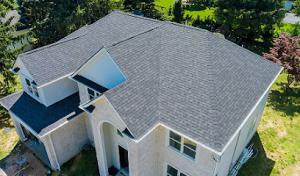
Bluejay Construction
314 N 2nd St, Richmond, Kentucky
5.0 from 266 reviews

V.C. Veterans Contracting
(859) 888-7663 veteranscontractingllc.com
328 Anna Hume Blvd Ste. A, Richmond, Kentucky
4.9 from 211 reviews
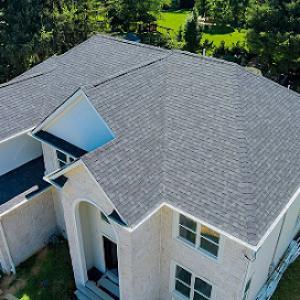
Boots on Roofs
(859) 544-0425 bootsonroofs.com
Richmond, KY
5.0 from 120 reviews
Boots on Roofs, LLC is a local, veteran owned and operated roofing company that serves the Richmond Kentucky and Knoxville Tennessee areas with high-quality materials, exceptional workmanship, and customer service that goes above and beyond. We pay close attention to detail and never cut corners. Integrity is at the foundation of our company’s core values. We are fully licensed and insured to work on both residential homes and commercial buildings.

Bluejay Construction
314 N 2nd St, Richmond, Kentucky
5.0 from 266 reviews
Bluejay Construction is a veteran-owned roofing contractor based in Richmond, Kentucky, providing professional roof replacement, roof repairs, new roof installation, and storm damage roofing services in Richmond, Berea, Winchester, Lexington, and London, KY. We work with residential and commercial customers to deliver durable, high-quality roofing solutions built to last. In addition to roofing, we offer siding, gutters, windows, concrete, decks and excavation services. Bluejay Construction is BBB-accredited and certified by Owens Corning, GAF, James Hardie, and VELUX, proudly serving Madison County, Fayette County, Laurel County, and surrounding areas.

V.C. Veterans Contracting
(859) 888-7663 veteranscontractingllc.com
328 Anna Hume Blvd Ste. A, Richmond, Kentucky
4.9 from 211 reviews
V.C. Veterans Contracting is a trusted roofing company based in Richmond, KY, specializing in full roof replacements for homeowners across Madison County and surrounding areas. Our team understands Kentucky’s unpredictable weather—from heavy rain and wind to seasonal storms—and how it can impact your roof over time. We provide professional roof inspections and complete roof replacements designed to protect your home, improve curb appeal, and deliver long-lasting results. Known for quality workmanship, clear communication, and reliable service, V.C. Veterans Contracting is proud to serve Richmond homeowners with honest roofing solutions you can count on.
Capstone Roofing KY
(859) 544-0932 www.capstoneroofingky.com
KY 40475 US, 622 Apricot Drive, Richmond, KY
5.0 from 64 reviews
Capstone Roofing KY, based in Richmond, KY, is your premier choice for exceptional roofing services. As expert roofing contractors, we specialize in roof repair and replacement, ensuring your property is protected year-round. Our dedicated team prides itself on quality craftsmanship and exceptional customer service, making us the trusted roofing company in the Richmond area. Whether you need minor repairs or a complete roof renovation, Capstone Roofing KY provides reliable and affordable solutions. Trust us to enhance your property's safety and curb appeal.
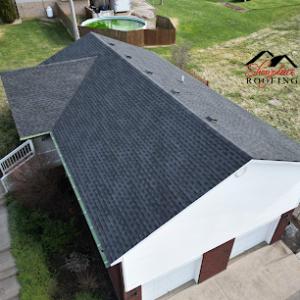
Showplace Roofing
(859) 629-0151 www.showplaceroofing.com
1020 Golden Leaf Blvd, Richmond, Kentucky
5.0 from 61 reviews
Showplace Roofing is a local company serving Richmond and Central Kentucky. We offer residential and commercial roofing, siding, gutters, fascia, soffit, and more. We handle everything from repairs and replacements to new construction and insurance claims.
Pinnacle Roofing
(859) 800-7663 pinnacleroofingteam.com
131 E Water St, Richmond, Kentucky
4.9 from 355 reviews
Pinnacle Roofing is GAF Master Elite Two Star President’s Club roofing company with over 10+ years of experience operating in central Kentucky. Google Guaranteed. A+ rated by BBB. Considered by many as the best roofing company in Lexington, Richmond, and central Kentucky. Veteran-owned.
Causey Roofing
(859) 544-3899 www.causeyroofing.com
1124 Mission Dr, Richmond, Kentucky
5.0 from 53 reviews
Causey Roofing provides roofing services that will leave you feeling safe and secure. The meticulous attention to detail we put into every job ensures that your roofing quality is A1.

Ark Covering & Restoration
(859) 312-8012 arkcoveringrestoration.com
384 Anna Hume Blvd, Richmond, Kentucky
5.0 from 43 reviews
Ark Covering & Restoration is your premier choice for top-quality roofing services in the heart of Richmond. We are dedicated to providing exceptional craftsmanship and outstanding customer service. As a leading roofing contractor, we specialize in comprehensive storm damage repair, ensuring your home is protected and secure. Whether you're searching for "roofing contractors near me" or a reliable roofing company, Ark Covering & Restoration has you covered. Our experienced team uses the latest techniques and materials, guaranteeing durable and lasting results. Trust us to restore and enhance your roof's integrity with unmatched expertise.
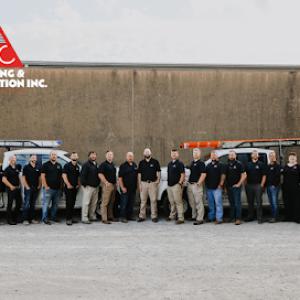
AIC Roofing & Construction
946 Spanish Grove Dr, Richmond, Kentucky
5.0 from 37 reviews
AIC Roofing & Construction is a certified GAF Master Elite contractor that has built a reputation by providing the highest quality roofing replacements and repairs in the Central Kentucky area. We work diligently with our suppliers to negotiate the best prices which enables us to provide a first rate installation at a competitive price. Our business model is to deliver the same high quality work, day after day, job after job. Whether it’s a simple repair or a complex replacement, we always follow the step-by-step process we have developed for resolving various job specific details. By doing so we greatly reduce the chance for an installer or repair tech to make a mistake.

Advanced Roofing & Construction
(859) 983-4533 www.advancedroofingandconstruction.com
4000 Hermit Ridge Rd, Richmond, Kentucky
5.0 from 21 reviews
"Whether you’re looking to update the style of your home or need to have your roof professionally inspected, there’s only one company in all of Lexington, KY, that offers the exceptional services you seek. With more than 20 years in home improvement and roof replacement, Advanced Roofing & Construction has supplied their clients with the finest, most affordable solutions in the industry. They are highly recommended for their honest work ethic and will be happy to help make your home improvement dreams a reality. What makes Advanced Roofing & Construction stand out is their commitment to excellent customer service."
Ideal Roofing
(859) 626-7663 idealrestorationky.com
6017 Atwood Dr suite 16, Richmond, Kentucky
5.0 from 2 reviews
Ideal Roofing can handle all your roofing needs. We work with all insurance companies. Roofing claims can be confusing, please call today we can assist with this process. We can take the old roof on and replace it on one day. Make sure your roof is weather ready with an Ideal Roof. 859-626-ROOF
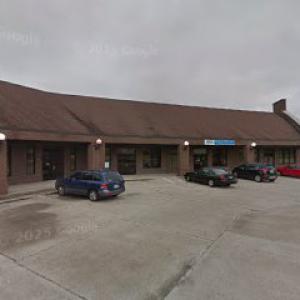
1st Call Construction
100 Keystone Dr Ste.C, Richmond, Kentucky
5.0 from 1 review
1st Call Construction is your local construction company servicing Richmond, KY, since 1975. We have been helping people with residential and commercial remodels, renovations, home additions and more. Whether you’re a homeowner or a commercial property owner, we’ll work with you to make your remodeling dreams a reality. Contact us today!
In Kentucky, homeowners insurance generally covers wind and hail roof damage when it is properly documented, making photo records and contractor estimates especially important after storm events. The typical Richmond storm season brings quick wind bursts and hail that can compromise shingles, flashing, and underlayment, even if damage isn't immediately obvious from the ground. Having a clear, organized evidence trail helps avoid delays and dispute-prone back-and-forth with the insurer.
After a hail or high-wind event, your first job is to document with purpose. Take wide exterior photos that show the roof condition from multiple angles, plus close-ups of damaged shingles, granule loss, lifted tabs, and dented flashing or vents. Capture gutters, downspouts, and any interior signs of leaks near ceilings or upper walls. Keep a dated photo log and note the time of day and weather when each photo was taken. If you can, document prior wear patterns-like granule loss or curled shingles-so you can distinguish new damage from aging.
Next, gather contractor input early. Request a written roof assessment that identifies what appears to be storm damage versus wear-and-tear. Ask for a detailed estimate that itemizes replacement components, including shingles, underlayment, flashing, and vent closures. The insurer will expect third-party documentation, and local adjusters will scrutinize claims with an eye toward recent weather events and the home's overall condition. A clear, professional estimate paired with photos dramatically improves claim progress.
Expect adjuster inspections to occur after you file a claim. A typical Richmond claim review will involve verifying damage through on-site inspection and comparing it to the photos and contractor estimates you provided. The adjuster will look for signs of recent impact damage and verify that the scope of work aligns with what is customary for the age and style of your roof. Supporting documentation-previous roof condition notes, maintenance records, and any prior repairs-helps establish context and can influence coverage decisions. If there are questions about cause or extent, be prepared to supply additional photos or a stamped contractor report.
Because storm-related roofing is so common locally, homeowners should separate true storm damage from older wear that may not be covered. Look for recent, localized impact marks, lifted or broken shingles in a pattern consistent with hail or wind, and new flashing disturbances. Avoid over-claiming by documenting only what appears to have changed after the event. If a contractor identifies pre-existing issues, note them distinctly and explain why those items would not be the primary cause of the current damage.
When you document thoroughly and respond promptly to adjuster requests, the timing of your claim advances more smoothly. Keep a single, organized folder of photos, reports, and communications. If an insurer requests additional documentation or a follow-up inspection, respond quickly and arrange access to the property for the adjuster. In fast-moving storm seasons, timely documentation and clear communication are the practical differences between a smooth re-roofing process and extended delays.
Connect with contractors who help homeowners navigate the claims process from damage assessment to final approval.
Bluejay Construction
314 N 2nd St, Richmond, Kentucky
5.0 from 266 reviews
V.C. Veterans Contracting
(859) 888-7663 veteranscontractingllc.com
328 Anna Hume Blvd Ste. A, Richmond, Kentucky
4.9 from 211 reviews
Spring in this area brings a mild, workable window for planned roof replacements, but storms can throw a wrench into the schedule. When a major hail event rolls through, the first priority is documenting damage for the insurance claim, then coordinating a fast re-roof to minimize secondary leaks. Plan for a phased approach: quick tarp or temporary leak mitigation if rain is forecast, then full crew mobilization once the weather clears. Because Madison County reviews and phased inspections can affect timing, align your contractor's timeline with anticipated lull periods after spring storms to avoid bottlenecks.
Summer heat and humidity can slow daytime installation and affect material handling on sloped roofs. In Richmond, heat can nudge crews to start earlier or push jobs into cooler mornings and late afternoons. Prioritize schedules that maximize shade access and keep material stock in a shaded area to prevent warping or damage. For storm-damaged roofs, ensure temporary protection is in place during the hottest weeks, and allow for shorter daily shifts if heat poses risk to adhesives, underlayment, or asphalt shingle performance.
Fall offers another favorable period for replacement, but leaf buildup and rain can complicate progress. Leaf debris can clog gutters, vent paths, and drip edges, which slows inspection and final sealing. Implement a clean-up routine at the end of each day and plan for a final, leaf-free walkthrough before completion. In a storm-restoration scenario, establish a clear sequencing plan with the contractor: immediate tarp, then rapid decking assessment, followed by shingle or panel installation as weather permits. The flexibility to pause and resume work around late-season rain helps maintain quality without sacrificing timing.
Winter freezes and ice complicate installation quality and scheduling, especially for homeowners trying to replace a roof after late-season damage. Cold temps affect adhesive-backed underlayment and nail guns, and frozen roof decks slow progress. When a late-season claim lands, discuss indoor-to-outdoor sequencing with the contractor to keep interior work aligned with exterior progress. If weather windows open briefly, capitalize on those days for critical steps such as decking security, underlayment layering, and fastens in exposed areas, while leaving more intricate finish work for a milder stretch.
Asphalt shingles remain the practical foundation for most re-roofs in this market. They align with the mainstream restoration pace and price sensitivity that homeowners encounter after spring storms. In this region, shingles are selected for their balance of ease of installation, availability, and a broad slate of color options that help match existing homes. However, wind uplift and hail bruising are real concerns in Kentucky's storm seasons, so choosing a wind-rated shingle and upgrading underlayment can make a meaningful difference. When a hail event hits, asphalt roofs can suffer cosmetic and functional damage quickly, and a fast, well-documented claim process helps maintain coverage for a timely repair.
Metal roofing appears in Richmond as a smaller specialty segment, appealing to homeowners who want durability and a distinct look. Because it is less commonplace than asphalt in the storm restoration market, contractor selection matters more. A few local installers bring experience with metal panels and standing seam, which can offer excellent wind resistance and longer service life when properly installed. If considering metal, focus on panel type, fastening method, and whether the roof deck and ventilation are prepared to support the system's weight and thermal movement. Expect the need for careful flashing details around chimneys, skylights, and transitions to maintain long-term performance in fluctuating Kentucky weather.
Clay tile, concrete tile, wood shakes, and synthetic shingles are present in the local market, but their higher weight, maintenance needs, and sometimes steeper installation requirements make them less typical choices for a Richmond roof. Clay and concrete tiles carry substantial weight, which often requires structural assessment and possible deck reinforcement-an added layer of consideration in older homes. Wood shakes bring a natural aesthetic but demand regular maintenance to prevent rot and insect issues, plus they can be more vulnerable to rapid weather cycles. Synthetic shingles offer resilience and simplicity, yet they may not always deliver the same long-term performance in storm-heavy environments as asphalt, depending on the product and installation. If a storm-focused retrofit or a style upgrade is on the table, these options deserve a careful comparison of value, weight, and compatibility with existing roof geometry.
In spring storm conditions, you'll want a roof system that balances ease of repair with proven performance under wind and hail. Your local contractor should emphasize wind-rated asphalt options, proper underlayment, and thorough flashing details. For homeowners eyeing a specialty material, ask for a detailed installation plan that addresses weight, ventilation, and the transition from old to new roofing. In all cases, choose materials and crews with demonstrated experience in the region's weather patterns, and prioritize documentation of damage assessments and repair timelines to support a smooth claim process.
Explore specialists in steel, aluminum, and standing seam metal roofs built to last 50 years or more.
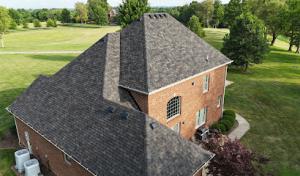
Thomas Quality Construction
(859) 575-7120 www.thomasqualityconstruction.com
1504 E Main St, Richmond, Kentucky
4.8 from 82 reviews

Advanced Roofing & Construction
(859) 983-4533 www.advancedroofingandconstruction.com
4000 Hermit Ridge Rd, Richmond, Kentucky
5.0 from 21 reviews
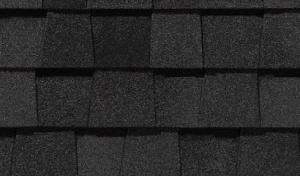
In this market, planning starts with per-square ranges for common materials. Asphalt shingles run roughly from 350 to 700 USD per square, metal from 600 to 1500, clay tile from 1200 to 2800, concrete tile from 900 to 2200, wood shingles or shakes from 600 to 1400, and synthetic or composite shingles from 500 to 1100. Use these figures to build a realistic budget for a full replacement on a typical home's roof footprint, then layer in the concrete options you're considering. If your home has older decking or requires extra underlayment or ventilation upgrades, add a modest contingency above the high end of the material range.
Spring hail and wind events drive demand in this area, and that pressure shows up in both scheduling and labor pricing. After a major storm, a rush to re-roof can tighten crew calendars and push material availability, sometimes elevating total costs even when the material price bands stay stable. If your project lands in a post-storm window, expect tighter windows, potential wait times, and more coordination with the contractor to secure timely start dates and reliable crews.
Storm-driven demand doesn't just affect when work starts; it can affect how quickly crews complete the job. In a market where many homes are needing full re-roofs rather than limited repairs, the typical pace can feel compressed. Build a realistic timeline with your contractor that accounts for weather delays, material delivery lead times, and staging space at the curb for tearing off the old roof and bringing in the replacement. If you're coordinating around school calendars or peak storm seasons, set your target start date with some buffer for possible interruptions.
Beyond material costs, the total project usually includes underlayment, ice and water shield where applicable, venting upgrades, flashing, and waste disposal. Round out your estimate with a conservative add-on for incidental site work and possible access equipment. Given the variance introduced by storm activity, set aside a contingency-5 to 10 percent is a practical cushion for most Richmond homes. If insurance comes into play, use the material cost bands as your reference point and document any premium increases tied to storm-related scope changes.
Get a clear picture of your project costs upfront - no commitment required.
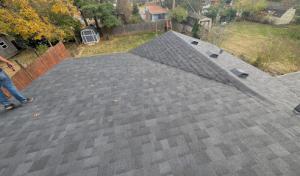

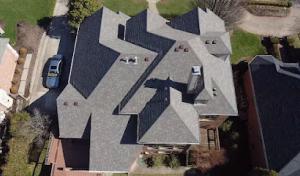
A full re-roof in Richmond or Madison County typically requires a building permit rather than being treated as a purely informal maintenance job. The local process is designed to ensure storm-damaged roofs are replaced with proper materials and underlayment, given the area's hail and wind risks. If a contractor suggests skipping the permit, you should pause and verify with the county before any tear-off begins.
The local building department generally reviews plans, issues the permit, and schedules inspections in phases. The plan review looks for basic structural compliance, proper underlayment, and venting compatibility with your roof's design. Once approved, the permit is issued, and work can begin under the department's guidelines. Keeping copies of the permit and any correspondence is essential, especially if you are navigating an insurance claim side-by-side with repairs.
Inspections are staged to track progress and catch issues early. A early deck or framing inspection confirms the roof's substrate is sound before shingles go down. Next comes the underlayment check, ensuring the weather barrier is correctly installed and overlapped. A final inspection verifies that all components meet code, including flashing, vent connections, and drainage details. Completing each phase on schedule helps avoid delays that can compound a storm-damaged timeline.
Processing usually takes about 1-2 weeks in this jurisdiction, so homeowners trying to replace a storm-damaged roof should account for permit timing before work begins. Coordinate closely with both the insurer and the contractor to align the permit milestones with the expected restoration window. Delays in permit issuance or missed inspections can push a project past seasonal constraints, risking additional exposure to weather and further damage. If a contractor promises a rapid start, confirm they have already filed the permit package and understand the phased inspection plan to prevent any hold-ups.
Autumn brings a steady cadence of rain and a river of leaves that collect along roof edges, in valleys, and at the transition points where roof meets gutter. In this climate, moisture has a habit of lingering and sneaking into small gaps, so valleys, gutters, and roof-to-wall transitions demand extra attention once leaves begin to pile up.
Because precipitation arrives year-round, even a tiny storm-created opening can turn into an interior leak quickly if tarping or a prompt repair isn't done. After a wet spell, check for damp spots inside and on ceilings near exterior walls. The sooner a problematic seam or flashing is addressed, the less damage travels from attic to living space.
Valleys collect runoff, and clogged gutters force water to back up onto shingles or into soffits. In Richmond, where moisture can linger after a storm, ensure valleys are clean, flashing is intact, and roof-to-wall transitions are tightly sealed. Small defects here become big problems after a storm surge or rapid temperature swings.
Skylight work appears as a recurring concern for some homeowners, reflecting a niche but active specialty in the area. Penetrations and flashing around skylights can fail quietly and then leak during the next rain event. If a skylight shows any condensation, leaks, or loose flashing, prioritize inspection and professional flashing repairs to prevent interior staining.
Find contractors experienced in skylight installation, flashing, and leak repairs to bring natural light into your home.
Thomas Quality Construction
(859) 575-7120 www.thomasqualityconstruction.com
1504 E Main St, Richmond, Kentucky
4.8 from 82 reviews
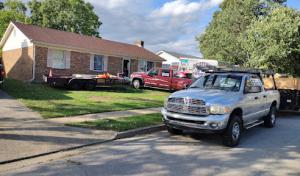
In this market, homeowners are hiring primarily for re-roofing, cleanup, quick response, and affordability. When comparing contractors, prioritize post-storm execution and on-site protection over specialty features. Look for crews that can mobilize fast after a hail or high-wind event and demonstrate a clear plan for debris containment, tarping, and orderly material staging. A practical yard-wide approach matters more than one-off showpieces on a brochure.
A meaningful share of Richmond's roofing market consists of long-established or manufacturer-certified crews. That matters for warranty follow-through and the ability to schedule inspections when needed. Favor contractors who can document a track record with manufacturer programs and who provide written warranties that cover both labor and material claims. Ask for a simple written timeline and a dedicated point of contact for post-installation questions.
Residential steep-slope replacement is not interchangeable with every commercial roof job. Confirm that the contractor's core experience aligns with steep-slope residential work, including shingle and metal applications common in local homes. Verify they routinely handle roof edge protection, attic ventilation considerations, and proper underlayment installation for storm-prone seasons.
Request a brief project plan with a start window, daily progress expectations, and a cleanup protocol. Ask for recent Richmond-area references and look for on-site photos from similar storm-repair projects. Confirm who will be present during critical phases of the job and whether the crew includes a supervisor versed in handling insurance-related timelines and rapid inspections.