Last updated: Apr 19, 2026
Spring in this bluegrass belt swings from sunshine to sudden hail and gusty winds in a heartbeat. The pattern of storms that sweep across the countryside can leave a roof dented, shingle edges curled, and gutters clogged with hail debris in a single afternoon. Those conditions translate into a sharp surge of claim activity as homeowners scramble to document damage, protect interior spaces, and get a contractor on-site before more weather hits. In Versailles, spring hail and wind storms are a primary trigger for roof inspections, temporary protection, and insurance claims. That means a homeowner's best move is to act on the moment: you cannot wait for a calm spell to start protecting the roof and documenting what happened. Quick action reduces the risk of interior water intrusion and minimizes further distress to attic spaces, ceilings, and walls.
When a storm hits, the insurance review process often looks closely at prior repairs and the roof's age. Local claim files commonly need photo documentation, contractor estimates, and permit records because carriers in this region often review prior repairs and roof age closely. Photos should capture both wide views of widespread impact and close-ups of damaged shingles, flashing, and vent collars. Time-stamped images from after the storm help establish a clear sequence of events. Keep a simple, concise inventory of affected areas and note any signs of leaks or staining in the attic. If a contractor is called out, request a written estimate that breaks down materials, labor, and the scope of needed work, and preserve any temporary protection work as part of the record. The goal is to present a coherent, well-documented narrative that aligns with the storm's timing and the roof's condition.
Storm-driven demand surges can disrupt scheduling in Versailles, making post-storm response speed a practical issue for homeowners trying to prevent interior water damage. The spring-to-fall window is finite, and crews often book out quickly after a major event. If your roof shows signs of leakage, get a temporary tarp or boards installed promptly to curb further water intrusion. Simultaneously, begin coordinating with a preferred roofing contractor who is accustomed to handling insurance-backed projects and who can provide guidance on the claim process. When possible, secure approvals and a clear project plan fast, because delays can cascade into additional interior damage and more complex claims. A swift, organized approach helps maintain control over the timeline and reduces the risk of a secondary failure during a storm-spurred market spike.
While a claim progresses, focus on safeguarding living areas and storage spaces from water intrusion. Move valuables from the attic and upper closets if accessible, and place buckets or containment measures under any active drip points. If flow is persistent, document the extent of interior damage with dated notes and photographs to support the claim's need for expedited repairs. Storms in this region test the resilience of steep, traditional rooflines, where wind can lift edges and expose underlayment. Prioritize securing the outer envelope first, then take steps to minimize interior disruption. In these conditions, a proactive plan and clear communication with the insurer and the roofer are the best defense against a long, drawn-out restoration.
Primetime Roofing & Contracting
(859) 595-2940 primetimeroofingandcontracting.com
Serving
5.0 from 87 reviews
At Primetime Roofing & Contracting, we pride ourselves on providing top-quality roofing services to the residents of Winchester, KY and surrounding areas. With a team of experienced professionals and a commitment to customer satisfaction, we offer expert roof installation, repairs, and replacement services. Trust us for all your roofing needs.
Built Wright Homes & Roofing
(270) 215-4654 builtwright.com
Serving
5.0 from 54 reviews
Built Wright Homes and Roofing, is a widely known Owens Corning Certified construction company specializing in Roofing, Siding, Gutters, Windows, and Painting. We specialize in all phases of construction as well as Insurance claims
United Contracting
(859) 559-2244 unitedcontractingky.com
Serving
4.9 from 357 reviews
At United Contracting, we proudly serve Jeffersontown, KY and surrounding areas with expert roofing, siding, and masonry services. From shingle replacement and ventilation upgrades to siding anchoring and moisture damage repair, we ensure your home stays protected and energy-efficient. Our skilled bricklayers handle chimney repairs, fireplace rebuilds, repointing, and waterproof masonry sealing with precision. Whether you're dealing with storm damage or planning a full roof and siding replacement, our team is ready to deliver lasting solutions. Call today for a free assessment.
Pinnacle Roofing
(859) 800-7663 pinnacleroofingteam.com
Serving
5.0 from 166 reviews
For over a decade, Pinnacle Roofing has served Lexington and central Kentucky as the go-to roofing contractor, consistently delivering exceptional roofing solutions to both residential and commercial clients. Led by a team of highly skilled and GAF Master Elite Two Star President's Club certified craftsmen, Pinnacle Roofing ensures every project is handled with precision and expertise. Our unwavering commitment to quality and customer satisfaction has earned us esteemed recognition as Google Guaranteed and an A+ rating from the Better Business Bureau, solidifying our trusted reputation among residents of Lexington and central Kentucky. Veteran-owned!
Knockout Exteriors - Roofing, Chimney, Siding, Repair Contractor
(859) 600-2141 www.knockoutexteriorsky.com
Serving
5.0 from 44 reviews
Knockout Exteriors provides sophisticated home exterior services, including Roofing, Windows, Siding, Gutters, Chimneys, and Repairs. We work with homeowners, contractors, home renovators, interior designers, and more. We proudly serve Central Kentucky, including Frankfort, Richmond, Berea, Lexington, Georgetown, Danville, Winchester, Mount Sterling, Shelbyville, and Nicholasville, Kentucky. Call today for a Free Estimate, with 24/7 emergency service and a lifetime workmanship warranty!
Roof Secured
(859) 766-3459 www.roofsecured.com
Serving
5.0 from 49 reviews
At Roof Secured, we believe your roof is more than just a structure; it’s the shield that guards your cherished memories and dreams. That’s why we’ve dedicated ourselves to providing not just roofing solutions, but a promise of reliability and utmost satisfaction. Join the countless customers in Lexington and throughout central Kentucky, who have transformed their homes and businesses with our expert touch.
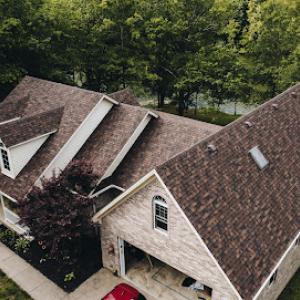
Big Red Contracting
(502) 395-8804 www.bigredcontractingky.com
Serving
5.0 from 39 reviews
Protect your home with contracting services from Big Red Contracting located in Frankfort KY. From roof replacement and repair to other exterior home repairs we are your one stop shop. Contact us today to receive a free quote!
Dynamic Restoration
(866) 242-1832 www.dynamicrestorationky.com
Serving
4.6 from 237 reviews
At Dynamic Restoration, we perform both residential and commercial work. If you’re looking for a dependable and organized contractor to help with your residential or commercial project, give us a call today. We’ll have one of our qualified reps work with you to ensure satisfaction every step of the way. NEW CONSTRUCTION SIDING WINDOWS & DOORS ROOFING PORCHES & DECKS SIDING INTERIORS
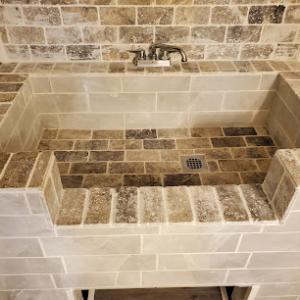
Mericle Roofing & Construction
Serving
4.9 from 34 reviews
We offer every kind of service under the sun when it comes to residential roofing, flooring installation, deck installation, and more! We take great pride and stand behind our work. No matter your reason for needing roofing or general contractor in Lexington, KY, Mericle Roofing and Construction would like to make the process as simple for you as possible. We can help with your roof repairs, roof replacements, and everything in between. So if you're looking for a service that's affordable and backed by warranties, contact us today.
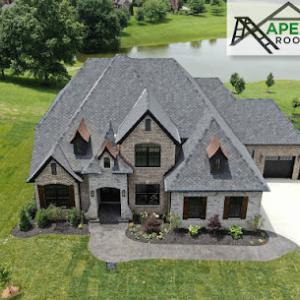
Apex Roofing of Greater Kentucky
(859) 523-2739 www.apexroofingky.com
Serving
4.9 from 91 reviews
Apex Roofing of Greater Kentucky is proud to serve the residents of our great state and its surrounding areas. We pride ourselves on providing efficient, hassle free service while using only the best materials available and never cutting corners in the production process.
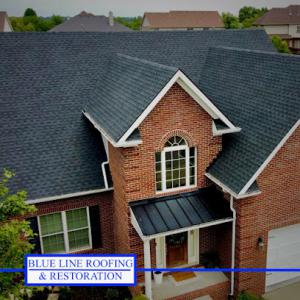
Blue Line Roofing & Restoration
(859) 575-8496 www.bluelineroofs.com
Serving
4.8 from 47 reviews
At Blue Line Roofing & Restoration, we’ve done something unique by drawing a “Line” in the Bluegrass to separate us from the competition. This puts our promise of quality, knowledge and professionalism on one side with a sea of contractors on the other that simply don’t measure up. Once you cross the Blue Line, rest assured your job will be constructed with high quality materials, craftsmanship and the service needed to get it done right and in a timely manner. Come join our happy family of satisfied customers at BLUE LINE ROOFING & RESTORATION today!

Maple Leaf Gutter & Siding Systems + Maple Leaf Roofing Systems
(859) 629-2914 mapleleafguttersystems.com
Serving
5.0 from 15 reviews
Maple Leaf Gutter And Siding Systems is the product working many years in the construction business and seeing how often guttering and all of the components are treated as a side dish and not the entrée. Our primary purpose is to make every customer a testament to our loyalty and desire to give them the best experience possible. We do this by getting to know our customer’s needs, wants, and feelings regarding the job at hand. By giving advice rather than information, delivering more than you promise to create loyal customers, always leaving our customers better than just satisfied and finally, always welcoming their feedback and opinions to make us head and shoulders above the rest.
Typical local pricing runs about $350 to $650 per square for asphalt shingles. In Versailles, spring storms can push demand up and fill crews' calendars, so timing matters. When a storm hits and insurance is involved, you may see a quicker start but potentially tighter scheduling. If a roof has fairly straightforward decking and a standard pitch, asphalt shingles remain the most common, predictable option for a cost-conscious project.
Metal commonly runs from $650 to $1100 per square. The appeal in this area is a longer lifespan and better resistance to wind-driven damage, which is common after Bluegrass storms. In Versailles, metal can be a practical choice on steeper traditional rooflines where insulation and attic air leakage are concerns. Expect higher material costs and some additional framing or fastening considerations if the roof has older decking or unusual rafter spacing.
Clay tile is typically priced from $900 to $1400 per square, which reflects the labor intensity of tile work and weight considerations. In this region, clay can be a good long-term option where the home already supports heavy roofing. However, approval and verification of decking, plus potential rework of roof framing to handle tile weight, can add to the scope. Tile roofs also have specific underlayment and drainage needs that shape the project timeline, especially after storm-related damage.
Concrete tile tends to run $600 to $1000 per square. It offers a durable, weather-ready profile for Kentucky weather swings. Versailles homes with steeper pitches or older decking may see added labor due to deck inspection or reinforcement, and the heavier weight of concrete tile can influence structural considerations. Scheduling can be affected by crew availability after storms that spike demand regionally.
Wood shingles or shakes typically fall between $500 and $900 per square. This option suits certain traditional styles but is more sensitive to moisture and wind. In Versailles, storm events can accelerate wear or lead to faster decay, requiring more extensive deck checks and possible moisture remediation. The labor-intensive nature also means higher installation times and potential delays if the crew needs to address decking issues discovered during removal.
Synthetic or composite shingles cost about $450 to $800 per square. They provide versatility for varied pitches and can mimic authentic looks while resisting some weather-related wear. In this market, composites can be a practical compromise when the roof has complex shapes or older decking that needs careful remediation. Expect reasonable installation windows, but storm-driven demand can still tighten scheduling.
Costs in Versailles can rise after regional storm events when reroof demand spikes and crews are booked across the Bluegrass area. Steeper traditional residential rooflines and older-home decking verification can add labor and scope in Versailles compared with straightforward replacement jobs. When a roof sustains storm damage, the combination of insurance documentation and timing around favorable weather windows-typically spring through fall-drives the overall project pace and final cost.
Get a clear picture of your project costs upfront - no commitment required.
Knockout Exteriors - Roofing, Chimney, Siding, Repair Contractor
(859) 600-2141 www.knockoutexteriorsky.com
Serving
5.0 from 44 reviews
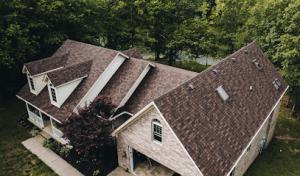
A full re-roof in Versailles commonly requires a permit, typically issued after the contractor submits plans and pays the fee to the local city or county building department. The permit process is tied to the spring-to-fall weather window, so plan ahead if storm activity is expected. If your home is on the older side, the permit review can take longer and may trigger additional documentation, so start the paperwork early after any storm damage is identified.
Before any new roof material goes on, expect a pre-install inspection. The building department will review your contractor's planned underlayment, flashing details, eave protection, and any access points on steeper pitches. For older houses, a clear record of the roof deck's condition may be requested, along with wind-uplift considerations. Have your contractor submit the roof plan, including wind-resistance features and any temporary protection measures during work, to avoid delays. This is the stage where the inspector verifies that the proposed materials and methods meet local code expectations and the structural realities of Versailles' climate.
Mid-project inspections help catch issues before the metal or shingles go on in earnest. In practice, this means the inspector may check underlayment laps, nail spacing, and flashings where hips and valleys intersect. For steeper traditional rooflines found on older homes, inspectors will verify that temporary fall protection and weather barriers are in place and meeting the city's expectations. If storm damage was involved, ensure that any required documentation about prior repairs or temporary shoring is available for the mid-project review.
The final inspection confirms the completed roof meets the permit's scope and local code. On older properties, the final step can include a wind-uplift verification or a dedicated roof deck check to ensure the deck is sound and properly supported. In cases where the deck shows signs of prior movement or required reinforcement, the inspector may request additional notes or minor corrective work before sign-off. If the work aligns with the approved plans and weather standards, the final inspection proceeds without major delay, and the permit is closed in due course.
Storm activity and insurance documentation influence timing and sequencing. If damage is identified after a storm, gather the insurer's paperwork and any adjuster notes to accompany permit submissions. Insurers in this region frequently favor roofing work scheduled during the milder stretches between late spring and early fall, when rain is less likely and material performance is more predictable. Communicate clearly with the contractor about staged inspections, so the flow from pre-install to final is uninterrupted by weather gaps or documentation holdups.
In this area, late spring through fall is generally the preferred window replacement window in Versailles because dry, moderate conditions support safer tear-off and better installation consistency. When做 planning, align the project to a stretch of several consecutive dry days, ideally with moderate temperatures that won't surge into extreme heat. That helps sealants cure properly and reduces the risk of gaps forming on a roofline already dealing with seasonal stress. Summer heat and humidity can affect adhesive performance and material handling, especially on long installation days, so schedule longer jobs for mornings or split the crew into two shorter sessions if the forecast calls for heat spikes. If a roof opens to attic space, consider factoring ventilation into the plan to prevent warm, stagnant air from complicating installation or compromising underlayment.
Fall rain, winter cold, and occasional ice create sealing, moisture, and access problems that can delay replacement work in Versailles. A wet forecast or sudden temperature drop can slow the setup of counter-flashes and wrap-around details, and icy mornings can make ladder work and material handling hazardous. Build a contingency buffer into the schedule for the transition periods between seasons, and communicate clearly with the crew about potential delays caused by rain or ice. When possible, stage materials on a dry day with stable footing to minimize tracking mud into the home and onto sensitive interior finishes.
Versailles homes often feature steep traditional rooflines and older construction practices that demand careful detailing around penetrations, hips, and valleys. A neighborly approach emphasizes thorough roof deck inspection, dry-fit of underlayment, and precise placement of flashing to handle storm-driven pressure changes typical of Bluegrass weather swings. Ensure the chosen crew brings experience with these profiles, including proper ladder safety, roof access planning, and a clear plan for protecting landscaping and gutters from rapid weather shifts. With spring-to-fall windows, you gain the advantage of better moisture control and more predictable installation conditions, helping to keep the project on track while maintaining the home's energy integrity and curb appeal.
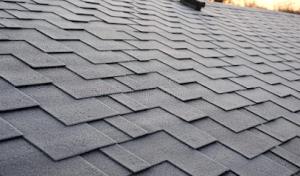
Asphalt shingles are the practical backbone for most replacement projects in this market. They fit the mainstream residential reroof budget range and are widely used on standard homes with the typical roof pitches found around town. In tours of older structures with steeper roofs, asphalt can still be the easiest path to a reliable seal, quick installation, and decent warranty coverage. For a home facing spring storms and hot Kentucky summers, asphalt shingles strike a sensible balance between performance and ease of repair after wind events.
Metal roofing has meaningful local traction in this area, reflecting homeowner interest in durability through hot summers, cold winters, and severe-storm exposure. When metal is installed with proper underlayment and flashing details, it resists wind and hail better than many standard shingles. It also sheds heat, which can help attic comfort in peak season. The trade-off is a closer look at roof geometry, attic ventilation, and fastening patterns so a metal roof does not develop issues around dormers, skylights, or chimneys.
Clay tile, concrete tile, wood shakes, and synthetic shingles are present in the market but usually require closer attention to structure, detailing, and replacement cost than standard shingle jobs. These options often demand more robust deck support, precise nailing patterns, and careful integration with parapets, valleys, and ledges. In older homes or steeper profiles, a dedicated assessment helps determine whether the existing structure can carry the weight or if modifications are needed.
If considering these options, focus on an inspection that evaluates deck integrity and attic support. Then discuss compatibility with the house's traditional lines, flashing details, and replacement expectations with a local roofer who understands spring-to-fall weather windows and Versailles-style roof geometry.
Explore specialists in steel, aluminum, and standing seam metal roofs built to last 50 years or more.
Primetime Roofing & Contracting
(859) 595-2940 primetimeroofingandcontracting.com
Serving
5.0 from 87 reviews
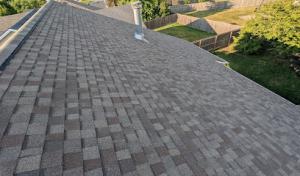
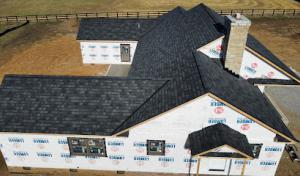
Older homes in this area can surface surprises when the tear-off starts. In some cases, decking verification is triggered during the permitting or inspection process, and planning should expect possible substrate repairs once the old roof is stripped. A cautious approach means inspecting for sagging or uneven decking before shingle removal begins, and having a plan for bridging or replacing sections that don't meet structural needs. If decking isn't adequately supported, leaks and wind uplift risks rise quickly after a storm, so communicate early with the crew about any suspected soft spots and the likelihood of temporary underlayment or patching rather than a quick, surface-only fix.
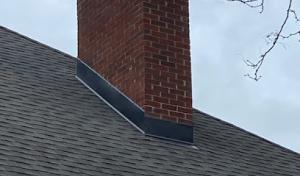
Chimney intersections and roof penetrations are a recurring concern in this market, and detail work matters on many reroof projects. The chimney chase, shingle alignment at the flashing, and the seal where a vent pipe meets the roof all demand careful workmanship. Inferior flashings here can become repeated leak points after spring storms or freeze-thaw cycles. Expect crews to test the seal around each penetration with water or air test methods, and plan for stepped flashing where the roof line meets masonry. Skipping precise detailing at these joints invites costly rework later, especially on older homes with unique brickwork or flared crowns.
Skylight-related repair experience is active in this market, making flashing and leak control around roof openings a relevant issue. In towers of light or low-slope sections, improper flashing can channel moisture into the attic or ceiling cavity. The key is ensuring the skylight curb is properly flashed and sealed, and that flashing transitions are integrated with surrounding shingles rather than treated as an afterthought. For homes with multiple openings, verify that the contractor methodically sections each eyelet of light access, preventing a domino effect of minor leaks that compound over time, especially after a heavy rain.
Find contractors experienced in skylight installation, flashing, and leak repairs to bring natural light into your home.
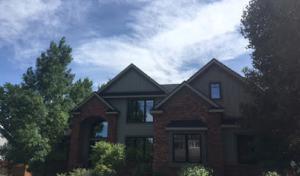
The local climate brings wind, hail, and severe-storm activity that can shape how roofs weather the seasons. Claims in this area are not unusual, and insurers often evaluate a roof's remaining life, recent patch histories, and how well the roof resisted the last big storm before deciding on renewal. This means the condition of the roof before any claim is filed matters just as much as the event itself. A roof with visible aging or patchwork is more likely to trigger closer scrutiny and could influence coverage decisions.
Keep dated photographs showing the entire roof, along with close-ups of damage and any prior repairs. In Versailles, where aging homes and steeper traditional lines are common, insurers may want to see repair invoices and permit documentation to verify work was done to code and to standard. Organized records help prove condition and prior maintenance, reducing the chance that a claim is delayed or denied for lack of evidence. If you hire a contractor, ask for itemized invoices and keep copies of material warranties; these details can be pivotal during claim handling.
The spring-to-fall window brings the highest weather volatility, and post-storm months often trigger a flurry of activity. When planning repairs, consider how long work will take and how it might intersect with weather gaps or seasonal permitting rhythms in town. Proactive maintenance, rather than reactive patching after a storm, generally leads to steadier insurer communications and fewer surprises if a claim is needed later. A well-documented roof history supports smoother interactions when the next major squall rolls through.
Although the main market is pitched roofs, there is enough flat and low-slope work to justify regular attention on porch additions, rear extensions, and small commercial-style sections. In homes with mixed rooflines, the low-slope portion often sits adjacent to a steeper main roof, creating unique drainage and flashing challenges that require careful coordination between trades. Expect porch roofs, sunrooms, and attached carports to present as a distinct maintenance category within a single property.
These lower-slope sections in Versailles are more vulnerable to moisture-related delays during fall rain and winter cold than straightforward steep-slope replacements. When planning projects, use the fall weather window to complete edge flashing, membrane installation, and drip-edge details before winter rain begins. Heads up: sustained wet spells or freezing days can slow inspection and material sequencing, so allow a small buffer after a rain event before final seams are set.
Mixed-roof homes may need different scopes and inspection attention for the low-slope portion than for the main shingle roof. Prioritize waterproofing details where the low-slope meets vertical walls, along valley intersections, and at any parapet or porch boundary. Look for signs of standing water, algae growth, or fascia-related leaks that track from the low-slope into attic spaces. In Versailles, a careful scouting of fasteners, sealants, and membrane laps around added-on sections can prevent later calls for retrofit work.
Coordinate materials and timelines so the low-slope portion is tackled early in a project sequence, especially if a larger roof replacement is planned. Confirm shingle overhangs and flashing align with adjacent steep sections to maintain proper runoff. Schedule interim inspections after fascia and gutter work to verify drainage paths remain clear through the transition from low-slope to steep-roof areas.
Find specialists in TPO, EPDM, and built-up flat roofing systems for residential and commercial properties.