
Last updated: Apr 19, 2026
Spring hail and strong storms plant immediate questions about roof integrity, but the winter freeze-thaw cycle keeps delivering issues into the shoulder seasons. In Loveland, the pattern is a two-front assault: hail and wind can crack shingles and loosen flashing in spring, while repeated freezing and thawing during winter and early spring causes hairline cracks and stressed underlayment. This isn't a single peak risk; it's a rolling process. Plan to reassess after every major storm and after the thaw period, not just at the traditional "high-risk" times. The goal is to catch signs early-soft spots, granular loss, or lifted edges-before a small problem becomes a costly disaster in the next freeze cycle.
The Little Miami corridor and the surrounding river valley create lingering moisture after storms. That damp environment in Loveland means flashing seams, vent penetrations, and roof-to-wall transitions stay subjected to moisture longer than in drier neighborhoods. After a heavy rain or hail event, go up and inspect metal flashing around chimneys, skylights, and vent pipes. Look for corrosion, lifted or bent sections, and any sealant that has pulled away. If moisture sits for more than a day, the risk of mold-prone attic conditions rises. Ensure attic ventilation remains open and effective because poor airflow compounds freeze-thaw damage by trapping humidity near the decking.
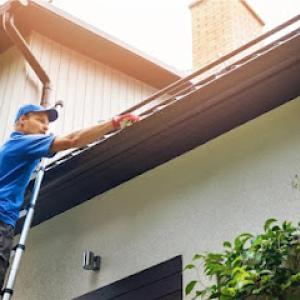
Tree-lined streets mean more debris on the roof as fall winds up and storms roll through. Branch impacts can nick shingles or create micro-cracks that propagate under freeze-thaw cycles. Blocked gutters aggravate water backups and ponding on the roof, stressing seals and drip edges. After windy spells or storms, clear debris from the roof edge and gutters as soon as safely possible. Inspect for missing or curled granules and for any fascia or soffit damage that could invite moisture intrusion. If branches repeatedly strike the roof during storms, consider trimming or selective removal to reduce recurring damage.
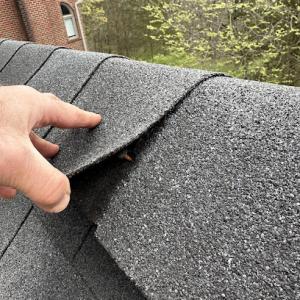
After every notable storm or thaw period, walk the roof if safely accessible or hire a local pro for a visual assessment. Start at the most exposed areas: valleys, transitions, and near dormers, then move to the eaves and gutters. Check shingles for curling, cracking, or loose fasteners; inspect flashing around chimneys, vent stacks, and skylights for gaps or gaps in sealant. Pay attention to water stains on ceilings or attic dampness, which point to concealed leaks. In the attic, verify that insulation isn't compressed by moisture and that there's no sign of mold. If any doubt exists about the roof's ability to resist another freeze-thaw cycle, consider a temporary protective measure and a professional inspection to determine whether a full replacement or targeted repairs are warranted.
Because Loveland experiences spring hail and winter cycles, quick response to suspected damage matters more than ever. A small leak can balloon with another storm or freeze, threatening interior framing and insulation. If you notice compromised shingles, lifted flashing, or attic moisture after a storm, schedule an assessment promptly. A trained local roofer can determine whether the damage is isolated to the surface or has extended into underpinning materials, guiding you toward the most durable long-term fix. The aim is to prevent ongoing moisture intrusion and to preserve roof performance through the next cycle of weather.
Asphalt shingles dominate locally because they fit the steep-slope residential stock common in this area and are simpler to replace after hail or wind events than heavier systems. In a neighborhood shaped by the Little Miami River valley, you'll find asphalt shingles that handle the freeze-thaw cycle relatively well when paired with proper underlayment and adequate ventilation. For Loveland homes, focus on choosing a shingle with good impact resistance and a solid warranty, and plan for attic ventilation that balances moisture from tree cover with the winter dryness. When hail hits, a straightforward shingle replacement is often the most practical option, minimizing disruption to nearby mature trees and landscaping.
Metal roofing is a practical choice if snow buildup and ice dam concerns are top of mind for you. Locally, it helps reduce ice-related maintenance and can shed snow more predictably, which can lower the risk of ice dams along eaves. The key in this climate is detailing around valleys, chimneys, and transitions, where improper flashing during freeze-thaw cycles can lead to leaks. Metal performs well with periodic inspection of fasteners and seals, especially at roof-to-wall transitions and roof penetrations. If you opt for metal, pair it with a thoughtful underlayment and careful panel installation to avoid cold-weather leaks and ensure long-term performance.
Tile options and wood shakes/shakes appear in smaller numbers but can be appropriate on specific Loveland homes, especially those with custom designs or a heavier architectural character. Clay and concrete tiles bring durability but require robust structural support and careful assessment of underlayment, especially in homes with older framing. Wood shakes offer a distinct look but can be vulnerable to moisture and insect exposure in shaded, tree-dense lots; they also demand attention to treatment and maintenance as part of a longer replacement cycle. Synthetic products mimic the appearance of traditional materials while often offering lighter weight and better uniformity, but still require scrutiny of underlayment type and insulation compatibility. If choosing these, ensure the structure can bear the load and that the installation plan addresses ventilation and flashing details in freeze-thaw conditions.
Older or custom homes in this area may already have a preferred aesthetic or structural setup. In those cases, closely review how the new roof will align with existing rooflines, valleys, and transitions. Matching shingle profiles to surrounding roofs helps maintain value and curb appeal after a storm or high-wind event. When you're considering options like tile, wood, or synthetic alternatives, plan a detailed assessment of underlayment choices, attic ventilation, and the compatibility of fasteners and sealants with the local climate. The goal is a roof that resists moisture intrusion and performs reliably through repeated freeze-thaw cycles and hail events without compromising the home's overall balance and drainage.
In Loveland, local pricing shifts with storm-driven demand after Ohio hail and wind events. When a major storm hits, crews that usually have steady schedules can get booked quickly, and labor costs rise as contractors respond to tighter timelines. That surge can push the per-square rate higher than the base ranges, and it may extend lead times before material deliveries and crew availability align. If a repair or replacement is scheduled in the wake of a big hail event, expect closer coordination with the insurer and a more compressed project timeline that influences both material selection and finish work.
The typical cost ranges you'll see are presented as a starting point per square (one square equals 100 square feet). Asphalt shingles sit in the lower-to-mid range, while metal, clay, and concrete tiles run higher. Wood shingles and synthetic shingles fill the mid-to-upper tier depending on profile and product line. In Loveland, the base figures are sharpened by two local realities: the mature-tree canopy and the freeze-thaw cycle. Cleanup and debris protection become more labor-intensive because of leaf litter, branches, and the need to protect landscaping and driveways during install. When a roof has a steeper pitch or specialty flashing, the final price can drift upward beyond the base range, even if the material choice is not premium.
Steep residential rooflines are common on older Loveland homes and can significantly affect installation time and safety measures. If the roof requires extra anchoring, additional harness work, or more complex staging, the crew will bill for that extra labor, sometimes adding a noticeable delta to the bottom line. Chimney flashing is another frequent cost driver; uneven masonry, flashing transitions, or vent stack work demands precision to prevent leaks in the valley-heavy Ohio climate. Ventilation corrections-ensuring soffit, ridge, and under-eave vents are properly balanced-are essential for efficiency and long-term performance, and the labor involved here can push final pricing above the basic material costs, especially on mid-century homes with denser attic spaces.
Insurance-driven replacement timing is common after a storm. If an insurer approves a full replacement, the process can align more predictably with material availability and local crews, but it may still encounter supply or scheduling bottlenecks after a hail event. In quieter periods, you might see more competitive bids and shorter lead times, but weather patterns tether scheduling to seasonal demands. Expect the final invoice to reflect not just the chosen material but also the added labor for debris protection, careful access management through mature tree lots, and meticulous post-job cleanup.
Get a clear picture of your project costs upfront - no commitment required.
Klaus Roofing Systems of Cincinnati
(513) 613-4445 www.krscincy.com
10690 Loveland Madeira Rd Suite A, Loveland, Ohio
5.0 from 224 reviews
Rooftop Relief
(513) 560-1181 www.rooftoprelief.com
1387 State Rte 28, Loveland, Ohio
5.0 from 95 reviews
Cincinnati Gutter & Roof Protection
(513) 563-9988 www.cincinnati-roofing-contractor.com
4128 Townsley Dr, Loveland, Ohio
4.3 from 37 reviews
Klaus Roofing Systems of Cincinnati
(513) 613-4445 www.krscincy.com
10690 Loveland Madeira Rd Suite A, Loveland, Ohio
5.0 from 224 reviews
Klaus Roofing Systems of Cincinnati provides trusted roofing services for our valued homeowners in Cincinnati, Dayton, West Chester, and nearby. If your roof has been damaged by severe weather, let us take the lead. Our roof repair and replacement services will create a safer, more efficient home for your family. Get in touch with us today to book your free estimate for our roofing services.
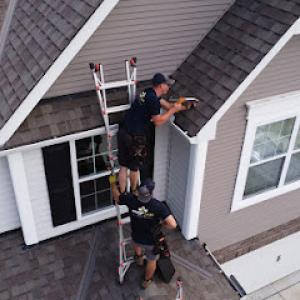
Rooftop Relief
(513) 560-1181 www.rooftoprelief.com
1387 State Rte 28, Loveland, Ohio
5.0 from 95 reviews
RoofTop Relief, a top-rated roofing contractor located at 1387 State Route 28 in Loveland, Ohio, delivers comprehensive roofing solutions backed by 15 years of unwavering integrity and expertise. Serving the Cincinnati Tri-State area, we specialize in roof repair, replacement, and installation, including emergency roof repair and thorough roof inspections. As a trusted Owens Corning preferred contractor, we ensure every roof system is crafted with precision and quality. Our services extend to gutters, siding, soffit, and fascia, offering complete exterior protection. Contact us for a free consultation and instant online quote. Trust RoofTop Relief for reliable, expert roofing services near you.
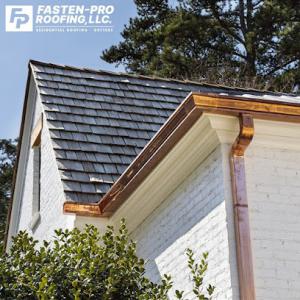
Fasten-Pro Roofing
(513) 774-9495 fastenproroofing.com
581 Branch Hill-Loveland Rd, Loveland, Ohio
4.9 from 39 reviews
Fasten-Pro Roofing, LLC is a Loveland, Ohio based roofing company that has been locally owned and operated since 1999. We are fully insured and provide quality roofing service to all of Cincinnati, Southern Ohio, and beyond. Building a business based on trust, commitment, and value is our continuing goal. Call us today for all of your roofing, gutter, and skylight needs!
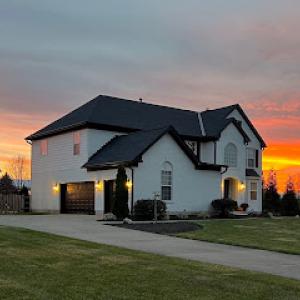
Feazel Roofing
(513) 433-2935 www.feazelinc.com
149 Commerce Dr, Loveland, Ohio
4.5 from 297 reviews
Serving the residents of Ohio since 1988, Feazel maintains an honorable reputation and is an accredited roofing company with the Better Business Bureau with an A+ rating. With a commitment to serve clients on a personal and professional level, you can count on Feazel to deliver an end-product you’ll be confident in. Feazel offers high-value solutions for roofing, siding, gutters, chimneys, masonry, solar, and more. Changing the way roofers do business, Feazel’s software, ServicePointTM, provides instant access to estimates, service scheduling and project status information. You’ll never have to wait when it matters most.

Eli’s Roofing
(513) 551-0947 www.eli-elisroofing.com
9359 Chestnut Dr, Loveland, Ohio
5.0 from 15 reviews
Call it a motto. Call it a promise. ‘Above and Beyond’ is how every job gets done. We’re the local crew homeowners and businesses call when they’re done patching the same problem over and over. Since 2016, we’ve been fixing leaky roofs, replacing worn-out siding, installing energy-efficient windows, and setting up everything from Tesla solar panels to custom gutters across Cincinnati, Southern Ohio, and Northern Kentucky. We don’t do quick fixes and walk away. We show up on time, use quality materials, and build it like it’s our own place. Whether it’s blown-in insulation, commercial TPO roofing, emergency tarping, fascia repair, or skylight installs... we handle it with a “do it once, do it right” attitude. If it’s not right, we fix it.
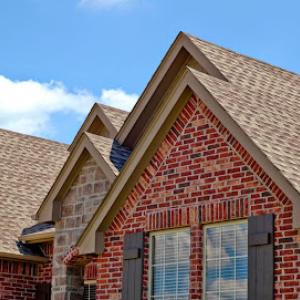
Cincinnati Gutter & Roof Protection
(513) 563-9988 www.cincinnati-roofing-contractor.com
4128 Townsley Dr, Loveland, Ohio
4.3 from 37 reviews
We are a family owned, full service seamless gutter, roofing, siding, gutter guard, and gutter cleaning company. Small repairs welcome. We offer free estimates. 30 plus years of experience.
Division 1 Roofing & Exteriors
(513) 628-3563 d1roofing.simplybook.me
Serving
5.0 from 220 reviews
Division 1 Roofing stands out as an industry leader, offering exceptional roofing, siding, window, and gutter replacement services. Our Division 1 dedication extends beyond our expertise, prioritizing human connections and professional integrity. We are committed to providing the highest quality materials and workmanship while making a lasting, positive impact on the neighborhoods we serve.
Guaranteed Roofing - Maineville, Ohio
(513) 583-5917 www.guaranteedroofingohio.com
Serving
5.0 from 223 reviews
About Guaranteed Roofing Guaranteed Roofing is a roofing contractor providing quality roofing and siding services in Cincinnati Ohio. We pride ourselves on providing skilled craftsmanship, the highest quality materials, and an economical solution for every project. We are very professional, punctual & trustworthy. Choosing the right roofing contractor can be a difficult task, so we are here to help you from start to finish. From the beginning estimate, explaining the materials & workmanship, to the shingle colors & profile choices.
At Your Service Roofing
Serving
4.9 from 324 reviews
At Your Service Roofing is a trusted roofing contractor in Milford, serving Loveland, Madeira, Mason, and Springboro. We provide residential roofing, roof repair, asphalt shingle roofing, siding, and gutter installation. Our customers value our affordable roof financing options and dependable roof warranties, ensuring peace of mind for every project. With certifications like Owens Corning Platinum, we deliver reliable results you can count on. For roof replacement in Milford, our team is ready to assist with quality and care. Contact us today to learn how we can meet your roofing and exterior needs with a focus on customer satisfaction.
Lifetime Quality Roofing
(513) 756-2360 www.lifetimequalityroofing.com
Serving
4.5 from 83 reviews
Lifetime Quality Roofing proudly serves Cincinnati homeowners with expert roof replacement, storm damage restoration, and commercial roofing backed by over 50 years of experience. Since 2022, our skilled team has delivered premium workmanship in asphalt shingle repairs, gutter installation, and solar integration. We understand how Cincinnati’s climate affects your roof, and we design roofing solutions that last. From leak repairs to full installations, we take pride in being the most dependable roofing contractor in Cincinnati for all your repair and replacement needs. Schedule your free roof inspection today and experience the Lifetime Quality promise, roofing made to protect, built to last, and done right the first time.
Loveland Roofing
(513) 716-8106 www.lovelandohroofing.com
Serving
4.3 from 15 reviews
We are a family owned and operated roofing company. We are a preferred contractor for Owens Corning products.
N.L. Skinner Home Improvements
Serving
5.0 from 26 reviews
We specialize in storm damage property claims. However, our services extend beyond roofing, siding and gutters. We are a full service General Contractor. Give us a call with your project details to see how we can help!
A building permit is typically required for a full roof replacement, with the contractor or homeowner applying through the Loveland Building Department. In practice, the permit process is designed to keep storm repairs and freeze-thaw cycles from compromising your home's envelope. Have your project details ready: the scope of work, roof type, any electrical or vent modifications, and a rough timeline. The department often asks for drawings or product specifications for the chosen system so they can verify compatibility with local code and the town's inspection expectations. If the project includes unusual materials or an atypical roof design, plan for a longer lead time as plan review may be required before approval.
Inspections are generally scheduled during the work and after completion. A typical cadence includes at least one inspection to confirm framing and underlayment meet code, followed by inspections at major milestones, and a final inspection once flashing, ventilation, and the overall installation pass code requirements. Scheduling is often coordinated through the contractor, but you should stay available for on-site checks, especially after substantial storm-related damage when crews may work more quickly to restore protection. Clear access to the attic and roof, plus a way for inspectors to see flashing details and vent connections, helps keep the process moving smoothly.
The final inspection is focused on flashing, ventilation, and code-compliant installation. In a region with ice-dam risk and heavy tree cover, proper attic ventilation and correctly integrated flashing around chimneys, skylights, and vent stacks are critical. Inspections verify that drainage is functioning as designed and that the roof's edge details meet local requirements. If any deficiencies are found, the contractor will need to address them before the certificate of occupancy or final permit sign-off is issued. Understanding this emphasis helps you coordinate with the crew to avoid rework and to ensure long-term performance through multiple freeze-thaw cycles.
Unusual roof materials or configurations may trigger plan review before approval, which matters more for tile, specialty systems, or nonstandard assemblies. Metal roofs, clay or concrete tiles, and synthetic options can each introduce specific code considerations around underlayment, fasteners, and flashing alignment. If your project includes an uncommon layout, such as complex valleys, dormers, or multiple roof planes, expect more detailed plan checks and potential adjustments. Early conversations with the contractor and the Building Department can help prevent delays and ensure that the installation aligns with Loveland's moisture, hail, and freeze-thaw realities.
Ohio's periodic hail and wind events, amplified by the Little Miami River valley's moisture and the surrounding tree cover, mean insurance activity around storm season is a fact of life for Loveland homeowners. Expect insurers to request photos, dates of loss, and detailed damage records. The goal is to prove when damage happened and that it stems from a weather event rather than gradual aging. In Loveland, this means you should be prepared to document not only shingle impacts but the broader roofing envelope-flashing, vents, skylights, and any interior evidence of leaks.
Adjusters may come for an on-site visit before a replacement is approved. That visit can hinge on clear presentation of the damage, so your documentation should tell a complete story. Photos should capture roof surfaces from multiple angles, but also show close-ups of cracked or missing shingles, granule loss, and punctures. Don't forget flashing around chimneys and vent stacks, edge metal, and any visible gaps. Interior signs-staining on ceilings, warped plywood, or daylight peering through roof deck-can be decisive clues. In this climate, a well-documented sequence showing a storm event, followed by sudden leaks, strengthens the case that damage is not merely age-related.
Freeze-thaw cycles in this region accelerate wear and can blur the line between storm damage and older deterioration. When possible, pair photos with a timeline: a clearly dated hail event, dates you first noticed leaks, and notes about prior roof age or conditions. The more you can isolate a sudden impact-versus gradual edge wear or granule loss from years of freeze-thaw cycles-the stronger the claim position. If interior water shows up after a freeze-thaw period, document both the storm indication (shattered shingles, dented flashing) and the surrounding roof condition (deteriorated underlayment, compromised vent seals). By creating a cohesive narrative, you help ensure the adjustment process accurately reflects the roof's true condition rather than an age-related decline.
Connect with contractors who help homeowners navigate the claims process from damage assessment to final approval.
Rooftop Relief
(513) 560-1181 www.rooftoprelief.com
1387 State Rte 28, Loveland, Ohio
5.0 from 95 reviews
Feazel Roofing
(513) 433-2935 www.feazelinc.com
149 Commerce Dr, Loveland, Ohio
4.5 from 297 reviews
Cincinnati Gutter & Roof Protection
(513) 563-9988 www.cincinnati-roofing-contractor.com
4128 Townsley Dr, Loveland, Ohio
4.3 from 37 reviews
Ice buildup and repeated thawing make eaves, valleys, and gutter lines common trouble spots in Loveland winters. The Little Miami valley brings persistent moisture, and the freeze-thaw cycle tests roof edges every season. If ice damming forms, water can back up under shingles and begin a slow creep toward soffits and ceilings. Look for curled edges, dark streaks, and damp patches inside attic corners after a thaw. Address quickly, before interior damage spreads.
Chimney flashing deserves extra attention because many local contractors highlight chimney-related work and older homes in the area often have masonry roof intersections. A cracked or lifted flashing invites water right at a vulnerable corner where brick or mortar meets the roof. Inspect around the chimney after storms or heavy snow, and be wary of rusted metal, loose sealant, or missing drip edges. A proper seal prevents widespread leaks that otherwise feel sneaky.
Skylights are a recurring specialty in this market, indicating that leak-prone curb and flashing details around skylights are a meaningful local service need. Owner-placed skylights may develop flashing gaps where the curb meets the roof deck, or where shingles fail to shed water cleanly. Inspect the skylight frame for condensation, bubbling around seals, or frost buildup along the flange. When leaks show up, flashing replacement or curb repairs are often the core fix, not just resealing.
In all these spots, routine inspection after heavy snows and thaws saves headaches. Pay attention to cutouts, joints, and transitions where different roof materials meet, and consider weathering the valley particularly where two slopes converge. A timely professional inspection can catch micro-cracks, degraded sealants, and ventilation blockers that otherwise compound water intrusion. In Loveland, prioritizing these trouble spots reduces the chance of serious interior damage during another harsh winter. Share concerns with neighbors who have similar roofs after storms this season.
Find contractors experienced in skylight installation, flashing, and leak repairs to bring natural light into your home.
Fasten-Pro Roofing
(513) 774-9495 fastenproroofing.com
581 Branch Hill-Loveland Rd, Loveland, Ohio
4.9 from 39 reviews
Feazel Roofing
(513) 433-2935 www.feazelinc.com
149 Commerce Dr, Loveland, Ohio
4.5 from 297 reviews

Eli’s Roofing
(513) 551-0947 www.eli-elisroofing.com
9359 Chestnut Dr, Loveland, Ohio
5.0 from 15 reviews
In Loveland, replacements most commonly happen from late spring through early fall because winter snow and freeze-thaw conditions complicate tear-off and sealing. That window aligns with drier, warmer days when shingles seat properly and flashing can be sealed without pool of meltwater. If a storm creates urgent damage, the project may compress into a shorter span, but the core replacement work still relies on thawed mornings and afternoons rather than mid-winter freezes.
Spring scheduling can fill quickly after storm season begins, so homeowners who discover winter damage often need to book before regional hail demand surges. Take photos of damaged edges, flashing, and decking as soon as it's safe to inspect. When hail or wind damage is suspected, document with a date-stamped record and contact a local roofer promptly to assess whether temporary protections are warranted and to set expectations for a replacement timeline that avoids rushed decisions during peak demand.
Fall is workable but tree debris and windy conditions can interfere with staging, cleanup, and keeping exposed decking dry. If fall is the chosen window, arrange for tarping and debris removal early in the process, and schedule debris cleanup after heavy leaf drop or wind events. Schedule gaps to avoid wet, windy days that complicate roof access and material handling. If a late-season replacement is necessary, ensure synthetic underlayment and drip edge are compatible with cooler installation conditions and shorter daylight hours.
Assess moisture in the attic, visible leaks, and the extent of frost-related wear after winter. If damage extends to decking or critical flashing, prompt scheduling helps minimize further moisture intrusion and interior risk. Coordinate with insurers to align claim timing with the most favorable weather days for staging and long-term seal integrity.
Although steep-slope residential roofs dominate Loveland, the contractor signal for flat-roof work suggests a meaningful need on additions, porches, garages, and small commercial properties. These low-slope areas respond differently to moisture, hail impact, and the freeze-thaw cycle, so pay close attention to transitions from main roofs to flat sections. Plan for a roof system that accommodates gradual drainage, robust edge details, and reliable terminations where water can pool in micro-depressions.
Low-slope sections in a freeze-thaw climate need careful drainage and seam detailing because standing moisture ages materials faster in Ohio winters. Ensure gutters and downspouts are sized for the extra runoff from added low-slope areas, and confirm scuppers or interior drains avoid ice blockages. Sealants, flashing, and seam tapes should be selected for cold tolerance and UV exposure, with attention given to how snow sits and melts around parapets and transitions to steeper roofs.
Mixed-roof homes with both shingle main roofs and low-slope rear sections often need different replacement scopes and inspection attention. When you replace a main roof, the low-slope rear may exhibit accelerated wear at flashing collars, edge seams, and membrane transitions. Ensure the inspection includes a close look at penetrations through the low-slope roof-to-wall interface, as well as the condition of any ventilation paths that cross from the attic space into the flat areas.
Garages and porches frequently host low-slope or flat roofings in Loveland, where these areas are exposed to runoff from upper decks and nearby trees. Expect more frequent maintenance on edge flashing, gravel stops, and pan details if the surface is a built-up, modified bitumen, or single-pply membrane. Choose a system with resilient cold-weather sealing around fasteners and a durable membrane seam system to hinder leaks created by wind-driven rain or hail.
Owner maintenance should focus on keeping seams dry and fasteners secure, particularly after hail events or rapid thaw cycles. Keep drainage paths clear, and schedule periodic inspections that specifically target the membrane edges, parapet closures, and any transitional zones where the low-slope section meets a steeper roof or exterior wall. This proactive approach helps extend performance life and reduces the risk of interior damage.
Find specialists in TPO, EPDM, and built-up flat roofing systems for residential and commercial properties.
Eli’s Roofing
(513) 551-0947 www.eli-elisroofing.com
9359 Chestnut Dr, Loveland, Ohio
5.0 from 15 reviews
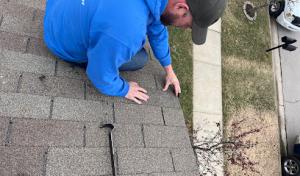
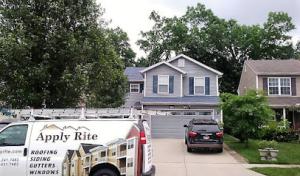
After a storm, neighbors look for re-roofing specialists who can respond quickly and handle cleanup as part of the job. In this area, that combination-fast deployment plus meticulous, obvious cleanup-is what gets the most traction with local customers. When evaluating contractors, note whether they position themselves as storm-damage specialists and whether their crew can manage debris removal, site protection, and daily haul-away without leaving a mess.
Long-established, family-owned and locally owned firms are common here, and many carry strong reputations for steady workmanship. Regardless of tradition, confirm who will handle the important logistical steps: obtaining inspections, coordinating with your insurer if needed, and following through on a final punch-list to lock in a proper roof after a storm. The company should outline who does what at every stage so there are no gaps in responsibility.
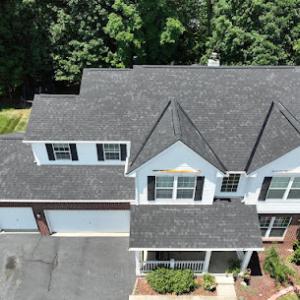
Free inspections offer a low-barrier way to document storm damage, especially on steep or complex roofs where visibility is limited from the ground. Some local crews use drone inspections to capture precise damage reports, which helps both you and the insurer understand the scope without unnecessary climbs and fear of missed issues. Ask about drone options early and request a written assessment that records hail impact, wind damage, and flashing wear.
Storm damage, freeze-thaw wear, and insurance-driven timing require a contractor who can: perform a thorough roof assessment, present a realistic scope, and complete all repairs without leaving loose ends. Confirm that the contract includes a detailed punch-list, a defined cleanup plan, and a clear schedule for milestone sign-offs so nothing is overlooked after installation.