
Last updated: Apr 19, 2026
In Shelbyville, spring storms with hail and heavy rain are a major trigger for roof inspections, temporary leak protection, and insurance-driven replacement demand. After a hail event or a especially windy afternoon, the window to document damage cleanly narrows as water finds new entry points and shingles loosen. Your best move is to capture what you see the day you notice it: close-up photos of damaged shingles, granule loss in gutters and downspouts, and wide shots of the roofline from multiple angles. A simple rule of thumb is to photograph the entire roof as it sits, then zoom in on any dented metal flashings, lifted tabs, or cracked vents. Keep these images organized by date and time, because the insurer will want a clear trail showing the progression from impact to visible damage. If tarps or temporary leak protection are needed, install them promptly and photograph the steps you take. Insurers rely on timely, concrete evidence to authorize work, and delays can shift approvals from week to week.
Kentucky carriers commonly require photos, a roof evaluation, and an itemized scope before approving storm-related roof replacements, which makes early documentation especially important after local hail or wind events. Expect to be asked for a professional evaluation or a trusted contractor's assessment that outlines what components are damaged, what needs replacement, and what temporary measures are necessary to keep your home dry. Immediate action should include scheduling a roof inspection as soon as conditions allow, ideally within a few days of the event. The evaluation should be thorough: note damaged shingles, compromised underlayment, damaged flashing around chimneys and vents, and any signs of interior intrusion like stained ceilings or attic moisture. When the insurance adjuster arrives, your prepared scope and photos should align with the assessor's findings. A precise, itemized scope helps prevent back-and-forth delays and keeps the claim moving toward a timely decision.
Because Shelbyville homeowners often target spring and fall for installation, storm surges can compress contractor availability and push replacement calendars back by days or weeks. If the claim approval comes during a busy window, you may face a backlog of jobs that stretches out scheduling. To mitigate this, line up reputable local contractors early, and secure a provisional start date once the scope is approved. Ask contractors to reserve contingency slots for your project in the weeks immediately following approval, recognizing that weather windows and material deliveries can ripple through the timeline. Communicate openly with your insurer about anticipated start dates and any required temporary protections, so follow-up inspections don't trigger unnecessary hold-ups. If your area experiences a stronger wind event or a prolonged rain sequence, expect adjustments; maintain flexibility while keeping pressure on the process with documentation and clear communication. The aim is to minimize downtime between claim approval and a finished, weather-tight roof, so you can protect your home through the next round of storm season.
Spray-Tec
(502) 633-5499 www.spray-tec.com
1132 Equity St, Shelbyville, Kentucky
5.0 from 56 reviews
Commercial Roofing and Insulation Contractors. We specialize in spray foam, coatings, and waterproofing solutions for all commercial properties. Spray Foam Insulation Waterproof Coatings Masonry Coatings Floor Coatings Roof Repairs Roof Maintenance Roof Restoration Spray Foam Roofing Metal Coatings Polyurea Systems We work with Commercial, Industrial, Federal, and Institutional clients to provide the BEST VALUE solution to every project. After 35 years in business, we have a very large and diverse portfolio. If you have a project in mind OR would like to see more of our work, please visit our website or give us a call!
Pinnacle Roofing
(502) 678-7663 www.pinnacleroofingteam.com
2031 Midland Trail, Shelbyville, Kentucky
4.8 from 24 reviews
Pinnacle Roofing, an A+ Better Business Bureau-rated, veteran-owned and operated roofing company, has been providing residential and commercial property owners in the Greater Louisville and Southern Indiana metro area with unmatched knowledge and expertise, unparalleled customer service, and exceptional roofing solutions for over a decade. As a GAF Master Elite Two Star President's Club roofing company, Pinnacle Roofing continues to raise the bar in delivering innovative and cost-effective roofing solutions tailored to each project's unique requirements, ensuring the utmost protection, style, and longevity for their valued customers.
Front Runner Roofing
(502) 350-9842 www.frontrunnerroofing.com
113 Hooper Station Rd, Shelbyville, Kentucky
4.4 from 25 reviews
Front Runner Roofing is a trusted roofing contractor serving Shelbyville, KY, and surrounding areas. We specialize in residential and commercial roofing services, including repairs and installations. Our expertise extends to gutter and gutter guard services, as well as siding repair and installation. With Front Runner Roofing, you can expect responsive communication, quality work, and clear expectations without any fishy sales tactics or unrealistic promises.

Holland Roofing of Louisville
(502) 633-6620 www.hollandroofing.com
797 Hebron Rd, Shelbyville, Kentucky
3.7 from 3 reviews
Established in 1986, Holland Roofing has been providing commercial roofing, sheet-metal and general waterproofing services for over 34 years. Headquartered in Cincinnati, Ohio, Holland employs over 400 team members and services over 35 states in the continental US including branches in Costa Rica and Holland, Netherlands. When it comes to commercial roof leak repair and day-to-day service, Holland Roofing stands above our competitors by dedicating divisions specifically to Roofing Maintenance and Management (RMM). No more sharing employees based upon the weather. Holland prides its business structure to help our customer not only have great roof installation, but ensure they last longer than ever.
Rock Solid Contracting
(502) 836-1885 rocksolidcontractingroofs.com
Serving
5.0 from 50 reviews
At Rock Solid Contracting, our customers are more important than anything... We strive to achieve 100% customer satisfaction with every job, not only every job, but with every customer contact as well. We believe that honesty, integrity and good workmanship at a competitive price is the foundation of our company's existence and longevity and will allow us to build long term relationships with our customers. We offer a wide range of services, anything from roof replacement, roof repair, concrete, concrete repair, and all other home improvement services in Louisville KY.
Kentuckiana Roofing
(502) 236-2046 www.roofingcontractor-louisvilleky.com
Serving
5.0 from 28 reviews
In business since 1985, Kentuckiana Roofing has been the go-to roofing contractor in Louisville, KY, to fix or replace your roof or gutters on your home or business. Kentuckiana Roofing installs top-quality shingles and specializes in shingle roof repair and replacement. Our roofing company is local and has a market-wide reputation for trust and dependability that you can count on. We offer one-day roofing and stand behind all of our work. We're proud to continually earn an A+ rating with the Better Business Bureau. Contact us for a free estimate today!
Evergreen Construction & Roofing
(502) 554-0628 www.evergreenbuilthomes.com
Serving
5.0 from 68 reviews
Evergreen Construction and Roofing is a Louisville, Kentucky-based roofing contractor that specializes in providing top-quality roofing services to the greater Louisville area. Evergreen Construction and Roofing is the trusted choice for all of your roofing needs.
All pro construction
Serving
5.0 from 5 reviews
Specializing in insurance claims and processes and roof repairs and replacements
Masters Roofing
(502) 241-0982 www.mastersroofingky.com
Serving
4.9 from 60 reviews
Masters Roofing is a family owned & operated company that has been providing its services to Oldham County, Louisville Metro, and Southern Indiana for over 35 years. Here at Masters Roofing, we pride ourselves on being a local business that takes care of the people in our community. We always stand behind our work and provide unmatched customer service.
Homestretch Roofing
(502) 208-5432 www.homestretchroofing.com
Serving
5.0 from 67 reviews
If you're looking for a reputable roofing company in the Louisville, KY area, you've come to the right place. Homestretch Roofing provides residential roofing, siding, gutter and window services that can enhance the appearance of your home dramatically. Whether you need leaky roofing, damaged siding or sagging gutters replaced, we've got you covered. Our crew will go above and beyond to make sure your home is shielded from the elements and looking its best.
Two Friends All Restoration
(502) 523-4627 twofriendsallrestoration.com
Serving
4.8 from 17 reviews
Repair, replacement and installation of Roofing,Siding and Gutters . Areas of Louisville Ky. and surrounding
Pure Roofing Company
(502) 547-7375 www.pureroofingky.com
Serving
5.0 from 87 reviews
Insurance Claim Roof Replacements: Our Expertise, Your Peace of Mind At Pure Roofing, we specialize in insurance claim roof replacements. With our extensive experience and in-depth understanding of the insurance claim process, we take the stress out of navigating roof replacements covered by insurance. Trust our expertise to handle your insurance claim seamlessly, ensuring a smooth and hassle-free experience for you. Rest assured, your roof replacement is in capable hands with Pure Roofing.
Asphalt shingles are the dominant choice in this market, and for good reason. The vast majority of mid-century and newer homes in town use them, so the existing roof deck and gutters are typically compatible with standard shingle systems. In this climate, hot, humid summers and winter freeze cycles can shorten service life if attic ventilation and flashing details are weak. Practical steps: verify attic venting reaches the roof deck evenly to avoid heat buildup that speeds shingle aging. Ensure soffit vents, ridge vents, and under-eave intake work together to keep the attic cooler and drier during peak season. Pay attention to flashing at chimneys, vent pipes, and valleys; weak or poorly sealed flashing invites accelerated granule loss and leaks after spring hail events. For those facing storm seasons, consider upgraded underlayment and a wind-rated shingle option when a full re-roof is needed, since wind-driven rain and hail are common in our spring cycles. In homes with existing plywood or decking showing signs of moisture, prioritize a thorough inspection of the deck before shingles go on, because even a small blemish can become a leak pathway after a heavy rain.
Metal roofing is a meaningful niche in this market and is often considered by owners looking for better performance through hail, heavy rain, and seasonal temperature swings. In this town, a properly installed metal panel or standing-seam system can shed wind-driven moisture quickly and resist denting better than some traditional options, depending on panel profile and gauge. The key here is a precise installation: continuous fascia support, correctly sealed panel laps, and high-quality sealants at penetrations. Metal roofs tolerate rapid temperature changes without the expansion-contraction issues that sometimes stress other materials. However, not every home's structure or roof geometry is a perfect match for metal, and the added weight distribution, along with the need for specialized flashings around valleys and chimneys, makes professional assessment important. If hail is a frequent concern, ask about impact-rated panels and confirm that fasteners are corrosion-resistant and installed with appropriate sealing. In older homes, verify that the existing roof deck and attic space can accommodate the weight and heat dissipation characteristics of metal; retrofits may be needed for long-term performance.
Higher-end materials used locally, including clay tile and slate, require attention to structural loading, specialized flashing, and repair access that not every area crew handles routinely. Clay tile can offer excellent durability and a distinctive look, but it is heavier and relies on a solid structure with proper underlayment and ventilated eave details. Slate delivers outstanding longevity but demands careful assessment of roof framing and the ability to access repairs without cracking adjacent pieces. Both options benefit from a surface that remains dry and is well ventilated, since freeze-thaw cycles can stress the fasteners and grout or mortar around tile installations. In this market, the installation team should map load paths and ensure there is a plan for future maintenance access, as tile and slate require careful handling during any replacement or repair work. Any plan for these materials should start with a structural evaluation and a detailed flashing plan that accounts for current roof geometry, chimney transitions, and roof-to-wall interfaces. A high-quality, dedicated substructure and trained crew can deliver long-lasting performance, even as spring storms roll through.
Typical Shelbyville pricing runs about $350 to $650 per square for asphalt shingles. That range reflects not just the shingles themselves but the common crew sizes, waste factor, and standard flashing around vents and chimneys. In spring, when hail and wind season hits, you'll often see a spike in availability and, yes, price as contractors juggle a higher volume of insurance-backed re-roofs. If you're replacing due to storm damage, expect some variance based on roof pitch, square footage, and any added underlayment or upgrading to lighter venting packages. For most homes in the 1,500 to 2,500 square foot range, asphalt remains the fastest path back to a watertight roof and relatively predictable upfront costs.
Metal typically runs from $700 to $1300 per square in this market. The premium buys faster installation, a longer lifespan, and better resistance to wind uplift-handy during Shelbyville's storm cycles. Costs can swing when you need specialized panels, new trim, or more intricate details around skylights and chimneys. If hail is a frequent worry, metal can be appealing, but the price jump matters when budgeting for a full replacement after a storm. Scheduling and crew availability can shift in peak storm-season weeks, so plan a bit more lead time if you're weighing metal as a primary option.
Clay tile sits in the higher tier, about $1000 to $2100 per square. The broad range accounts for roof complexity, the need for careful weight considerations, and the specialized installation crew required for tile systems. In Shelbyville, tile roofs are less common but increasingly chosen where a home's aesthetic or long-term durability justifies the price. If your roof has odd angles, multiple valleys, or obstructions, anticipate more labor and higher material waste, pushing the cost toward the upper end.
Wood shingles or shakes typically run $600 to $1500 per square. The variance reflects local material options, the thoroughness needed to prevent moisture damage, and the potential for higher maintenance down the line. In storm-affected periods, wood can incur extra expenses from scaffold access and careful chimney flashing. If your home features dormers or a complex ridge line, costs trend higher as installers use careful hand-finning to maintain a tight seal and prevent wind-driven uplift.
Synthetic or composite shingles are generally $550 to $1100 per square. This option often appeals to homeowners seeking durability without the weight of tile or slate, and it can respond well to Shelbyville's wind and hail cycles. The price spread depends on brand, color consistency, and warranty terms. Complex roof geometries or premium underlayment choices can push costs toward the upper end, particularly when insurance-driven timing compresses scheduling.
Slate ranges from $1500 to $3000 per square. That price accounts for heavy weight, specialized cutting, and the careful handling slate requires. In storm-prone areas, slate can provide a long service life, but the upfront investment is substantial. If your home has a steep pitch or a lot of curved detailing, expect additional labor costs. In Shelbyville, slate replacements are often pursued where historical homes or specific architectural visions call for a premium, long-lasting finish.
Get a clear picture of your project costs upfront - no commitment required.
Kentuckiana Roofing
(502) 236-2046 www.roofingcontractor-louisvilleky.com
Serving
5.0 from 28 reviews
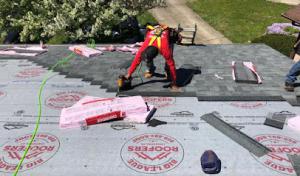

In this locale, a full roof replacement typically requires a building permit submitted to the Shelby County Building Department. The contractor generally handles the permit application, which streamlines the process for homeowners who are managing storm repair timelines after spring hail and wind events. This setup helps ensure that the project aligns with local zoning, setback rules, and the county's structural requirements, reducing the risk of delays once the job is ready to start. You should expect the contractor to provide the necessary forms, property details, and project scope, including a plan for flashing and ventilation that meets county standards.
The post-completion inspection centers on installation quality and flashing details, with inspectors confirming that new components are properly integrated with existing structures to minimize water intrusion risks. In practice, this means the inspector will verify shingle alignment or panel fit, proper underlayment, and the precise sealing around chimneys, vents, and dormers. If clay tile or metal is involved, flashing continuity and attachment methods are reviewed carefully due to the higher risk of wind uplift in severe spring storm cycles. Scheduling a final inspection typically happens after the roof is mechanically finished and temporary debris is cleared, but before any interior trades proceed, to prevent hold-ups in the overall project timeline.
Permit fees are modest in this jurisdiction, but scheduling can still take a few days, which matters when homeowners are trying to line up work between storms. Swift coordination between the insurer, contractor, and the county office can help prevent weather-induced backlogs. If a storm response window is tight, ask your contractor to initiate the permit process promptly and request a tentative inspection date from the Building Department. Keep a clear line of communication with the inspector's office; a missed appointment can push the final inspection into the next business week, impacting occupancy readiness and any interior repair plans tied to the roof replacement.
Prepare to show project plans, permit receipt, and proof of contractor licensing during the inspection process. Have visible details on flashing materials, drip edge installation, and attic ventilation changes ready for review. For insurance purposes, maintain a concise record of the storm damage assessment, the scope of work, and any adjustments made to address ice dam or wind-driven rain concerns that were observed during the initial evaluation. This documentation not only supports a smooth permit review, but also helps when coordinating a prompt final inspection after the roof system is installed.
To minimize delays, synchronize the permit submission window with the anticipated weather lull in spring storms and with the insurer's timing for debris removal and mitigation steps. Ask the contractor to provide a clear, county-compliant outline of the inspection checklist and to confirm the inspection window in writing. If the project spans multiple days or partial replacements are needed, request interim inspections to verify critical stages-underlayment, flashing seams, and ridge installations-so the final inspection proceeds without last-minute surprises.
Shelbyville sits in a Kentucky insurance environment where storm-related roof claims are common enough that adjuster visits and documentation requests are routine. That means every roof event tied to hail or high-wind can trigger a process where photographs, measurements, and a precise narrative of damage matter more than a casual estimate. In this local climate, carriers tend to scrutinize whether the roof is aged or past its expected life and whether the selected material still aligns with coverage goals. Decisions about replacement versus repair are often tied to how the claim is documented and presented from the start.
When a storm hits, the most practical path you can take is to prepare for the adjuster with a clear picture of the roof's condition before and after the event. Homeowners benefit from preserving date-stamped photos that show the progression of damage, including any interior evidence of leaks-especially in ceilings or attic spaces where water can travel unseen. A contractor-prepared scope, detailing the recommended remediation and the exact materials, helps anchor the discussion when the adjuster reviews the claim. This local pattern isn't about bypassing the process; it's about shaping it so the file reflects a credible, well-supported need for service.
Carrier scrutiny of roof age and material means some older roofs face tighter replacement approval or tighter coverage limits. If the roof has reached or surpassed typical life expectancy for its material, expect the adjuster to question whether repair is a cost-effective option or if a full replacement better preserves value and safety down the road. The decision can hinge on evidence that the storm caused new damage beyond what existed before, and on a professional assessment that distinguishes weather-related harm from preexisting conditions. Presenting a independent third-party evaluation can help bridge gaps between what's observed on-site and what the policy language allows.
For claims arising from spring hail and wind events, timing and documentation become critical. Do not wait to file or to gather records. The more you can attach to the claim-timestamps, photos, the contractor's scope, and any interior leak notes-the smoother the review tends to proceed. Do not assume a quick fix will satisfy the carrier if the documentation doesn't clearly connect the storm event to necessary remediation. The goal is to present a coherent, verifiable picture that aligns with the policy's intent, while protecting your home's long-term integrity in this climate where the next storm is never far away.
Spring in this area is productive for replacements, yet vulnerable to hail and heavy rain that can delay tear-off and dry-in schedules. You can expect solid progress during dry spells, but a sudden shower or a hailstorm can push crews off the roof and push work into the next window. Plan for shorter work days when temperatures swing fast and be prepared for brief pauses if storms pop up. The window aligns well with full replacements for many homes, provided weather stays cooperative and storm risk is monitored week to week.
Summer humidity and heat complicate handling and expansion on exposed shingles, so scheduling in the early morning or late afternoon helps keep crews safer and materials from overheating. If a storm system rolls through, expect temporary pauses and potential reflective film or underlayment adjustments to avoid trapping moisture. In practice, summer work tends to be steadier when the team can lock in a longer dry stretch, but high humidity can still slow sealing and set times on certain products.
Autumn offers another robust work window locally, though variable weather and sudden storms can disrupt completion timing. Cool mornings improve sealant and shingle performance, while shorter days mean crews must manage daylight constraints. Early fall is ideal for finalizing ventilation checks and gutter adjustments before winter. Keep a flexible schedule buffer for late-season showers, and coordinate with your crew to target roof sections that benefit most from dry, moderate conditions.
In this market, flashing is not a cosmetic afterthought-it's a critical checkpoint during full replacements. The local closeout mindset flags improper flashing as a red flag, and that can become the main bottleneck delaying a project. If flashing isn't sealed at every penetration-vent stacks, chimneys, skylights, gaps around vent pipes-water can follow the flashing into the attic even after a new roof surface is installed. You'll want to verify that the flashing around all transitions is integrated with the underlayment, and that step and kick-out flashing sit flush against the wall, with proper sealant where required. Don't assume the installer will "tune it up later"-document and confirm it now, because once the permit monitor flags it, fixes can push the timeline out and add labor you didn't plan for.
Repeated hail and wind events make wind-lifted shingles a more likely failure mode than age alone. A hail bruise can be invisible from the ground but create a path for moisture to travel under the shingle over time, especially where the roof line has ridges or transitions. Roofs with multiple penetrations or complex accessory features are particularly vulnerable at the hip and valley intersections, where a single compromised seal can produce a slow leak that's hard to trace. You'll notice wind-blown granules in gutters after a storm, and soft, dark spots on shingles that have absorbed impact energy need closer inspection. Plan for a thorough storm-damage assessment after every major event, not just after a routine inspection.
Shelbyville's humidity and seasonal temperature shifts push sealants and ridge caps to fatigue faster than you might expect. Transitions-where roof planes meet vents, chimneys, or skylights-bear the brunt of movement. If sealant has become brittle, you'll see hairline cracks or dry-spot ridges that invite moisture intrusion during a heavy rain. With roofs that host multiple penetrations, these tiny openings multiply. Expect to see more frequent resealing needs at these points, and treat any observed movement as a warning sign-cohesion between flashing, sealant, and shingles is not permanent, and ignored fatigue can lead to a bigger leak down the line.
Find contractors experienced in skylight installation, flashing, and leak repairs to bring natural light into your home.

Spray-Tec
(502) 633-5499 www.spray-tec.com
1132 Equity St, Shelbyville, Kentucky
5.0 from 56 reviews
Eclipse Roofing & Restoration
(502) 266-7510 www.eclipseroofinglouisville.com
Serving
4.9 from 451 reviews
K & P Roofing, Siding & Home Improvement
(502) 254-2211 www.kproofing.com
Serving
4.7 from 162 reviews
Shelbyville homeowners are hiring heavily for re-roofing rather than niche new-construction roof work, so contractor comparisons should center on the replacement process, cleanup, and storm follow-up. A true re-roof crew arrives with a clear plan: protect interior spaces, manage debris, and quickly replace underlayment and shingles in a manner that minimizes homeowner disruption. Look for teams that outline the sequence, show a lien-release approach, and provide a transparent path for post-storm follow-through if bold weather returns.
Quick response and thorough cleanup are especially visible priorities in this market, reflecting how often local homeowners need fast scheduling after leaks, hail, or wind damage. Ask crews to commit to a start window and a daily progress target, especially when multiple streets are dealing with the same storm aftermath. Expect a foreman to walk the roof with you after the tear-off and before final cleanup, pointing out flashing, vent penetrations, and any potential vulnerable areas.
Because long-established and affordable operators both have a strong presence in Shelbyville, homeowners often need to separate true insurance and repair experience from simple low-bid pricing. Seek crews with demonstrable disaster-response experience, the ability to provide documentation of prior insurance-adjuster coordination, and references from nearby neighborhoods that faced similar storm events. A reputable crew will discuss handling hail stampings, wind-related shingle lifts, and any required warranty documentation without pressuring quick, subpar fixes.
Choose a crew that assigns a dedicated project manager who remains available through completion and a follow-up within a reasonable period after installation. In a market where timing can be tight, a single point of contact helps coordinate material delivery windows, weather delays, and post-install inspections. Finally, confirm they carry appropriate insurance coverage for both workers and the project to ensure accountable performance from start to finish.