
Last updated: Apr 19, 2026
Tropical storms and hurricane-related wind and rain expose roofs to forces that dry-climate wear patterns never prepared them for. Shingle hail impact, wind uplift, and sudden downpours can cause rapid leaks and hidden interior damage. In this area, the timing of storms often means gutters, attic ventilation, and underlayment take the brunt first, with flashing and ridge lines bearing the brunt after the storm's peak. The risk is not only from the wind-blown debris but from the way heavy rain can infiltrate poorly vented ceilings and attic spaces, accelerating mold growth and structural concerns if not addressed quickly.
After a hit, tarping is the first line of defense to stop interior water intrusion and minimize secondary damage. Quick Saturday-response crews are essential because peak roofing demand spikes after Gulf-storm events, which can stretch availability in Livingston Parish. Focus on securing the most vulnerable points first: skylights, valleys, chimney setbacks, and vent flashing. If water is actively dripping, place clean buckets and carefully rake water toward exterior walls with a tool-not hands-while waiting for professionals. Ventilation can deteriorate quickly under heavy humidity, so temporary venting improvements should be addressed with a crew that can assess attic airflow and seal any obvious gaps to reduce condensation.
In this weather-risk market, carriers commonly anticipate photo documentation, scope details, and contractor estimates to support a roof claim. Gather clear before-and-after shots of all affected areas, close-ups of damaged shingles, flashing, and vents, and establish a dated timeline of when the problem began, when mitigation started, and when temporary protections were installed. A written scope should outline damaged components, the degree of exposure, and a phased plan for stabilization, temporary repair, and permanent replacement. An independent third-party assessment can help validate the scope when time is pressing and storm-related backlogs arise.
Stabilization work buys valuable time but does not replace the need for a proper assessment of roof system integrity. After tarping, prioritize a thorough inspection of roof deck condition, flashing around skylights and chimneys, and the integrity of ridge vents. In the wake of Gulf-driven events, crews can become scarce; anticipate scheduling constraints for full replacement and align with a contractor who can coordinate with insurance timelines. Consider a phased approach that sequences temporary leak control, deck repair, underlayment replacement, shingle installation, and, if necessary, upgraded ventilation to address the humidity-enhanced aging cycle.
Secure the attic and seal obvious openings to prevent additional water intrusion. Photograph and document any new leaks after each storm event, noting date, time, and wind direction if possible. Contact a local reputable contractor with storm-response experience who can provide a rapid assessment, a detailed scope, and a timely estimate to align with insurance expectations. Keep a written record of all communications, dates, and weather conditions to simplify claim processing and ensure a smoother path to recovery.
In this climate, material choice drives a lot of the bottom line. For asphalt shingles, expect per-square costs in the range of $350 to $650. Metal roofs run higher, roughly $700 to $1100 per square, reflecting both material and fastening considerations that stand up to hot sun and heavy rain. If clay tile is chosen, budget $900 to $1500 per square, while concrete tile sits around $800 to $1400 per square. Wood shingles or shakes typically land around $600 to $1000 per square, and synthetic or composite shingles occupy the middle ground at about $450 to $800 per square. These ranges reflect common local product availability and the region's heat, humidity, and storm exposure.
After a tropical weather event, storm damage pushes labor scheduling and material availability in the Southeast Louisiana corridor. In Denham Springs, that means a noticeable backlog for roofers and distributors, especially when several neighborhoods are re-roofing at once due to wind or hail. If a project starts in the weeks following a named storm, expect potential delays in both materials and crew travel time. Planning ahead for weather windows and allowing a bit of flexibility in start dates can help minimize interruption, since crews may have to resequence jobs to recover from storm-driven spiking demand.
Many homes in the area feature complex roof geometry-multiple valleys, dormers, or mixed roof lines-which can elevate both labor time and coordination needs. Ventilation corrections are a common upgrade when re-roofing in this climate, given the heat and humidity that stress attic air flow. In Livingston Parish, these elements can trigger additional review in the project's pre-installation phase, so Denham Springs projects with intricate structures may carry higher coordination costs and a longer lead time before installation begins. If a roof plan includes unusual pitch changes, skylights, or integrated attic vents, expect a proportional bump in labor hours and hardware, even when the material itself remains at the standard per-square rate.
When comparing bids, look beyond the per-square price alone. Confirm inclusions such as underlayment, drip edge, flashing, and any required ventilation or insulation adjustments. Ask for a phased schedule that accounts for storm-season backlog and potential supply hiccups. For long-term performance in this climate, prioritizing a roof system with strong wind resistance and durable underlayment can be as impactful as selecting the right shingle profile. Keep in mind that the highest upfront price is not always the best value if it does not address ventilation and drainage, both critical in hot, wet environments with heavy seasonal rain.
TopDogs Roofing&Sheetmetal
(225) 305-0495 topdogsroofing.com
152 N Hummel St, Denham Springs, Louisiana
5.0 from 250 reviews
10+ years, TopDogs Roofing has proudly served homeowners and businesses in Denham Springs and surrounding communities. We specialize in roof repair, roof replacement, roof inspections, and roof tune-ups, providing professional, reliable, and high-quality roofing services you can trust. Our licensed and insured team is dedicated to keeping your home or business safe from leaks, storm damage, and aging roofs. With a focus on customer satisfaction, TopDogs Roofing delivers fast response times, thorough inspections, and durable workmanship. Whether you need a quick repair, a full roof replacement, or preventative maintenance, we’re your trusted local roofing experts. Contact us today for a free roof inspection and see why so many homeowners
Better Built Contractors
(225) 369-1119 betterbuiltla.com
31388 LA-16, Denham Springs, Louisiana
5.0 from 135 reviews
Better Built Contractors is a trusted roofing company based in Denham Springs, known for delivering high-quality roofing solutions for residential and commercial properties. Specializing in everything from minor repairs to full roof replacements, their expert team uses top-tier materials and the latest industry techniques to ensure durability and lasting performance. Fully licensed and insured, they prioritize customer satisfaction by offering clear communication, detailed estimates, and timely project completion. With a strong reputation for reliability and craftsmanship, Better Built Contractors is dedicated to providing roofing services tailored to the unique needs of the local climate, ensuring long-term protection for every home.
Mid City Roofing
(225) 320-3160 www.midcityroofing.com
409 N Range Ave, Denham Springs, Louisiana
5.0 from 48 reviews
Mid City Roofing provides roofing contractor services to the Denham Springs, LA area.

Golden Roofing & Construction
(225) 888-7766 goldenroofingandconstructionllc.com
1810 Florida Ave SW, Denham Springs, Louisiana
4.9 from 67 reviews
Since 2021, Golden Roofing & Construction has been a trusted name in Denham Springs, Louisiana, providing top-quality roofing services. Located on Florida Avenue SW, we are dedicated to protecting your home with reliable roofing solutions and expert craftsmanship. Discover the difference experience makes – build with Golden Roofing & Construction.
A&A Roofing & Construction
(225) 314-3838 www.aagenconstruction.com
8394 Rushing Rd E, Denham Springs, Louisiana
4.8 from 92 reviews
A&A Roofing & Construction is your trusted roofing contractor in Denham Springs, LA. We offer a wide range of services, including roof replacement Denham Springs, roof repairs, roof coatings, seamless gutter installations, and gutter repairs. Our team is dedicated to serving both residential and commercial clients, ensuring durable and reliable results for all your roofing and construction needs. We also assist with insurance claims to make the process smoother. Whether you need roofing solutions or exterior and interior construction services, A&A Roofing & Construction is here to help. Contact us today for quality roofing services in Denham Springs and beyond!
The Roof Shop
(225) 888-0838 www.theroofshopla.com
1602 Brookfield Dr, Denham Springs, Louisiana
5.0 from 28 reviews
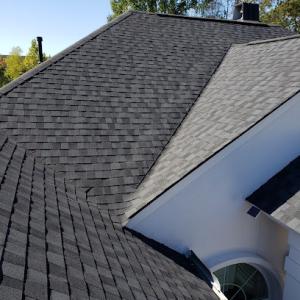
Serving local communities with roofing solutions. The Roof Shop has become a reliable authority in the community, crafting high-quality solutions with exceptional service and unwavering commitment to excellence. Local top-tier craftsmanship, personalized services, and custom roofing solutions built to endure.
Gator Roofing & Restoration
(225) 749-1436 www.gatorroofing.net
1620 S Range Ave suite 202, Denham Springs, Louisiana
5.0 from 20 reviews
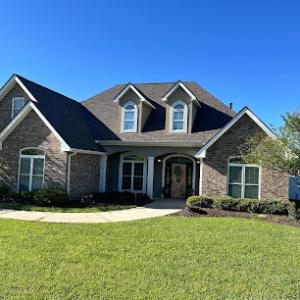
Gator Roofing and Restoration, based in Denham Springs, is your trusted local choice for roofing solutions. With a focus on customer satisfaction, we specialize in insurance roof replacements, cash roof replacements, and repairs of any size. Our team, led by Jonathan and Gina Davis, is dedicated to delivering top-quality workmanship and excellent service. Count on us to navigate the insurance process seamlessly, ensuring a hassle-free experience for you. Whether it's storm damage or regular maintenance, we've got you covered. Contact us today for reliable roofing solutions tailored to your needs.
Renew Roofing & Restoration
(844) 808-5555 www.renewroofingco.com
2840 S Range Ave, Denham Springs, Louisiana
5.0 from 14 reviews
#1 Roofing insurance specialists. Premium quality and top rated service- Renew your home with a Renew Roof. 24/7 emergency services. Water damage? Our restoration team will work with your insurance company to provide mitigation & remediation.
Antonio’s Roofing & Sheet Metal
(225) 423-4006 www.antoniosroofingandsheetmetal.com
20600 LA-16, Denham Springs, Louisiana
4.5 from 17 reviews
Embrace quality roofing solutions with Antonio’s Roofing & Sheet Metal We are a reputable Roofing Contractor serving In Louisiana for over 17+ years.Our experienced professionals are committed to ensuring your roof remains in top-notch condition. By offering comprehensive maintenance , repairs and replacement services, we aim to enhance the longevity of your roof while minimizing potential issues. Our expertise in the roofing industry guarantees that your property will be well-protected against the elements as we offer a FREE inspection and estimate. Trust Antonio’s Roofing & Sheet Metal for all your roofing needs and confidently safeguard your property.
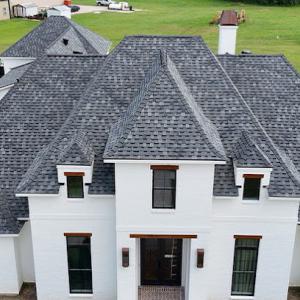
Chavez Construction Services
Denham Springs, Louisiana
5.0 from 7 reviews
Welcome to Chavez Construction Services
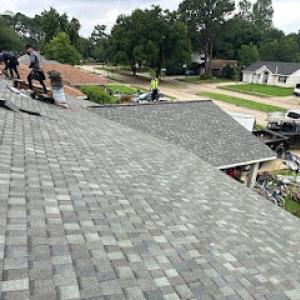
Star Point Home Improvement
(225) 910-7721 www.sphimprovement.com
13705 Cantebury Ave, Denham Springs, Louisiana
4.2 from 34 reviews
Welcome to Starpoint Home Improvement and Roofing Services! We are dedicated to providing high-quality roofing solutions for your home. Our team of experts is not only committed to your roof being one of the most beautiful in the entire neighborhood, but one that is unparalleled when it comes to quality roofing systems.
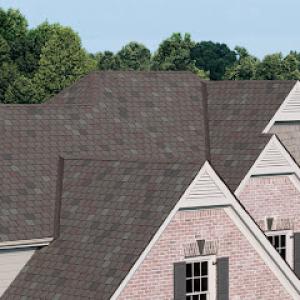
TaylorMade Contractors
(225) 380-2000 mytaylormaderoof.com
147 Del Norte Ave Suite #1, Denham Springs, Louisiana
4.1 from 18 reviews
TaylorMade Contractors is a 3rd generation company founded in Baton Rouge, Louisiana. We service all of south Louisiana and have offices in Denham Springs and Lake Charles. We have extensive experience in storm renovations, all gained from assisting the residents in restoring their properties. During these storms, thousands of homes and roofing systems suffered massive wind and water damage.
Residential re-roofs in Denham Springs generally require a permit through the Livingston Parish Building Department rather than being treated as informal maintenance. This means the project starts with an official review before any shingle or panel goes on. The building department looks at the scope of work, the proposed materials, and the structural aspects to ensure the roof remains sound under the parish's weather exposure. When planning a re-roof, you should treat the permit as part of the project timeline, not an afterthought. The goal is to avoid disruptions once a contractor is on site, which can happen if the permit is not in place or if the scope changes mid-work.
The local review process typically includes contractor information and project scope before work proceeds. Expect to provide a licensed roofing contractor's details, the exact materials to be used, and a brief description of the work: decking inspection, new underlayment, ventilation plans, and fastener type. The parish reviewer may request construction drawings or product data for venting and attic ventilation, especially if the attic is unusually tight or if there are unique roof penetrations. In Denham Springs, the inspectors will check that the roof framing and decking meet code for wind resistance and that waterproofing transitions at walls, chimneys, and vents are correctly detailed. The clearer and more complete the submission, the smoother the process.
Inspections are commonly scheduled after decking work and again at final completion, and some projects may receive added plan review for complex structures or venting requirements. The first inspection after decking ensures that the roof base is solid, that any new ventilation baffles or ridge vent installations are properly positioned, and that fasteners and nails are appropriate for the chosen shingles or panels. The final inspection confirms that the installed roof system is watertight, that all penetrations are flashed correctly, and that attic insulation and ventilation meet local standards. In cases with unusual eave details, dormers, or venting configurations, inspectors may request a second review or on-site verification of venting calculations.
From a practical standpoint, a key pitfall is starting any work before the permit is issued. If a contractor moves ahead without approval, the parish can halt work and require rework or additional inspections. Another frequent issue is missing or incomplete documentation, such as contractor licenses, detailed material specifications, or a clear deck-to-structure attachment plan. Ensuring that the project scope aligns with the actual work on the roof helps prevent delays at inspection points. After the storm season, Denham Springs homes often see increased concern about ventilation and flashing; make sure those elements are addressed in the plan and communicated to the inspector early in the process.
Denham Springs experiences hot, humid summers with frequent rainfall, and Gulf-driven tropical storm exposure that can bring sudden downpours and wind. Your roof needs to shed water quickly while staying cool under the sun. Moisture management and heat performance take precedence over freeze-thaw resilience in this climate. Materials that handle high humidity, resist algae growth, and maintain color and shape under pressure from sun are especially valuable. A roof that breathes well and dries out after storms will outlast one that traps moisture near the attic.
Asphalt shingles and metal roofing are the dominant practical choices in this market, reflecting what Denham Springs homeowners most often install. Asphalt shingles offer a balanced blend of cost, weight, and ease of installation, with protective granules that help resist algae and dark stains common in humid air. Metal roofing, especially alloy and coated steel options, provides excellent wind resistance and rapid water shedding during heavy rains. When installed correctly, metal roofs can help keep attic temperatures lower and reduce cooling load on hot days. For most homes in the area, these two options deliver reliable performance while keeping replacement timelines reasonable.
Clay tile, concrete tile, wood shakes, and synthetic shingles are present locally but are less dominant than asphalt and metal in the replacement market. Clay and concrete tiles add a distinctive look and robust durability, yet their weight requires a strong roof deck and careful installation to prevent fracture from storm debris. Wood shakes offer an aesthetic appeal, but they demand meticulous maintenance to prevent rot and insect damage in humid climates. Synthetic shingles can mimic the appearance of other materials while offering enhanced moisture resistance, though long-term performance varies by product and exposure. If choosing any of these, ensure proper underlayment and ventilation to counter Denham Springs' humidity and rainfall patterns.
In this market, routine inspection after storms is crucial to catch hidden leaks and damaged seam work early. Pay attention to flashing around vents, chimneys, and skylights, as storm gusts can lift thin metal or degrade sealants. For rapid response to leaks, create a simple plan: locate the source,Contain, and call for professional assessment promptly to minimize interior damage. Ventilation in the attic should remain a priority, especially after heavy rain, to prevent condensation and wood components from deteriorating faster in the heat. Regular cleaning of gutters and keeping trees trimmed reduces debris-blocked drainage during storm events.
Storm events in this area frequently trigger insurance reviews focused on roof condition before and after events. Keep a detailed record of roof age, material type, installation date, and any prior repairs. Photograph damage thoroughly after a storm and maintain dated notes of any leaks or attic moisture. When pursuing a claim, provide a clear timeline of how weather events correlated with visible damage and how the roof performed during and after each storm. A professional roof assessment after a major event can help substantiate the claim and guide the repair or replacement scope.
Hot, humid summers push roof assemblies to shed moisture and heat aggressively. In this region, the roof is not just a shield against rain - it's a critical moisture-management system. When the attic and decking soak up humidity, the underlayment and felt can start to lose their protective seal, curling or delaminating from the deck. If the ventilation is not pitched toward balanced airflow, you end up with pockets of warm, moist air that accelerate shingle aging, deck rot, and the growth of mildew or mold in attic spaces. The practical consequence is simple: a roof that breathes poorly will behave like a heat trap, and that warmth can shorten the life of the shingles and sealant.
Frequent rainfall in this climate narrows the dry window for tear-offs and replacements. When a project hits a sudden shower, decking exposed during removal sits vulnerable to soaking before a new underlayment is laid. That exposure can create soft spots or accelerate deterioration of plywood within days. The risk isn't just cosmetic: water that wicks into seams or nail holes can lead to concealed leaks once the new layer is installed. Practical planning matters, including having a contingency plan for weather and prioritizing brief, efficient tear-off sequences rather than long, piecemeal exposures.
Local review can include venting considerations on some projects, making ventilation corrections a practical issue during a re-roof. Improper attic venting in this climate can trap hot, humid air, increasing condensation on the underside of the roof and in the attic cavity. When the attic is poorly vented, you may see faster shingle failure, warped decking, and an overall reduction in cooling efficiency for the home. The takeaway is clear: ensuring balanced intake and exhaust vents, and aligning them with the house's orientation and attic space, is not a cosmetic upgrade but a functional necessity that keeps the roof performing under the Gulf-driven humidity and storm cycles.
Denham Springs sits in a Louisiana insurance environment where hurricanes, hail, and high winds have driven elevated roof claim activity. That mix, combined with Gulf humidity and frequent downpours, pushes roofs to age quickly and expose weaknesses sooner. When a storm hits, adjusters expect a clear trail of evidence showing what failed and when. Homeowners with older shingles or marginal venting are more likely to face scrutiny or coverage questions. The result is a higher chance of delays if the right documentation isn't ready.
During peak storm seasons, adjusters and carriers often apply stricter documentation expectations, so homeowners need date-stamped photos, interior leak evidence, and contractor scopes. Photos should capture the roof surface before and after any event, any interior staining, and the attic with visible moisture or condensation. Scopes from a reputable contractor should itemize materials, square footage, and an estimated sequence of repairs. Keeping a dated record helps align the claim with the actual damage and supports any supplemental requests that may follow a large weather event.
In ordinary years, maintain a light touch-up plan for rapid weather events: strengthen vulnerable attic ventilation, replace damaged underlayment promptly, and keep gutters clear to minimize standing water. When a storm is imminent, assemble the evidence kit: a camera, a ledger of dates, and contact info for a trusted local roofer who can provide a scope quickly after conditions ease. If a leak appears, photograph its reach in the ceiling and walls, and document any weatherproofing temporary measures you applied. Being methodical about these details helps you navigate the insurance process with less friction when the next storm arrives.
Connect with contractors who help homeowners navigate the claims process from damage assessment to final approval.
TopDogs Roofing&Sheetmetal
(225) 305-0495 topdogsroofing.com
152 N Hummel St, Denham Springs, Louisiana
5.0 from 250 reviews
Better Built Contractors
(225) 369-1119 betterbuiltla.com
31388 LA-16, Denham Springs, Louisiana
5.0 from 135 reviews
Mid City Roofing
(225) 320-3160 www.midcityroofing.com
409 N Range Ave, Denham Springs, Louisiana
5.0 from 48 reviews
In this city, Denham Springs experiences quick aging from hot, humid summers and brisk tropical winds, so a thorough inspection starts with curling shingles, blistering, and any attic moisture indicators. Summer heat and humidity can hide active leaks until a storm pushes water under the edges. If the last two summers show accelerated aging or consistent wind-driven damage, plan for replacement rather than patching.
Spring storms and variable fall conditions in southeast Louisiana make scheduling unpredictable. Dry spells can be brief, and the window for tear-off work may disappear with a sudden shower. Summer brings long days but heavy humidity that slows crews and can soften shingles during handling. If a repair would require multiple weekends, aim for a single-phase replacement when a fair-weather window appears.
Hurricane season creates elevated wind and rain risk that can delay tear-offs or leave projects vulnerable if weather shifts mid-job. Start a project just after a lull, but keep a plan to secure materials against afternoon storms. A reliable tarping strategy protects outdoor decking and any uninstalled underlayment, minimizing exposure during delays.
Summer heat affects crew productivity and how long materials can safely sit exposed. Avoid long outdoor staging and organize timed deliveries with shade for cutting. Prioritize bundles and components with strong weather resistance, and use fasteners and underlayment suited for hot, humid air.
Coordinate with a contractor who understands local storms and typical power outages. Build a contingency week into the plan for late-season tropical disturbances. A predictable sequence-tear-off, deck inspection, underlayment, and final shingle application-reduces the chance of wind-driven setbacks.
If a leak starts during a storm, place a bucket under the drip, cover with plastic sheeting, and call the contractor for temporary repair instructions. Document where water enters and take photos before any patch work. This helps after a storm when insurance documentation is needed.
Although steep-slope residential roofs dominate the local skyline, the contractor market shows meaningful demand for flat and low-slope roof work in the Denham Springs area. That mix means you should be especially selective about the crew you hire for a low-slope portion or a flat section on a larger home. In this climate, proper deck preparation, edge detailing, and correct transitions matter more than you might expect, because a small misstep can invite widespread moisture intrusion after heavy rains. Look for installers who bring a track record of handling insulated membranes, tapered insulation, and reliable drainage strategies on low-slope substrates.
Frequent heavy rain makes transitions, valleys, and roof penetrations more consequential failure points than in lower-rainfall markets. In Denham Springs, those details bear close scrutiny during every inspection. Valleys should be fully surfaced with compatible materials and high-quality sealants that resist the heat, humidity, and biology that thrive here. Penetrations for vents, plumbing, and HVAC require robust flashing and backer detailing to prevent slow leaks that never quite show up until they're doing real damage. If a contractor glosses over a transition or trims corners on flashing, treat that as a red flag and ask for a proven moisture-control strategy tailored to low-slope sections.
A smaller but active local specialty presence also exists for skylight-related roof repairs, indicating penetration detailing is a real service need in this market. Skylights can be durable here, but they demand precision around curb flashings, weep holes, and sealant compatibility with the surrounding roofing material. If your home relies on skylights or roof access hatches, confirm your chosen tradesperson has recent experience with curb replacements, boot management, and UV-resistant sealants that hold up under intense Gulf coastal sun and heavy summer downpours.
Given the humidity and rapid aging tendencies of sealants, a proactive maintenance plan matters more than you might assume. Schedule periodic inspections focused on low-slope sections, transitions, and penetrations after major storms. Re-sealant and membrane top-offs performed early can prevent the cascading leaks that a single failed seam might unleash in a rain-heavy season. In a market where specialty skylight work exists, keeping a maintenance log helps you catch wear before it becomes costly remediation.
Find specialists in TPO, EPDM, and built-up flat roofing systems for residential and commercial properties.
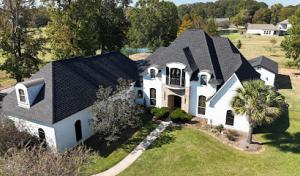
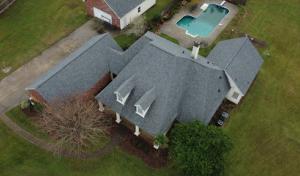
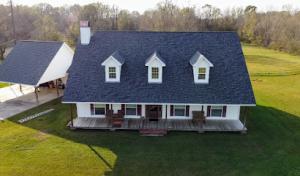
The market here leans toward re-roofing and rapid response after storms, so you should expect many contractors to promote storm turnaround over custom new-construction work. When you call, gauge whether the roofer can schedule a prompt site visit, assess damage, and outline next steps within 24 to 48 hours. Ask for a concrete timeline and a plan for temporary protection if rain is forecast. If a crew promises a full teardown and reroof within a single week, you're likely dealing with a high-demand, storm-focused outfit.
Cleanup matters in neighborhoods where tear-off debris management is part of homeowner expectations. Observe how the contractor documents the cleanup process in their proposal and how they handle debris containers, tarping, and nail removal. A reliable crew will leave the yard and driveway clear of debris each day and return to finish detailing after the new roof is in place. If cleanup gets vague or delayed, treat it as a warning sign and push for specifics before committing.
Licensed, insured, long-established, family-owned, and manufacturer-certified firms are present but not universal, so verification is essential. Confirm current licenses and general liability coverage, plus workers' compensation. Look for manufacturer certifications tied to the product you want, as these often influence warranty terms. Given the climate and local exposure to tropical weather, you'll want a contractor who can provide documented evidence of proper installation practices for your chosen material.
Document damage with dated photos, request written estimates from at least two reputable crews, and compare the scope of work, material warranties, and crew experience with storm-related repairs. Ask for local references and follow up on them. Ensure the crew will protect landscaping and driveways, and confirm a clear plan for temporary fixes if weather interruptions occur. In this market, rapid yet thorough communication is a dependable predictor of a smooth repair.