Last updated: Apr 19, 2026
Many of the detached homes in this area sit on aging decks, with flashing and ventilation details that were never intended to last forever. In practice, a reroof in Chevy Chase often hinges less on the shingles themselves and more on the underlying structure: decking that has settled or weakened, flashing around chimneys and valleys that has corroded or warped, and attic ventilation that no longer moves moisture efficiently. When those components start to falter, even a seemingly modest shingle replacement can quickly become a larger project. The timing decision should start with a careful assessment of decking integrity, flashing condition, and ventilation performance, rather than assuming the roof line is the sole culprit.
The local climate introduces unique wear patterns. Hot summers can bake shingles and accelerate aging of underlayment, while cold winters create freeze-thaw cycles that push small defects into visible leaks. Repeated freeze-thaw stress is especially hard on flashing seals and penetrations, where tiny gaps can widen into active leaks after a heavy rain or rapid temperature swing. In older homes, valleys and roof penetrations often show the first signs of trouble because water concentrates there during storms. Plan for a phased look at these areas first, then address shingles after those structural concerns are stabilized.
Late spring through early fall forms the practical window for reroofing in this area. That period generally avoids the snow and ice that can delay tear-off and the afternoon thunderstorms that can stall crews. The window favors working only when temperatures are moderate enough to maintain solid sealant performance and to protect vulnerable attic spaces during tear-off. If storms threaten, a contractor may adjust timing, but the aim is to complete the job in a steady stretch within the warm, dry part of the calendar. Earlier planning helps avoid last-minute weather hiccups that push work into less favorable months.
Start with a full assessment of the roof assembly, not just the shingles. Have a contractor inspect decking for rot or swelling, verify that underlayment is intact or replace it where needed, and check flashing around all penetrations and along ridges. Ventilation should be tested for air flow and balanced with attic insulation to minimize condensation and heat buildup. If decking replacement or major flashing repairs are required, coordinate those tasks before or alongside the shingle tear-off so moisture doesn't sit on exposed decking for long. A well-timed sequence reduces the risk of repeated work and interrupts due to weather.
Older neighborhoods in this area often mean tight lots, mature trees, and close-adjacent structures. That combination can complicate material storage, staging, and debris handling. When planning, choose a crew that can work in phases if necessary, and confirm access routes for delivery trucks that won't damage mature landscaping. Consider when tree canopy leaves the yard most exposed to sap or debris, and arrange protection for nearby siding and windows. Communicate a clear plan for tarp management and clean-up to minimize disruption to neighboring properties.
If attic moisture tests show elevated humidity or condensation in the peak of summer, or if flashing around chimneys shows signs of corrosion or leaks after a heavy storm, these are practical signals to begin the planning discussion. A contractor should point to the most vulnerable areas first: flashing, valleys, and penetrations, followed by decking if a problem is identified. The goal is to complete the reroof with a durable, integrated system that accommodates older home quirks-without letting minor defects become costly surprises after the job starts.
Spring in this area brings wind, heavy rain, and hail that can slam roofs fast and loud. In older, high-end homes with complex rooflines and mature trees nearby, a sudden downpour or hailstone impact can expose weaknesses in flashing, worn underlayment, and joints that were barely holding last winter's freeze-thaw cycles. When a storm arrives, the clock starts ticking: leaks may appear in upstairs bedrooms or along cornice lines, and a surprise attic drip can creep across a ceiling before you notice it. The mix of rain quickly running from ridge lines, valley penetrations, and chimney flashings means you need to read the evidence fast and act decisively.
Winter ice and snow can leave roofs structurally stressed before the first spring storm. If prior freeze-thaw movement has already stressed flashing and underlayment, a spring wind-driven rain event can push vulnerabilities over the edge. Shingle lift, cracked sealant joints, and loosened step flashing are common after a prolonged cold season. In these neighborhoods, fast-moving weather systems test roof edge details, dormers, and skylight flashings more aggressively than a typical rainstorm. The result is a higher incidence of urgent leaks and the need for temporary protection while you arrange rapid assessment.
When a storm arrives, expect calls about attic drafts, ceiling stains that appear overnight, and water tracking along ceiling joints after a gusty day. In this climate, a single heave from wind-borne debris can tear a vent boot or lift a shingle edge enough to funnel moisture into the attic. If you notice wet plywood smells, moldy insulation, or a damp crawl space, don't delay. Seek out a contractor who can provide emergency tarping, board-up if a roofline is exposed, and a quick moisture map to identify the most effect-driven repair zones. The goal is a swift, staged response: temporary protection first, then a targeted repair plan that addresses flashing, underlayment, and the most vulnerable penetrations.
Start by locating the most evident leaks and documenting with photos the damage after a storm passes. Place a few tarps or plywood pieces over the most exposed sections temporarily, especially over valleys and skylights if access is straightforward. Call a local contractor who specializes in emergency repair and insurance-claims help, noting the urgency of storm-driven moisture and the likelihood of multiple leak points. Ask for a rapid moisture assessment and a prioritized repair list, so the creaking roofline doesn't become a long-term soak. If you have a long, complex ridge line or layered roofing, request a plan that stabilizes the structure before additional storms arrive. In this market, a fast, decisive response-backed by a council of experienced roofers who understand the post-storm insurance process-can make the difference between a temporary patch and a durable fix.
After the initial emergency work, prepare for a comprehensive assessment of the roof system. Confirm that flashing around chimneys, valleys, dormers, and vents has been resealed or replaced as needed, and verify the condition of underlayment beneath shingles or tiles. In this neighborhood, where mature trees loom and seasonal moisture is relentless, a durable repair plan should anticipate freeze-thaw cycles and the next storm while balancing the home's historic character and architectural details. Your goal is to restore a reliable barrier against moisture before the next round of wind, rain, or hail arrives.
When you can't wait, these contractors offer fast response times to stop leaks and prevent further damage.
Rebel Roofer - Roof Replacements & Repairs
(240) 363-5819 rebelroofer.com
Serving
5.0 from 32 reviews

Advanced Building Services
(301) 643-9185 www.abspros.net
Chevy Chase, Maryland
4.9 from 51 reviews
Advanced Building Services is a highly experienced family owned Home Improvement company. Our services include; Roof Repairs, Roof Replacement, Patio & Hardscaping, Water Damage Clean up/ Restoration and Mitigation, Drywall and Painting, Gutter and Downspouts, Siding repairs & relacement, Window replacement, Flooring and much more, to serve your home remodeling needs. Our service area covers all of central Maryland & Suburban Washington DC areas. As a family owned company we are able to keep our rates low and provide personalized service. We also work with All insurance companies directly - for storm damage repairs for Roofs and Siding.
United Developers
(240) 880-2108 www.udroofing.com
Serving
5.0 from 131 reviews
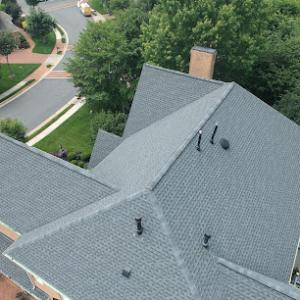
Operating out of Maryland, Virginia and Pennsylvania, United Developers is your trusted local roofing company specializing in high-quality roof replacements, siding and gutter installation.
Roof Solutions
(301) 565-2600 roofsolution.com
Serving
4.6 from 42 reviews
Roof Solutions is the roofing solution for you, providing exceptional services with professional roofers. We are your neighborhood roofing and gutter specialist serving Maryland, Virginia, and Washington, DC. At Roof Solutions, we rise above the competition because quality matters, your time and money are priorities, and our expertise is guaranteed.
Quality Innovation
(240) 523-4269 www.qualityinnovation.pro
Serving
5.0 from 64 reviews
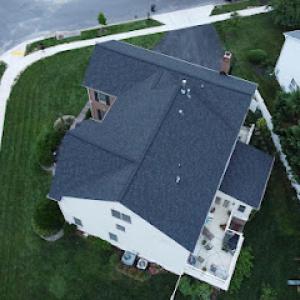
Quality Innovation is a top-rated remodeling and renovation company proudly serving homeowners and businesses throughout Maryland. We offer complete interior and exterior remodeling services, including kitchen and bathroom renovations, flooring installation, roofing, siding, gutters, painting, electrical work, and window and door replacements. Our skilled team is committed to quality workmanship, attention to detail, and customer satisfaction. Whether you're updating a single room or renovating your entire property, we make the process seamless from start to finish. Free estimates are available, and online booking makes it easy to get started. Transform your space with Maryland’s trusted experts at Quality Innovation
Rebel Roofer - Roof Replacements & Repairs
(240) 363-5819 rebelroofer.com
Serving
5.0 from 32 reviews
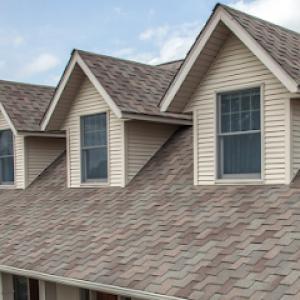
Rebel Roofer is a trusted roofing contractor in Bethesda, Maryland, providing expert roof repairs, replacements, gutter services, and skylight installations. Led by Rafael Huguet, we serve Bethesda, Olney, Rockville, Cabin John, Kensington, Brookeville, Martin’s Additions, Potomac, and surrounding MD & VA areas. Committed to quality and lasting protection, our team ensures your home stays safe and secure. Located at 6701 Democracy Blvd #300, we deliver reliable roofing solutions for every homeowner.
American Choice Exteriors
(301) 687-2345 americanchoiceexteriors.com
Serving
4.9 from 79 reviews
American Choice Exteriors is a family-owned and operated roofing company and we are located in Montgomery County, MD.Our extensive knowledge of state-of-the-art roofing techniques and technologies paired with our personalized customer service has continued to make us a top choice in roofing replacement and repair for residential and commercial properties. Your peace of mind is important to us. American Choice Exteriors will make certain you’re well informed about the entire process and are 100% satisfied with your roofing package — and after over 30 years of our combined experience in the trade, we’re completely confident that you will be.
Apex Roofing & Construction
(301) 284-8127 www.apexdmv.com
Serving
5.0 from 64 reviews
Apex Roofing and Construction provides roofing, patios, decks, gutters siding services in Maryland. Contact us for a free consultation today. We are also Owens Corning Preferred Contractors and have been vetted by Owens Corning for our roof installations. Apex Roofing and Construction specializes in wind and hail damage. Should your roof have missing shingles or hail damaged shingles, we can work with your homeowner’s insurance to see if you qualify for a new roof through your insurance. Clients are only responsible for their deductible. We also build quality composite decks and stone patios for our clients. Apex Roofing and Construction has you covered for all of your exterior needs.
Serrano Contractors
(240) 837-4900 serranocontractors.com
Serving
5.0 from 113 reviews
We focus on helping clients save thousands on a roof with simplicity at our forefront give us a call to schedule your appointment today!

CJ Roofing
(202) 770-4971 cjroofingdc.com
Serving
5.0 from 63 reviews
We are a full service, family owned business located in the District of Columbia. We’ve been fixing roofs in the District for 30 years. Contact our Washington DC roofing company today if you have questions. From Capitol Hill to Petworth, Dupont Circle to Georgetown, and Chevy Chase to Logan Circle, we cover the entire District of Columbia. We are proud of our work, our customer service and our team. We always endeavor to provide our customers will all the facts before they make their decision on which roofing contractor to hire. Are you looking for an affordable and reliable roofer near you? Give us a call today.

Washington Roofers
(229) 715-7372 washington-roofers.ueniweb.com
Serving
4.9 from 26 reviews
Washington Roofers offers high-quality roofing design and services in Washington. We are seasoned roofers who deliver top quality and budget-friendly roofing services. Get in touch with us on +12297157372. When you hire us, you know you’re getting skilled, passionate technicians you can trust to do the best job possible. And, as a bonus, we always feature competitive pricing on our services.
Capitol Improvements Washington DC - Roofing | Siding | Doors
(410) 587-0128 www.improveitmd.com
Serving
5.0 from 65 reviews
We are the family owned and family run team of DC Roofing Specialists servicing, flat roofs in Washington DC and window & door replacement in Washington DC. We are consistently rated as the best in our class for replacement flat roofing, roofing, siding, windows, gutters, trim, deck builder, stone patios & walkways, and door replacements. We provide quality products, expert installation, and lifetime manufacturer backed warranties. All for a fair price.
H&S Roofing
(301) 844-1420 www.hsroofingpros.com
Serving
4.7 from 30 reviews
H&S Roofing, LLC, we began as a small business with a passion for delivering exceptional roofing services to homeowners in Takoma Park, MD. Backed by our founder’s 13 years of experience in the roofing industry, we have grown into a trusted name, renowned for our commitment to quality and customer satisfaction.
In this area, the dominant materials include asphalt shingles, metal, clay tile, concrete tile, wood shingles or shakes, and slate. That mix mirrors a neighborhood of standard homes alongside older, higher-end residences with more intricate rooflines. When selecting a material, consider both the house's architectural details and how the roof will interact with mature surroundings-trees, shade, and seasonal moisture. Asphalt remains a practical baseline for reliability and ease of maintenance, while metal can offer longevity and a more contemporary look for mid-century and newer builds. Clay and concrete tiles respond well to a refined, traditional aesthetic, but their weight and installation nuance demand careful structural evaluation. Wood shingles or shakes provide warmth and texture but call for rigorous moisture management, especially given the region's freeze-thaw cycles. Slate stands out for upscale appearances and exceptional durability, yet its heft and detail requirements can redefine how a roof wears over decades.
Slate and tile fit many older upscale homes in and around this area, where characterful silhouettes and period detailing are common. However, replacement work on these materials is more complex: repairs and full reroofs must account for heavier assemblies, additional bracing, and precise flashing around dormers, chimneys, and ornate cornices. When choosing slate or tile, expect to coordinate closely with a craftsman who understands substructure requirements, underlayment choices, and the tolerances needed for long-term performance in a four-season climate. If the home's roofing deck has any signs of prior moisture intrusion or uneven decking, upgrade to a heavier, properly ventilated assembly to prevent future issues. A slate or tile installation also benefits from inlet ventilation and ridge venting tuned to minimize condensation within the attic.
Wood shingles or shakes remain a locally relevant option for homes seeking texture and warmth. They require particular attention to moisture exposure and outdoor drying conditions, especially after wet seasons. Flashing around chimneys, valleys, and transitions must be top-notch, since freeze-thaw cycles stress any edge detail. Underlayment choices should emphasize breathability and rapid shedding of moisture after storms. For wood, consider a premium sealant or coating strategy that aligns with local humidity patterns, while ensuring the ventilation system maintains a consistent flow to offset potential moisture buildup in attic spaces.
Asphalt, metal, tile, wood, and slate each have distinct advantages in this market. The key is aligning material selection with the home's architectural cues, existing structure, and the specific climate stresses of Montgomery County-especially freeze-thaw moisture and storm-driven weather. The best choice balances curb appeal, long-term performance, and the ability to integrate with proper flashing, ventilation, and underlayment designed for the local climate.
For a full roof replacement on a typical Chevy Chase property, the permit process runs through Montgomery County Department of Permitting Services, not a separate city roofing office. That means your project will be reviewed and tracked at the county level, with the goal of keeping everyone's homes and neighbors safe under county-wide standards. Do not assume a simple homeowner's notification will suffice; the county requires formal documentation and an active permit before any tear-off begins. Missteps here can stall the project, trigger rework, or even fines.
Plan review and inspections are handled by Montgomery County, so timing hinges on the county's schedule, not a local neighborhood cadence. Expect inspection checkpoints after tear-off and again at final completion. The tear-off inspection verifies that the old deck or sheathing has been properly removed to reveal a sound surface for the new system, and that temporary protections are in place to guard the structure and property during the work. The final inspection confirms that ventilation, underlayment, flashing, and all penetrations meet the county's current code expectations. This structure means you'll be coordinating with a licensed contractor who tracks these milestones and communicates any delays caused by weather, material lead times, or required adjustments.
Older homes in this area often reveal subtle ventilation, underlayment, and flashing issues once the roof comes off. The county's plan review tends to surface these concerns early, but it can also expose newly emerging scope changes once access to the roof deck is opened. Expect the possibility of additional repairs or adjustments to accommodate attic ventilation, continuous underlayment, or enhanced flashing around chimneys and skylights. While this adds steps to the process, it ultimately helps reduce moisture-linked problems during freeze-thaw cycles. Stay prepared for incremental changes to the original plan and ensure your contractor has the flexibility to address them without delaying permit compliance.
In this neighborhood, material choices drive the bottom line more than most homeowners expect. Typical local material ranges run from 350 to 650 USD per square for asphalt shingles, 700 to 1100 for metal, 1000 to 1800 for clay tile, 900 to 1500 for concrete tile, 650 to 1100 for wood shingles or shakes, and 1500 to 2500 for slate. Those ranges reflect lasting performance in four seasons and the premium look that many established homes convey. When planning, you'll want a contractor who can translate those per-square figures into your attic's framing, ventilation needs, and the complexity of your roofline.
Costs in Chevy Chase can skew upward when older homes require decking repairs, upgraded ventilation, or more intricate flashing work to satisfy Montgomery County inspection requirements. Many high-end estates sit on solid 2x6 or 2x8 decking that isn't perfectly uniform, and some had mixed-year upgrades that complicate a straight tear-off. Ventilation plays a big role in long-term warranty and energy balance, so expect to invest a bit more if the attic runs tight or has historically poor airflow. Flashing around chimneys, valleys, and dormers tends to be more involved on mature rooflines, which can push labor time and material use beyond the simplest installations.
Pricing can also rise during spring storm demand surges and on homes using slate, tile, or other premium materials common in established Chevy Chase neighborhoods. If you're weighing a premium option like slate or clay tile, prepare for higher per-square costs and longer installation windows, especially if weather shifts or crews are booked. Asphalt remains the most economical path, but the decision should align with the house's character, the roof's pitch, and long-term performance needs given freeze-thaw stress.
Understand your roof's square count upfront, and flag any known decking or ventilation gaps early with the contractor. Budget for flashing upgrades where chimneys or dormers intersect the main plane, and anticipate seasonal demand spikes in spring. If your home uses premium materials, build in a contingency for higher per-square costs and slower scheduling, so the project stays on track through adverse weather.
Get a clear picture of your project costs upfront - no commitment required.
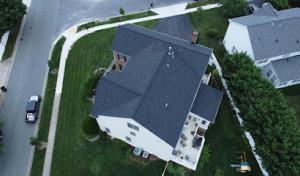
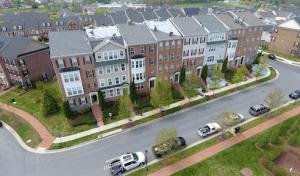
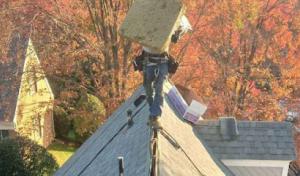
In Maryland, insurers generally want photo documentation and inspection evidence showing wind or hail damage before approving major roof claim payouts. For an older roof in this area, that means you should maintain a clear photo trail from the moment damage is suspected through interim repairs. Take wide-angle shots of the affected elevations, close-ups of curled or missing shingles, and any sagging components or flashing discoloration. If you have a legacy roof with mixed materials, note any areas where material degradation seems to be accelerating or where moisture intrusion is visible. Having that documentation ready can prevent misunderstandings when the claim is reviewed and can help support a claim that truly reflects the condition of the entire roof system.
Older roofs in Chevy Chase can face closer scrutiny on coverage decisions, with adjusters sometimes asking for independent estimates or proof supporting full replacement rather than repair. That scrutiny isn't meant to derail you, but it does mean you want to be prepared with a professional assessment that clearly differentiates between repairable damage and conditions caused by aging or improper prior maintenance. If an adjuster questions the viability of a patch, a licensed local contractor can provide a written pro-con analysis that highlights how a full replacement would address multiple weak points-valley protection, ridge vent integrity, and flashing continuity-without leaving hidden moisture paths behind after spring storms.
Because spring storms are a recurring local trigger for claims, homeowners here benefit from documenting damage immediately after events and before temporary repairs conceal evidence. Quick photos, notes on wind direction, hail size, and any rainfall-driven staining help preserve the true story of the roof's performance during the storm. When weather allows, schedule a professional inspection soon after a storm so the assessor can distinguish storm-driven damage from long-standing wear, improving your position should an adjuster review the claim.
Connect with contractors who help homeowners navigate the claims process from damage assessment to final approval.
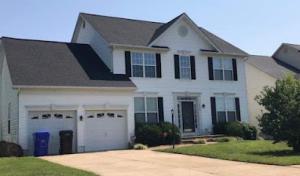
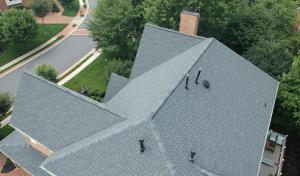
While steep-slope materials dominate locally, the contractor market shows meaningful flat-roof specialization, which is relevant for Chevy Chase homes with additions, porches, and low-slope sections. Those low-slope areas are especially vulnerable in the local climate because standing moisture, winter freezing, and spring downpours can expose drainage and flashing weaknesses quickly. In practice, mixed-roof homes often need contractors who can handle both premium steep-slope materials and adjoining low-slope transitions without creating leak points.
Start with a careful survey of add-ons and porches before any replacement. Identify every transition from slope to flat, including gutters, scuppers, and edge details. Look for signs of ponding, micro-cracks, and aging underlayment in the low-slope zones. Note any mismatched flashing where the addition meets the original roof line. In Chevy Chase, these transition zones weather stress from freeze-thaw cycles and spring moisture, so plan for additional drainage capability and robust turn-down flashing at all seams.
Prioritize a system that ensures reliable drainage across flat sections: properly pitched to direct water to gutters or interior scuppers, with reinforced, corrosion-resistant flashing where adjoining surfaces meet. Choose a low-slope assembly that tolerates freeze-thaw movement without cracking. In practice, expect multiple seals around penetrations (skylights, vents) to be upgraded to live-protected, watertight details. Coordinate with the adjacent steep-slope roof to avoid hard transitions that trap moisture.
Mixed-roof homes need a contractor who can coordinate both flat and steep sections without creating leak points. Ask for a single point of contact who reviews details across the entire roof line, including add-ons and transitions. Verify experience with low-slope membrane or built-up systems, and request a field mock-up of the critical transition at the ridge line. In Chevy Chase, proximity to mature trees and storm-driven moisture underscores the need for a contractor who treats low-slope work as seriously as the main roof.
Find specialists in TPO, EPDM, and built-up flat roofing systems for residential and commercial properties.