
Last updated: Apr 19, 2026
Spring and summer in this market bring wind-driven rain that can turn a minor flashing gap or a loose shingle into a full interior leak in hours. On tightly spaced homes, even small vulnerabilities propagate quickly across adjacent walls and ceilings, threatening ceilings, insulation, and interior finishes in rooms that share walls with neighbors. The first minutes after a storm are decisive: if water finds a path in the attic, it can travel along fascia, rafter tails, and nail lines to the least protected spots in the living space. Prioritize identifying where the roof shows signs of exposure-lifted shingles, cracked flashing around chimneys and vents, or blown-out ridge cap-and act with speed to prevent a cascade.
Post-storm response in this market centers on rapid mitigation and clear documentation for an insurance claim. Immediate steps include safely tarping exposed areas, gathering high-resolution photos of every damaged seam, flashing, or vent, and logging dates and times of the events. Keep a dated record of who performs temporary patches and what materials are used. Insurance adjusters frequently request a chronological sequence of the damage, and having a tight, organized file down to the micro-level details-shingle type, part numbers of flashing pieces, and the exact location of each leak-speeds up approvals. Because the contractor signal mix skews toward storm damage and emergency repair, you'll want a contractor who can provide a swift dry-in plan, a realistic temporary fix, and a printed damage report that aligns with your claim.
Arlington housing includes many attached homes and multifamily properties, so roof damage can impact shared walls, upper-story ceilings, and neighboring units. A failure on a party wall or an adjacent unit's roof can trigger simultaneous concerns for multiple residents, making coordination essential. Work with a roofing pro who can map out a site-wide dry-in strategy that protects ceilings and walls on all affected sides of the building, not just your unit. Secure temporary barriers, redirect water away from penetrations, and ensure roof-to-wall flashing is treated as a shared system with careful detailing at the interface. Quick, coordinated dry-in protects the entire structure and reduces the risk of neighbor disputes or delayed claims.
In a dense Arlington neighborhood, a fast dry-in plan means more than a tarp. It requires a practical, building-wide approach: secure tarps or poly sheeting over vulnerable roof sections, reinforce vulnerable flashings, and seal penetrations to minimize further damage from wind-driven spray. The goal is to create a watertight envelope within 24 to 72 hours after a storm event, prioritizing attic access, ceiling plenums, and any interior walls that show signs of moisture. A dry-in not only preserves interior finishes but also stabilizes the claim by reducing additional weather exposure between the storm and full repair.
Documenting the extent of damage with time-stamped photos from multiple angles is non-negotiable. Include attic conditions, such as signs of moisture on decking or insulation, and note any attic venting issues that could contribute to condensation or moisture buildup. For attached dwellings, record whether damage seems to originate from a shared roof plane versus a unit-specific section. Request a written assessment that identifies vulnerable flashing details, flashing-to-roof seams, cracked vent collars, and any signs of wind uplift on ridge lines. This level of specificity helps prevent post-storm ambiguity and supports timely, fair claims.
After securing a temporary fix, establish a clear plan with the chosen contractor for the next steps: confirm dry-in coverage for all affected units, outline the sequence of repairs, and schedule weather-conscious windows to minimize disruption to neighbors. Staying ahead of water ingress through rapid, well-documented action protects both your unit and adjacent homes, preserving property value and neighborhood harmony in Arlington's close-knit, storm-prone streets.
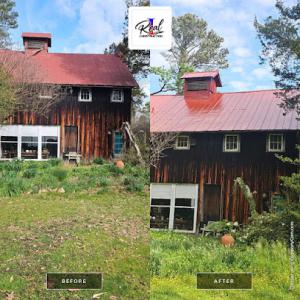
Real1Construction
(571) 497-8385 real1construction.com
5602 8th St S, Arlington, Virginia
5.0 from 115 reviews
Real problems, Real quality, Real solutions Real1Construction!
Insured Roofs - Arlington Branch
(703) 828-7462 www.insuredroofs.com
2111 Richmond Hwy Ste 301N, Arlington, Virginia
5.0 from 56 reviews
Insured Roofs is a storm restoration company and roofing contractor serving Arlington, VA and the greater DMV area. We specialize in roofing, siding, solar as well as general home improvements. Contact us for our FREE roof assessment. Our complimentary roof inspections come with a 3d model of the exterior of your home with the measurements attached. We also take over 100 photos of every component of your roofing system.

Painter Roofing & Construction
(571) 427-2450 www.painterroofing.com
4620 Cherry Hill Rd STE 201, Arlington, Virginia
4.9 from 80 reviews
Painter Roofing and Construction provides expert roofing services in Arlington and throughout Northern Virginia. As a family-owned company with 30+ years of experience, we offer residential and commercial roof installation, repair, and maintenance—always with quality workmanship and GAF-certified crews. From shingle and slate to flat roofing systems, we handle it all. We also support remodeling and new construction projects. Serving Arlington, Falls Church, Alexandria, and nearby areas. Call now for a free consultation.
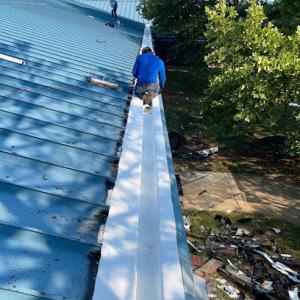
SBG Home Exteriors
2451 Crystal Dr Suite 600, Arlington, Virginia
4.9 from 51 reviews
Here to service all your home exterior roofing, siding, windows and doors needs. We also specialize in storm restoration and assisting with home insurance repair claims.

My Exterior
1655 Fort Myer Dr 7th Floor, suite 724A, Arlington, Virginia
5.0 from 30 reviews
My Exterior, located at 1655 Fort Myers Drive, 7th Floor, Suite 724A, is your premier roofing contractor in Virginia, specializing in roofing repair, roofing services, and roof installation. As a trusted residential roofing expert, we offer top-notch roof replacement and emergency roofing services with superior craftsmanship by our Class A licensed and GAF Master Elite team. Our comprehensive exterior solutions include siding, gutter, window, and door services, each enhanced by free drone inspections, no-cost estimates, and flexible financing options. Choose My Exterior for reliable service and community commitment, and discover why we're the go-to roofer near you.
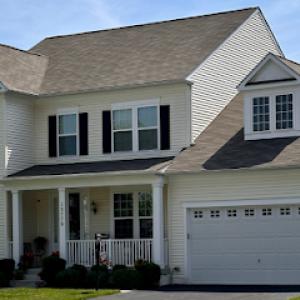
Roofers Of Arlington
(571) 397-6072 www.roofersofarlington.com
2300 24th Rd S Suite 1223, Arlington, Virginia
5.0 from 28 reviews
At Roofers of Arlington, we specialize in restoring, repairing, and maintaining residential, commercial and industrial roofs. We transform hundreds of homes and a variety of different industrial and commercial buildings, including warehouses, government buildings, apartments, hospitals, hotels, shopping centers, churches, and a lot more! We go above and beyond to offer the very best in roof repair, replacement, and maintenance because we understand how vital your roof are to the overall well-being of your space. With 12 of experience in roofing in Arlington VA, you can depend on our seasoned and professional team of roofing installers for all your roofing needs!
Augustine Roofing
(703) 281-7663 www.augustineroofing.com
5267 Langston Blvd., Arlington, Virginia
5.0 from 25 reviews
From start to finish, Augustine Roofing maintains the highest standards of project management and workmanship. We staff our projects with only the most experienced and highly qualified construction experts. Our clients receive the finest quality workmanship and the most cost effective performance available, in keeping with their highest expectations and ours. Whether the project is large or small, we develop a strategy that meets all the homeowners needs.
Premier Group
(571) 609-5590 premiergrouproofs.com
2825 Washington Blvd, Arlington, Virginia
5.0 from 21 reviews
Premier Group provides residents of Arlington, VA and the surrounding areas high quality commercial and residential roofing services at an affordable price. Services we offer include roof repairs, roof installation, shingle installation, and much more! For all of your roofing needs in Arlington, contact Premier Group!
SmartRoof
400 Army Navy Dr #1121, Arlington, Virginia
4.8 from 36 reviews
SmartRoof re-energizes the dream of homeownership across Virginia through energy efficient upgrades. With innovative integrated solar solutions, and roof, gutter, siding, window and door replacement, we’re improving the home improvement process. We’re taking the home renovation industry from a frustrating back-and-forth, to a collaborative, service-focused dream. We lead with kindness, relatability, and a commitment to communication and support. Backed by thousands of 5-star reviews and more than 20,000 installations, we treat your home like it is our own. We’re certified by the best manufacturers in the US, and use only the latest roofing and solar technologies to help you achieve your dream home. Build your future with us!
DoubleRRoofing
(703) 717-1012 www.doublerroofingllc.com
Arlington, Virginia
5.0 from 14 reviews
This is 100% a family owned and operated business we care about the quality of our work therefore I believe no one should be over charged or lied to about a job because no matter how big or small the job is we promise to give the same amount of effort and skill into any job. “ One nail at a time”
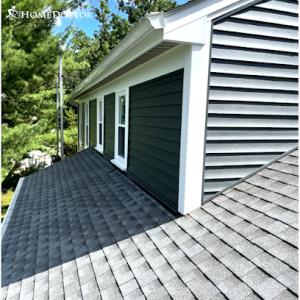
The Home Doctor
(540) 369-4759 www.yourhomedr.com
Serving
4.5 from 383 reviews
We strive to bring top quality, long lasting roofing, windows, siding and more to consumers at reasonable prices throughout the greater DMV area. We only work with factory-trained installers to assure your warranty stay intact. We outprice all competitors with 100% price match guarantee. When you buy a roof from The Home Doctor, enjoy 0% interest or payments until 2026. The Home Doctor has an A+ rating with the BBB and is a Angi Super Service Award Winner.
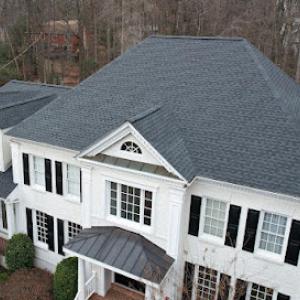
LCR Exteriors
(703) 595-7031 lowcostroofingva.com
Serving
4.9 from 52 reviews
LCR Exteriors is family-owned and operated striving to provide high-quality roofs to benefit your needs. With over 18 years of experience, we run and operate in DC, Maryland, and Virginia. We are always ready to handle all your residential and commercial needs. No job is too small nor too big. What makes us “Low Cost”? Our Install Team are direct employees. We do NOT subcontract out to ensure HIGH-quality installation on every job! So You can save money on your exterior home needs!
Winter in this area can bring cold snaps that dip below freezing after daytime attic heat has started to dissipate. When attic heat leaks into the roof deck, overnight freezes freeze that heat in place near the eaves. The result is ice that backs up under shingles and flashing, raising the risk of leaks along the soffit line and at roof penetrations. Because dense, older neighborhoods mix attic configurations and sometimes uneven ventilation, you can see ice forming where heat loss isn't uniform. The consequence isn't just a nuisance-persistent ice damming can wick moisture into decking and insulation, setting the stage for softening sheathing and hidden rot.
Seasonal realities in Arlington reflect a patchwork of insulation and ventilation conditions across aging homes. Some houses have perfectly balanced runs of soffit vents, ridge vents, and properly sealed attic hatches; others have gaps or insulation that doesn't extend to the rafter tails. When you pair inconsistent insulation with mid-winter cold nights, roof decks near the eaves cool unevenly while the attic remains comparatively warm. That mismatch accelerates condensation, leading to dampness that can linger under shingle lines or tile overhangs. The net effect is a higher chance of winter moisture problems that show up as staining, mildew in attics, or damp ceiling spots after thaws.
Replacement work and temporary fixes that address ice dam risk are most reliable in milder periods when weather isn't actively freezing or scorching the materials. In practice, it means aiming for work in late winter to early spring or during a dry spell in late fall. Waiting through a cold snap and a thaw runs a real risk of repeat dam formation before crews can address underlying ventilation or insulation gaps. The timing matters because once an attic is better sealed and vented, you reduce the chance of fresh moisture condensing on the roof deck during subsequent freezes. Coordinating work for a window of milder weather helps materials cure and perform as intended, without the added stress of competing winter stimuli or peak summer UV exposure.
If you notice stained ceilings, peeling interior paint near the top floor, or damp spots along the interior of the ceiling after a thaw, treat it as a warning sign rather than a one-off issue. Inspect the attic during a cold night for obvious warm spots along the roof deck or compromised insulation around hatch openings. Clear any snow from the first several feet of the eave line from the exterior if it's safe to do so; heavy ice should be left to professionals to prevent personal injury or roof damage. Consider upgrading venting and insulation where feasible to move toward a more even temperature across the roof deck. Persistent ice dam problems after a thaw merit a targeted assessment of local venting balance, insulation depth, and flashing integrity, as these are the levers most likely to reduce recurring damage.
Storm-driven winds in late spring and summer can drive water under shingles and flashing, compounding the risk created by freeze-thaw cycles earlier in the year. In those moments, the combination of wind-driven rain and existing ice dam vulnerability can push moisture into rafters and decking, sometimes with little obvious exterior sign until interior damage becomes apparent. When a leak is suspected after a storm, prioritize fast access to the attic to locate the source, and document everything for insurance-related needs. Early discovery and targeted patching can limit the extent of interior damage and keep the longer-term rehabilitation on a workable track.
Asphalt shingles are the dominant practical choice for many detached homes and townhomes in this tight, storm-prone neighborhood fabric. In humid summers, the combination of heat, moisture, and wind-driven rain makes proper nailing crucial to prevent lifted edges during spring storms. Underlayment quality matters because the occasional mid-summer downpour and freeze-thaw cycles in the shoulder seasons test the barrier between roof deck and living space. Ridge ventilation is not a bonus feature here-it's a necessity. A well-ventilated attic helps slow heat buildup that can age shingles faster and reduces condensation that invites mold behind the scenes. When you examine a roof, check that nails are driven straight, through the shingle into solid decking, with adequate sealing at every seam. In neighborhoods with close proximity between homes, proper flashing at dormers, valleys, and transitions becomes the first line of defense against wind-driven leaks, especially after a quick but intense storm.
Metal roofing is present in the market and can be attractive for durability, but detailing around penetrations and transitions matters on homes with dormers, porches, and additions. Arlington houses often feature varied rooflines where dormer boxes, chimney stacks, and covered porches create complex junctions. Pay particular attention to where metal panels meet around these features, plus any skylight or vent penetrations. The ability of metal to shed wind-driven rain quickly is a real plus, but a misrepaired or poorly sealed transition can become a leak hotspot after a fast-moving storm. Inspect standing seams for expansion movement, and ensure clips and fasteners are correctly sized and sealed. In mixed-use elevations, the edge detailing where metal meets traditional shingles or tile must be integrated with the existing flashing to prevent creosote-like seepage paths along the fascia and rafter tails.
Tile, wood shake, and synthetic products exist in Arlington's housing mix, but their suitability depends heavily on the structure and detailing of older homes rather than just appearance. Older bodies often have lighter framing or uneven rafters that struggle with heavy tile loads or deep shake sections. Clay and concrete tiles deliver long life but demand a strong, well-braced deck and precise valley and hip details; without that, wind uplift or cracked edges become leak paths during the region's wind storms. Wood shakes look attractive but require careful maintenance to prevent weathering, cupping, and increased dryness-related cracking in hot summers. Synthetic shingles can mimic the look of tile or shake while offering better weight characteristics and fade resistance, yet their success hinges on accurate waterproofing around penetrations, step flashing at dormers, and proper attic ventilation. In addition to the look, match the roofing system to the house's structural realities and the existing flashing detail so that transitions into dormers, porches, and additions stay continuous and watertight.
A growing pattern in this market is a mix of rowhouses, rear additions, porches, and multifamily buildings that create a meaningful low-slope roofing segment even though steep-slope roofs are more common overall. In these setups, flat or low-slope sections frequently share walls with older portions, which means every transition needs careful detailing. Autumn leaves piling up along drains, scuppers, and parapet edges can hold water after seasonal rain, accelerating wear on flashings and seams. The key is to anticipate where water tends to pool and plan for robust edge control and reliable drainage.
Flat-roof leak complaints often center on seams, parapet transitions, and tie-ins between original homes and later additions. In practice, inspect every seam where a new roof meets an existing structure, and pay special attention to detailing around parapets and at the interface with skylight curbs or porch extensions. During storm responses, prioritize rapid detection of standing water near drains and any signs of moisture intrusion on interior ceilings below flat sections. Establish a straightforward, repeatable leak-response protocol that targets seams, fasteners, and flashing terminations first.
Effective maintenance hinges on keeping drains and scuppers clear and ensuring leaves don't accumulate at critical low spots. Create a simple seasonal checklist focused on autumn debris removal and post-storm inspections after heavy rains. For Arlington properties, consider additional attention to transitions where a later addition ties into an older roof line; these junctions are common failure paths if flashing or insulation dries out or shifts. Use reinforced, compatible flashing at all parapet-to-roof transitions and verify that sealants remain flexible through freeze-thaw cycles.
When selecting materials for low-slope additions, prioritize overlap capability, seam integrity, and compatibility with adjacent roof systems. For porches and rear additions, ensure that the chosen flat-roof membrane or roofing assembly accommodates anticipated movement between structures. In all cases, emphasize proper edge detailing, drain placement, and a clearly defined watertight envelope around penetrations to minimize nuisance leaks after wind-driven storms.
Find specialists in TPO, EPDM, and built-up flat roofing systems for residential and commercial properties.
Painter Roofing & Construction
(571) 427-2450 www.painterroofing.com
4620 Cherry Hill Rd STE 201, Arlington, Virginia
4.9 from 80 reviews
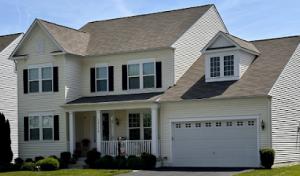
Roofers Of Arlington
(571) 397-6072 www.roofersofarlington.com
2300 24th Rd S Suite 1223, Arlington, Virginia
5.0 from 28 reviews
Capitol Improvements Washington DC - Roofing | Siding | Doors
(410) 587-0128 www.improveitmd.com
Serving
5.0 from 65 reviews
In Arlington, a roofing permit is typically required for a full re-roof through the county Building Division. That permitting streamlines approvals when replacing the entire roof, especially on aging single-family homes, townhomes, and condo buildings where close proximity to neighbors means weatherproofing must be prompt and airtight. If the project is limited to minor repairs or small repairs that don't remove the full roof deck, some jurisdictions offer exemptions or easier review, but the county's standard path applies most often to a full replacement. Understanding this distinction early helps you avoid delays when a storm recovery window is tight and the weather forecast looks favorable for work.
Inspections are scheduled to track critical milestones. After the old roofing is removed or once installation begins, an inspection verifies that the underlayment is properly installed, that nails or fasteners meet local codes, and that ventilation is being addressed correctly. A second inspection typically occurs at final completion to confirm everything is in place and the roof is weather-tight. In dense neighborhoods, inspectors may coordinate with multiple trades on a single site, so you'll want access arranged for the inspector's arrival window. Expect a review of attic ventilation, ridge venting, and soffit intake as part of the ventilation verification, since those details matter for summer humidity and winter freeze-thaw cycles.
The permit process tends to matter most on full replacement projects rather than minor repairs. That means if a complete re-roof is planned, start-to-finish scheduling with the Building Division early to lock in the inspection timeline. Storm seasons can push inspection slots, so coordinate with your contractor to align removal and installation activity with anticipated inspection windows. If a storm-related delay or weather-dependent setback occurs, notify the Building Division promptly to avoid permit hold-ups. For condo associations or multi-unit buildings, the approvals may involve additional strata or HOA documents, so budget extra lead time for those reviews as well.
Begin with a clear scope of work and a detailed schedule to share with the Building Division and the contractor. Have the property address, parcel number, and any relevant HOA approvals ready to minimize back-and-forth. Request a preliminary plan review if offered, which can flag potential issues with underlayment or ventilation before work starts. On the day of removal and the day of installation, ensure safe access for inspectors and keep the site tidy so inspections aren't delayed by clutter or debris. Finally, keep a dedicated contact person at the contractor and a notepad of inspection dates and required documentation, so the sequence from permit issuance to final completion proceeds with fewer surprises during busy storm periods.
Planning a replacement starts with material choice and the local price ladder. Asphalt shingles sit around 400 to 700 USD per square, a range that fits many mid-populated neighborhoods with mature trees and standard two-story layouts. Metal roofing runs higher, roughly 600 to 1100 USD per square, offering longer life and better wind resistance for the wind-driven springs Arlington experiences. Tile systems-clay or concrete-run substantially higher and can push overall project budgets well above other options. This material spread matters because small differences in daily driving and labor can compound quickly on a full-roof job.
Costs in Arlington can rise on older homes with multiple roof planes, dormers, chimneys, skylights, and tight access in established neighborhoods close to lot lines. Each added plane or architectural feature means more flashing, vents, and careful detailing, all of which extend labor time and raise material waste. Tight access complicates staging, often requiring smaller crews or off-hour scheduling, which can affect price and timeline. Expect a higher per-square cost when a roof isn't a simple, single-sloped surface.
Demand spikes after regional storm events can affect pricing and scheduling locally, especially when many homeowners seek emergency dry-in and full replacement at the same time. If a storm hits, you may see expedited timelines and higher mobilization costs, but also quicker availability of crews who are already in the area. Planning ahead for a storm season window helps stabilize both price and timing. Consider building a contingency into your project plan for potential surge periods.
Given humid summers and freeze-thaw cycles, prioritize materials with proven performance in Mid-Atlantic conditions. Asphalt shingles offer quick recovery and broad availability, while metal provides durability against wind and rapid drying after storms. Tile options deliver longevity but require careful attic ventilation and structure to support weight. Weigh long-term value against upfront cost, especially if the roof has significant height or multiple penetrations.
Get a clear picture of your project costs upfront - no commitment required.

My Exterior
1655 Fort Myer Dr 7th Floor, suite 724A, Arlington, Virginia
5.0 from 30 reviews

Virginia homeowners insurers generally expect Arlington owners to document roof condition and cause of loss with photos, contractor estimates, and inspection reports. When a storm rolls through the metro area, the insurer often wants a clear trail: the date of the event, the visible damage, and a professional assessment that ties the damage to that event. In practice, a well-organized box of photos taken from ground level and from attic access, paired with a detailed estimate, helps the claim move quickly. A neutral, dated record from a licensed inspector or a trusted local contractor can prevent back-and-forth questions that stall repairs.
In Arlington, the practical insurance challenge is often distinguishing sudden storm damage from age-related wear on older roofs common in established neighborhoods. Mature homes may show shingles curling or flashing aging that could be misread as storm-related. The key is defining a specific, event-related cause: a wind-driven impact, a fallen limb, or hail impact, versus gradual degradation from years of temperature swings. Photos should capture the steep sections, valleys, and flashing seams, alongside the surrounding yard debris that indicates the storm's path.
Replacement timelines and policy terms can shape claim outcomes, so Arlington homeowners need prompt inspections after storms rather than waiting for minor leaks to worsen. A quick contractor evaluation helps determine if a full replacement is warranted or if a targeted repair suffices. Delays invite questions about the extent of loss and can complicate depreciation and coverage decisions. If there is any doubt about coverage, a rapid, professional assessment signed and dated soon after the incident becomes a crucial anchor for the claim.
After a storm, secure the roof structure to prevent further damage and document any temporary measures with notes and dates. Schedule an inspection within days, not weeks, and relay the findings to the insurer with your documented evidence. Keeping a concise, organized file now reduces friction later and supports a fair, timely resolution.
In Arlington, replacements are commonly planned for mild seasons to reduce weather delays and avoid the installation complications of peak summer heat and winter freezes. Choosing a window in late spring or early fall gives crews more predictable temperatures, steadier humidity, and fewer sudden storm interruptions. For homeowners, this means coordinating with insurance timelines, scheduling ahead of peak leaf drop, and aligning material deliveries with a stretch of dry days. A well-timed project minimizes disruption to gutters, downspouts, and nearby landscaping while keeping interior conditions comfortable during the work.
Spring can bring storm interruptions and hail or wind exposure, so plan for potential pauses and additional inspections after weather events. In neighborhoods with mature trees, wind-driven debris can damage flashing or vent penetrations, and rapid temperature swings can stress newly installed underlayment. Post-storm checks are essential: verify ridge and drip edge alignment, confirm attic ventilation remains effective, and address any incidental damage before it progresses. Scheduling a mid-spring assessment after known storms helps catch issues while they're still manageable.
Autumn leaf drop can complicate drainage checks and final cleanup on low-slope sections. Clear, continuous leaf and twig buildup around gutters, scuppers, and downspouts supports proper water flow as temperatures cool. Low-slope areas benefit from a final, thorough inspection to ensure slope integrity and flashing sealant visibility before winter winds begin. This season also provides an opportunity to fine-tune attic ventilation settings as outdoor temperatures drop, reducing condensation risk in the weeks ahead.
Summer humidity in Arlington can slow crew pace and make attic ventilation performance more noticeable immediately after installation. High humidity can challenge material acclimation and sealant cure times, so confirm that interior ventilation is operating correctly as the crew finishes. A post-install review of z-flashing, ridge vents, and soffit intake helps ensure long-term performance when the hottest days intensify attic heat, and helps identify any adjustments needed for optimal moisture management.
Skylight work is a meaningful specialty here, reflecting how leak diagnosis often hinges on curb flashing and the transitions where shingle or metal coverings meet a skylight curb. When diagnosing a leak, inspect the curb height relative to surrounding shingles, and look for high-contrast flashing joints that may have warped or lifted after winter freeze-thaw cycles. In neighborhoods with close setbacks and complex roof geometries, curved or intersecting ridges can channel water toward skylight seals. A practical approach is to seal and reflash with upgraded end-caps where the skylight meets the curb, and to verify that the surrounding shingles are properly stepped over the curb to prevent capillary intrusion. For retrofit skylights, ensure the flashing kit matches the existing roofing material and that shingle courses are trimmed cleanly to avoid snagging.
Solar roofing is present but not dominant in this market, so homeowners need contractors who can coordinate roof replacement timing with existing or planned rooftop systems. Plan any skylight or roof-penetration work to align with solar array rail or ballast dimensions, and verify the compatibility of sealants and flashing with the chosen PV mounting hardware. If panels are already installed or planned, confirm roof deck condition under the array and address any venting needs that may be constrained by the solar layout. Clear communication about sequences-deck repair, underlayment replacement, flashing, and then panel installation-helps prevent backtracking on a tight Arlington roof timeline.
Penetration detailing matters on homes with additions and remodels, where newer roof features meet older assemblies. Pay special attention to transitions at dormers, skylight flats, or newly added vents where the old deck may pitch differently than the new section. Use continuous underlayment across transitions and install step-flashing that bridges from the old to the new with generous overlap. When a remodel adds height or changes roof pitch, verify that the curb lines remain watertight and that any surrounding shingle or metal transitions are trimmed to prevent wind-driven water intrusion during spring storms. In all cases, test for leaks with a controlled water run, focusing on joints near penetrations and where different materials meet the main roof.
Find contractors experienced in skylight installation, flashing, and leak repairs to bring natural light into your home.
Real1Construction
(571) 497-8385 real1construction.com
5602 8th St S, Arlington, Virginia
5.0 from 115 reviews
Roofers Of Arlington
(571) 397-6072 www.roofersofarlington.com
2300 24th Rd S Suite 1223, Arlington, Virginia
5.0 from 28 reviews
SmartRoof
400 Army Navy Dr #1121, Arlington, Virginia
4.8 from 36 reviews