
Last updated: Apr 19, 2026
Storm claims in this area move fast, especially after wind and hail events that hammer large, steep-roofed homes in wooded neighborhoods. The local insurance environment already shows active claim activity, making post-storm roof documentation a front-end decision for homeowners rather than an afterthought. Every hour counts when a storm has just passed and the clock is ticking on your rights and options. A rapid, disciplined approach to documentation can shape the scope of the claim, the timeline for repairs, and the final outcome.
Adjusters in this market may ask for photos of prior shingles and attic ventilation, so Potomac homeowners benefit from documenting roof condition before and immediately after storms. Stand on a stable ladder with a clear, uncluttered view of the entire roof and attic access points. Photograph ridge lines, valleys, flashing, and any visible deterioration from multiple angles. Take interior shots of attic insulation, venting, and any signs of condensation or leaks. Date-stamped images stored in a centralized folder ensure quick retrieval when the claim is opened. This is not a one-and-done task; a concise photo log built over time pays dividends when a storm rolls in and again after the contractor's assessment.
Wind-related renovation credits or restrictions can affect replacement decisions in this area, which makes material matching and timing more consequential during Potomac claims. If a full roof replacement becomes necessary, the choice of shingle or tile must align with existing roofing aesthetics and the neighbor environment, while also meeting wind resistance expectations. The steep pitches common here complicate installation and may influence whether a partial repair can be sanctioned or a full roof replacement is pursued. Keep a running record of any hail or wind-related damage detected on the roof, gutters, and soffits, as this supports a coherent narrative for the adjuster and the contractor.
Do not delay photographing the roof while water is actively entering the home or while the area is unsafe. Immediately after the danger passes, capture quick, high-level shots from ground level and then schedule a professional inspection within days, not weeks. Request a detailed, written assessment that itemizes damaged components, ventilation issues, flashing integrity, and potential hidden damage penetrating underlayment. In this market, the timing of a proposal and the sequencing of repairs can influence both cost efficiency and claim approval, so align the contractor's schedule with the insurer's assessment window wherever possible.
Begin with a storm-damages snapshot plan: establish a baseline of what is normal for the roof and attic, then compare it against post-storm conditions. Create a concise chronology: storm event date, initial photos, call to the insurer, inspector visit, contractor proposal, and any changes to the scope due to wind credits or restrictions. Maintain an unbroken chain of communication with the adjuster, providing requested photos promptly and avoiding delays caused by back-and-forth confusion. In frequent wind-driven events, having pre-storm documentation ahead of time transforms a reactive process into a proactive defense for your property.
SW Roofing Potomac
10900 Cripplegate Rd, Potomac, Maryland
4.9 from 26 reviews
Welcome to SW Roofing Potomac, your trusted provider of quality roofing services for over 30 years! We are a family-owned business with extensive experience in the residential roofing industry. We provide a full range of roofing services, from roofing repair to full roof replacements. If you need a new roof, we will work with you to explore your options and find the best solution for your budget and needs. Our comprehensive services make sure that your new roof is properly installed, and we always strive to use quality materials and a thorough installation process. We invite you to call us today to schedule your appointment and see for yourself why so many customers trust us for all of their roofing needs.
Quality Innovation
(240) 523-4269 www.qualityinnovation.pro
Serving
5.0 from 64 reviews
Quality Innovation is a top-rated remodeling and renovation company proudly serving homeowners and businesses throughout Maryland. We offer complete interior and exterior remodeling services, including kitchen and bathroom renovations, flooring installation, roofing, siding, gutters, painting, electrical work, and window and door replacements. Our skilled team is committed to quality workmanship, attention to detail, and customer satisfaction. Whether you're updating a single room or renovating your entire property, we make the process seamless from start to finish. Free estimates are available, and online booking makes it easy to get started. Transform your space with Maryland’s trusted experts at Quality Innovation
Rebel Roofer - Roof Replacements & Repairs
(240) 363-5819 rebelroofer.com
Serving
5.0 from 32 reviews
Rebel Roofer is a trusted roofing contractor in Bethesda, Maryland, providing expert roof repairs, replacements, gutter services, and skylight installations. Led by Rafael Huguet, we serve Bethesda, Olney, Rockville, Cabin John, Kensington, Brookeville, Martin’s Additions, Potomac, and surrounding MD & VA areas. Committed to quality and lasting protection, our team ensures your home stays safe and secure. Located at 6701 Democracy Blvd #300, we deliver reliable roofing solutions for every homeowner.
Serrano Contractors
(240) 837-4900 serranocontractors.com
Serving
5.0 from 113 reviews
We focus on helping clients save thousands on a roof with simplicity at our forefront give us a call to schedule your appointment today!
DNB Construction
(301) 362-7663 www.dnbroofing.com
Serving
4.9 from 112 reviews
DNB Construction is a family-owned certified roofing company with experience in all roof types. We are based in Rockville, MD and serving MD, DC & VA areas. DNB Construction was formed with a focus to bring quality to every job we work on. Our roofing experts are highly skilled and have all undergone rigorous training. From the smallest roof repairs to the largest custom home builds, our experts will bring attention and care to your project. We are master installers of asphalt shingles, natural/synthetic slate, cedar shake and shingle, custom metal roofing, and TPO. You can count on us for fast reliable service when you need it most. We offer affordable solutions for everyone. We provide free estimates. Don't wait, call us today!
American Choice Exteriors
(301) 687-2345 americanchoiceexteriors.com
Serving
4.9 from 79 reviews
American Choice Exteriors is a family-owned and operated roofing company and we are located in Montgomery County, MD.Our extensive knowledge of state-of-the-art roofing techniques and technologies paired with our personalized customer service has continued to make us a top choice in roofing replacement and repair for residential and commercial properties. Your peace of mind is important to us. American Choice Exteriors will make certain you’re well informed about the entire process and are 100% satisfied with your roofing package — and after over 30 years of our combined experience in the trade, we’re completely confident that you will be.
United Developers
(240) 880-2108 www.udroofing.com
Serving
5.0 from 131 reviews
Operating out of Maryland, Virginia and Pennsylvania, United Developers is your trusted local roofing company specializing in high-quality roof replacements, siding and gutter installation.
The Flat Roof Specialists
(301) 686-4376 sites.google.com
Serving
5.0 from 24 reviews
THE FLAT ROOF SPECIALISTS is a trusted roofing company serving Rockville, MD and nearby areas, dedicated to delivering reliable and long-lasting roofing solutions. We specialize in a wide range of roofing services, including roof repair, roof replacement, new roof installation, flat roof repair, and maintenance for both residential and commercial properties. Our team is committed to quality craftsmanship, using durable materials and proven techniques to ensure every roof we work on stands the test of time. At THE FLAT ROOF SPECIALISTS, we put customer satisfaction first, offering honest advice, transparent service, and professional results that protect your home or business year-round.
Nna Crews
Serving
5.0 from 23 reviews
NNA CREWS is a Maryland roofing contractor serving residential and commercial clients. We specialize in providing professional installation for a variety of exterior elements, including roofs, siding, gutters, windows, and doors.
RoofPRO
(240) 916-1347 marylandroofers.com
Serving
5.0 from 16 reviews
We are a full-service contractor in Rockville, MD, offering residential and commercial services for all of your roofing, siding, skylight, window, and gutter needs. We have been in business for over 20 years, providing free estimates for repairs and replacements. We pride ourselves on customer satisfaction and saving our customers time, money, and headaches by doing the job right the first time. All of our work comes with warranties on labor and materials. Contact us today for a free quote.
Skycon Roofing & Restoration
(240) 708-0034 www.skycontractingdmv.com
Serving
5.0 from 81 reviews
Roofing Contractors
Nova Rooftek
(703) 407-2714 www.novarooftek.com
Serving
4.9 from 143 reviews
Nova Rooftek in McLean, VA, is your trusted partner for high-quality roofing and exterior services. We specialize in: - Residential Roofing Repair - Handyman Roof Repair - Roof Replacement - New Installation - Roof Inspections - Siding & Gutter Replacement - Storm Damage Repair - Emergency Services - Insurance Claims Assistance We work with various roofing types, including asphalt shingles, metal roofing, flat roofing, and energy-efficient options. Whether it’s a minor repair or a full roof replacement, our team delivers exceptional craftsmanship and peace of mind for every homeowner.
Potomac roofs face both cold-season freeze-thaw cycling and hot, humid summers, so attic ventilation and moisture control have an outsized effect on shingle aging and deck condition. The combination of layered insulation, vented soffits, and a properly sized ridge or turbine vent helps establish a steady air flow that slows condensation and reduces ice dam risk on edges. Inspectors pay attention to the balance between intake and exhaust vents; an excess of one without sufficient counterbalance can trap moisture or create cold-bridge leaks. In practice, aim for even, continuous ventilation along the eave line and a clear path for air to exit near the ridge or high point of the roof. If your attic feels damp after a humid summer, or you notice moldy rafters, revisit the venting plan before the next heating season.
Winter and early spring are prime times to confirm that snow melt drains away instead of pooling at eaves and vents. Periodic snow in Potomac can expose weak flashing, eave details, and ventilation balance when meltwater refreezes along colder roof edges. Check that drip edges and underlayment drip lines are intact and that flashing at valleys, chimneys, and roof-to-wall transitions remains tight. A common weak spot is where vent stack boots or pipe collars sit on an otherwise well-sealed roof; freeze-thaw cycles can pry these fittings loose. In late winter, if you hear wind-driven whistling or see frost buildup along the eaves, a professional should re-evaluate soffit baffles and ridge vent placement to restore proper flow.
Shingle types age differently under these conditions. In this market, asphalt shingles benefit from adequate ventilation to slow granule loss during hot months, while metal roofs need unobstructed eave-to-ridge air movement to prevent condensation under coatings. If a roof has aged under poor ventilation, expect accelerated wear at the deck and edges, and be ready for more frequent inspections after big storms. For clay or concrete tiles, ensure underlayment compatibility with your ventilation plan, because moisture can migrate under tiles differently than over shingles. A well-balanced system helps maintain deck integrity and reduces energy-driven humidity that accelerates aging.
Montgomery County inspections may include additional checks tied to ventilation and underlayment requirements during full roof replacement projects. If your home is due for replacement, prepare by cataloging attic vent types, their placement, and any gaps between components. A simple photo log from attic access points can support the inspection narrative and guide staging for improvements. In homes with large, steep pitches, prioritize clear pathways for air to reach the ridge and avoid obstructing vents with insulation or storage. The goal is a long, steady ventilation pattern that minimizes moisture swing and supports the roof deck through many winters to come.
Potomac's replacement market reflects a broad mix of upscale custom homes and established suburban roofs, so your best choice should balance appearance, long-term durability, and how well the roof manages local weather patterns. Asphalt shingles remain a practical, widely supported option for many steep-to-moderate roofs, offering reliable protection and a broad range of styles to fit traditional or modern facades. For homeowners prioritizing a premium look with extended lifespans, slate, clay tile, and concrete tile deliver a distinctive curb presence and exceptional durability, provided the roof structure can carry the weight. Metal roofs bring excellent wind resistance and a sleek, low-maintenance profile that suits larger roof planes, while synthetic/composite shingles offer versatile aesthetics and better impact performance in some installations. The dominant replacement market's diversity means you can align material choice with the house's architectural language and local expectations.
Heavier materials like slate, clay tile, and concrete tile are especially relevant in homes with premium architectural styling where appearance and long-term durability matter. But weight can influence structural load requirements, transfer to the supporting framing, and potential retrofit needs. In larger Potomac homes with expansive roof planes, the visual rhythm and shadow lines created by heavier materials often harmonize with estate-scale designs, while lighter options can preserve a classic look without overstressing the structure. The aesthetic you pursue should be weighed against the home's joinery, chimneys, dormers, and patchwork of old and new elements that frequently appear in this market.
In a climate characterized by humid summers, winter freeze-thaw cycles, and wind-driven events, the roof's performance hinges on drainage, ventilation, and material integrity. Asphalt shingles are versatile across seasons but benefit from well-ventilated attics and correctly installed underlayment to mitigate moisture intrusion. Metal roofs excel in wind resistance and rapid shedding of rain, yet color selection and panel design should coordinate with the roof's slope and overhangs. Slate and concrete tiles handle freeze-thaw well but demand structural confirmation for weight and proper hanging systems. Clay tile delivers a timeless aesthetic and strong durability when installed with adequate roof deck support, batten spacing, and underlayment. Synthetic/composite products are valued for improved impact resistance and reduced weight compared with natural materials, offering flexibility for larger roofs without compromising performance.
When planning replacements or repairs after wind, hail, or heavy rain events, a material choice that aligns with typical local weather-and that maintains a clear, trackable installation history-simplifies insurance documentation. Slate, clay, and concrete tile projects often require precise recordkeeping for weight, fastening methods, and panel layout, especially on extended roof planes. Metal and synthetic options can provide smoother documentation trails due to standardized warranty and installation practices. Regardless of material, ensure an up-to-date photoset, document the existing roof's condition prior to work, and secure a detailed impact and wind-resistance assessment from a qualified roofer. This approach supports quicker claim processing and reduces the likelihood of later disputes about storm-related damage or coverage scope.
A full roof replacement in Potomac requires a building permit through Montgomery County's Department of Permitting Services rather than a separate city roofing office. The licensed contractor typically handles the permit submission, so as a homeowner you should expect the process to be initiated by the pro you hire. Knowing this helps you time your project and avoid delays caused by missing paperwork.
In this jurisdiction, the permit is typically submitted by the licensed contractor, and homeowners should expect DPS review time before work can proceed. Ask your contractor for the estimated DPS turnaround and a copy of the submitted documents so you can track progress. It helps to align permit approval with weather windows, as Potomac winters and windy springs can push project timelines.
Potomac replacement projects are inspected during construction and again at final, with verification focused on installation quality and ventilation and with possible added review of underlayment or ventilation details. During the build, inspectors verify that each stage meets code requirements and matches the plan set approved in the permit. Document any area where ventilation, attic intake, and exhaust paths are visible, since these are common focus points on inspection days.
Coordinate with your contractor to ensure all submittals (drawings, product specs, and ventilation details) are complete before DPS review. Keep a readily accessible set of permit documents on site for inspectors, especially during the final inspection. If ventilation or underlayment details are flagged for review, be prepared to address those notes promptly; in some cases a supplemental drawing or detail sheet may be requested. Clear communication between you, the contractor, and the DPS can help minimize re-inspection time and keep the project on track.
When you price a replacement, start with the local baseline: asphalt shingles run about 350 to 650 USD per square, metal 700 to 1400, clay tile 900 to 1700, concrete tile 800 to 1500, synthetic/composite 450 to 900, and slate 1500 to 2800 per square. These ranges reflect the Potomac market's mix of smaller repairs and full replacements on larger, wooded lots. Provided local pricing runs about 350 to 650 USD per square for asphalt shingles, 700 to 1400 for metal, 900 to 1700 for clay tile, 800 to 1500 for concrete tile, 450 to 900 for synthetic/composite shingles, and 1500 to 2800 for slate.
Potomac costs are often pushed upward by the area's concentration of larger homes and premium material choices such as slate and tile rather than basic three-tab reroofing. If your home has steep pitches, multiple dormers, or extensive ridge work, expect higher waste and more complex installations. The premium for slate or clay tile isn't just the material; it's heavier hauling, longer install windows, and specialized fasteners. In practice, a larger home with a complex roof line will skew toward the upper end of the local ranges, even before storm-season demand.
Montgomery County permit processing, inspection scheduling, and storm-driven demand surges can add time and soft costs to Potomac roof replacement planning. Weather, wind, and hail events can compress schedules and prompt expedited debris removal, temporary protection, and sequencing changes. If a claim is involved, you'll see a tighter window for material selection and contractor coordination, which can push labor and delivery costs higher.
Steep roofs, heavy rain in the forecast, and wooded surroundings influence safety measures, scaffolding needs, and access logistics. Pulling proper drainage, ensuring attic ventilation, and protecting landscaping all add to the price tag. Premium assemblies-notably clay or slate-require careful detailing at eaves, valleys, and transitions, which translates to longer labor hours and higher waste factors.
Start with the local price ranges for your chosen material, then factor in roof size, pitch, and complexity. Add a contingency for weather-related delays and potential reuse or upgrade of flashing and underlayment. If you're weighing slate or tile, budget a cushion for scaffold access, crane or hoist coordination, and potential roof-to-frame alignment work. Finally, align your timeline with the storm season to avoid peak surge pricing wherever possible.
Get a clear picture of your project costs upfront - no commitment required.
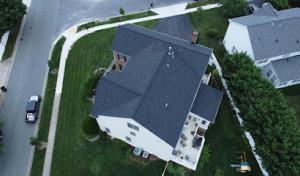
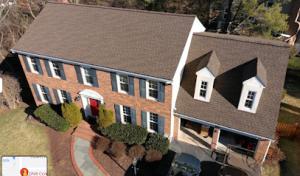
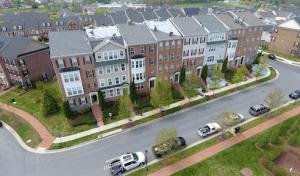
Winter in this neighborhood brings sharp freezes and frequent snowfall that slow installation crews. When temperatures drop, shingles and tiles become brittle, making handling riskier and more likely to crack or misalign. Elevated work on steep roofs increases the chance of slip hazards for crews and homeowners alike. Plan for shorter daily progress and a realistic timeline that accounts for cold-induced pauses.
Spring storms and heavy rainfall can interrupt tear-off schedules and push back replacement dates unexpectedly. Exposed underlayment during a pause in work becomes vulnerable to moisture intrusion, which can lead to hidden damage that emerges later. If storms arrive mid-project, crews may have to tarp and reseal sections multiple times, which can stretch a project beyond a single window.
Summer heat and humidity influence sealant performance and how quickly underlayment dries and settles. High temperatures can cause rapid material expansion and contraction, changing the pace of installation and potentially altering the timing of fastening sequences. Humidity can also affect adhesive and sealant behavior, making some days suboptimal for large-area work and requiring closer scheduling management.
In this climate, weather windows are rarely ideal for long stretches of work on single-family homes with steep roofs. The best approach is to build flexible milestones that tolerate sudden pauses for wind, rain, or ice. Consider prioritizing structurally critical areas first, so that if a storm interrupts progress, the most vulnerable sections are protected and ready for a swift follow-up when elements stabilize.
Document every weather-related interruption and the resulting plan changes. Photos of underlayment exposure, shifting shingles, or tile movement after a storm help preserve a clear record for future claims or inspections. Clear, timely updates between homeowner and contractor reduce misunderstandings when seasons collide with project goals.
Potomac's housing stock features many larger custom homes with multiple roof facets, valleys, chimneys, and skylights. Those complex geometries create more leak-prone transition points than simpler suburban forms. When storms hit-wind-driven rain, hail, or heavy downpours-the areas around skylights and where roof planes meet can be the first to show wear. Acknowledge that flashing around skylights, curb details, and the junctions where valleys meet dormers often require specialized attention during repairs or replacements. The key is recognizing how the roof's structure distributes water: slope changes, vent pipes, and skylight housings each offer potential pathways for moisture if not sealed properly.
In this market, skylight-related roofing specialization is meaningfully present. Homeowners should expect that flashing and curb details are frequent homeowner concerns during repairs and replacements. Before any claim, take a careful inventory of every skylight on the property, noting age, type (deck-mounted vs curb-mounted), and visible signs of aging around seals or flashing. During documentation, photograph the full skylight circlet, the surrounding flashing, and any adjacent ridges or valleys. If a skylight appears fogged, stained, or soft around its framing, treat it as a potential entry point for moisture and a priority for assessment. When considering replacements, discuss curb reinforcement, insulation under the unit, and the compatibility of any new flashing with the existing roof deck.
Complex roof geometry can make storm damage harder to spot from ground level. Take time to map the roof from multiple angles, and record each slope, valley, and hip with high-resolution photos. Create a simple floor plan sketch that marks skylights, chimneys, and any dormers. Insurance decisions often hinge on this documentation, so clarity matters: show where moisture is suspected, where fasteners or flashing have shifted, and where missing granules or hail impacts appear in the valley or around skylight openings. If possible, supplement photos with a drone view to capture hard-to-reach transitions. Finally, keep a dated file of all materials and repairs, including any temporary tarping, to support timely and accurate claim processing.
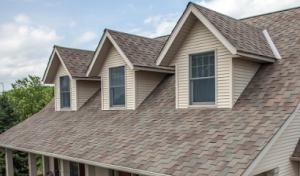
Find contractors experienced in skylight installation, flashing, and leak repairs to bring natural light into your home.
Rebel Roofer - Roof Replacements & Repairs
(240) 363-5819 rebelroofer.com
Serving
5.0 from 32 reviews
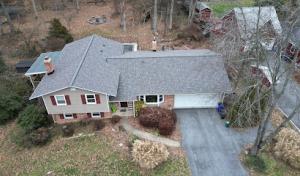
Wind and hail claims are active enough here that the insurance process becomes a practical part of roof ownership. Adjusters expect a clear, organized record of the roof's condition and the sequence of events after a storm. The goal is to support your claim without delays or back-and-forth requests.
Because adjusters may request attic ventilation evidence, preserve photos of intake and exhaust conditions before any replacement begins. Capture both sides of attic soffits and vents, plus a quick wide shot of the attic space showing overall airflow and any visible damage. Label the dates and locations clearly, and keep these images with your claim paperwork so they are easy to reference during the inspection.
After a storm, assemble a concise packet: dated photos of damaged roofing areas, close-ups of hail impact patterns, weather reports if available, and notes on when damage was first observed. Include a written chronology of the storm, entry/exit times if known, and any accompanying wind or water intrusion signs inside the attic or ceilings. This focused record helps the adjuster verify the sequence and scope of damage.
Storm-related claims often involve multiple parties and timelines. Keep all correspondence, including emails, letters, and voicemail notes, organized by date. If an inspection date is scheduled, prepare a short summary of observed conditions to share with the adjuster on arrival. Keeping a tidy, dated trail reduces back-and-forth and keeps the claim moving.
Because the combination of storm claims and county oversight means documentation travels through several hands, maintain a single folder with permit sign-offs and inspection notes, along with the dated damage photos. Store it in a consistent, easily accessible place for quick reference during the claim process.