Roofing in Maryland
Last updated: Feb 28, 2026
Whether you're dealing with salt-tinged coastal air along the Chesapeake or the snow and ice that creep into Western Maryland, Maryland roofs live with a complex weather report. Humidity in summer can invite algae and mildew; winter storms test flashing and ice dams; spring rains demand solid drainage. Add in the mix of steep townhome roofs in Baltimore and the low-slope designs common in the suburbs, and you're looking at a wide range of maintenance realities. Here, a well-kept roof isn't just about shedding rain—it's about energy efficiency, snow load readiness, and protecting your home from our damp, seasonal swing. That balance matters when you're budgeting for repairs, choosing materials, and planning upkeep around busy family life.
On this Maryland page you'll get practical, local-focused guidance—without confusing jargon. You'll learn how our climate shapes roof performance and what that means for your choices, from materials that stand up to humidity and heat to color and style options that suit Maryland's architectural feel. You'll get a sense of typical costs and budgeting tips, an overview of permits and local regulations, and common problems you're likely to encounter here—plus straightforward, proven fixes. We'll cover maintenance routines tailored to our seasons, the right times to repair versus replace, and when it's best to bring in a licensed professional. Think of it as a neighborly roadmap you can trust.
All guidance here is tailored to Maryland's conditions and backed by local resources—regional suppliers, building codes, and contractor networks you can verify. The aim is clear: practical, trustworthy advice you can act on with confidence, whether you're protecting a Baltimore rowhouse, a suburban split-level, or a waterfront cottage along the bay.
With that foundation, let's start by looking at how Maryland's climate shapes your roof and what to inspect first.
Local Climate & Its Impact on Roofs
Maryland Climate Snapshot
- Maryland spans coastal plains, urban centers, and western mountain regions, creating a mix of hot, humid summers and cold winters. This wide range drives frequent temperature swings that stress roofing materials.
- Humidity and precipitation are high year-round, with rainfall distributed across seasons and occasional heavy downpours during storms.
- Coastal exposure near the Chesapeake Bay and the Atlantic can bring salt spray and wind-driven damage, while western Maryland experiences more snow and ice.
Seasonal Stressors on Maryland Roofs
- Winter (December–February)
- Ice dams and gutter backups are common when warm attic air melts snow that refreezes at the eaves.
- Freeze-thaw cycles can cause shingles to crack, lift, or loosen flashing.
- Wind-driven snow and Nor'easter events can scour roof edges and cause leaks if flashing is compromised.
- Spring (March–May)
- Heavy rains and thunderstorms test roof seams and drainage. Hail is possible in some storms and can cause localized damage.
- High humidity promotes moss and algae growth on shaded roofs, especially in damp microclimates.
- Summer (June–August)
- Heat and UV exposure accelerate aging of asphalt shingles and can soften and warp materials under poor ventilation.
- Coastal areas may see salt-related corrosion on metal flashing and fasteners; keep coatings and sealants intact.
- Fall (September–November)
- Falling leaves clog gutters and downspouts, increasing the risk of water backing up onto the roof.
- Wind events can loosen flashing and ridge caps as storms move through.
- Coastal vs. inland differences
- Coastal Maryland (near the Bay or Atlantic) sees more salt exposure, higher wind risk, and sometimes more rapid deterioration of metal components.
- Inland and western Maryland endure heavier snow loads and longer cold spells, which stress rafters, underlayment, and attic insulation.
Roofing Materials & Local Considerations
- Asphalt shingles are common and generally reliable in Maryland, but severe temperature swings and humidity shorten their lifespan if attic ventilation is poor.
- Metal roofs handle heat well and resist moisture-related issues, but fasteners and coatings must be corrosion-resistant in salty coastal zones.
- Tile or clay systems add weight and require solid structural support in snowy western regions; they resist heat but can be vulnerable to freeze-thaw cycles if not properly installed.
- Regardless of material, proper underlayment, attic ventilation, and a well-sealing flashing plan are key to resisting Maryland's climate stresses.
Maintenance & Inspection Plan
1. Inspect twice a year (spring and fall) for loose, missing, or curled shingles, damaged flashing, and signs of moisture intrusion.
2. Clean gutters and downspouts; ensure drainage moves water away from the foundation to prevent ice dams and interior leaks.
3. Check attic ventilation and insulation; aim for balanced intake and exhaust vents to minimize heat buildup that fuels ice dams.
4. Treat moss and algae growth on shaded roofs with appropriate cleaners or zinc/copper strip options; avoid aggressive pressure washing that can damage shingles.
5. Look for interior signs of leaks after heavy rains—stains on ceilings, wall discoloration, or attic dampness.
6. Address issues promptly; small gaps or lifts can escalate into major leaks in Maryland's storm seasons.
Local Weather Hazards to Watch
- Ice dam formation during icy/wet winters; keep attic temps consistent and gutters clear to mitigate.
- Wind uplift from Nor'easters and summer storms; ensure ridge vents, flashing, and fasteners are secure.
- Hail events in certain storm systems; inspect after large hail to catch shingle or flashing damage early.
- Salt spray near coasts can corrode metal components; use corrosion-resistant fasteners and protective coatings where applicable.
Official Resources
- National Weather Service Baltimore-Washington: (regional weather alerts and safety guidance)
- NOAA Climate and Weather Resources: (official climate information and safety tips)
- Maryland Emergency Management Agency: (hazard preparedness and severe-weather alerts)
- Maryland Department of the Environment: (environmental considerations that can affect roofing materials in coastal areas)
Recommended Roofing Materials for Maryland
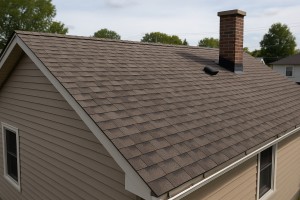
For many Maryland homes, asphalt shingles strike a practical balance of cost, availability, and performance. Choose architectural (laminated) shingles and look for algae-resistant (AR) options to combat humidity and shade-driven growth.
- Pros:
- Affordable upfront cost and widespread availability
- Good variety of colors and styles
- Easy to repair and replace individual shingles
- Cons:
- Lifespan typically 15–30 years (longer with quality products and maintenance)
- Susceptible to heat-related curling in shaded or poorly ventilated areas
- Algae and moss growth in damp climates
- Best practices:
1) Select architectural shingles with AR coating and a strong wind warranty.
2) Pair with a high-quality underlayment and ensure attic ventilation to minimize heat and moisture buildup.
3) Use a proper ridge vent and strategically placed soffit vents to promote air flow.
4) Have flashing inspected and repaired around chimneys, valleys, and transitions.
- Installation notes:
- Works well on most roof pitches common in Maryland; ensure contractor follows local wind-integration requirements.
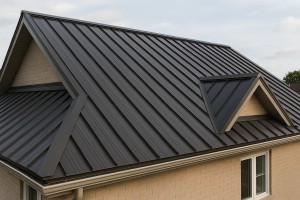
Metal roofs (standing seam or premium panels) are a durable, long-term choice that handles Maryland's weather well, from summer humidity to winter snow and windy days.
- Pros:
- Very long lifespan (often 40–70 years) and excellent wind resistance
- Lightweight and fire-safe; reflects heat to reduce cooling loads
- Low maintenance when properly installed
- Cons:
- Higher upfront cost; audible rain without adequate attic insulation
- Dents can occur with severe hail; quality and thickness matter
- Best practices:
1) Choose steel or aluminum with durable coatings (e.g., Kynar 500 or similar) and a color that reflects heat.
2) Favor standing-seam over exposed-fastener systems for better water-tightness in MD.
3) Have professional installers seal all penetrations, valleys, and eaves; confirm warranty terms.
4) Pair with proper attic ventilation and insulation to minimize noise and energy loss.
- Maintenance notes:
- Inspect seams and flashings after severe storms; clear debris from gutters to prevent backups.
Slate and Natural Stone
Slate or natural stone roofing offers exceptional longevity and a classic look, often appealing for historic or upscale Maryland homes.
- Pros:
- Very long lifespan; excellent durability and curb appeal
- Fire resistant and resistant to many weather conditions
- Cons:
- High cost and heavy weight; may require structural reinforcement
- Limited local installers and higher maintenance costs
- Best uses:
- Historic houses, high-end renovations, or properties with adequate structure to bear weight
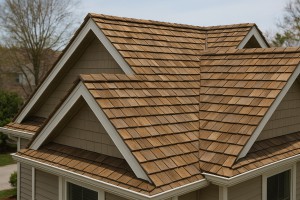
Cedar provides a distinctive, rustic appearance that can suit certain Maryland styles, especially on homes with traditional character.
- Pros:
- Natural insulation and a warm, textured look
- Renewable material with a relatively quick installation
- Cons:
- High maintenance in humid, humid-salt coastal zones; susceptible to rot, mold, and insects if not properly treated
- Fire risk if not fire-rated or treated
- Best practices:
1) Use pressure-treated or naturally rot-resistant species; ensure proper underlayment
2) Maintain with periodic cleaning and re-sealing or staining
3) Ensure ventilation and drainage to prevent moisture buildup
- Considerations:
- More suited to dry or well-ventilated sections of MD or areas with minimal coastal exposure
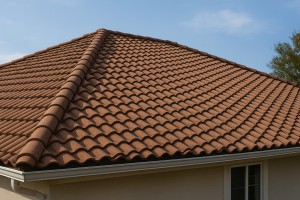
Clay and concrete tiles offer good durability and a distinct aesthetic, performing reasonably well in Maryland's climate with proper support.
- Pros:
- Long lifespan and excellent thermal performance
- Resistant to fire and many weather conditions
- Cons:
- Very heavy; may require structural reinforcement and upgraded fasteners
- Higher cost and specialized installation
- Best uses:
- Homes with suitable roof structure, Mediterranean or modern styling, and regions with mild freeze-thaw cycles
Synthetic/Composite Roofing Materials
Composite or synthetic roofing mimics natural materials while delivering better durability and lower maintenance.
- Pros:
- Lightweight, impact resistant, and often designed to resist mold and algae
- Wide design options and fade resistance
- Cons:
- Varying quality; choose reputable manufacturers with solid warranties
- Best uses:
- Renovations where weight is a concern or when mimicking natural textures on a budget
Maryland-Specific Considerations
- Wind and moisture: Prioritize wind-rated products and ensure a robust underlayment, attic ventilation, and properly sealed flashing.
- Coastal exposure: Near saltwater areas, choose materials with corrosion-resistant coatings and inspect for salt buildup or corrosion.
- Algae and moss: Opt for algae-resistant shingles or coatings, especially in shaded, humid zones; regular roof maintenance helps.
- Color and cooling: Lighter colors reflect heat, reducing cooling costs over time.
- Local expertise: Work with a contractor who understands Maryland's weather patterns, permitting, and warranty expectations.
Popular Roof Styles & Architectural Trends in Maryland
Traditional Maryland Roof Styles
- Gable roofs: The staple of many colonial and early 20th‑century homes. Easy to shed water, economical, and great for adding dormers to increase usable attic space.
- Hip roofs: Slightly more complex but excellent for high wind and coastal storms. They tend to be sturdier in Maryland's Nor'easter bakes and cooler in summer.
- Gambrel roofs: Historic towns and farmhouses often feature this broad, double-pitched look. Maximizes attic room but requires careful ventilation to prevent moisture buildup.
- Dutch hip (hip with a front-facing gable): Adds architectural interest while keeping good wind performance; commonly seen on brick and stucco façades.
Materials & Performance in Maryland
- Asphalt architectural shingles: Cost-effective, wide color range, and improved durability. Look for high wind ratings (120–130 mph) and algae resistance for Maryland's humidity.
- Standing seam metal: Long life, outstanding wind and impact resistance, and good for coastal exposure. Reflects heat well and pairs nicely with modern and traditional styles.
- Cedar shake: Rustic charm for Craftsman and bungalow styles. Needs regular maintenance and vulnerability to moisture and pests; treat and seal periodically.
- Clay/concrete tile: Durable and fire-resistant, with Mediterranean or Spanish influences. Heavier structure requirements and less common in colder inland areas, but favored on waterfront or high-end homes.
- Composite/synthetic shakes: Low maintenance, rot-proof, and can mimic wood without the upkeep. A solid option when you want a natural look with better longevity.
Architectural Trends Shaping Maryland Homes
- Modern Farmhouse: Broad eaves, board-and-batten accents, and metal roof touches on porches or entries. Often uses asphalt shingles or metal for the main roof with clean, simple lines.
- Coastal/shoreline styling: Light, cool color palettes and low to medium pitch roofs; durable materials that resist salt spray and wind. Solar-ready setups are common.
- Colonial Revival: Symmetrical silhouettes with dormers and brick or clapboard siding. Asphalt shingles or standing seam are popular roof choices to maintain historical accuracy.
- Georgian Revival: Steeply pitched or multi-hip roofs atop brick exteriors; slate or high-quality asphalt alternatives complement the formal look.
- Dormers and skylights: Increasing daylight and usable attic space; require precise flashing and ventilation to prevent leaks in Maryland's variable weather.
Climate-Driven Design Considerations for Maryland
- Wind uplift and storms: Choose wind-rated shingles or metal, with a proper nailing pattern and sealed valleys to minimize leaks after storms.
- Snow and ice dam prevention: Ice/water shield along eaves, adequate attic insulation, and balanced ventilation reduce dam risk in northern Maryland or winter thaws.
- Humidity management: Ventilation is key—ridge and soffit vents, along with breathable underlayment, help control moisture and mold risk.
- Salt and coastal exposure: Use corrosion-resistant fasteners (stainless steel or coated metals) on coastal properties and seal joints and penetrations well.
- Maintenance after severe weather: Inspect for loose panels, damaged flashing, and clogged gutters; address promptly to avoid hidden leaks.
Practical Steps for Maryland Roof Planning
1. Map your exposure: coastal wind risk vs inland weather patterns to guide material choice.
2. Set priorities: balance curb appeal, longevity, maintenance, and energy performance.
3. Pick materials wisely: asphalt shingles for value, standing seam metal for longevity and wind resistance, or composites for low maintenance.
4. Ensure ventilation: plan for proper attic ventilation and insulation to prevent moisture and heat buildup.
5. Consider solar compatibility: many Maryland homes pair roofs with solar, especially on south- and southwest-facing elevations.
6. Budget wisely: account for permits, underlayment, flashing, fasteners, and potential reinforcement for heavier roof systems.
Average Roofing Costs in Maryland
Typical installed cost ranges by material
- Asphalt shingles (3-tab): $3.50–$5.50 per sq ft installed. For a typical 1,800 sq ft roof, plan on roughly $6,300–$9,900.
- Architectural (dimensional) shingles: $4.50–$7.50 per sq ft installed. A similar 1,800 sq ft roof runs about $8,100–$13,500.
- Metal roofing: $7.50–$12.50 per sq ft installed. 1,800 sq ft projects generally run $13,500–$22,500.
- Concrete/clay tile: $10–$20 per sq ft installed. Expect about $18,000–$36,000 for an 1,800 sq ft roof.
- Slate: $15–$40 per sq ft installed. For 1,800 sq ft, costs commonly range from $27,000 to $72,000.
- Flat roofs (EPDM/TPO): $5–$10 per sq ft installed. An 1,800 sq ft flat roof typically runs $9,000–$18,000.
- Cedar shake: $6–$9.50 per sq ft installed. Adds a distinct look and cost on older Maryland homes.
Note: these are installed prices that typically include removal of existing roofing, flashing, and disposal. Complex roof shapes, multiple dormers, or steep pitches push costs higher. Tear-off of multiple layers, existing damaged decking, or需要 structural repairs can add 10–25% or more.
What drives the cost in Maryland
- Roof size, pitch, and complexity
- Steeper pitches or roofs with many dormers, hips, or intricate ridge lines require more time and safety measures.
- Existing roof condition
- If decking is damaged or has rotten boards, expect additional decking costs.
- Tear-off vs. overlay
- A full tear-off is more common in Maryland and typically more expensive than a retrofit over an existing layer.
- Ventilation and insulation
- Adequate attic ventilation and any insulation upgrades influence long-term energy costs and can add to upfront costs.
- Materials and warranty
- Higher-end materials carry longer warranties and higher upfront price, but may offer durability against Maryland's humidity and winter weather.
- Local labor and regulations
- Maryland permits, disposal fees, and contractor licensing can shift the final total. Coastal pockets may have higher disposal or logistics costs.
- Environmental factors
- Proximity to salt air near the Chesapeake Bay or Maryland coast can add corrosion considerations and material choices.
Regional variations within Maryland
- Baltimore–Washington corridor
- Generally higher labor rates and more complex projects due to denser neighborhoods, historic homes, and tighter access.
- Coastal and rural areas
- Salt exposure and weather considerations push some homeowners toward corrosion-resistant metals or additional protective underlayments.
- Historic districts
- Preservation requirements can restrict materials or colors and raise labor time and permit costs.
- Climate considerations
- Maryland winters and humid summers make good ventilation, moisture barriers, and proper flashing especially important, subtly impacting cost.
Style and architectural considerations
- Colonial and Cape Cod homes
- Often feature simple gable roofs but may include dormers that add to complexity and price.
- Colonial revival or mansard fronts
- More complicated geometry, higher drift in costs, and more flashing work.
- Modern ranches
- Could have straight runs that reduce complexity but may demand high-performance membranes for flat or low-slope sections.
Quick budgeting reference
- Small to mid-sized home (1,200–1,500 sq ft of roof area): typically $5,000–$12,000 for asphalt or mid-range materials.
- Mid-range home (1,800–2,200 sq ft): typically $9,000–$20,000 depending on material choice.
- Luxury upgrades (metal, tile, or slate on larger or more complex roofs): commonly $20,000–$60,000 or more.
Steps to estimate and compare quotes
1) Measure roof area and note pitch; list dormers, skylights, chimneys, and vents.
2) Confirm tear-off requirements and decking condition; ask about potential decking repairs.
3) Decide on material type and warranty preferences; request a written breakdown (materials, labor, disposal, permits, and any upgrades).
4) Get at least three detailed quotes from licensed Maryland contractors; verify licenses and check references.
Permits & Local Regulations
Do I need a permit for roofing in Maryland?
- In Maryland, most roofing projects that involve any structural work, decking replacement, new venting, skylights, or changes to the roof system require a building permit from your local jurisdiction.
- Some counties or towns may allow simple re-roofing with no structural changes to be done without a permit, but it's not universal. To avoid delays or fines, always check with your local building department before starting.
Where to apply for permits
- The permit is issued by your county or city building department. Start by searching your county's official website for “building permits” or “roofing permit.”
- If you're in an incorporated city, town, or special district, check that jurisdiction's portal as well—permits are often handled at the municipal level.
- Helpful contacts:
- Find the permit office online (often a “Permits, Licenses, and Inspections” page)
- Call the counter to confirm permit requirements for roofing
- Ask about the typical turnaround time and inspection schedule
What you'll need to submit
Prepare a package so your permit isn't delayed. Common requirements include:
- A completed residential building permit application
- Proof of property ownership (deed or tax bill)
- Contractor information: licensed contractor name, license number, and proof of insurance
- A description of the work: scope, materials, roof type (asphalt shingles, metal, etc.), and any structural changes
- Roof plan or simple layout: vent locations, any skylights, chimneys, and where decking may be replaced
- Structural notes if rafters/joists/decking are affected
- Energy and code compliance: confirmation of insulation, ventilation, and any required blower-door or R-value documentation
- Plan review documents if your jurisdiction requires them (some counties require stamped drawings for significant changes)
- Any applicable home-improvement disclosure or contract information (see homeowner protections below)
Inspections to expect
- Pre-roof inspection (where required): verifies attic/rafters/attic ventilation and any structural work before decking and underlayment go on
- Rough-in or mid-construction inspection (if structural work is done)
- Final inspection: confirms roof is installed per code, flashing, gutters, and penetrations are properly sealed
- If you add skylights or move vents, additional inspections may be required
- Schedule inspections as soon as work passes a phase; delays can trigger re-inspection fees
Hiring a contractor and permit responsibility
- In Maryland, a licensed contractor should pull the permit for roofing work. If you're handling the permit yourself, you'll assume responsibility for the job and compliance.
- Verify credentials:
- Confirm the contractor is licensed and insured in Maryland
- Note the license/permit numbers on the contract
- Check with the local jurisdiction or DLLR (Department of Labor, Licensing, and Regulation) to verify active status
- Keep a copy of the permit card and inspection approvals; you may need to show them if you sell the home
Fees and timelines
- Permit fees vary by county, project value, and scope. Expect a base fee plus value-based or inspection-related charges.
- Typical turnaround ranges from a few business days to a couple of weeks, depending on plan review requirements and workload.
- Some jurisdictions offer online permit applications and status tracking—great for staying on top of approvals and inspection dates
Local quirks and tips for Maryland homeowners
- Maryland codes lean on the statewide adoption of the International Residential Code (IRC) and International Building Code (IBC) with local amendments; inspections ensure compliance with those standards.
- Energy and ventilation requirements may affect insulation level and attic venting; your permit will reference IECC-related standards.
- If you live in a densely populated county (e.g., parts of the Baltimore area or Montgomery/Prince George's counties), plan for stricter inspection cycles and longer review times.
- For historic homes or areas with preservation rules, additional approvals or reviews may be needed before roof work can begin.
- If you're unsure, call the local permit office with your project details. They'll tell you exactly what's required for your address.
Common Roofing Problems in Maryland & Solutions
Ice dams & attic ventilation
What happens: Maryland winters with temperature swings create warm roof decks, melting snow that refreezes at the eave, causing ice dams and water backups.
Signs to notice: Icicles along gutters, attic condensation, ceiling stains near walls, damp insulation.
Why MD climate: Cold snaps, occasional heavy snowfall, and sunny days after storms can trap heat in the attic.
Solutions
- Improve insulation: Bring attic insulation to at least R-38 (or higher per current codes); seal gaps around hatches, recessed lights, and attic access.
- Fix ventilation: Establish a continuous soffit-to-ridge ventilation path; add or repair ridge vents, soffit vents, and baffles where needed.
- Manage heat: Identify and seal attic air leaks (chimney chases, plumbing penetrations, electrical work).
- Snow removal & heat trace: In extreme cases, carefully remove snow from the roof and consider electric heat cables along the eaves (professional installation required).
- Maintenance habit: Check attic insulation and ventilation every fall before winter.
Pro tip: Keep gutters clean and ensure downspouts direct water away from the foundation to reduce meltwater around the roof edge.
Wind & storm damage
What happens: Maryland's Nor'easters, coastal storms, and strong summer winds can lift shingles, damage flashing, and loosen vents.
Signs to notice: Missing or curled shingles, torn flashing, loose vents, dented metal.
Why MD climate: High-wind events are common, especially near shorelines and in elevated areas.
Solutions
- Quick inspection: After a storm, safely inspect the roof or have a pro assess for loose or damaged components.
- Repair promptly: Replace damaged shingles, reseal or reflash vent flashing, and re-nail shingles with the correct fasteners.
- Upgraded materials: Consider wind-rated shingles and code-compliant underlayment for future storms.
- Securement: Ensure hips, ridges, and flashing are properly integrated with the roof deck and connected to the structure.
Pro tip: If you can hear wind rattling in vents or see shingles fluttering, call a roofer before more damage occurs.
Hail damage
What happens: Hail can dent metal, crack or bruise asphalt shingles, and loosen granules.
Signs to notice: Bruises on shingles, granule loss in gutters or downspouts, sudden granule coating in the gutters.
Solutions
- Documentation: Photograph damage for insurance.
- Shingle replacement: Replace severely damaged shingles and address any damaged underlayment.
- Material choice: For future hail-prone areas, consider impact-resistant shingles if your budget allows.
- Schedule: Have a professional assess the entire roof for compromised areas beyond the obvious hits.
Pro tip: Some hail damage isn't visible from ground level; a professional roof inspection ensures hidden damage isn't missed.
Moss, algae, and moisture buildup
What happens: Humid summers and shade promote moss and algae; moisture can penetrate softened shingles.
Signs to notice: Green or black streaks, moss growth, damp attic or attic insulation.
Solutions
- Gentle cleaning: Use a low-pressure, non-abrasive cleaning method (soft wash) or approved roof cleaners; avoid high-pressure washing.
- Preventive steps: Trim overhanging branches and install zinc or copper strips along the ridge to deter regrowth.
- Decontamination and sealant: Apply appropriate algaecides or cleaners per manufacturer instructions.
- Ventilation & drainage: Improve attic ventilation and ensure gutters are clear to keep the roof dry.
Pro tip: Regular cleaning and sun exposure help extend shingle life; do not crush moss with a stiff brush.
Gutter, fascia, and drainage problems
What happens: Clogged or sagging gutters lead to standing water on the roof edge, fascia rot, and water intrusion.
Signs to notice: Overflowing gutters, sagging fascia boards, water staining on siding.
Solutions
- Clean and protect: Clean gutters and downspouts at least twice a year; install guards if appropriate.
- Fix drainage: Ensure downspouts discharge away from the foundation; add extensions if needed.
- Fascia repair: Replace rotted fascia boards and secure with proper fasteners.
- Regular checks: Inspect after heavy rains and prune nearby branches to reduce debris.
Pro tip: A well-functioning gutter system is a critical line of defense against roof-edge leaks.
Roof deck rot & leaks
What happens: Prolonged leaks or poor repairs allow deck sheathing to rot, compromising structure and shingles.
Signs to notice: Soft, spongy decking, musty attic smell, intermittent indoor drips.
Solutions
- Spot repair: Identify and replace rotten sheathing panels; re-seal with underlayment.
- Re-roof as needed: After extensive rot, a full or partial roof replacement may be required.
- Moisture control: Improve attic ventilation and fix any ongoing leaks from penetrations.
- Mold mitigation: If mold is present, schedule professional remediation before re-roofing.
Pro tip: If you see blistering paint or squeaky boards in the attic, check for deck moisture early.
Penetrations: chimneys, vents, and skylights
What happens: Flashing around penetrations can fail, allowing water intrusion.
Signs to notice: Damp ceiling patches near vents or chimneys, rust on flashing, loose skylight seals.
Solutions
- Reseal & flash: Re-flash with durable metal flashing and compatible sealants; reseal around pipes and vents.
- Boot replacement: Replace cracked or degraded roof boots around vents.
- Skylights: Inspect skylight flange and seal; reseal or replace if needed.
- Regular monitoring: Inspect penetrations seasonally for signs of wear.
Pro tip: Use proper sealants and corrosion-resistant flashing materials suitable for Maryland's climate.
Coastal salt air corrosion & fastener degradation
What happens: In Maryland's coastal zones, salt air accelerates corrosion of metal components and fasteners.
Signs to notice: Rust on vent stacks, flashing, and fasteners; premature wear on metal edges.
Solutions
- Material choice: Opt for corrosion-resistant fasteners and flashing (stainless steel or coated options) in coastal areas.
- Inspection cadence: Schedule more frequent inspections for coastal properties.
- Sealants: Use long-lasting, compatible sealants to protect joints.
- Repair strategy: Replace corroded components promptly to prevent leaks.
Pro tip: Proactively planning for salt exposure saves longer-term roof life and reduces surprise repairs.
Maintenance & Repair Tips for Maryland
Seasonal maintenance
- Schedule a roof inspection twice a year (spring and fall). Look for missing or damaged shingles, curling edges, or granule buildup in gutters.
- Check flashing around chimneys, vents, skylights, and dormers. Look for cracks, rust, or lifted metal; reseal or repair as needed.
- Clear debris from the roof surface, valleys, and gutters. Keep debris out of downspouts to prevent standing water near the foundation.
- Inspect attic insulation and ventilation. Ensure soffit vents are open and that there's no moisture or mold on the underside of the roof sheathing.
- Trim nearby trees to prevent branch damage and reduce leaf litter that accelerates moss and algae growth.
- Treat moss and algae slowly with non-abrasive cleaners; avoid pressure washing that can lift shingles. Consider installing zinc or copper strips at the roof edge to slow regrowth.
After storms and high winds
1) From ground level or with a safe ladder, inspect for obvious issues like missing shingles or torn flashing.
2) If accessible, check the attic for water stains, damp insulation, or new mold growth.
3) Photograph any damage for insurance and to guide repairs.
4) If leaks are detected, place a temporary tarp or plywood cover over the compromised area only if you can do so safely. Don't climb a wet or icy roof.
5) Call a local Maryland roofer to assess wind-damaged areas and to perform required repairs, especially around hips and ridges where wind uplift is common.
Gutter, drainage, and valleys
- Keep gutters clean and free of leaves and pine needles; ensure downspouts discharge at least 3–4 feet from the foundation.
- Inspect roof valleys for signs of loose or damaged metal; reseal or replace damaged sections to maintain proper drainage.
- Check for algae or moss that can retain moisture; treat with a gentle solution and rinse with low-pressure water to avoid shingle damage.
- Ensure no water flows are blocked by debris or overhanging branches after storms.
Flashing, vents, and chimneys
- Examine chimney step flashing and counter-flashing where it meets the roofing material; re-nail loose sections and reseal cracks with high-quality sealant.
- Inspect vent pipes and boot flashings for cracks or drying of the sealant; replace cracked boots and reseal as needed.
- Around dormers and skylights, ensure flashing is continuous and sealed; look for loose nails and reseal or replace as necessary.
Snow, ice dams, and winter readiness
- Improve attic insulation (aim for a setback in the high-40s to reduce heat loss) and ensure proper ventilation to prevent warm roof spots that form ice dams.
- Seal attic access and weatherstrip doors to keep cold air from leaking into the attic.
- When safe, remove light snow buildup from eaves with a roof rake from the ground; avoid climbing on the roof during snowy or icy conditions.
- If ice dams form, use a calcium chloride-based deicer that won't damage shingles; never chisel ice aggressively.
Shingle repair and replacement basics
- For asphalt shingles: lift the tab above the damaged area, slide in a matching replacement shingle, and nail with corrosion-resistant roofing nails. Seal exposed gaps with roof cement if needed.
- Match color, size, and granule pattern to maintain uniform wear; replace damaged shingles in sections rather than piecemeal if possible.
- Widespread curling or significant granule loss often signals aging; consider a roof replacement rather than ongoing patchwork.
When to call a professional
- If the roof pitch is steep, or if multiple areas show damage after a storm, contact a Maryland-licensed roofer for a thorough assessment.
- Request written estimates, verify insurance, and ask about warranties. For any interior leaks that persist after temporary fixes, bring in a pro promptly to prevent framing damage.
When to Repair vs. Replace
Quick decision guidelines
- Localized damage and repairs are affordable: If the repair costs are well under 30% of a full roof replacement and the issue is isolated (a few shingles, flashing, or a small leak), repair is often the better choice.
- Widespread damage or aging deck: If more than half of the roof surface shows damage, or the decking is soft, warped, or rotted, replacement is typically the safer, longer-lasting option.
- Remaining life vs. recurring issues: If your roof is near the end of its expected life (in Maryland, many asphalt shingle roofs show wear around 15–25 years depending on exposure), and repairs would be frequent, replacement saves time and money in the long run.
- Climate-driven considerations: In Maryland, frequent rain, ice dams, wind, and hail can accelerate wear. If these conditions have caused multiple issues across different areas, replacement often provides better protection.
Signs you should repair
- Foundational leaks: A single or few leaks confined to one area, with intact surrounding shingles and no widespread water intrusion.
- Local flashing or vent issues: Damaged step or counter-flashing, loose vent sleeves, or small gaps around chimneys that don't require deck replacement.
- Minor shingle problems: A handful of curled, cracked, or missing shingles, or isolated granule loss without underlying deck damage.
- Clean, uncomplicated access: Repairs are straightforward and can be completed without disturbing large sections of decking or underlayment.
- Stable attic conditions: No significant moisture in the attic, no widespread staining, and insulation remains effective.
Signs you should replace
- Widespread shingle failure: Extensive curling, buckling, missing shingles, or granular loss across large portions of the roof.
- Roof deck concerns: Soft, damp, or rotten decking, sagging sections, or repeated leaks despite multiple repairs.
- Systemic leaks: Leaks appearing in multiple areas or after each heavy storm, suggesting compromised underlayment or flashing in several valleys.
- Structural and ventilation gaps: Poor attic ventilation, persistent ice damming, or significant insulation issues that will be costlier to fix with patches.
- Life expectancy reached: The roof is past its typical lifespan for its material, or you're seeing recurring problems year after year with diminishing returns from repairs.
Maryland-specific considerations
- Weather patterns: Maryland experiences icy winters, heavy rains, and seasonal storms that stress roofs. If winter storms have increased leaks or caused new damage, replacement may provide better long-term protection.
- Hail and wind exposure: Higher wind speeds and hail events can cause widespread shingle or flashing damage. If multiple areas show impact or loose components, replacement reduces risk of hidden damage.
- Energy and insulation gains: Replacing a roof gives an opportunity to upgrade underlayment, attic ventilation, and insulation—helping reduce heat gain in summer and heat loss in winter, which is especially valuable in Maryland's humid summers.
- Codes and licensing: Work should be performed by a licensed contractor with appropriate insurance. Verify their credentials, warranty terms, and local permit requirements for Maryland.
Practical steps to decide
1) Do a surface scan: From ground level, note visible damage, and then carefully inspect the attic for signs of moisture, staining, or condensation.
2) Get professional assessments: Obtain at least two written evaluations from licensed Maryland roofers. Compare cost estimates, recommended scope, and warranties.
3) Weigh costs and longevity: Compare the immediate repair cost versus the projected lifespan and maintenance of replacement, factoring in Maryland-specific weather risks.
4) Consider timing: If winter weather or storm season is approaching, plan a replacement during a window with safer access and fewer weather interruptions.
5) Check warranties: Clarify material warranties (shingles, underlayment, flashing) and labor warranties, and ensure they're transferable.
Steps to take if you repair
1) Target the root cause: Fix flashing, vent seals, or a small leak, then reseal and verify drainage.
2) Use matching materials: Replace damaged shingles with the same type and color to maintain uniform protection and curb appeal.
3) Inspect after storms: Recheck after heavy rain or wind events to catch issues early.
4) Schedule preventive maintenance: Clean gutters, trim overhanging branches, and perform annual inspections to catch problems before they escalate.
Steps to take if you replace
1) Plan a full deck and underlayment inspection: Ensure the deck is sound, and replace any rotten boards before laying new materials.
2) Improve ventilation and insulation: Consider upgrading attic ventilation and insulation to optimize energy efficiency and reduce ice dam risk.
3) Choose durable materials for Maryland: Consider asphalt with better wind resistance, metal options, or hail-resistant shingles suitable for local conditions.
4) Schedule proper permits and inspections: Ensure all permits are obtained and final inspections pass to secure warranties.
When to Hire a Professional
- Active leaks or ceiling staining after rain
- Visible sagging, warped decking, or significant roof movement
- Large areas of missing shingles after a storm
- Hail damage, exposed flashing, or widespread granule loss
- Mold or persistent moisture in the attic
When to schedule an inspection for prevention
- Your roof is 15–25 years old (depends on material) and you notice curling, blistering, or day-to-day wear
- You're planning a re-roof and want an accurate scope and cost
- You're buying a home in Maryland and want a professional assessment before closing
- You've had a preceding storm and want a thorough damage assessment for insurance
Maryland licensing, insurance, and permits
- Licensing: Roofing contractors performing home improvements in Maryland should be licensed by the Maryland Home Improvement Commission (MHIC). Always verify the contractor's MHIC license number, current status, and classifications. Use the MHIC license lookup to confirm no disciplinary actions and that they're authorized for roofing/home improvement work.
- Insurance and bonding: Request a current certificate of insurance (COI) showing general liability and workers' compensation. Ensure you're named as additional insured where appropriate and verify coverage with the insurer.
- Permits: Many Maryland jurisdictions require building permits for roof replacements. A reputable pro will pull the permit, coordinate inspections, and handle the disposal and debris removal. If your local code department doesn't require a permit for minor repairs, a pro should still follow best practices and code-compliant installation.
How to evaluate a Maryland roofing contractor
- Verify credentials: Check MHIC license status, classification (roofing or general contractor as applicable), and any past disciplinary actions. Ensure the contractor has an up-to-date license for the work you're requesting.
- Insurance, bonding, and safety: Confirm COIs for general liability and workers' comp; review safety practices, fall protection plans, and site cleanliness.
- References and portfolio: Ask for recent Maryland jobs and speak with past clients about workmanship, timeliness, and cleanup.
- Written estimates: Insist on detailed bids that specify scope, materials, underlayment, ventilation, warranty, start/completion dates, cleanup, and payment terms.
- Warranties: Seek both a manufacturer warranty for shingles or other materials and a contractor workmanship warranty; ensure terms are clear and transferable if you sell the home.
- Red flags: High-pressure tactics, request for large upfront payments, lack of a permanent business address, or use of uninsured subcontractors.
Steps to hire a professional (numbered)
1. Confirm MHIC license number and classification; verify status on the MHIC portal.
2. Obtain at least 3 written bids with the same scope and material specifications.
3. Check references and Maryland project history; verify satisfaction and timeliness.
4. Confirm insurance coverage and workers' compensation; obtain COIs.
5. Verify that permits will be pulled and inspections scheduled; clarify disposal and site protection plans.
6. Review the contract in detail; ensure start date, milestones, material specs, warranties, and payment terms are explicit.
What to expect during the process
- Timeline: A typical residential roof replacement unfolds over a few days, weather permitting; larger or steeper roofs may take longer.
- On-site work: Proper tear-off, careful disposal of debris, protection for landscaping, and daily cleanup; nails and waste should be controlled to prevent hazards.
- Inspections and finalizing: Local building inspections will verify compliance; receive warranty documentation and care tips for maintaining a long-lived roof.
Putting A Lid On It: Roof Maintenance, Repair, and Replacement in Maryland
Maryland's climate swings from hot, humid summers to cold, occasionally snowy winters, with coastal breezes and storm systems weaving through much of the year. Those conditions mean your roof endures freeze-thaw cycles, wind uplift, hail, and seasonal debris that can wear shingles and flashings long before you notice. Regular maintenance helps prevent leaks, protects insulation, and preserves your home's value.
Think of roof care as a practical partnership with your house. Tiny issues caught early are far cheaper to fix than major repairs after a storm. With a simple, consistent routine, you'll extend roof life, improve energy efficiency, and keep your family safe and comfortable through Maryland's seasonal twists.
Seasonal Checklists
- Spring: inspect after winter storms, clean gutters and downspouts, check for wind damage or missing shingles, reseal around penetrations as needed, watch for moss or algae growth in damp areas.
- Summer: look for sun damage and curling shingles, ensure attic ventilation is working, verify there's no standing water in flat sections, keep trees trimmed away from the roof.
- Fall: perform a thorough gutter cleaning, repair loose shingles or flashing, schedule any major repairs before cold weather, store holiday decorations without snagging the roof.
- Winter: monitor for ice dams and snow load, safely clear vents and roof edge if possible, protect access points, avoid walking on a slick roof, contact a pro if you notice leaks.
Know When It's Time to Call a Pro
- Visible leaks, ceiling stains, or interior water intrusion
- Sagging, buckling, or widespread curling shingles
- Loose or damaged flashing, rusted metal, or failed valleys
- Extensive moss, algae, or widespread shingle deterioration
- Hail or wind damage after a severe storm
- Roof age beyond typical life expectancy (asphalt 15–25 years; metal 40–70; slate 50–100)
Choosing a Pro
- Verify licensing, insurance, and local references
- Get 2–3 written estimates and compare scope of work and warranties
- Ask about crew safety practices and site cleanup
- Confirm material specs, underlayment, ventilation, and drip edge details
Maintenance to Extend Life
- Keep gutters clear and free of debris; check after storms
- Trim branches that overhang the roof
- Remove leaves and pine needles promptly
- Check attic insulation and ventilation to prevent condensation
- Inspect seals around vents, chimneys, and flashing; reseal as needed
- Address any early signs of moisture or mold promptly
Replacement Considerations
- Choose materials suited to Maryland weather and your budget; discuss longevity, maintenance, and energy efficiency
- Ensure proper ventilation, attic sealing, and weatherproofing with installation
- Favor reputable installers who offer solid warranties and clear guarantees
You're not alone in this. With regular care, a Maryland roof can stay sturdy, look great, and protect your home for many seasons to come. Here's to a durable, beautiful roof that you'll be proud to show off to the neighbors and your family for years ahead.
