
Last updated: Apr 19, 2026
When a spring storm or hail hits, the first priority is to stop the damage from spreading. In this neighborhood, roof failures can appear quickly after a sudden wind gust or a heavy downpour, with shingles peeled back or flashing compromised. If you notice active leaks, pooling water in the attic, or damp ceilings after rain, treat it as an emergency. A temporary tarping job should be set up within hours of identifying damage to prevent further water intrusion. Use a sturdy tarp, secure it with weight and fasteners, and cover any exposed decking or vents until a professional can assess the full scope. Do not delay-water intrusion accelerates rot, mold, and structural stress, especially during humidity spikes that follow a storm.
Once stabilization is underway, establish a basic leak-control routine. Place containments under drip zones to protect ceilings and belongings, and photograph every area of damage from multiple angles. Record the date and storm specifics, including wind speeds if known, hail size, and the time of day. In Prince George's County, documentation matters: insurers will request clear photos, notes on what failed, and a timeline showing when stabilization occurred versus when permanent repair begins. Keep a log of all temporary measures-tarps, fasteners, and any temporary patches-so the claim history is traceable and coherent. If you must rent equipment or hire urgent labor, preserve receipts as part of the claim package. Prompt, precise records help prevent delays when the file moves from inspection to settlement.
Riverdale homes often undergo full replacements under county oversight, but the process typically unfolds in phases: emergency stabilization first, then a code-compliant replacement later. This means the roof can be temporarily stabilized to stop leaks while the long-term design and material choices are finalized. In practice, that means you should work with a contractor who understands how to coordinate a rapid stabilization plan that doesn't preclude later code compliance. Expect a rapid assessment from an emergency crew followed by a scheduled, documented plan for a proper, long-lasting repair that aligns with the final replacement strategy. Ask for a written timeline that separates stabilization milestones, temporary fixes, and the eventual, code-conforming roof system.
Because the local contractor market shows unusually strong demand for emergency repair and insurance-claims help, expect shorter submission windows and quicker mobilization for urgent tasks. When selecting a contractor, verify that they can provide both immediate stabilization and a clear path to a compliant permanent roof. Ensure the team brings digital documentation to the table: dated inspection notes, damage maps, and a breakdown of temporary measures versus permanent repair steps. For storm-damage scenarios, choose a contractor who can guide you through the insurance process, help gather necessary evidence, and coordinate with the insurer to minimize downtime during the transition from emergency fixes to a full, code-ready replacement.
Riverdale homeowners commonly choose among asphalt shingles, metal, clay tile, concrete tile, wood shakes, and synthetic/composite products, so cost comparisons need to reflect a broader material mix than many nearby markets. Asphalt shingles remain the most common option for a straightforward replacement, typically in the range of 350 to 650 USD per square. Metal roofing, favored for its longevity and clean look on bungalows and mid-century homes, runs roughly 600 to 1,100 USD per square. If you're restoring a brick or stucco home with a more elevated curb appeal, clay tile sits in the 1,200 to 2,500 USD per square range, while concrete tile settles between 900 and 1,800 USD per square. Wood shakes bring a distinctive texture with a price frame of 550 to 1,000 USD per square, and synthetic or composite shingles generally land between 500 and 900 USD per square. In practice, most Riverdale jobs blend two materials when a full tear-off reveals compatibility challenges or decking needs, which can push the bill upward.
Pricing in this area is affected by Prince George's County permit requirements, inspection scheduling, and seasonal demand spikes after spring storms or winter damage, which can tighten labor availability. When a project hits a tight window-say right after a heavy wind event or a mid-winter thaw-expect crews to price for speed, sometimes with a premium for extended daily shifts or shorter warranties to secure a quick start. Conversely, slowdowns in off-peak months can yield better negotiating leverage on labor and disposal fees. For an accurate ballpark, get two to three written quotes that itemize decking checks, flashing work, roof tear-off, waste disposal, and any underlayment upgrades. Note that even within the same material class, local crews may propose different underlayment or ventilation packages, which can add or subtract a few hundred dollars per square.
Older Riverdale housing stock often presents additional challenges once the roof comes off. Decking repairs, ventilation upgrades, and flashing replacement become more common when existing framing shows moisture damage or insect activity. If a contractor recommends a complete tear-off rather than a re-cover, the cost can shift noticeably, particularly on larger homes or roofs with complex shapes. In such cases, discuss staged replacements: a first pass addressing critical leaks and flashing, followed by a second pass to refresh underlayment and ventilation once the deck is stabilized. This approach helps manage cash flow and reduces the risk of rework after the initial job.
Before committing, confirm whether quotes include disposal, new vents or attic baffles, and any necessary drainage enhancements. If a preferred material is close in price to a neighboring option, weigh long-term value: metal and clay/concrete tiles offer durability that can offset higher upfront costs in climate-driven cycles, while asphalt remains the most budget-friendly path for standard homes. For homes with noticeable sagging or uneven ridge lines, budget a contingency for possible structural checks, since such work can accompany a full replacement journey.
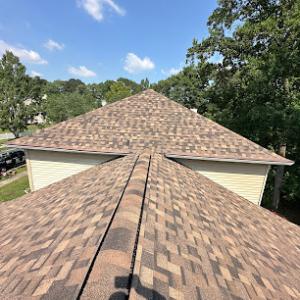
D&V Roofing
(240) 887-7054 www.dvroofingllc.com
Serving
4.7 from 51 reviews
D&V Roofing is a licensed and insured residential and commercial roofing contractor near me serving Maryland, Virginia, and Washington DC. We specialize in GAF roof replacements, storm damage inspections, roof leak repair, and full insurance claim support. Our team provides expert commercial roofing services, including flat roof systems such as TPO, EPDM, and Modified Bitumen, along with large building maintenance, waterproofing, and emergency roof service. If you need a trusted roof specialist for repair, replacement, or commercial flat roofing, call today for a fast and professional inspection. Roofing specialist, comercial roof, Remodelation, siding installation, and gutter replacement.
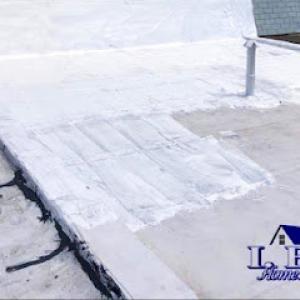
I. Boyd Home Improvements
(202) 805-6114 iboydhomeimprovement.com
Serving
5.0 from 14 reviews
I. Boyd Home Improvements is a locally owned Home Improvement company specializing in Roofing, Gutters, Masonry Work, Painting, Deck Restoration and much more! We are Experienced, Professional, and know how to get the Job done right!

Wagner Roofing Company
(301) 927-9030 wagnerroofing.com
Serving
3.9 from 32 reviews
Wagner Roofing Company has been preserving and restoring Washington, DC and the surrounding Mid Atlantic areas' most beloved buildings and homes since 1914. With award winning craftsmanship Wagner specializes in slate and copper work with a state of the art sheet metal fabrication facility and warehouse headquartered in Hyattsville, MD. In addition to historic preservation and restoration work, Wagner also provides high quality roof maintenance, repair and re-roofing services, including gutters and downspouts. Our employees are skilled in the application of slate, copper, tile, shakes, and shingles as well as built-up as well as low slope commercial single ply roofing systems.

Roof First
(301) 536-7240 rooffirstllc.com
Serving
5.0 from 15 reviews
ROOF FIRST: Your trusted partner for top-quality roofing solutions. As one of the state's leading roofing companies, we handle projects of all sizes with unwavering dedication. We deliver exceptional workmanship and professional service, ensuring your roofing needs are met with expertise and care. At ROOF FIRST, we stand behind our name and take pride in every project we undertake, providing you with reliable and durable roofing for years to come.

Home Genius Exteriors
(301) 381-1768 homegeniusexteriors.com
Serving
4.8 from 1887 reviews
Elevate your home with Home Genius Exteriors, setting the standard in Maryland and Washington DC by offering full-service solutions for roofing, siding, windows, doors, gutters and insulation. We support our veterans and communities by supporting local and national charitable organizations through our Home Genius Cares initiative. With an Owens Corning® Platinum Preferred designation, we also offer flexible payment options, industry leading warranties and a wide range of premium products tailored for your home. It’s time for a different experience, entrust your next home project to a genius and schedule your free inspection today!
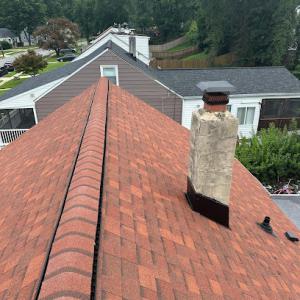
1 Day Contractors
Serving
4.7 from 24 reviews
WELCOME TO OUR COMPANY! At 1 Day Contractors, LLC, we specialize in providing top quality roofing services. Our team of highly trained professionals is dedicated to transforming your projects into reality with efficiency and attention to detail. We pride ourselves on providing long-lasting, customized solutions that guarantee customer satisfaction. Trust 1 Day Contractors, LLC for all your roofing, Siding, Gutters.
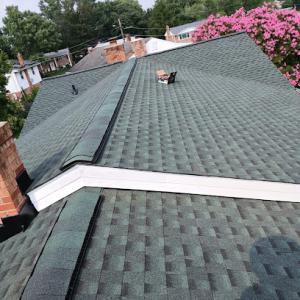
Just Exteriors
(202) 394-7116 justexteriorsllc.com
Serving
5.0 from 6 reviews
Just Exteriors is the DMV’s premiere wind damage and hail damage recovery company. Severe storms put homeowners and building owners into the unfamiliar and potentially adversarial situation of dealing with insurance companies. We successfully advocate on behalf of homeowners every day with insurance companies. Getting insurance coverage approval is only the first step, however. We take great pride in the quality of work and on-going service we provide in restoring your property.
Exteriormax
(301) 750-3899 www.exteriormax.com
Serving
4.9 from 324 reviews
Specializing in exterior remodeling/storm restoration. Installation of roofing shingles, windows, doors, gutters and siding. No money down. Free detailed inspections. Payment options are available.
Roofworks
(301) 352-7222 www.roofworksinc.com
Serving
4.8 from 283 reviews
ROOFWORKS is a locally owned and operated roofing contractor. Whether your roof is in need of repair or replacement, you can rest assured you are in good hands with ROOFWORKS. ROOFWORKS, a Maryland roofing company servicing both Maryland and Washington, D.C., is a locally owned and operated company based in Lanham, MD. Whether you are in need of residential roof repair, total roof replacement, residential gutter service, siding repair or installation, or if you need a new roof or almost any exterior home repair, you can rest assured you are in good hands with ROOFWORKS and our roofing services. That's why we're one of the most trusted Maryland roofing companies out there!
Calderon contractors
(301) 213-0282 calderoncontractorsllc.com
Serving
5.0 from 103 reviews
Roof service
Neighborhood Restoration
(240) 502-0996 www.myrooflawyers.com
Serving
5.0 from 49 reviews
Neighborhood Restoration is a 5-star Roofing, Siding, and Gutter Contractor serving the DC, Maryland, and Virginia areas. We specialize in Home Roof Inspections and are a trusted local Roofing Contractor. Your trusted partner in preserving and enhancing your home. ⭐️Discover if you qualify for a no out-of-pocket cost roof replacement! 🏡 Call or Text anytime!
Len Home Design
(301) 434-5349 lenhomedesigninc.com
Serving
4.9 from 29 reviews
Len Home Design has carved a niche in Prince George’s County as a leader in residential and commercial contracting services. With over 20 years of experience under our belt, our mission is to deliver unparalleled craftsmanship through a wide range of services including roofing, siding, windows, doors, and gutters. Our reputation for excellence is supported by our dedication to transparency, reliability, and customer satisfaction. Fully licensed and insured, we pride ourselves on our ability to provide tailored solutions that address the unique needs of each customer. Whether you’re looking to enhance the curb appeal of your home, or undertake a complete renovation, our team of professionals is equipped to bring your vision to life.
A full roof replacement in Riverdale typically requires a permit through Prince George's County rather than a separate city roofing office process. The county system tracks structural changes, ventilation, and underlayment to ensure the retrofit meets current code. The permit acts as the official green light that your contractor can begin work, and it helps keep the documentation trail intact for insurance claims after a storm or leak event. Your contractor should initiate the permit request, but you will want to know which exact details the county expects to see, including roof venting, attic insulation, and any old material removal requirements. In practice, this means the project cannot start until the county file shows an approved permit.
Work is expected to begin after permit issuance, and county inspections may occur during and after installation to verify code compliance, including ventilation and underlayment details. Inspections are not just a formality; they are your best chance to catch a missing sleeve vent, an undersized drip edge, or improper underlayment before the new roof is sealed in. For Riverdale homes, where older framing and close-set layouts can reveal overlooked vulnerabilities, it is common for the inspector to request adjustments mid-project rather than after the fact. Coordinate with your contractor to plan inspection windows, so the crew can align materials delivery, scaffold access, and attic ventilation checks with anticipated inspection dates.
Processing times can vary with demand, which matters in Riverdale after storm periods when many county homeowners are trying to schedule replacements at once. If a major storm hits, the county's backlog can extend timelines, so you should prepare for potential delays by securing temporary protections and documenting damage promptly. As soon as you have a written assessment from a contractor or adjuster, you can begin the permit application, but avoid delaying ordering materials or scheduling labor waiting for the permit to clear. A practical approach is to have the permit on file and ready to activate so the crew can commence work as soon as the green light appears. If any additional county questions surface during processing, respond quickly with the requested drawings, ventilation specifics, and any retrofit clarifications.
Expect to supply site plans or roof sketches showing vent layouts, attic access points, and flashing details. The county value is in evidence of proper installation practices that resist the humid Mid-Atlantic climate and storm-driven leaks. Track all communications with the county and your contractor, including permit approval dates, inspector names, and the sequence of inspection approvals. If a post-storm claim is filed, having a clean, well-documented permit file with approved inspections can smooth the insurance review and support the rebuild timeline.
Understanding that older neighborhoods with tightly spaced homes require careful attention to attic ventilation, underlayment choice, and flashing details helps you navigate the permit process with confidence. The county framework exists to protect your home's long-term performance against moisture intrusion and wind-driven damage. Keeping the permit active, scheduling timely inspections, and staying proactive about documentation reduces surprises when the installation proceeds and when the insurance process follows.
In this Maryland neighborhood, insurers commonly zero in on wind, hail, and storm-related claims, a reality shaped by hail-prone springs and wind-driven rain that can drive slow-mo aging into sudden leaks. Humidity and winter moisture intrusion add another layer of wear after each season's swings. If shingles crown a roof that has aged past its prime, a claim may be met with tougher questions or stricter limitations. Facing a storm-damaged roof without solid documentation can translate to delays or the need for more substantial proof of loss before any settlement decision.
Homeowners may be asked for roof age, prior repair history, and photo documentation. Keeping organized records before storm season is not glamorous, but it materially affects how smoothly a claim moves through the process. Store photos of the entire roof from multiple angles; catalogs of past repairs, contractor notes, and any moisture-related interior damage help establish a timeline of wear. If a claim is filed after a major storm, having dates and details ready can shorten the back-and-forth with the adjuster and reduce the risk of partial or disputed settlements.
Some carriers have tightened underwriting on older roofs or rapid repeat replacements in Maryland. That tightening translates into more questions about whether the roof can sustain another event, or whether a quick patch will merely postpone a bigger problem. In practice, this means getting ahead of the storm season with a current assessment from a licensed roofer, not as a single-sentence estimate but as a thorough report that documents remaining life, vulnerabilities, and any visible signs of leakage or moisture intrusion. If the roof has already undergone repairs, have receipts and contractor notes ready to show a consistent maintenance history.
If a storm knocks a roof out of shape, you are not powerless to steer the process toward a fair outcome. Start with clear, contemporaneous photos taken immediately after the event and a dated chronology of notices to the insurer. Prepare a concise, factual account of what happened, where water entered, and how interior damage progressed. This disciplined approach helps align expectations with what the policy realistically covers and what documentation your carrier will require, especially when the roof is aging.
Connect with contractors who help homeowners navigate the claims process from damage assessment to final approval.
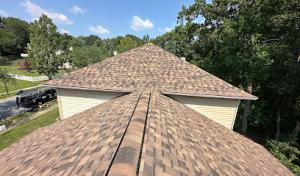
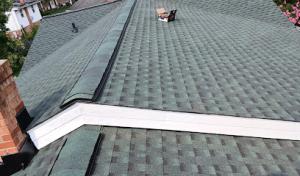
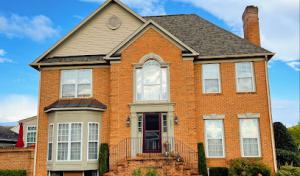
In Riverdale, spring and fall are generally the preferred installation windows because central Maryland's summer heat and humidity can stress crews and materials, while winter cold and snow complicate sealing and scheduling. Choosing a shoulder-season slot helps crews avoid overheating tar and asphalt binders, reduces the risk of heat-related worker delays, and gives you more predictable installation timelines before the next seasonal push. If a roof project must take place in peak summer, plan for early-morning starts and afternoon shading tactics to keep materials from baking and to preserve the granule integrity of asphalt shingles.
Summer conditions in this part of Maryland can accelerate asphalt shingle aging and granule loss, so Riverdale homeowners often discover that roofs which looked serviceable in spring deteriorate faster after a hot season. The combination of high humidity, strong afternoon sun, and occasional afternoon thunderstorms can push sealants beyond their comfort zone and encourage minor color fading or cupping in worse cases. When a summer project is unavoidable, schedule a thorough fly-by inspection beforehand to note any pre-existing issues and arrange for rapid aftercare-checking attic ventilation, addressing heat soak, and coordinating expedited warranty-backed work if a leak risk becomes evident during the warm months.
Autumn wind events and winter freeze-thaw cycles in the Riverdale area can turn minor flashing or shingle issues into active leaks, making pre-winter inspections especially valuable. Early fall is an excellent time to verify flashing around chimneys, skylights, and vent stacks, and to confirm that the attic is adequately vented to mitigate condensation that can compromise roof decking during heating season. If a late-season repair is necessary, aim for a window that leaves enough margin for curing roof coatings and resealing after the first cold snaps. A proactive approach in late fall can prevent a common cascade of small problems turning into costly storm-related leaks once snow and ice arrive.
When planning around storms, use local patterns to your advantage: avoid the lull before a cold snap when crews may be booked, and target days with dry forecasts and moderate humidity. In practice, this means watching the forecast for gentle transitions-neither the early heat of late spring nor the brutal chill of mid-winter-so crews can work steadily without weather-driven interruptions. For homes with multiple elevations or complex flashing details, allow extra time in the schedule during shoulder seasons to accommodate additional sealing checks and wind-related inspections that tend to surface as autumn leaves begin to fall.
Asphalt shingles remain a practical fit for many Riverdale homes because they balance cost with performance in central Maryland's mixed weather, but ventilation and moisture management are critical in the region's humidity. When you choose asphalt, prioritize a higher-quality attic ventilation plan and an integrated moisture-control approach. In older neighborhoods, ensure sheathing and decking are dry before installing underlayment, and consider a breathable, water-shedding underlayment to help with seasonal rain.
Metal roofing is relevant in Riverdale not just for longevity but for handling repeated seasonal weather swings, though noise expectations, flashing quality, and installer experience matter on older homes. If opting for metal, key steps are to verify a solid roof deck, plan for proper sound dampening, and specify rain-tight flashing at joints and chimneys. A mid-Atlantic metal system with a robust coating will resist rust and temperature-driven contraction, which matters on homes with historic detailing. Choose gray or dark bronze tones if you want to blend with historic color palettes while still modernizing the look.
Tile, wood shake, and synthetic/composite roofs appear often enough in this market to justify dedicated guidance, especially where homeowners are matching older neighborhood aesthetics or replacing heavier legacy materials. Clay tiles offer long life but require a strong deck and careful attic ventilation to prevent moisture buildup in humid seasons. Concrete tiles deliver durability with lighter weight than clay, yet still demand precise installation around penetrations. Wood shakes bring authentic texture but need proactive maintenance against moisture and insects. Synthetic or composite options provide a compromise between weight, aesthetics, and weather resistance, with easier installation and consistent performance in humid summers.
In Riverdale, match the roof style to neighborhood character while prioritizing ventilation, moisture control, and installer experience. For any option, confirm compatibility with existing fascia, gutters, and roof penetrations, and plan for an inspection after severe storms to catch hidden leaks early. If color and texture matter for curb appeal, choose materials that age gracefully with the surrounding homes.
The most popular roofing material in the US. Find pros who install, repair, and replace asphalt shingles.
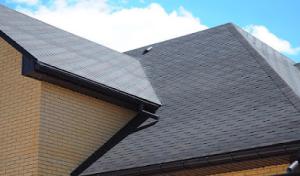
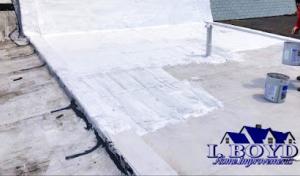
The Riverdale market has meaningful contractor activity in both flat-roof work and skylight repair, suggesting a real local need for guidance on leak-prone transitions rather than only standard steep-slope shingle systems. Flat sections and skylight skylines are common across additions and porches, where the full roof line can become a patchwork of materials. In a close-knit neighborhood, every transition must be treated like a seam that can fail first when a storm rolls through. Expect more frequent check-ins on these areas after heavy rain or thaw cycles.
In central Maryland's humid climate, low-slope drainage issues and skylight flashing failures can worsen quickly during spring storms and winter freeze cycles. Standing water on a low-slope roof is a warning sign, not a one-time nuisance. If you notice wets spots near a parapet, around skylights, or where a drip edge meets deck flashing, address it promptly. The combination of heat, humidity, and sudden downpours makes these transitions prime locations for leaks that creep inward along fasteners, sealants, and seam tapes.
For Riverdale homeowners with additions, porches, or mixed rooflines, these transition areas often need more attention during replacement than the main field of roofing. Valleys, eaves, and edge-to-flat transitions are where confidence in the installation is earned. Ensure that any new flat sections or skylight openings are treated with compatible flashing, proper slope, and continuous secondary drainage paths. When a roof is torn down, this is the moment to re-examine all penetrations and upgrades, not just the visible surface.
After a storm, walk the roof with a flashlight at dusk to spot gaps around flashing and skylights. Look for damp decking or mineral granules near low-slope areas, and test drainage by pouring a small amount of water along suspected seams to observe flow. If a contractor suggests patching rather than complete flashing replacement, push for a full assessment of the transition zones to prevent a recurring leak.
Find specialists in TPO, EPDM, and built-up flat roofing systems for residential and commercial properties.

The local market is heavily weighted toward re-roofing and residential work, so homeowners should prioritize contractors with strong replacement experience rather than firms focused mainly on new construction. Look for a track record of full roof replacement projects, not just repairs or small jobs. A roofer that demonstrates proven timelines for removing old decking, installing underlayment, and completing final finishes will keep your occupied home on a predictable schedule.
Cleanup and quick response are unusually prominent local hiring signals, reflecting practical concerns of occupied homes, tight schedules, and storm-related debris. During the screening, ask about storm response times, emergency tarping capabilities, and same-day site security. Inquire how crews contain debris and protect landscaping, vehicles, and interior spaces. A contractor that offers daily site cleanup and clear labor handoffs between rough-in and final finish shows a thoughtful, neighborhood-ready approach.
Long-established, family-owned, locally owned, and manufacturer-certified firms all appear in the market, giving homeowners meaningful ways to compare stability, warranty backing, and neighborhood familiarity. Seek a company with a local reference list, preferably from nearby streets or blocks with similar roof types. Manufacturer certifications often translate into better warranty support and access to approved materials, which matters when weather swings demand durable, code-compliant work.
After Mid-Atlantic weather swings, thorough documentation is essential for insurance and records. A reliable contractor provides detailed written Scope of Work, material specifications, and a clear sequence plan from tear-off through finishing touches. Require a pre-job checklist, daily progress notes, and post-installation warranty documents. If a firm can compile a concise post-storm report with photos, you gain a tangible record for insurance and future maintenance.
Start with three candidates who show clear replacement experience, strong cleanup protocols, and local references. Schedule on-site evaluations that cover roof condition, attic leakage cues, and attic ventilation compatibility. Request sample contracts, warranty terms, and a transparent change-order process. In a tight, storm-prone market, the choice hinges on demonstrated reliability, not just a low price.