Last updated: Apr 19, 2026
Spring thunderstorms in Fairfax County bring sudden wind bursts, hail, and debris that can leave unseen damage on roofs across the wider McLean area. Large mature trees on many lots mean branches, limbs, and even whole trunks can strike the roof, gutters, and flashing during a storm, creating punctures, lifted shingles, or hidden breaches that worsen with subsequent rain. The fastest way to prevent further interior exposure is to perform a careful, daylight inspection from ground level after a storm, then initiate documentation immediately if any signs of damage appear. Delays can turn small issues into costly leaks and expedite secondary damage that complicates insurance claims.
Northern Virginia insurers typically want photo documentation that captures the roof's condition from multiple angles, close-ups of delamination or punctures, and contextual shots showing surrounding trees and any attic or interior signs of water intrusion. After wind or hail events, the more you can demonstrate the timeline, the smoother the adjuster coordination will be. Create a dated album that includes the gutter system, fascia, soffits, vents, and any visible granule loss or rust on metal components. If shingles appear curled, missing, or lifted, photograph the edges and ridges under different lighting conditions to highlight potential wind uplift. Keep copies of all notes from conversations with the insurer and any contractors, and record the dates of all inspection visits. The goal is to build a clear, linear narrative of damage and repair needs that aligns with the policy language commonly reviewed by Fairfax County-based adjusters.
An adjuster will likely want to tour the property with you or a licensed contractor. Arranging this promptly reduces the risk of misinterpretation about the extent of damage. When scheduling, request a daylight window to ensure edge details and shingle anomalies are visible in photos. If a roof is already aging, emphasize that pre-existing wear should be distinguished from storm-related damage; provide weathered sample shingles for reference if available. During the claim, insist on a thorough evaluation of flashing, valleys, and chimney joints because those areas often suffer more severely from wind-driven rain and debris impacts. If temporary tarps or protective coverings are necessary, document the installation and the exact locations they cover, so the insurer understands the severity and scope of exposure. In McLean, where the tree canopy is dense, note whether branches or leaves contributed to damming gutters or masking underlying damage during the storm.
Steep upscale rooflines are common on larger lots and can mask subtle damage until water finds its way under shingles. Asphalt shingles may show granule loss after hail, while metal roofing can suffer denting or panel seam separations that are easy to overlook from a casual glance. Clay and concrete tiles may crack or loosen at fasteners or underlayment, and synthetic or slate options, though durable, can exhibit microfractures or misalignment after a high-worce storm. Pay special attention to gutters and downspouts, as blocked or damaged drainage can accelerate interior damage despite a seemingly small surface issue. Document any misalignments, loose fasteners, or sealant failures around roof penetrations, vents, and skylights.
After the storm, create a clear action plan: confirm the adjuster appointment, prepare a detailed damage log, and assemble a reputable local contractor with storm-damage experience in Fairfax County. The aim is to secure an insurance-ready roof replacement pathway that respects the local housing stock and the realities of the McLean storm cycle. Maintain open lines of communication with the insurer and the contractor, and keep all photos, notes, and receipts organized in a single, dated folder to support a smooth and timely resolution.
Find local contractors experienced in assessing and restoring roofs after hail, wind, and severe weather events.
ASAP Roofing & Contracting
(410) 999-8295 asaproofingguys.com
Serving
5.0 from 69 reviews
Should your home or business require expert roofing or contracting services, then you are in the right place. Our business is licensed, insured, and has been providing exemplary roofing services for over 45 years. We take pride in delivering only the highest quality of work that exceeds our customers' expectations. Trust ASAP Roofing & Contracting with your next project today!
Lifetime Contractors
Serving
5.0 from 72 reviews
Our in-house crew fosters a strong company culture and better teamwork. The nimbleness of a small business can result in quicker decision-making and more flexibility in accommodating unique requests or unforeseen changes.
Nova Rooftek
(703) 407-2714 www.novarooftek.com
Serving
4.9 from 143 reviews
Nova Rooftek in McLean, VA, is your trusted partner for high-quality roofing and exterior services. We specialize in: - Residential Roofing Repair - Handyman Roof Repair - Roof Replacement - New Installation - Roof Inspections - Siding & Gutter Replacement - Storm Damage Repair - Emergency Services - Insurance Claims Assistance We work with various roofing types, including asphalt shingles, metal roofing, flat roofing, and energy-efficient options. Whether it’s a minor repair or a full roof replacement, our team delivers exceptional craftsmanship and peace of mind for every homeowner.
DKL Exteriors
(571) 494-3709 www.dkl-exteriors.com
Serving
5.0 from 42 reviews
Our company, DKL Exteriors, was founded with a mission rooted in family values and a commitment to excellence. Backed by over the past 20+ years of our founder’s experience, we’ve grown into a trusted name in the construction industry, offering top-tier home improvement services. Located in McLean, VA, and serving the surrounding communities, we take pride in serving residential clients with roofing, siding, fencing, and exterior work tailored to their needs.
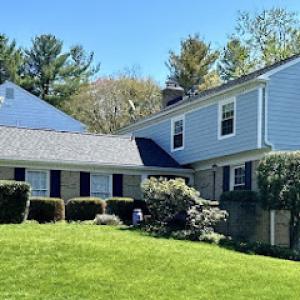
A&M Roofing
(703) 991-7910 www.amroofingva.com
Serving
5.0 from 63 reviews
A&M Roofing, founded in 2005, is a certified, insured roofing company with a Virginia Class-A License based in McLean, VA, serving all of Northern Virginia, including Great Falls, Arlington, Vienna, and Potomac, MD. We specialize in Cedar Shake, Davinci, and Asphalt Shingle roof installation, repair, replacement, and hail and wind storm damage services. We also provide James Hardie, Vinyl Siding, and other exterior remodeling solutions like gutters, windows, and doors. We're proud to be an Owens Corning Platinum Preferred Contractor, CertainTeed ShingleMaster, Mastic Preferred Contractor, and Velux Certified Installer, committed to superior quality, customer service, and local expertise for all your residential and commercial roofing needs.
RoofER
(703) 239-3738 www.theroofdocs.com
Serving
4.9 from 760 reviews
Looking for a certified roofing contractor in Vienna, VA, or anywhere across Northern Virginia, Maryland, or Pennsylvania? Roof-ER or the Roof Docs specializes in roof inspections, replacements, and repairs, plus expert siding and gutter services. We’re one of the top-rated roofing companies near you. We are proud to offer a 100% remote roof inspection and consultation with no direct contact required. Call us today or visit our website to schedule a free inspection!
Fab Build Pro
(202) 997-5531 fabbuildpro.com
Serving
4.9 from 136 reviews
FAB BUILD PRO is your trusted team of roofing and general contractors specializing in insurance and retail roof repair, replacement, and renovation across the DC, Maryland, and Northern Virginia region. Based in Tysons Corner, VA, we provide 24-hour emergency roof repair services and are committed to using only trusted, high-quality roof supply vendors. Whether you need expert storm damage repair, a thorough local roof inspection, or a complete exterior update, we offer comprehensive solutions including siding and gutter replacement. Our goal is to enhance your home or business with modern design recommendations and top-quality service. Contact us for a professional consultation and a free estimate. Your satisfaction is our priority.
BRAX Roofing
(301) 691-4107 braxroofing.com
Serving
4.9 from 110 reviews
BRAX Roofing is a leading roofing, siding, and gutter installation contractor in the DC Metro Area. At BRAX Roofing, we pride ourselves on offering superior home improvement service by delivering high-quality products and customized solutions to fit your unique needs. Our team of in-house product specialists, project managers and installers all have the same goal – your 100% satisfaction. At the end of the day, your goal is our goal. Whether it’s replacing your roof, upgrading your home’s energy efficiency, or enhancing your curb appeal, we live by our motto: building quality into every roof!
Nest Exteriors
(571) 202-6384 www.nestexteriors.com
Serving
5.0 from 217 reviews
Choosing the Right Roofing Company Should be Less Stressful. At Nest Exteriors, we pride ourselves on offering a comprehensive roof replacement and exterior services experience with a focus on straightforward communication, homeowner education, and transparency. The details matter. Since our founding over a decade ago our mission has been straightforward: to be a dependable resource for homeowners and to have a positive influence on all who come in contact with Nest Exteriors. There's Less Stress with Nest. We look forward to hearing from you, The Nest Exteriors Team FYI - JGL Roofing & Exteriors is now Nest Exteriors! Same local company, fresh new name.

Falcon Roofing & Solar
(571) 503-7951 falconroofingva.com
Serving
4.9 from 281 reviews
Falcon Roofing & Solar, located at 2817 Dorr Ave Unit K, excels as a premier roofing contractor committed to delivering top-quality services in the region. We specialize in roof repair, roof replacement, and thorough roof inspection to ensure the durability and safety of your property. Our expertise extends to flat roofing, commercial roofing, and expert gutter installation. Whether you need storm damage roof repair or stunning cedar shake roofing, Falcon Roofing & Solar is your trusted partner. Our experienced team is dedicated to providing excellent service, ensuring your roofing project is completed efficiently and professionally. Choose us for unparalleled roofing solutions.
SW Roofing Potomac
Serving
4.9 from 26 reviews
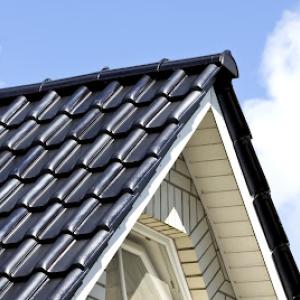
Welcome to SW Roofing Potomac, your trusted provider of quality roofing services for over 30 years! We are a family-owned business with extensive experience in the residential roofing industry. We provide a full range of roofing services, from roofing repair to full roof replacements. If you need a new roof, we will work with you to explore your options and find the best solution for your budget and needs. Our comprehensive services make sure that your new roof is properly installed, and we always strive to use quality materials and a thorough installation process. We invite you to call us today to schedule your appointment and see for yourself why so many customers trust us for all of their roofing needs.
Valor Home Roofing
Serving
5.0 from 24 reviews
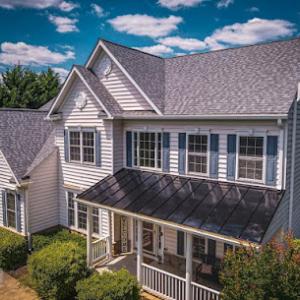
For over three decades, Valor Home has been transforming the exterior of homes in the greater Mechanicsville, VA area. Born from humble, veteran and family-owned beginnings, we've grown into a trusted leader in exterior remodeling. From complete roof replacements to beautiful window installations and energy-efficient siding solutions, Valor Home provides comprehensive services to enhance your home's beauty and value. We believe in delivering quality products and expert craftsmanship, ensuring your vision becomes a reality."
In this region, the window for replacing a roof is shaped by climate realities and local housing layouts. Spring and fall are the most practical seasons for a roof replacement, helping to avoid the peak heat of summer and the freeze-prone conditions that arrive with winter. The goal is to complete tear-off, decking inspection, and new roof installation during a stretch when temperatures stay moderate, precipitation is manageable, and crews can move efficiently without delay from extreme weather. For most homeowners, aligning replacement work with these shoulder seasons reduces risk of heat stress on materials and minimizes the chance of weather-driven disruptions that can stall progress.
Spring brings longer daylight and improved access for crews after winter cleanup, but it also brings heavy rain and thunderstorm activity. If a tear-off is scheduled in the spring, sequencing becomes critical: day-by-day planning should account for potential rain delays and the possibility of exposed decking if the sequence isn't tightly controlled. A prudent approach is to begin with dry-in steps on non-porous sections, then proceed to roof decking inspection and replacement during windows of dry weather. Scheduling flexibility is essential, with backups for interior work if a storm interrupts exterior operations. In areas with mature tree coverage, ensure crews remove or protect nearby plantings that could shed debris onto fresh underlayment during a storm.
Fall commonly offers cooler, more stable temperatures and fewer thunderstorms, making it another reliable period for replacement work. Start early enough to beat the onset of colder nights, but avoid the wettest weeks of late autumn when lingering rain and early frost can complicate adhesive curing and shingle seating. Fall also provides the benefit of allowing moisture to escape from the roof system before winter heating cycles begin. A careful fall schedule should still incorporate contingency days for rain events and ensure proper tarping and debris containment as leaves begin to accumulate on the roof and in gutters.
Winter brings ice dam risk, particularly on older homes with complex rooflines and shaded sections. If a replacement is pursued in winter, prioritize heat management strategies and enhanced insulation of attic spaces to minimize melt-and-refreeze cycles. Consider advancing the project to completion before the heaviest ice periods, or, if winter work is unavoidable, implement a plan that protects vulnerable eaves and ensures proper attic ventilation to reduce condensation and ice dam formation. The challenge in winter is to keep decking and underlayment dry long enough to avoid long exposure to freezing temperatures, which can compromise sealant performance and shingle seating.
To keep the project moving in McLean's climate, establish a tight daily plan with weather windows, pre-treatments, and staged decking inspections. Confirm that crews can mobilize rapidly after a lull in storms, and ensure tarps and edge protection are in place to minimize debris and ice risk. A staged approach-dry-in, decking inspection, underlayment, then shingle or tile installation-helps maintain momentum while adapting to spring and fall variability. Keep communication clear with the homeowner about expected cadence and potential weather-related delays so the schedule remains realistic and actionable.
McLean's housing stock includes many larger custom and estate-style homes where slate, tile, metal, and premium synthetic products are more common than in nearby markets. That mix shapes typical roof lines, from broad, multi-gabled complexes to long, stately slopes. In these settings, the chosen material isn't just about coverage; it defines the roof's character, its performance in seasonal moisture, and its long-term maintenance footprint. Understanding how each option age and interact with a steep, prominent profile helps ensure a durable, visually cohesive result that stands up to the Potomac-area climate.
Steeper and more complex roof designs can make slate, tile, and metal detailing more labor-intensive than basic asphalt re-roofing. In practice, expect more careful seam work, attention to flashing around chimneys and valleys, and specialized installation sequences for rigid materials. In McLean, skilled crews frequently tailor native-grade substrates and underlayments to accommodate high-slope geometry, preventing issues that can arise from weather exposure on steep facets. When planning, factor in the potential for longer lead times on high-demand materials and the necessity of precise attic ventilation to avoid heat and moisture buildup beneath premium coverings.
Tree shade and seasonal moisture in this Fairfax County area can accelerate staining, debris buildup, and flashing wear on valleys and roof penetrations. Debris from maple and oak can accumulate quickly on longer runouts, and damp, shaded valleys may develop algae or moss if ventilation is uneven. Regular inspections of flashing around skylights, vent stacks, and chimneys become more important for these roofs. Premium materials like slate, clay tile, and metal show unique wear patterns under these conditions: slate may delaminate at damaged edges, tile can crack from freeze-thaw cycles when underlayment isn't robust, and metal can experience fastener and seam degradation if coatings are compromised. A proactive maintenance plan helps sustain curb appeal and performance.
For estate-style homes with dramatic, angular silhouettes, slate and clay or concrete tiles offer a timeless look and strong curb appeal, while metal provides clean lines and excellent wind resistance on exposed ridgelines. Premium synthetic shingles can mimic natural materials while offering lighter weight and potentially simpler installation on complex substrates. Each option carries its own installation intricacies in the McLean climate: slate and clay require careful substrate preparation and precise cutting, metal demands high-quality flashings and sealants, and synthetic products depend on consistent alignment with the roof's contours. When choosing, prioritize manufacturers with proven performance in mixed shade and moisture conditions and work with a contractor who can demonstrate a detailed plan for complex geometry.
Maintenance rhythm matters more with steeper, more intricate roofs. Schedule annual or biannual inspections to catch staining, loose fasteners, or degraded flashings before they escalate. In your planning, consider how seasonal leaf fall and wind-driven debris from surrounding trees may affect valleys and ridge lines, and ensure access for safe cleaning and minor repairs without compromising the roof's integrity. A well-maintained premium roof not only endures the Fairfax County climate but also preserves the refined aesthetic that defines these homes.
When you price a roof in this area, asphalt shingles typically run from 350 to 800 USD per square, metal from 600 to 1400, clay tile from 900 to 1900, concrete tile from 800 to 1600, synthetic or composite from 450 to 850, and slate from 1200 to 3000 per square. These ranges reflect the mix of upscale homes with generous roof footprints and premium detailing common in the neighborhood. Premium materials and longer slopes push early estimates higher, especially on larger, high-value lots.
Projects often trend upward when homes have steep pitches, multiple dormers, long valleys, skylights, chimneys, or premium materials in higher-value neighborhoods. In McLean, a steep 8-in-12 or greater pitch adds roofing labor time and requires stricter edging and safety measures, which translates into higher per-square costs across all material types. Long valleys and complex ridges demand more seams, underlayment, and flashing work, boosting both material and labor totals.
Storm-driven demand spikes across Northern Virginia can tighten scheduling and labor availability after hail or wind events, affecting pricing and lead times. If a hail season hits, you may see shorter windows for material selection, faster project turns, and premium scheduling charges. Budget a contingency for delays and potential price shifts in the 4-8 week range after a major storm, especially for premium materials like slate, clay tile, or metal systems.
For long-term durability amid harsh weather, metal and tile offer strong performance, but costs rise sharply with slope and complexity. Asphalt remains the most budget-friendly entry, but premium composites deliver better colorfastness and wind resistance on steeper roofs. Slate delivers timeless aesthetics with the highest price tag, while synthetic options strike a balance between look and value. Consider how long you plan to stay and the value of curb appeal when weighing replacements.
Get a clear picture of your project costs upfront - no commitment required.
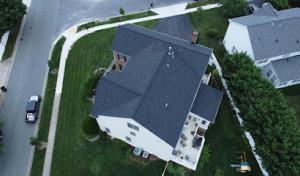
Roof replacements in McLean typically require permits through Fairfax County rather than a separate city building department. That means the process is tied to county rules, timelines, and inspections rather than a standalone town workflow. If a contractor isn't prepared to navigate the county's system, delays can creep in when the project is near 11th-hour start dates or final inspections. Understanding that the county handles the paperwork helps you set expectations with your crew and avoid last-minute surprises.
The county uses its online ePermits system for application and permit handling. You'll want to start there early, compiling typical materials like the project scope, roof type, and any required demolition or disposal details. The online portal is where you submit documents, track status, and receive inspection notices. Because the system is countywide, timing can hinge on online queue times and reviewer availability, not a local city counter. Budgeting a buffer for potential administrative delays can spare you stress when weather or insurance timelines are pressing.
Inspections are performed during the job and after completion, with county reviewers checking items such as nailing pattern, flashing, and underlayment. These checks reflect Fairfax County expectations for wind-driven rain protection and long-term performance. If your roof is over larger, tree-covered lots near the Potomac, ensure hatch access and debris containment are ready for the inspector to see. A proactive approach-confirming nailing schedules, flashing integration with chimneys or skylights, and proper underlayment alignment-can minimize re-inspection loops that stall timelines.
Coordinate with your contractor to submit the permit package well in advance of material deliveries and start dates. Ask for the ePermits tracking number and a clear plan for when each inspection will occur. Keep rooftop access clear and safe for inspectors, especially after storms when debris and wind are factors. If there is a weather window for shingle or tile installation, plan around county inspection slots to avoid delays caused by rain or temperature restrictions. Being organized with documentation and communication helps ensure the county reviewers see a complete, compliant project at each stage.
The local insurance environment is shaped by wind and hail exposure, so adjusters in Northern Virginia often request thorough documentation before approving replacement scope. In a market with steep upscale roofs and tree cover, every dent, shingle lift, or flashing misalignment can become a point of scrutiny. If your roof has weathered multiple storm seasons, a careful narrative that ties damage to recent events helps an adjuster see the full picture rather than isolated patches. Think of your file as a timeline: photos across years, invoices for repairs, and any prior claim notes all stacked in a coherent story.
Older roofs may face higher deductibles or insurer pressure for upgrades before renewal. To counter uncertainty, preserve dated photos of the roof from different angles, especially after wind events or hail reports in the area. Keep repair invoices that show the roof's condition before the latest storm, plus any contractor assessments that document missing granules, lifted shingles, or compromised underlayment. Permit records, if available, can reveal age and past work that insurers will weigh when evaluating the replacement scope. Create a concise summary that links each before-and-after image to a specific roof feature-ridge line, valley, or penetrations-so the adjuster can quickly verify impact and scope.
When a claim begins, request a detailed, itemized scope that matches the visible damage and the contractor's assessment. If you suspect an insurer push toward upgrades, ask for a written justification tied to roof age and system performance. Coordinate with the contractor to provide a professional appraisal that notes wind and hail susceptibility given the tree canopy and the local climate. In this market, your readiness to show a coherent history can influence whether the replacement aligns with actual need rather than perceived risk.
Connect with contractors who help homeowners navigate the claims process from damage assessment to final approval.
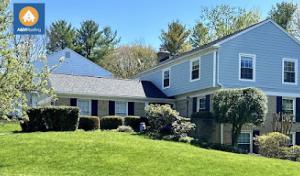
Many homes feature steep primary roofs, but additions, porches, and modern sections introduce low-slope areas that require different drainage and membrane detailing. On these additions, plan for a primary drip edge that lines up with the existing roof and a secondary discharge path to keep water away from interior walls. Favor a continuous slope that directs runoff toward scuppers or edge drains, avoiding abrupt changes that invite ponding.
Low-slope sections benefit from a robust membrane system paired with a compatible drainage plan. In Northern Virginia's mixed-season climate, freeze-thaw cycles threaten any water collection area. Specify a heat-accelerated self-adhered or fully adhered membrane with reinforced seams. Ensure the edge details extend beyond the field of the roof to seal against wind-driven rain. Detail terminations at transitions to steeper roofs to minimize backwater pressure.
Transitions between slate or shingle main roofs and low-slope rear sections are common leak points on larger remodeled homes in this area. Pay special attention to flashing at these junctions, using compatible metals and a continuous sealant bead. For metal or synthetic roofing over low-slope patches, cap all field joints with a bonded cover flashing to prevent water intrusion during heavy storms. Conduct a thorough dry run of interior roof-to-wall transitions to catch potential seepage paths.
During installation, verify that fasteners in low-slope areas are appropriate for the substrate and climate, with proper sealing over penetrations. After completion, inspect for uniform drainage, secure edge detailing, and sealant integrity after first major storm. Establish a routine twice-yearly inspection cycle, focusing on hips, valleys, and transitions where moisture tends to accumulate. A careful plan reduces risk and saves long-term maintenance in this area.
Find specialists in TPO, EPDM, and built-up flat roofing systems for residential and commercial properties.