Last updated: Apr 19, 2026
Bethesda's roofing calendar is squeezed by heavy spring rain, summer thunderstorm activity, and winter freeze-thaw, making leak response and replacement timing more critical than in milder markets. Spring storms arrive with little warning and high moisture, often delivering days of soaking rain that saturate shingles, valleys, and transitions before you can get a technician on site. In those conditions, even small penetrations or micro-cracks can rapidly evolve into active leaks once a storm pushes water into vulnerable seams. The clock also ticks differently: a roof that looks dry after a shy shower can still be carrying hidden moisture in allowanced valleys and underlayment, setting the stage for delayed leaks that appear with the next wave of wet weather. Stay ahead by treating any suspected intrusion as urgent, not routine, and prefer triage steps that verify interior dryness before the next storm bears down.
Autumn leaf drop is a real roofing variable in mature neighborhoods where trees loom over the roofline and gutter systems. Leaves accumulate in valleys, at transitions, and along low-slope sections, and can stay wet longer, masking leaks and delaying cleanup. In Bethesda, that means inspections after a heavy wind event or on sunny days when the usual drying period is brief is not enough. A thorough check should include removing obstructions from gutters and valleys, then tracing any dampness or staining back to the source with a critical eye for hidden pathways. If water sits in a valley or spills over a clogged gutter, it can travel along the deck edge and seam joints, widening the damage before it's even visible from ground level. Schedule cleanup and inspection in the post-fall window promptly after leaves fall, and mark any persistent damp spots for follow-up testing after the next round of rain.
Regional storm patterns in the Washington-area suburbs often produce wind-driven rain and localized damage that may not justify full replacement but do trigger urgent leak tracing and documentation. You'll want to prioritize rapid assessment after any strong spring or fall wind event. Look for lifted shingles, damaged flashing around chimneys and dormers, and compromised sealant at roof-to-wall transitions. Even if there's no obvious missing material, wind-driven rain can force water under flashing and into attic spaces. Photograph or video any outward signs of trouble, and keep notes on wind direction and rainfall intensity for repair teams. When damage is localized, a targeted fix-sealant touch-ups, flashing reseal, or replacing a handful of compromised shingles-can avert bigger leaks later in the season.
Winter brings freeze-thaw cycles that stress roofing materials differently than summer storms. Water that seeps into small gaps can freeze and expand, widening cracks and forcing water deeper into the roof structure. In Bethesda, the combination of rapid temperature swings and heavy precipitation means that delayed responses can turn minor leaks into structural concerns. If you notice frost on the roof surface, unusual condensation in the attic, or damp insulation, treat these indicators as urgent. Schedule a diagnostic visit before another cold snap if possible, and ensure the contractor checks exterior flashings, vent pipes, and the interface between roof and curb or chimney during a single visit to minimize exposure to repeated storms. By aligning repair timing with the local wet springs, leaf-heavy falls, and winter cycles, you cut the risk of cascading damage and keep interior rooms dry through peak storm periods.
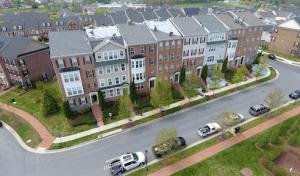
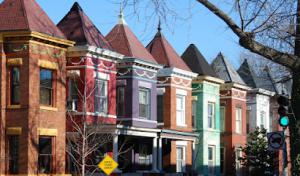
The housing mix in this area features a notable share of older homes and high-end custom properties where slate, tile, and steep-slope architectural roofs are more common than in many suburban markets. That breadth of material choices gives you a wider set of performance expectations and maintenance needs than typical neighborhoods with only asphalt shingles. In practice, you'll see asphalt shingles alongside metal, slate, clay tile, concrete tile, and synthetic options on homes that each tell a different story about when and how they were built or expanded. Understanding the original roof decision-and how an addition later changed the geometry-helps you plan repairs without compromising the curb appeal or underlying structure.
The local material mix is unusually broad for one city, which means the approach to leaks, ice dams, and wind uplift must be tailored to each roof type. Asphalt shingles perform predictably but lose granules over time and can be overwhelmed by rapid spring storms if gutters and valleys aren't kept clear. Metal roofing handles temperature swings well but requires attention to fasteners and panel seams, especially where skylights or dormers were integrated during later renovations. Slate and clay or concrete tiles bring lasting beauty and high load demands; their long lifespans hinge on precise underlayment and continuous support around penetrations. Synthetic shingles blend some benefits of both groups but still need a careful inspection routine where they meet older substrates. In Bethesda's climate, spade-cut valleys, ridge lines, and chimney connections deserve proactive inspection after winter thaws and during the leaf-fall transition so minor cracks don't escalate into leaks.
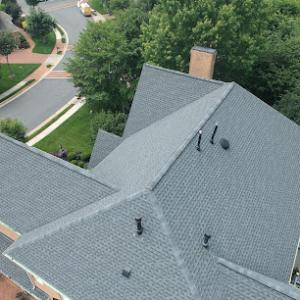
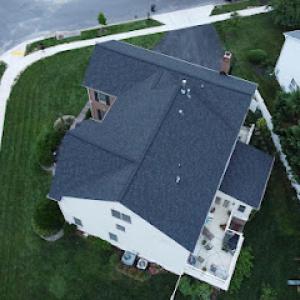
Because many homes were built in different eras and later expanded, contractors often encounter roof additions, tie-ins, and mixed-slope sections rather than simple single-plane replacements. Expect to see transitions from steeper primary sections to lower or flatter add-ons, plus occasional hidden interties where a former porch roof, sunroom, or garage connection now shares a common peak with the main roof. These intersections are typical weak points for water intrusion during heavy rain events. When surveying a roof, map each transition: how the material changes, where the underlayment changes, and where flashings converge. Pay special attention to drainage at the juncture between older tile or slate areas and newer asphalt or metal segments, because differences in expansion and contraction can create micro-leaks that manifest after long periods of wet weather.
Storm-driven leak prevention hinges on timing work around Bethesda's wet spring, leafy fall, and freeze-thaw winter cycle. In spring, prioritize clearing gutters, valleys, and roof edges so expanding moisture from storms can drain without backing up. In fall, concentrate on leaf removal from pathways that feed into roof valleys and around chimneys to prevent clogging-induced backups. In winter, focus on securing flashings and sealing penetrations where meltwater can refreeze and pressure-seal vulnerable joints. For homes with mixed slopes, establish a regular biannual walkaround to verify that catchment areas remain unobstructed and that any seasonal roof penetrations, such as vents or skylights, have intact seals. This proactive stance helps protect the diverse collection of roof types you'll see in this neighborhood without compromising their distinctive character.
A full roof replacement in Bethesda usually runs through Montgomery County's Department of Permitting Services rather than a separate city building department process. This means your project will be reviewed under county-wide codes and standards that apply across the area, including the mix of steep-slope shingles, slate, and tile common in Bethesda homes. The county expects the permit to cover structural, mechanical, and fire-related aspects, so plan for a review that looks at the roof deck, underlayment approach, and ventilation strategy alongside the chosen roofing material. The scheduling rhythm you experience will reflect the county's workload and the volume of residential projects in the area, which can vary with seasons and weather.
Bethesda projects can be subject to in-process and final inspections, with underlayment or rough-stage review and final sign-off affecting scheduling. The in-process check often occurs after the roof deck is prepped and the underlayment is in place. This is when inspectors verify spacing, nailing patterns, and ventilation arrangements, as well as confirm that the chosen materials align with the permit scope. A smooth rough-stage review can help avoid delays later, especially if a particular venting layout or underlayment specification triggers a minor correction. The final inspection confirms completion and functional performance, including flashings around chimneys, skylights, and dormers, which are common in mature tree-lined neighborhoods with varied roof lines. Expect the final sign-off to be tied to weather conditions that allow a safe, unimpaired inspection-winter conditions can complicate scheduling, so plan accordingly.
Material selections and venting layouts may draw extra scrutiny during permit review or inspection, and processing times can vary with county workload. In Bethesda, the wide range of roof types-from asphalt shingles to slate and tile-means the plan package should clearly show roofing material specifications, installation method, and the roof vent strategy. If the project includes slate or concrete tile, expect detailed notes on fastener type, substrate condition, and waterproofing transitions to meet county expectations. Venting must meet code requirements for attic air changes and moisture control, which is particularly important in a climate with humid summers and freeze-thaw winters. The county will look for balanced intake and exhaust, effective soffit or eave vents, and ridge or turbine outlets aligned with the building's orientation and existing attic space.
To minimize delays, assemble a complete permit package before your contractor submits the application: drawings or sketches showing roof geometry, vent locations, underlayment type, and a clear scope of work. Because processing times can vary with county workload, align your project timeline with anticipated busy periods-spring rain and fall leaf fall can increase inspection activity. Coordinate with the contractor to schedule rough-stage inspection early in the project window and set expectations for potential follow-up visits. If you have mature trees around the house, discuss temporary protective measures for gutters and landscaping with the inspector, since debris management can factor into the overall inspection readiness and scheduling. Keep a single point of contact with the contractor for any county queries to avoid miscommunication and ensure the permit record stays accurate as work progresses.
Bethesda projects often go beyond basic shingle options. The dominant local mix includes premium materials such as slate, clay tile, concrete tile, and synthetic products, which tends to push total replacement costs higher than a straightforward shingle-only job. Asphalt shingles remain common for mid-market renovations, but many homes in established neighborhoods showcase premium assemblies that affect both material and installation expenses. When planning, expect the per-square cost to reflect not just the material but the specialized flashing, underlayment, and integration with existing features typical of Bethesda homes.
Asphalt shingles: 350 to 600 USD per square.
Metal roofing: 550 to 1,000 USD per square.
Clay tile: 900 to 1,500 USD per square.
Concrete tile: 800 to 1,400 USD per square.
Synthetic/composite shingles: 500 to 900 USD per square.
Slate: 1,100 to 2,100 USD per square.
In practice, a full replacement on a higher-end assembly can push total project numbers well above simple shingle pricing, especially when slate or tile is chosen for a steep or complex roofline. The long-term value of premium materials must be weighed against initial costs, but Bethesda homeowners often find premium choices pay off through durability and curb appeal in mature neighborhoods.
Older Bethesda homes and custom rooflines frequently increase labor because crews must work around additions, dormers, chimneys, and intricate flashing details. The presence of multiple ridges, valleys, and varied pitches adds planning time and on-site coordination. If the roof ties into historic or visually prominent features, expect additional framing, patching, and precise flashing installation to ensure reliable leak prevention. Labor intensity translates into higher labor hours and, consequently, higher labor costs relative to simpler, uniform roof surfaces.
Bethesda's wet springs, leafy falls, and winter freeze-thaw cycles create a practical window for scheduling that avoids peak storm periods. Weather-related backlog after regional storms can affect project timing and total replacement cost, since crews may book out weeks or months ahead or require extended material handling and site protection during adverse conditions. Planning around a dry window reduces risk of weather-driven delays, minimizes waste from leaf debris, and helps maintain a steady progression from tear-off to recovery.
When estimating, start with the desired material category and demand a detailed line-item quote that separates material costs, labor, flashing, and disposal. For premium materials, request a clear explanation of any added labor charges tied to complex features. Build in a contingency for weather-driven delays and seasonal scheduling, which are common in this market. A well-documented bid helps compare apples to apples and keeps the project aligned with Bethesdan's specific roof profiles and climate demands.
United Developers
(240) 880-2108 www.udroofing.com
4915 St Elmo Ave Ste 403, Bethesda, Maryland
5.0 from 131 reviews
Operating out of Maryland, Virginia and Pennsylvania, United Developers is your trusted local roofing company specializing in high-quality roof replacements, siding and gutter installation.
Quality Innovation
(240) 523-4269 www.qualityinnovation.pro
6701 Democracy Blvd #300, Bethesda, Maryland
5.0 from 64 reviews
Quality Innovation is a top-rated remodeling and renovation company proudly serving homeowners and businesses throughout Maryland. We offer complete interior and exterior remodeling services, including kitchen and bathroom renovations, flooring installation, roofing, siding, gutters, painting, electrical work, and window and door replacements. Our skilled team is committed to quality workmanship, attention to detail, and customer satisfaction. Whether you're updating a single room or renovating your entire property, we make the process seamless from start to finish. Free estimates are available, and online booking makes it easy to get started. Transform your space with Maryland’s trusted experts at Quality Innovation
Rebel Roofer - Roof Replacements & Repairs
(240) 363-5819 rebelroofer.com
6701 Democracy Blvd #300, Bethesda, Maryland
5.0 from 32 reviews
Rebel Roofer is a trusted roofing contractor in Bethesda, Maryland, providing expert roof repairs, replacements, gutter services, and skylight installations. Led by Rafael Huguet, we serve Bethesda, Olney, Rockville, Cabin John, Kensington, Brookeville, Martin’s Additions, Potomac, and surrounding MD & VA areas. Committed to quality and lasting protection, our team ensures your home stays safe and secure. Located at 6701 Democracy Blvd #300, we deliver reliable roofing solutions for every homeowner.
Nova Rooftek
(703) 407-2714 www.novarooftek.com
Serving
4.9 from 143 reviews
Nova Rooftek in McLean, VA, is your trusted partner for high-quality roofing and exterior services. We specialize in: - Residential Roofing Repair - Handyman Roof Repair - Roof Replacement - New Installation - Roof Inspections - Siding & Gutter Replacement - Storm Damage Repair - Emergency Services - Insurance Claims Assistance We work with various roofing types, including asphalt shingles, metal roofing, flat roofing, and energy-efficient options. Whether it’s a minor repair or a full roof replacement, our team delivers exceptional craftsmanship and peace of mind for every homeowner.
A&M Roofing
(703) 991-7910 www.amroofingva.com
Serving
5.0 from 63 reviews
A&M Roofing, founded in 2005, is a certified, insured roofing company with a Virginia Class-A License based in McLean, VA, serving all of Northern Virginia, including Great Falls, Arlington, Vienna, and Potomac, MD. We specialize in Cedar Shake, Davinci, and Asphalt Shingle roof installation, repair, replacement, and hail and wind storm damage services. We also provide James Hardie, Vinyl Siding, and other exterior remodeling solutions like gutters, windows, and doors. We're proud to be an Owens Corning Platinum Preferred Contractor, CertainTeed ShingleMaster, Mastic Preferred Contractor, and Velux Certified Installer, committed to superior quality, customer service, and local expertise for all your residential and commercial roofing needs.
American Choice Exteriors
(301) 687-2345 americanchoiceexteriors.com
Serving
4.9 from 79 reviews
American Choice Exteriors is a family-owned and operated roofing company and we are located in Montgomery County, MD.Our extensive knowledge of state-of-the-art roofing techniques and technologies paired with our personalized customer service has continued to make us a top choice in roofing replacement and repair for residential and commercial properties. Your peace of mind is important to us. American Choice Exteriors will make certain you’re well informed about the entire process and are 100% satisfied with your roofing package — and after over 30 years of our combined experience in the trade, we’re completely confident that you will be.
Roof Solutions
(301) 565-2600 roofsolution.com
Serving
4.6 from 42 reviews
Roof Solutions is the roofing solution for you, providing exceptional services with professional roofers. We are your neighborhood roofing and gutter specialist serving Maryland, Virginia, and Washington, DC. At Roof Solutions, we rise above the competition because quality matters, your time and money are priorities, and our expertise is guaranteed.
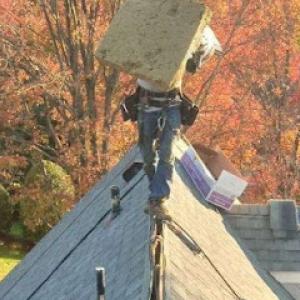
Apex Roofing & Construction
(301) 284-8127 www.apexdmv.com
Serving
5.0 from 64 reviews
Apex Roofing and Construction provides roofing, patios, decks, gutters siding services in Maryland. Contact us for a free consultation today. We are also Owens Corning Preferred Contractors and have been vetted by Owens Corning for our roof installations. Apex Roofing and Construction specializes in wind and hail damage. Should your roof have missing shingles or hail damaged shingles, we can work with your homeowner’s insurance to see if you qualify for a new roof through your insurance. Clients are only responsible for their deductible. We also build quality composite decks and stone patios for our clients. Apex Roofing and Construction has you covered for all of your exterior needs.
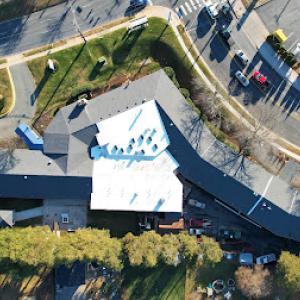
Serrano Contractors
(240) 837-4900 serranocontractors.com
Serving
5.0 from 113 reviews
We focus on helping clients save thousands on a roof with simplicity at our forefront give us a call to schedule your appointment today!
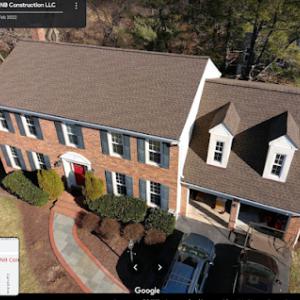
DNB Construction
(301) 362-7663 www.dnbroofing.com
Serving
4.9 from 112 reviews
DNB Construction is a family-owned certified roofing company with experience in all roof types. We are based in Rockville, MD and serving MD, DC & VA areas. DNB Construction was formed with a focus to bring quality to every job we work on. Our roofing experts are highly skilled and have all undergone rigorous training. From the smallest roof repairs to the largest custom home builds, our experts will bring attention and care to your project. We are master installers of asphalt shingles, natural/synthetic slate, cedar shake and shingle, custom metal roofing, and TPO. You can count on us for fast reliable service when you need it most. We offer affordable solutions for everyone. We provide free estimates. Don't wait, call us today!
Nna Crews
Serving
5.0 from 23 reviews
NNA CREWS is a Maryland roofing contractor serving residential and commercial clients. We specialize in providing professional installation for a variety of exterior elements, including roofs, siding, gutters, windows, and doors.

Painter Roofing & Construction
(571) 427-2450 www.painterroofing.com
Serving
4.9 from 80 reviews
Painter Roofing and Construction provides expert roofing services in Arlington and throughout Northern Virginia. As a family-owned company with 30+ years of experience, we offer residential and commercial roof installation, repair, and maintenance—always with quality workmanship and GAF-certified crews. From shingle and slate to flat roofing systems, we handle it all. We also support remodeling and new construction projects. Serving Arlington, Falls Church, Alexandria, and nearby areas. Call now for a free consultation.
In a market where true slate and clay or concrete tile still carry weight, many homeowners weigh the look against the realities of Montgomery County's damp springs and leaf-strewn falls. You will notice better curb appeal from premium materials, but the decision often hinges on long-term performance in a climate that tests brittle surfaces and the flashings that hold them in place on aging homes. Synthetic look-alikes offer a cleaner, lighter alternative, yet they press you to scrutinize the details that matter most in this neighborhood-color consistency, edge detailing, and how the material wears with neighboring shingles or tiles.
The local climate's freeze-thaw cycle matters more for premium surfaces than for ordinary asphalt. Brittle slate and some clay or concrete tiles can crack or spall if they're stressed by cold snaps, rapid temperature swings, or heavy snow. The flashings around tall chimney stacks, valleys, and dormers-areas often seen on historic or architecturally nuanced homes-become the critical failure points when ice forms or when fasteners loosen over years of expansion and contraction. If your roof lines are visible from the street with long, uninterrupted spans, you'll want to pay particular attention to the condition of these details before committing to a premium material.
On higher-end architecture, replacement decisions are not only about what lasts the longest but about what blends with surrounding roof sections. The homeowner frequently faces the pressure to preserve the visual rhythm of the eaves, hips, and ridges that define the house's character. Synthetic options can mimic slate or tile well at first glance, but subtle differences in shade, texture, and edge treatment become evident up close after a few seasons of UV exposure and leaf clutter. If neighboring roofs already feature a premium material, maintain uniformity to avoid a patchwork look that undermines the home's architectural integrity.
Bethesda roofs endure leaf accumulation, storm-driven debris, and periodic heavy rain that can expose flaws in flashings and underlayment. When you choose slate, tile, or a premium synthetic, plan for more meticulous inspections after spring storms and before the winter freeze. A careful assessment of fasteners, sealants, and valley condition will pay off by preventing smaller leaks from turning into larger, more disruptive issues. Remember, the most resilient choice supports performance without sacrificing the home's historic or stylistic voice.
Find contractors who specialize in clay and concrete tile roofs, known for their durability and curb appeal.

American Custom Contractors
(301) 962-2919 americancustomcontractors.com
Serving
4.9 from 607 reviews
You'll notice many Bethesda homes combine steep visible roof planes with lower-slope rear sections over additions, porches, or transitions that fail differently from the main roof. That mix demands a careful eye for where leaks tend to start, especially after a heavy storm or during rapid thaw cycles. Inspect the junctions where the low-slope areas meet steeper pitches, focusing on flashing, sealant joints, and the edge of any parapets or dormers that can trap moisture.
Skylights are a meaningful local service category, and in this area they often become leak points where aging flashing meets older roofing systems or later remodel work. When a skylight shows signs of aging, prioritize the curb flashing and the seal between the skylight frame and the roof deck. In addition, check the surrounding roof plane for any mismatched materials or previous patch jobs that could create hidden gaps. A small drip or damp spot is often the first clue that the flashing or gasket needs attention rather than a full replacement.
Leaf accumulation from the tree canopy can hold moisture around skylight curbs, valleys, and low-slope transitions longer than on more open lots. During spring cleanup, clear debris from around skylight bases and along the edges of low-slope sections. Ensure gutters and downspouts above these areas are flowing freely, and consider extending downspouts away from the foundation to reduce standing moisture near transitions.
Seasonal timing matters for these areas. After a wet spring, recheck skylight flashings and the perimeter of any low-slope joints when new growth begins to shed leaves. In the fall, preemptively address leaf debris that could clog valley intakes or trap moisture near the curb. When winter approaches, verify that roof penetrations remain sealed and that any aging flashings have been reinforced to withstand freeze-thaw cycles.
Find specialists in TPO, EPDM, and built-up flat roofing systems for residential and commercial properties.
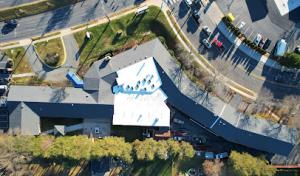
In Bethesda, roof claims usually follow standard Maryland weather-damage procedures, but outcomes often depend on detailed photo evidence and contractor documentation after regional storm events. When a claim is needed, take clear photos of all affected areas from multiple angles, ideally within 24 hours after a storm. Keep a dated record of visible leaks, bulges, or displaced shingles, and collect any contractor notes that link damage to the storm without ambiguity.
Because local damage is frequently caused by rain, wind, and tree-related impacts rather than a single catastrophic event, homeowners need documentation that ties visible damage to a specific storm timeline. Retain weather reports for the days surrounding the loss and have your contractor annotate each photo with the approximate time, wind gusts, and hail size if observed. This helps adjusters connect the damage to concrete weather events rather than vague conditions.
Settlement timing can shift when broader Mid-Atlantic storm activity increases adjuster volume across Montgomery County and nearby Washington suburbs. If a major system hits during the typical busy periods, expect some lag in response times. Prepare to provide follow-up photos after every significant event in the spring, fall leaf season, or winter thaw cycle, so the claim can be updated with fresh evidence as needed.
When arranging roof work tied to a claim, ensure the contractor performs a thorough assessment and documents pre-existing conditions and new damage with dated notes and photos. Ask for a written scope that specifies affected areas, moisture intrusion, and any temporary protections installed to prevent further leaks. These details help the insurer assess scope and prevent disputes over what was or wasn't damaged by a given rain event.
During wet springs, prioritize rapid tarping or temporary sealing of active leaks to minimize interior damage, then schedule a full inspection once weather allows. In leaf-heavy falls, capture how leaf accumulation may have contributed to water intrusion and gutter blockages. In freeze-thaw winters, document any ice dam-related damage and ensure contractors report thermal movement and shingle-backed flashing integrity for accurate coverage decisions.
Connect with contractors who help homeowners navigate the claims process from damage assessment to final approval.
United Developers
(240) 880-2108 www.udroofing.com
4915 St Elmo Ave Ste 403, Bethesda, Maryland
5.0 from 131 reviews
Quality Innovation
(240) 523-4269 www.qualityinnovation.pro
6701 Democracy Blvd #300, Bethesda, Maryland
5.0 from 64 reviews
Bethesda homeowners are hiring heavily in the re-roofing market, so experience with occupied residential replacements and cleanup is more relevant than new-construction specialization. When a crew has worked on neighborhoods where landscaping, driveways, and outdoor furniture must stay undisturbed, leaks and debris interruptions are less likely to become protracted headaches. Look for teams that can outline a staged plan: securing windows and plants, protecting interior from dust, and maintaining access for daily living. A contractor who treats your property like a neighbor's home-protecting mature trees, coordinating with nearby homes, and cleaning thoroughly each day-reduces the risk of weekend surprises.
Quick response matters locally because storm leaks and permit timing can compress decision windows, especially during wet spring periods and after regional weather events. When a big rainstorm hits, a contractor's ability to inspect promptly, stage tarps, and begin interior protection is not just convenient-it can prevent costly secondary damage inside ceilings and walls. Seek a crew that commits to timely assessment calls, transparent scheduling, and clear communication about what is happening on site. In practice, that means you should be able to reach someone who knows your block and can prioritize your job when your area is weathered by back-to-back systems.
For older and higher-finish homes, prioritize crews that routinely handle flashing complexity, debris protection, and neighborhood-sensitive cleanup. Complex flashing around chimneys, dormers, and tiered parapets requires precise workmanship to avoid future leaks. Debris protection matters more in leaf-heavy zones, where gutters clog quickly and residual dust can travel, muddying siding and brick. Finishing touches, like respectful cleanup near neighboring yards and meticulous debris containment, matter as much as the roof itself. Choosing the right team now reduces the risk of disruptive calls after the project wraps.
Get a clear picture of your project costs upfront - no commitment required.
Quality Innovation
(240) 523-4269 www.qualityinnovation.pro
6701 Democracy Blvd #300, Bethesda, Maryland
5.0 from 64 reviews