Last updated: Apr 19, 2026
Your roof endures Michigan winters that swing from freezing to thawing again and again. When temperatures bounce above and below freezing, shingle seals can crack open, allowing tiny leaks to widen with each cycle. In Southfield, that means the same roof experiences stress in both directions: winter moisture intrudes, then summer heat ages the same system. The result is a roof that looks fine at a glance but hides wear that can turn into real problems once a storm hits or a heavy melt refreezes on the edge of your eaves. This isn't hypothetical-you're dealing with a climate pattern that repeatedly tests fasteners, seals, and the durability of underlayment.
Ice damming is a practical concern here because attic ventilation is carefully scrutinized during local roof inspections. If attic air isn't flowing properly, warm indoor air can melt snow near the eave while the edge of the roof stays frozen, causing refreezing that builds up a dam. That dam holds water against the shingles and underlayment, eventually finding its way into soffits, walls, or ceiling leaks. In practical terms, a weak ventilation plan means the same winter moisture you're fighting with seals and flashing will linger longer, accelerating deterioration and complicating any needed replacement. The tight link between winter performance and replacement scope is real in the field.
The hot summers you endure after a brutal winter add aging stress to the same roof system. Shingles expand and contract with temperature swings, fasteners flex, and flashing sits under constant pressure from shifting sheathing and weather exposure. This dual-cycle wear compounds small defects into noticeable leaks or wind-driven damage during storm season. The risk isn't isolated to any one corner of the house; you're watching components crack, lift, or fail in a cycle that runs year to year, especially on roofs with mid-century subdivisions, apartments, or commercial corridors where rooflines and intersections create multiple stress points.
Because Southfield's inspections emphasize ventilation and flashing, your best protection is proactive, not reactive. Start with a targeted attic check: verify soffit vents are clear, eave returns are properly ventilated, and insulation isn't blocking airflow. From the exterior, look for cupping, curling, or missing granules on shingles, plus any gaps where flashing meets the chimney or vent stacks. Pay attention to areas around dormers, valleys, and transitions where water would travel during a melt or a thaw. Addressing these zones now reduces the likelihood of leaks when a storm hits.
If you notice any damp spots near the ceiling after a thaw, or see ice buildup along gutters and shingles during a warming trend, treat it as a warning sign. Scrutinize attic temperatures on milder days-uniform warmth across the attic is a red flag for poor ventilation that could translate into ice damming. If you're planning a replacement soon, ensure the scope explicitly includes improved ventilation strategy and properly sealed flashing transitions. A roof that's conditioned to breathe and sealed at critical joints is far less vulnerable to the uniqueSouthfield cycle of freeze-thaw and heat aging.
You're operating in a Michigan insurance environment where wind and hail roof claims are common, and adjusters routinely ask for prior photos and detailed project documentation. After a storm, the window to secure accurate assessments is narrow: delays can complicate claims, trigger disputes over damage scope, and push you into later project cycles when contractors are strained. In practice, rapid, organized documentation beats waiting for the dust to settle. Gather before-and-after images, notes on attic moisture, and any signs of shingle lift or flashing distress. Clear, dated photos can become your strongest ally in negotiating coverage and ensuring the right work gets funded.
Spring hail events arrive with geometric certainty, and those storms don't wait for a convenient moment to show up at your peak readiness. The timing bite is real: after a hail event, contractor demand surges quickly, and prices can spike as the market scrambles to meet need. If a storm hits, activate your post-storm inspection plan within 48 to 72 hours while debris, granules, and dented panels are still fresh in memory. Early, careful inspection helps you separate obvious damage from wear-and-tear and positions you to file a precise, supportable claim before the wave of similar requests swamps the market.
In practice, you'll want to log the sequence of events that follow a hail or high-wind incident. Take wide exterior shots of the roof and close-ups of any bruising, missing granules, or roof-line flashing issues. Note vulnerable areas such as valleys, edges, and seam intersections where wind-driven ice can drive damage under shingles or through underlayment. Keep receipts and contractor estimates organized, with timestamps and visible weather data for the days immediately after the storm. This level of detail helps adjusters reconcile observed damage with policy language and accelerates claim resolution before premium volatility affects contractor availability.
Because premium volatility often follows major hail events, you should plan for a rapid evaluation cadence once a storm passes. Establish a go-to contractor team you trust for quick, honest assessments, not for price hunting after the fact. When you detect damage, pursue documentation and permit-ready work promptly, coordinating inspection timing with your insurer's claims process. The goal is to avoid back-end disputes and ensure that isolated repairs don't become unnecessary full-replacements because documentation didn't keep pace with the storm's impact.
Find local contractors experienced in assessing and restoring roofs after hail, wind, and severe weather events.
Capital Roofing Guys
(248) 368-0116 capitalroofingguys.com
21624 Melrose Ave #3, Southfield, Michigan
4.9 from 18 reviews
Billy's Roofing
(734) 421-9100 www.billysroofing.com
Serving
4.9 from 198 reviews
Billy’s Roofing | Livonia & Plymouth, MI Family-owned. Locally trusted. 37+ years strong. At Billy’s Roofing, we’re not just roofers — we’re real, hardworking people who care about doing things right. We’ve been serving the Livonia and Plymouth areas for over three decades with quality craftsmanship, honest service, and a team that truly feels like family. Our crews are experienced, detailed, and dependable. Our sales team is friendly, knowledgeable, and always here to help — no pressure, just real advice. We take pride in delivering high-quality work and a great customer experience from start to finish. Come see why people love working with Billy’s Roofing. Real people. Really good roofs.
Crown Contracting
(734) 427-3981 www.crowncontracting1952.com
Serving
4.6 from 56 reviews
We are a leading source for quality exterior home renovation and new construction projects. Specializing in roofing and chimney services, we have nearly 66 years of experience in the industry. Our company has built a stellar reputation on providing:
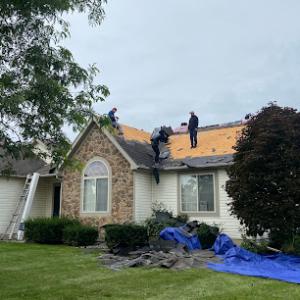
EverNew Roofing
(248) 218-9009 evernewroofing.com
Serving
5.0 from 27 reviews
EverNew Roofing keeps Metro Detroit homes safe, dry, and looking sharp with expert roof replacement, rejuvenation, and repair. As a licensed & insured division of Bloomfield Home Improvement (MI Builder License #262400526), we pair 25-plus years of craftsmanship with modern materials that stand up to Michigan’s weather. Whether you need a full tear-off, a budget-friendly refresh to extend shingle life, or a fast leak fix, our team delivers transparent quotes, clear communication, and workmanship warranties that give lasting peace of mind. Schedule a free roof assessment today and discover why homeowners across Oakland, Macomb, and Wayne Counties trust EverNew to protect their biggest investment.
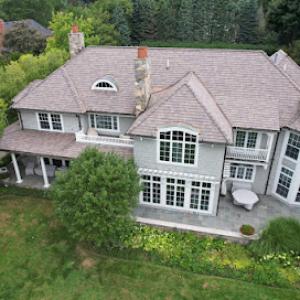
McGlinch & Sons
(248) 987-6300 www.mcglinchsons.com
Serving
4.7 from 368 reviews
About McGlinch & Sons McGlinch & Sons is a family owned and operated company established in 1917. Our high quality of workmanship has been handed down for four generations. Over 100 years of knowledge and experience produce not only the best quality work but also a total dedication to professionalism which is applied to every job. Since we take pride in our work and our family business ethics, we consistently train our crews to ensure your project requests are personally met. Moreover, we always think of customer’s needs first and provide what is the best for your home project. Therefore, you can rely on McGlinch & Sons for home improvement excellence. We value and appreciate your loyalty and support.
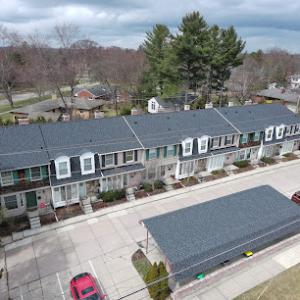
Tresnak Roofing
(248) 435-4848 www.tresnakconstruction.com
Serving
4.8 from 260 reviews
Tresnak Roofing is a family owned, women led Royal Oak Roofing business. We have been a trusted roofing contractor serving the Detroit , Troy MI, Farmington Hills MI, and Warren MI areas for over 38 years. We specialize in roof replacements using SBS shingles and offer financing options to help make your project more affordable. We back our projects with up to a 25 year labor warranty. Our services also include vinyl siding replacement, gutter guard installation, or new seamless aluminum gutters. Contact us today for a free no-pressure estimate in person or via email. See why homeowners say we are one of the best roofers in metro Detroit!
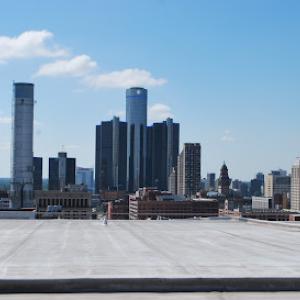
Bruttell Roofing
(248) 543-3040 bruttellroofing.com
Serving
4.7 from 236 reviews
Bruttell Roofing has been servicing Metro Detroit for over 40 years. We are proud to be the preferred roofer of property managers, facility managers, building owners, churches, and community associations throughout the Metro Detroit area and across the state. We have always taken pride in the fact that we are a company capable of servicing the largest roofs in the state, yet small enough to give you the personal service you deserve. You can be reassured that we stand by our workmanship. Your stress and roof concerns end when you hire Bruttell Roofing.
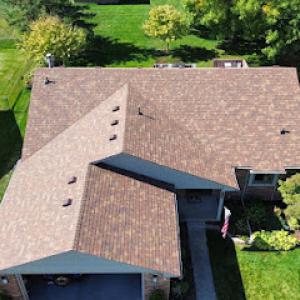
Tittle Brothers Construction
(248) 639-7268 tittlebrothers.com
Serving
5.0 from 31 reviews
Roofing Contractor In Berkley, MI
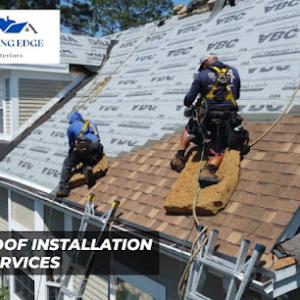
Cutting Edge Exteriors
(844) 288-3343 cuttingedgerestorations.com
Serving
4.4 from 51 reviews
Cutting Edge Restorations delivers professional exterior restoration and roofing services throughout Milford, MI, and the surrounding 25-mile area. With over 30 years of industry experience, we take pride in offering high-quality craftsmanship in everything from roofing and siding to gutter installation, window replacements, and exterior painting. We also specialize in pressure washing and soft washing services to maintain the curb appeal of your home or business. Whether you're facing storm damage or planning an upgrade, our experienced team is committed to restoring and protecting your property with honesty, integrity, and attention to detail.
J.R.S.P. Inc Mobile Home Repair Company
Serving
4.9 from 17 reviews
Cold Floors or Areas of your Home? Foul smell, missing skirting, and or noises in your crawlspace? You more than likely have a critter, who’s made your crawlspace/ attic their new home. And believe it or not, the damages done are covered under most home owners insurance policies. With years of experience, let us help you make the process as easy as possible, with the least amount out of pocket. Call today for your free/annual inspection. JRSP Mobile Home Repair in Michigan is a specialist for manufactured home repairs & remodeling, and we service all of Michigan. With decades of experience, you can have peace of mind that we offer quality craftsmanship, personal service, and a full suite of mobile home repair and remodeling services

Homey Roofing
Serving
5.0 from 82 reviews
Homey Roofing is on a mission to serve the communities residential and commercial roofing needs. Our goal is to provide you with the best quality service. All while adhering to our company values of dedication to the customer, integrity in all workmanship, and honesty in all estimates. We aim to be your number one contractor in the Detroit Metropolitan area.
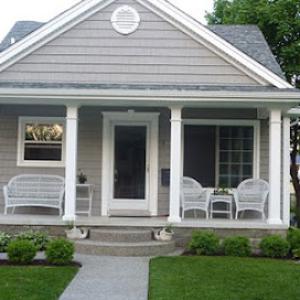
Murray Built Construction
(248) 541-4600 www.murraybuilt.com
Serving
4.5 from 20 reviews
Murray Built Construction is a renowned Berkley roofing provider catering to residential clients. We offer professional roof installation, efficient repair and maintenance, reliable siding replacement, and high-quality general construction work. Our contractors use only quality materials and advanced techniques to deliver durable and aesthetically pleasing results. Our qualified team brings a wealth of experience and expertise to every project, ensuring it is completed on time and within budget. But it's not just our skills that set us apart. We take pride in our open and honest communication, providing straightforward and transparent quotes without hidden fees.

Sargent Roofing
(800) 465-7460 www.sargentservices.net
Serving
4.9 from 37 reviews
Welcome to Sargent Roofing, your trusted experts in roof replacement, siding replacement, and gutter services across Southeast Michigan. We specialize in gutter cleaning and gutter guard installation, backed by our 25-Year No Clog Guarantee when you purchase our premium gutter guards—so you’ll never clean your gutters again! We also offer a 25-Year No Leak Guarantee for roofing, ensuring long-lasting protection for your home. We proudly serve Royal Oak, Ferndale, Birmingham, Southfield, Clawson, Troy, Bloomfield, and all of Southeast Michigan. At Sargent Roofing, we’re committed to delivering clear communication, exceptional service, and unmatched integrity in every project.
Southfield's roofing scene spans from economical asphalt shingles to premium slate and tile, creating a wider local pricing spread than markets dominated by a single roof type. For typical installations, asphalt shingles run roughly from 350 to 700 USD per square, depending on the quality tier and local labor rates. Metal roofing sits higher, often 700 to 1,200 USD per square, reflecting its longevity and the labor involved in metal work. Clay tiles bring 900 to 1,800 USD per square, while concrete tiles land around 800 to 1,700 USD per square. Wood shingles or shakes generally run 500 to 900 USD per square, and slate sits at the top end, about 1,200 to 2,500 USD per square. The local mix-from affordable asphalt to high-end slate or tile-drives a broader spread than areas dominated by one material.
Freeze-thaw cycles and hail are common stressors in this market, and they tend to push both replacement timelines and material choices. During severe winters or after a damaging storm, you may see a higher per-square price as crews address multiple roofs simultaneously and material lead times stretch. That effect is felt most acutely in the spring and early summer, when demand climbs and crews schedule becomes tighter. If a roof is replaced with premium materials like slate or fine clay tile, the cost difference can be substantial, but those materials also offer longer-term resilience against Michigan freeze-thaw patterns.
Ventilation corrections and flashing upgrades can materially affect replacement pricing because those items are specifically reviewed during inspection. If the attic ventilation is inadequate or if flashing around chimneys, dormers, or skylights needs upgrading, expect additional cost. In Southfield, where proper ventilation and flashing play a key role in preventing ice damming and water intrusion, budgeting for these upgrades is prudent. The impact on total cost can be modest with minor adjustments, but larger flashing or ventilation projects can swing the square-foot price, especially when premium shingles or tiles are chosen.
Costs can rise during peak storm and replacement seasons when scheduling for inspections and inspections-related tasks slows down. In practice, this means temporary price bumps or longer lead times for certain material orders and crew availability. If timing aligns with a severe weather event or a high-volume replacement window, plan for a tighter schedule and potential higher labor charges. The best approach is to align material choice with the long-term performance you need, while building in a cushion for seasonal fluctuations so the project remains on track despite the Southfield weather cycle.
A full roof replacement requires a building permit from the City of Southfield Building Department. Even if you're updating materials or replacing like-for-like, the permit pathway is the standard route for new roofing work. The city's process emphasizes proper installation details that affect performance through freeze-thaw cycles and winter storms, so starting with the permit helps align the project with local expectations and inspections.
When you or your contractor pull a permit, expect to provide a clear picture of the job. The application generally requires the contractor's license information, the project address, and a defined scope of work. Having precise scope language-types of materials, number of squares, venting changes, flashing details, and any attic insulation adjustments-helps avoid delays when the plan is reviewed. For homeowners coordinating directly, it's practical to request a concise written scope from the contractor to attach to the permit documents.
In Southfield, inspections commonly hinge on the ventilation and flashing layout, closely tied to code compliance for energy efficiency and watertight performance. Before permitting, confirm that the planned venting configuration accounts for attic moisture control and proper exhaust routing. Discuss flashing transitions around chimneys, dormers, and abutments with the contractor, since these details are frequent points of attention during inspections. If work overlaps with peak roofing season, expect inspection scheduling to stretch, so align start dates with the city's inspection windows and avoid material deliveries that arrive after inspectors are booked.
Inspections occur after the roof is installed. A typical inspection reviews venting adequacy, flashing integrity, and overall conformance to code requirements. Inspectors verify that roof penetrations are sealed correctly and that ventilation meets the needs of the attic space, which is especially important in a climate with freeze-thaw pressure and potential ice damming. If adjustments are needed, the contractor will address them on-site to bring the project into compliance before the permit is closed.
Coordinate with the Building Department early, and maintain clear communication with the contractor about inspection readiness. If a delay occurs, the city may request corrections or re-inspection, so keeping a detailed record of venting and flashing plans, as-built changes, and material specs helps streamline the process. In practice, timing considerations around storms and temperature swings influence both the permit approval pace and the post-install verification.
Get a clear picture of your project costs upfront - no commitment required.
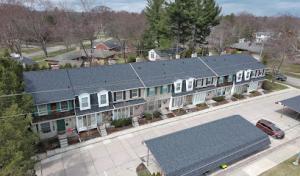
Asphalt shingles remain the most practical fit for many homes in this market because they align with the dominant residential reroofing activity and the broad local contractor availability. In a climate with freeze-thaw cycles, asphalt shingle systems can handle the frequent ice damming and wind-driven impacts that define a typical Michigan winter. Look for laminated "architectural" shingles that offer better surface durability and a higher weight to resist pitting from hail. The choice of underlayment and proper attic ventilation will influence how well the shingles perform during long freeze-thaw seasons, especially during rapid warming and cooling in late winter. If you own a mid-century subdivision home or a straightforward rooftop geometry found along commercial corridors, expect the installation to be straightforward and the service network to be immediate.
Metal roofing has a smaller but active specialist presence in this market, making installer selection more important than in asphalt-heavy projects. When considering metal, you're choosing a system that handles rapid freeze-thaw transitions with minimal insulation trouble and excellent long-term durability. But the benefit hinges on precise flashing details, proper valley and hip coverage, and careful integration with existing vent stacks and gutters. The local context means you'll want a metal crew that regularly works on high-walI heights and has experience tying metal seams into traditional rooflines without creating cold-bridge issues at eaves. If the home has a low slope or complex angles, or if you anticipate heavy ice buildup from adjacent structures, a well-installed metal roof can outperform shingles for several decades. Ensure the installer protects surrounding trims and finishes, since Michigan winters can test fasteners and sealants.
Tile, slate, and wood systems exist in this market, but they require attention to freeze-thaw durability, flashing details, and contractor familiarity because they are less commonly represented locally. Clay and concrete tiles offer excellent longevity when the roof deck and substrate are prepared for significant weight and thermal movement. In a climate where ice dams form along eave edges, proper underlayment and robust water-shedding details at parapets and chimneys are essential. Slate and wood shingles deliver distinctive curb appeal, yet they demand a careful assessment of temperature-related expansion and contraction, plus more rigorous maintenance schedules to prevent moisture infiltration in the joints. For any of these options, rely on a contractor with a track record in Southfield's mixed residential and commercial fabrics, and insist on a detailed flashing plan that accounts for your home's unique penetrations and eave lines.
Southfield's mixed stock - from apartment buildings to commercial properties and newer additions - means low-slope roofing is a core part of the local scene. Drainage, membrane detailing, and edge flashing are not afterthoughts on a flat roof; they drive performance across cold winters and thaw cycles. Expect a broader range of roof deck types and parapet conditions than in single-family neighborhoods, which shapes maintenance, repair, and replacement choices.
Freeze-thaw cycles and hail activity are the big two here. Ice dams can back up under edges and flashings, especially where parapets or exhausts meet the membrane. Membrane seams and mechanical fasteners can loosen over time with temperature swings, so inspect flashings around penetrations, skylights, and curbs at least twice a year-often during the spring and late fall. Drainage systems demand clear pathways: clogged scuppers, clogged interior drains, and misaligned slopes invite standing water that accelerates membrane wear. In multiunit and commercial contexts, ponding becomes a signal for professional assessment rather than a DIY fix.
Flat-roof maintenance in this market benefits from a proactive plan: routine inspections after harsh winters, targeted cleaning of debris from drains and scuppers, and prompt attention to any blisters or membrane granule loss. Consider a mid-life inspection of ballast or edge restraints if a ballast system is present, and verify that roof insulation remains adequately protected to sustain performance through freeze-thaw cycles. Because Southfield has an active local specialty in flat-roof work, finding a contractor with membrane experience on multi-story or attached structures will yield the most durable fixes.
Roof coating is a practical option for aging low-slope systems that still have sound substrate. A coating project can extend life without a full tear-off, which matters for apartment buildings and additions where downtime and business disruption are a concern. When choosing a coating, prioritize UV stability, elasticity, and compatibility with the existing membrane core. A careful evaluation will determine if restoration is suitable or if a membrane replacement is warranted to properly address flashing and drainage details.
Start with a comprehensive prior-condition assessment focused on seams, penetrations, and drainage. Map drainage paths and verify that scuppers and interior drains are clear. If signs of damage exceed cosmetic issues, engage a flat-roof specialist who can eyeball whether restoration coating or re-membraning is the right path, then align the plan with the building's aging profile and load requirements.
Find specialists in TPO, EPDM, and built-up flat roofing systems for residential and commercial properties.
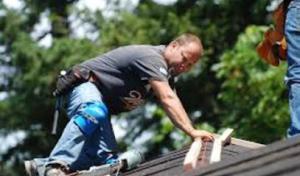
In Southfield's claim environment, homeowners benefit from keeping dated roof photos, contractor scopes, and installation records because adjusters commonly request them. You should start a simple archive early-store digital copies of yearly inspections, photo timelines after major weather events, and any patching notes from a trusted contractor. Clear, accessible records help you tell the story of how a roof has aged and whether a specific event caused new damage or simply accelerated existing wear.
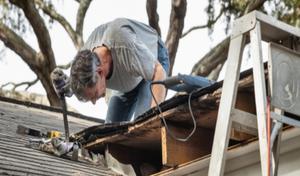
Detail matters after a storm: capture the whole roof, edges, flashing, and any gutters or downspouts that show impact or leakage signs. Take pictures from multiple angles during good daylight, and note the date. After freeze-thaw cycles, document any hairline cracks, lifted shingles, or granule loss. When hail or strong winds strike, focus on new dents, punctures, or displaced flashing. In practice, timely images cut down interpretation time for claim reviewers and reduce back-and-forth questions.
Michigan coverage availability is generally steady, but the Southfield-area homeowners can still see premium pressure after weather-driven claim periods. Build a simple file system that pairs dated photos with a short repair log. If a contractor recommends a scope change, file that document next to the original installation notes. This continuity helps distinguish preexisting wear from sudden storm damage during a claim review, which can influence how an insurer assesses responsibility and repairs.
Designate a yearly photo session after winter and again after late summer storms. Keep scans of old permits or warranties tied to each roof era, if available. When a claim review happens, present a concise, organized package: recent photos, the current scope, and the installation history. In practice, this approach minimizes ambiguity and supports a fair, timely resolution that respects both the house and insurer expectations.
Skylight work is a meaningful specialty in Southfield, making leak-prone roof penetrations a real local service category rather than an edge case. In older homes with mixed roof lines, skylights sit at a tricky junction where flashing can falter after freeze-thaw cycles. When planning replacement or resealing, prioritize multi-point flashing that ties into the surrounding shingles and eaves with a continuous seal. Choose skylight models rated for Michigan winters, with insulated glazing and a tight curb install to reduce condensation and ice buildup along the frame. Have interior rain checks ready after heavy snow events, since interior leaks often first reveal themselves as damp patches near the skylight shaft. If a damaged seal is suspected, avoid delaying resealing; even small gaps become consistent ice dam starters during the February thaw.
Chimney-related roofing work is common in this market, which fits Southfield's older housing stock where flashing intersections often become recurring leak points. The chimney crown, step flashing, and cricket presence deserve careful attention, especially where metal flashings meet masonry. In practice, expect recurring maintenance around flue penetrations, vent stacks, and where shingles meet brick corners. A practical approach is to inspect the chimney line after major storms and before spring thaws, looking for loose mortar, cracked flashing, or rusting boot clips. When flashing is refreshed, ensure a solid seal against wind-driven rain and snow, and verify that the chimney cap is intact to reduce water entry during ice dam formation. Do not overlook the attic side of the chimney chase; poorly insulated or vented chases can transfer heat into the roof line, accelerating melt-water backflow into the decking.
Attic insulation and ventilation show up in the local contractor mix and also matter in Southfield inspections, linking energy performance to roof longevity and ice dam prevention. In practice, verify that soffit intake and ridge or turbine ventilation are balanced to maintain a cold roof deck during freeze-thaw cycles. A well-ventilated attic reduces condensation under skylights and along chimney penetrations, which helps keep flashing dry and long-lasting. When a contractor evaluates a roof, expect the assessment to include insulation depth, vapor barriers, and potential cold-bridging at attic access points. If a roof is aging, prioritize addressing ventilation as part of any skylight or chimney retrofit to minimize future icing and leakage risk.
Find contractors experienced in skylight installation, flashing, and leak repairs to bring natural light into your home.