
Last updated: Apr 19, 2026
Livonia roofs are routinely stressed by cold, variable winters followed by freeze-thaw cycling that can shorten roof life and expose weak flashing and ventilation details. When temperatures bounce above and below freezing, water that has seeped into gaps or porous edges freezes and expands, prying apart shingles, underlayment, and sealant beneath flashing. You may not notice the damage right away, but each cycle wears away the protective layers that keep water out. In practice, this means that subtle gaps around chimneys, vents, dormers, and transitions can grow into active leaks after a mid-winter thaw or a sudden warm spell. If your attic is drafty or your soffits are vent-blocked, the combination of poor insulation and limited airflow accelerates the damage, making even a previously sound roof fail sooner than you expect. The result is not just a spot of dampness; it is a corridor for moisture that can compromise decking, insulation, and interior finishes. The remedy is proactive: inspect for loose or corroded flashing where the roof meets vents, tighten or reseal joints, and ensure the roof ventilation path is clear and balanced so that warm, moist air does not accumulate at the cold edge of the roof.
Spring weather in the western Detroit suburbs brings hail, heavy rain, and sharp temperature swings that commonly turn minor shingle or flashing defects into active leaks. After a harsh winter, many homes display hairline cracks, cupping, or curling shingles that survive under normal conditions but buckle when a hail hit or torrential rain tests them. Flashing around chimneys, skylights, and wall intersections can deteriorate during the season as metal expands and contracts with temperature changes, letting water leverage itself under the flashing flange. Active leaks often begin as a slow drip that worsens after a thunderstorm or quick warm-up followed by a cold night. In practical terms, you want to be on alert for leaking ceiling spots after storms, damp attic insulation, and shredded shingles near edges or hips. Actionable steps include a targeted external inspection after major storms to confirm shingle integrity and to look for lifted or missing shingle tabs, lifted flashing, or rusting flashing components. If a leak appears, address it promptly by resealing joints, replacing affected shingles, and re-sealing or upgrading flashing where corrosion or lifting is evident.
Fall wind events in Livonia can accelerate shingle curling and loosen aging flashing before winter snow and ice arrive. When gusts slam across exposed ridges, the wind-prone edges of roofs bear the brunt, and curling shingles create creases that trap moisture. Aging flashing becomes brittle, seams pull apart, and vent boots can shift under pressure, leaving gaps that let water migrate under the roof deck. By late autumn, you may notice increased wind-driven shingle loss along the eaves or ridges, which is a loud warning that winter stress will compound existing weaknesses. The practical response is to perform a thorough fall inspection focusing on shingle alignment, edge seal integrity, and the condition of vent and chimney flashing. Tighten or replace loose flashings, reseal seams, and consider heightened attention to attic ventilation so that moisture can move out efficiently when winter starts roaring.
Asphalt shingles remain the dominant practical choice for Livonia's housing stock, especially on conventional pitched suburban homes. They fit the common rooflines you see across the neighborhood and are designed for straightforward replacement cycles. When evaluating asphalt, look for fiberglass or organic mats with a heavy granule finish to resist Michigan winters. Pay attention to the warranty details and ensure the shingles have good impact resistance for spring storms. This material balances ease of installation, repairability, and the ability to get back to a weather-tight roof quickly after freeze-thaw cycles.
Metal roofing is present in the market, but it stays a smaller specialty compared with asphalt. If an upgrade is on the table, the decision hinges on contractor selection and detailing experience. You will want a crew that recognizes how metal interacts with Detroit-area freeze-thaw patterns, including expansion and contraction at seams, fastener corrosion, and attic ventilation impacts. In Livonia, a thoughtful installation-proper seam detailing, underlayment choice, and accurate nailing patterns-can yield long-term performance, especially for homes with attic venting constraints or unusual roof geometries. Consider metal if you're seeking durability and a different aesthetic, but plan for a contractor who can navigate the specifics of cold-weather behavior and potential ice dam considerations.
Clay tile and slate exist in the market, but they are niche choices in this area. Structural load becomes a critical factor, particularly on older homes or those with limited attic support. These materials require careful engineering to avoid mid-winter cracking, and Snow and ice management in spring can challenge edge detailing. Wood shakes and shingles offer a traditional look, yet they demand meticulous maintenance in freeze-thaw climates to prevent saturation, warping, and rapid deterioration after thaw cycles. Synthetic products provide some weight and installation flexibility, but they still carry the need for precise flashing, ventilation, and seam handling to withstand freeze-thaw stress. When considering these options, you must evaluate each product's performance in winter conditions, ease of repair after a storm, and how well the roof can shed snow and manage ice dams.
Regardless of material choice, Livonia homes benefit from a meticulous, system-wide approach. Full replacements should stress underlayment quality, flashing details at valleys and chimneys, correct nailing patterns, and robust attic ventilation. Ice dam mitigation starts with a well-sealed roof line and a ventilation plan that keeps roof temperatures uniform enough to minimize melted snow refreezing at eaves. If a roof is already aging, consider the compatibility of the chosen material with existing venting and insulation, since improper integration can amplify freeze-thaw wear and spring storm impact. In practice, work with a local contractor who demonstrates a clear, detailed plan for how each layer of the roof assembly cooperates under cold-season stresses.
Ultimately, the choice rests on balancing local climate realities with the typical home structure in the area. Asphalt shingle systems often deliver the most predictable performance and repairability for the common Livonia home, while a properly installed metal option can offer extended life in select cases. If considering anything beyond asphalt, demand a thorough evaluation of structural load, winter performance, and repairability to ensure a durable roof that stands up to ice dams, freeze-thaw cycles, and spring storm damage.
In this market, you'll see price guidance that reflects Livonia's mix of aging ornamentals and suburban layout. Asphalt shingles generally run from 350 to 650 per square, while metal roofing sits between 600 and 1100 per square. Clay tile projects tend to land from 950 to 2400 per square, and wood shingles or shakes typically range from 700 to 1600 per square. Synthetic or composite options fall roughly in the 450 to 900 per square band, with slate the most expensive at 1400 to 3000 per square. These ranges are useful for planning, especially when you're weighing long-term durability against initial expense on a home with older underlayment or flashing.
Spring in Livonia brings a spike in demand for re-roofing and quick leak response, and that pressure shows up in bids. After a harsh winter, contractors often see more failure points around valleys, penetrations, and attic ventilation, which can nudge the quote higher if rapid response or temporary protection is needed. If you're aiming for a fall or spring replacement, you may find more favorable scheduling and slightly steadier pricing, but be prepared for weather-related delays that can affect material availability and crews.
Pricing can shift based on the level of tear-off required and the amount of cleanup on older suburban homes. A full tear-off with disposal costs tends to increase the total compared with a layover, although not all roofs are eligible for a recycle-and-reinstall approach. Ventilation corrections flagged during inspection are another practical driver; if attic soffit intake, ridge venting, or baffles need upgrade to meet the house's current airflow needs, the labor and material counts rise accordingly. Labor intensity is a big factor here: crews may spend more time on steep pitches, complex flashing details, or protein-board repairs around dormers and chimneys that are common on mid-20th-century Livonia builds. Expect crews to account for careful tear-off and thorough cleanup on older homes, where stuck nails and debris require meticulous removal to prevent future leaks.
Mark the project window to align with shoulder-season weather to minimize storm-related price shifts. Gather three bids that itemize underlayment, flashing, nailing pattern, and ventilation work so you can compare apples to apples. If you're balancing upfront cost against long-term performance, factor in how each material choice handles freeze-thaw cycles and spring storm impacts, which is especially relevant in Livonia's climate.
Home Exteriors of Michigan
37505 Schoolcraft Rd, Livonia, Michigan
5.0 from 260 reviews
Since 2014, Home Exteriors of Michigan has been a trusted provider of comprehensive exterior solutions for homes across Southeast Michigan. Specializing in top-quality roofing, siding, and professional gutter services, our skilled contractors are equipped to handle everything from minor repairs to full replacements. We focus on long-lasting value, high-quality craftsmanship, and a stress-free project experience from start to finish. Contact us today for a free estimate!
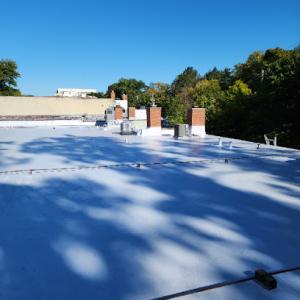
MacDermott Roofing
(734) 422-1990 www.macdermottroofing.com
11770 Belden Ct, Livonia, Michigan
4.9 from 201 reviews
MacDermott Roofing: Southeast Michigan's Commercial Flat Roof Experts. Thanks for stopping by! With 45 years on the job, McDermott Roofing is Southeast Michigan's trusted source for commercial flat roof installation and repair. Talk to us before you replace your roof! Unlike those who rush to replace, we first assess your roof to determine if repairs can effectively extend your roof's lifespan at a fraction of the cost. Why Choose Us? Built in Michigan, for Michigan: Locally manufactured solutions tailored to our environment. Flat roof specialists: Extensive knowledge of all flat roof materials & techniques. Duro-Last Platinum Contractor since 1995: More than 10 million square feet installed!
Billy's Roofing
(734) 421-9100 www.billysroofing.com
27513 Grand River Ave St, Livonia, Michigan
4.9 from 198 reviews
Billy’s Roofing | Livonia & Plymouth, MI Family-owned. Locally trusted. 37+ years strong. At Billy’s Roofing, we’re not just roofers — we’re real, hardworking people who care about doing things right. We’ve been serving the Livonia and Plymouth areas for over three decades with quality craftsmanship, honest service, and a team that truly feels like family. Our crews are experienced, detailed, and dependable. Our sales team is friendly, knowledgeable, and always here to help — no pressure, just real advice. We take pride in delivering high-quality work and a great customer experience from start to finish. Come see why people love working with Billy’s Roofing. Real people. Really good roofs.

Sterling Construction & Roofing
(248) 802-3900 sterlingconst.com
13311 Stark Rd, Livonia, Michigan
4.8 from 343 reviews
Sterling Construction & Roofing has proudly served Southeast Michigan since 2017, providing expert residential and commercial roofing services from repairs and replacements to storm damage restoration. Based in Livonia, MI, our team also specializes in siding, seamless gutters, windows, doors, decks, and carpentry. Known for quality workmanship, fair pricing, and white-glove cleanup, we deliver durable solutions that stand up to Michigan’s harsh weather. Whether you need a new roof in Livonia or flat roofing for a Metro Detroit business, Sterling Construction is your trusted local contractor.

Kearns Brothers
(888) 355-6700 www.kearnsbrothers.com
30999 Industrial Rd, Livonia, Michigan
4.7 from 851 reviews
Since 1986, our business has operated upon our core values of honesty, integrity, value, and dependability. We are continually grateful to serve clients in Southeastern Michigan utilizing the most highly skilled professionals in the trade marketplace. Kearns Brothers is a nationally recognized and awarded premier home improvement company.
J.R.S.P. Inc Mobile Home Repair Company
Livonia, Michigan
4.9 from 17 reviews
Cold Floors or Areas of your Home? Foul smell, missing skirting, and or noises in your crawlspace? You more than likely have a critter, who’s made your crawlspace/ attic their new home. And believe it or not, the damages done are covered under most home owners insurance policies. With years of experience, let us help you make the process as easy as possible, with the least amount out of pocket. Call today for your free/annual inspection. JRSP Mobile Home Repair in Michigan is a specialist for manufactured home repairs & remodeling, and we service all of Michigan. With decades of experience, you can have peace of mind that we offer quality craftsmanship, personal service, and a full suite of mobile home repair and remodeling services
Genesis Construction
(734) 375-6103 www.roofingwithgenesis.com
37663 Schoolcraft Rd, Livonia, Michigan
5.0 from 16 reviews
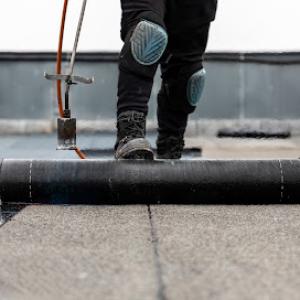
At Genesis Construction, we take a customer-centric approach to everything we do. Serving the Detroit Metro area, our goal is to build long-lasting relationships with our customers by providing exceptional service and quality workmanship. Our expert roofing team has decades of experience and stays up to date on industry trends and cutting-edge techniques to deliver a roof that is built to last. We specialize in commercial and residential roofing, gutter installation and repair, and damage restoration.
Lake Effect Exteriors
(313) 518-4258 www.lakeeffectexteriors.homes
Livonia, Michigan
5.0 from 13 reviews
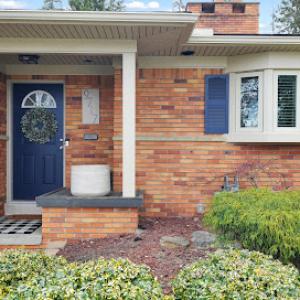
Lake Effect Exteriors is a trusted exterior construction company serving Metro Detroit and Southeast Michigan. Specializing in roofing, siding, and deck construction, we pride ourselves on delivering high-quality craftsmanship and durable solutions designed to withstand Michigan’s toughest weather conditions.
Mighty Dog Roofing of Novi
(248) 985-7186 www.mightydogroofing.com
37705 Pembroke Ave, Livonia, Michigan
4.4 from 66 reviews
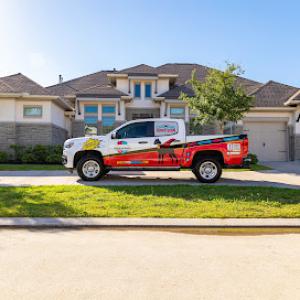
When it comes to your home’s exterior, Mighty Dog Roofing delivers top-of-the-line services matched with the neighborly customer care our clients have come to love. Our team of skilled experts will conduct a free, detailed inspection of your home, treating it as our own. Whether your home needs a simple repair or a full roof replacement, expect to receive the transparent guidance you deserve. Whatever the case, our team will work to meet your safety and budget needs. We take pride in operating with quality materials, hiring skilled roofers, and providing our customers with a high-quality experience. See for yourself; our reviews say it all. Schedule your free, home inspection today!
Shain Roofing & Sheet Metal
(734) 524-0155 www.shainroofing.com
11845 Brookfield St, Livonia, Michigan
5.0 from 10 reviews
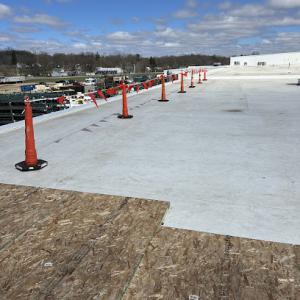
Shain Roofing & Sheet Metal is a trusted roofing company in Livonia, MI, known for generations of family expertise and dedication to quality. Specializing in commercial roofing in Livonia, MI, our team provides reliable solutions for businesses across the Metro Detroit area. From commercial roof installation services to long-term commercial roof maintenance in Livonia, MI, we ensure every project is completed with safety and precision. Our skilled team also handles commercial roof leak repair in Livonia, MI, offering dependable service without cutting corners. As a family-owned company, we take pride in delivering lasting results and upholding a reputation built on accountability and craftsmanship.
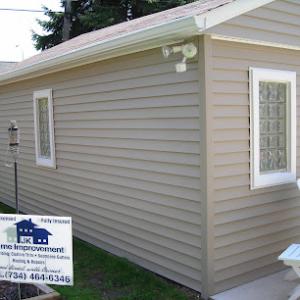
J K Home Improvement
(734) 464-6346 www.jkhomeimprovement.com
9445 Stonehouse Ave, Livonia, Michigan
4.5 from 24 reviews
JK Home Improvement specializes in siding and trim to gutters, roofing, doors, and windows. We're ready to help with all of your home improvement needs. JK Home Improvement, established in 1977, is a family company built by Jeff, Bill, and Andy Kondrath. Over the past 40 years, JK Home Improvement has satisfied thousands of homeowners with quality home improvement. Whether you are looking for vinyl siding, custom trim, roofing, gutters, or replacement windows and doors, JK Home Improvement is a company you can trust.
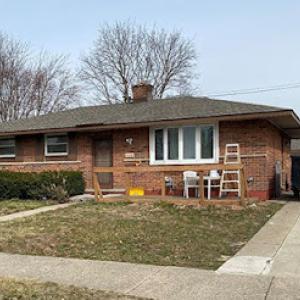
No Leak Home Improvements
(734) 545-2599 www.noleakhomeimprovements.com
36963 Amrhein Rd, Livonia, Michigan
4.2 from 49 reviews
No Leak Home Improvements provides home improvements services in Livonia, MI and the surrounding areas.
In this area, a building permit is typically required for a full roof replacement. The permit is issued through the Livonia Building Department, and the contractor usually handles the application for the homeowner. This process helps ensure that the project meets local code requirements, especially for underlayment, ventilation, flashing, and fastener compatibility. Because Livonia sees pronounced freeze-thaw cycles, the permit review often emphasizes proper installation details that prevent ice dams and moisture intrusion. Start the process early in the planning stage so timing lines up with favorable weather windows and the contractor's schedule.
Inspections are not a one-and-done approval. Livonia inspections are scheduled during and after the work to verify underlayment, nailing, flashing, and ventilation. The goal is to confirm that all critical components are correctly installed and that the roof system can handle the region's spring storm patterns and winter thaw cycles. A typical inspection sequence includes checking the underlayment type and coverage, the alignment and fastening pattern of the shingles or panels, the integrity of step and end flashing at intersections and chimneys, and the presence and effectiveness of roof ventilation. If any step is not up to standard, the inspector will outline corrective work before the project can pass.
Before the work begins, confirm the permit submission includes a clear scope of replacement, material selections, and a temporary protection plan for your landscape and interior wash areas. Coordinate with the contractor to ensure that the first inspection happens once the roof deck is ready for underlayment but before full shingle installation. This helps catch deck or ventilation issues early. After the installation, the final inspection focuses on confirming proper venting, flashing details around penetrations, and adjoined roof sections to prevent water intrusion. Having a reliable schedule and access plan for the inspectors reduces delays, especially during peak storm seasons when the department's calendar fills quickly.
Winter and early spring bring ice dam risk and rapid thaw cycles, so insist on a warrantied, code-compliant underlayment and ventilation strategy as part of the permit package. If weather forces a pause in work, coordinate with the contractor and the Building Department to reschedule inspections promptly. Clear communication about any snow or debris-related access issues helps avoid missed inspection slots and keeps the project moving toward a compliant, long-lasting roof.
Michigan sees routine roofing claims after storms, and Livonia homeowners should expect adjusters to look closely at whether damage came from a recent event or from older wear exposed by freeze-thaw conditions. The combination of harsh winters, wet springs, and rapid temperature swings can create damage that hides under shingles until a storm exposes it. Understand that what appears as new storm damage may be older wear, and the adjuster will separate the two to determine coverage. This careful distinction matters because it shapes what the insurer will pay for and how much you'll need to shoulder yourself.
There is no known statewide pattern of insurer pullbacks in Michigan, so claim success in Livonia depends more on documentation quality and a clear scope of work than on market withdrawal issues. Adjusters expect clear evidence of a recent event, including timing, wind or hail indicators, and accompanying photos. They will also evaluate pre-existing conditions like wear from repeated freeze-thaw cycles. Flashing, underlayment integrity, and ventilation are areas that draw particular attention during full replacements, so emphasis on these details can influence outcome. Being prepared with a precise narrative helps establish whether storm damage is the primary cause.
For Livonia claims, homeowners should keep date-stamped photos, contractor estimates, and records of pre-existing roof condition to help separate storm damage from aging shingles or flashing. Photos should show both wide views of roof sections and close-ups of flashing, ridge lines, and any visible gaps or soft spots. A simple timeline of recent weather events paired with notes on observed leaks or attic condensation can reinforce the claim. Store receipts and correspondence from contractors, and ensure that any temporary repairs are documented with dates and outcomes. This level of organization supports a clear scope of work when the adjuster analyzes the claim.
Relying on memory rather than documented evidence opens the door to disputes. Avoid suggesting that all damage surfaced after the last storm without supporting records. If an inspector notes pre-existing wear, your documentation should show ongoing maintenance, prior repairs, and prior attic or soffit moisture indicators. Be proactive in coordinating a professional assessment that focuses on flashing, underlayment, and ventilation as part of any replacement scope. By presenting a well-documented case, you reduce ambiguity and improve the chances that the claim reflects the true condition of the roof after the winter and spring cycles.
In this climate, skylight penetrations are common leak points because repeated expansion and contraction can break down seals and flashing. Inspect skylight curb flashing from the attic access during a replacement or after a heavy thaw. Look for condensation along the perimeter, sawdust-like debris on the flashing, and any lifting of sealant where the curb meets the roof. When resealing, use a high-quality, pliable sealant rated for roof use and ensure the flashing sits squarely against the curb with no gaps. In Livonia, a failure often shows up first after a late-winter thaw or spring rain, so plan a mid-season inspection focusing on the skylight area.
Chimney intersections are a chronic leak source because mortar joints, flashing, and the kick-out at the edge are repeatedly stressed by wind-driven rain and freeze-thaw cycles. Inspect the base flashing along the chimney and the step flashing at each roof plane. If you notice mortar cracks, spalling bricks, or dark staining on the interior ceiling around the chimney, address promptly. When resealing, use matching flashing and sealed joints, and verify the counterflashing is embedded into the brick or stone and extends well onto the roof deck. Ensure the flashing terminates above the shingle line to prevent water tracking down the chimney.
The inspection emphasis on flashing means these details matter not just for leak prevention but also for passing replacement inspections in Livonia. On full replacements, confirm the underlayment laps correctly behind all flashing, and that nailing through flashing is avoided. At valleys and sidewalls, verify each piece is integrated with continuity and proper sealant at all corners. For skylight curbs and chimney heads, confirm flashing is continuous and sealed with no dry gaps.
Spring rain and winter ice tend to expose workmanship problems first at valleys, sidewalls, chimneys, and skylight curbs rather than across the open field of the roof. Prioritize a targeted inspection of these zones after the thaw period and after any storm events, then plan targeted repairs to these critical penetrations to minimize interior water intrusion.
Find contractors experienced in skylight installation, flashing, and leak repairs to bring natural light into your home.
No Leak Home Improvements
(734) 545-2599 www.noleakhomeimprovements.com
36963 Amrhein Rd, Livonia, Michigan
4.2 from 49 reviews
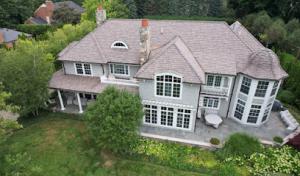
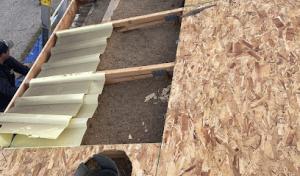
Gabriel’s Roofing Construction
(248) 383-3449 www.gabrielsroofingconstruction.com
Serving
4.9 from 96 reviews
Although pitched asphalt roofs dominate Livonia, the contractor market shows meaningful demand for flat and low-slope work, which often applies to additions, porches, garages, and some commercial properties. Low-slope sections tend to behave differently in snowmelt, spring rain, and freeze-thaw cycles, so drainage can become the limiting factor much sooner than on steep main roofs. In practical terms, expect the garage roof or porch roof to show signs of pooling water, edge ice, or mineral-stedge wear earlier in the season than the neighboring steep roof.
Treat low-slope roof areas as a separate system from the main shingle roof when planning repairs, replacement timing, and inspection questions. Schedule fall checks focused on edge detailing, scuppers, and gutters that feed a garage or addition roof. During spring melt, look for damp insulation, standing water near eaves, and any soft spots at the transitions where low-slope sections meet walls or parapets. A proactive approach-removing debris from gutters and ensuring proper slope across flashing interfaces-helps prevent quick escalation from minor drainage issues to more serious leaks.
Flashing around skylights, vents, and service penetrations on low-slope surfaces is a frequent trouble spot in this climate. The combination of thawing snow, ice buildup, and uniform water cover can push leaks inward where plywood and underlayment meet. Pay special attention to the membrane or felt underlayment at transitions to steep-roof areas, as mismatches here often become the first signs of interior moisture after heavy rainfall or rapid thaw.
When planning a repair or replacement, evaluate the garage or addition roof as its own project with its own inspection schedule. Drainage upgrades-such as improved slope, upgraded membranes, or enhanced edge channels-can extend service life more reliably than piecemeal fixes. Ask contractors about the best practices for low-slope ventilation and for compatible materials that pair well with the main roof system.
Find specialists in TPO, EPDM, and built-up flat roofing systems for residential and commercial properties.
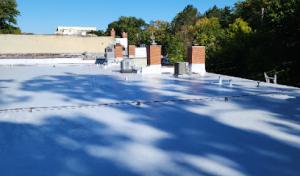
MacDermott Roofing
(734) 422-1990 www.macdermottroofing.com
11770 Belden Ct, Livonia, Michigan
4.9 from 201 reviews

Sterling Construction & Roofing
(248) 802-3900 sterlingconst.com
13311 Stark Rd, Livonia, Michigan
4.8 from 343 reviews
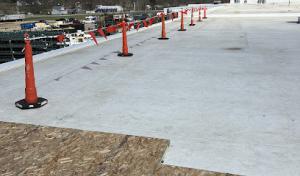
Shain Roofing & Sheet Metal
(734) 524-0155 www.shainroofing.com
11845 Brookfield St, Livonia, Michigan
5.0 from 10 reviews