
Last updated: Apr 19, 2026
Jackson homeowners deal with cold, snowy winters followed by spring thaw cycles that can force water back under shingles at eaves and around flashing. When those repeated freeze-thaw cycles hit, ice dams form along the roof edge, pushing water inward where it can damage underlayment, fascia, and attic insulation. This isn't a distant worry-it's a real threat that can show up during a warm spell after a heavy snow event. If your attic isn't ventilated and your flashing isn't properly sealed, meltwater will seek the path of least resistance, seeping under shingles and into the eaves where you least want it.
The city's roofing season is compressed because major tear-offs and replacements are usually scheduled from late spring through early fall after winter conditions ease. That makes early detection even more critical. Your first focus should be underlayment, flashing, and ventilation-the same components most stressed by snow buildup and thaw-driven leaks. Check that the underlayment has been installed with proper overlap and that any old, degraded material isn't peeking out where it can fail under the weight of ice. Inspect the eaves for blistering or lifting shingles, and pay close attention to any gaps where shingles meet flashing at valleys, chimneys, and skylights. If you see seed crystals from ice dam formation or granular loss along the gutter line, treat it as a warning sign that meltwater has been dampening the roof deck.
Act quickly when you notice ice or compressed snow along the rake edge; remove excess snow with a plastic roof rake from the ground to avoid damaging shingles. Do not strip or chip away ice that's bonded to the roof; that can cause more harm than good. Ensure downspouts and gutters are clear so meltwater can shed away from the home rather than pool at the eave line. If you hear dripping inside after a thaw, don't delay-ice dams are already creating a cross-trajectory for water to re-enter near flashing and trim. Call a local roofer who can assess underlayment integrity, reseal flashing seams, and verify attic ventilation is providing adequate air flow to mid-morrow sun exposure times. In the meantime, keep attic access and any suspected leaks monitored; a temporary tarping may be warranted only if professionals agree it won't trap moisture or worsen the situation.
Plan a targeted, post-winter inspection focusing on the roof edge, flashing around penetrations, and the attic's ventilation pathways. A tight, well-ventilated attic reduces the risk of warm air meeting cold roof surfaces, which slows ice dam formation and minimizes thaw-driven leaks. For homes with older underlayment or flashing transitions, consider immediate reinforcement or replacement during the compressed seasonal window to prevent the repeat pattern of damage each year. This isn't just about short-term fixes-it's about preserving the structural integrity of the roof deck through Jackson's unique freeze-thaw and thaw-driven cycles.
Michigan's mix of wind, hail, and storm events creates a moderate but real roof-claim environment in Jackson, even though it is not a hurricane market. Summer and fall storms can pack sudden force, while winter prep amplifies any existing damage. The combination of freeze-thaw cycles and heavy precipitation means small issues from a spring storm can escalate fast if left untreated. Roofs that have aging shingles, loose edge metal, or compromised flashing are prime targets for wind-driven damage once the season shifts, so stay vigilant as storms roll in.
Fall wind events in Jackson are a known seasonal risk and can loosen edge metal, flashing, and already-aged shingles before winter arrives. If today's gusts tear at the ridge cap or peel back a drip edge, moisture can exploit gaps long before a major snow event. After a windy day, inspect visually from the ground for lifted shingles, torn underlayment hints, or detached metal around the eaves. If you notice loosened pieces, don't delay addressing them-intermittent wind-borne movement compounds risk once snow piles up and ice dams form.
Insurers serving Jackson may ask for roof photos, exposure details, and contractor estimates, and adjusters may inspect roof condition before approving coverage. Gather clear, dated photos showing edges, vent flashings, and any hail hits or granule loss. Photos should include the entire roof from multiple angles and close-ups of vulnerable areas. Be ready to provide a concise exposure profile: roof slope, tree proximity, known prior repairs, and any ice-damming history. When you have estimates from reputable local contractors, those figures help the adjuster gauge risk and determine if repairs or replacement are warranted.
Start with a focused pre-winter audit: check edge metal, flashing joints, valley areas, and around chimneys and vent stacks for gaps or lifted components. Address minor issues with proper materials before a storm hits, and ensure that protrusions are securely fastened. If a substantial wind event occurs, document new damage promptly and contact your insurer with the day's weather details and photos. A proactive, organized claim packet improves clarity for the adjuster and speeds decisions that keep you protected through Jackson's winter months.
Find local contractors experienced in assessing and restoring roofs after hail, wind, and severe weather events.
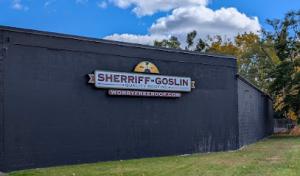
Sherriff Goslin Roofing Jackson
(734) 480-0080 www.sherriffgoslin.com
503 E Biddle St, Jackson, Michigan
4.8 from 71 reviews
J. Wrozek Roofing & Home Improvements
(517) 764-5122 www.wrozekroofing.com
5290 Stony Lake Rd, Jackson, Michigan
4.7 from 91 reviews
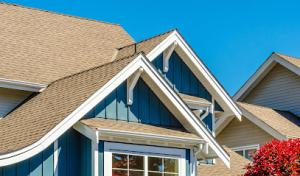
Mullins Roofing
(517) 990-0646 mullinsroofingllc.com
2628 Shirley Dr, Jackson, Michigan
4.6 from 118 reviews
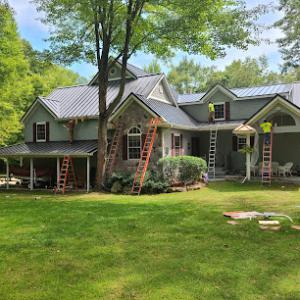
CS Roofing Company / FixRoof
(517) 788-8418 csroofingcompany.com
209 E Washington Ave #340a, Jackson, Michigan
5.0 from 247 reviews
"Do you need a roof inspection or repair in Jackson? Located right on E Washington Ave, CS Roofing Company (FixRoof) is your local specialist for complete exterior solutions. From fixing minor leaks to complete roof tear-offs and replacements, our Jackson team gets the job done right the first time. We also provide expert siding and gutter services to keep your home secure. Licensed, insured, and backed by a satisfaction guarantee—contact us today to get started with a free estimate."
Sherriff Goslin Roofing Jackson
(734) 480-0080 www.sherriffgoslin.com
503 E Biddle St, Jackson, Michigan
4.8 from 71 reviews
Established in 1906, Sherriff Goslin Roofing Ann Arbor has solidified its standing as Ann Arbor’s go-to roofing contractor, providing exceptional residential roofing services and specialized farm and barn roofing solutions. As an Atlas Pro® Diamond Level Contractor, we take pride in our dedicated team of experienced professionals who specialize in residential roof replacement. With a commitment to offering thorough free roof inspections and estimates, their unwavering dedication is evident in their durable, long-lasting roof replacements backed by an industry-leading 10-year free service guarantee. Choose Sherriff Goslin for an unparalleled roofing experience that prioritizes customer satisfaction and ensures your property is at its best.
J. Wrozek Roofing & Home Improvements
(517) 764-5122 www.wrozekroofing.com
5290 Stony Lake Rd, Jackson, Michigan
4.7 from 91 reviews
J. Wrozek Roofing & Home Improvements offers home exterior services to Jackson County, MI and the surrounding areas.
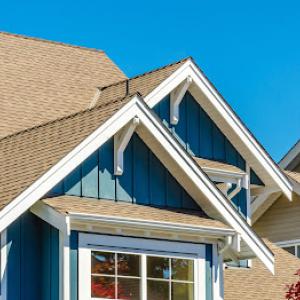
Mullins Roofing
(517) 990-0646 mullinsroofingllc.com
2628 Shirley Dr, Jackson, Michigan
4.6 from 118 reviews
Mullins Roofing has been in business in the Jackson area for 15 years. We are proud to serve our community and to install quality roofs at affordable prices. Over 15 years ago, we started our company with one small truck and only a handful of jobs. Because of our dedication to our customers over the years, our company has grown into one of the biggest roofing companies in Jackson and the surrounding areas. We have grown in a very tangible way because our team is dedicated to making your entire experience as smooth as possible, from beginning to end. We have made a commitment to making sure the quality of our workmanship is at the highest level. Residential Roof Replacement & Installation | Roof Repair | Commercial + Apartment Roofing
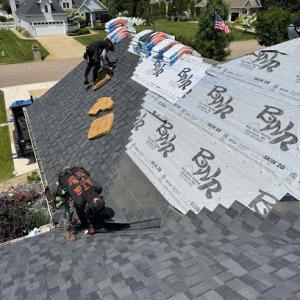
Billy White Roofing
(517) 784-0463 billywhiteroofing.com
1710 E High St, Jackson, Michigan
4.3 from 103 reviews
Billy White Roofing is a trusted roofing contractor serving Jackson and Ann Arbor, MI, and surrounding areas. Family-owned and operated since 1994, we specialize in roofing replacement and residential roofing services. Our team also provides commercial roofing services, metal roofing, shingle roofing, gutter installation & repair, chimney repair & maintenance, and dumpster rentals for projects. With decades of experience, we deliver reliable solutions tailored to your property’s needs. Whether you need a new roof or maintenance, we’re here to help protect your home or business. Call today to schedule your roofing service with Billy White Roofing
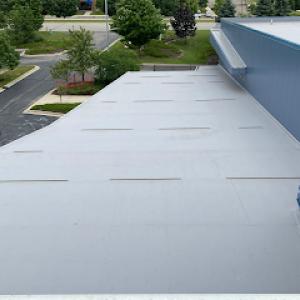
North-Ply Contracting
(517) 768-7254 www.north-plycontracting.com
124 W Louis Glick Hwy, Jackson, Michigan
5.0 from 5 reviews
Commercial and industrial specialty contractor. Building envelope construction, low slope roofing system construction, skylight construction, metal roofing system construction.
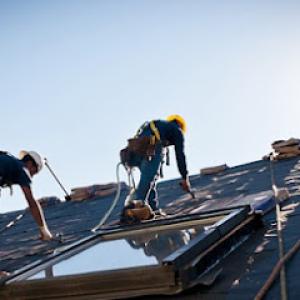
Randy's Roofing & Siding
(734) 829-8278 www.randysroofingandsidingcompany.com
Serving
4.7 from 46 reviews
Randy’s Roofing & Siding is a reputable company serving Grass Lake, MI, and the surrounding areas. With over 25 years of experience, we offer high-quality services to both residential and commercial clients. Our team of expert contractors takes pride in providing exceptional workmanship and outstanding customer service. We specialize in Roofing Siding, Door Installation, Window Services, Gutter Services
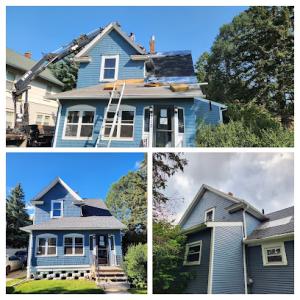
Cornstubble's Roofing
(517) 240-5605 www.cornstubblesroofing2.com
Serving
5.0 from 9 reviews
Cornstubble's has you covered from your BLACKTOP to your ROOFTOP!
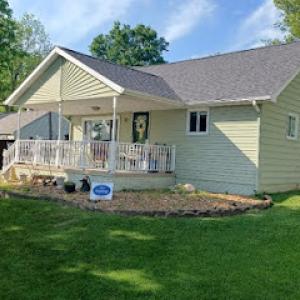
Quality Roofing Tecumseh
(517) 920-9644 qualityroofingtecumseh.com
Serving
4.9 from 111 reviews
We take pride in our mission to provide top-notch products, services, and customer support. Our knowledgeable team is here to help with all your roofing, deck, and siding needs! You can trust our clean, respectful crew as we're licensed, insured, and Owens Corning preferred contractors. Contact us today for a free estimate!!

Eagle Eye Roofing & Construction
Serving
4.8 from 15 reviews
Eagle Eye Roofing & Construction is the premier roofing contractor serving Lansing, MI. We specialize in residential homes. Our services include replace, repair, install and maintain all types of roofs. Call us today at 517-803-2418.
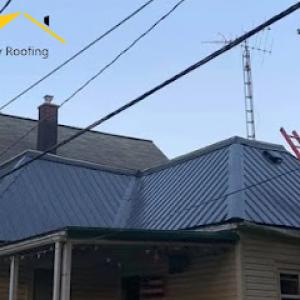
Hamdan Quality Roofing
(517) 448-4440 www.hamdanqualityroof.com
Serving
3.9 from 15 reviews
Hamdan Quality Roofing is your trusted roofing contractor in Hudson, MI, offering top-quality roof, siding, gutter, and window installation services. We specialize in metal roofs, roof repair, and expert siding installations that enhance the beauty and protection of your home. Our team is committed to providing reliable, long-lasting solutions for all your exterior needs. Whether you need a new roof, gutter system, or window installation, Hamdan Quality Roofing delivers exceptional service with a focus on quality and customer satisfaction. Contact us today for a free estimate!
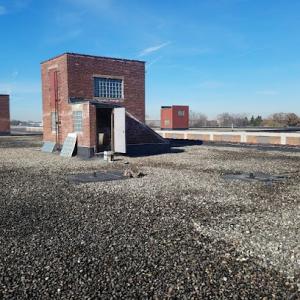
CR Lansing Roofing
Serving
5.0 from 1 review
Welcome to CR Roofing Lansing. We specialize in roofing of all kinds. The work we complete includes commercial, residential, and industrial roofing in many different types of settings. The extensive knowledge we provide in the roofing profession is second to none in the Lansing market. Born and raised in Michigan we are here for the long run and to make sure that you are well taken care now and for years to come…. Call us anytime as we would love to provide you with our top notch roofing services.
From late spring through early fall, the practical replacement window sits in Jackson because winter snow and ice complicate tear-offs, and spring rains can expose underlayment during active jobs. Plan projects to start after the last major freeze in spring and finish before the first heavy autumn rain. In practice, that means coordinating a teardown, deck and attic prep, and flashing work in a stretchered sequence: replace underlayment first where needed, then address venting, then commit to shingles or metal panels. Expect crews to stage sections so that each portion of the roof can be kept dry during spring showers. If you're working with asphalt or metal, emphasize proper ice and water shield in eaves and valleys as a baseline, since freeze-thaw cycles grip those areas hardest. For homes with tall ridges or multiple dormers, break the job into smaller, weather-resistant phases.
Summer heat in Jackson can accelerate aging in asphalt roofs and stress roof deck components, making timing and staging important during replacement planning. Heat drives faster shingle aging and can complicate adhesive-backed underlayment in exposed runs. Schedule the hottest weeks for noncritical interior work or for stages that don't require full lift-off during peak sun. Consider early-morning tear-offs, with interior ventilation checks and ridge vent adjustments finished by midday. If a roof is near completion in July or August, set aside time for a final inspection of sealant lines, flashing at chimneys, and hip-and-valley transitions to ensure everything can withstand cumulative heat exposure through fall.
Homeowners in Jackson often need to book earlier than expected after winter because thaw-related leaks and storm repairs can tighten contractor schedules. As soon as the frost pinches out and ground conditions allow, begin coordinating crews for underlayment and flashing inspections that may have been compromised by snowmelt. Focus on secondary drainage paths-valleys, step-flashes, and skylight penetrations-early in the season to avoid backlog as later spring storms arrive. If a winter storm left ice dams in place, prioritize a thorough ice barrier installation and gutter drainage checks to prevent pyrotechnic-like failure of shingles during the first warm spells.
By early fall, finalize any remaining details and ensure ventilation is balanced with attic insulation. In Jackson's climate, a well-sequenced project that ends before October's unpredictable storms minimizes the risk of winterized delays and weather-driven setbacks. Keep an eye on wind-driven debris, especially after strong late-summer storms, and schedule quick touch-ups for flashing seals and shingle edge protection before the first freeze sets in.
Jackson's housing stock features a mix of asphalt shingles, metal roofing, clay tile, concrete tile, wood shingles or shakes, and synthetic or composite shingles. As a practical baseline for budgeting, asphalt shingles remain the most budget-accessible option at 350 to 550 USD per square. Metal roofing commonly runs 700 to 1100 USD per square, while wood shingles or shakes fall in the 500 to 900 range. Synthetic or composite shingles are typically 600 to 900 per square. Clay tile shifts higher, at 1100 to 1800 per square, and concrete tile sits at 1200 to 1900 per square. In Jackson, the choice often comes down to climate resilience, attic ventilation, and the weight capacity of the existing structure, especially after harsh winters.
Winter ice and heavy snows stress roofs, making the installation approach more consequential. A straightforward re-roof typically costs less than a full tear-off and reinstallation after winter damage, but the difference in price can be amplified by underlayment upgrades, enhanced flashing, and ventilation needs. Clay and concrete tiles, while durable, demand careful handling when stiff winter winds threaten to lift edges; in practice, this can translate to higher labor costs and longer timelines in the shoulder months. Asphalt shingles offer favorable cost-to-performance for Jackson winters, but even there, a robust underlayment system and upgraded attic ventilation can pay for themselves by reducing ice dam risk and improving long-term shingle life. If spring thaw reveals hidden damage from freeze-thaw cycles, material choice may shift toward systems with proven performance against ice dams, such as metal or properly installed synthetic options, which can affect total project cost.
For a homeowner prioritizing budget, asphalt shingles deliver the clearest value, especially on standard roofs with moderate slope and no unusual penetrations. If longevity and metal-fueled low maintenance are the aim, a mid-range metal system often proves economical over the life of the roof when factoring energy savings and fewer maintenance calls during thaws. For distinctive architectural styles or heavier snow load requirements, clay tile or concrete tile deliver performance at a premium; those options require structure-ready framing and careful consideration of roof slope to achieve predictable outcomes in South-Central Michigan's freeze-thaw cycle. Wood shingles or shakes provide a traditional look but demand diligent maintenance to withstand Jackson winters, while synthetic or composite shingles strike a middle ground on weight, resilience, and cost.
In Jackson, a building permit is typically required for a full re-roof. Before lifting the first shingle, you should assemble a clear plan showing the scope of work, the new roof system, attic ventilation strategy, and any changes to flashing or underlayment details. The City of Jackson Building Department issues the permit after project details are submitted and applicable fees are paid. That means your paperwork should include the proposed underlayment type, fastening specifics, and a ventilation approach aligned with local code expectations. Having the plan ready helps avoid delays when the permit desk reviews your notes and coordinates any needed plan review. If an addition or alteration affects eaves, soffits, or skylight flashing, include those adjustments in the submission so inspectors can verify integration with existing systems.
Once the permit is issued, prepare for inspections to be scheduled during and after installation. Inspections are not optional here; they verify underlayment quality, flashing continuity around chimneys and vents, proper ventilation placement, and overall code compliance. Scheduling early conversations with the inspector can clarify expectations about nail patterns, drip edge installation, and how the roof meets attic and vapor barrier requirements in winter conditions. If weather windows compress, ensure temporary protection is in place to prevent ice dam risk and to keep interior spaces dry during the inspection intervals. Keep a detailed log of material deliveries and step-by-step progress so the inspector can follow your sequence from deck installation through final cap and ridge details.
Because winter storms, freeze-thaw cycles, and rapid spring thaws influence performance, the permit and inspection steps are especially important in this area. Underlayment selection and ventilation must align with the local climate, and flashing details around dormers, valleys, and chimney penetrations should be checked for potential ice dam pathways. If the plan relies on a attic venting strategy to reduce condensation during thaw, document the vent count and placement in your permit submission and be prepared to demonstrate compliance during the final check. Between permit approval and final pass, maintain clear access for inspectors to climbs, eaves, and any steep sections, so that each critical interface-underlayment, flashing, and ventilation-receives focused review.
Asphalt shingles are a dominant choice here because they fit the affordability-focused contractor market and cover a broad range of residential re-roof projects. For Jackson homes, this means a straightforward install with compatible underlayment and flashing details that handle the freeze-thaw cycle and the spring thaw. When you're choosing asphalt, look for a shingle with good granule retention and a fiberglass mat that can hold up to heavy wet snows without excessive curl. In practice, prioritize a mid-grade to premium laminated shingle for improved wind resistance and a longer service life in typical Michigan winters. Pair the material with proper attic ventilation and a sound underlayment to minimize ice dam risk and condensation during thaw periods.
Metal roofing has a meaningful local presence and is often considered by homeowners seeking better snow shedding and longer-term durability through Michigan winters. If you expect heavy snow loads or want quicker shedding to reduce ice dam formation, metal can be a smart move. The lighter weight and design options open the door to steeper pitches that help with melt-off, while integrated flashing and venting details reduce leak paths. Metal works well on a wide range of Jackson homes, especially where reroof projects are planned in tandem with improving attic airflow. When choosing metal, evaluate a coating that resists corrosion and offers good color stability for years under winter sun and seasonal storms.
Tile, wood, and synthetic roofs exist in the local material mix, but their higher cost or maintenance profile makes them more specialized choices than standard asphalt re-roofing. Clay or concrete tile can be striking, but weight, installation requirements, and potential for ice-related stress in cold snaps are practical considerations. Wood shingles or shakes bring a classic look but demand ongoing maintenance to resist moisture and decay, especially after long winters and rapid spring thaws. Synthetic options can blend the visual benefits with improved durability, yet still carry a premium. If considering these, plan for careful detailing of skylights, valleys, and edge protection to maintain performance through freeze-thaw cycles.
Jackson sits outside the coastal catastrophe risk zones, but Michigan storms and hail still bite during spring thaws and winter blowouts. When roof damage happens, solid documentation can slow the process and protect you from disputes that delay fixes. If an adjuster visits, they'll look at both the roof and its history, so records you keep now can shape the outcome.
Before you make temporary repairs, note slopes and exterior elevations, then walk the roof with a careful eye for any shingle or flashing damage. Take clear photos from multiple angles, focusing on valleys, transitions, vents, chimneys, and skylights. Document any granule loss, curling shingles, or lifted flashing. Inside the attic, record evidence of leaks, stains, or mold, especially around penetrations or along rafter lines. This visual trail helps the adjuster assess both current damage and underlying wear.
Keep a file of prior repairs, replacement dates, and who did the work. Contractor estimates, photos of completed projects, and warranty details can be decisive if the claim drifts into questions of condition history. If you've done maintenance like resealing flashing or replacing a handful of shingles, note when and with whom. Organized records reduce back-and-forth and support a fair, timely settlement when a claim comes due after a harsh season.
In the Jackson area, leaks around skylights and other roof penetrations are a recurring service need. A strong signaling pattern from local contractors shows that these openings are not niche add-ons, but a meaningful share of callouts during re-roof projects. Plan for skylights to be treated as high-priority penetrations in the planning phase, not as afterthoughts.
The city's winter mix drives reliable strategies. Start with solid underlayment coverage around any skylight or chimney, then install continuous, corrosion-resistant flashing that overlaps the underlayment. Ensure step-flashing around curbs integrates with proper valley and rake details. In Jackson, you'll want flashing that extends well into the anticipated snow line and adapts to freeze-thaw cycles to minimize ice dam risk.
Ventilation is a frequent inspection focus during re-roof planning. When you update the roof, verify that attic venting remains balanced and that the soffit-to-peak flow isn't blocked by new skylight trim or flashing. Poor ventilation compounds moisture issues during spring thaw, especially around penetrations where heat can build under shingles.
Low-slope and flat-roof capabilities exist but are less common; if your home sits near shaded sections or tall neighboring roofs, anticipate more ice build-up around flashings. Use counter-flashing at skylights and ensure a clean, continuous seal along the flashing joints to resist ice movement and water intrusion during thaw cycles.
Jackson contractors report steady demand for skylight work, so use a methodical screening approach: verify experience with risk-prone penetrations, request detailed flashing plans, and insist on a thorough roof-to-attic ventilation check as part of the re-roof scope. For homes with multiple penetrations, consider phased work to align sequencing with winter protection and spring thaw monitoring.
Find contractors experienced in skylight installation, flashing, and leak repairs to bring natural light into your home.
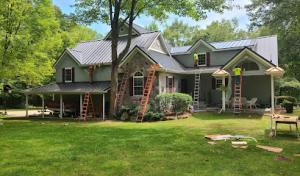
CS Roofing Company / FixRoof
(517) 788-8418 csroofingcompany.com
209 E Washington Ave #340a, Jackson, Michigan
5.0 from 247 reviews
Sherriff Goslin Roofing Jackson
(734) 480-0080 www.sherriffgoslin.com
503 E Biddle St, Jackson, Michigan
4.8 from 71 reviews
J. Wrozek Roofing & Home Improvements
(517) 764-5122 www.wrozekroofing.com
5290 Stony Lake Rd, Jackson, Michigan
4.7 from 91 reviews