
Last updated: Apr 19, 2026
Cold snaps, repeated freeze-thaw cycles, and heavy snowfall create a perfect storm for roof failure here. Ice dams form when meltwater runs toward the cold eaves, refreezes, and backs up under shingles and flashing. In neighborhoods with older homes and tree cover, this danger is amplified by undersized or aging ventilation and underlayment that weren't built to handle backwater from snow. When ice sits at the eave, it can force water up under roof edges, into soffits, and onto attic insulation. That standing water accelerates rot, mold, and interior leaks, often long after the storm has passed. If a thaw arrives while rigs are idle or streets are unsafe for crews, leaks can appear before a contractor can complete full repairs. This is not theoretical-shapes of ice along the eaves and damp attic smells can be early warning signs that demand swift action.
Snow and ice commonly back water up at eaves, which makes underlayment, flashing, and attic ventilation especially important in this city. An effective system relies on continuous, properly placed underlayment that reaches over the edge and extends past the flashing. If the edge flashing isn't sealed to a solid, continuous underlayment plane, meltwater will find gaps and follow gravity into fascia boards or wall cavities. Attic ventilation is not an optional luxury; it's a shield against interior condensation and ice dam development. In homes with limited soffit intake or exhaust vents, warm attic air can melt snow directly above you, creating a cycle of melt-and-freeze that concentrates at the eave line. A properly vented attic reduces the temperature differential that drives dam formation, keeping the roof deck drier during thaw periods. When the system is out of balance, even a roof that appears sound can fail from the inside out as moisture digests wooden components and insulation.
Winter conditions can delay active roofing work, so many homeowners discover leaks during thaw periods before full replacement season begins. If you notice damp spots on ceilings after a warm spell, don't assume a simple repair will fix it. Ice dam risk means you should act quickly to remove overhanging snow you can access safely and to clear blocked gutters without harming shingles. Do not chisel ice near fascia or vent pipes; instead, use a safe ladder position and plastic ice melt near the eaves to create small channels for water to run. Schedule a careful inspection that focuses on three areas: attic ventilation balance, proper edge flashing installation, and the integrity of the underlayment where the deck meets the eaves. A professional evaluation should confirm if flashing has any gaps, if the underlayment is torn or exposed, and whether insulation is adequately thick and vented. Until a full repair or replacement can be scheduled, keep interior areas dry and monitor any new stains or puddling after melt events. The goal is to prevent a minor drip from becoming a major roof failure during the next thaw.
Michigan's seasonal hail and strong wind events can slam roofs in Washtenaw County with sudden, visible damage. In Ann Arbor, the mix of older, tree-lined neighborhoods and newer developments means thousands of homes confront shingle tearing, embedded hail hits, and gutter and flashing displacement in the same winter storm cycle. When a hailstorm or gust pushes through, your roof can fail quickly if ice buildup follows, and that combination creates a pressing claim window. Pay attention to loose shingles, lifted flashing, dented vents, and any signs of water entry inside the attic or ceilings. Acting fast reduces further damage and strengthens your claim position.
Insurance providers serving this market often require thorough photo documentation, contractor estimates, and post-installation inspection records after a storm loss. Start with clear, dated photos from multiple angles: before any temporary repairs, after the initial fix, and showing the interior where water intrusion is suspected. Capture attic signs of moisture, mold, or condensation, and note the date of the storm event. Obtain written estimates from a licensed local roofer who understands Washtenaw County's typical roof assemblies-shingle, metal, or some form of tile-and how they behave under freeze-thaw cycles. Keep copies of any inspection or service reports, and be ready to share them promptly with the adjuster.
Annoying long winters can mask gradual wear that resembles storm damage, so insurers will look for evidence of sudden impact, uplift, or rapid edge deterioration versus months of exposure. Look for new impact marks on shingles, granule loss concentrated after a specific storm, or flashing that shows crisp, jagged edges rather than uniform wear. If a claim involves both a recent storm and older, weather-related wear, document the date of the storm and separate it from preexisting conditions with contractor notes. Clear, labeled photos paired with a focused assessment help avoid funding delays or partial settlements.
Arrange a same-day or next-day roof check after a major storm, even if you don't see obvious damage. Scheduling temporary, weather-resistant fixes-covering exposed valleys, sealing active leaks, and securing loose flashing-can prevent additional losses and supports your claim's credibility. Communicate promptly with the insurer and provide the requested documentation in organized order. If a claim is denied or feels incomplete, request an engineer or independent adjuster review and consult a local roofer about the best-supported path forward in the Washtenaw County climate.
Find local contractors experienced in assessing and restoring roofs after hail, wind, and severe weather events.
GoTo Roofing
(734) 627-7663 www.gotoroofing.com
6250 Jackson Rd, Ann Arbor, Michigan
4.9 from 461 reviews

Freedom Roofing, Windows & Siding
206 E Huron St suite 320, Ann Arbor, Michigan
5.0 from 75 reviews

Performance Roofing & Siding Ann Arbor
(734) 259-7464 performanceroofsystems.net
24 Frank Lloyd Wright Drste. L-4000, Ann Arbor, MI
5.0 from 68 reviews

GoTo Roofing
(734) 627-7663 www.gotoroofing.com
6250 Jackson Rd, Ann Arbor, Michigan
4.9 from 461 reviews
Every roof is unique. When it’s time to replace or repair your roof, you need knowledgeable professionals, quality materials, and people you can trust...You need GoTo Roofing! We are the “go to” choice for all your roofing, siding, and window needs! Contact us today for a FREE estimate.

Freedom Roofing, Windows & Siding
206 E Huron St suite 320, Ann Arbor, Michigan
5.0 from 75 reviews
Based in Ann Arbor and Freedom Roofing, Windows and Siding 3rd location! We are a veteran-owned business. We offer complete residential and commercial roof replacements and roof repairs, window replacements, siding replacements, and gutter system installation. We are an Owens Corning Platinum Preferred Contractor, and are certified with multiple low-slope EPDM, TPO, and PVC roofing manufacturers. We offer asphalt, metal, and membrane roof solutions for our residential, commercial, multi-family, and industrial customers.

Performance Roofing & Siding Ann Arbor
(734) 259-7464 performanceroofsystems.net
24 Frank Lloyd Wright Drste. L-4000, Ann Arbor, MI
5.0 from 68 reviews
Performance Roofing and Siding provides expert roofing and siding services in Ann Arbor, MI. We specialize in roof inspections, installations, repairs, replacements, and storm damage restoration. Our roofing options include asphalt, tile, EPDM, TPO, and solar shingles. We also offer free inspections, instant quotes, and emergency repairs. Our siding services cover vinyl, Hardie Plank, fiber cement, and full replacements for residential and commercial properties. Whether you're fixing storm damage or boosting curb appeal, we're your trusted local contractor. Contact us today for a free estimate!
Mighty Dog Roofing of Ann Arbor
(734) 977-0934 www.mightydogroofing.com
6870 E Joy Rd, Ann Arbor, Michigan
4.9 from 88 reviews
When it comes to your home’s exterior, Mighty Dog Roofing delivers top-of-the-line services matched with the neighborly customer care our clients have come to love. Our team of skilled experts will conduct a free, detailed inspection of your home, treating it as our own. Whether your home needs a simple repair or a full roof replacement, expect to receive the transparent guidance you deserve. Whatever the case, our team will work to meet your safety and budget needs. We take pride in operating with quality materials, hiring skilled roofers, and providing our customers with a high-quality experience. See for yourself; our reviews say it all. Schedule your free, home inspection today!
Imperial Building & Roofing
(734) 995-9955 www.imperialbuilding.com
4724 S State Rd, Ann Arbor, Michigan
4.9 from 94 reviews
Imperial Building & Roofing is a proud family owned and operated roofing company dedicated to serving our community with integrity and excellence. We hold ourselves to the highest standards because we know our success depends on the trust and satisfaction of our customers. At Imperial, we build to last by combining years of experience with quality craftsmanship to protect your home, your most valuable investment. Let us put our expertise to work for you.
Billy White Roofing
(734) 882-2137 www.bwrannarbor.com
6055 Jackson Rd, Ann Arbor, Michigan
4.9 from 38 reviews
Billy White Roofing is a trusted roofing contractor that has been serving Ann Arbor, MI, and the surrounding areas since 1994. We focus on delivering quality workmanship, excellent customer service, and affordable pricing. Our experienced staff specializes in roof repairs, replacement, and maintenance to ensure your peace of mind and satisfaction. Contact us today!

Rapid Roofing
(734) 875-9116 rapidroofing.com
41 Enterprise Dr Unit A Unit A, Ann Arbor, Michigan
4.8 from 69 reviews
Rapid Roofing: Ann Arbor's Leading Roofing Experts Serving Ann Arbor, MI, and nearby areas, Rapid Roofing delivers top-notch roofing solutions with a commitment to quality and customer satisfaction. Renowned for dependability and exceptional craftsmanship, we complete every project to the highest standards. We tailor our services to meet your unique roofing needs. Our team values transparency and keeps you informed throughout the process. Using the latest industry techniques and expertise, we handle any roofing challenge efficiently. At Rapid Roofing, your satisfaction is our priority. Contact us today to learn how we can protect and enhance your home with our superior roofing services.
MCM Services Inc - WINDOWS/ROOFING/SIDING
(734) 676-6343 mcmservicesinc.com
4860 Washtenaw Ave Box 390, Ann Arbor, Michigan
5.0 from 10 reviews
With a proud legacy spanning over 40 years, MCM Services has been the cornerstone of premier home improvement and roofing solutions, originally serving the heart of Trenton, Michigan, and the broader Metro Detroit area. As a family-owned enterprise, we are excited to bring our rich tradition of excellence to Ann Arbor and its surrounding communities. Our extensive experience and commitment to quality allow us to offer specialized roofing services designed to meet the distinctive architectural styles and environmental considerations of Ann Arbor and its neighboring locales. Choose MCM Services for reliable, masterfully executed home improvement and roofing projects that elevate and safeguard your home.
Roof Advance
(734) 219-4988 roofadvance.com
Serving
5.0 from 397 reviews
Ever since Roof Advance first started out in 1996, we knew that we wanted to provide a level of service that would let customers know they their biggest investment was in trusted hands, and that we’d take care of their homes as carefully as we would our own. That commitment to quality has definitely paid off in the form of many industry awards, perfect 5 star reviews, and a long and growing list of satisfied homeowners.
Lad Services
Serving
4.6 from 59 reviews
Roofing contractor serving metro Detroit. Roofing repair or replacements. Attic insulation. Basic chimney services. Gutter services. From repairs to replacements of all roof systems.
Neighborhood Roofing
(734) 994-6500 www.neighborhoodroofing.com
Serving
5.0 from 276 reviews
For nearly 50 years, Neighborhood Roofing has been proudly serving SE Michigan as one of its most trusted & experienced roofing contractors. Specializing in roof replacements and repairs, we handle all types of roofing systems for buildings of every size. As a locally owned business, we're dedicated to providing exceptional service, expert craftsmanship, and long-lasting quality. Our commitment is simple: to ensure your home or business has a dependable roof, without overselling or unnecessary costs. At Neighborhood Roofing, we believe in honesty and transparency. If your roof doesn’t need replacing, we’ll let you know and focus on cost-effective repairs or maintenance to extend its life. Your satisfaction and trust are our top priority.
cerberus construction
(734) 657-4008 cerberusconstruction.biz
Serving
5.0 from 20 reviews
Cerberus Construction specializes in Residential roofing.
Late spring through early fall is the most practical replacement window for roofs in this area. The combination of longer daylight, moderate temperatures, and less frequent severe storms helps crews stay on schedule and reduces the risk of weather-induced damage during tear-off and installation. If you're planning, target the late spring to early fall span when crews can reliably complete dry-in before the next freeze.
Spring brings heavy rainfall, and that can create a real risk if tear-off and dry-in are not tightly sequenced. An exposed deck or open roof deck during a shower can let water creep into structure and insulation, leading to delays or interior issues. A smart sequence is essential: remove the old roof, ensure the roof deck is dry, then install underlayment and flashing promptly, and only then cover with the new roof. This minimizes water intrusion and helps avoid freeze-thaw damage later in the season.
Summer heat can speed up shingle wear and affect crew pace, but it remains part of the main installation season when compared with winter conditions. Heat can soften asphalt products and shorten waterproofing windows, so crews often stagger work hours to avoid peak heat. For certain materials like metal or tile, heat brings different considerations, but the key is consistent ventilation and careful handling in high temperatures. If you're choosing a material, plan for a mid-summer start only if the crew has practical protections for radiant heat and sufficient curing time for sealants.
Older homes with cedar or asphalt in dense neighborhoods may require more meticulous ladder positioning, debris containment, and flashings around chimneys and vents. In these settings, wait times between tear-off and dry-in matter more than in open lots. Coordinate with the crew to ensure material deliveries, scaffold placement, and waste containment are synchronized with weather forecasts and local shading patterns. A well-coordinated schedule reduces the risk of shingle edges being exposed during a storm or deep freeze.
Before starting, confirm a clear sequence: tear-off, dry-in, and then final roof cover, with a contingency for sudden rain to protect the deck and interior. Check attic ventilation and ensure soffit vents are open and unobstructed before work begins, since proper ventilation reduces ice-dam risk later in the season. Communicate with the contractor about expected daily temperatures and rain chances so that crews can adjust the pace without sacrificing sealants and flashing. Finally, arrange for post-install insulation checks and a quick review of flashing around skylights, chimneys, and vent pipes to prevent issues once the first freeze rolls in.
Get a clear picture of your project costs upfront - no commitment required.
GoTo Roofing
(734) 627-7663 www.gotoroofing.com
6250 Jackson Rd, Ann Arbor, Michigan
4.9 from 461 reviews
Freedom Roofing, Windows & Siding
206 E Huron St suite 320, Ann Arbor, Michigan
5.0 from 75 reviews
Performance Roofing & Siding Ann Arbor
(734) 259-7464 performanceroofsystems.net
24 Frank Lloyd Wright Drste. L-4000, Ann Arbor, MI
5.0 from 68 reviews
Asphalt shingles are the dominant choice in Ann Arbor, shaping most street profiles from older tree-lined avenues near campus to newer subdivisions farther out. They balance cost, ease of installation, and a broad range of styles that can mimic more expensive materials. In this climate, proper attic ventilation and a well-sealed attic access become part of the roof's first line of defense against winter moisture. When asphalt ages, pay attention to curled or missing edges, which can allow meltwater to back up into the roof deck during freeze-thaw cycles. Regular inspections of flashing around chimneys and vents help keep valleys free of debris that could trap ice and promote damming.
Metal roofing shows up in spots across the city, often on homes with steeper pitches or contemporary designs. It sheds water quickly and can resist freeze-thaw stress when installed with a continuous underlayment and well-sealed seams. Slate brings timeless appeal and longevity, but its weight and sensitivity to movement mean roof framing and deck connections must be precise, especially as mortar joints shift with seasonal temperature changes. Wood shakes offer a warm aesthetic but require diligent maintenance to stave off moisture intrusion and decay in shaded, debris-rich yards. Clay and concrete tiles deliver distinctive curb appeal and robust durability; however, their weight demands a strong structural backing and careful flashing transitions at roof-to-wall interfaces to prevent ice dams in deeper winter snows. In all cases, the integration of proper ventilation, insulation, and moisture barriers under these heavier materials is essential to avoid premature failures caused by trapped humidity.
Freeze-thaw exposure makes water-shedding details critical for heavier materials like slate and tile, especially on older homes not originally designed for modern reroof systems. If a house relies on existing roof framing built for lighter coverings, upgrading to a heavier material should include a structural assessment and a compatible underlayment that can handle rapid temperature swings. Valleys and flashing deserve targeted attention in shoulder seasons when early thaw cycles create moisture surges. Pay particular attention to roof edge details, eave protection, and drip edges to ensure meltwater is directed away from the fascia rather than seeping behind it.
Tree-lined neighborhoods in Ann Arbor can increase shade and debris retention, which affects how asphalt, wood, and metal systems age and how often valleys and flashing need attention. More shade slows drying during winter wet spells, leaving moisture on the deck longer and encouraging moss or algae on shaded northern exposures. Debris from deciduous trees can accumulate in valleys, allowing moisture-rich clumps to back up and contribute to leakage paths if not cleared seasonally. For newer roofs, discuss with the installer how to optimize gutter and downspout layout for reliable debris shedding and to minimize standing water during mid-winter thaws. Regular cleanouts, targeted maintenance around overhanging branches, and a proactive flashing inspection schedule help ensure the roof remains resilient through Michigan's distinctive seasons.
A full roof replacement in Ann Arbor typically requires a permit from the City of Ann Arbor Building Department. Before any shovel meets the first shingle, you or your contractor should pull the permit and have a clear scope of work on file. The permit process helps ensure that materials, methods, and ventilation meet local code requirements, which is especially important given freeze-thaw cycles and the ice-dam risk that characterize local winters. Do not start extensive work until the permit is issued and visible on-site. If a contractor balks at obtaining the permit, consider finding a pro who understands the city's expectations and timelines.
The city conducts inspections for reroof work, and a final inspection is used to verify proper installation details such as underlayment, flashing, and ventilation. Your roofer should schedule all required inspections at appropriate milestones: after the roof deck is prepared but before underlayment is applied, after underlayment and flashing are installed, and after final assembly of materials. The final inspection confirms that ice-dam mitigation measures and proper ventilation runs are in place, which matter deeply for long-term durability in cold winters. Expect the inspector to check attic soffit vents, ridge venting, moisture barriers, and step and boot flashing around chimneys and vent stacks.
Coordination matters. Inspections are tied to the permit timeline, so planning around weather windows is crucial in this climate where a quick freeze can set an ice dam if ventilation or flashing is deficient. Communicate with the contractor about inspection windows and what documents the City requires. Having a pre-inspection checklist can help avoid delays. If a mistake is found during an inspection, address it promptly and document the corrective work for the inspector's review.
Because inspection sign-off matters in Ann Arbor, homeowners should keep permit and final approval records for resale, insurance, and warranty documentation. Store the permit card, inspection summaries, and any correction notices in a dedicated file. When selling or renewing coverage, these records demonstrate compliance with local codes and the integrity of installation details like underlayment, flashing, and ventilation. If you ever experience an ice-dam-related claim, having solid, traceable documentation can simplify reviews and help support warranty coverage.
Before work begins, confirm that the contractor will obtain the permit and schedule inspections. Maintain a calendar of permit milestones and inspection dates, and ensure access to the attic and roofline for inspectors. In neighborhoods with mature trees and older structures, verify that fascia, gutters, and drip edge are integrated with the permit scope to prevent any later disputes about compliance during resale.
Typical pricing runs about $350 to $600 per square for asphalt shingles, $700 to $1,200 for metal, $900 to $1,700 for clay tile, $800 to $1,400 for concrete tile, $450 to $900 for wood shingles or shakes, and $1,200 to $2,500 for slate. In practice, those numbers reflect how snow load, attic ventilation, and roof pitch influence material choice here. A steeper roof or a roof with complex geometry can push the bill higher even within the same material category. When a contractor tears off old layers, carton the debris carefully, and protects nearby landscaping, the project tends to land toward the upper end of the range.
Costs in Ann Arbor can rise when storm demand spikes after hail or wind events, especially when many homeowners are seeking inspections and reroofing at once. If a hail blitz or a rapid wind event hits a neighborhood, expect shorter-notice bids and tighter scheduling. Suppliers may also adjust lead times for common materials, which can affect both price and timing. Planning ahead for the typical shoulder seasons helps keep costs steadier and the crew available when weather windows permit.
Older homes may add labor cost because decking repairs, ventilation upgrades, flashing replacement, and careful tear-off around chimneys and skylights are more likely. In stock-built neighborhoods with mature trees, extra attention to nail patterns, insulation of vent pipes, and chimney flashing is standard. These details matter for preventing ice dams and freeze-thaw damage, so anticipate a modest premium for meticulous work in older structures.
In cold winters, metal and slate offer durability against freeze-thaw cycles, but installation nuances matter more than the material alone. Proper attic ventilation, drip edge, and ice-and-water shield placement are essential. If snow load is a concern, confirm that underlayment and fasteners are rated for Michigan's winter conditions, and verify a manufacturer's warranty that covers freeze-thaw scenarios.
When multiple bids arrive, compare not just the bottom line but the scope: tear-off method, disposal, flashing upgrades, ventilation improvements, and warranty terms. Ask for a clear schedule that accounts for potential winter delays and the likelihood of scheduling around storms. A well-communicated plan helps maintain steady progress and reduces the chance of unexpected overages during a harsh winter.
Don't let upfront costs delay a critical repair - these contractors offer payment plans to fit your budget.
GoTo Roofing
(734) 627-7663 www.gotoroofing.com
6250 Jackson Rd, Ann Arbor, Michigan
4.9 from 461 reviews
In this climate, every winter matters, and the insurance landscape reflects that reality. Ann Arbor homeowners are in a Michigan insurance environment where hail and wind losses can affect claim scrutiny and documentation requirements. When a roof issue surfaces after a harsh season, adjusters look for clear cause-and-effect, proper maintenance history, and evidence that the home was protected against known risks like ice dams and freeze-thaw cycles.
Carriers in this market may request before-and-after photos, contractor scopes, and proof of completed work, including inspection records after replacement. That means gathering a contemporaneous record set before any move to repair or replace is smart: dated photos of flashing, attic ventilation, ice-dam indicators, and the overall condition from multiple angles. After work is done, keep a thorough packet: the contractor's written scope, materials used, and signed completion notes, plus post-work inspection notes. In Ann Arbor, where winters test the roof's edge, these records can determine whether a claim is honored or challenged.
During high-claim periods, some insurers may tighten coverage terms or increase documentation expectations, making prompt inspection and organized records especially important in Ann Arbor. Establish a routine: have a trusted local contractor perform an annual or biennial roof inspection, capture current attic ventilation status, and note any signs of ice-damming risk. Store digital copies in a cloud folder with clear dates and descriptions, and align your files so a new adjuster can quickly verify what changed, what was repaired, and when. This preparation helps protect you if a winter storm or freeze-thaw cycle prompts a claim.
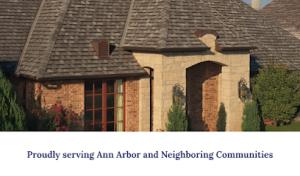
Older roofs in this area often sit beneath masonry chimneys whose mortar joints and flashing meet the roof at stubborn angles. In winter, freeze-thaw cycles push against those connections, widening gaps and inviting ice dam formation if the flashing isn't tight and continuous. You'll want a contractor who treats the chimney-to-roof transition as a living edge, inspecting step and counter-flashing where shingles meet brick, and paying attention to sealant degradation around chase boots. When a chimney is aging or unlined, or if flashing has been repeatedly lifted by ice, the risk isn't just a minor drip-water can travel along the brick line and into attic spaces or ceilings. Plan for a coordinated repair that trims back compromised shingles, reseats flashing, and re-flashes with materials that pair well with brick and metal joints.
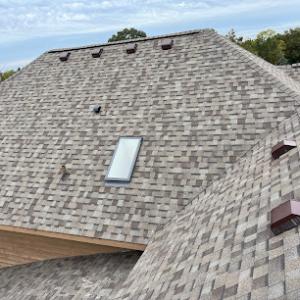
Skylights are a meaningful specialty in the local contractor market because leak tracing often starts at curb flashing, aging seals, and surrounding shingle wear. In practice, a failed curb seal or a compromised flashing flange can siphon moisture into the roof deck and then into the living space, especially where adjacent shingles have worn thin. When a roof with skylights is already showing signs of aging, addressing the skylight units themselves without upgrading curb flashing and surrounding shingle protection invites repeat trouble. If you notice condensation, staining, or soft spots near a skylight, treat the issue as a system problem: curb flashing, sealant age, and the integrity of nearby shingles all deserve attention in tandem.
On older homes, reroofing frequently becomes more than a shingle job because penetrations and adjacent roof details need coordinated repair. Vents, exhausts, and chimneys must be treated as a unified plan with the main roof plane, so flashing transitions stay continuous and water finds no safe path to the deck. Expect that valleys, ridge lines, and transitions around dormers require careful integration with new underlayment and proper ventilation to prevent ice dam buildup. In practice, you're choosing a replacement that anticipates future freeze-thaw cycles, not just the current shingles.
Find contractors experienced in skylight installation, flashing, and leak repairs to bring natural light into your home.
GoTo Roofing
(734) 627-7663 www.gotoroofing.com
6250 Jackson Rd, Ann Arbor, Michigan
4.9 from 461 reviews
Performance Roofing & Siding Ann Arbor
(734) 259-7464 performanceroofsystems.net
24 Frank Lloyd Wright Drste. L-4000, Ann Arbor, MI
5.0 from 68 reviews
Imperial Building & Roofing
(734) 995-9955 www.imperialbuilding.com
4724 S State Rd, Ann Arbor, Michigan
4.9 from 94 reviews
Flat and low-slope roofing is a real but secondary niche in Ann Arbor, showing up on portions of residential additions and on some commercial buildings. The mix of climates and construction ages means that drainage behavior, not just material choice, drives performance on these roofs. In winter, ice dams and freeze-thaw cycles strain flashing, seams, and edge details differently from steep roofs, so understanding how water moves on low-slope surfaces is critical.
Ann Arbor's snow load and spring thaw create predictable ponding risks on low-slope sections. When snow melts unevenly, pooled water can linger and refreeze, lifting edges and stressing vulnerable joints. A practical check is to confirm that deck drains, scuppers, and any interior gutters are clear before the first thaw. If you have a gradual pitch, evaluate the transition from the flat portion to steeper adjoining sections-poor transitions are common trouble spots where ice damming starts. Keep an eye on planters, HVAC curb penetrations, and skylight borders, all of which can trap water and complicate drainage during rapid temperature swings.
Homeowners with mixed rooflines in Ann Arbor often need separate repair strategies for steep-slope shingles and low-slope membranes on the same property. When a repair touches both types, plan for coordinated flashing and seamless transitions so moisture doesn't migrate from one system to the other. Regular inspections should include the edge details where the low-slope area meets the higher roof, plus any parapets or exhaust penetrations that can become ice dam sources. Prioritize keeping the membrane conditioned and free of debris, while ensuring the shingle-covered sections remain watertight where they meet the low-slope plane.
Develop a seasonal maintenance routine that aligns with freeze-thaw cycles. In late fall, seal edge details and review drainage paths for debris. In late winter, inspect for buried or hidden ice dams around vent pipes and at parapet edges, then address any signs of uneven moisture behind flashing. This proactive approach, tailored to local conditions, reduces the risk of slow, cumulative damage on low-slope sections without needing drastic interventions.
Find specialists in TPO, EPDM, and built-up flat roofing systems for residential and commercial properties.
Freedom Roofing, Windows & Siding
206 E Huron St suite 320, Ann Arbor, Michigan
5.0 from 75 reviews
Performance Roofing & Siding Ann Arbor
(734) 259-7464 performanceroofsystems.net
24 Frank Lloyd Wright Drste. L-4000, Ann Arbor, MI
5.0 from 68 reviews
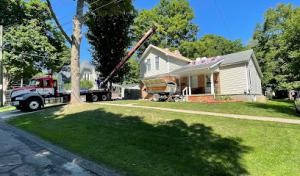
In this market, the primary concern during freeze-thaw cycles is ice dam risk and roof failure that spirals from it. You'll want to evaluate how a roof system handles attic ventilation, insulation depth, and shingle selection when temperatures swing from bitter cold to warm sunny afternoons. Look for a contractor who can explain how the attic is vented, where snow will shed, and how flashings integrate with skylights or chimneys. A roof that breathes well and sheds snow predictably lowers the chance of ice dams forming along eaves, an issue that grows with the city's older housing stock and trees that harbor shade and moisture.
Local hiring patterns show that quick response matters, especially when leaks appear during winter thaw or after storms. Prioritize contractors who promise rapid on-site assessment, temporary containment if needed, and clear scheduling for repairs. You should confirm a plan for winter callouts, including after-hour options, so that a leak doesn't sit and soak insulation or ceilings while temperatures hover near freezing. A timely, focused visit often saves the underlying roof from more extensive, disruptive repair later.
Cleanup is a major local expectation, which matters in dense neighborhoods, landscaped lots, and homes with driveways, patios, and mature trees close to the work area. Ask for a written cleanup pledge: tarps, debris containment, protection of plantings, and a thorough final sweep. In a place where yards are close to walkways and vehicles, a contractor's respect for property lines, yard clutter, and waste removal can matter as much as the repair itself.
The market shows strong demand for affordable reroofing from long-established companies, suggesting homeowners here balance price with track record rather than chasing niche upgrades first. Request references, proof of ongoing training, and a history of projects with comparable scale and weather exposure. A familiar, well-supported crew often translates to fewer surprises when winter returns.