Last updated: Apr 19, 2026
In far southwest Missouri, spring storms bring loud hail, sharp winds, and sometimes tornadoes that leave shingles crushed, edges cupped, and flashing misaligned. The first move is to get every vulnerable edge shored up to prevent water entry: cover damaged areas with a sturdy tarp or plywood, secure loose gutters or shingles, and clear walkways to avoid trips during dawn inspections. If there is sudden rain, turn off interior ceiling fixtures near the damaged zone and arrange for rapid temporary protection. Waiting for a perfect assessment invites interior water intrusion and hidden rot to compound quickly, so err on the side of rapid protection once you spot obvious damage.
Storm events can trigger contractor demand spikes that slow inspection schedules. When hail or high-wind damage occurs, expect storm-day inquiries to surge and appointment windows to compress. To keep the process moving, document every affected area with a dated photo from ground level and from the ladder line, focusing on hail impact patterns, lifted granules, and damaged flashing. Photograph the attic if visible daylight or moisture staining exists, noting any roof decking bowing or moisture in insulation. Have your insurance information handy and prepare a concise scope of observed issues to share with the adjuster and the contractor during the first visit. Clear, detailed documentation helps negotiations and reduces back-and-forth during the critical replacement window.
Hail strikes often produce random, round depressions that short out asphalt shingle granules, leaving bare, brittle underlayment exposed. Metal roof panels can dent and loosen fasteners; flashing around chimneys, vents, and skylights may reveal micro-leaks. Even when the visible damage seems contained, consider the wind's effect on the roof's wind uplift resistance and the potential for edge damage along eaves and ridge lines. In the aftermath, inspect the interior ceiling for dark spots or dripping water after a rain-these signs point to compromised decking or underlayment that needs remediation. Do not overlook secondary damage to gutters, downspouts, and roof-to-wall transitions, which are common in the area's high-wind events.
Joplin's storm history makes many rooftops ripe for full replacement rather than incremental patchwork. Structural integrity, long-term performance, and the likelihood of multiple spring events guide this decision. If inspection reveals widespread shingle loss, extensive granule loss, or compromised decking, plan for replacement rather than piecemeal repairs. A coordinated timeline with the contractor and insurer often yields the most favorable scheduling, minimizes exposure to future storms, and aligns with the region's risk profile. Demand clear communication: align your temporary protections, inspection milestones, and anticipated delivery of materials to avoid extended exposure and delays when the next storm front moves through.
3J'S Midwest Construction
(417) 437-8820 3jsmidwestconstruction.com
1304 W 20th St, Joplin, Missouri
5.0 from 65 reviews
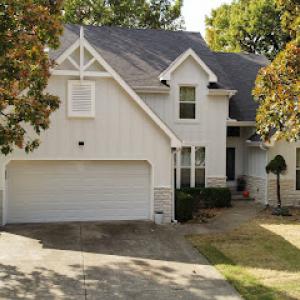
When you need help with your roof, look to 3J'S Midwest Construction for help. We can install, repair & replace a variety of roofing types.
S&S Roofing
(417) 483-3830 ssroofingrepair.com
1216 E 42nd St, Joplin, Missouri
4.9 from 266 reviews
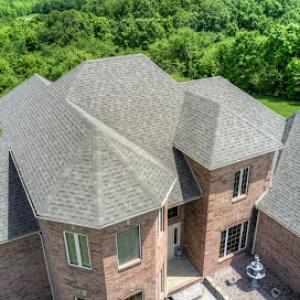
Whether you are needing small repairs to a full roof replacement, at S&S Roofing we've got YOU covered. We are BBB Accredited, a TAMKO Certified Pro, and an Owens Corning Preferred Contractor. Give us a call today.
Kingdom Roofing & Construction, Joplin Mo.
(417) 317-6233 kingdomroofingjoplin.com
1421 S Main St, Joplin, Missouri
5.0 from 48 reviews
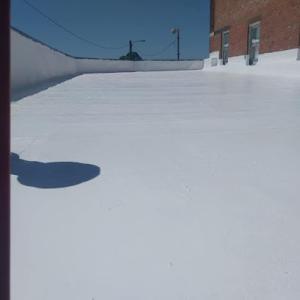
Kingdom Roofing and Construction is a trusted roofing contractor serving residential and commercial clients throughout Southwest Missouri. We specialize in commercial flat and low-slope roofing systems, including silicone roof coating systems designed to stop leaks and extend roof life without costly tear-offs. Our services include commercial roof coatings, flat roof repair, leak remediation, metal roof restoration, and traditional roof replacements when necessary. As an experienced commercial roof coating contractor, we work with property owners, business owners, and churches seeking cost-effective alternatives to full roof replacment. Proudly serving Joplin and surrounding Missouri communities! Call today for your FREE inspection
Toro Construction
(417) 726-4381 toroconstructionco.com
4106 E Zora St, Joplin, Missouri
5.0 from 45 reviews
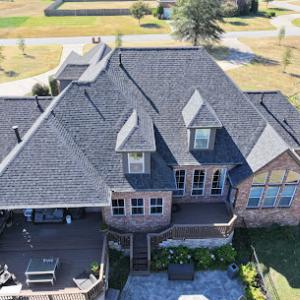
Established in 2002, Toro Construction is a Joplin, Missouri-based contractor serving residential and commercial clients throughout the Midwest. Their expertise covers a wide range of services, including roofing, siding, gutters, and interior remodels.
Superior Roofing & Construction
(417) 500-7873 www.superiorroof.net
1301 E 7th St, Joplin, Missouri
4.9 from 119 reviews
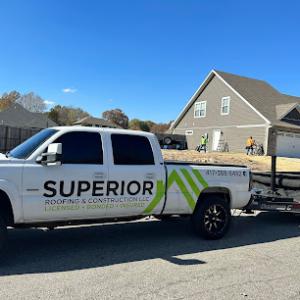
Superior Roofing and Construction is a locally owned and operated roofing company in Joplin, MO. We are dedicated to providing our customers with expert-level attention, care, and workmanship. If you need roofing services, give us a call at (417) 388-5482. Not only do we serve Joplin, MO, but we also work in: • Carl Junction, MO • Webb City, MO • Carthage, MO • Grove, OK • Pittsburg, KS • Lamar, MO
Ridgeline Roofing & Solar
(844) 734-5463 ridgelineroofingandsolar.com
1710 E 32nd St J, Joplin, Missouri
4.8 from 99 reviews
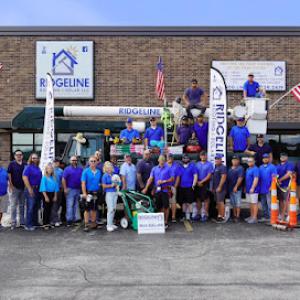
With over 25 years of trusted experience, Ridgeline Roofing and Solar proudly serves the Four Corners region of the Four States area. As a fully licensed, bonded, and insured contractor, we specialize in top-quality residential and commercial roofing and cutting-edge solar PV systems. Our services include roof repair near me, metal roofing, and complete roof replacement solutions. Whether you need emergency roof repair, a detailed roof inspection, or durable metal roof installation, our team delivers superior craftsmanship and exceptional service. Contact us today for a free, no-obligation estimate!
Roofing Force
(417) 222-3565 www.roofingforce.com
4830 E 32nd St Suite 2, Joplin, Missouri
4.8 from 158 reviews
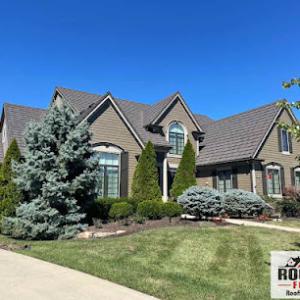
Roofing Force will handle all of your roofing needs. From low cost, composition asphalt and composite roofing, to premium lifetime metal and polymer roofing solutions. We also cover all storm damage restoration including roofing, windows, siding, and gutters.

Bean Exterior Solutions
(417) 609-2662 www.beanexteriors.com
212 S Joplin Ave suite 5.5, Joplin, Missouri
5.0 from 34 reviews
Bean Exterior Solutions is a roofing and exterior contractor serving Joplin, MO and the 4-State area. From roof repairs and full replacements to siding installation, gutters, windows, and fencing, we help protect your home and boost curb appeal with durable materials and detail-focused craftsmanship. We provide clear communication, thorough inspections, and clean job sites—so you feel confident from the first visit to the final walkthrough.
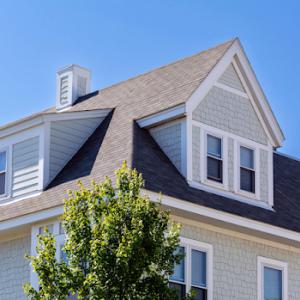
McDowell Roofing & Restoration
(417) 540-3947 mcdowellroofing.com
3823 E 20th St, Joplin, Missouri
4.8 from 88 reviews
Since 1970, McDowell Roofing & Restoration has been a trusted leader in the roofing industry. As a third-generation, family-owned business, we have built our reputation on quality craftsmanship, integrity, and exceptional customer service. Our GAF certification ensures that every project meets the highest industry standards, whether it’s residential or commercial roofing. We offer flexible financing options to make roofing projects accessible and affordable. With a multitude of experience, we blend modern techniques with traditional values, providing reliable roofing solutions that protect and enhance your home or business.
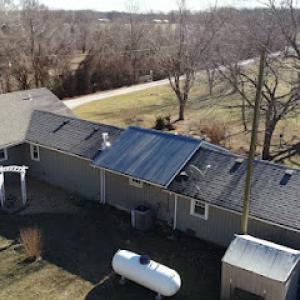
RJ Roofing & Contracting
(417) 499-6697 rjroofingjoplinmo.com
5571 N Main St Rd, Joplin, Missouri
5.0 from 24 reviews
RJ Roofing & Contracting is a full-service contractor proudly serving Joplin, Webb City, Carl Junction, and the surrounding areas. Our team brings over 20 years of hands-on experience in roofing, framing, and complete exterior and interior construction. We specialize in new roof installations, roof replacements, custom framing, decks, privacy fences, siding, gutters, and home remodels—built with precision, durability, and craftsmanship that lasts. Whether you’re planning a new addition, a complete remodel, or repairing storm damage, we handle every project with clear communication, reliable timelines, and honest pricing. From structural framing to finished roofing, RJ Roofing & Contracting is your one call for everything.
Monty's Roofing & Construction
6091 Dutch Elm Dr, Joplin, Missouri
4.7 from 35 reviews
Monty's Roofing & Construction is Joplin and Southwest Missouri's premier choice for Residential and Commercial Roofing, Metal Roofing, General Contractor, Siding, Painting, Remodeling, Guttering and other Home Improvements! We work to improve your home and business, while remaining cost effective. We're proud to serve you and your family! Serving: Joplin • Carthage • Neosho • Pittsburg • Miami • Bentonville and surrounding areas.
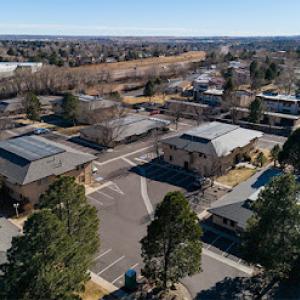
Hennessey Roofing
(417) 291-3742 hennesseyroofing.com
218 S Main Street Unit 8, FL 2, Joplin, Missouri
5.0 from 11 reviews
Hennessey Roofing is a locally owned and operated roofing contractor that takes great pride in serving our local communities. Our team prides itself on embodying our core values and exceeding customer expectations. As a licensed and insured roofing contractor in multiple states, we specialize in all aspects of residential and commercial roofing including repairs, replacements, new roof installation, and everything in between.
Missouri's high hail and wind claim environment makes Joplin homeowners more likely to face insurer scrutiny over photos, prior claim history, and proof that damage is storm-related. In everyday terms, a simple hail dent can spiral into a back-and-forth with adjusters if the paperwork doesn't clearly connect the roof damage to a specific storm event. Insurers increasingly expect a tight narrative: when the hail hit, what got damaged, and how your roof responded to subsequent weather after the storm. The risk isn't just about whether there's damage, but about whether the damage can be tied to a verifiable, storm-driven sequence rather than preexisting wear or unrelated issues. That reality means you should assume you'll be asked for precise timelines, multiple photos, and independent verification if you want a smooth path to a settlement.
Because carriers may review underwriting notes and installation quality, Joplin homeowners need documentation of flashing, ventilation, and prior roof condition before and after storms. Start with clear, date-stamped photos showing the entire roof, plus close-ups of flashing around chimneys, dormers, vents, and skylights. Capture the interior attic area as well-any signs of moisture intrusion or accelerated aging of underlayment can shift the narrative from "hail only" to "hail plus compromised venting." If you have prior inspection reports, permits, or maintenance records, assemble them so you can demonstrate the roof's baseline condition before the hail event. Keep notes on when every storm occurred, how your roof appeared to respond, and when you noticed changes like granule loss or lifted shingles. In Joplin, where storms arrive with wind-driven bursts and sudden changes in weather, a meticulous before-and-after package becomes a key credibility tool for the claim.
In a market with frequent storm losses, claim handling in Joplin often overlaps with code-compliance questions when replacement work triggers final inspection requirements. This means that the decision to replace may not be solely about the damage itself, but about meeting documentation standards that help the insurer justify a full replacement rather than a patch. Plan for a potential sequence: initial assessment, temporary mitigation if it's advised, a formal claim submission with storm-specific evidence, and then an inspection process that may touch on ventilation, attic condition, and roofline integrity. If you can present a coherent, storm-centered story-photos from the day of impact, a timeline of observed changes, and notes on ventilation and flashing condition-you reduce the risk of drawn-out reviews. Be prepared to answer questions about roof age, prior repairs, and any visible wear that could be mistaken for preexisting conditions. In this environment, a well-documented, storm-focused file isn't just helpful; it can shorten the path to a warranted replacement when the hail becomes the central driver of the loss.
Connect with contractors who help homeowners navigate the claims process from damage assessment to final approval.
Bridgewater Roofing
(417) 623-3179 www.bridgewaterroofing.net
712 Willard Ave, Joplin, Missouri
5.0 from 140 reviews
3J'S Midwest Construction
(417) 437-8820 3jsmidwestconstruction.com
1304 W 20th St, Joplin, Missouri
5.0 from 65 reviews
S&S Roofing
(417) 483-3830 ssroofingrepair.com
1216 E 42nd St, Joplin, Missouri
4.9 from 266 reviews
Asphalt shingles are common in this market, but repeated hail exposure and the lingering heat of Missouri summers push you to look beyond standard piles. In this climate, impact resistance and granule retention become decision points you can verify with the shingle's rating and a quick attic check. Look for shingles labeled as impact resistant (IR) or those with higher no-bruise granule retention when inspecting samples. Attic ventilation matters here too: good airflow minimizes heat buildup behind the shingles, which in turn helps extend the life of the granules and reduces the chance of premature curling after a severe hail event. In practice, you'll want a system that pairs a strong underlayment with properly spaced vents and a ridge line for steady air movement. If the roof is older or has a shallow pitch, ensure the chosen asphalt is compatible with a reliable attic ventilation plan and a long-term attic moisture strategy. The goal is to keep hail from penetrating the upper layers and to preserve granules so the shingles don't shed protective material after the next thunderstorm.
Metal roofing has a meaningful presence and appeals to homeowners who want better performance against wind-driven rain and lower maintenance after repeated storm seasons. In practice, metal's smooth surface sheds hail more predictably, and its fasteners should be chosen for strong wind resistance to minimize panel lift during a tornado-driven wind cycle. When selecting metal, prioritize panel profiles with proven wind uplift performance and thoroughly sealed seams. Pay attention to the attachment method: concealed fasteners or mechanically seamed panels typically outperform exposed-fastener options in terms of long-term water intrusion after hail impacts. Ventilation considerations stay important under any metal roof, so a design that allows for vapor movement and avoids trapped heat behind the panels helps prevent deck warping or premature deterioration. If you live where summer heat is intense, look for coatings that reflect solar radiation and resist fading, helping the color and the surface finish hold up through multiple hot seasons.
Tile, wood, and synthetic products are available in the market, but their suitability depends heavily on structural load, wind attachment details, and how they handle severe weather cycles. Clay and concrete tiles offer excellent longevity and a distinctive look, but they come with a heavy load and require a strong deck and compatible mountings to resist hail impact and uplift during high winds. Wood shingles and shakes bring a classic aesthetic, but they need diligent maintenance to protect against hail bruising, splitting, and moisture-related issues after storms. Synthetic or composite shingles aim to blend durability with lighter weight and easier installation, yet their performance under direct hail impact and heat can vary by brand. In this region, confirm that the chosen system is rated for higher wind speeds and hail exposure, and ensure the installation includes robust wind attachment details and a deck that can handle the load without compromising roof longevity. The goal is to balance impact resistance, wind performance, and the way the roof breathes during hot spells so that severe weather cycles don't translate into repeated repairs.
In Joplin, storm-driven surges in demand can tighten labor availability and push scheduling timelines for full roof replacements. When a large hail season or multiple tornadoes hit, contractors shift priorities to storm restorations, which can mean longer wait times for a complete replacement and higher labor rates quoted to account for risk of weather-related delays. Pricing can swing from week to week during peak storm windows, so it's wise to lock in a start window as soon as a claim is approved and a crew is available. This effect is especially pronounced for steeper residential roofs, where crews require more time and additional safety measures.
Material selection in this area often reflects a practical tradeoff: asphalt shingles offer the lowest upfront pricing, while metal or tile systems carry higher costs but can hold up better under repeated hail exposure. If a hail season leaves recurring or severe impact, some homeowners consider steel or concrete options for longer-term performance. For most homes, asphalt shingles range from about 350 to 700 USD per square, a price point that fits budget-minded projects and allows a quicker re-roof if the storm window opens wide enough. Metal roofing runs higher, roughly 600 to 1,000 USD per square, and may be favored where hail history or local wind loads push homeowners to a longer-lived system. Tile options-clay or concrete-span roughly 650 to 1,400 USD per square and can be a good fit for homes needing substantial durability, though installation timelines and labor intensity can extend project duration.
Costs can climb on steeper residential roofs, where safety equipment, longer setup times, and more careful installation extend crews' labor hours. Additionally, homes that require flashing updates, ventilation corrections, or storm-related decking repairs before new roofing can be installed will see unit costs rise. In Joplin neighborhoods repeatedly exposed to hail, even small decking repairs or flashing upgrades can become necessary bottlenecks that push the project beyond a basic replacement. If a claim covers only the roof surface, expect coordination costs to cover contingencies for those ancillary repairs.
Start by obtaining multiple written estimates from local crews experienced in storm restoration work. Ask each contractor to outline assumed decking condition, flashing scope, and ventilation changes to avoid surprises after the hail season ends. Coordinate timing with the insurance process so the project can begin as soon as the claim is settled and materials are available, reducing the chance of price volatility from storm-driven demand. If budget allows, consider prioritizing a high-durability option for homes in extreme exposure areas, balancing upfront price with potential long-term savings on maintenance and replacements.
Get a clear picture of your project costs upfront - no commitment required.
Ridgeline Roofing & Solar
(844) 734-5463 ridgelineroofingandsolar.com
1710 E 32nd St J, Joplin, Missouri
4.8 from 99 reviews
Roofing Force
(417) 222-3565 www.roofingforce.com
4830 E 32nd St Suite 2, Joplin, Missouri
4.8 from 158 reviews
In Joplin, generally a building permit is required for a full roof replacement through the City of Joplin Building Department. Homeowners or contractors apply with the city, pay the required fee, and schedule inspections as part of the replacement process. This step helps coordinate storm-damaged roof work with downstream insurance documentation and ensures that the replacement aligns with local codes and neighborhood standards. The permit also signals to neighbors and the supplier network that proper oversight is in place for a critical exterior system.
The process starts with preparing a clear scope of work and selecting materials that fit your roof's design and climate exposure. The permit application will need basic property information, the contractor's license and contact details, a description of the replacement, and the proposed start and completion dates. Schedule inspections in advance, particularly after the roof is removed and after the new roof is installed. If work paused due to weather or other delays, you may need to update the city with revised timelines. Keep copies of all permit documentation and inspection notices, since you will be coordinating these records with your insurer during the claim process.
A final inspection in Joplin is used to verify proper installation details including flashing and ventilation, making code-compliant workmanship especially important on insurance-related jobs. Inspectors look for correct flashing around penetrations, proper drip edge installation, adequate attic ventilation, correct nailing patterns, and proper underlayment placement. Any deviations identified during inspection may require corrections or re-inspection before the project can be deemed complete. Meeting these checks not only satisfies code but also strengthens an insurance claim by demonstrating compliant workmanship and a solid installation history.
Coordinate closely with the contractor to ensure permit numbers and inspection dates appear on all paperwork sent to the insurer. Have a complete set of before and after photos to accompany the permit package and claim. Plan ahead for potential weather-related pauses after hail events, and confirm that the contractor can perform the required inspections promptly once the work is finished. If any questions arise about the inspector's expectations, reach out to the Building Department early to avoid hold-ups. In Joplin, timely communication with city staff and your insurer keeps the project moving when storms demand quick restoration.
In Joplin, spring is the most disruptive roofing season because hail storms and severe thunderstorms can damage roofs and crowd contractor schedules. Plan replacement windows for late spring when attention from crews is steadier and weather is more predictable after the worst storms pass. Inspectors and crews will be more available, but be prepared for sudden weather changes that can stall work. Have tarping and temporary protections ready if a storm sneaks up before the crew arrives.
Summer heat and sustained sun challenge installation quality and access. In the hottest weeks, exposure of underlayment to high temperatures can impact certain materials, so selection should favor products with good heat tolerance and proper ventilation. Access to your attic and roof line matters more when heat drives crews to adjust schedules. If a storm hits during summer, coordinate with the contractor to secure material storage and shield interior spaces while work continues.
Spring and fall are the most practical replacement windows because summer heat and winter freeze-thaw conditions can complicate installation quality and access. Fall weather tends to be milder and more predictable, aiding shingle sealant curing and roof venting. Schedule ahead for dry, wind-free days, and confirm that attic ventilation is ready to prevent moisture buildup as temperatures drop.
Winter weather in southwest Missouri can stress flashing and underlayment, so leak symptoms in Joplin often become more visible during cold-weather freeze-thaw cycles. If winter work is unavoidable, choose materials and installation methods designed for cold conditions and ensure crews have safe access. Quick response to any early leaks can prevent interior damage, especially after freeze-thaw events. Plan for potential temporary heating or protection needs to maintain workmanship standards.
In this market, shingle bruising from repeated hail is more than cosmetic-it's a warning sign that the roof deck beneath could be compromised. Lifted tabs and exposed fasteners create tiny channels for moisture to penetrate during every wind-driven storm. If you notice dark bruises or tabs that don't lay flat after a storm, treat it as a real defect rather than wear and tear. Those issues can escalate quickly if you ignore them, especially on older or lower-slope roofs common in the area.
Flashing around chimneys, vents, and wall intersections gets stressed by sudden temperature swings and high winds. When flashing lifts or pulls away, water can follow the same routes during severe thunderstorms, turning marginal gaps into active leaks with dramatic speed. In practice, you'll see staining near penetrations or damp spots along interior ceilings well after a storm passes. Don't assume a quick patch will hold; flashing requires proper sealing and, often, replacement to restore reliability.
Ventilation matters as much as any shingle choice here. Poor attic airflow magnifies heat-driven deterioration, warping the deck and accelerating adhesive breakdown. In Joplin's climate, that means you should expect increased shingle wear at the ridges and near vents if soffits and attic baffles aren't doing their job. If a roof system looks aged but there's minimal exterior damage, consider whether ventilation has become the real bottleneck.
After the latest hail or wind event, the final inspection should zero in on flashing integrity and attic ventilation. These areas influence code compliance outcomes and long-term moisture resistance more than most homeowners realize. A thorough look now can prevent slow leaks that ruin decking and insulation later.
Find contractors experienced in skylight installation, flashing, and leak repairs to bring natural light into your home.
3J'S Midwest Construction
(417) 437-8820 3jsmidwestconstruction.com
1304 W 20th St, Joplin, Missouri
5.0 from 65 reviews
MIDWESTGuard
(417) 850-4663 midwestguard.net
1212 S Joplin Ave, Joplin, Missouri
4.1 from 176 reviews