Last updated: Apr 19, 2026
Hot, dry summers followed by cold winters with occasional snow create a continuous cycle of expansion and contraction across shingles, flashings, and underlayment. In practice, that means every year your roof experiences repeat stress as materials heat up to well over 100 degrees and then cool down. Over time, this back-and-forth can loosen fasteners, develop hairline cracks, and contribute to veneer failure on asphalt-based products or premature degradation of underlayment. Pay attention to areas where two planes meet or where vents and chimneys interrupt the surface; these are the typical failure zones for stress cracking and flashing leaks. When you inspect, look for small gaps at step-flashings, lifted edge shingles, or slightly wavy seams that weren't there last year.
Extreme summer UV exposure in the northern Nevada high desert accelerates surface aging, especially on asphalt-based products. The sun can bleach granules, fade color, and weaken the shingle's protective layer much sooner than in milder climates. Metal roofs, while durable, can oxidize or develop cosmetic chalking at high solar exposure points, especially along coastal-facing slopes or roof valleys where reflected light concentrates. In practice, schedule annual inspections with a focus on the most sun-exposed faces of the roof, and pay particular attention to shingles or coatings near attic vents and skylights, where sun-driven heat can intensify aging right at the penetration points. If you see blistering or unusual curling on asphalt shingles, flag it early, because accelerated aging can precede leaks.
Late-summer dust and wildfire smoke can leave roof surfaces dirty during inspections and after repairs, making condition documentation more important. Dust buildup can mask hairline cracks, granule loss, and small punctures, and smoke residues may indicate airborne particulates that cling to organic materials. When you prepare for an inspection or a repair, consider cleaning the roof surface with careful, manufacturer-approved methods to avoid rinsing debris into gutters or into flashing joints. Document before-and-after photos, especially after a windy dust storm, to track whether surface aging is accelerating or if a repair just covered up a larger underlying issue. If you rely on a professional for roof cleaning, confirm they follow local safety practices to avoid slippage and to protect valley areas where dust tends to accumulate.
Winter snow adds weight and melt-freeze cycles that contribute to stress on the roof system. In Sun Valley, the combination of snow load with daytime heat can cause rapid expansion and contraction in short bursts as the sun comes up and the snow begins to melt. This is particularly relevant for roof edges, flashing around chimneys, and joints where underlayment sits beneath multiple layers. If you notice perched water near flashings after a thaw, or if gutters pull away from the fascia, these are signs that the cycle is stressing the attachment points. Plan for proactive checks after the first heavy snowpack and after the first warm spell that melts it, paying close attention to ridges, valleys, and transitions between roof planes.
Create a simple, annual routine that centers on five hotspots: the ridge line, vent penetrations, skylights, chimney flashings, and valley intersections. Use a ladder with a stable footing and a companion for safety, and document any changes with photos dated each season. When you see curled edges, lifted tabs, blistering, or loose fasteners, treat these as early warning signs rather than isolated issues. In Sun Valley, stiffening fasteners and degraded sealants around flashings are common culprits; target these areas for resealing or re-fastening as part of a planned maintenance cycle. By maintaining a careful eye on UV wear, expansion-contraction stress points, and seasonal debris, you extend the practical life of the roof while preserving interior comfort and dry conditions inside.
Spring through fall is the preferred replacement season in Sun Valley because winter snow and freezing temperatures can slow tear-off, dry-in, and final installation. The work window that matches the climatelets you avoid stubborn ice dams and late-season cold snaps that can halt progress. Plan for a stretch when daytime highs stay above freezing and nights aren't brutal, so adhesive underlayment, sealants, and fasteners cure properly without exposure to early-season cold. If a roof has seen consistent UV exposure and dust during the dry months, a spring or early-fall replacement helps the new roof settle in before the next round of temperature swings.
Spring monsoon-type storm interruptions in the Reno-Sparks area can briefly disrupt open-roof schedules even outside winter. Those pop-up storms bring sudden rain, wind, and dust, which can stall tear-off or shingle fastening. When scheduling, factor in at least a couple of buffer days for unexpected weather. Coastal-esque dust plumes from seasonal winds also settle on a bare roof, potentially affecting adhesion and inspections; ensure the crew has a plan to clean and reseal exposed edges if a storm passes during the project window.
High-desert conditions mean UV exposure, rapid temperature swings, and seasonal snow can accelerate aging of roofing components. Choose materials and underlayment with proven performance in hot sun and wide diurnal range. In this climate, a robust underlayment and well-sealed edge detailing matter as much as the shingles or panels themselves. The right roof system also accounts for expanded and contracted components to reduce seam gaps that dust and wind can exploit over time. A wind-resistant edge and properly secured flashing help prevent lift under windy afternoons and blowing snow.
Homeowners benefit from booking before peak summer heat and before late-season weather tightens contractor schedules. Early-season bookings create a buffer against the hottest days when crews push longer hours and heat can slow the installation process. If possible, align the project start after significant spring moisture has dried and before the second plume of dust-season winds picks up. Clear a path for access, including trimming nearby branches and removing objects that could blow onto an exposed roof during a windy afternoon.
Before work begins, ensure all attic and interior spaces are prepared for temporary ventilation changes and potential condensation during dry-in. The crew should protect interior finishes and seal penetrations promptly to minimize heat gain and moisture intrusion. After reroofing, verify that snow guards or roof-to-wall details are in good condition, since winter snow loads will test these connections in the upcoming season. Finally, schedule a follow-up inspection after the first heavy rain or wind event to confirm flashing, seals, and drainage points are performing as intended.
When you can't wait, these contractors offer fast response times to stop leaks and prevent further damage.
Great Basin Roofing
(866) 886-3976 greatbasinroofing.com
Serving
4.9 from 188 reviews
With Great Basin Roofing & Solar you get more than great value, you get an entire team of residential and commercial exterior problem solvers. Plus, you get a lifetime warranty, fast turnaround on most jobs, and amazing customer service professionals who are here to make sure you're happy every step of the way. 100% Financing Available New Roof Re-roof Roof repairs Solar Roofs Solar panels Solar Batteries
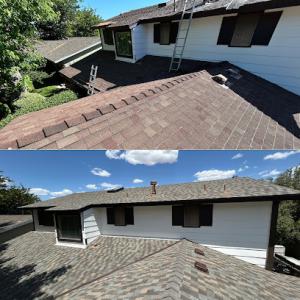
Specialty Roof Repairs
(775) 830-5007 www.specialtyroofrepairs.com
Serving
4.9 from 15 reviews
we are a roofing contractor with 25 plus years of experience on residential roofing . We're License Bonded and Insured .
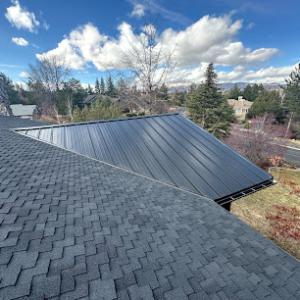
East Fork Roofing
(775) 347-7797 www.eastforkroofing.com
Serving
4.5 from 57 reviews
East Fork Roofing is a family-owned and operated roofing contractor in Reno, Nevada. We have been serving the community since 2016 and specialize in roof replacements, repairs, and maintenance. Our team of experienced and licensed roofers will work with you to find the best solution for your roofing needs. We offer free aerial-imagery estimates and financing options. We cater to larger, high-end, and snow country homes and have the size of team needed to service both small jobs and large and difficult jobs.
Mountain Vista Roof Systems
(775) 431-6367 mountainvistaroofing.com
Serving
5.0 from 159 reviews
At Mountain Vista Roof Systems, we are your trusted partners in safeguarding your home through excellent roofing service. With decades of experience, we offer top-notch solutions tailored to your needs. Our roofing team specializes in roof repairs, replacements, and installations, utilizing high-quality materials and the latest technology. Choose Mountain Vista Roof Systems for reliable and affordable roofing services, ensuring your peace of mind under every weather condition.
Authentic Roofing
(775) 560-1450 www.authenticroofing.com
Serving
4.8 from 64 reviews
Family-owned and locally operated, we bring 39 years of roofing experience and have proudly served our community for 7 years. We specialize in new roof installation, re-roofs, roof repairs, and work on all types of roofing systems for residential and commercial properties. From Comp Shingle, Tile and metal roofs. Our team is committed to honest service, quality and craftsmanship, and protecting what matters most. We are honored to be recognized as Best of Sierra Nevada 2024 & 2025 winners, the Osborne Award from BBBSNN 2024 and Best of Reno 2025. Gives us a call if you want to scheduled an estimate or if you just have some question, we are here to serve!
CTR Roofing
Serving
4.9 from 43 reviews
DO YOU NEED A ROOF INSTALLATION IN SPARKS, NV? WORK WITH A DEDICATED ROOFING CONTRACTOR It can be easy to forget how important your roof is. A sturdy roof protects your home from the elements and insulates your interior from extreme heat and cold. Keeping it in good shape is of the utmost importance. A roofing contractor from C T R Roofing, LTD in Sparks, Nevada can make sure your roof is in good condition. We offer a variety of roofing services, including installation, repair and restoration. Our team maintains and installs commercial and residential roofs using a variety of materials.
Mills Roofing
(530) 587-6070 www.millsroofinginc.com
Serving
4.9 from 166 reviews
With over 45 years of experience with the steep and snowy conditions of the Tahoe-Truckee region, we know how to best provide for the roof of your home. We bring you the benefit of our 40 years experience in Tahoe/Truckee. When it comes to roofing your building in the mountains, we know exactly what is required and when it needs to be done. For us, honesty is the only policy and we strive to complete all projects with integrity. We are one of the most trusted construction companies in US. We will help you find the perfect roofing option to fit your style and budget. We use quality manufacturers and pride ourselves on our craftsmanship. Your satisfaction is our main goal. We offer affordable roofing solutions. Financing is Available.
Roof Crafters
(775) 831-4188 www.roofcrafterswest.com
Serving
4.9 from 101 reviews
The Roof Crafters team is available 24 hours a day, 7 days a week, 365 days a year for customers throughout our Nevada service area, which includes Tahoe Reno Industrial Complex, Minden, Gardnerville, South Lake Tahoe, Truckee, Tahoe City, Incline Village, Fallon, Fernley, Yerington, Susanville, and Lovelock.
True Green Roofing Solutions
(775) 225-1590 www.truegreenroofing.com
Serving
4.9 from 47 reviews
Your roof is more than just protection—it’s an investment in your home’s future. At True Green Roofing Solutions, we combine expert craftsmanship, innovative materials, and a commitment to sustainability to create roofs that stand the test of time. Whether you’re looking for durability, energy efficiency, or timeless beauty, we bring your vision to life with roofing solutions built to last. We are your metal roofing experts!
Pratt N Sons Roofing
(775) 355-1188 prattnsonsroofing.com
Serving
5.0 from 6 reviews
Ron and Jan Pratt are the owners of Pratt-N-Sons Roofing. We work together to oversee the day to day operations of our company. Ron Pratt grew up in the roofing business. He started carrying shingles up the ladder to his dad and uncle's at the young age of eight. While growing up in the Sparks area, Ron advanced to roofer at sixteen years old. After graduating high school he went on to work for a local company. Jan Thran-Pratt grew up in Gardnerville, Nevada. Jan worked for a local athletic company while raising his, hers, and our children. Needless to say Jan was very nervous when Ron proposed the idea of starting their own roofing company.
Nevada Roofing Division
(775) 447-0705 www.nevadaroofingdivision.com
Serving
5.0 from 7 reviews
At Nevada Roofing Division, we bring more than just expertise to the table – we bring a legacy. Our years of dedication in the roofing industry have equipped us with invaluable insights, allowing us to deliver solutions that stand the test of time. With each project, we reaffirm our commitment to quality, ensuring our clients enjoy peace of mind. Whether it’s a minor repair or a full-scale rejuvenation, you can count on Nevada Roofing Division for unwavering protection.
Global Commercial Roofing
(775) 391-2514 commercialroofingnv.com
Serving
5.0 from 7 reviews
At Global Commercial Roofing, we specialize in polyurethane spray foam roofing. We also handle any type of commercial flat roofing project, from modified bitumen, single ply TPO to silicone roofing. We also offer as commercial roof maintenance plans.
In Sun Valley, the high-desert location brings a harsh combination of intense UV, wind-driven dust, wildfire smoke, and dramatic winter lift-and-freeze cycles. This mix means heat and sun resistance is a major material-selection issue, not just upfront price. The roof experiences blistering sun in summer, rapid temperature swings between day and night, and heavy snowpack in winter that stresses seams, fasteners, and underlayment. A roof that looks good for a season can falter when the sun-bleached glare and cold snaps settle in for months. When choosing materials, think about long-term performance under repeated sun exposure, how the underlayment and ventilation handle the freeze-thaw cycle, and how well the fastening system holds up against wind.
Asphalt shingles remain a common sight on mixed housing stock in this area, and their performance hinges on UV resistance and proper attic ventilation. In a climate with strong sun, it's worth prioritizing higher wind-rated shingles and an underlayment that can tolerate heat without cracking. Look for shingles with cool-gray or reflective granules that reduce surface temperatures and slow aging from sun exposure. The combination of UV and dust can accelerate granule loss, so ensure the roof is installed with adequate attic intake and exhaust ventilation to prevent heat buildup beneath the shingles. Proper nailing patterns and sealant applications matter more here than in milder climates, because temperature swings can loosen fasteners over time if not correctly installed.
Metal roofing stands up well to UV and heat, with the added benefit of rapid shedding during heavy dust events and snow. In Sun Valley, a reflectively coated or lighter-colored metal helps minimize heat gain and reduces thermal expansion stress on fasteners. Ventilation around eave and ridge lines remains critical to prevent heat buildup under the metal panels, which can lead to premature wear around penetrations and flashings. A well-sealed ridge vent and sealed panel joints help resist wind-driven dust infiltration. Metal can be an economical long-term choice if installed with proper coatings and a secure fastening pattern that tolerates winter cycles without loosening.
Clay tile offers excellent UV resistance and a long service life, but weight and wind considerations matter here. If the structure supports tile, choose shapes with cool, sun-reflective finishes and install over a strong, well-ventilated underlayment system. Clay tiles shed snow more slowly than metal or some composites, so ensure the roof design includes sufficient slope and a code-appropriate snow retention plan. A reinforced substrate and careful flashing detail around chimneys, vents, and dormers reduce potential for freeze-thaw damage at joints.
Concrete tiles provide good durability under sun exposure and can be a robust option in this climate. They can be heavy, so structural assessment is essential. The material handles UV well, but migration of heat can affect fasteners and sealants if ventilation is inadequate. Choose a design with interlocking joints and a reliable underlayment that accommodates seasonal movement. Like clay, concrete tile benefits from a cooling finish and a thoughtful snow-control strategy to minimize snow-related stress.
Wood shakes deliver character but demand careful maintenance in a UV-rich, dusty environment. UV exposure can dry and warp wood faster, so surface treatments and periodic refinishing become part of the long-haul plan. Ensure proper ventilation to prevent moisture buildup under shakes, and consider higher-grade fasteners that resist corrosion from dust and wildfire smoke particulates. Where wind is a factor, ensure shake installation includes adequate nailing patterns and edge fasteners to resist uplift during high-wind events and winter storms.
Synthetic and composite options can balance UV resistance with lighter weight and flexible installation in the face of temperature swings. Look for products with UV stabilizers and color choices that reflect sunlight. Ventilation and underlayment compatibility remain crucial, as with other materials, to prevent heat entrapment and to accommodate winter freeze-thaw cycles. Composite shingles can offer long-term performance when paired with a robust edge detailing and wind-rated fasteners, helping the roof endure Sun Valley's unique blend of sun, dust, and snow.
Typical local pricing runs about $450-$750 per square for asphalt shingles, $850-$1250 for metal, $1200-$2000 for clay tile, $900-$1800 for concrete tile, $600-$1200 for wood shingles or shakes, and $450-$950 for synthetic/composite shingles. In practice, that means you'll see asphalt as the predictable baseline, with tiled and metal systems pushing toward the higher end. When you're budgeting, confirm whether the estimate is per square (squares are 100 square feet) and whether waste, underlayment upgrades, and starter courses are included. Remember that Sun Valley winters can magnify labor days lost to weather, which nudges total project cost upward if crews lose time to snow or icy conditions.
Costs in Sun Valley can rise when projects are scheduled around winter weather delays or when spring-through-fall demand compresses the local reroofing calendar. In real terms, that means a same-material price may creep up if a contractor needs to prompt a longer-than-expected crew deployment, or if a cold snap stalls concrete or tile installations. If your roof is near the end of its life going into winter, you may want to secure a firm start date in late fall to minimize weather-related delays and keep the project on plan.
Tile and metal systems are materially common enough in this market that homeowners should compare not just base price but whether crews regularly install those systems in northern Nevada conditions. Clay and concrete tile demand careful fastening and underlayment choices to resist wind-driven dust and freeze-thaw cycles. Metal roofing, while durable, requires precise sealing and panel alignment to handle UV exposure and temperature swings. Ask for recent local installations and references that faced Sun Valley-like conditions, and verify that the local crew understands roof ventilations and insulation for high-desert diurnal shifts.
Get multiple bids that break out material, warranty, and installation scope. Check if the estimate accounts for UV-rated underlayment and sealants designed for extreme sun exposure. If you're weighing asphalt against a more durable option, map out a 15-year cost comparison that includes potential maintenance and repaint or reseal cycles. This is especially relevant in a high-desert climate where UV, dust, and snow cycles drive accelerated wear.
Don't let upfront costs delay a critical repair - these contractors offer payment plans to fit your budget.
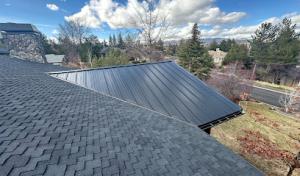
Reroof permits are typically required for Sun Valley homes through Washoe County or, depending on jurisdiction, the City of Reno review process. The permit is more than a formality: it signals the local authority is checking that the new roof structure is sound and that the work aligns with neighborhood codes and safety standards. The process can feel slow if the department is juggling multiple projects, so plan for a window that stretches beyond day-to-day construction. A careful approach-starting with the right paperwork, then allowing extra time for review-helps prevent a stalled project that leaves an exposed roof deck during a windy, dusty season.
Plan review commonly checks ventilation and underlayment details before approval, which is especially relevant in Sun Valley's hot-summer, cold-winter climate. Ventilation choices influence attic temperatures, which in turn affect shingle life and roof deck durability under UV exposure and temperature swings. Underlayment selection matters too: a robust, climate-appropriate layer can mitigate wind-driven dust infiltration, reduce heat transfer, and provide a protective buffer during freeze-thaw cycles. When you submit plans, make sure the proposed attic venting layout aligns with local expectations and that underlayment choices are specified for the full roof area, not just the visible sections. Missing or vague details at this stage can trigger back-and-forth reviews, adding weeks to the timeline and exposing the roof deck to weather.
Inspections generally occur during tear-off and again after installation, and permit turnaround can vary with department workload. The first inspection catches whether the old roof is removed down to solid sheathing and whether the deck shows any signs of damage that needs attention before new materials go on. The second inspection confirms that the installation meets code for fasteners, flashing, ventilation, and underlayment; it also checks that penetrations were properly flashed and that roof lines, gutters, and drip edges are secure. Plan for possible re-inspections if adjustments are requested on the first pass. In practice, you may experience a brief window of rain or dusty winds during the permit process, so coordinating with your contractor to expedite material delivery and staging can reduce exposure risk to the exposed roof deck.
Start early with the plan submissions and request a preliminary review if the jurisdiction offers it. Have your installer document attic ventilation calculations, underlayment type, and any wind-resistance features planned for the eaves and hips. Keep a direct line of communication with the building official assigned to your project, and maintain an organized folder of all plan revisions and correspondence. With a clear path and realistic expectations, you can navigate the permit process while safeguarding the roof's lifespan against Sun Valley's full spectrum of seasonal stresses.
When carriers review a roof in this high-desert corridor, they expect solid documentation of age and any prior claims. Photos taken before a loss, plus notes on visible wear, help insurers understand what's already baked into the roof system from Reno-ward UV and winter cycles. If a renewal is on the line, the absence of a clear age record or prior claim history can tilt decisions against you. In practice, keep a dated album of roof conditions each year and maintain a simple log of any repairs or patches.
For hail or wind-related claims in the Sun Valley area, adjusters may request both photos and an on-site inspection before processing. That on-site step can slow things down and invites questions about every shingle edge, flare, and flashing detail. Having professional photos that show chronic granule loss, lifted shingles, or dented metal components can speed the process. The key is to present a consistent, recent snapshot that matches the reported incident and the roof's visible state.
Some insurers have tightened terms for wildfire-prone areas or for older roofs, which makes pre-loss photo records especially useful for homeowners. A well-documented history reduces ambiguity about what caused new damage and helps connector teams correlate wind-driven debris, ember exposure, or UV-driven deterioration with actual events. In practice, build a routine of annual roof checks and clear, timestamped imagery to support future coverage decisions.
Connect with contractors who help homeowners navigate the claims process from damage assessment to final approval.
Emergency leaks are a meaningful part of the local market, signaling that active leaks and weather-exposed failures are a real homeowner concern in Sun Valley. You should treat any pooled water or dripping from the ceiling as a critical signal, not a cosmetic nuisance. Immediate action means stopping the intrusion roof-side if safe to do so, then contacting a contractor who can arrive with tarps, quick-dry materials, and temporary sealing to minimize interior damage. Have a clear plan for access to the attic to locate the source quickly, because delayed response lets warm winter moisture seep deeper and widen the repair scope.
In this climate, repair urgency often spikes when winter moisture follows earlier UV and heat wear that already weakened components. Shingle granules can grind away under desert sun, sheathing can micro-crack, and sealants lose elasticity with temperature swings. By the time a storm rolls in, a small breach becomes a full-on leak. Expect your contractor to verify the integrity of flashing membranes, ridge caps, and sealant joints after a stretch of windy, dusty days, then prioritize fixes that restore watertight performance before snow accumulates.
Skylight and flashing-related leak points deserve extra attention because local contractors specifically advertise those repair capabilities in this market. Skylight seals can dry out and crack with intense sun, while metal or vinyl flashings can separate from roof planes after seasonal temperature shifts. A common failure pattern is moisture around the skylight flange or along step and base flashings where wind-driven dust has scoured away protective coatings. Your best defense is proactive inspection: pressure-test around joints, reseal vulnerable seams, and replace degraded flashing with UV-stable materials designed to resist long-term sun exposure.
When you notice a leak or suspect hidden damage, document with photos and note when it first appeared. Schedule a rapid diagnostic visit that includes attic inspection, leak tracing, and a plan for targeted repairs. Prioritize components that endure the fiercest exposure-ridge caps, flashing, skylight surrounds, and any compromised shingles. If moisture follows a dry spell, anticipate temporaries that prevent further infiltration while a permanent fix is planned.
When you can't wait, these contractors offer fast response times to stop leaks and prevent further damage.
In Sun Valley, the sunny high-desert setting makes roof penetrations and reroof timing more important on homes considering solar-integrated work. High UV exposure accelerates aging of underlayment and membrane edges, so plan solar retrofits around a solid reroof schedule to avoid premature wear at flashing and sealant joints. If a roof is approaching or past its typical life, coordinate solar plans with a reroof rather than retrofit over an aging surface.
The local contractor mix shows a smaller but active specialty segment for low-slope roofing, indicating that some Sun Valley homes and additions need different drainage and membrane considerations than standard pitched roofs. When upgrading or extending a flat or low-slope section, verify that the drainage plan moves water away from the structure promptly and that the chosen membrane is rated for the seasonal freeze-thaw cycles and wind-driven dust common here. Ensure terminations, edgings, and parapet details are compatible with existing systems to avoid wind uplift and debris infiltration.
Homeowners planning solar should coordinate reroofing first when roof age is uncertain, since permit review already focuses on underlayment and ventilation details. Use a ventilated deck and high-quality underlayment that accommodates both the solar racking and the edge details unique to high-desert exposure. Asphalt shingles with appropriate underlayment can work, but larger solar arrays may demand a robust seam and flashing plan around penetrations to minimize heat-induced movement.
High daytime heat and rapid nighttime cooling stress roof assemblies. Confirm adequate attic or under-deck ventilation to temper temperature swings, reduce interior moisture loads, and extend membrane life on low-slope sections. For combined roof-work and solar installs, document airflow paths and intake/exhaust locations to avoid creating stifled zones that can accelerate material failure near penetrations.
Find contractors who integrate solar panels or solar shingles into your roof for long-term energy savings.