Last updated: Apr 19, 2026
Roofing in this high-desert environment sees a pronounced expansion and contraction cycle. Summer heat drives shingles, flashings, and sealants to swell and soften, while winter cold makes them stiff and prone to micro-cracks. Over time this repetitive flexing can loosen fasteners, degrade underlayment, and widen small gaps where wind-driven rain can creep in. Tiles and metal roofs face different failure modes, but the underlying pattern remains: thermal cycling accelerates aging just enough to shorten the interval between maintenance needs. In practical terms, plan for more frequent inspections in late spring and after the first summer heat wave.
Periodic hail is a recurring concern even when a roof isn't near end of life. In Sparks, hail can ding surfaces and bruise substrate layers enough to set off a chain reaction: compromised shingles, pushed-up granules, and dented metal edges can create micro-leaks that worsen with each storm. Wind adds another layer of challenge, curling edges, lifting flashing, or shifting fasteners. The best defense is a proactive eye for damage after hail events: check for granule loss on asphalt, scuffed coatings on metal, and any lifted or loose flashing around chimneys, vents, and transitions. Document issues with photos and address them before minor damage compounds.
Dry late spring through early fall represents the best reroofing window here because winter precipitation, spring hail, and fall wind events can disrupt tear-off and dry-in schedules. If a full roof replacement becomes necessary, aim to clear the deck and complete installation during a stretch of dry weather with stable daytime temperatures. Scheduling within that window reduces the risk of moisture intrusion during tear-off and minimizes the chance of weather delaying the dry-in, which can affect sealant warranty performance and tile or shingle adhesion. Do not rely on shoulder months; they often come with unpredictable fronts and moisture.
Asphalt shingles hold up well in this climate but rely on protective granules and proper flashing. Exposed edge detailing will show wear first as heat accelerates granule loss, while sealant lines around flashing boots and roof penetrations can become the first leakage paths if not maintained. Metal roofs resist hail better on contact but still rely on sound sealants at seams and properly seated panels. Tile options-clay or concrete-handle heat well but can crack under sudden cold snaps or hail impacts; broken tiles grant water an easy route if not caught early. Wood shingles or shakes offer a classic look but may deteriorate faster with sun exposure unless treated and maintained. Synthetic or composite shingles can balance weight, impact resistance, and thermal expansion characteristics, but still require a tight-fitting, well-sealed edge and flashing regime. In every case, the boundary details-valleys, rake edges, chimney surrounds, and vent penetrations-require particular attention since these points tend to accumulate wear fastest.
Create a simple, seasonal routine that starts with a visual walkaround after the hottest weeks and again after the first major storm. Look for lifted edges, hairline cracks in shingles, loose granules in gutters, and any discolored or softened areas on sealants around vents and flashing. If a storm shows heavy hail, pause long enough to inspect the most exposed elevations-top edges of ridges, valleys, and penetrations. For shallow damage, a timely reseal or minor shingle replacement often prevents larger leaks. For more obvious wear-cracked seals, missing granules, torn flashing-schedule a professional assessment before the next seasonal change, so repairs can be integrated with ongoing maintenance and protect against the next cycle of heat and cold. Keep gutters clear; clogged channels compound thermal stress by pooling water and causing localized ice dams when winter returns.
If a roof is approaching a decade of service in this climate, or if multiple storm seasons have left behind cumulative wear, plan ahead for a more durable solution that matches local conditions. For asphalt, consider upgraded granule-coated options or reflective shingles that reduce heat absorption. Metal can be paired with robust sealants and corrosion-resistant finishes for long-term performance. Tile installations should emphasize substrate integrity and accurate slope/bedding to withstand thermal movement and hail impact. If aging appears to be accelerating beyond expected wear, a targeted assessment can help determine whether a partial refresh-such as re-sealing critical seams, replacing worn flashings, and addressing soft deck areas-may extend overall roof life without a full tear-off. In this climate, small, timely interventions often yield the most peace of mind against the next round of sun, wind, and hail.
Spring hailstorms and wind events are a major interruption point for reroof projects and a common trigger for inspections and repair calls. In our high-desert climate, those blows come fast, with hail that can puncture shingles, loosen granules, or dent metal panels, all while gusts bend and peel at edges and flashings. The window after a storm is your most critical time to spot problems, because decisions made in that moment set the roof's resilience for the rest of the year.
Nevada carriers serving Sparks commonly focus claims review on hail strikes, wind damage indicators, prior roof condition, and roof age. That means the more you can demonstrate a clear cause-and-effect sequence-storm impact, subsequent cracking or missing granules, and a clearly dated repair history-the smoother the process. Beware of vague notes or silence about pre-existing issues; the insurer will compare today's findings to what was already present before the latest event. Expect adjusters to request evidence of both immediate impact and the roof's overall health prior to the storm.
Because Sparks has both storm exposure and dry-climate aging, homeowners need photo documentation that separates fresh storm damage from older cracking, granule loss, or brittle materials. Take wide shots of the roof and close-ups of damaged areas, flashing, and any signs of moisture intrusion. Date every image and, if possible, add a quick descriptor on the back or in the file name. Keep a running log of notable conditions-creaking underfoot, curled edges, or unexpected dark patches-so a contractor can distinguish new damage from wear that accumulated over years. Insurance reviews hinge on clarity, so organize photos by event date and link them to harvestable notes from visits or assessments.
After a hail or wind event, schedule a prompt roof inspection with a trusted local contractor who understands the typical materials found in Sparks homes-from asphalt to metal or clay and concrete tiles. Focus on exposed fasteners, edge breakage, and the integrity of hips, valleys, and penetrations around vents and chimneys. If an inspection reveals damage, don't delay a targeted repair plan. Quick action reduces the risk of water intrusion and accelerates the path to a durable fix, even in the face of ongoing dry-season cycles and temperature swings.
When you can't wait, these contractors offer fast response times to stop leaks and prevent further damage.
Mountain Vista Roof Systems
(775) 431-6367 mountainvistaroofing.com
36 Glen Carran Cir, Sparks, Nevada
5.0 from 159 reviews
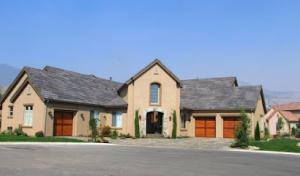
Mountain Vista Roof Systems
(775) 431-6367 mountainvistaroofing.com
36 Glen Carran Cir, Sparks, Nevada
5.0 from 159 reviews
At Mountain Vista Roof Systems, we are your trusted partners in safeguarding your home through excellent roofing service. With decades of experience, we offer top-notch solutions tailored to your needs. Our roofing team specializes in roof repairs, replacements, and installations, utilizing high-quality materials and the latest technology. Choose Mountain Vista Roof Systems for reliable and affordable roofing services, ensuring your peace of mind under every weather condition.
Mills Roofing
(530) 587-6070 www.millsroofinginc.com
57 Coney Island Dr, Sparks, Nevada
4.9 from 166 reviews
With over 45 years of experience with the steep and snowy conditions of the Tahoe-Truckee region, we know how to best provide for the roof of your home. We bring you the benefit of our 40 years experience in Tahoe/Truckee. When it comes to roofing your building in the mountains, we know exactly what is required and when it needs to be done. For us, honesty is the only policy and we strive to complete all projects with integrity. We are one of the most trusted construction companies in US. We will help you find the perfect roofing option to fit your style and budget. We use quality manufacturers and pride ourselves on our craftsmanship. Your satisfaction is our main goal. We offer affordable roofing solutions. Financing is Available.
CTR Roofing
395 Freeport Blvd #5, Sparks, Nevada
4.9 from 43 reviews
DO YOU NEED A ROOF INSTALLATION IN SPARKS, NV? WORK WITH A DEDICATED ROOFING CONTRACTOR It can be easy to forget how important your roof is. A sturdy roof protects your home from the elements and insulates your interior from extreme heat and cold. Keeping it in good shape is of the utmost importance. A roofing contractor from C T R Roofing, LTD in Sparks, Nevada can make sure your roof is in good condition. We offer a variety of roofing services, including installation, repair and restoration. Our team maintains and installs commercial and residential roofs using a variety of materials.
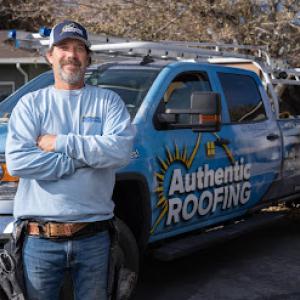
Authentic Roofing
(775) 560-1450 www.authenticroofing.com
1757 Shaber Ave, Sparks, Nevada
4.8 from 64 reviews
Family-owned and locally operated, we bring 39 years of roofing experience and have proudly served our community for 7 years. We specialize in new roof installation, re-roofs, roof repairs, and work on all types of roofing systems for residential and commercial properties. From Comp Shingle, Tile and metal roofs. Our team is committed to honest service, quality and craftsmanship, and protecting what matters most. We are honored to be recognized as Best of Sierra Nevada 2024 & 2025 winners, the Osborne Award from BBBSNN 2024 and Best of Reno 2025. Gives us a call if you want to scheduled an estimate or if you just have some question, we are here to serve!
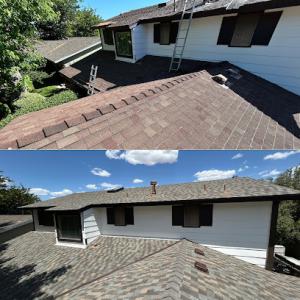
Specialty Roof Repairs
(775) 830-5007 www.specialtyroofrepairs.com
1140 Xman Wy, Sparks, Nevada
4.9 from 15 reviews
we are a roofing contractor with 25 plus years of experience on residential roofing . We're License Bonded and Insured .
Pratt N Sons Roofing
(775) 355-1188 prattnsonsroofing.com
100 Mia Dr, Sparks, Nevada
5.0 from 6 reviews
Ron and Jan Pratt are the owners of Pratt-N-Sons Roofing. We work together to oversee the day to day operations of our company. Ron Pratt grew up in the roofing business. He started carrying shingles up the ladder to his dad and uncle's at the young age of eight. While growing up in the Sparks area, Ron advanced to roofer at sixteen years old. After graduating high school he went on to work for a local company. Jan Thran-Pratt grew up in Gardnerville, Nevada. Jan worked for a local athletic company while raising his, hers, and our children. Needless to say Jan was very nervous when Ron proposed the idea of starting their own roofing company.
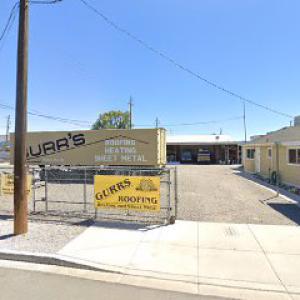
Gurrs Roofing
(775) 358-1711 www.gurrsroofing.com
575 S 16th St, Sparks, Nevada
4.0 from 16 reviews
Gurrs Roofing Heating and Sheet Metal - Above All a GURRreat Roof! Serving Sparks, Reno and Washoe Counties. Over 60 Years of Experience, Trust Our Experienced Team for Your Next Reroofing Job, Expert Commercial & Residential Roof Repairs.
Kodiak Roofing & Waterproofing
(775) 562-3800 www.kodiakroofing.com
1890 Purina Way, Sparks, Nevada
4.0 from 21 reviews
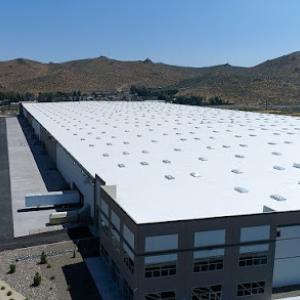
An award winning commercial roofing and waterproofing contracting firm based in Reno, Nevada. Since 1991, we have proudly provided the highest quality roofing and waterproofing solutions throughout the Western United States. Our strength lies in our ability to provide a single source installation for the entire protective envelope of our client’s buildings. Our highly skilled team combines decades of experience with cutting edge technology to provide the most comprehensive roof repair and waterproofing results available. Our mission is to provide our client’s with real asset protection through high quality, competitively priced, roofing and waterproofing solutions.
Global Commercial Roofing
(775) 429-2860 commercialroofingnv.com
44 Glen Carran Cir, Sparks, Nevada
5.0 from 2 reviews
Global Commercial Roofing is a licensed, insured, and GAF-certified, and Spray Foam Certified commercial roofing contractor serving Reno, Sparks, and Carson City. As a 4th generation, family-owned business, we specialize in flat roofing solutions, including Spray Foam, Single-Ply, TPO, Modified Bitumen, and Silicone Roofing. We offer fair pricing, free estimates, and excellent warranties to ensure the longevity of your commercial property. Contact us today for all your commercial roofing needs in Northern Nevada.
Alpine Roofing
(775) 358-7663 www.alpineroofing.net
25 Greg St, Sparks, Nevada
3.1 from 10 reviews
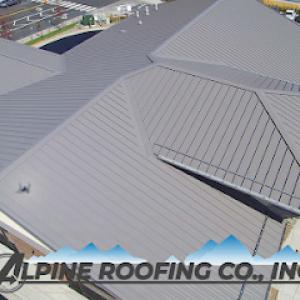
Alpine Roofing Company, Inc brings over 80 years of experience to your project. We only use quality materials, employ highly experienced roofers, and are fully licensed and insured roofing professionals. This attention to quality suffuses all aspects of our business and has led to the development of our sterling reputation. The next time you need a commercial roofing job done just right, have faith in our track record. We’ve provided roofs for some of the most recognizable structures in our area, and stand ready to share this expertise with your commercial enterprise. Whether you need a single-ply roof, a metal roof, metal wall panels, a foam roof, or a roof coating.
Roof Crafters
(775) 831-4188 www.roofcrafterswest.com
Serving
4.9 from 101 reviews
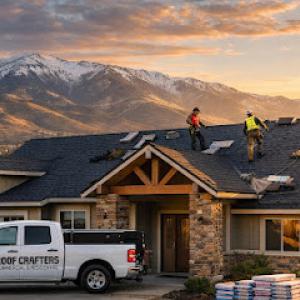
The Roof Crafters team is available 24 hours a day, 7 days a week, 365 days a year for customers throughout our Nevada service area, which includes Tahoe Reno Industrial Complex, Minden, Gardnerville, South Lake Tahoe, Truckee, Tahoe City, Incline Village, Fallon, Fernley, Yerington, Susanville, and Lovelock.
Great Basin Roofing
(866) 886-3976 greatbasinroofing.com
Serving
4.9 from 188 reviews
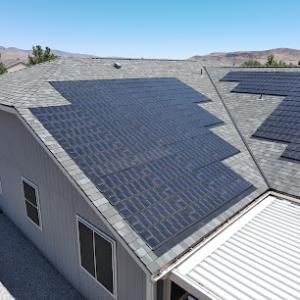
With Great Basin Roofing & Solar you get more than great value, you get an entire team of residential and commercial exterior problem solvers. Plus, you get a lifetime warranty, fast turnaround on most jobs, and amazing customer service professionals who are here to make sure you're happy every step of the way. 100% Financing Available New Roof Re-roof Roof repairs Solar Roofs Solar panels Solar Batteries
In this high-desert climate, the dominant residential roof materials include asphalt shingles, metal roofing, clay tile, concrete tile, wood shingles or shakes, and synthetic or composite shingles. The desert swing between blistering summer heat and freezing winter nights shapes how each option behaves-from underlayment choices to fastener patterns and how brittle or impact-sensitive a roof becomes over time. The local market recognizes that tile systems, in particular, are a meaningful part of the contractor pool, alongside standard asphalt and metal, so homeowners benefit from familiarity with installers who understand Sparks-specific conditions.
Asphalt remains a common choice for Sparks homes because of its balance between performance and familiarity. In high heat, the upper surface can expand and contract, which stresses the shingle edges and can lead to cupping or granule loss over the years. In winter, freezing cycles can make exposed edges more susceptible to microcracking if fastened too loosely. When selecting underlayment and fasteners, rely on products designed for both temperature extremes and wind resistance, and ensure the roof deck is solid and dry before laying new shingles. Maintenance should focus on checking for lifted tabs after seasonal storms and addressing any heat-induced curling before it propagates.
Metal roofing handles sun and cold with ease, but the choices within metal systems matter. In Sparks, metal that uses proper underlayment and mechanically fastened seams stands up well to hail and wind. The metal's reflective surface helps reduce heat buildup, but flashing and edge details must be tight to resist wind-driven water intrusion during winter storms. For metal, the fastening pattern should accommodate thermal expansion and contraction, avoiding overly rigid attachments that could crack or deform fasteners in temperature swings. If hail is a concern, choose panels with a proven impact rating and inspect after storms for obvious dents that could initiate corrosion over time.
Clay and concrete tiles are well-suited to long life in summer heat, but they demand precise installation and maintenance in our winter climate. Tile's weight requires a strong, well-supported deck, plus careful fastening to tolerate freeze-thaw cycles without cracking. In this market, specialist installers who understand tile expansion joints, Ridge and valley detailing, and proper underlayment for moisture movement are common and valuable. Hail impact testing is relevant for tile, so check that tiles and their fasteners are in good condition after storms, and be mindful of broken tiles exposing underlayment to cold air and moisture.
Wood systems deliver a classic appearance but require ongoing upkeep in a climate with daily sun exposure and winter moisture shifts. Wood is more susceptible to hail impact and to warping with heat, so periodic inspections for cracks, rot, and lifted edges are essential. Underlayment choices should emphasize breathability and moisture control, while fasteners must accommodate expansion and contraction without loosening. If you choose wood, plan for more frequent resealing or refinishing to preserve performance in Sparks' temperature cycles.
Synthetic and composite shingles blend durability with versatility, often offering good impact resistance and lighter weight than tile. In this market, performance hinges on an underlayment and fastening system designed for both heat and cold. Look for products that maintain flexibility under cold exposure and resist granule loss in sun exposure. As with other options, routine inspection after hail events helps catch early signs of wear or seam issues before they escalate.
Tile roofs are a common sight in this climate, but the big truth is that the surface tiles often outlive the waterproofing layer beneath them. When that happens, the real trigger for replacement becomes the underlayment, not the visible tile itself. That means a quick patch on a broken tile can mask a deeper issue: damage that has compromised the roof's core barriers. You want a contractor who treats the system as a whole, not just the cracked piece on top. If the underlayment has deteriorated, leaks can appear in areas that aren't obvious from the roof line, and repairs can spiral into more extensive work than expected. Treat every cracked or displaced tile as a potential sign of underlayment wear, and plan inspections that verify the condition of the layers below.
The winter cycle here brings freeze-thaw stress that older Sparks roofs already feel. Cracked tile, slipped pieces, and vulnerable penetrations tend to show up more quickly after several cold snaps followed by sudden warming. The danger is not just a missing tile; it's water intrusion behind the tile that undermines the roof deck and the underlayment. In practice, that means routine checks after the cold season are essential. Look for hairline cracks in tiles, loose edges, and mortar or sealant gaps around vents and chimneys. If you see multiple cracked tiles, don't assume a single replacement will suffice-the underpinning layers may have already weakened, requiring a more comprehensive evaluation.
Because tile is prevalent in town, homeowners need contractors who can distinguish between isolated tile breakage and full-system underlayment failure. A competent inspection will separate surface tile damage from deck or underlayment deterioration and identify penetration points at risk. Expect a careful moisture test, a deck inspection, and a review of any past repairs. If underlayment shows signs of aging, plan for replacement of that layer rather than chasing a few cracked tiles alone. Early, accurate diagnosis saves you from cascading issues when the next storm hits and the temperature swings resume.
Seek a contractor who brings a holistic view to tile roofs: not just tile replacement, but a documented assessment of underlayment condition, deck integrity, and ventilation. Ask for written notes on how freeze-thaw cycles have affected the system and request examples of similar Sparks projects where underlayment work was performed. A transparent plan that addresses both visible tile concerns and hidden moisture pathways will stand up to this high-desert climate and its demanding cycles.
Find contractors who specialize in clay and concrete tile roofs, known for their durability and curb appeal.
Authentic Roofing
(775) 560-1450 www.authenticroofing.com
1757 Shaber Ave, Sparks, Nevada
4.8 from 64 reviews
Specialty Roof Repairs
(775) 830-5007 www.specialtyroofrepairs.com
1140 Xman Wy, Sparks, Nevada
4.9 from 15 reviews
Typical Sparks reroof pricing runs about $350 to $650 per square for asphalt shingles, $700 to $1100 for metal, $900 to $1500 for clay tile, $800 to $1400 for concrete tile, $900 to $1500 for wood shingles or shakes, and $450 to $900 for synthetic or composite shingles. Those figures reflect the high-desert mix of hot summers, cold snaps, and occasional hail that affects both materials and labor. When you compare bids, make sure the quote separates tear-off, underlayment, and any tile-handling or reinforcement costs so you can see where you're paying for labor versus material.
Costs in Sparks can rise when hail or wind events create a surge in demand for reroofing and emergency dry-in work during already favorable weather windows. After a hailstorm, crews may be booked out for weeks, and suppliers can experience temporary shortages of underlayment, tiles, or ridge vents. If you're facing a sudden need, expect tighter scheduling and potentially higher labor rates, especially for tile and metal systems where skilled crews are in high demand. Build in a cushion of time and a contingency for fast-tracked material delivery if a weather window opens unexpectedly.
Tile-heavy housing stock in parts of the Sparks market can increase labor complexity compared with basic shingle tear-offs, especially when underlayment replacement or broken tile sorting is involved. Clay and concrete tiles require careful removal to avoid cracking adjacent pieces and may need additional strapping or reinforcement over age-worn roofs. Underlayment replacement is more common with tile, which adds to both material and labor costs. If your home has numerous dormers, valleys, or chimney details, expect the estimate to reflect extra handwork and careful tile handling.
Start with a detailed bid that lists materials, disposal, and potential tile salvage or sorting. Ask about a staged plan if you're dealing with hail damage, so you can prioritize dry-in and temporary coverings during a short weather window. For asphalt, consider upgrading to a higher wind- and impact-resistant shingle if your area sees frequent hail. For tile homes, verify whether the bid includes tile replacement for any damaged pieces and a plan for seamless color and texture matching. Finally, factor in the long-term value: higher upfront investment in durable metal or concrete/ clay tile can reduce future maintenance in Sparks' climate.
Don't let upfront costs delay a critical repair - these contractors offer payment plans to fit your budget.
Mills Roofing
(530) 587-6070 www.millsroofinginc.com
57 Coney Island Dr, Sparks, Nevada
4.9 from 166 reviews
Reroof projects in the area generally require a building permit from the City of Sparks. This ensures that the work complies with local wind, hail, and heat exposure standards and that the roof assembly meets Sparks' unique climate demands. Before any shingle, tile, or metal panel is removed, verify that the permit process is initiated so inspections can be scheduled in tandem with the project timeline. A permit helps protect both the homeowner and neighboring homes from unforeseen shear and load issues that can arise with high-desert conditions.
Reroof inspections in Sparks are typically scheduled in stages during the project. The first inspection occurs after underlayment and any required ice- and water-shielding are installed, allowing the inspector to verify correct flashing and underlayment detail. The second stage focuses on layout: fastener patterns, alignment, and the integration of eaves, hips, and ridges with the chosen roofing system. A final inspection takes place after completion to confirm that the roofing finish is properly installed and sealed, including any penetrations around vents and plumbing stacks. Coordinate with the local building department and the contractor to ensure the inspection windows align with material deliveries and weather windows common to the high-desert climate.
Plan review and permit issuance commonly take about one to two weeks in Sparks. During peak season, there can be expedited options or temporary rush processing if urgent timelines exist, so it is worth asking the permit office about current lead times and any available fast-track avenues. Starting the permit process well in advance of material delivery helps avoid weather-driven delays, especially when temperatures swing and hail events threaten schedules. Keep a detailed project calendar that aligns staging inspections with delivery windows-this minimizes the risk of missed inspections and rework.
Prepare clear site plans showing the roof footprint, vent locations, and any rooftop equipment. Have proof of contractor licensure and insurance on hand for the permit submission, and ensure the contractor understands the staged inspection process to prevent hold-ups. If a storm or heatwave disrupts the schedule, contact the city promptly to reschedule inspections rather than letting the permit lapse. Remember that proper documentation and timely inspections not only satisfy code requirements but also reinforce the roof's resilience against Sparks' high-desert hail, wind, and temperature swings.
The Sparks insurance environment is generally stable, but premiums can reflect local weather risk tied to hail and wind exposure. Homes with metal, tile, or asphalt systems in this high-desert climate face the dual stress of scorching sun and sudden temperature swings, which can push aging materials toward failure. When a hailstorm or strong gusts roll through, carriers scrutinize not just the visible impact but how the roof has been cared for over time. In this market, a well-maintained roof that shows minimal pre-existing wear often negotiates smoother claim handling, while signs of long-standing dry-climate aging can complicate coverage discussions.
Homeowners should keep dated photos, maintenance records, and prior repair documentation because carriers may ask for evidence of pre-existing condition and prior damage. A clear visual timeline helps claims staff separate acute storm damage from gradual degradation. Store photos from different angles, ideally taken after each major season, and preserve any contractor notes or invoices that enumerate what was repaired or replaced and when. Having a concise file reduces back-and-forth with adjusters and can support a fair assessment if a hail or wind event tests the roof's integrity.
Adjusters reviewing Sparks roof claims often look closely at whether visible damage is consistent with a recent storm event versus older dry-climate wear. The high-desert climate means that aging can manifest in ways that mimic storm damage, or conversely, that recent impacts may reveal existing vulnerabilities. Be prepared to discuss the roof's service history: color fading, edge wear, lifted shingles, or flashing corrosion can all influence the verdict. If you suspect a mismatch between what happened recently and what's observed, a professional roof inspection documented with timestamped notes and photographs can provide a decisive complement to the claim file.
Keep a routine of seasonal roof checks, especially after hail or high-wind days. When you file a claim, assemble the storm date, a short incident narrative, and your maintenance dossier in one accessible location. Communicate any temporary repairs or tarping promptly and preserve receipts. If an adjuster arrives, designate your own independent documentation as a supplementary reference to ensure the claim reflects the true condition of the roof at the time of the event.
Find local contractors experienced in assessing and restoring roofs after hail, wind, and severe weather events.
Authentic Roofing
(775) 560-1450 www.authenticroofing.com
1757 Shaber Ave, Sparks, Nevada
4.8 from 64 reviews
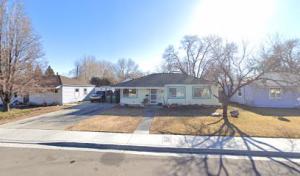
The sunny high-desert conditions make roof-mounted solar especially relevant when homeowners are planning a reroof timeline. In this climate, panels must tolerate not only shade-free days but also rapid heating and cooling across seasons. Choose mounting hardware that matches the roof type you already have or plan to install, and verify the racking system has an adequate warranty for desert sun exposure and wind. Pay attention to sealant longevity around penetrating fasteners, and favor systems that offer integrated flashing and watertight joints designed for both tile, metal, and asphalt roofs common in this area. Local roofs endure thermal cycling, so rely on flashing details that accommodate expansion and contraction without sacrificing watertightness. If possible, select a reroof plan that permits panel removal and reinstallation without disturbing multiple surrounding penetrations, which reduces glare from misaligned seals after a long summer.
Skylights and solar mounts share the same vulnerability in this climate: large temperature swings stress sealants, gaskets, and flashing details. When planning around skylight penetrations, ensure the flashing transitions are clean and continuous with the roofing material. For clay, concrete, or metal roofs, use flashing that accommodates the specific substrate and offers a wind-rated seal. Inspect underlayment around each penetration for any signs of wear after winter freezes. In Sparks, where hail exposure is a consideration, choose impact-rated skylight units and ensure sealants used at the perimeter stay flexible over time. Tighten flashings around penetrations after the first seasonal temperature extremes to maintain long-term performance.
Coordinating reroofing with solar removal and reset is particularly important so homeowners do not replace roofing around aging attachment points. When a reroof is scheduled, plan for full removal of existing mounts and flashing at every penetration point, not just the visible top flange. This reduces the risk of leaks from compromised sealants where the roof meets the penetrations. Confirm that new penetrations align with panel arrangements and that extra flashing length and sealant are available where the solar racking meets edge trims and valleys. A disciplined, full-penetration approach helps preserve the new roof's integrity through the high-desert cycle.
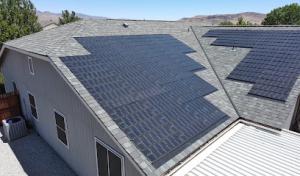
Find contractors who integrate solar panels or solar shingles into your roof for long-term energy savings.
Mountain Vista Roof Systems
(775) 431-6367 mountainvistaroofing.com
36 Glen Carran Cir, Sparks, Nevada
5.0 from 159 reviews
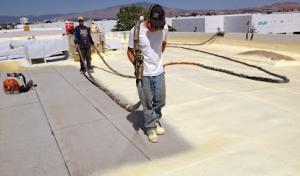
While pitched residential roofs dominate, there is still a smaller but active local market for flat and low-slope roofing work. In the Truckee Meadows climate, these roofs face a different set of stressors: rapid summer heat, cold snaps, and infrequent hail impacts that can stress membranes and seams. A successful low-slope install in this area starts with a careful assessment of drainage, insulation, and substrate condition, since pooling water or ice damming can undermine performance more quickly on a low-slope design than on a steep roof.
Low-slope systems commonly used in this market include single-ply membranes, modified bitumen, and traditional built-up options, each with pros and tradeoffs under high-desert conditions. In homes with existing tile or metal, consider how a low-slope addition integrates with transitions, edge details, and curb penetrations. Proper securing and seam detailing are essential to resist wind uplift and hail impacts. When selecting a system, align substrate compatibility with your climate window and expected seasonal cycles, ensuring the chosen membrane or roofing layer tolerates daily temperature swings and prolonged sun exposure.
Summer heat in Sparks can affect adhesive performance and material handling on low-slope reroof projects, making timing and staging important. Schedule critical stages for cooler morning hours when hot-roof conditions won't compromise adhesive cure or sheet alignment. If a replacement is needed during peak heat, discuss ventilated deck strategies, glue-down schedules, and temporary coverings to minimize heat-related handling issues and maintain consistent seam integrity.
Roof coating appears in the Sparks contractor market as a niche service rather than the dominant reroof path, so homeowners should treat it as a targeted solution instead of the default option. Coatings can extend life on certain substrates, provide reflective benefits, and offer a repair-focused approach for specific leaks. For most low-slope projects, use coatings as a supplementary measure alongside a primary membrane system, especially where hail exposure and long-term UV load are concerns.
Find specialists in TPO, EPDM, and built-up flat roofing systems for residential and commercial properties.