
Last updated: Apr 19, 2026
Granite Bay sits in a wildfire-conscious part of Placer County where ember exposure is a practical roof concern during fire season. The hillside fuel, dry heat, and rhythmic Santa Ana-like gusts mean embers can travel long distances, landing on roofs and gutters long before flames reach the eaves. Your roof is not just a cover; it's the first line of defense for your home and your neighbors. When a fire season stacks up, a worn or vulnerable roof becomes a doorway for ignition, not a barrier. Be prepared with a plan that treats ember exposure as a design parameter, not a cosmetic afterthought.
Granite Bay homeowners regularly compare fire performance against appearance and price because the local mix includes tile, metal, asphalt shingles, composite, and slate. Each option behaves differently under ember assault and radiant heat. Metal roofs can shed embers more reliably, but off-ridge flashings and fasteners must be corrosion-resistant and correctly sealed. Clay and concrete tiles offer substantial noncombustibility, yet they require careful detailing to break lines where embers can accumulate and ignite underlayment or roof deck near penetrations. Asphalt shingles, when upgraded to fire-rated varieties and properly installed, can perform well against embers, but older products and improper venting can create weak spots. Slate and synthetic composites bring their own balance of weight, durability, and ember resistance, with installation precision playing a decisive role. In Granite Bay's climate, the choice is rarely one-size-fits-all; it's a careful alignment of fire performance, long-term durability, and how the roof visually integrates with the home.
The practical goal is an ember-resistant roof assembly that keeps embers from entering attic spaces and the home's interior. Start with a continuous underlayment that is rated for ember exposure and compatible with your chosen roofing material. Ensure metal flashings and edges are corrosion-resistant, with sealed seams and airtight transitions around chimneys, vents, and skylights. For tile and slate roofs, verify every lap, fastener, and valley detail is designed to resist ember intrusion. If choosing asphalt or composite shingles, select a fire-rated product and insist on a careful, occupation-specific installation that minimizes exposed underlayment and maximizes wind-driven ember resistance. The assembly should include proper gutter protection and ember-proofing around penetrations, so embers travelling along the roofline don't become a pathway into the attic or living spaces. A builder or roofer who understands Granite Bay's ember realities will tailor these details to your roof's geometry, slope, and prevailing wind patterns.
California's current insurance environment makes roof age, condition photos, and defensible-condition documentation more important for homes in wildfire-exposed areas like Granite Bay. Start by keeping a dated record of the roof's condition, including close-up photos of vents, flashings, and any signs of wear or damage. Create a simple maintenance log that tracks cleaning of debris-laden valleys, gutters, and eaves, as well as any repairs to sealants and flashings. When planning a reroof, request a pre-project assessment that highlights ember-exposure vulnerabilities and a post-installation confirmation that the assembly meets ember-resistant standards for your chosen materials. This documentation can streamline conversations with insurers and provide a clear, evidence-based narrative of the roof's readiness for another fire season. In practice, that means coordinating with a roof professional who can deliver both the technical details and the photo-ready proof insurers require, all while keeping the job aligned with Granite Bay's heat, sun, and wind realities.
Inspect the roof annually, focusing on eaves, vents, and penetrations where embers tend to lodge. If a reroof is imminent, prioritize an ember-resistant assembly that matches your home's style and climate needs, then pair installation with thorough documentation that demonstrates defensible-condition readiness. This combination - thoughtful material choice, meticulous detailing, and robust records - is your best defense against a windy, ember-filled fire season in Granite Bay.
Find local contractors experienced in assessing and restoring roofs after hail, wind, and severe weather events.
Great Valley Roofing
(916) 886-4565 greatvalleyroofing.com
Serving
5.0 from 33 reviews
Welcome to Great Valley Roofing, your trusted partner for top-tier roofing solutions in Antelope, CA. With a wealth of industry expertise and a fresh outlook, we are the premier choice for all your roofing needs. Specializing in residential projects, we provide unparalleled services including roof repair, installation, replacement, and exquisite tile roofing to both residential and commercial properties. Our commitment to excellence ensures your property's protection and aesthetics. Quality all ways! To learn more, contact us today and schedule your appointment!
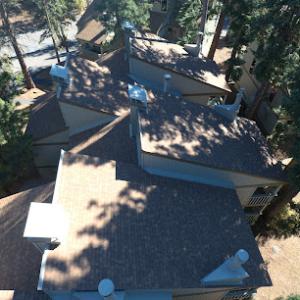
Prime Roofing
(916) 218-0222 primeroofingca.com
Serving
5.0 from 24 reviews
Local Roofing company. Licensed roofing contractor. Serving Roseville, Placer county, Sacramento county and its surrounding cities. Achieving excellence is our commitment to our community.
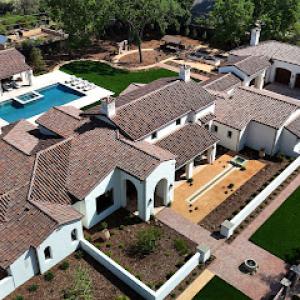
Lucero's Roofing
(916) 983-8801 lucerosroofing.com
Serving
4.9 from 67 reviews
I started my Roofing company over 22 years ago with one goal in mind. My goal was to be honest and give my customers the best quality roof at an affordable price. Now looking back over the years I'm proud to say that my philosophy has not changed. Here at Lucero's Roofing we treat every job no matter how big or small the roof is with the same standards of quality. I have met so many people and have made so many friends over the years at my company by earning their trust.
North West Fresh Roof
(916) 694-1911 www.cafreshroof.com
Serving
5.0 from 32 reviews
North West Fresh Roof is Roseville’s premier choice for eco-friendly roof restoration and exterior cleaning. Specializing in Roof Rejuvenation, we use patented GreenSoy Technology to extend the life of your asphalt shingles by 6+ years at a fraction of the cost of replacement. Our expert team also provides professional soft-wash roof cleaning, moss removal, and gutter clearing to protect your home’s structural integrity. Beyond the roof, we offer high-performance pressure washing for driveways and gentle house washing for siding and stucco. Proudly serving Roseville, Rocklin, Lincoln, Granite Bay, and the greater Sacramento area, we are committed to quality service, sustainable solutions, and a 6-year warranty on every rejuvenation.
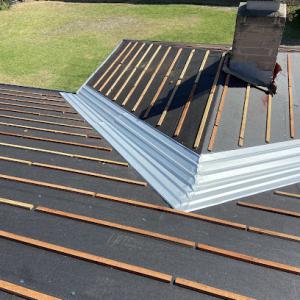
Sacramento Valley Roofing & Gutters
(916) 633-6011 sacramentovalleyroofingandgutters.com
Serving
4.9 from 65 reviews
"Water Proofing Sacramento State And Surrounding Areas" Sacramento Valley Roofing & Gutters is a premier roofing and gutter solutions provider proudly serving the greater Sacramento Valley region. Built on a foundation of integrity, quality workmanship, and outstanding customer service, we are committed to delivering reliable and long-lasting exterior solutions that protect homes and businesses for years to come. Our team of licensed professionals specializes in a full range of residential and commercial roofing and gutter services. From new roof installations and comprehensive repairs to custom gutter systems and routine maintenance, we bring precision, professionalism, and peace of mind to e
Porter Roofing
(916) 628-8088 www.porterroofs.com
Serving
4.7 from 66 reviews
Porter Roofing leverages its extensive experience to deliver exceptional roofing solutions in the greater Sacramento area. Their team's expertise ensures quality craftsmanship on every project, solidifying their reputation as a trusted choice for homeowners.

Triark Roofing
(916) 276-8632 triarkroofing.com
Serving
5.0 from 130 reviews
Triark Roofing is a roofing contractor in Roseville, CA serving Placer County, Greater Sacramento Area, Sacramento County, Elderado County and nearby areas. Our roofing company offers residential roofing, commercial roofing, roof repair, asphalt shingle roofing, metal roofing, and more. We also specialize in roof related dry rot repairs, gutter install, and roof cleaning services. Customers love us because of our comprehensive roof warranties and our affordable roof financing options. We also have industry affiliations and certifications such as Malarkey Emerald Pro and Premium. If you want to experience how your most trusted Roseville roofing company embraces our motto “Roofing Done Right", call us now for a free estimate!
All Slopes Roofing
(916) 663-4036 www.allslopesroofing.com
Serving
4.8 from 31 reviews
All Slopes Roofing, Inc. is a licensed roofing contractor in the state of California, Lic. 723930. To keep you and ourselves at peace of mind we are bonded and insured for your protection. A little about us- We are a local, family-owned business since 1978. We were a father and son duo until 1996 when just the son, Robert, bought the business. We are here to help and hope to gain your trust in our work and provide bids at no cost.
Level 1 Roofing
(916) 258-7393 level1roofing.com
Serving
4.5 from 24 reviews
L1R works on residential and commercial properties with a variety of energy-efficient materials always with the ongoing belief that, while project sizes differ, the dedication we have to our clients and the quality of our services do not. Many contractors claim to go the extra mile, but for us there is no extra — everything is already included in a total roof from L1R We are a Full Service Commercial & Residential Roofers in Northern California providing Free Estimates for New Roof Construction, Re-Roofs, Roof Coatings and Roof Repairs.

Roof Recovery
(916) 665-0285 www.roofrecoverysac.com
Serving
4.9 from 657 reviews
Roof Recovery: your trusted local roofing contractor, dedicated to the repair and replacement of roofs. Since 2017, we've been committed to providing an enjoyable and honest experience for our customers, ensuring satisfaction from start to finish. Getting a free quote is easy – simply call or book online. As a family-owned company, we constantly strive to improve, offering fair prices and exceptional service throughout the roof installation or repair process.
5 Star Roofing
(916) 702-3051 5starroofing-ca.com
Serving
5.0 from 75 reviews
5 Star Roofing is a trusted roofing company serving Northern California, specializing in both residential and commercial roofing services. Founded in 2015 by Michael Sperling, the company boasts over 18 years of experience in the roofing industry. Known for its dedication to quality and customer satisfaction, 5 Star Roofing offers comprehensive roof installation, repair, and maintenance services. The team is committed to using top-quality materials and providing durable, long-lasting solutions for every project. With a reputation for professionalism, reliability, and attention to detail, 5 Star Roofing ensures all projects are completed on time and within budget.
American Cool Construction
(916) 800-2892 www.americancoolconstruction.com
Serving
4.8 from 59 reviews
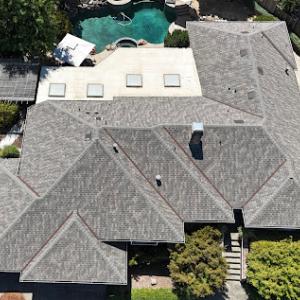
Welcome to American Cool Construction, your premier choice for roofing solutions. Specializing in replacements, installations, repairs, siding, and painting, we ensure your home is protected and looking its best. As a highly rated, licensed, and insured contractor, we deliver superior craftsmanship and customer service. We understand the importance of quality roofing that enhances your home's appeal and durability. Whether a complete overhaul or minor repair, our skilled team exceeds expectations. We also offer energy-efficient cool roofs, saving on bills and reducing environmental impact. Choose us for reliability, professionalism, and to preserve your home’s integrity. Contact us today for top-tier roofing solutions.
You'll notice that the dry season in this foothill area stretches long and hot. That means tear-off and underlayment exposure should be scheduled when rain is unlikely to disrupt work or soak exposed materials. The objective is to keep shingles, underlayment, and matching roof penetrations dry during removal and installation. Avoid starting a reroof in late autumn if a wet winter is already in the forecast, and aim for a window where daily temperatures are consistently above the mid-50s and moisture risk is low. Your goal is to complete the tear-off, install the new underlayment, and set the roof deck in a single, continuous push to avoid repeated exposure of bare decking.
Granite Bay sits in a climate where strong summer sun can accelerate aging on south- and west-facing slopes. If the home has multiple faces, prioritize ordering and material staging so the most sun-exposed sections of the roof get done early in the project. This minimizes the period the deck is exposed to heat and UV, reducing warping risk and helping the new underlayment grip better. For ember-ready assemblies, ensure the installation sequence keeps critical underlayment and sealing layers protected from long daytime heat during the initial phase, especially on those slopes that receive the most sun.
Winter rainfall can delay reroof work and increase the risk of water intrusion if replacement starts too late in the season. To mitigate this, align the project so the most vulnerable steps-deck preparation, underlayment, and first-layer installation-are completed before the rainy season begins in earnest. Have a clear contingency plan for weather days, including safe access and temporary upper-level protection if a storm rolls in mid-project. If a late-season schedule slips, you may face extended exposure of the roof deck, which elevates the chance of moisture intrusion and potential interior damage. In this region,-pencil in a finish date that leaves room for rain events without compressing the critical install window.
Wildfire risk profiles influence reroofing timing in foothill zones. Embers can accumulate and ignite if proper venting and sealing practices lag behind the installation schedule. When selecting an installation window, coordinate with the crew to ensure ignition-resistant underlayment, properly sealed penetrations, and the latest ember-resistant roof assembly details can be completed without rushing. Favor dry, calm days for critical sealing work and for installing vent sleeves and ridge cap components to minimize gaps that embers could exploit.
Before work begins, confirm the weather window for dry, moderate days, ensure the crew has a clear plan for handling south- and west-facing slopes, and verify that ember-resistant detailing is integrated into the sequence. A well-timed replacement minimizes exposure, protects the deck, and aligns with the region's hot-summer and wet-winter pattern, keeping the project on track and reducing the likelihood of disruption from seasonal conditions.
When you can't wait, these contractors offer fast response times to stop leaks and prevent further damage.

Spartan Home Services - Roofing & Solar
(916) 458-0685 www.spartanhomepros.com
Serving
4.8 from 285 reviews
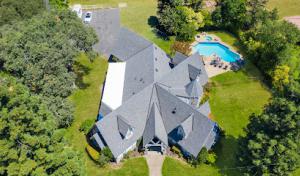
Clay and concrete tile dominate the roofscape here, a hallmark of the foothill character that defines many neighborhoods. That tiled surface isn't just about appearance; it influences maintenance cycles, ventilation needs, and the way you stage a reroof when the seasons shift. Tile roofs in this area tend to handle heat well, but sun exposure accelerates aging of underlayment and fasteners if the system isn't designed with wildfire-ready principles in mind. When choosing replacement or upgrades, lean into assemblies that pair radiant-reflective finishes with durable underlayment, especially on south- and west-facing exposures that soak up the afternoon sun.
In higher-end homes, slate and synthetic alternatives sit alongside traditional tile as premium choices. Slate becomes a natural fit for steep pitches and visible ridge lines, offering a distinctive look with strong longevity. Synthetic options, crafted to emulate natural materials, deliver a lighter weight profile and easier handling during windy spring reroofs. Both choices pair well with ember-resistant details, provided the installation emphasizes continuous underlayment, ignition-resistant vents, and proper clearance around roof penetrations. For Granite Bay homeowners, these combinations support sustainable performance in a wildfire-prone environment while preserving curb appeal.
Spring wind events demand extra planning when roofs are steep or heavy. Debris control becomes more complex, and staging during replacement requires careful route planning and neighbor coordination. Tile crews in this area often implement wind-rated underlayment and secure temporary containment to prevent shingle or tile fragments from drifting into yards and street gutters. On steeper slopes, ensure fall protection is integrated with material handling strategies, and that tile trampolines or overhead fall arrest measures are in place to minimize risk during removal and reinstallation. A thoughtful reroof sequence reduces exposure to wind-driven debris during the critical window of replacement.
Ember exposure shapes the choice of roof assembly. Tile roofs can be highly ember-resistant when paired with closed-cut hip and ridge designs, noncombustible underlayment, and ignition-resistant venting. The goal is to create a continuous, non-porous barrier that limits ember intrusion at the eave, chimney, and vent junctions. When evaluating a reroof, prioritize products and installation practices that minimize gaps and gaps at penetrations, and confirm that long, continuous metal flashings are integrated to bridge joints and transitions. A well-executed tile reroof reduces the chance of ember infiltration during Santa Ana or coastal wind events, preserving interior envelopes without costly repairs.
Keep gutters clear and inspect ridge lines after storms to spot cracked tiles or displaced fasteners before they propagate. If a tile needs replacement, matching profiles and weights matters for balance and wind performance. In neighborhoods with frequent sun exposure, periodic coating or resealing of flashing components can extend service life and support ember-resistant performance over time. For Granite Bay homeowners, the alignment of aesthetics, wildfire readiness, and seasonal wind behavior comes together most clearly in tile choices that respect both the local climate and the distinctive foothill landscape.
Find contractors who specialize in clay and concrete tile roofs, known for their durability and curb appeal.
Granite Bay's broad mix of asphalt, metal, tile, composite, and slate creates a wider-than-average pricing spread between entry-level and premium reroof projects. For an average-sized, typical home, asphalt shingles sit at the lower end of the spectrum, while slate and high-end tile pull well into the premium range. The local market also sees a notable gap between standard installations and roof upgrades that add ember-resistant features or extended warranties. If a home leans toward larger square footage or an elevated architectural style, expect the price ladder to expand rather than tighten.
Asphalt shingles stay the most budget-friendly option, offering solid fire resistance when paired with proper underlayment and venting, but they still vary with shingle class and color choices. Metal roofing presents a broader spread, especially when premium solar-ready or impact-rated panels are part of the plan, and it often pays off over time with longevity and energy savings. Clay and concrete tile bring distinct benefits for hot, sunny days and fire exposure, but they add weight and complexity to the installation, which can push costs higher, particularly on custom rooflines. Synthetic or composite shingles sit between asphalt and updated premium products, delivering ember resistance without the heft of tile. Slate remains the premium path, delivering durability and a classic look, yet commanding the steepest price tag per square.
Costs can rise on larger custom homes and more complex rooflines common in upscale residential areas. A roof with numerous valleys, dormers, or multiple levels requires more trim, fasteners, and careful detailing to achieve ember-resistant performance, which raises labor hours and material use. In practice, that means two roofs of similar footprint can diverge meaningfully in cost when one has a more intricate geometry or requires extra flashing and resealing around penetrations.
Project timing can affect pricing because winter weather delays and wildfire-season demand spikes can tighten scheduling and labor availability in the local market. If a reroof is planned during shoulder or peak season, prepare for tighter windows and potential price bumps from demand. To offset this, consider scheduling mid-season, choosing a daylight-friendly start window, and coordinating with a contractor who prioritizes steady crews over rush timelines.
When you're choosing materials, balance upfront cost with expected lifespan and ember-resistance goals. In this market, a premium roof that prioritizes fire resistance and high durability may deliver value through resilience and reduced future maintenance, especially in fire-prone periods. Align material choice with the home's architectural language, attic ventilation, and existing deck-to-roof connections to keep both performance and curb appeal strong for years ahead.
Don't let upfront costs delay a critical repair - these contractors offer payment plans to fit your budget.

Reroof projects in Granite Bay generally require a building permit through Placer County Building Services, or through Roseville if the property falls within that jurisdiction. The exact path depends on property boundaries and how the utility and zoning lines fall. Before planning any materials or schedule, confirm which agency issues the permit for your roof, and be prepared for a process that can involve plan review, not just a quick sign-off. In Granite Bay, the permit decision can influence timelines, required documentation, and the level of detail needed to get approval. Steady communication with the right agency helps avoid last-minute surprises that slow work or trigger rework.
Local review typically concentrates on underlayment choices, ventilation strategy, and the specifics of the roof assembly itself. The emphasis is not only on meeting code but on ensuring ember resistance and wildfire readiness are baked into the design. Expect reviewers to scrutinize underlayment type and installation details, attic ventilation balance, intake and exhaust paths, and how the chosen roof assembly performs under typical foothill conditions. If you're considering ventilation upgrades or an ember-resistant assembly, have the proposed details ready for the plan review so reviewers can approve them before a single shingle is installed.
Inspections occur during and after installation to verify the reroof matches the approved assembly and code requirements. A field inspector will verify that the chosen underlayment, fastener patterns, flashing details, and venting align with the stamped plan and the adopted wildfire-resilience standards. Delays can occur if any element deviates from the approved plan, especially around ember-resistant components and fire-rating requirements. Understanding this early helps set expectations for scheduling, coordination with trades, and ensuring the finished roof passes the post-install check without backtracking. In a high-fire-risk setting, a compliant, well-documented inspection outcome is essential for long-term peace of mind.
California insurer pullback has made underwriting and roof-condition scrutiny more significant for Granite Bay homeowners than in softer insurance markets. Fire-season realities collide with a foothill setting where embers travel unpredictably and roofs age under hot sun. This means that carriers may pause, reassess, or tighten terms after a wildfire event or a near-miss, and a policy renewal can hinge on recent roof performance and visible resilience upgrades. In practice, a homeowner who has not reinforced the envelope may face more challenging renewal terms than a neighbor who has prepared for ember exposure.
Adjusters may ask for roof age, prior repair history, and detailed photos, which matters more in wildfire-conscious foothill communities like Granite Bay. Focused, clear documentation can be the difference between a smooth claim and aggravating back-and-forth. Take recent, high-quality photos showing all roof surfaces, penetrations, flashing, and any vented areas. Note any previous repairs, material changes, or places where debris has accumulated. If a roof has known weak spots or aging components, document those with time-stamped imagery before contacting the insurer.
Premium fluctuations and tighter claim documentation can influence whether owners choose repair, full replacement, or upgraded fire-resistant materials. The decision often hinges on perceived risk reduction and the insurer's willingness to recognize improved resilience. In neighborhoods where wildfire exposure is a real factor, upgrades like ember-resistant assemblies, ignition-resistant shingles, or better overall ventilation can shift the insurer's view on risk, sometimes translating into more favorable coverage language or fewer coverage gaps after a loss.
Build a detailed wall of evidence before filing a claim: a recent roof inspection report, contractor notes on aging components, and photos that capture roof-to-soffit interfaces, attic venting, and chimney details. When choosing between repair and replacement, weigh how well a proposed solution addresses ember ignition pathways, radiant heat exposure, and roof edge protection. If an upgrade makes sense, document the features and anticipated resilience improvements in writing to accompany the claim package. This approach can help a claimant navigate the post-loss process with clearer expectations and fewer disputes.
Connect with contractors who help homeowners navigate the claims process from damage assessment to final approval.
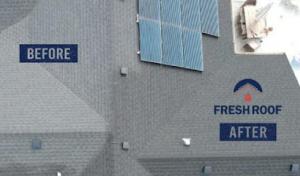
Granite Bay's sunny inland climate makes roof penetrations tied to solar systems especially relevant during reroof planning. When you map your solar array, coordinate placement with existing or planned vent stacks, satellite attic vents, and chimney caps so flashing can be integrated in one pass. Plan for full-coverage underlayment around rafter runs and consider an ember-resistant roof assembly in the immediate vicinity of any penetrations. Choose a sealant and flashing that stay flexible in heat, and verify that fasteners penetrate only through the sheathing and not into hidden cavities. If you have a mixed roof line, schedule solar fabrication and roof work on the same window to minimize exposure to sun and wind.
Sky views and daylight are valued features in a Ridge-run landscape, but skylight work becomes more consequential when winters are wet. Use continuous, corrosion-resistant flashing that ties into the low-slope transition without gaps. Ensure proper trapezoidal or curb flashing if a skylight sits on a minor flat plane or a dormer. Surround any skylight with an ember-resistant detail, especially where the roof plane intersects a chimney chase or vent pipe. During reroof, verify the football-shaped transition around the skylight is integrated with the surrounding shingle or tile layer so water can shed cleanly in winter storms.
Even in a predominantly pitched-roof market, Granite Bay experiences meaningful demand for flat and low-slope work on additions, patios, and some custom home sections. Treat these areas as high-priority penetrations: install a dedicated low-slope underlayment, reinforced edge details, and a continuous drip edge. Pay attention to wind-driven ember exposure at transitions between pitched roofs and flat additions, and seal all seams with approved low-slope sealants. In wet winters, rooftop-to-wall transitions around low-slope zones require careful flashing that directs runoff away from structural penetrations and into the gutter system.
Find contractors who integrate solar panels or solar shingles into your roof for long-term energy savings.
Spartan Home Services - Roofing & Solar
(916) 458-0685 www.spartanhomepros.com
Serving
4.8 from 285 reviews