Last updated: Apr 19, 2026
El Dorado Hills sits in the Sierra Nevada foothill zone where wildfire exposure is a routine part of roofing decisions and insurance underwriting. That means your roof isn't just a weather shield-it's a primary line of defense and a critical factor for how your home is evaluated when insurers look at risk. In practice, every shingle choice, every layer of underlayment, and every flashing detail must be chosen with fire behavior, ember intrusion, and your specific hillside exposure in mind. A roof that ignores wildfire dynamics can turn a minor ember source into a major weekend repair or a costly claim.
California carrier pullbacks and tighter underwriting in wildfire-prone areas make roof age, condition photos, and material documentation especially important for homeowners. When insurers ask for current photos, they want to see clean lines, intact flashing, and a well-detailed edge and hip line. When a re-roof is on the table, you're not just upgrading aesthetics-you're strategically documenting a defensible roof. A well-maintained underlayment and properly sealed flashing can be the difference between a smooth claim process and a prolonged dispute, especially after a dry season with heavy ember risk. Take high-resolution photos of all roof surfaces and cap ridges before work begins, and save receipts for every component-from drip edges to ventilation.
In this market, homeowners often weigh fire-resistant replacements such as tile, metal, and higher-grade composition systems not just for durability but for insurability and resale confidence. Tile and metal are notable for resisting ember intrusion and resisting radiant heat transfer, while high-grade synthetic options also offer resilience with lighter weight and faster installation. For many households in the foothills, a tile-dominant or metal-forward plan can translate into fewer underwriting hurdles and a clearer path to insurability after installation. When evaluating products, lean toward assemblies that feature a continuous, well-sealed underlayment and robust edge protection, because gaps at eaves or rake lines are common ember entry points.
Begin with a realistic fire-attack plan on your roof. Inspect for loose tiles or fasteners, failed sealants around vent pipes, and corners where debris tends to collect. If you're considering a fire-resistant upgrade, document the existing roof's condition in detail and pair it with a clear, labeled plan from your contractor that explains how the new system will address embers, radiant heat, and slope-specific drainage. Ask your roofer to emphasize defensible-roof techniques: continuous underlayment that breathes, metal flashing that resists corrosion from wet winters, and proper snow-shed and ember-guard detailing on high-risk hips and ridges. For tile-heavy homes, verify that the substrate and installation method align with the added weight and wind loads common in foothill neighborhoods.
Communicate your goal: a roof that stands up to daily Sierra exposure and the longer, harsher fire season, while keeping your home insurable and rentable at resale. Request a detailed plan showing material choices, layer order, flashing continuity, and ember-deflection features. Ask for a thorough set of before-and-after photographs, plus a written warranty that covers ignition resistance and wind uplift performance. By aligning your upgrade with fire-resilience and defensible-roof principles, you secure both safety and confidence for neighbors, buyers, and underwriters alike.
Clay and concrete tile dominate the foothills, and in this climate those underlayment and flashing details are where waterproofing often fails first. Many leak investigations point to aging underlayment beneath the tiles and flashing around vents, skylights, and transitions rather than a single cracked tile. In practice, that means a re-roof project here isn't just about swapping broken pieces; it's about rebuilding the waterproofing stack from the deck up. When you inspect or plan, check the continuity of the underlayment at all tile courses, and verify that fasteners and nail sealing have not compromised the underlayment beneath the clay or concrete tiles. A neglected underlayment is the most common hidden culprit behind recurring leaks after a tile replacement.
In large-lot and higher-end neighborhoods, roof systems tend to be heavier and more intricate. More roof surface means more valleys, transitions, and penetrations where leaks can take hold. The approach here must be meticulous: evaluate every valley intersection, assess the condition of valley metal or sealant, and confirm that flashing around penetrations-such as chimney shoulders, vents, and skylights-sits flush and waterproof. The goal is seamless water shedding across complex planes, not just patching individual tiles. When planning a re-roof in these areas, give extra attention to any raised interfaces where roof planes meet, because improper flashing at those points is a frequent source of slow leaks and wind-driven water intrusion.
Foothill wind patterns can stress tile roofs, lifting edges and stressing fastener zones. The waterproofing assembly must resist uplift forces, especially at edge courses and high-contrast transitions. The repair strategy should include secure fasteners, proper battens where used, and an emphasis on counter-flashing at transitions to prevent wind-driven leaks from curling under tiles. With clay and concrete tiles, the way tiles interlock and overlap matters for wind performance; improper alignment can create micro-gaps that let water migrate into the underlayment. Ensure the chosen system addresses uplift at the eaves and rake edges and that tile-to-tile alignment is verified after installation.
Because local inspections commonly check underlayment, flashing, and wind uplift details, tile re-roofs here are not just about replacing visible tiles but rebuilding the waterproofing assembly correctly. Expect a thorough evaluation of deck condition, existing penetrations, and the integrity of any existing moisture barriers. If the deck shows signs of previous water damage, address it during the re-roof rather than deferring it to a later repair. In the foothills, this approach reduces the risk of repeated leaks during the next wet season and supports a longer-lasting roof system that stands up to wildfire exposure and seasonal swings.
Find contractors who specialize in clay and concrete tile roofs, known for their durability and curb appeal.
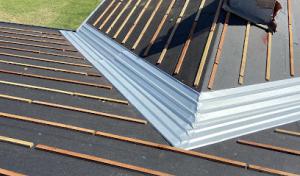
Sacramento Valley Roofing & Gutters
(916) 633-6011 sacramentovalleyroofingandgutters.com
Serving
4.9 from 65 reviews

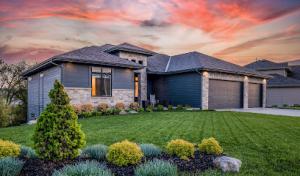
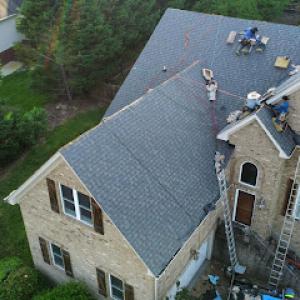
Skyline Roofing Solutions
(916) 545-7668 eldoradohillscaroofing.com
4547 Monte Mar Dr, El Dorado Hills, California
5.0 from 21 reviews
Skyline Roofing Solutions is your trusted roofing contractor in El Dorado Hills, CA, offering top-notch services tailored to meet your needs. Specializing in roof installation, roof replacement, and roof repair, we ensure your home or business stays protected year-round. Our expertise extends to metal roofing, asphalt shingle roofing, and commercial TPO roofing, providing durable and energy-efficient solutions. Whether you're planning a new construction roofing project or need reliable flat roofing services, our skilled team delivers superior craftsmanship and exceptional customer service. At Skyline Roofing Solutions, we are committed to enhancing your property with long-lasting, high-quality roofs that combine functionality and style.
HP Roofing Pro
(800) 842-8029 hproofingpro.com
3037 Warren Ln, El Dorado Hills, California
5.0 from 5 reviews
We are HP Commercial Roofing Pro, specializing in commercial and industrial roofing services in El Dorado Hills. Our expertise includes quality installation and repair of flat roofs and steep sloped roofs, ensuring durability and reliability for your business's roofing needs. Contact us today to secure your roof!
Roof Maxx of Sacramento, CA
Serving
4.9 from 119 reviews
Roof Maxx® offers a revolutionary roof restoration service, providing an eco-friendly, cost-effective solution for extending your roof's life. Specializing in roof rejuvenation, our innovative treatment revitalizes aging shingles, ensuring they remain flexible and waterproof. Ideal for roofs over 7 years old, Roof Maxx's unique formula penetrates deep into shingles, restoring their original functionality. This process not only enhances roof durability but also postpones the need for expensive replacements. Our professional roof maintenance services further protect your investment, keeping your roof in top condition. Trust Roof Maxx for sustainable, efficient roofing solutions. CLSB#1127410

Solarado Roofing & Solar
(916) 413-7376 solarado-ca.com
Serving
4.9 from 67 reviews
Your Premier Roofing and Solar Solution in the Greater Sacramento Valley and Foothill Areas! We specialize in commercial and residential roofing, solar installations, and home battery backup. With coverage across Sacramento and surrounding foothills, our top priorities are customer service, product quality, and workmanship excellence. Trust Solarado to care for your home or business as if it were our own. Elevate your property with unparalleled service and quality. #SolaradoRoofing #SolarServices #RoofingSolutions #SacramentoValley
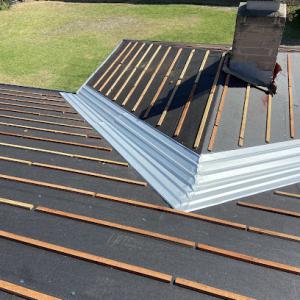
Sacramento Valley Roofing & Gutters
(916) 633-6011 sacramentovalleyroofingandgutters.com
Serving
4.9 from 65 reviews
"Water Proofing Sacramento State And Surrounding Areas" Sacramento Valley Roofing & Gutters is a premier roofing and gutter solutions provider proudly serving the greater Sacramento Valley region. Built on a foundation of integrity, quality workmanship, and outstanding customer service, we are committed to delivering reliable and long-lasting exterior solutions that protect homes and businesses for years to come. Our team of licensed professionals specializes in a full range of residential and commercial roofing and gutter services. From new roof installations and comprehensive repairs to custom gutter systems and routine maintenance, we bring precision, professionalism, and peace of mind to e

Lucero's Roofing
(916) 983-8801 lucerosroofing.com
Serving
4.9 from 67 reviews
I started my Roofing company over 22 years ago with one goal in mind. My goal was to be honest and give my customers the best quality roof at an affordable price. Now looking back over the years I'm proud to say that my philosophy has not changed. Here at Lucero's Roofing we treat every job no matter how big or small the roof is with the same standards of quality. I have met so many people and have made so many friends over the years at my company by earning their trust.

Roof Geeks
(916) 888-7663 www.roofgeeksca.com
Serving
5.0 from 67 reviews
Roof Geeks is your trusted roofing contractor in Shingle Springs, CA, proudly serving homeowners throughout the Greater Sacramento region. From complete roof replacements and expert repairs to standing seam metal roofing and gutter installations, we deliver quality solutions backed by three generations of local experience. When you need dependable roofing done right, we're the team that answers, day or night. Our dedication to superior craftsmanship and honest service has made us a top choice for families across Sacramento. Reach out today.
American Eagle Roofing
Serving
4.9 from 325 reviews
Your local choice for standing seam metal, tile, slate, composition roofing, gutters, and flat roofing systems. American Eagle Roofing is family owned and had an A+ Rating with the Bbb for over 17 years. We take pride in our work and love what we do, from mild to wild we treat every project with the same attention to detail that has built our reputation of quality. No two companies are built the same, so perhaps let a tailored company take care of your largest investment. From start to finish Let Our Family Help Yours! -AER
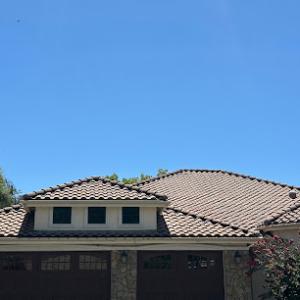
Valley Roofing
(530) 668-9314 valleyroofing.net
Serving
5.0 from 4 reviews
Valley Roofing offers comprehensive services for both residential and commercial roofing applications and is dedicated to quality above all else. We are one of Woodland, California's, roofing experts, providing all our customers with top-quality craftsmanship at the right price. Need roofing? Whether you need a new roof or re-roofing, please give us a call today for a FREE ESTIMATE.
Sequoia Roofing & Construction
(916) 226-5106 www.trustsequoia.com
Serving
4.8 from 17 reviews
Sequoia Roofing & Construction provides residential and commercial roofing and general construction services in the Sacramento, CA area.

CSR Roofing
(916) 790-8157 www.csrroof.com
Serving
4.7 from 13 reviews
When it comes to excellent, high-quality roofs, we at CSR Roofing always do it right the first time around. We have multiple materials for you to choose from based on the style of your home: asphalt, tile, metal and composite, to name a few. Choosing the right contractor can be a daunting and stressful process, but that's why we're here to make it a smooth and seamless process. Our team is filled with professional, experienced, and thorough tradesmen who are extremely attentive to detail. We promise to always treat you and your home as we would our own; with respect, and we'll give you a roof that will look great for years to come. No matter what you need, we're the team that you can trust.
Champion Roofing Solutions
Serving
5.0 from 37 reviews
Champion Roofing Solutions is Folsom, CA’s trusted roofing contractor, dedicated to delivering top-tier roofing services for residential and commercial properties. With expertise in roof installation, replacement, and repair, they ensure your roof is durable, reliable, and built to last. Their specialties include metal roofing, asphalt shingle roofing, and advanced commercial TPO roofing, tailored to meet diverse needs. Whether you’re building a dream home or need expert solutions for a new construction roof, their team provides unmatched craftsmanship. Champion Roofing Solutions also excels in flat roofing systems, offering sleek, functional designs. Choose Champion Roofing Solutions for superior quality, exceptional customer care.
El Dorado Hills gets its most disruptive roofing weather during the wet season, roughly November through March, when heavy rain can expose flashing and underlayment failures. That means your roof's first line of defense-underlayment and flashing around chimneys, vents, skylights, and along ridge lines-needs to be in solid shape before the storms arrive. If you've noticed any staining, soft spots, or granular loss on shingles or tile edges after a rain, treat it as a red flag. In foothill conditions, wind-driven rain can wedge under the edges of tiles or shingles, chasing water toward vulnerable seams. A proactive check now saves interior headaches when winter weather hits.
Local replacement timing often favors spring and fall because winter storms can delay tear-offs and affect sealant performance. If a roof is approaching the end of its life or you've had repeated leak symptoms after a storm, plan with a window of dry weather in mind. If you're weighing a reroof, coordinate with a contractor to secure materials and confirm flashing and underlayment strategies ahead of the wet season. A rushed winter tear-off can leave you with compromised temporary protection and increased risk of interior damage if rain sneaks in during work.
Emergency leak calls are a meaningful part of this market, reflecting how winter rain events can turn small deferred issues into interior damage quickly. If a leak shows up during a storm, act fast: move valuables out of the path, place a tarp or plastic sheeting over the affected area if possible, and contact a reputable roofer who can reach you quickly for a temporary fix. Document the leak with photos, especially around flashing joints and roofing penetrations, so a contractor can triage and prioritize the repair. Quick containment buys time and limits drywall, insulation, or ceiling damage.
Develop a fall roofing checklist you can follow each year: inspect visible flashing around chimneys and vents for cracks or loose caulking, verify ridge and hip tiles are intact, and confirm counter-flashing is secured where roof meets walls. Clean gutters and downspouts so water can shed properly, reducing backflow risk against fascia boards. In the months leading into winter, have a professional perform a targeted inspection of underlayment seams and any tile-to-underlayment interfaces, especially in areas where heavy rain tends to pool or where trees overhang the roof and drop debris. A disciplined routine helps catch failures before the first big storm, keeping the interior dry and your roof performing under foothill conditions.
When you can't wait, these contractors offer fast response times to stop leaks and prevent further damage.
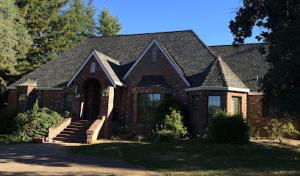
Spring and fall are typically the preferred installation windows in this foothill market because they avoid peak winter storm disruption and the worst summer heat. Plan a re-roof during this shoulder season when temperatures are moderate and crews can work consistently without heat-related slowdowns. Scheduling in these windows helps ensure underlayment and flashing cure times aren't rushed, which matters for tile-heavy homes where wind and debris can compromise edges.
Extreme summer heat in this foothill market can affect crew productivity and material handling for some roofing products. If a summer start is unavoidable, target early morning hours and lighter, single-story work where feasible. Build in extra water and shade breaks for crew safety, and prepare for occasional mid-day slowdowns. Communicate heat allowances with the crew so installation continues safely without sacrificing quality, especially around tile applications and delicate underlayment sections.
Dry, windy spring conditions can add dust and debris management issues on exposed roofs during active tear-off and installation. Implement temporary containment like netting or windbreaks where neighbors' landscaping or driveways could be affected. Ensure rooftop crew members secure loose debris and that gutter protection is in place to minimize dirt blow-in to valleys and flashing. For tile-heavy homes, pay close attention to edge fasteners during gusty days, because wind shear can stress vulnerable flashing joints.
With wildfire exposure a central consideration, prioritize a sequencing that minimizes vulnerable, exposed surfaces during dry seasons. Have the underlayment installed first under calm conditions, then follow with flashing and tile or shingle application as a cohesive, continuous system. If possible, schedule a brief dry run of lath and underlayment alignment during a mild spell to reduce surprises when the full tear-off occurs. In a neighborhood like this, reducing exposure time of roof decks to wind-driven dust and embers becomes a practical, ongoing priority.
Get a clear picture of your project costs upfront - no commitment required.
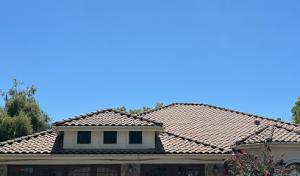

The dominant local material mix includes asphalt shingles, metal roofing, clay tile, concrete tile, synthetic/composite shingles, and slate, with tile standing out as especially common in the area. This variety reflects a landscape shaped by foothill exposure, Mediterranean-climate patterns, and a mix of upscale, tile-forward designs. When selecting a roof, the practical balance between appearance, weight, and long-term maintenance matters just as much as curb appeal. In neighborhoods where tile dominates, the conversation often centers on how to reconcile the preferred look with the realities of attic ventilation, underlayment performance, and flashing continuity across tile ridges, curbs, and penetrations.
Wildfire risk drives a clear selection path: choose materials and assemblies that resist ignition from embers and radiant heat. In this setting, roofing systems are most effective when paired with a defensible-roof approach that prioritizes noncombustible or fire-rated components, robust underlayment, and properly integrated chimney and vent flashing. Metal roofs and concrete tiles typically offer favorable ember resistance, while certain clay tiles can provide excellent durability if properly installed over a suitable underlayment. Regardless of material, focus on continuous, high-quality flashing, sealed edge details, and attention to venting and gutter debris management to minimize flame exposure to the roof deck.
Weight is a practical constraint in this market, where many homes were not designed for heavy tile replacements without structural assessment. Metal roofing brings a lighter, durable alternative that still accommodates wide architectural variety. Synthetic/composite shingles offer a compromise between weight, resilience, and maintenance, while slate delivers premium aesthetics at a higher weight and cost. Clay and concrete tiles provide long life and a distinct look but demand careful structural checks and higher upfront installation considerations. The goal is to match the roof's weight class with attic structure and roof deck quality, ensuring a sound foundation for long-term performance.
Foothill heat, winter rain, and seasonal debris require a maintenance mindset that emphasizes underlayment choice, proper nailing patterns, and flashing continuity. Regular inspection of ridge lines, valley transitions, and penetrations helps maintain performance across material types. In this market, a well-sequenced maintenance plan that respects the material's strengths and weaknesses will support reliability through extreme heat, heavy rains, and the wildfire season, while preserving curb appeal and resale value.
In this foothill area, asphalt shingles run about 360 to 700 per square, metal 700 to 1200, clay tile 900 to 1500, concrete tile 900 to 1500, synthetic/composite 450 to 800, and slate 1300 to 2000 per square. Those ranges reflect the mix of tile-heavy homes and complex roof lines that characterize many upscale subdivisions here. When you're comparing bids, confirm whether the price includes underlayment, flashing rebuilds, and any debris removal from tight access areas, which are common in hillside lots.
Tile-heavy homes dominate the landscape, and the labor to underlay and flash along intricate eaves, valleys, and vent terminations adds cost. Complex geometry means more hips and ridges to seal, more hips to tile, and more potential for moisture intrusion if misdone. Expect longer labor days when crews need to work around mature landscaping, tight driveways, and steep pitches. Seasonal demand spikes around storms or wildfire events can push scheduling and pricing beyond typical California markets.
Start with a thorough inspection to differentiate roofing material options that meet fire defensibility goals from cosmetic replacements. If you're leaning toward tiles, factor in extra underlayment and rust-resistant flashing, plus careful resealing at penetrations. For metal or synthetic options, insist on a continuous underlayment system and multi-layer flashing at valleys and chimneys. Get at least three written bids, verify crew experience with steep, multi-faceted roofs, and request a clear scope that lists removal, disposal, underlayment, flashing, and critical overlaps.
Wildfire urgency can influence timelines and premiums. If an insurer flags wildfire defensible-roof design, be prepared to discuss underlayment upgrades, ember-resistant vents, and clean line-of-sight around chimneys. A well-documented, quality installation helps stabilize both pricing and coverage outcomes.
Don't let upfront costs delay a critical repair - these contractors offer payment plans to fit your budget.
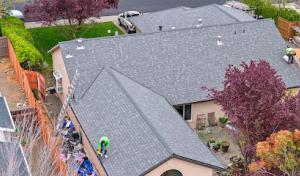
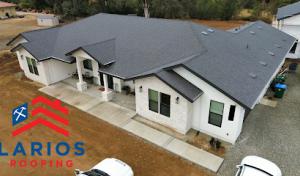

In this market, a full roof replacement typically requires a building permit. The requirement exists to ensure that the roofing system can withstand the foothill weather swings and the specific tile-heavy profiles common in the area. If a permit is not pulled, you risk issues with insurance, future resale, and potential enforcement actions that can delay projects.
The usual local process involves submitting a plan or permit package to the Building Department and scheduling inspections during installation and again after completion. Your package should reflect underlayment type, flashing details, wind uplift measures, and how tile or high-profile roof elements will be secured. Having precise product specs and installation methods tied to your chosen roof system helps avoid back-and-forth cycles.
Local inspectors commonly focus on underlayment, flashing, and wind uplift details. This matters especially on tile and other higher-profile roof systems where imperfect laps or flashing can translate into leaks or wind-driven damage after the next Santa Ana-style gusts. Expect field inspections at key milestones: after roof deck, after underlayment, during tile or shingle installation, and a mid-project check if any deviations occur.
Once the installation is complete, a final inspection confirms compliance with the approved plan and local codes. If any discrepancies appear, the permit may require corrections before signed final approval is granted. Keeping a detailed folder of product data, installation manuals, and inspection notices can smooth the process and protect defensible-roof choices in the wildfire-prone landscape.
In this foothill region, wildfire risk and seasonal storm swings push claims into a tighter, more scrutinized lane than in many lower-risk communities. Insurers may scrutinize granule loss, flashing integrity, and underlayment condition more aggressively after a wildfire event or a heavy winter storm. Tile-heavy homes, especially with clay or concrete tiles, can face longer repairs if the underlayment has been compromised or if fasteners show corrosion from Santa Ana-like winds and wet winters. Preparation means recognizing that a claim could hinge on the roof's defensible-roof features and overall resilience.
Documentation matters here in a way that feels unusually local. Pre-loss photos capturing entire roof sections, valleys, hips, and transitions, plus dated maintenance records, can define the credibility of a claim when the region's underwriting shifts due to wildfire exposure. If you've upgraded flashing, resealed penetrations, or replaced underlayment recently, keep receipts and timestamped notes. An inventory of materials-tile type, age, and any roof penetrations-helps the adjuster verify coverage. In practice, this means keeping an organized photo library and a simple log of seasonal maintenance.
Adjuster timelines can stretch when wildfire-related underwriting changes ripple through California markets. Expect longer review periods after major fire seasons or storms, and possible backlogs in inspection scheduling. To mitigate delays, have a clear access plan for inspectors, ensure MCS (materials, condition, and age) are well documented, and promptly respond to requests for information. Staying proactive and organized reduces friction when the claim moves from assessment to approval, a relief during a period of market instability.
Connect with contractors who help homeowners navigate the claims process from damage assessment to final approval.
In this foothill community, additions and patio covers often bring in lower-slope sections that must integrate with steep-slope tile or shingle main roofs. The local contractor mix includes enough flat-roof specialization to matter for these projects, so choose a tradesperson who can coordinate transitions from visible steep-slope materials to the less-visible low-slope waterproofing. This matters on tile-heavy neighborhoods where an addition sits against a main roof, and on attached structures where the roof line steps down. Plan for a cohesive rainwater plan that matches the character of the existing system while providing robust drainage and detailing.
Lower-slope areas are more vulnerable during winter rains because drainage dynamics and flashing detail tolerances are less forgiving than on steeper roofs. Pay close attention to how the addition's edge flashing ties into the existing wall flashing and underlayment. Ensure the parapet or low-slope edge has a properly sloped field and a continuous membrane that extends into concealed regions. In mixed-roof setups, expect some hidden transitions that require careful application of roof-to-wall detailing, counter-flashing, and seam protection. Have the contractor explain how they handle ice dam risk at any transitions and how valley areas or skylight penetrations are sealed without creating future leak paths.
Homes with both steep-slope materials and low-slope waterproofing transitions demand a crew comfortable with both worlds. Confirm that your contractor can assess compatibility between underlayment systems, flashing configurations, and the chosen low-slope membrane. Ask about inspection points during the project, such as verifying seam integrity at transitions, confirming slope requirements, and checking for potential ponding issues at any low points. In addition, ensure the team documents the sequence for integrating the new addition with the existing roof to prevent mismatches in drainage performance and weather-tightness.
Find specialists in TPO, EPDM, and built-up flat roofing systems for residential and commercial properties.
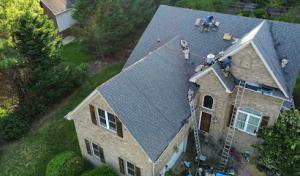
Skyline Roofing Solutions
(916) 545-7668 eldoradohillscaroofing.com
4547 Monte Mar Dr, El Dorado Hills, California
5.0 from 21 reviews
HP Roofing Pro
(800) 842-8029 hproofingpro.com
3037 Warren Ln, El Dorado Hills, California
5.0 from 5 reviews