Roofing in New Hampshire
Last updated: Feb 28, 2026
New Hampshire winters are legendary for ice, snow, and the way the temperature bounces from below freezing to sunlit thaw in a single day. If you've ever seen ice dams forming along a gutter line or listened to rain pounding a slate roof on a humid summer afternoon, you know why a roof here isn't just a shelter—it's a careful balance of performance, efficiency, and curb appeal. Granite-gray skies, shingle-lined towns, and historic homes with steep pitches and cedar shakes aren't just scenery; they set up unique maintenance needs and cost considerations year after year. That local flavor shows up in every roofing choice—from the materials that hold up to freeze-thaw cycles to the way we manage snow loads, attic ventilation, and moisture control. Here in the Granite State, your roof deserves a plan that respects our climate as much as your budget and style.
On this page you'll find a practical overview tailored to New Hampshire homeowners. We cover how our climate shapes material choices and installation details, what to expect in terms of typical costs, and the permits and local regulations you'll likely encounter. We also look at popular roof styles and architectural trends in New Hampshire, plus the local options that suit historic homes and modern builds alike. You'll learn about common roofing problems in our region—ice dams, ice buildup, flashing failures, and wind-driven leaks—and simple, effective strategies to prevent or address them. We include maintenance and repair tips, guidance on when to repair versus replace, and clear criteria for deciding when it's best to hire a professional. All of this is drawn from NH conditions and backed by local resources and reputable contractors.
A warm, neighborly tone runs through the advice—straightforward, actionable, and backed by years installing and repairing roofs here. You'll get practical reminders about seasonal checks, gutter care, insulation, ventilation, and choosing materials that stand up to our winters while preserving energy efficiency and curb appeal.
Let's begin with how New Hampshire's distinctive climate shapes every roofing decision you'll make.
Local Climate & Its Impact on Roofs
New Hampshire's seasonal tempo
New Hampshire experiences cold winters with frequent snow and ice, warm but short summers, and sharp temperature swings. That mix puts repeated stress on roofs: shingles expand and contract, moisture moves through materials, and weight from snowfall can challenge structure. Local conditions also bring Nor'easters and strong winds that affect uplift and edge detail. Understanding how these patterns play out helps you choose materials, plan maintenance, and spot trouble early.
Snow, ice, and roof loads
Snow is a regular factor on NH homes, but accumulation varies by town, slope, and shade. Low-slope roofs collect more meltwater, while steep roofs shed snow quickly but can still harbor ice at the eaves.
- Impacts to watch for:
- Increased load during heavy storms or rapid temperature swings.
- Ice damming at eaves when heat in the attic causes meltwater to refreeze at the roof edge.
- Hidden damage from thawing/freezing cycles that loosen shingles, flashing, or ridge vents.
- What to do:
1) Schedule a professional roof inspection before winter and after major snow events.
2) Ensure attic insulation and ventilation meet local codes to reduce heat transfer to the roof deck.
3) Use a roof rake from the ground to remove excess snow from the eaves after storms (never climb onto a snow-covered roof).
Ice dams: cause and prevention
Ice dams form when warm attic air melts snow near the top of the roof, and the resulting water refreezes at the edge, backing up under shingles.
- Warning signs:
- Patches of icicles along gutters and roof edge.
- Water staining or dampness inside upper walls or ceilings near exterior walls.
- Mitigation steps:
1) Seal air leaks in the attic around penetrations, soffits, and vents.
2) Add or upgrade insulation to slow heat loss through the roof.
3) Improve attic ventilation with a balanced intake/exhaust system to keep roof cold.
4) In some cases, heated roof cables may be used per manufacturer and local code guidelines; do not rely on cables to replace proper insulation and ventilation.
- Official safety note: if you see active ice dams, contact a qualified roofer or contractor rather than attempting risky DIY fixes on a slippery roof. For winter safety guidance, see National Weather Service resources at and NOAA updates at
Wind, hail, and roof materials
NH coastal and hillside areas can experience strong winds, and storms can bring hail in summer or early fall.
- Material considerations:
- Asphalt shingles rated for higher wind resistance, additional fasteners, and proper underlayment.
- Metal roofing or engineered shingles that shed snow well and resist wind uplift.
- Slate or fiber cement options that handle temperature swings but require professional installation.
- Maintenance focus:
- Check flashing around chimneys, vents, and skylights for loose sealants.
- Inspect for cracked or missing shingles after storms and replace promptly.
- Ensure gutters and downspouts are secure and free of obstructions to manage meltwater.
Seasonal maintenance rhythm
- Pre-winter checklist:
- Inspect the roof surface, flashing, and soffits; upgrade insulation if needed.
- Clean gutters to prevent ice dam build-up.
- Trim overhanging branches that could damage the roof in snow or wind.
- Winter safeguards:
- Avoid personal risks by using ground-based tools for snow removal.
- Monitor for signs of leaks or moisture inside the home.
- Spring follow-up:
- Repair any shingle damage or flashing caused by winter weather.
- Reassess attic ventilation and insulation as part of an annual service.
Warnings about local risks:
- Ice dams and hidden moisture damage are common in NH winters; address both insulation and ventilation to minimize risk.
- Heavy snow and wind can cause structural stress on older roofs; consider professional evaluation for high-snow-load areas.
- Prolonged freeze-thaw cycles can loosen fascia, gutters, and flashing; ongoing maintenance helps prevent costly repairs.
Official resources:
- National Weather Service:
- International Code Council (IBC/IRC context): (for building-code standards referenced in NH)
- ASCE snow-load and wind considerations: (design loads and structural guidance)
Recommended Roofing Materials for New Hampshire
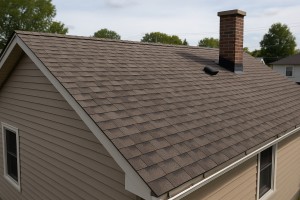
New Hampshire winters bring freeze–thaw cycles, salty winter air, and occasional hail. Asphalt shingles remain the most common choice for many homes due to balance of cost, ease of installation, and decent performance when properly installed.
- Pros:
- Affordable upfront cost and broad availability
- Good performance in cold weather with proper underlayment
- Lightweight and easy to install
- Wide color and style options, including impact-resistant and reflective (cool) varieties
- Cons:
- Lifespan typically 15–30 years, shorter than metal or slate
- Granule loss and curling can occur with aging or poor attic ventilation
- Hail can cause damage on standard shingles (less so with Class 4 impact-resistant options)
- Best practices:
- Choose impact-resistant (Class 4) shingles for NH storms
- Add ice-and-water shield and proper underlayment in eave/valley regions
- Favor reflective or cool-roof shingles to reduce attic temps and heat transfer
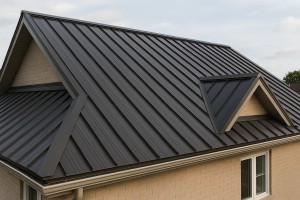
Metal roofs excel in harsh weather, snow shedding, and long-term durability. They're a strong choice for NH homes with long winters and heavy snowpack.
- Pros:
- Very long lifespan (often 40–70 years) and high hail resistance with thicker gauges
- Excellent wind resistance and snow-shedding properties
- Lightweight and fast to install; good for retrofits over existing decks with proper assessment
- Energy efficient options available (cool metal colors, radiant barriers)
- Cons:
- Higher upfront cost than asphalt
- Can be noisier in rain without proper insulation or underlayment
- Requires skilled installers; color matching and flashing detail matter
- Best practices:
- Install a solid underlayment and adequate insulation to minimize noise and condensation
- Use standing-seam or engineered panel systems for durability
- Select a finish with proven color fade resistance in NH climates
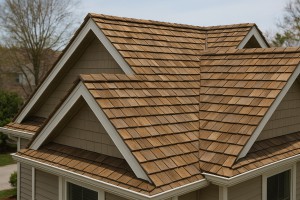
Cedar offers a classic look that suits certain NH neighborhoods and historic homes, but it requires ongoing maintenance.
- Pros:
- Natural aesthetic with good insulating value
- Can be quite durable with proper maintenance
- Cons:
- Higher maintenance: periodic cleaning, resealing, and moss control
- Prone to rot, splitting, and insect issues in damp, shaded areas
- Fire risk; some communities restrict wood shingle usage or require ignition-resistant treatments
- Best practices:
- Ensure adequate overhang and ventilation to prevent moisture buildup
- Use pressure-treated or naturally rot-resistant species; apply a fire-retardant finish if permitted
- Regular inspections for warping, moss, and fastener corrosion
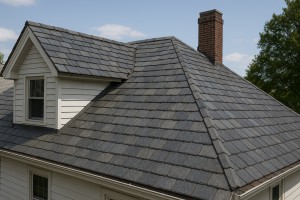
Slate is a premium, long-lasting option favored for historic NH homes and luxury remodels.
- Pros:
- Extremely long life (often 100+ years) and very fire-resistant
- Durable, weather-resistant, and maintenance-light when installed correctly
- Cons:
- Very high upfront cost and heavy weight requiring structural evaluation
- Requires specialized craftsmen; stone cuts and procurement can complicate repairs
- Best practices:
- Conduct a structural assessment for weight bearing and rafter spacing
- Use a qualified slate installer and ensure proper matching of slates for repairs
- Plan for occasional replacement of broken pieces rather than full roof replacement
Synthetic / Composite Roofing
Manufactured to resemble traditional materials while offering enhanced durability and lighter weight.
- Pros:
- Weather-resistant and often more impact-resistant than natural counterparts
- Lower maintenance than wood shakes; flexible installation options
- Often lighter than slate or tile and can be installed over existing decks with proper calculations
- Cons:
- Quality varies; some products may not age as gracefully in NH sun and cold
- Initial cost can be higher than asphalt but lower than real slate or high-end cedar
- Best practices:
- Check third-party performance tests for impact resistance and aging
- Ensure warranty covers color fade and hail resistance
- Verify compatibility with attic ventilation and underlayment requirements
Quick decision steps (to guide a home project)
1. Assess climate impact and anticipated snow load for your area.
2. Check local fire codes and HOA or historical guidelines.
3. Evaluate roof pitch and structural capacity for heavier materials.
4. Consider maintenance expectations and life expectancy.
5. Compare total costs: upfront, installation, and long-term maintenance.
6. Confirm warranty coverage and the installer's credentials.
Installer considerations
- Work with local roofers who have NH-specific experience with freeze–thaw cycles and snow management.
- Ask for past projects in your town and references on performance through multiple NH winters.
- Request a written plan for underlayment, attic ventilation, and ice dam protection tailored to your home.
Popular Roof Styles & Architectural Trends in New Hampshire
Classic NH Styles
New Hampshire homes reflect a practical, snow-smart approach with a touch of New England charm. Roofs are built to shed heavy snowfall while preserving usable attic space and curb appeal.
- Gable roofs: The most common NH profile—efficient, easy to vent, and versatile for traditional or modern facades.
- Hip roofs: Durable in high winds; smooth lines that blend with colonial and Victorian architectures.
- Saltbox: A distinctly New England silhouette, with a long, low rear slope that helps with snow runoff and adds historical character.
- Gambrel roofs: Dutch Colonial influence; provides extra attic height for storage or living space and a classic look.
- Modern simplifications: Clean, low-profile lines paired with large windows and mixed materials for contemporary NH homes.
Popular Materials in NH
Material choice matters as much as the pitch. NH homeowners balance cost, aesthetics, and performance in cold, snowy winters.
- Asphalt shingles (architectural): The workhorse of NH roofs—cost-effective, durable, and available in colors that resist fading. Architectural (laminated) shingles offer better wind resistance and longer life.
- Standing-seam metal: Excellent snow shedding, long lifespan, and minimal maintenance. Great for areas with heavy snowfall or where roof longevity is a priority.
- Cedar shakes: Rugged, textured look that pairs well with rustic and craftsman styles. Require regular maintenance and fire-safety considerations in certain zones.
- Slate: Premium, long-lasting, and very fire-resistant, but heavy and costly; often reserved for historic homes or high-end builds.
- Synthetic slate/wood composites: Lightweight, durable alternatives that mimic natural materials with lower maintenance.
Climate-first Design Considerations
New Hampshire winters demand attention to snow, ice, and proper ventilation. Design choices should minimize ice dams and maximize energy efficiency.
- Snow load and slope: Plan for robust framing and adequate pitch to shed snow safely.
- Ice dam prevention: Use ice/water shield at eaves and valleys, plus continuous insulation and proper attic ventilation.
- Ventilation: Ridge vents, soffit vents, and occasional power venting help reduce condensation and ice dam risk.
- Underlayment: High-quality underlayment (synthetic or rubberized) is essential in snow-prone regions.
- Gutter protection: Optional heat cables or debris guards can reduce ice dam formation and maintenance.
Regional Trends by NH Area
New Hampshire's diverse regions influence roof style and material choices.
- White Mountains and North Country: Chalet-inspired looks with steep pitches (often 8:12 or steeper), exposed timber elements, and durable materials like standing-seam metal or cedar shakes to handle heavy snow and variable sun.
- Seacoast: Moist, salt-prone environment; lighter color palettes, metal or asphalt shingles with excellent sealing and wind resistance. Low- to medium-slope designs are common, with attention to corrosion-resistant fasteners.
- Merrimack Valley and Southern NH: Colonial Revival and modern farmhouse blends; more versatile rooflines (multi-gable, decorative dormers) and a mix of architectural asphalt shingles and metal for longevity and curb appeal.
Slope Guidelines and Installation Notes
- Asphalt shingles: Minimum recommended slope is typically 4:12; ensure ice/water shield protection at eaves and valleys in NH.
- Metal roofs: Can often be installed at 3:12 or higher, with proper seam sealing and underlayment for snow regions.
- Cedar shakes or siding: Generally 4:12 or steeper to maintain snow shedding and reduce moisture retention.
- Flat or low-slope roofs: Require robust membrane systems and careful drainage planning—more common on modern farmhouses or urban NH homes.
Maintenance, Longevity, and Best Practices
- Inspect twice a year: fall and spring, plus after severe storms.
- Clean gutters and downspouts to prevent ice dams and overflow.
- Check attic insulation and ventilation to keep warm roof temperatures even.
- Consider snow guards in areas with heavy drift patterns to manage snow slide safely.
- Schedule professional roofing inspections after major winter storms or wind events.
Common NH-Specific Pitfalls to Avoid
- Skimping on attic ventilation or insulation, increasing ice dam risk.
- Choosing low-quality underlayment in snowy regions.
- Neglecting snow-retention features on metal or steep roofs.
- Ignoring regional historic guidelines in older neighborhoods when selecting materials.
Quick-start Action Plan
1) Assess attic ventilation and insulation; plan improvements if needed.
2) Decide on material based on climate, style, and budget (consider architectural shingles or standing-seam metal for NH winters).
3) Plan for snow guards and proper drainage to minimize ice dam risk.
4) Schedule a professional roof inspection and maintenance plan ahead of winter.
Average Roofing Costs in New Hampshire
Cost ranges by material (installed)
- Asphalt shingles (3-tab): roughly $4.50–$7.50 per sq ft installed, about $450–$750 per square.
- Architectural shingles: about $5.50–$9.50 per sq ft installed, or $550–$950 per square.
- Metal roofing (steel or aluminum): typically $9–$14 per sq ft, or $900–$1,400 per square.
- Cedar shingles/shakes: around $8–$12 per sq ft installed, about $800–$1,200 per square.
- Synthetic slate (composites): roughly $9–$15 per sq ft, or $900–$1,500 per square.
- Natural slate: often $15–$40 per sq ft, equating to $1,500–$4,000 per square; less common due to weight and logistics.
Tear-off, disposal, and project components
- Tear-off and disposal: typically adds $1.00–$2.50 per sq ft if not included in the base price, or about $100–$250 per square on a standard roof.
- Underlayment, flashing, and ventilation: usually included in the installed price, but upgrading underlayment (e.g., synthetic underlayment) or adding extra vents can add several hundred dollars to a project.
- Chimneys, dormers, and valleys: additional flashing and detailing can add $300–$1,500 or more depending on complexity.
Typical adders and contingencies in NH
- Roof size and complexity: larger homes and more complex rooflines (multiple dormers, steep pitches, numerous valleys) push costs higher.
- Roof pitch: steep or difficult-to-access roofs cost more due to safety gear, time, and labor.
- Weather-related scheduling: cold, snowy, or wet conditions can shorten work windows and may raise labor costs slightly.
- Old insulation and attic improvements: upgrading insulation or ventilation can add $500–$2,000 but improves energy performance and comfort.
Cost by roof size (ballpark guidance)
- Small to mid-sized homes (1,200–1,800 sq ft): roughly $6,000–$14,000 for asphalt or lower-cost options, more for premium materials.
- Mid-size to larger homes (2,000–3,000 sq ft): $10,000–$25,000+ depending on material choice and details.
- Premium materials or complex designs (cedar, synthetic slate, or metal on expansive roofs): $15,000–$40,000+.
Permits and inspections
- Permit fees: generally $50–$300 depending on town and project scope.
- Inspections: often bundled with permit process; factor in a small additional charge if required.
Local considerations that influence what you pay
- Climate realities: New Hampshire's freeze–thaw cycles, snow load, and ice dams drive additional underlayment, ventilation, and sometimes heater-cable considerations in certain regions.
- Accessibility: rural towns or properties with limited access can raise crew time and equipment setup costs.
- Contractor availability: seasonal demand (spring and fall) can affect pricing and scheduling in NH communities.
- Local design trends: in historic or colonial neighborhoods, steeper pitches or more dormers are common, impacting install time and cost.
Style and architecture impact
- Colonial and cape-style homes often feature steep pitches and multiple dormers, increasing complexity and labor hours.
- Ranch or contemporary designs with wide runs may reduce some complexity but increase material quantity.
- Roofs with many penetrations (vents, skylights, chimneys) require extra flashing and detailing, adding to both time and cost.
- Aesthetics matters: premium finishes (color-matched steel, copper flashings) raise the price but improve curb appeal and durability in NH's climate.
Quick planning steps for NH homeowners
1. Determine desired material and approximate roof size in squares (1 square = 100 sq ft).
2. Ask for a written estimate that separates material cost, installation, tear-off, and extras.
3. Check if the quote includes underlayment, flashing, and disposal; confirm how steep-pitch roofs are priced.
4. Inquire about permits and scheduling windows, especially around winter and early spring.
5. Discuss ice-dam prevention options and attic ventilation as part of the plan.
Permits & Local Regulations
Do you need a permit for roofing in NH?
- In most New Hampshire towns, a building permit is required for a roof replacement, especially if there's any structural work, vent changes, dormers, or skylights involved.
- Some towns may exempt purely cosmetic roof replacements, but exemptions are rare. When in doubt, check with the local building department to avoid fines or work stoppages.
How to start
- Contact your local building department (city hall or town hall). Have these details ready:
- Property address
- Scope of work (new roof, underlayment, vent changes, skylights, dormers)
- Proposed start date
- Contractor information (if you're using one)
- They'll confirm whether a permit is required and outline the exact documents you must submit.
What the permit covers
- The permit ensures compliance with the NH State Building Code, which is the residential roofing standard (IRC-based) plus applicable energy and ventilation provisions.
- It typically covers:
- Roof decking and structural integrity
- Underlayment, flashing, and proper installation details
- Shingles or other roofing materials
- Ventilation and attic safety
- Any penetrations (vent stacks, skylights, dormers)
Inspections
- Expect inspections at key points:
1) Rough-in/structural stage if any framing or deck work is done
2) Mid-installation inspection after underlayment and ventilation are in place
3) Final inspection after the roofing is installed
- Some towns require a pre-roof inspection or a specific “cold-in” inspection before shingles go on; your local inspector will spell out exact requirements.
Working with a contractor
- Verify the contractor's status with the town or county guidelines (state licensing rules vary by trades in NH; some towns require registration or qualify contractors through the local building department).
- Ensure the contractor provides:
- Proof of liability insurance and workers' compensation
- A current estimate and a written contract that includes permit numbers, material specifications, warranty details, and start/completion dates
- A plan to protect gutters, landscaping, and any nearby property during work
- Never start without a permit if one is required. If a permit is denied or delayed, coordinate with your contractor on the next steps.
Special cases to watch for
- Historic districts or historic properties: you may need approval from the local Historic District Commission or planning board before any roof work begins.
- Homeowners associations: some HOAs have their own review or approval process in addition to town permits.
- Zoning considerations: if the roof replacement involves a height change, dormers, or roofline alterations, confirm you're not triggering setbacks or view-shed concerns.
Timeline, fees, and typical documents
- Timeline: permit approval can range from a few days to a few weeks, depending on town workload and complexity.
- Fees: permit and plan-review fees vary by municipality and project value; expect a few dozen to a few hundred dollars.
- Documents you may need to submit:
- Completed permit application
- Property deeds or tax map, if requested
- Detailed scope of work and material specifications (shingle types, underlayment, venting)
- Contractor information and proof of insurance
- Roof plan or drawings (if adding dormers or skylights)
- Any required historic or HOA approvals
Quick reference steps
1) Call or visit the local building department to confirm permit needs.
2) Gather required documents and contractor details.
3) Submit the permit application and pay fees.
4) Schedule and pass required inspections at the specified stages.
5) Obtain final sign-off before using the roof.
6) Keep all permits and inspection records for your files.
Common Roofing Problems in New Hampshire & Solutions
Ice dams form when heat escapes from the attic and melts roof snow, which refreezes at the eaves and backs water up under shingles. This can cause shingles to loosen and interior leaks.
- What to look for: Water stains on ceilings, brown staining along walls,Icicles that grow long, ice buildup at attic perimeter.
- Quick fixes you can do now:
- Safely remove snow from the roof with a long-handled roof rake (from ground level only).
- Clear gutters so meltwater can run off.
- Long-term solutions:
- Improve attic insulation and air sealing to keep the roof cold.
- Install a continuous ice/water shield along the eaves and around penetrations.
- Ensure proper soffit and ridge ventilation or add vents if needed.
- Steps to prevent recurrence:
1) Inspect attic for gaps where warm air leaks (around light fixtures, outlets, and chimney chases).
2) Add or upgrade insulation and seal leaks.
3) Verify roof ventilation and consider a ridge vent for balanced airflow.
4) If ice dams persist, consult a pro to install or repair heat cables and flashing.
Freeze-thaw damage to shingles and flashing
Daily temperature swings in New Hampshire can crack shingles and deteriorate flashing around chimneys, vents, and valleys, increasing the risk of leaks and wind damage.
- Common signs: Missing or cracked shingles, lifted edges, bubbling asphalt, rusty or loose flashing.
- Immediate actions: Do a careful visual inspection from the ground or a safe ladder position after storms.
- Fixes that work:
- Replace damaged shingles promptly.
- Repair or replace flashing with compatible materials (metal flashing where required).
- Use sealant only as a temporary fix around joints; rely on proper flashing and shingle replacement.
- Steps to secure the roof:
1) Identify failed shingles and flashing.
2) Remove and replace damaged pieces.
3) Re-secure flashing with appropriate fasteners and sealants.
4) Maintain a dry roof surface to prevent further wear.
Snow load and roof deck stress
Heavy snow and ice add weight to roofs, especially on older or undersized structures, risking sagging or structural damage.
- Indicators: Soft or creaking roof deck, sagging areas, doors or windows sticking in winter.
- Prevention: Snow guards or snow retention systems can help manage sliding and concentrated loads.
- Renewal actions: Have a structural evaluation for older homes; consider reinforcing roof framing if needed; plan for seasonal snow removal when safe.
- Steps:
1) Get a professional assessment of load capacity.
2) Remove excess snow from the roof with a roof rake when safe.
3) Install snow guards and ensure proper drainage to reduce ice dam risk.
4) Retrofit framing or add support if the assessment calls for it.
Attic moisture, condensation, and ventilation
Poor ventilation and excessive humidity promote mold, wood rot, and damp insulation.
- Symptoms: Musty odors, condensation on rafters, damp insulation, higher attic humidity.
- Solutions:
- Balance intake and exhaust vents (soffit and ridge vents).
- Seal attic air leaks to prevent warm, moist air from reaching the roof deck.
- Run bathroom/kitchen exhausts outside (not into the attic).
- Steps:
1) Do a quick attic moisture check (condensation and mold signs).
2) Improve venting and add insulation if needed.
3) Seal leaks around penetrations and electrical boxes.
4) Consider a professional moisture assessment if problems persist.
Chimney and flashing leaks
Chimneys are a common source of leaks due to deteriorating crowns, mortar, and flashing.
- Red flags: Water stains around the chimney base, peeling interior paint near the chimney, cracked mortar joints.
- Fixes:
- Repair or replace the chimney crown and flashing where deteriorated.
- Repoint mortar joints and install proper cap flashing.
- Ensure the chimney is properly vented and waterproofed.
- Steps:
1) Inspect crown, flashing, and mortar for damage.
2) Seal or replace flashing where gaps exist.
3) Repoint or rebuild damaged mortar as needed.
4) Add a cap or cricket if the design causes water tracking.
Gutter, fascia, and downspout issues
Clogged or damaged gutters and fascia boards lead to water intrusion and wood rot.
- Symptoms: Sagging gutters, fascia rot, water stains along siding.
- Solutions:
- Clean gutters and downspouts regularly; install guards if suitable.
- Ensure proper slope for water drainage away from the house.
- Repair or replace rotted fascia boards and damaged trim.
- Steps:
1) Remove debris and confirm downspouts drain away from the foundation.
2) Inspect for fascia rot and repair.
3) Re-seal joints and secure gutters firmly.
4) Schedule seasonal gutter checks, especially after heavy snow or storms.
Moss, algae, and granule loss on shingles
New Hampshire's shade and moisture promote moss growth, which can lift shingles and shorten life; aging asphalt shingles shed granules over time.
- Effects: Shingle lifting, reduced sun protection, accelerated wear.
- Prevention and care:
- Remove moss with non-pressurized methods (plastic scraper or low-pressure wash).
- Apply moss inhibitors or zinc/copper strips to suppress regrowth.
- Consider upgrading to impact-resistant or algae-resistant shingles when replacing.
- Steps:
1) Clear moss safely and avoid damaging shingles.
2) Install zinc strips at the roof peak if appropriate.
3) Replace aging shingles as needed.
4) Maintain regular inspections to catch granule loss early.
Maintenance & Repair Tips for New Hampshire
Seasonal Overview for New Hampshire
New Hampshire roofs face long, cold winters, heavy snow, freeze-thaw cycles, and occasional summer storms. Small issues can escalate quickly under snow load and ice. A proactive, NH-focused plan keeps water out and shingles healthy. Use these practical steps to stay ahead.
Winter-Proofing Your Roof
1. Inspect attic insulation and ventilation: ensure R-38 or higher in the attic and that soffit and ridge vents are clear.
2. Seal gaps: seal nooks around attic kneewalls, pipes, and access hatches to minimize warm air reaching the roof deck.
3. Heat cable planning: where ice dam risk is high, consider heat cables along eaves installed by a pro.
4. Clear snow safely: use a roof rake from ground level after storms; never climb on a snow-covered roof in winter.
Gutter and Drainage Care
- Clean gutters (fall and after heavy leaves) to prevent icicles and ice dams.
- Ensure downspouts drain away from the foundation; extend if needed.
- Install gutter guards if you have frequent debris, but maintain a small cleanout.
- Remove ice buildup along the gutter line with care, never strike gutters with force.
Attic Insulation and Ventilation
- Check for air leaks around attic hatch, light fixtures, and duct penetrations.
- Seal gaps with caulk or spray foam, then add baffles to maintain airflow from soffits to ridge.
- Keep attic vents unobstructed by insulation; this reduces heat transfer to the roof.
Roof Surface Maintenance
- Inspect asphalt shingles for curling, cracking, or missing granules after winter.
- Look for damaged flashing and repair promptly before leaks form.
- Clean moss or algae with a soft brush and mild cleaning solution; avoid high-pressure washing.
Flashing and Vents
- Inspect chimney flashing, vent pipes, and skylight seams for loose or deteriorated sealant.
- Recaulk with a flexible, exterior-grade sealant suitable for NH weather.
- Re-secure loose metal flashings and verify counter-flashing is intact.
Moss, Algae, and Lichen Control
- Remove moss with a soft brush; treat residual growth with zinc sulfate solution or a commercially available roof cleaner.
- Avoid pressure washing on asphalt shingles; it can lift granules and shorten life.
- Trim nearby trees to reduce shade and debris accumulation that fosters growth.
Safe Inspection and Repairs
- Never step on a wet or icy roof; use proper fall protection and a stable ladder.
- Use a partner or spotter; keep tools tethered.
- If you're unsure about a repair's scope, schedule a pro inspection to prevent hidden damage.
When to Call a Pro
- You notice active leaks, extensive shingle damage, or compromised flashing.
- Flashing around chimneys, skylights, or vent stacks shows persistent water intrusion.
- Structural concerns or signs of rot appear in decking or rafters.
When to Repair vs. Replace
Quick decision framework
In New Hampshire, the choice often comes down to how much life is left in the roof, how extensive the damage is, and what the long-term costs look like. Use this framework to guide your call to a contractor.
- Age and remaining life: Asphalt shingles 15–20 years left on average, metal 40–70 years, slate 75–100+ years.
- Extent of damage: Is it isolated (a few shingles or a small flashing issue) or widespread (many areas leaking, decking exposure)?
- Weather impact: NH winters amplify ice damming and freeze–thaw cycles. Repeated leaks or ice dam damage means replacement may be wiser.
- Long-term costs: If repairs would be frequent or add up to close to the cost of a full replacement, replacement often wins.
When to repair
Small, localized problems on a roof that's still got good life left are often worth repairing.
- Asphalt shingles:
- 1–5 damaged shingles, or minor curling near edges.
- Isolated leaks around penetrations (vent pipes, skylights) with solid flashing elsewhere.
- Damaged flashing or vent boots that don't require deck replacement.
- Metal roofs:
- Small dent or seam issue, localized flashing repair, or coating touch-up.
- Slate or wood shingles:
- A few cracked slates or warped boards in a small area; deck shows no widespread damage.
- Attic/underlayment:
- No widespread moisture intrusion; insulation and ventilation are adequate; underlayment intact in the repaired area.
- Cost and life balance:
- Repairs cost substantially less than a full replacement, and your roof still has 50%+ of its expected life remaining.
When to replace
If damage is extensive or the roof is near the end of its life, replacement is usually the better long-term choice.
- Widespread damage:
- 30–40% or more of shingles showing curling, missing granules, or widespread leaks.
- Age plus recurring leaks:
- Asphalt nearing the end of its 15–30-year life with repeated leaks or structural decking concerns.
- Structural concerns:
- Sagging regions, significant decking rot, or widespread water intrusion that compromises the roof structure.
- Ice dam history:
- Recurrent ice dam damage despite adequate insulation and ventilation, indicating underlayment or deck issues that are not easily repaired.
- Energy and warranty considerations:
- Upgrading to a higher-performance system (better insulation/ventilation, rain/ice protection) and locking in newer warranties make replacement appealing.
NH-specific considerations
New Hampshire winters push roofs to the limit. Ice dams, heavy snow loads, and rapid temperature swings mean:
- Ventilation and insulation matter: If your attic isn't well-vented or insulated, repairs that don't fix these root causes will fail again. Consider a roof replacement that includes better insulation and an upgraded ventilation plan.
- Underlayment choice matters: In cold climates, a quality bridge- or ice-guard underlayment around eaves and valleys helps prevent leaks in melt/refreeze cycles.
- Deck condition: In NH, repeated freeze–thaw can hide deck rot. If decking is compromised, replacement is safer and longer-lasting.
Step-by-step decision process
1) Get a licensed contractor to perform a thorough roof inspection and provide an itemized damage report.
2) Compare repair costs for the affected areas vs. the cost of a full replacement, factoring in remaining life expectancy.
3) Evaluate attic ventilation and insulation; determine if addressing these will prevent future damage.
4) Consider local weather patterns and upcoming seasons; if another harsh winter is imminent, replacement may reduce risk.
5) Review warranties and energy-efficiency options to maximize value and protection for years to come.
Material-specific guidance
- Asphalt shingles: Repair if damage is localized and roof has substantial life left; replace if widespread or near end of life.
- Metal roofs: Repair for small issues; replace when corrosion or multiple panel failures occur.
- Slate: Repairs for isolated cracks; replacement when multiple slates fail or underlayment shows damage.
- Wood shingles/shakes: Patch small areas; replace entire sections if rot is present or a large portion is compromised.
Signs a professional should weigh in
- Persistent leaks after multiple repairs
- Visible decking damage or large exposed nail heads
- Uncertainty about the roof's remaining life or structural integrity
When to Hire a Professional
Urgent signs you need help now
- Active leaks after rain, melting snow, or heavy wind-driven rain.
- Sagging sections, buckling shingles, curled edges, or visible roof deck—all signs the structure may be compromised.
- Ice dams forming along eaves with water staining in the attic or ceiling.
- Storm damage: missing shingles, bent flashing, or dented metal after a hail or wind event.
- Moldy or damp insulation and condensation in the attic.
When a replacement or major repair is likely
- Shingles are consistently missing, cracked, or curling across large areas.
- Your roof is older and you're repeatedly paying for repairs rather than a full replacement.
- You're upgrading to improve insulation, ventilation, or attic space for better long-term energy efficiency.
- You notice persistent heat loss or ice dam issues despite minor fixes.
Common New Hampshire-specific triggers
- Winter weather in NH subjects roofs to heavy snow loads and repeated freeze–thaw cycles, increasing the risk of leaks and structural stress. If your roof has endured several harsh winters with repairs, it's worth having a pro re-evaluate for safety and efficiency.
- Ice dam risk is higher when attic insulation or ventilation isn't up to par. A professional can design an ice-dam prevention plan and recommend proper ventilation, insulation upgrades, and moisture-control strategies.
- After significant nor'easters or regional storms, local homeowners should verify contractor legitimacy and obtain a formal inspection and written assessment rather than relying on quick, informal repairs.
- Permitting and inspections are typically handled at the local level in NH. If you've recently suffered damage or are planning a replacement, a pro who pulls the required permits and coordinates inspections can save headaches with your town building department.
When to start seeking quotes and planning
- As soon as you notice signs of leaks, damage, or aging, begin a careful contractor vetting process. In NH, winter work can be more challenging, so planning ahead helps you avoid peak-season delays.
How to evaluate a roofing contractor in New Hampshire
1) Verify licensing, permits, and local requirements
- Check with your city or town building department about required permits for re-roofing and whether the contractor must hold any local license or registration. Some NH towns require registration or a specific trade license; others do not, but permits are almost always needed.
2) Insurance and liability protections
- Require a current certificate of insurance showing general liability coverage and workers' compensation. Confirm the insurer will cover subcontractors as well.
3) References and NH project experience
- Ask for at least three references, with projects that are similar in scope and in NH. Contact references about timeliness, workmanship, clean-up, and how issues were handled.
4) Written estimates, scope, and contract
- Get detailed, itemized written bids from at least three contractors. The contract should include scope of work, materials, warranty terms, start/end dates, payment schedule, and lien waivers.
5) Warranties
- Confirm manufacturer warranties for shingles or roofing system components and a separate workmanship warranty from the contractor, including duration and what's covered.
6) Safety, cleanup, and site protocol
- Clarify how the crew will protect landscaping, de-ice driveways, manage debris, and dispose of old materials. Ask about safety training and adherence to OSHA guidelines.
7) Permits and inspections
- Ensure the contractor will obtain the necessary permits and coordinate required inspections with your local building department. Get copies of permit numbers and inspection sign-offs.
8) Payment terms and red flags
- Favor a plan with progressive payments tied to milestones, not full payment upfront. Be wary of contractors who pressure you for a quick decision or demand cash.
9) Reputation and avoid storm chasers
- In NH, be cautious of out-of-area teams that descend after storms. Favor locally referenced contractors with solid NH track records and verifiable NH project photos.
Winter considerations and scheduling in NH
- Plan for non-winter windows when possible; winter work can extend timelines and pose safety risks. If a winter replacement is necessary, confirm cold-weather installation practices, material handling in freezing temps, and snow removal plans for access routes.
- Ask how the contractor mitigates ice and wind exposure during cold months and how they protect interior spaces from temperature swings during roof work.
Quick NH-focused checklist
- Local permit pulled and inspected.
- Appropriate NH-appropriate license or registration verified (as required by your town).
- Proper insurance certificates on file.
- At least three NH-relevant references checked.
- Clear, written contract with warranties and payment plan.
- No up-front full payment; use staged payments aligned with milestones.
- Professional conduct during high-wind or winter-weather conditions and honest post-project follow-up.
Putting A Lid On It: Roof Maintenance, Repair, and Replacement in New Hampshire
New Hampshire winters put roofs to the test. Freeze-thaw cycles, heavy snow, and occasional ice dams mean small issues can become big leaks if left unchecked. Regular inspections and a simple maintenance rhythm go a long way toward protecting your home from water intrusion, drafty halls, and costly repairs later on.
A proactive approach saves time, money, and frustration. A little attention now—after storms, at seasonal transitions, and with a clear plan for gutter, ventilation, and flashing checks—keeps your roof performing well in our varied climate. When in doubt, remember that a licensed roofer brings safety and expertise to tricky jobs, but many preventive tasks are well within reach for careful homeowners.
Seasonal maintenance checklist
- Spring: Look for damaged shingles or flashing after winter storms, clean and re-secure gutters, and inspect attic access for signs of moisture.
- Summer: Check attic ventilation and insulation, trim overhanging branches, and watch for moss or algae starting to form on shaded areas.
- Fall: Clear gutters and downspouts, inspect and reseal flashing around chimneys and vents, and assess any curling or missing shingles before winter.
- Winter: If safe, remove light snow from critical areas and vents; ensure exhausts aren't blocked; after heavy storms, have a pro inspect for hidden damage or ice dam indicators.
Common New Hampshire concerns
- Ice dams and thaw cycles: Keep attic air adequately vented and the attic floor well insulated to minimize warm roof spots.
- Snow load and wind: Regularly clear snow from eaves after storms if you can do so safely; check for wind-driven damage after storms.
- Moss, algae, and debris: Shade and damp spots invite growth that can lift shingles over time; address promptly.
- Flashing and seals: Fluctuating temperatures can loosen seals around chimneys, vents, and skylights—inspect and reseal as needed.
Materials and longevity (quick guide)
- Asphalt shingles: roughly 15–30 years with proper maintenance.
- Metal roofs: 40–70 years, excellent snow shedding and durability.
- Cedar shakes: about 20–40 years, needs regular coating and cleaning.
- Slate or tile: long-lasting but heavier and costlier; installation and support structure must match.
When to call a professional
- You notice sustained leaks, sagging areas, widespread shingle loss, or loose flashing.
- After major weather events, or if you're unsure about safe inspection from a ladder.
- For complex repairs, re-flashing, or roof replacements, to ensure proper load, ventilation, and waterproofing.
A well cared-for roof is a quiet, invisible ally that keeps your home warm, dry, and comfortable. By staying engaged with your NH roof—tuning up gutters, sealing flashing, and checking for wear—you join a practical, confident community of homeowners who protect their homes and neighborhoods. Here's to a durable, beautiful roof that stands up to our winters and lasts for years to come, proudly part of a strong local network of homes and neighbors.
