
Last updated: Apr 19, 2026
Exeter's cold winters with repeated freeze-thaw cycles make ice dam formation a primary roof risk for local homes. When nights stay below freezing and days rise above, melted snow refreezes at the eaves, creating a dam that pushes water back under shingles and into hidden pockets along rafter tails. The result is not just a wet attic-it's rot-prone sheathing, stained ceilings, and costly interior damage that compounds as weeks or months pass. An ice dam can form even on roofs that look solid from street level, because the hidden water behind the dam often migrates to nails, flashing, and flashing corners where the seal fails. You should treat any season with repeated freeze-thaw cycles as a real alarm bell, not a rumor, and respond with targeted, proactive steps.
During a harsh winter, pay close attention to any water staining on ceilings or walls beneath attic spaces, and to damp spots along interior walls near exterior eaves. Ice dam pressure is not a quiet problem; it strains gutters, fascia boards, and roof-to-wall junctions. If you notice icicles or a heavy glaze of ice along the eaves, don't assume it will melt away on its own. Trapped meltwater can back up around flashing details, skirting the chimney chase or vent boots, and creep into attic hatches or soffits. In Exeter, where chimneys and skylights are common, flashing failures at those features are frequent eruption points for water intrusion during thaw cycles. A sudden spike in indoor humidity during warm spells can also reveal leaks that were masked by winter snow cover.
Spring thaw in Exeter commonly exposes leaks that were hidden during winter snow cover. As temperatures rise, the already stressed roof system releases stored water, which seeks the path of least resistance. If flashing has been bent, nails have loosened, or sealant around chimneys and vents has dried out, now is the moment when those weaknesses reveal themselves. The order of severity often follows the line of least resistance: eave-and-flashing intersections first, then attic penetrations, then higher roof areas. You should plan a thorough inspection immediately after snow piles down and before the next round of storms, because early detection translates into targeted repairs that prevent widespread interior damage.
Heavy snowfall in winter can add structural stress while trapped meltwater backs up at eaves and around flashing details. The extra weight sits on the roof deck and can cause subtle shifts in alignment, loosening fasteners, and micro-cracks in underlayment. Over time, these small vulnerabilities turn into larger leaks, especially where roof planes meet walls or at chimney transitions. If you own an older roof with steep profiles common in townhouses and period homes, those angles are particularly susceptible to ice dam-related pressures. A proactive approach-careful snow removal from the roof edge, securing loose flashings, and sealing potential leak routes-can dramatically reduce the chance that water finds a way inside.
You should schedule focused assessments after the thaw and before seasonal storms return. Prioritize inspecting eaves, gutters, and flashing around chimneys and skylights for gaps, cracks, or lifted seals. If a dam is forming, address the exterior first: remove snow from the roof edge with a safe tool, clear clogged gutters, and resecure flashing misalignments. For interiors, look for attic condensation, damp insulation, or brown stains spreading from high to low across ceilings. If any of these signs appear, contact a local roofer who understands the unique Exeter climate and can tailor repairs to mitigate repeated freeze-thaw damage in future winters. Acting quickly protects the home's structure and preserves the warmth and comfort you rely on through long New England winters.
Asphalt shingles and metal roofing are the practical mainstays in this area, shaped by inland Seacoast freeze-thaw cycles, humid summers, and a mix of historic and newer homes. Tile options appear in the market but aren't as naturally aligned with snow-load and freeze-thaw behavior. The choice should balance aging resistance, ice dam risk, and ease of repair on steep pitches common with Exeter-style homes.
In this climate, asphalt shingles deliver predictable performance when a well-sealed underlayment and proper cold-weather installation accompany the shingles. Their relatively fast aging in humid summers is noticeable on exposed surfaces, so choosing a mid- to higher-grade shingle with a good algae resistance profile helps. Pay attention to roof transitions around chimneys and skylights, where shaking and cracking can invite ice dam trouble. A staggered installation pattern and solid nailing zones reduce blow-off and improve sealing during freeze-thaw cycles. Proper attic ventilation and a continuous drip edge are essential to limit condensation and keep shingles dry.
Metal roofs handle freeze-thaw exposure well and shed snow efficiently, which can lessen ice dam formation if the eaves stay clear. In Exeter, metal can be a solid, long-lived choice on steep roofs or areas with persistent moisture exposure. The key is to pair metal with compatible flashing, a robust seal around vents, and careful attention to attic ventilation because metal's heat and reflectivity can influence thermal cycling. If a metal system is selected, expect precise fastening and seam detailing to manage expansion and contraction through hot humid summers and cold winters.
Clay and concrete tiles catch the eye but are less naturally aligned with snow-load and freeze-thaw realities here. They can perform well where properly designed for local loads, but they tend to be heavier and more prone to cracking under freeze-thaw stress if installation or substrate support isn't up to the task. If tile is chosen, ensure structural support and a continuous moisture barrier, along with meticulous flashing for all roof penetrations.
Wood shingle or shake roofs bring warmth to older homes but require extra attention in this climate. Seasonal wetting and drying cycles can shorten service life without careful detailing and ventilation. Ensure a high-quality underlayment, breathable venting strategy, and regular inspections around seams, dormers, and chimneys. In areas with shade or persistent moisture, consider coatings or treatments that resist algae growth, while avoiding overly glossy finishes that trap heat and accelerate wear.
Across all materials, Exeter's humidity and thermal swings demand solid attic ventilation and a continuous moisture barrier under the roof. Ice dam prevention starts with proper insulation in the attic and effective ventilation to keep sheathing closer to outdoor temperatures. Regular inspections after heavy snows and thaws help catch flashing failures, deteriorating sealants, or lift at the eaves before damage spreads.
Exeter sees seasonal claim activity spike around winter storms and wind events, making storm documentation timing important. When a nor'easter rattles the ridge line or a gust pulls at eaves, the photos you take and the dates you note can influence how quickly a claim is processed and how a contractor prioritizes work. This is a town where a single storm can reveal multiple failures across the roof system, from shingles to flashing to attic ventilation. Keep a simple log of storm dates, wind speeds if you can get them, and where you notice damage first-this saves guesswork later.
Autumn wind events in Exeter commonly affect roof edges, flashing, and exposed fasteners before winter sets in. Those edge failures often precede full-blown leaks and ice dam concerns once the temperatures drop. Pay particular attention to valley and may-foil flashing around chimneys and parapets, where a stray gust can lift a edge seal or crease a metal flashing. Exposed fasteners on metal surfaces and skylight frames are also frequent failure points as the wind finds its way under gaps. By inspecting these areas now, you can catch loose or missing pieces before snow piles up.
Snow, wind, and freeze-thaw damage often overlap locally, so missing shingles, lifted flashing, and interior leaks may stem from the same seasonal event. A single wind event followed by a melt and refreeze cycle can push water beneath layers that look intact on the surface. In homes with steep roofs, a slate of ice dam risk emerges from crests of the roofline where heat escapes or improper insulation concentrates meltwater at the edges. When you notice a gap in shingles, creased flashing, or a wobbly vent cap, treat it as a warning sign that the next freeze could compound the problem.
Set aside a clear day after the last strong wind to walk the roof edge by edge with a flashlight, looking for lifted shingles, loose nails, or hairline cracks in flashing. If a skylight or vent boot shows telltale signs of dryness around the seal, address it promptly. Keep gutters clean so that meltwater can drain rather than pool at the edge of the roof line, where ice dams form first. If you do find damage, photograph and document it before any tarps or temporary fixes are applied, since the conditions and timing can affect insurance and repair sequencing.
Find local contractors experienced in assessing and restoring roofs after hail, wind, and severe weather events.
Adam Vaillancourt Roofing & Gutters
(603) 810-8167 www.adamvroofing.com
Serving
4.9 from 106 reviews
Rockingham Roofing
(603) 819-6386 rockinghamroofingnh.com
Serving
5.0 from 82 reviews
Family Owned and Operated Roofing Company in Atkinson, NH.
Adam Vaillancourt Roofing & Gutters
(603) 810-8167 www.adamvroofing.com
Serving
4.9 from 106 reviews
Adam Vaillancourt Roofing & Gutters is Seabrook’s go-to roofing contractor, proudly serving Southern New Hampshire in areas such as Exeter, Hampton, and more. We specialize in residential and commercial roof replacement, roof repair, and roof maintenance—including asphalt shingles, flat roofing, and premium metal systems. Our team uses top-quality materials and industry-best installation practices to protect your home for the long haul. We also offer expert gutter solutions with Gutter Shutter® systems, professional roof cleaning and rejuvenation, skylight repair and replacement, and attic ventilation services. With a reputation built on trust, craftsmanship, and customer-first service, Adam Vaillancourt Roofing is committed to you.

Nick Tracey Roofing & Exteriors
(603) 605-1616 www.roofinginnh.com
Serving
5.0 from 256 reviews
Nick Tracey Roofing is proud to continue the legacy of Seacoast Roofing and Exteriors in the New Hampshire and northern Massachusetts Seacoast region. Our team provides expert roof replacement, roof repair, siding installation, and window services with a focus on quality workmanship and excellent customer service. This location is now fully supported by the Nick Tracey Roofing team while continuing to serve homeowners in Portsmouth, Exeter, Hampton, Seabrook, and surrounding towns. Same crews, same commitment to excellence, now with the backing of a growing and trusted New England roofing company.
Advanced Metal Roofing
(603) 679-2466 www.advancedmetalroofing.com
Serving
4.6 from 77 reviews
Since 1966, our family-owned business, Advanced Metal Roofing, has remained dedicated to superior metal roof installation and replacement services as well as replacement metal, composite and vinyl siding installation. We use the best quality materials, installed by our well-trained roofing and siding crews, and backed by our warranties for your peace-of-mind. Our licensed and bonded professionals are ready to give you a free in-home consultation and complete your new metal roof replacement and siding installation. We have been serving all of New Hampshire, Northern Massachusetts and Southern Maine with excellence and integrity since 1966.
Exeter Roofing Corporation
(603) 772-5817 www.exeterroofing.com
Serving
4.8 from 38 reviews
From commercial to residential, industrial to homes, Exeter Roofing Corporation, established since 2009, is dedicated to delivering exceptional customer service and a quality solution for every roofing need. With a team of experienced and certified roofers, they ensure that every roof is handled with the highest standard of care and workmanship. Whether it is a matter of a new roof, repairs, or replacements, Exeter Roofing Corporation is committed to the utmost satisfaction of its clients.
Armor Metal Roofing
(603) 964-7667 armormetalroofing.com
Serving
4.7 from 51 reviews
New Hampshire’s Premier Metal Roofing Experts – Standing Seam & Aluminum Shingles Since 1986, our award-winning, family-owned business has been New Hampshire’s trusted leader in metal roofing installation. Specializing in standing seam metal roofs and aluminum metal shingles, we deliver long-lasting, energy-efficient roofing solutions tailored to withstand the Granite states harsh weather conditions. Voted “Best Roofing Contractor of 2024” in the Seacoast Media Group Community Choice Awards, we pride ourselves on exceptional craftsmanship and honest, transparent service. When you work with us, you deal directly with the owner—no sales commissions, no middlemen—just high-quality roofing from certified technicians.
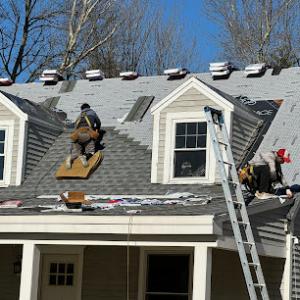
Roof Tech
(603) 276-4065 www.rooftechnh.com
Serving
5.0 from 9 reviews
New Hampshire based roofing contractor..

WG Construction
(603) 818-0600 www.wgconstruction.org
Serving
5.0 from 72 reviews
WG Construction is a family-owned and operated roofing contractor based in Epping, NH. We specialize in residential roof replacement, roof repair, siding installation, window installation, and gutter services. We proudly serve Epping, NH, Raymond, NH, Exeter, NH, Brentwood, NH, Fremont, NH, and surrounding New Hampshire communities. Our team is professional, courteous, and committed to high-quality workmanship. Contact WG Construction today for a free estimate.
James & Whitney
(603) 828-4457 jameswhitneyco.com
Serving
5.0 from 73 reviews
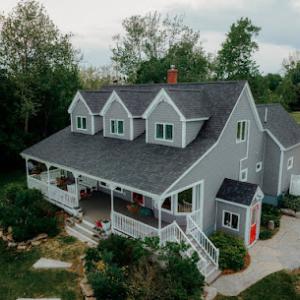
James & Whitney is Portsmouth's trusted roofing and exterior company, proudly serving the Seacoast NH region. We specialize in roofing services, including roof repairs, replacements, and inspections, as well as exterior solutions like siding and gutters. Our expert team is dedicated to protecting and enhancing your home with durable, high-quality materials and superior craftsmanship. Whether it’s fixing a leaky roof, upgrading your siding, or ensuring your gutters are functioning properly, James & Whitney delivers results you can trust. Serving homeowners and businesses throughout Portsmouth and the Seacoast, we’re committed to exceptional service and customer satisfaction.
Roofing King
(888) 997-6635 roofingking.com
Serving
4.9 from 44 reviews
Roofing King–home of the highest quality roofing & home improvement services on the East Coast, with various locations throughout Massachusetts & New Hampshire. We are a family-owned and operated Roofing Contractor serving NH, MA, & ME for over 15 years, providing honest and reliable service you can trust. Services: Roofing, Roof Replacement, Siding, Windows, Skylights, & more. 100% Financing Available
On Course Remodeling
(603) 498-2204 www.oncourseremodeling.com
Serving
5.0 from 15 reviews
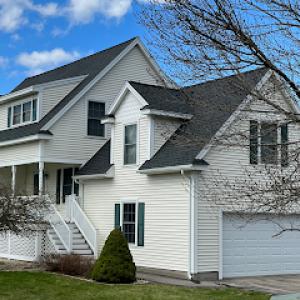
Established in 2006, and growing ever since. On Course Remodeling is family owned and operated, and only hires local individuals with experience, who are trustworthy, and honest. The Levesque family and our On Course Remodeling team take pride in perfection; pride ourselves in producing a first-quality product in a highly efficient and cost-effective manner.
Macklin Construction
Serving
5.0 from 8 reviews
Professional Quality Roof Construction using high grade roofing materials. Over 15 years experience. Fully insured. Free Estimates.
In Exeter, spring through early fall is the window when replacement projects are most practical due to milder temperatures and reduced ice dam risk during installation. Scheduling within that period helps crews manage freeze-thaw cycles and minimizes the chance of leaks while work is underway. The steep rooflines common on older New England homes here also push labor time and staging needs, which can nudge costs upward compared with flatter modern houses. Recognize that chimneys and skylights are frequent features in the local contractor market, and they add flashing and detail work that can become meaningful cost drivers.
For most Exeter homes, asphalt shingles offer solid value and reliable durability when pairs with proper ice and water shield along eaves and any skylight transitions. The cost range runs roughly from 350 to 600 USD per square, depending on shingle quality, underlayment choices, and the complexity of a steep roof. When a chimney or dormer adds flashing work, expect the higher end of the range to better cover the added labor.
Metal roofs stand up well to the freeze-thaw cycles that stress flashing and ridge cap details in this climate. Expect installation costs from about 700 to 1,300 USD per square. The higher end often reflects steeper pitches, longer runs, and premium metal finishes that resist ice-damming heat loss near attic vents. If replacement involves overhangs or multiple chimneys, plan for additional staging and flashing complexity.
Clay tile brings a premium on a steep Exeter roof, especially when dealing with chimneys and skylights that require careful detailing. Clay tile typically runs 1,000 to 2,000 USD per square, while concrete tile sits around 900 to 1,800 USD per square. The cost impact of a steep pitch and multiple penetrations is pronounced here, so budget for extra labor time and careful waterproofing.
Wood shingles and shakes suit historic aesthetics but demand careful maintenance in this climate. Expect roughly 600 to 1,400 USD per square for wood, with synthetic or composite shingles generally ranging 450 to 900 USD per square. In both cases, grading for slope and ensuring proper treatment around chimneys or skylights helps avoid costly rework later.
In Exeter, the combination of ice-damming risk, seasonal demand, and complex roof features means a practical plan budgets for spring-through-early-fall completion, accounts for steeper pitches, and includes detailed flashing around chimneys and skylights. Using the provided material ranges helps compare options against the specific roof geometry and penetrations, keeping expectations aligned with local realities.
Get a clear picture of your project costs upfront - no commitment required.
Exeter requires a building permit for a full roof replacement. This means the project begins with a formal review to confirm the planned materials, ventilation, and flashing details align with town standards and local climate realities. The permit process helps ensure the steep pitches, chimneys, and skylights common to Exeter homes get the right weatherproofing to combat ice dams and freeze-thaw cycles.
Before any shingles come off or a new roof goes on, your contractor should submit plans and specifications to the town's building department. Expect a straightforward review if the scope is typical residential replacement and the proposed materials meet local code. The town's process often moves quickly when the documentation is complete and the project aligns with existing ordinance language. During the review, be prepared to supply venting details, ice dam protection measures, and flashing configurations around chimneys and skylights-areas that are especially critical in this climate.
The town conducts a completion inspection to verify installation and code compliance after the roofing work is finished. This final check ensures that underlayment, drip edge, ridge venting, and attic ventilation work together to minimize ice dam risk and water intrusion. If any items don't meet the approved plan, a follow-up inspection may be required after adjustments are made. Expect the inspector to verify flashing at transitions, proper nail patterns for shingles or metal panels, and the integrity of skylight and chimney interfaces. A successful completion inspection provides reassurance that the roof will perform well through future freeze-thaw cycles and humid summers.
Work with a contractor who understands Exeter's historic housing stock and its seasonal needs. Confirm that the permit's scope matches the actual work and that all form submissions reflect the final materials and ventilation strategy. Schedule the roof replacement so the project can progress from dry-in to full installation within favorable weather windows, reducing delays that could trigger seasonal permit extensions. After completion, coordinate a final walkthrough with the contractor and schedule the town's inspection promptly to avoid any disruption to warranties or subsequent maintenance plans.
Because many roofs here feature steep pitches and multiple penetrations, make sure the permit packet clearly documents flashing details around chimneys and skylights, as well as attachment methods for both asphalt and metal options. The completion inspection will specifically check that ice dam prevention measures are properly installed and that all components meet town standards, helping protect the home through another harsh New England winter.
In New Hampshire, roofing claim activity rises seasonally after severe winter storms and wind events, which affects adjuster scheduling and claim timing for Exeter homeowners. That means patience can be part of the process, and delay can happen just when the house needs attention most. Prepare for a longer window between damage and settlement, especially after a heavy April thaw or a windy mid-winter sweep.
Insurers commonly want pre-loss and post-loss photos, contractor estimates, and material specifications when evaluating Exeter-area roof claims. Having clear, dated images of roof edges, flashing, chimneys, and skylights before a storm season can simplify later documentation. After a claim is filed, gather updated photos that show the extent of any damage, including signs of hidden issues like water intrusion near interior ceilings or attic rafters. Keep any estimates and material notes organized by area of the roof (e.g., hips, valleys, dormers) to avoid back-and-forth that slows progress.
Because freeze-thaw damage may not become visible until spring rain, Exeter homeowners benefit from documenting winter conditions before thaw-related leaks appear. Take photographs of ice buildup, ice dams, and snow coverage along eaves and gutters while conditions remain cold. Note dates and corresponding weather events. This practice helps support a claim if leaks surface later and reduces ambiguity about when damage originated, which can influence coverage and claim resolution.
When coordinating with a contractor, ensure that the scope explicitly addresses freeze-thaw vulnerabilities common to steep asphalt roofs and chimneys. Insurers often require detailed material specifications and repair methods to prevent recurrence, so align the documentation with the anticipated restoration plan to avoid gaps in coverage and future disputes.
Connect with contractors who help homeowners navigate the claims process from damage assessment to final approval.

In this market, skylight service is unusually visible, signaling that leak-prone roof penetrations are a recurring homeowner concern. Skylights sit on a warm interior layer that expands and contracts with winter cycles, so seal failures can appear small but bite hard after a freeze. When you inspect, look for telltale signs: recurrent staining around the curb, erratic condensation patterns inside, or ice buildup along the flashing rather than on the field. Addressing a compromised curb seal early can prevent water from tracking under shingles during thaw events, even if the surrounding shingles look sound.
Chimney-related roof work is common in this area, which fits the older housing stock and increases the importance of counterflashing and cricket details. The chimney's intersection with the roof line creates two potential failure paths: improper step and counterflashing laps and a missing or undersized cricket catching runoff. When you plan repairs, insist on a continuous, properly sealed counterflashing that overlaps the chimney flashing and a cricket that diverts water away from the sack and joint. If your chimney shows signs of mortar deterioration or loose flashing, treat it as a standing invitation for leaks during spring thaws.
Freeze-thaw movement around masonry and roof penetrations in this area can open pathways for leaks even when field shingles still look serviceable. Look for hairline gaps at mortar joints near the roofline, spalling brick on chimneys, or shifting flashing. Bottom line: a small movement near skylights, chimneys, or vent stacks can push water under the flashing and behind shingles. Routine checks after heavy freezes and before heavy melt cycles help catch hidden breaches before they widen.
Find contractors experienced in skylight installation, flashing, and leak repairs to bring natural light into your home.
Adam Vaillancourt Roofing & Gutters
(603) 810-8167 www.adamvroofing.com
Serving
4.9 from 106 reviews
Exeter's preferred roof replacement window is typically spring through early fall because winter snow and cold complicate installation quality and scheduling. The shoulder seasons offer drier conditions, more daylight, and fewer freeze-thaw cycles that can disrupt shingle sealing and flashing work. If a project must slide into late fall, planning around those first frosts and early storms becomes essential to keep shingles lying flat and flashing tight. For larger jobs, coordinating a calm stretch between wet spring days and the first hard freeze helps crews finish with improved membrane protection and wind- and ice-dam mitigation strategies.
Spring in this area is often when hidden winter damage becomes visible, so inspection demand can rise quickly after thaw and rain. Ice dams and gutter backups can reveal themselves as discoloration on ceilings or new water stains, even on roofs that looked fine in late winter. A proactive inspection after the snow melts can catch deteriorated step flashing, damaged underlayment, or compromised chimney-to-roof joints before they invite greater leaks. Homeowners who schedule a mid-spring roof check tend to reduce surprise repairs and keep the project on solid footing as days lengthen and temperatures settle.
Summer humidity and solar exposure in Exeter continue to age roofing materials even outside the winter damage season. Heat accelerates adhesive wear on shingles and can soften certain substrates, making careful surface prep and ventilation crucial. In steeper roofs with chimneys and skylights, heat-driven expansion and contraction stress can show up as hairline cracks or loose flashing seams. A summer assessment can identify degraded sealants and heat-patched areas that, if neglected, invite creeping leaks during the fall thaw or sudden storms.
When timing a roof project, think in terms of dry, moderate weather blocks rather than calendar dates. Call for an inspection after the ground thaws and again before the first heavy rain events, so repairs can be scoped and scheduled in a window with reliable weather. Keep in mind that Exeter homes often feature steep asphalt roofs and chimneys, which demand careful ice dam protection during the early-season weeks and a well-sequenced installation plan to maintain long-term performance.