
Last updated: Apr 19, 2026
Nashua's cold winters and repeated freeze-thaw cycles make ice-dam formation a primary roof concern, especially after heavy snow followed by daytime melt and overnight refreeze. When warmth from the attic leaks into the roofing deck, it softens roofing felt and underlayment just enough to let melting snow refreeze at the eaves. That creates a dam that traps water behind it, pushing moisture up under shingles and into soffits, insulation, and ceilings. In older, steep-pitched homes common around town, undersized or poorly vented attics act like a snow-mled furnace, accelerating ice- dam buildup. The result is a cycle of repeated leaks that turns a small winter drip into a costly interior problem.
You should treat any winter leak as an urgent alert. Look for damp spots on ceilings just below the attic or above exterior walls after a warm day followed by a clear night. Streaks or staining along the fascia, softened shingles near the eaves, and gummy or buckled underlayment in the attic are red flags. If icicles form heavily along the gutters and the roof edge, it's a sign that heat is escaping into the roof deck and melting snow that refreezes at the edge. In Nashua, where the replacement season concentrates from late spring to early fall, these early signs often go unaddressed for weeks, complicating damage control. Do not wait for a dramatic attic leak to act-ice dams can escalate quickly in a city built on older housing stock with varied nailing patterns and vent layouts.
If an ice dam is visible or there is any sign of interior moisture, prioritize safety and rapid mitigation. Clear accessible snow from the roof edge with a roof rake, working from ground level to avoid slips. Do not strike ice directly with metal tools; that can damage shingles and underlayment. Place tarps over affected interior areas to limit further water intrusion while permanent repairs are scheduled, especially since the concentrated replacement window can delay full fixes. If there is active dripping, place buckets under the leaks and protect finished ceilings with plastic or drop cloths to reduce secondary damage. Schedule emergency inspection by a reliable local roofer who can evaluate underlayment, ventilation, and potential deck damage, and curb further water intrusion.
Preseason preparation matters more in Nashua than in milder climates. Ensure attic ventilation is balanced so warm air does not accumulate at the roof deck, which fuels ice dam formation. Insulate the attic access well and seal any gaps that vent warm air into the attic. Consider upgrading underlayment where needed and verify that chimney or vent intakes are properly flashed to prevent meltwater from seeping under roofing material. For homes with steeper pitches and older framing, a thorough inspection of the edge channels, gutters, and downspouts is essential-leaf debris and clogged outlets worsen dam formation by directing meltwater back toward the roof. If multiple winters have left softening or curling underlayment, plan a targeted repair or partial replacement to restore a dry, sealed roof deck before the next thaw cycle.
Once conditions improve, the long-term plan should focus on eliminating the root causes of repeated dam formation. Replace damaged underlayment and worn shingles, ensuring proper nailing patterns that align with the city's scrutiny of attachment methods. Reassess attic insulation levels and venting strategy to minimize heat loss into the roof. Address any deck or insulation moisture that accumulated during the winter by drying and re-sealing these areas. In many Nashua homes, the combination of a high-quality underlayment, correct ventilation, and robust edge protection reduces the risk of repeat ice dam damage in subsequent seasons, preserving interior comfort and structural integrity during the harshest months.
Asphalt shingles dominate the local market, with pricing typically ranging from 350 to 650 USD per square. That makes them the most common choice for a steady balance of cost, ease of installation, and performance in winter-weather conditions. If you're weighing upgrades, metal roofing commonly runs 700 to 1500 USD per square, and synthetic or composite shingles fall in the 450 to 850 USD per square range. In practice, a Nashua home with a standard steep-pitched roof in asphalt can land in the mid-range for a full replacement, while a metal or synthetic upgrade nudges price higher but can offer longer service life and better ice-dam resistance. Clay or concrete tile options exist, but for most older, steep-pitched Nashua homes, they're less common due to weight and install considerations, often pushing price well above asphalt. For a typical 1,800- to 2,500-square-foot roof, that translates into a wide spread between a basic asphalt job and a premium metal or synthetic install, and it's worth calculating per-square costs so you can compare apples to apples when bidders present you with "per square" figures.
Costs in Nashua can rise when spring thaw reveals wet decking or underlayment damage that was hidden under winter snow cover and must be replaced before final inspection. Ice damming and repeated freeze-thaw cycles can crack decking, delaminate underlayment, or reveal plywood rot that wasn't visible in late summer. If a contractor uncovers moisture or structural concerns, you'll need to add those repair costs on top of the chosen roofing system. In practice, this means your initial estimate may shift after the roof is opened up and inspected. A smart approach is to budget a contingency for decking repair-often a fraction of the roof replacement cost-so you're not caught off guard once the snow is gone and the crew is ready to finish the job. Hidden damage also impacts insulation and ventilation considerations, since a compromised assembly can undermine winter performance even if the surface looks solid.
The city's short prime installation window from late spring through early fall can tighten scheduling and labor availability, especially after storm periods or harsh winters that create a backlog of replacements. If you're planning a replacement in the shoulder seasons, you may face delays or compressed timelines, so lining up a reputable contractor early is wise. Storm aftermaths frequently push crews to their limits, which can affect material ordering, crew availability, and contingency planning. If your project requires specialty underlayment or venting work to address ice-dam risk and proper attic ventilation, you'll want to confirm these details early in bidding to prevent late-stage changes that slow progress or inflate costs.
When you solicit bids, request itemized estimates that separate the roof surface cost from decking repairs, underlayment, and ventilation work. Because asphalt shingles are common, compare the per-square price and note included underlayment quality and nail patterns, as these can influence performance in winter. If you're comparing metal versus synthetic, weigh not just the upfront price but the potential for longer life and ice-dam resistance in your area. Ask contractors to provide a post-winter inspection plan and a clear warranty outline, including what's covered for wind, ice damming, and decking moisture. In the end, the best value isn't always the lowest bid; it's a combination of upfront transparency, anticipated performance through Nashua's freeze-thaw cycles, and a plan for any spring discoveries once the snow has melted.
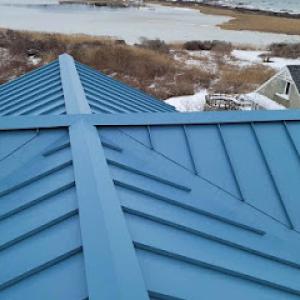
Classic Metal Roofs
(603) 324-7187 classicmetalroofs.com
1 Tara Blvd, Nashua, New Hampshire
4.9 from 85 reviews
Classic Metal Roofs, New Hampshire's premier metal roofing contractor, located at 1 Tara Boulevard, expertly installs a wide range of top-quality aluminum metal roofs, including standing seam, 2 styles of aluminum metal shingle, and copper and zinc options. Serving Southern New England, we specialize in eco-friendly, durable solutions that enhance your home's beauty and efficiency. Whether you need a complete roof replacement or an accent roof, our factory-trained professionals deliver tailored installations using the best materials. With energy-efficient, recycled content elements and a focus on customer satisfaction, we ensure your investment exceeds expectations. Contact us today for a free estimate on your metal roofing needs.

Black Swan Roofs - Roofing Contractor
(603) 512-4281 www.blackswanroofs.com
16 Technology Way Suite 2w5c, Nashua, New Hampshire
5.0 from 51 reviews
Our motto is "Your once in a lifetime roof, done once, never twice." At Black Swan Roofs, we are family owned, focused on exceptional roofing services with quality, integrity, and outstanding customer service. Serving New Hampshire, our team specializes in shingle roofs, metal roofs, flat roofs, synthetic roofs and skylights. We do both repair and replacement. As a local trusted roofing contractor near you, we understand the importance of your roof. That's why we use only the highest quality materials and the latest techniques. Whether you need a repair or full replacement, our team is here to ensure your roof is protected for years to come. We offer different payment plans and financing so we can help no matter the circumstances.
W. Ticos Roofing
(603) 557-9241 www.wticosroofingnh.com
9 Broad St, Nashua, New Hampshire
4.9 from 27 reviews
The experienced team at W. Ticos Roofing is here to assist you with your residential and commercial roofing needs. We work with a range of clients, both big and small, and are ready for any situation. Whether you need a new roof, newly installed siding, or a reliable gutter system, we have you covered. From homes to industrial complexes, we pride ourselves on delivering results that last. Get in contact today to learn more about what makes us the top Southern New Hampshire roofing contractor, and learn more about our roofing services. We cannot wait to assist you with your roofing needs.
Roofing King
(888) 997-6635 roofingking.com
310 Daniel Webster Hwy, Nashua, New Hampshire
5.0 from 13 reviews
Roofing King—home of the highest quality roofing and home improvement services in Massachusetts & New Hampshire. We are a Family-Owned & Operated Roofing Contractor for over 15 years, providing honest and reliable service you can trust. Services: Roofing, Roof Replacement, Roof Installation, Siding, Windows, Skylights, Gutters & more 100% Financing Available | GAF Master Elite Contractors | Licensed & Insured
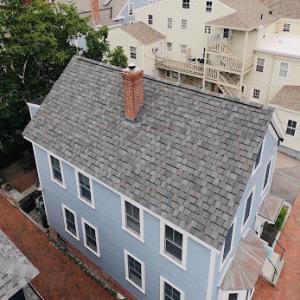
Peter Desalvo Contracting
(603) 521-7992 www.peterdesalvocontracting.com
Serving
4.9 from 133 reviews
Peter DeSalvo Contracting, your roofing specialist is fully licensed and insured in New Hampshire and Massachusetts. We are committed to the highest standards in the roofing industry, and we are equipped with the tools to handle diverse projects of any size, for any budget. We maintain high standards and professionalism and always strive to be the best in our field.
Cahill Roofing
(603) 889-8294 cahillroofingnh.com
Serving
4.8 from 26 reviews
For nearly 30 years, Cahill Roofing has provided quality residential roofing work with integrity and skill. We are a fully insured roofing company, providing roofing replacement for asphalt shingles and EPDM rubber roofing. We also handle roofing repairs, chimney sealing, skylights, roof shoveling, and much more!

Affordable Roofing / Gutters
(603) 233-9971 1affordablebuilders.com
Serving
4.9 from 429 reviews
Affordable Roofing / Gutters specializes for asphalt shingle, rubber roof and gutters at residential and commercial properties with 10+ years experience. The company, also, provides siding and skylight services such as trims, flashing. There are four teams in the company, each team combined of 6-7 people, which means we get a quality job done within hours in one day. Please, visit our website with your questions and concerns. We will make your property look nice and clean.
Granite State Roofing
(603) 765-0555 www.granitestateroofing.com
Serving
5.0 from 47 reviews
“Quality, Reliable Results…Driven Industry Leader”
Strictly Roofing
(603) 475-2822 strictlyroofing.com
Serving
4.8 from 44 reviews
Windham NH's Favorite Roofing Company... We are a husband/wife owned company and have been serving Southern NH for 20+ years. We specialize in asphalt shingles on residential homes! Proud A+ members of the BBB Roof Repairs Skylight Repairs “We Did Your Neighbor” CertainTeed Landmark Pro shingles GAF Timberline HDZ shingles Fully Insured Labor Warranties
Ed Cyr Roofing
(603) 560-4961 www.edcyrhomeimprovements.com
Serving
5.0 from 41 reviews
Ed Cyr Roofing provides roofing installation, roofing repair, siding, windows and doors, and gutter services to customers in southern New Hampshire.
Viking Roofing
(603) 883-6642 www.vikingroofingnh.com
Serving
4.7 from 16 reviews
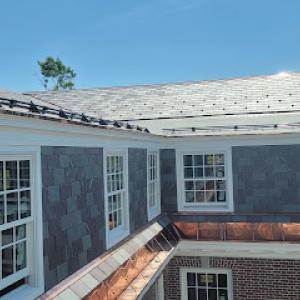
Viking Roofing, Inc. has been providing roofing services to New Hampshire, Massachusetts, and Maine since 1999. They are trusted by discerning owners, contractors, historic preservationists, and property managers for their expertise in roofing installation, design, custom metal fabrication, and maintenance. Custom Metal Fabrication . Roofing Installation & Design . Flat Roofing . Roof Maintenance & Repairs . Commercial & Industrial Gutter & Downspout Cleaning . Commercial Snow & Ice Removal . Rigging & Hoisting Viking Roofing is a GAF certified roofing contractor
Conde Roofing & Construction
(603) 838-7663 conderoofing.com
Serving
5.0 from 211 reviews
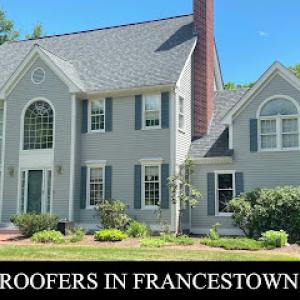
Serving communities across New Hampshire and Massachusetts, Conde Roofing & Construction, LLC has been a trusted partner in home improvement since 2019. This premier roofing contractor specializes in a wide range of services, including expert roof, siding, and skylight installations and repairs. They also offer professional gutter services to ensure your home is fully protected from the elements. Committed to quality craftsmanship and customer satisfaction, Conde Roofing & Construction is dedicated to enhancing the beauty and durability of your home.
This section outlines the permit and inspection steps for roof work in a city with a distinct winter cycle and steep-pitched homes where ice dams and snow load are real considerations. In Nashua, full roof replacements routinely require permits through the City of Nashua Department of Code Enforcement/Inspection Services. Planning ahead helps keep the project on track through a season where weather can interrupt progress and trigger additional inspections.
Before any removal or new installation begins, confirm that the project scope is aligned with the city's review criteria. The permit application checks more than cosmetic appearance; it concentrates on the integrity of underlayment, proper venting, and appropriate nailing patterns for the region's steep-pitched, older housing stock. This is especially critical in a climate prone to freeze-thaw cycles, where a small lapse in detailing can lead to ice-dam risk or accelerated roof deck wear during spring thaws.
Submission typically requires detailing the roof assembly design, including underlayment type, attic ventilation plan, and fastener schedules. The city focuses on how the roof vents integrate with the existing attic and soffit design, ensuring there is adequate air movement to manage condensation and prevent ice dams after heavy snows. Ensure that any roof penetrations, flashings, and drip edges are specified to meet local code expectations, since Nashua inspectors look closely at these interfaces for long-term performance.
During construction, inspectors may visit or request documentation to verify compliance with the approved plan. In practice, this means keeping a clean, accessible record of vent placement, attic baffles, insulation level, and nail pattern trials. If weather interruptions occur before the roof system is fully finished, spot inspections can be scheduled to confirm that protection details, such as drip edges and underlayment laps, remain correctly installed when work resumes. This ensures the project remains compliant despite weather-related pauses.
A final inspection is required after completion. The inspector will verify that the entire roof assembly matches the approved plan and that critical details-venting, underlayment, and fastener patterns-are correctly executed across the entire roof, including eaves and ridges. Successfully passing the final inspection signals that the new roof is ready to perform under Nashua's freeze-thaw and heavy-snow conditions, with the confidence that workmanship aligns with local expectations and safety standards.
If the project involves changes to roof geometry, venting, or underlayment material, be prepared for potential questions or a minor revision request from the code office. Staying ahead by coordinating with the contractor to pre-submit documentation can prevent delays and help ensure that the final installation maintains the integrity needed to resist ice dams and wind-driven snow loads typical to this neighborhood.
In this corner of Southern New Hampshire, storm activity-whether a rapid snow dump, strong wind gusts, or a late-season freeze-will shape how a claim is evaluated. After any wind, snow, or seasonal storm event, you should take dated photos that show the roof from multiple angles, focusing on shingles, flashing, and any signs of ice damming or water intrusion. The goal is to create a clear timeline of how the roof held up under the weather and where damage first appeared. Insurers will look for a recent, verifiable record of the event, and photos tied to a specific date help prevent disputes about when damage occurred.
When a claim moves through the process, the insurer typically wants proof of the roof's age, any prior damage history, and contractor-supplied photos or certifications before approving major work. If the roof has endured multiple storms, the adjuster will piece together a history to determine cause and responsibility. Having a detailed file ready-dated photos, notes from inspections, and any prior contractor assessments-can streamline the review. In communities with older, steep-pitched homes, that clear documentation also helps demonstrate how the roof performed over time and under variable winter conditions.
Because local code compliance matters during claim review, you should keep permit and inspection records from the city along with adjuster and contractor documentation. The claim is more likely to proceed smoothly when the file shows a transparent path from weather event to assessment to remediation. Store copies of any city inspection reports, notices, or approvals related to roof work, as well as correspondence with the adjuster and the contractor. A well-organized set of documents reduces back-and-forth and helps establish a credible narrative of what occurred and what was done in response.
On older, steep-pitched housing stock, ice dam risk and freeze-thaw cycles can create delayed damage that surfaces after the weather has passed. After a storm, prioritize a no-pressure roof assessment by a licensed professional and obtain a written evaluation. Share that documentation with the insurer, and reference the dated weather events in your notes. If a claim is approved for repair, accompany the contractor's report with the city records and the adjuster's notes to keep the process accountable and minimize surprises down the line. Consider keeping a shared folder that ties each storm event to a corresponding photo, report, and communication trail for quick reference during any future claim.
Connect with contractors who help homeowners navigate the claims process from damage assessment to final approval.
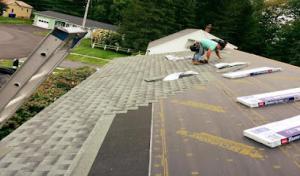
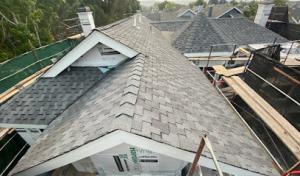
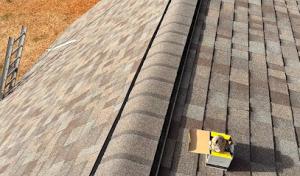
In this climate, asphalt shingles remain the workhorse for typical pitched roofs on the town's aging stock. They're well-suited to support the region's frequent re-roofing cycles and the replacement cadence you'll see on older homes with steep pitches. If a roof is already designed around common rafter spacing and standard underlayment details, asphalt shingles offer reliable performance when installed with proper attic ventilation and a continuous ice and water shield at eaves and valleys. For snow-heavy winters, a quality asphalt system paired with accurate attic air sealing can limit heat loss that drives ice dam formation. Local crews often choose architectural or thicker-profile shingles for improved wind resistance and longer service life on these roofs, which helps during the tough freeze-thaw cycles.
Metal roofing has a meaningful local presence and is often considered by homeowners looking for better snow shedding and durability through repeated freeze-thaw cycles. The smooth, fast-shedding surface reduces the time snow sits near eaves, which can help manage ice dam risk when paired with proper insulation and ventilation. Metal panels or shingles can tolerate the season's heavy snow loads, but it's crucial to ensure the roof structure and fastener pattern are matched to the pitch and framing of the home. Pay attention to the details around chimneys, skylights, and dormers, where cold spots and condensation can accumulate if flashing and sealants aren't chosen with those winter conditions in mind. For homes with complex or older rooflines, a professional familiar with local snow behavior helps ensure edge trim and valley details are robust enough to resist water intrusion in thaw cycles.
Clay tile, concrete tile, wood shakes, and synthetic products exist in the market but are far less common locally and require closer attention to structure, detailing, and winter performance expectations. Clay and concrete tiles add weight and can be susceptible to cracking under freeze-thaw stress if the substrate or support structure isn't prepared for the load. Wood shakes demand meticulous maintenance to prevent moisture retention and rot in damp or rapidly freezing cycles, and synthetic options, while easier to install, still need careful underlayment and ventilation to perform well in a freezing climate. If considering these materials on older homes, factor in potential retrofit needs for rafter strength, gutter alignment, and the potential for ice dam formation at transitions. Consulting with a local roofer who understands seasonal snow behavior and the specific roof geometry will help ensure the chosen material not only looks right but stands up to Nashua's winter realities.
Skylight work is a common specialty in Nashua's contractor market, and that means leak-prone roof penetrations are a recurring homeowner concern locally. With Merrimack Valley freeze-thaw cycles pushing and pulling flashing, small gaps around skylight bases can widen over seasons, turning minor drips into noticeable seepage.
When evaluating a skylight, start by inspecting the surrounding flashing where the curb meets the roof. In older homes, the transition between the skylight framing and the roof deck often develops micro-movement that loosens sealant and brittle flashing. Look for hairline cracks in the sealant, corrosion at metal components, and any discoloration on the shingles near the unit, which can signal past or ongoing leaks. During replacement or resealing, use flashing that accommodates thermal movement and ensure the gasket sits tight without tearing the shingle surface.
Chimney-related work is also prevalent among Nashua contractors, which fits the area's older housing stock where chimney flashing and masonry transitions often complicate reroofing. Scan the chimney boot, step flashing, and counter-flashing for gaps or raised mortar joints that trap ice. Frost cycles can push flashing outward, allowing meltwater to bypass the flanges. If masonry shows spalling or loose veneer, address it before or in tandem with flashing work to prevent new pathways for water.
Coordinate skylight and chimney work so flashing courses align and interior barriers are redundant-free. Use closed-cut joints and ensure roof-to-flashings transitions are continuous behind the shingles. In late winter or early spring, perform a detailed inspection after seasonal thaw to catch subtle leaks that emerged during the freeze-thaw months. Small, targeted fixes now save larger damage later on steeper, older profiles common in the area.
Find contractors experienced in skylight installation, flashing, and leak repairs to bring natural light into your home.

Black Swan Roofs - Roofing Contractor
(603) 512-4281 www.blackswanroofs.com
16 Technology Way Suite 2w5c, Nashua, New Hampshire
5.0 from 51 reviews
W. Ticos Roofing
(603) 557-9241 www.wticosroofingnh.com
9 Broad St, Nashua, New Hampshire
4.9 from 27 reviews
Peter Desalvo Contracting
(603) 521-7992 www.peterdesalvocontracting.com
Serving
4.9 from 133 reviews
Flat and low-slope roofing appears as a meaningful specialty in Nashua even though pitched roofs dominate, suggesting recurring issues on porches, additions, and mixed-roof homes. When an addition ties into an existing steep plane, it is common to see subtle drainage challenges that become noticeable during spring rains and thaw cycles. Understanding how these corner sections handle snow and water helps you plan better detailing at connection points, parapets, and edge flashing.
Nashua's snow load and spring rain make drainage and membrane detailing more critical on low-slope sections than on the main steep roof planes. Prioritize a reliable continuous membrane from edge to eave, with properly anchored flashing at transitions to steeper areas. Look for adequate slope toward drains-usually a quarter inch per foot as a practical minimum on low-slope segments-and define clear water paths at any overhangs or porch roofs. Ventilation and insulation at the interface between the low-slope add-on and the existing roof are essential to reduce freeze-thaw stress and ice dam risk around the joint.
Select materials that perform well in cold, variable Nashua weather and that integrate with the home's main roof when an addition touches it. In practice, this means ensuring compatibility of fasteners, sealants, and flashing with the existing shingles or metal on the steep planes. If the addition uses a different system, insist on a unified waterproofing strategy across the transition to avoid gaps where snowmelt can back up and refreeze.
When a home has both steep asphalt roofing and a low-slope section, local homeowners often need a contractor comfortable with both systems during one permit and inspection cycle. Choose a contractor who can detail the edge conditions, membrane laps, and termination methods in a single, coordinated plan. This reduces surprises and keeps the project sequencing smooth through the winter-to-spring transition.
Find specialists in TPO, EPDM, and built-up flat roofing systems for residential and commercial properties.
Black Swan Roofs - Roofing Contractor
(603) 512-4281 www.blackswanroofs.com
16 Technology Way Suite 2w5c, Nashua, New Hampshire
5.0 from 51 reviews
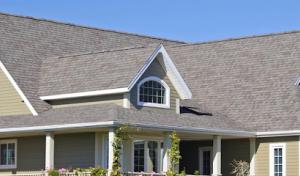
The Nashua market strongly skews toward re-roofing rather than niche new-construction work, so you should compare contractors based tear-off experience, cleanup practices, and speed after storms. Look for crews with proven ability to manage steep pitches on older, multi-story homes common here, and ask for a project timeline that covers removal, decking checks, underlayment installation, and shingle replacement. In practice, the right choice balances reliability and finish quality with the ability to handle rapid follow-up after winter storms, when leaks tend to surface first.
Cleanup is a major local hiring priority, appearing across many contractor profiles, and it matters on established neighborhood lots with driveways, landscaping, and close property lines. Request a written cleanup plan that includes tarping unused materials, dust barriers if needed, and post-job debris removal within a defined window. Inspect past job sites or photos to verify how litter and nails were handled, especially near stonewalls and garden beds that are common around older homes.
Quick response and affordability are both prevalent market signals, reflecting a homeowner base that often hires for urgent leak control and practical replacement value rather than luxury upgrades. Ask for a guaranteed response window after storm damage, and check references for days-to-completion and any callbacks. Ensure the crew is equipped to handle ice dam risk mitigation during installation with proper nail patterns, ventilation, and underlayment choices appropriate for steep pitches.
Estimate should include a clear scope, staged removal, and warranty terms. Ask for a written project plan, including protection of landscaping and driveways, crew parking, and dust control. Verify insurance coverage and a tradesman-like approach to addressing storm damage, so you are not left waiting after thaw, with milestones and photos.