
Last updated: Apr 19, 2026
Cold winters and repeated freeze-thaw cycles turn roofs into a battlefield. Ice damming is a primary threat, especially along eaves where melting snow refreezes and backs up under shingles. When the snow above the eaves melts, water runs toward the edge and freezes at the colder overhang, creating a dam that forces water to back up under shingles and into the attic or walls. In tight rowhouses and triple-deckers, you can't rely on a single continuous slope to shed that meltwater-the weight, the snow load, and the temperature swings all conspire to push water under the roofing system. The result is concealed damage that quietly rots sheathing, soaks insulation, and invites interior stains and mold before a visible drip appears.
Older housing stock in dense neighborhoods brings multiple flashing points into play-chimneys, dormers, and roof-to-wall transitions that meet at odd angles or with poor existing sealant. Each flashing corner becomes a potential leak source once ice damming starts. Chases where cables and vents pass through walls, along with step flashing where roof planes meet the side of a dormer, are classic trouble spots. In rowhouses and attached homes, one bad flash can leak across shared walls, traveling along the deck and into ceilings far from the entry point. The weather tightness of these transitions is not just about the flashing itself; it hinges on how well the surrounding shingles, underlayment, and drip edge cooperate to shed water away from the house.
Leaks don't always reveal themselves immediately. In dense layouts, water can travel along hidden channels and surface far from the original intrusion. Look for staining along ceilings below eaves and dormers, wet or bubbled painting near peak lines, and soft or spongy decking around chimneys. Ice dam buildup on the roof edge is a dead giveaway, but the real risk is what you can't see: moisture migrating behind flashing and into wall cavities. If icicles persist at eaves or if a warm attic doesn't stay dry after a storm, treat it as a red flag. Keep an eye on any areas where two roof planes meet walls or where dormer windows protrude-these are hot spots for leaks during thaw cycles.
Start with a careful inspection from the ground and, if safe, from the attic. Check along the eaves for ice dams forming and listen for telltale dripping noises when outdoor temperatures rise. Look at flashing around chimneys and dormers for gaps, corrosion, or lifted metal that can let water behind the sealant. Inspect roof-to-wall transitions for deteriorated sealant, jerky bends in flashing, or missing shingle-to-flash junctions. In rows and closely spaced buildings, a partner up on a ladder ensures you don't miss hidden breaches where water can travel before appearing inside. If you notice moisture in the attic or staining on ceilings, don't delay-ice damming and flashing failures advance quickly in this climate. Engage a roofing professional who specializes in old Boston houses, with a track record of diagnosing complex flashings and implementing robust eave protection, ice dam barriers, and transitional flashing upgrades. When arranging work, emphasize the need for a continuous eave protection plan and properly sealed roof-to-wall transitions to reduce future ice dam risk.
Flat and low-slope roofs are common in Boston's dense rowhouse, multifamily, and rear-addition stock. They handle water differently than steep-slope shingle roofs, and that difference matters for long-term reliability. Spring rain and winter snowmelt push water toward drains, scuppers, and internal drainage paths that may be slow or obstructed in tightly built blocks. When drains clog or seams are stressed, water can pool and find its way through the smallest gaps. Understanding where water can hide helps pin down trouble before it leaks into living spaces or attic areas.
Roof edges and parapet intersections are frequent trouble spots on mixed-age buildings. Parapets may have missing or failed sealant, cracked coping, or mismatched flashing where newer roof sections meet older ones. Transitions between old and new portions of a roof can create hidden gaps that trap moisture or freeze-thaw cycles. Behind gutters, downspouts, and interior drainage paths, water can back up and force its way through joints or penetrations. In Boston, those weaknesses show up most often along the eave line where snow can linger and ice can form, then push against flashing as temperatures swing.
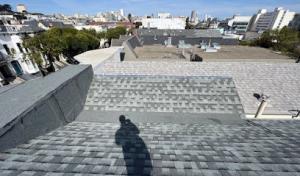
Start with a careful top-down assessment in late winter or early spring. Look for standing water after a heavy rain, pooling near parapets, shoulders, and scuppers. Check parapet caps for loose or cracked pieces and verify that sealants at transitions are intact and flexible. Inspect flashings around any roof penetrations-vent stacks, skylights, and HVAC curbs-for signs of lifting, tearing, or corrosion. On flat sections with multiple roof planes, confirm that transitions between planes create proper slope toward drains without low points where water can stagnate. If drains or scuppers are clogged, address those first using proper safety gear and roof-access equipment, never using makeshift tools that could damage membrane edges.
Material compatibility across existing and new sections matters in a city with harsh winters. Membranes should be chosen for compatibility with adjacent roofing materials and flashing assemblies to reduce joint failures. For low-slope installations, ensure that overlaps, fasteners, and edge detailing are designed to resist ice dam formation and wind uplift. When newer roof sections abut older ones, pay extra attention to any step flashing and counter-flashing detailing, ensuring that water can move freely from the surface into the drainage path without finding seams to bypass. Regular seasonal maintenance becomes part of the routine, not a one-time fix, given the recurring freeze-thaw cycle and overlay complexities typical in this housing stock.
Find specialists in TPO, EPDM, and built-up flat roofing systems for residential and commercial properties.
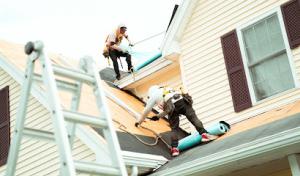
CAN Roof Construction
(857) 415-7727 canroofconstruction.com
75 Arlington St #500, Boston, Massachusetts
5.0 from 119 reviews
CAN Roof Construction
(857) 415-7727 canroofconstruction.com
75 Arlington St #500, Boston, Massachusetts
5.0 from 119 reviews
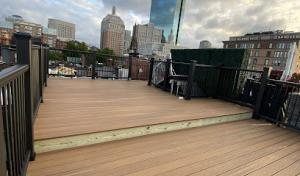
CAN Roof Construction is one of the best Roofing Contractor and Deck Builder in Boston Massachusetts providing Asphalt Roof repair and replacement, Rubber Roof Repair and replacement, Flat Roof Roof repair, Gutter installation, Deck and Porch building and serving Metro West, the Greater Boston area and all surrounding cities. We are the top Roofing Contractor in Boston MA, committed the highest customer service and workmanship quality. We are proper licensed and Insured. If you have roof leak, missing shingle or damage on your roof, get in touch with us, we would love to help you with your roof repair or replacement project. We CAN Roof it!
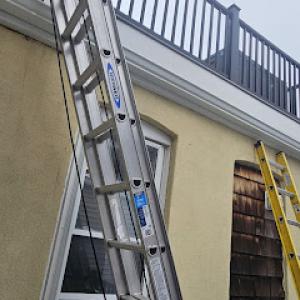
All For U Roofing & Masonry
(617) 362-8254 allforuroofing.com
101 Federal St Suite, 1900, Boston, Massachusetts
5.0 from 49 reviews
All For U Roofing & Masonry provides carpentry services, gutter services, masonry services, patio services, and more to Boston, MA, and the surrounding areas.
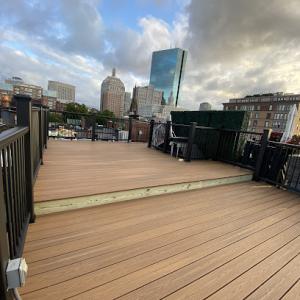
Roof Hub
240 E 8th St #1, Boston, Massachusetts
4.8 from 99 reviews
Boston roofing contractor Roof Hub makes it easy for you to get an affordable new roof. Whether architectural asphalt shingles with a 50-year warranty or flat roof replacement, get your online quote by email in under 24 hours. We're roofers in Boston with a proven history tackling Boston's complex construction industry, handling permits and new roof installs in tough-to-roof neighborhoods like the Financial District, Back Bay, North End, South End, West End, Fenway-Kenmore Our process-oriented, customer first approach to roof replacement in Boston is why customers keep passing our name along to friends + family. Hundreds of roofs installed in Dorchester Boston, Roxbury, West Roxbury, Hyde Park, Roslindale, Cambridge. All of Greater Boston
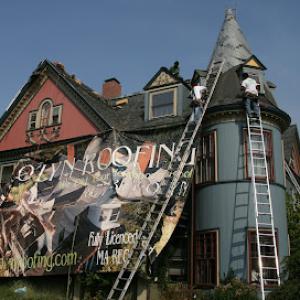
O'LYN Roofing
(781) 854-5947 www.olynroofing.com
Boston, Massachusetts
5.0 from 23 reviews
With 51 years of roofing excellence, O’LYN Roofing is Boston's premier choice, specializing in top-tier roof installation, including slate, copper, wood, asphalt, and flat roofs. Our expertise extends to distinctive Victorian roofing, gutters, downspouts, and skylights. Elevate your home with O'LYN Roofing's precision and professionalism. Contact us for a roof inspection and estimate. Join satisfied clients in experiencing the O’LYN difference. Trust your property to the experts at O’LYN Roofing, where excellence meets experience.
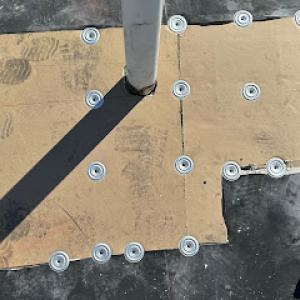
Otukan Roofing Company Boston
(781) 798-9009 otukanroofing.com
43 Goethe St, Boston, Massachusetts
5.0 from 21 reviews
Otukan Roofing is the top roofing company in Boston, MA, offering a wide range of expert services to protect and enhance your home. Our skilled professionals specialize in any flat roof repair, replacement, and inspection, as well as gutter cleaning, repair, and replacement. We also provide expert skylight installation and repair services. Whether you need routine maintenance, emergency repairs, or a complete roof overhaul, our team is dedicated to providing exceptional customer service and top-quality workmanship. Count on us for prompt, reliable, and affordable solutions to all your roofing needs. Contact Otukan Roofing today to schedule your appointment!
Art Slate Roofing
(617) 913-1130 www.artslateroofing.com
Boston, Massachusetts
5.0 from 20 reviews
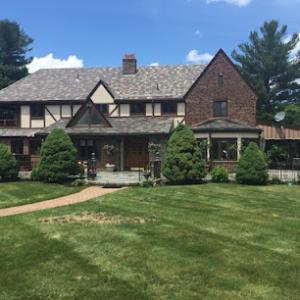
For over 20 years, Art Slate Roofing has been the go-to roofing company in the Cambridge area. We specialize in Historical Renovations, as well as Slate & Copper roofing. From leak repairs to emergency blow-offs, curb installations to coating, preventive maintenance to roof asset management, our roofing team can handle it all. We also offer masonry work, chimney repair, and Gutter & Downspout services. Ask about our warranty! Call today for a free estimate!
ID Flat Roof
188 Brookline Ave #26K, Boston, Massachusetts
4.7 from 40 reviews
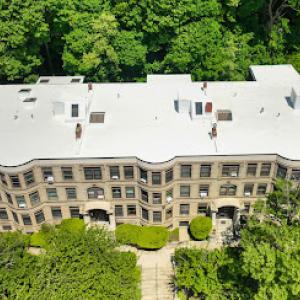
Repair, replacement, and installation of flat roofs, low-pitched roofs, regular roofs, and decks.Residential and Commercial roofs.Rubber roof, asphalt shingles roofs, metal roofs, PVC roofs.Experience More Than 21 Years.Lifetime Warranty.We accept credit cards.We have all insurances and licenses.If you want to make your next roof your last roof, call us today and let us provide you with the final solution to your roof or deck problems.
Immediate Roofing MA
(781) 382-8581 immediateroofingma.com
154 Maverick St, Boston, Massachusetts
5.0 from 15 reviews
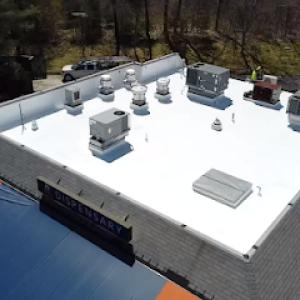
"With 30 years in the commercial rooting industry, our company has become a trusted leader in providing durable, high-performance roofing solutions. We've worked with businesses of all sizes, delivering tailored systems that protect their buildings and stand up to the toughest conditions. Our three decades of expertise mean we understand the unique challenges of commercial properties, from flat roofs to large-scale industrial facilities. When you choose us, you're not just getting a roofing contractor-you're getting a partner dedicated to excellence, safety, and your long-term success.

Clancy Roof & Leak Repairs
(617) 467-2455 clancyroofrepaircharlestown.com
Serving
5.0 from 53 reviews
Clancy Roof & Leak Repairs specializes in finding and fixing roofing issues before they turn into costly damage. The team is skilled at tracing leaks to their exact source, repairing problem areas with durable materials, and ensuring the rest of the roof remains in good condition. For more extensive damage, they provide clear recommendations and handle larger repairs with the same attention to detail. Customers often note the quick response times, the straightforward advice, and the quality of the finished work. Clancy Roof & Leak Repairs is committed to keeping properties secure and weatherproof.
Baxter Roof Repair & Installation
(617) 655-7503 baxterroofrepaircambridge.com
Serving
5.0 from 25 reviews
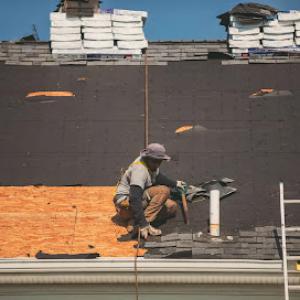
Baxter Roof Repair & Installation provides trusted, professional roofing services for homeowners and businesses throughout Cambridge. Our experienced team specializes in comprehensive roof inspections, accurate leak detection, shingle and metal repairs, full roof replacements, and preventative maintenance. We use premium materials and industry-approved installation techniques to deliver durable, weather-resistant results. Whether you’re dealing with storm damage, aging roofing components, or planning a roof upgrade, you’ll receive precise assessments, transparent pricing, and responsive scheduling. Cambridge property owners count on Baxter for dependable craftsmanship and expert roofing care tailored to their needs.

Boston Roofing & Gutters
26 Bowdoin St, Boston, Massachusetts
2.9 from 13 reviews
Boston Roofing and Gutters, a trusted roofing contractor and gutter cleaning service since 2010, is committed to providing exceptional service to the Boston community. With over a decade of experience, they offer reliable and expert solutions for all your roofing and gutter needs.
Doherty Slate Roofing
(617) 595-1551 dohertyslateroofing.com
Serving
4.9 from 55 reviews
We are slate copper specialists and an award-winning company. Our craftsmanship is prestigious. Unlike other roofing companies, We match identical roof slates to existing slate roofs. This means slate size, slate color, slate age, and thickness to conduct slate roof repairs. We design and install high-end custom copper roof work, Copper Gutters, and install rubber roofs. Were veteran owned and operated. We strive to be the leading slate roofing company in the Boston, Brookline, Newton, and Wellesley areas. We also repair slate tile and carry out annual drone slate roof inspections, slate repairs, slate restoration, and slate installation. Searching for a slate roofing company near me, we are your slate roofing contractor.
Boston homeowners in historic districts may face added review before roofing work begins, especially when visible materials or structural changes are involved. The process is stricter when a roof line, dormers, or cornice details are part of the property's historic fabric. If shingles, metal, or tiles must be chosen to maintain a building's character, your project can face longer decision windows and more careful coordination with preservation-minded boards. That extra layer of scrutiny is not simply ceremonial-it can affect timing, material availability, and the pace of repairs if a critical detail must be matched to surrounding neighbors' homes.
The city's older housing stock means many reroof projects uncover layered repairs, aging decking, or ventilation shortcomings once tear-off starts. Surface clues can mislead: a neat top layer may conceal compromised sheathing or clogged attic vents, and original decking might be thinner than modern standards. When the tear-off exposes these issues, it can trigger cascading consequences-staging delays, additional material handling, and a shift in how long crews spend on-site. In tight rowhouse or triple-decker lots, the disruption to gutters, chimney flashing, and shared eaves can ripple into neighboring dwellings, underscoring the need for clear planning and on-site coordination.
Material choice in older neighborhoods is often influenced by architectural compatibility as much as by price or lifespan. Clay or concrete tiles can harmonize with certain styles but may require structural checks for weight and curb appeal alignment. Metal roofing can match some storefront or retrofits yet clash with neighboring silos of color or profile if not thoughtfully integrated. Synthetic shingles sometimes offer a low-profile look that still respects period aesthetics, but color and texture must be weighed against the street's overall rhythm. The goal is to preserve the visual integrity of the block while still delivering durable protection.
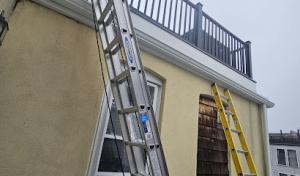
In tight Boston neighborhoods, access constraints matter. Scaffolding, dumpster placement, and material deliveries must account for narrow drives and limited staging space. Communication with neighbors becomes part of the project scope-unexpected noise, bin locations, and restricted work hours can affect nearby residents who share walls and gutters. A practical approach centers on early, honest conversations with the contractor about what needs to be preserved on the exterior, how to handle hidden decking repairs, and a realistic plan for maintaining drainage and attic ventilation during and after the job.
The most popular roofing material in the US. Find pros who install, repair, and replace asphalt shingles.
CAN Roof Construction
(857) 415-7727 canroofconstruction.com
75 Arlington St #500, Boston, Massachusetts
5.0 from 119 reviews
All For U Roofing & Masonry
(617) 362-8254 allforuroofing.com
101 Federal St Suite, 1900, Boston, Massachusetts
5.0 from 49 reviews
In Boston, most roof replacements are pushed into late spring through early fall because winter conditions and spring rain complicate tear-off, drying, and sealing. That window gives crews longer stretches of dry, workable days and reduces the risk of lingering ice on the eaves during critical steps. If a roof is nearing the end of its life while you're staring at a stubborn freeze-thaw cycle, consider a plan that targets mid-April to late May or September to early October for the best chance of clean, thorough work without weather-driven delays. Expect some schedule tightness if you're chasing an opening around a lingering warm spell; that heat can push crews to lengthen day hours but compress the overall calendar.
Summer humidity can affect installation conditions, while fall wind events and fast weather swings can tighten contractor schedules before winter. High humidity makes attic ventilation checks and flashing sealants cure more slowly, so plan for slightly longer drying times in attics and around penetrations. In late summer, heat can soften underlayment and hot-applied sealants, but it also makes difficult roof navigation safer if crews stay vigilant about heat safety. In the shoulder seasons, be mindful of unexpected rain that can force short work stoppages and retraining of crews to protect newly installed materials.
Fall wind events can rearrange plans quickly, so aim to book with a crew that can confirm a firm start window and provide a realistic buffer for weather interruptions. If a tear-off is involved, your project may need a dry spell of several days in a row to properly seal and re-nail. Build in a contingency plan for temporary tarping or partial inside work if a sudden cold snap or windy front approaches. Communicate clearly with the contractor about preferred sequencing-tear-off first, then dry-in, then final roof surface-so material deliveries and crew flow stay synchronized rather than stacking up in the yard.
Post-storm demand spikes in the region can lengthen wait times for inspections, emergency dry-ins, and full replacement scheduling. After a significant weather event, properties with visible leaks or interior water intrusion may move to the front of the line, while others experience a backlog as crews triage urgent leaks first. If a storm hits, you'll want to stay in close contact with your contractor, have access to a clear path for temporary fixes, and be prepared for a few extra days of scheduling flexibility as local supply and crew availability rebound.
Find local contractors experienced in assessing and restoring roofs after hail, wind, and severe weather events.
All For U Roofing & Masonry
(617) 362-8254 allforuroofing.com
101 Federal St Suite, 1900, Boston, Massachusetts
5.0 from 49 reviews

Asphalt shingles run from about 350 to 700 USD per square installed, while metal roofs sit between 600 and 1100 USD per square. For more distinctive looks and durability, clay tile can land between 1000 and 1800 USD per square, with concrete tile at 900 to 1500 USD per square. Wood shingles or shakes typically run 650 to 1200 USD per square, and synthetic or composite shingles span roughly 450 to 800 USD per square. In dense neighborhoods, those base numbers often shift upward because the work requires careful handling of fragile historic materials and tighter staging.
In Boston, access constraints and limited staging space can push labor hours higher even when the square-foot price stays near the averages above. Steep front-facing roofs, irregular or mixed rooflines, and low-slope rear sections on the same building complicate l material layouts, flashing details, and debris removal, so crews may bill extra for setup, safety measures, and careful material hand-off. Expect a premium on projects where crews must maneuver around chimney stacks, dormers, and tight backyard access.
Older homes often reveal issues that add cost after the tear-off begins. Decking repairs or replacements, flashing around chimneys and dormers, and potential ventilation upgrades discovered during the process can add to the labor bill beyond the base square price. If older decks or roof sheathing need reinforcement, the price can creep upward, sometimes significantly, depending on extent and accessibility.
Steep, front-facing sections and complex roof geometries require extra safety, more precise flashing work, and careful handling of materials to avoid damage. Mixed rooflines and low-slope rear sections can meaningfully raise labor time and waste management costs. When planning, consider not just the material price per square but the expected hours for staging, access, and meticulous detailing at transitions and penetrations.
Start with a conservative plan that accounts for debris handling challenges in dense neighborhoods-estimate extra for ladder safety, pickup/drop-off constraints, and crane or container needs if space allows. For projects involving older homes, budget a contingency for decking or flashing upgrades discovered during tear-off. Finally, when comparing bids, prioritize contractors who clearly itemize staging, debris removal, and flashing around chimneys and dormers alongside material costs. In larger, multi-section homes, document each roof section's access and complexity to avoid unwelcome surprises once work begins.
In Boston, roof replacements typically require a building permit through the city's Inspectional Services Department before work begins. Starting the process early helps avoid project delays when weather windows shrink in the winter and spring. Prepare to submit drawings or plans that clearly show the roof assembly, including underlayment type, nailing pattern, and attic insulation details. A permit reviewer will expect that the scope aligns with the existing structure and that any changes to venting or attic insulation won't create new moisture or energy-efficiency issues.
Boston permit review commonly looks at project scope, installed materials, underlayment, nailing pattern, venting, and attic insulation considerations. Have product specs on hand for the chosen shingles or metal, plus a brief roof layout noting penetrations, skylights, and ventilation ratios. The city often requests confirmation that underlayment is appropriate for low-slope sections common on rowhouses and triple-deckers, and that ridge and soffit vents will operate correctly with the chosen insulation. If a contractor proposes a non-standard nail pattern or an unconventional underlayment, expect a quick additional review or a request for engineering notes.
Historic district work or projects involving structural changes may need added approvals or plan review before the roof can be replaced. If the property is within a preservation zone, anticipate more detailed drawings, material samples, and possibly a pre-application meeting. The city may scrutinize the appearance of the roof, any visible alterations to cornices or dormers, and how the new installation interacts with existing ice-dam risks. Having clear documentation for attachment points, flashing details, and historical accuracy can smooth or shorten the review process.
In Massachusetts, roof claim handling generally follows standard market practice, with adjusters relying on contractor estimates, photos, and sometimes on-site inspection. In tight, historic neighborhoods with low-slope rowhomes and triple-deckers, adjusters will expect a careful tie between the observed damage and the roof's age and wear. That means your photos should clearly show the exact location and progression of leaks, and your contractor's report should explain what is storm-driven versus what is likely preexisting deterioration from numerous freeze-thaw cycles. Expect some back-and-forth, especially if the roof covers multiple exposures or shared lines of drainage.
Boston-area storm surges can affect how quickly claims are processed and may influence deductibles or scrutiny after widespread damage events. In practice, that translates to longer timelines if the insurer's desk is flooded with claims after a big nor'easter or a coastal storm. Be prepared for temporary holds or requests for additional documentation while adjusters assess the extent of damage across several nearby homes. Prompt, organized submissions help; delayed photos or unclear measurements slow things down and can invite extra questions.
Because winter leaks and freeze-thaw damage can look gradual, Boston homeowners need strong photo documentation to separate sudden storm damage from wear. Take dated shots from multiple angles under both dry and leaking conditions. Include attic views to show insulation gaps or ice dam-related seepage that appears after storms. Document flashing at valleys, chimneys, and dormers, since these are common failure points on older housing stock. A clear narrative tying observed leaks to a storm event-and supported by contractor notes-fortifies the claim.
Older, densely packed roofs often hide concealed damage where leaks emerge far from the initial storm impact. Expect questions about previous repairs and the condition of underlayment, ventilation, and flashing. If there was prior repair work, keep records and photos of those details. Durable, well-lit photos that map leak paths help the adjuster understand whether the issue is recent storm damage or ongoing deterioration. In any dispute, documenting timelines, weather events, and contractor assessments keeps the process grounded and reduces unnecessary delays.
Connect with contractors who help homeowners navigate the claims process from damage assessment to final approval.
Clancy Roof & Leak Repairs
(617) 467-2455 clancyroofrepaircharlestown.com
Serving
5.0 from 53 reviews
Chimneys are a common feature on older rowhouses and triple-deckers, and their flashing sits at the largest joint zones where brick, mortar, and roof meet. In winter and spring, freeze-thaw cycles push water into gaps around the chimney base, through poorly lapped flashing, and into the masonry joints. The result is recurring leaks that show up at interior ceilings and along brick faces where water wicks inward. Treat chimney steps as a full-system detail: inspect the step flashing where the chimney meets the roof plane, reseal mortar joints that abut shingles, and verify the kick-out flashing directs runoff away from brick. If you notice damp patches near the chimney line after storms, consider a targeted wire-brushing and re-pointing of masonry and a dedicated chimney counter-flashing refresh to restore a proper seal.
Skylights on older roofs often age out with the surrounding shingles and curbs, which weather at different rates than the unit itself. Problems arise where the skylight curb sits on a curved or low-slope roof and where the flashing transitions from curb to field shingles. In many Boston homes, these interfaces are the first to leak during spring melts. Address skylight failures by inspecting the curb sealant, the top flashing laps, and any tarnished or cracked glazing. Replace or reseal flashing at the intersection with the curb, and consider upgrading to a higher-quality flashing kit that matches the roof's pitch and material. When a skylight shows interior condensation or visible water trails, treat the curb as a potential leak source rather than chasing a nearby shingle crease.
Reroof projects in a dense, historic stock prioritize detail work at penetrations and transitions rather than field shingles alone. Each vent, pipe, and chimney base becomes a keystone for long-term waterproofing. Before laying new shingles, ensure proper underlayment coverage up the pipe flashings, confirm that all step and counter-flashings around penetrations lock into the existing masonry or roof deck, and verify that transitions to dormers, valleys, and skylight curbs are properly flashed. In colder months, pay extra attention to ice dam risk at these points, keeping a clear drainage path and avoiding overhangs that trap meltwater. Regular inspections after heavy snow or rapid thaw cycles help catch a small leak well before it becomes a stain.
Find contractors experienced in skylight installation, flashing, and leak repairs to bring natural light into your home.
CAN Roof Construction
(857) 415-7727 canroofconstruction.com
75 Arlington St #500, Boston, Massachusetts
5.0 from 119 reviews
Otukan Roofing Company Boston
(781) 798-9009 otukanroofing.com
43 Goethe St, Boston, Massachusetts
5.0 from 21 reviews