
Last updated: Apr 19, 2026
Manahawkin sits in southern Ocean County near Barnegat Bay and the Route 72 approach to Long Beach Island, exposing roofs to coastal wind events tied to Nor'easters and tropical systems. Those winds can whip across rooftops with little warning, lifting shingles, loosening flashing, and driving water intrusion through any compromised seam. The pattern here is not a quiet storm season; it is an ongoing cycle of high-wind events that stress the roof system, especially during seasonal shifts when Nor'easters gather moisture off the Atlantic. In practical terms, every coastal wind spike should be treated as a potential trigger for inspection, even if the sky looks calm at first light.
Local claim activity in this market is driven more by wind and storm exposure than inland hail, so focus on the areas most stressed by wind squeeze. Lifted shingles are common after a driving rain and gusty afternoon, but the real trouble often hides under the surface: ridge damage where ridge venting bears the full brunt of gusts, and flashing failures around the chimney, vents, and roof-to-wall transitions. Water intrusion may appear far from the obvious impact site once wind-driven drip lines begin, underscoring the need for a thorough top-to-bottom assessment. In practical terms, prioritize any roof section that felt the wind during the last storm, check for missing granules, cracked sealant joints, and loose termination tiles. If you see discolored ceiling spots or damp spots on attic rafters after a storm, treat that as a red flag demanding immediate attention.
Because this market shows strong demand for emergency repair and storm work, homeowners often need temporary dry-in measures quickly after weather events. Start with tarping or roof-safe plastic barriers over visibly exposed areas to slow ongoing leakage while a plan for full replacement is developed. Reseal around flashing with temporary tar or flexible sealant if joints show active leaks, but avoid relying on temporary fixes as a long-term solution. The goal is to create a dry, protected interior while you arrange a professional assessment and a prioritized replacement schedule. In coastal weather, even modest uptime on a roof can prevent interior damage from soaking through attic insulation and ceiling planes during the next wind-driven shower.
Storm season in this area brings a constant push-pull between urgent repairs and the availability of crews able to mobilize quickly. After a big coastal event, scheduling may push into weeks of backlog before a full roof replacement can commence. Use this window to secure a reliable, wind-focused inspection, ensuring the contractor can verify wind-resistance features on the new roof, including tear-off efficiency, flashing upgrades, and shingle selection that prioritizes wind performance. If a full replacement cannot be sealed promptly, insist on a robust temporary dry-in plan that minimizes interior risk while the project awaits a clear weather window for completion. This approach keeps the home protected through the most persistent coastal weather threats and reduces the chance of repeat storm damage before the new roof is finished.
In a coastal four-season climate, the timing of a roof replacement can directly affect how well the job holds up once salt air, wind, and Nor'easters come through. The shoulder seasons-spring and fall-offer more predictable weather windows for a wind-focused, storm-aware community that faces sudden squalls and brisk coastal gusts. Spring and fall aren't just about milder temperatures; they're about giving underlayment, ventilation, and sealant products time to cure and settle before next year's heat or winter moisture cycles. In Manahawkin, those seasons represent practical balance between weather risk and project continuity, with fewer interruptions than the peak of summer or the heart of winter.
Spring is a practical start for a roof replacement because it avoids the peak heat of summer and the damp chill that can compromise workmanship. The longer days help crews stay on schedule, and roof work can finish before hurricane season ramps up. However, spring rain can slow underlayment installation and ventilation work. To keep the project moving, plan for short, targeted windows between passing fronts and expect a few rain holds while the roof deck is dry enough for shingle or panel work. Communication with your contractor about expected rain delays and alternate routing for material handling will keep the process smoother, especially when coastal winds pick up and storms roll through the Barnegat Bay corridor. In this climate, a practical spring plan also means coordinating temporary weather protection and ensuring crews have early-morning access before a front moves in.
Fall brings cooler days and typically drier air, which helps with adhesive performance on asphalt and sure sealing around edge components. In a windy coastal area, fall installations are advantageous because a cooler environment reduces heat-related expansion concerns that can complicate insulation and flashing. The fall window also aligns with a calmer period before winter storms. Plan for a completion buffer to avoid a late-season cold snap or early Nor'easter that could disrupt the final stages of installation or drying times. If a spring-start has gaps due to weather or supply constraints, a fall follow-up can often salvage the schedule and protect the roof before the hardest winter months.
Winter freezes, snow, and coastal storm interruptions can delay access and materials handling, making shoulder-season scheduling especially valuable in Ocean County. Short days and icy work surfaces demand careful safety planning and contingency buffers for delays caused by wind-driven storms. If a winter window becomes necessary, expect longer job durations and more protective measures, such as safer ladder setup, skid-resistant walkways, and material storage considerations to prevent wind uplift or moisture exposure. For homes near open ground or exposed eaves, winter work should be paired with a robust plan for securing shingles or panels during gusty conditions and potential frost-related curing variability.
1) Assess the house after the shoulder seasons' typical weather events, noting any wind-driven damage that could influence the replacement pace. 2) Build a replacement window that avoids peak summer heat and the wettest early winter days, prioritizing a mid-spring start or late-fall finish. 3) Schedule a pre-install weather briefing with the contractor to map out anticipated rain days, wind advisories, and storm forecasts that could interrupt access to the roof. 4) Confirm staging and protection for roof lines, gutters, and vents so that underlayment and ventilation can proceed promptly when dry conditions occur. 5) Plan the project so that critical steps-like flashing, underlayment, and shingle fastening-line up with expected dry periods to minimize exposure. In Manahawkin, choosing the right season means prioritizing wind resilience and timely leak response while navigating the coastal weather pattern.
Get a clear picture of your project costs upfront - no commitment required.
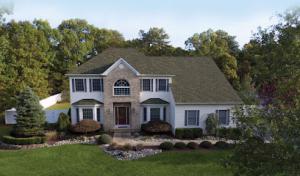
Dam Good Roofing
(732) 644-4099 damgoodroofing.com
124 Smugglers Ct, Manahawkin, New Jersey
5.0 from 24 reviews

Dam Good Roofing
(732) 644-4099 damgoodroofing.com
124 Smugglers Ct, Manahawkin, New Jersey
5.0 from 24 reviews
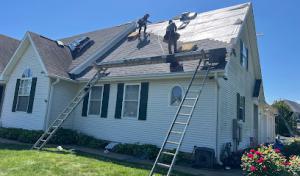
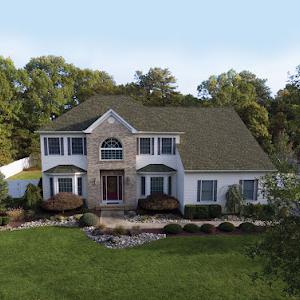
Dam Good Roofing is a trusted, family-owned roofing contractor serving Manahawkin, Stafford Township, Barnegat, and Ocean County, NJ. With over 30 years of construction experience, we specialize in new roof installation and full roof replacement, including asphalt shingle roofing and standing seam metal roofing. Our team delivers high-quality workmanship, premium materials, and honest recommendations designed to protect New Jersey homes for decades. If you’re searching for a roofing contractor near you, contact Dam Good Roofing for a free, no-pressure estimate.
EAD Home Improvements LLC Roofing & Roof Repairs
(732) 575-5622 www.eadhomeimprovements.com
Serving
5.0 from 90 reviews
EAD Home Improvements is your trusted partner for top-quality roofing services with over 30 years of experience. Specializing in roof replacements, roof repairs, and skylight installations, we are guaranteed to enhance your home and stop any leaks. Whether you need minor repairs or a full roof replacement, our expert team ensures durable results. We also offer flexible financing options to make your home improvement projects affordable. Trust EAD Home Improvements for exceptional service and lasting peace of mind.
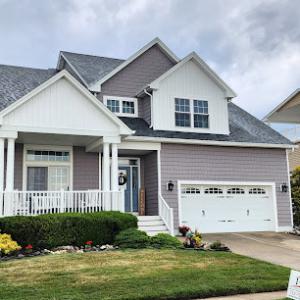
Home Pro Remodeling
Serving
5.0 from 200 reviews
Home Pro Remodeling, located in Lacey Township, NJ, is your go-to expert for roofing, siding, windows, and gutters. With over 30 years of industry experience, we pride ourselves on delivering top-quality workmanship and unparalleled customer service. Our commitment to the highest standards ensures that every project is completed beyond your expectations. Whether you need a new roof, energy-efficient windows, durable siding, or seamless gutters, we offer tailored solutions to meet your specific needs. Our reputation for excellence speaks for itself—trust Home Pro Remodeling to enhance your home with precision and care.
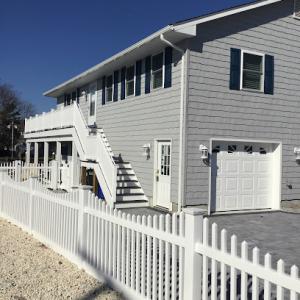
American Custom Roofing & Siding
(609) 242-8180 www.americancustomrs.com
Serving
5.0 from 111 reviews
American Custom Roofing is a professional roofing company located in Forked River, New Jersey. They specialize in offering high-quality roofing services to residential and commercial clients in the area. With years of experience, a team of skilled and certified roofers, and a commitment to using top-notch materials, American Custom Roofing delivers exceptional results that exceed customer expectations. Their services include roof repair, roof replacement, new roof installations, and more. Whether you need to fix a leak, upgrade your roof, or protect your property from weather damage, American Custom Roofing has the expertise and resources to get the job done right.
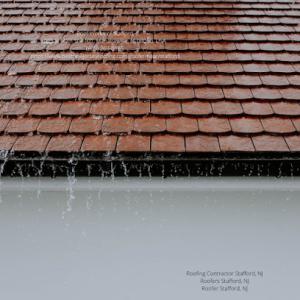
Roof Works of Stafford
(609) 269-0165 www.bestnewjerseyroofing.com
Serving
5.0 from 1 review
Roof Works of Stafford is a family-owned and operated high-end exterior remodeling company. We are dedicated to fair pricing, expert installation, and providing you with the best warranty in the industry - Lifetime! Roof Works offers roofing services for residential homes, commercial buildings, new construction projects - we do it all. With more than 40 years of experience in the roofing industry our team can tackle any job with precision. If you're looking for Stafford's best roofing company then look no further than Roof Works of Stafford. Give us a call today!

A-1 Roofing
Serving
4.6 from 37 reviews
Superior Workmanship A-1 Roofing has earned a reputation as Ocean County New Jersey as most respected roofing, contractors. Our clients know they can depend on us for innovative solutions to their toughest home repair problems, as well as completing each project promptly, professionally, and with superior workmanship. We always provide FREE estimates! Our Mission A-1 Roofing is committed to being a leader in the roofing/siding industry by setting the standards of a knowledgable, professional, dependable contracting company. We will provide superior service and be true to our word. We are committed to provide for the families that work with us and the communities we live in! QUALIFICATIONS: Quality Master™ ShingleMaster™ Company
O'Hara's Son Roofing - NJ Branch
Serving
5.0 from 2 reviews
Established in 1987, O'Hara's Son Roofing (OSR) has grown into one of the nation's top commercial and industrial roofing contractors. OSR is a family-owned and operated national roofing company based in Chicago, IL. Our national services include new commercial roof construction, roof replacement, leak repair/service, and preventive maintenance for commercial and industrial flat roofs. Our mission is to provide the highest quality service, materials, and workmanship to maintain our reputation as one of the nation’s best commercial roofing companies. The NJ Branch serves the north-east region of the USA.
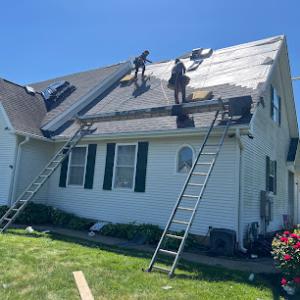
G&C Home Improvements
Serving
4.8 from 37 reviews
G&C Home Improvements is a GAF Certified™ roofing contractor based in Forked River, NJ, serving homeowners throughout Forked River (08731), Lacey Township, and nearby Ocean County communities. We specialize in roof replacement, roof repair, and residential roofing systems designed for New Jersey’s coastal climate. With over 20+ years of experience, we install complete GAF roofing systems including asphalt shingles, ventilation upgrades, and siding, all backed by our 10-Year Craftsmanship Warranty. Known for honest pricing, clear communication, and quality workmanship, we are a trusted local roofing contractor for Forked River homeowners. Call 732-977-3557 for a free estimate.
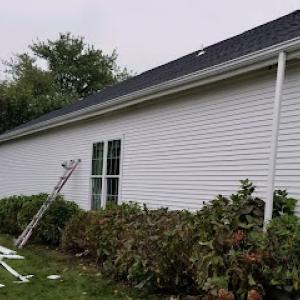
EZ Exteriors
(732) 200-2343 www.ezexteriorsnj.com
Serving
5.0 from 3 reviews
EZ Exteriors specializes in transforming homes with top-quality roofing, siding, window, and gutter solutions. Our experienced team is dedicated to delivering exceptional results that exceed your expectations. With a focus on craftsmanship and customer satisfaction, we take pride in every project we undertake. Trust EZ Exteriors for all your renovation needs.
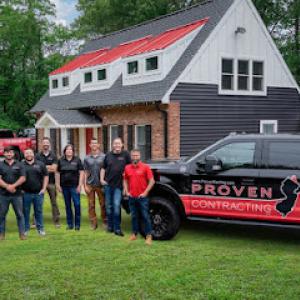
Proven Contracting
(732) 800-4616 provenroofing.com
Serving
4.9 from 330 reviews
Proven Contracting: building trust, one project at a time. Since 2013, we've been raising the bar for roofing, siding, windows, and gutter services in Central and Southern New Jersey. Experience the difference with our customer-first approach, where clear communication and meticulous execution are standard. Dedicated project managers ensure on-time, on-budget results, with daily updates and immaculate job sites. As a GAF Master Elite Roofing Contractor, Certainteed 5-Star Siding Contractor, James Hardie Preferred Siding Contractor, and Andersen Certified Window Contractor, quality craftsmanship is guaranteed.
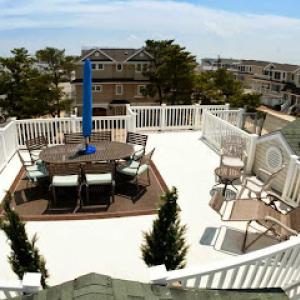
Coastal Roofing
(609) 494-0944 www.coastalroofinglbi.com
Serving
3.4 from 13 reviews
Coastal Roofing specializes in fiberglass roofs and decks, vinyl siding, and vinyl railing.
American Craftsmen Construction
(732) 829-0678 www.americancraftsmenonline.net
Serving
4.8 from 46 reviews
Roofing, Siding, Gen Construction. 38 years of experience. Bonded and Insured. Zero complaints with NJ Consumer Affairs and BBB. GAF Master Elite Certified, which only 2% of roofers in the region possess this status. We are able to offer an enhanced 50yr warranty. We offer financing with no payments for the first 12 months. Call us today for your free roof evaluation.
In this part of the shore corridor, wind-driven storms and Nor'easters are part of the landscape, and Manahawkin's roofs face that reality year after year. Asphalt shingles remain the practical backbone of most homes, but their performance hinges on two things: how securely they're fastened and how well the roof is sealed at edges and penetrations. The wind can generate leverage at rake edges, valleys, and around skylights, so the fastening pattern and nail quality matter more here than in calmer inland settings. An emphasis on a robust underlayment layer-one that provides a second line of defense against wind-driven leaks-combined with careful edge detailing, helps keep a roof from peeling up during a gusty winter nor'easter.
Asphalt shingle systems still dominate in this market, yet the climate shifts the balance toward precision in installation. Look for a fastener schedule that matches the shingle profile and local wind exposure, not just a standard warranty claim. Edge detailing should include proper drip edge and eave protection to prevent wind-driven infiltration at the roofline. In this coastal context, where moisture and saline air can compromise components over time, an underlayment with good vapor and moisture resistance adds a crucial buffer. When evaluating a replacement, homeowners benefit from choosing a shingle with improved wind resistance ratings and confirming the contractor follows a tight nailing pattern across the entire roof, not just in the visible sections. The result is a wind-resilient skin that stands up to seasonal blasts and repeated storm cycles.
Metal roofing has a meaningful local presence and appeals to homeowners prioritizing wind performance and durability in a coastal-exposed part of Ocean County. Metal panels often tolerate high wind speeds better than many shingle configurations, especially when panels are properly integrated with continuous edge clips and well-sealed ridge closures. For Manahawkin, the choice is not simply metal versus asphalt; it is metal with attention to panel overlap, fastener type, and the sealing strategy around transitions and fixtures. A coastal installation benefits from concealed or closely spaced fasteners, high-quality sealants at field joints, and reinforced eave details to resist lifting. If a metal roof is chosen, ensure the system is rated for coastal exposure and that the installer coordinates with soffit and fascia to create a continuous, wind-tight barrier around the perimeter.
Tile and wood options exist but require careful evaluation because heavier systems, brittle profiles, or moisture-sensitive materials can create added structural or maintenance considerations in a storm-prone coastal setting. Clay and concrete tiles offer durability when properly anchored, yet their weight demands a structural assessment and careful rafter or deck framing to handle the load. Wood shingles and shakes provide a classic look but can suffer from moisture-related warping and increased maintenance in humid coastal air. In wind-prone conditions, wood and tile systems rely heavily on precise installation details-edge clips, battens, and robust underlayment-to resist uplift and water intrusion. If a coastal storm threatens, these materials may demand more proactive maintenance checks for cracked or loose components after major wind events. A thoughtful approach balances traditional aesthetics with the practical realities of Manahawkin's weather, ensuring the roof remains resilient years after the first post-storm inspection.
In this coastal corridor, you'll see a broad spread in installed prices driven by wind resistance, fastener choices, and dry-in requirements beyond the basic material. Asphalt shingles typically run about $450 to $800 per square installed. Metal roofs sit higher, roughly $900 to $1800 per square. Clay tile can push $1800 to $3500 per square, with concrete tile following at about $1600 to $3200 per square. Wood shingles or shakes come in around $600 to $1400 per square, while synthetic or composite shingles sit roughly $700 to $1500 per square. These ranges reflect more than the product itself; coastal installations demand wind-focused fastening, robust flashing, and code-compliant dry-in work that protects against Nor'easters and seasonal storms.
Storm-driven demand spikes in southern Ocean County can tighten scheduling and labor availability after major wind events. That means in the aftermath of a big wind, crews may be booked out weeks or even months, and prices can shift upward as demand outpaces local capacity. Manahawkin projects often feel the pinch first because of the exposure along the Route 72 corridor and Barnegat Bay breezes that test roofs during gusty coastal fronts. When planning, set aside a window for potential delays and be prepared to pivot to available crews who can meet the wind-resistance standard your home requires. If a storm misses your area, you still may see a lull in activity, but the next event could tighten the market again quickly.
Costs here are influenced by coastal installation details such as wind-focused fastening, careful flashing, and dry-in work designed to meet local expectations for high-wind events, not just the raw material choice. Even a lower-cost asphalt job can escalate if extra fasteners, upgraded underlayment, or enhanced sealing around chimney, skylight, and vent penetrations are required to resist coastal gusts. When you compare bids, ask how each contractor plans for wind uplift, how they handle edge and rake details, and what their dry-in sequence looks like for a sustained Nor'easter cycle. A well-executed coastal install reduces the risk of rapid leaks and the need for emergency follow-up visits.
Don't let upfront costs delay a critical repair - these contractors offer payment plans to fit your budget.

EAD Home Improvements LLC Roofing & Roof Repairs
(732) 575-5622 www.eadhomeimprovements.com
Serving
5.0 from 90 reviews
American Craftsmen Construction
(732) 829-0678 www.americancraftsmenonline.net
Serving
4.8 from 46 reviews
In this coastal community, reroofing is not a back-alley DIY job. For a full roof replacement, homeowners generally work through the local municipal building department serving the community in Ocean County rather than treating reroofing as a no-paperwork job. The process is designed to ensure the project can withstand Nor'easters, high wind events, and the persistent demand from storm-driven weather. Skipping steps or rushing a submittal can lead to delays, higher costs, and a disjointed finish that doesn't meet the area's wind-resilience expectations.
When a permit is pursued, the submittal package typically includes a clear scope of work, roofing material information, and roof area details. The scope of work should spell out not only the replacement itself but any related upgrades, such as underlayment upgrades, fastener changes, or vent and flashing improvements that influence wind performance. Roofing material information should specify product lines, weights, and installation methods that align with local wind-related requirements. Roof area details help the inspector verify that the entire surface is accounted for and that no vulnerable zones are overlooked. A licensed contractor is commonly expected for both the permit application and the execution of the work, and the license can be a signal of adherence to current code and local expectations for hazardous materials handling, proper venting, and safe installation practices.
Inspections in this coastal-exposed area follow a two-stage rhythm. The first often occurs after the underlayment is installed but before shingles or other coverings go on. This checkpoint is crucial for confirming that the underlayment choice, nailing patterns, and flashing strategies meet wind-resistance standards and are properly integrated with roof penetrations such as chimneys, vents, and skylights. The second inspection typically happens at completion, when the finished roof is in place and the work can be evaluated for overall quality, sealing, and weatherproofing. The coastal setting can trigger closer scrutiny, especially when wind load considerations and code compliance intersect with older homes or unusual roof geometries. If the project includes any deviations from standard practice-like nontraditional fasteners, alternative underlayment, or reconfigured drip edges-be prepared for additional reviews or adjustments requested by the inspector.
Timing and coordination matter. A permit is not simply a box to check; it is a live document that guides the project through the seasonal realities of Barnegat Bay winds and Nor'easters. Ensure the contractor submits complete documentation promptly and reviews expectations for access, staging, and inspections with you in advance. Failing to align inspections with weather windows can leave portions of the roof exposed longer than intended and increase the risk of weather-related complications, especially in a region where coastal exposure amplifies the consequences of a rushed or incomplete job.
You're living in a coastal New Jersey insurance environment where Nor'easter and wind-event claims are common enough that roof age, material type, and photo documentation matter heavily. Weather systems rolling off Barnegat Bay drive sudden leaks and accelerated wear, so the timing of a replacement can influence how smoothly a claim is handled. In this area, insurers scrutinize older roofs and certain profiles more closely, especially when a storm dates near the policy anniversary. Being prepared with a solid roof history helps avoid delays when the next gusty event tests the structure.
Manahawkin households benefit from steady record-keeping: note storm dates, exterior damage with dated photos, and any interior leaks as soon as they appear. Temporary mitigation steps-tarps, plywood, and targeted repairs-should be documented with time-stamped records. Coastal wind claims often hinge on thorough evidence rather than catastrophic-looking damage, so a clear, time-stamped trail can support your case. Keep a simple log of repairs and replacements, plus receipts from any temporary fixes, so your file reflects ongoing maintenance rather than a sudden failure.
Insurers in this region have tightened around older roof systems and some material profiles, so replacement decisions can affect both claim handling and future policy options. When discussing options with a contractor and insurer, choose a roof that aligns with long-term wind resistance and durability, not just the cheapest immediate fix. Clear, organized evidence and a well-documented maintenance history reduce ambiguity and help protect both the roof and the coverage you rely on after a Nor'easter.
Skylight work appears frequently in the local contractor mix, suggesting homeowners need roofers who can address penetrations and flashing details, not just shingles. In this wind-driven coastal setting, leak investigations should focus on skylights, flashing transitions, ridge areas, and other openings where rain can be pushed upslope or sideways. Repeated storm cycles mean a small penetration failure can become interior damage quickly if a full reroof is delayed.
When a leak shows up after a bite-sized storm, start at the skylight perimeter and trace outward along the flashing. Look for loose or cracked cove sealant, popped screws, or mismatched end caps where metal flashing turns the corner. Check transitions where the skylight flange meets the roof deck and where chimney or vent flashings touch the skylight frame. In Manahawkin, wind can press rain diagonal to the roof plane, so pay special attention to any areas where the flashing line ends and a new material begins.
Ridge areas in this area collect wind-driven spray, and any cap fasteners that loosen can become channels for water. Inspect ridge vent ends and the cap flashing for corrosion, lift, or gaps. Look for compromised shingle-to-flashing seals at the roof edge, and verify that drip edges extend properly beyond the fascia to shed water away from the eave.
Fast leak response matters locally because repeated storm cycles can turn a small penetration into interior damage before a full reroof can be scheduled. Prepare a temporary fix kit: roofing cement, compatible sealant, and a short-term patch over the skylight or flashing. Document the leak with photos and check for adjacent dry rot, then schedule targeted flashing repairs as soon as feasible to minimize further damage.
Find contractors experienced in skylight installation, flashing, and leak repairs to bring natural light into your home.

EAD Home Improvements LLC Roofing & Roof Repairs
(732) 575-5622 www.eadhomeimprovements.com
Serving
5.0 from 90 reviews
American Custom Roofing & Siding
(609) 242-8180 www.americancustomrs.com
Serving
5.0 from 111 reviews