
Last updated: Apr 19, 2026
Local contractor demand signals are led by emergency repair and storm damage work, showing that leak response after wind-driven rain is a primary homeowner concern in Manchester Township. When a storm hits and rain drives into the attic or along roof edges, urgency rises fast. Those signs are usually visible within hours: sudden dripping from ceilings, damp insulation in the attic, or dark stains spreading across drywall. If a wind event is followed by a heavy downpour, the window for a successful dry-in closes quickly. The right decision is to mobilize a capable crew the moment water intrusion is suspected, not after interior damage has spread. In practice, that means keeping the phone numbers of trusted local roofers handy, and knowing which ones offer rapid storm response and on-site assessments within the same day.
The township's warm, humid summers with thunderstorms create timing pressure for temporary dry-in and fast scheduling before interior moisture spreads in attics and ceilings. A dry-in-covering openings to stop rain entry and venting moisture out-is the first critical step after a leak is identified. The goal is to protect insulation, prevent mold growth, and limit ceiling staining until a permanent repair can be scheduled. In Manchester, rubberized or tarp-based temporary coverings combined with fast-sealing of seams and flashing can buy critical hours. The broader risk is attic moisture condensing on cooler roof substrates during humid evenings, which can push hidden leaks into visible ones during the night. Act quickly, document damage with photos, and coordinate with a roofing professional who can prioritize urgent dry-ins during predictable late-spring and summer storm windows.
Winter freeze-thaw cycles in this part of Ocean County can turn minor flashing or shingle defects into active leaks when melting snow refreezes at roof edges and penetrations. Ice damming is a frequent trigger for gutter and downspout failures, deteriorated step flashing around dormers, and separated roof-to-wall transitions. In the cold snaps, what looks minor in September can become a pressing leak by February when daytime melt re-freezes overnight. The practical response is to focus inspections on roof perimeters, valleys, flashing at chimneys, and penetrations for signs of ice dam damage or uplifted shingles. Repair or temporary protection should aim to create a continuous, sloped, water-shedding path toward gutters, while avoiding a patchwork that traps moisture behind a surface layer. If ice dam patterns emerge after a storm, prioritize a professional assessment before interior moisture penetrates ceilings and wall cavities.
A local roofing professional should perform a rapid triage after a storm, prioritizing active leaks, then potential leak sources, and finally non-critical cosmetic issues. The triage should map out a dry-in plan that preserves interior spaces: cover attic access, seal gaps at the eaves, and protect ceiling fixtures that could be compromised by sudden water intrusion. For homes with visible attic moisture, act to ventilate and dehumidify the space while repairs are arranged, reducing the chance of mold development. In communities with varied roofing ages, prioritize more vulnerable roof sections-older shingles, compromised flashing, and mismatched vent flashing-first, while scheduling the more extensive replacement work around weather windows. Maintain a short list of reliable crews who can respond to storm-induced leaks within 24 hours and who can coordinate with interior specialists for rapid moisture mitigation if leaks persist into colder months.

Prime Exteriors
Manchester Township, New Jersey
5.0 from 37 reviews
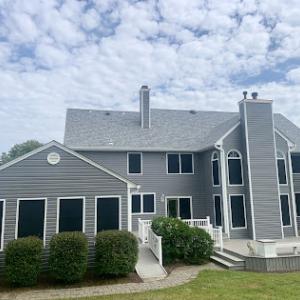
Prime Exteriors is dedicated to have every job done with pristine workman ship. The owner Chris Boardingham always treats costumers like family. You will be greeted with a smile and a handshake. We are committed to please our costumers with all of your exterior needs to make your house not only reliable but gorgeous with it's new facelift. We expert in roofing, siding, windows, doors, gutters, skylights and more. We are fully insured and licensed. HIC #13VH11377500
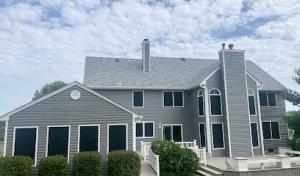
Neuhaus Exterior Repairs & Services
(732) 223-9266 neuhausexteriorrepairs.com
Manchester Township, New Jersey
4.9 from 39 reviews
I have 20+ years experience in tracking down problems and coming up with creative and effective solutions. My family has been in the roofing business since 1938. I run a business that cares about each individual home. Call 908-309-0839 now to request a free estimate from an exterior contractor in Monmouth County, NJ

Bloodgood & Sons Roofing Contractor
(609) 661-8823 bloodgoodroofing.com
Manchester Township, New Jersey
5.0 from 19 reviews
Roofing contractor with over 25 years of experience.
NJ Roofing & Siding
(888) 317-1890 njroofandsiding.com
Manchester Township, New Jersey
5.0 from 12 reviews
When it comes to Roofing and Siding, our professional, skilled workforce can transform your exterior into something truly special. Given the nature of the products available we can create an absolutely amazing transformation or New Construction look . We are an experienced contractor that’s able to complete a wide range of works for a highly competitive cost. Why not contact our company for a free estimate? With over 25years in the industry we are very well educated on what to look for and what your home can use.
Atlantic Roofing & Siding
(609) 978-8700 www.atlanticroofingandsiding.net
Manchester Township, New Jersey
4.8 from 5 reviews
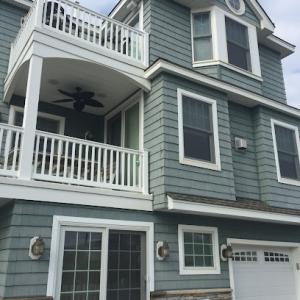
Welcome to Atlantic Roofing & Siding. If you’re in the market for a new roof or siding, you’ve come to the right place! We’ve been installing roofing and siding in the Ocean County area for over 25 years. Whether you are in LBI, Barnegat, Manahawkin, Lacey Township or any surrounding area, we want to hear from you! We are licensed and fully insured roofing and siding contractors. We are a local company with years of experience that you can trust. If you are experiencing a leaky roof, or perhaps dealing with an old roof near it’s end of life (usually over 20 years old), we are here to help. Are you looking to enhance the curb appeal of an older home? Consider vinyl siding to give your home a whole new look!
Bayshore Roofing & Siding
(609) 294-8929 www.bayshoreroofingnj.com
Serving
4.6 from 33 reviews
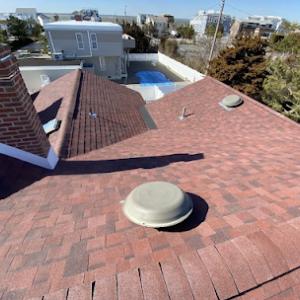
Bayshore Roofing & Siding provides roofing and siding services to Central and Southern New Jersey. Established in 1988, our primary services include residential and commercial roofing and siding. We are certified Owners Corning installers, family-owned and operated, and local to the Jersey Shore, NJ, area.
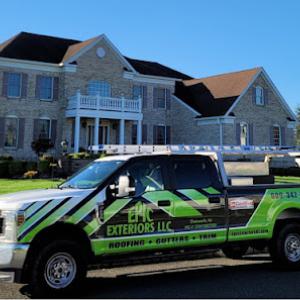
Epic Exteriors Roofing
Serving
5.0 from 73 reviews
Epic Exteriors is a residential roofing contractor, certified by the roofing product manufacturer, and offering up to 100% project financing to those who qualify. We are located out of Chatsworth, NJ, but we do primarily service Ocean, Monmouth, and Burlington County. No job is to big, or to small. We take pride in what we do, and that is leaving you with peace of mind, from the start, to after a complete roof replacement. Give us a call today to schedule your free, no-obligation, roof inspection and estimate!
Wayne’s Roofing
(732) 847-6201 waynesroofingco.com
Serving
5.0 from 304 reviews
Wayne’s Roofing your trusted local roofing contractor serving Ocean and Monmouth Counties, including Toms River, Lakewood, Jackson, Howell, and Manchester, NJ. We specialize in roof replacement, roof repair, shingle and flat roofs, leak detection, vinyl siding, seamless gutter installation, and gutter cleaning. Our team delivers fast turnaround, honest service, and affordable roof financing—so you can protect your home without the stress. Wayne’s Roofing Please Call, WhatsApp, or text us today at (732) 847-6201 for a free estimate! Include: • Address • Service needed • Email • Photos (if possible)
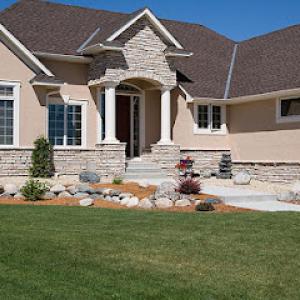
J&M Elite Contractors
(609) 770-1603 www.jmelitecontractors.com
Serving
4.9 from 49 reviews
J&M Elite Contractors is a trusted family-owned roofing company serving Toms River, Brick, Lakewood, Manchester, and all of Ocean County, NJ. Specializing in roof replacement, roof repair, emergency storm damage repair, siding installation, gutter services, and window replacement across South Jersey. With over 30 years of experience, our licensed and fully insured team delivers elite customer service for residential and commercial projects. We serve Atlantic, Ocean, Gloucester, Cumberland, and Cape May Counties. From urgent roof repairs to complete replacements, our expert roofers provide fast, reliable service. Call today for your free roofing estimate!
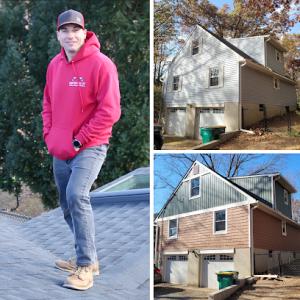
Elegant Exteriors, LLC Roofing Siding Windows & Gutters
(609) 949-6061 www.elegant-exteriors-llc.com
Serving
5.0 from 200 reviews
Elegant Exteriors, LLC is a local company that offers full service exterior renovation including roofing, siding, window & gutter installation. Located in New Egypt, NJ. We are: - Licensed - Insured - A+ BBB-certified - Owens Corning Preferred - GAF Master Elite Contractor - Certainteed Master Shinglers - Offer references upon request. - Provide Financing Options At Elegant Exteriors, we take pride in our work and treat your home like ours! Contact us to request a FREE estimate today!
Home Pro Remodeling
Serving
5.0 from 200 reviews
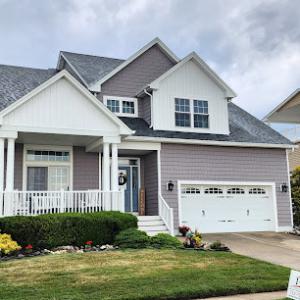
Home Pro Remodeling, located in Lacey Township, NJ, is your go-to expert for roofing, siding, windows, and gutters. With over 30 years of industry experience, we pride ourselves on delivering top-quality workmanship and unparalleled customer service. Our commitment to the highest standards ensures that every project is completed beyond your expectations. Whether you need a new roof, energy-efficient windows, durable siding, or seamless gutters, we offer tailored solutions to meet your specific needs. Our reputation for excellence speaks for itself—trust Home Pro Remodeling to enhance your home with precision and care.
Twin Roofing & Siding
(732) 240-3780 www.twininc.com
Serving
4.8 from 56 reviews
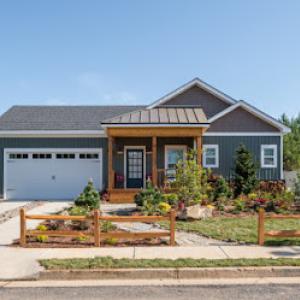
Family owned and operated home remodeling contractor since 1972.
In this area, asphalt shingles are the dominant practical choice, but the local climate makes ventilation, underlayment quality, and flashing execution more important than shingle brand alone. Freeze-thaw cycles grind away at poorly vented attics and condensate-prone decks, while humid summers push moisture through any weak seal. The right combination of attic ventilation, a sturdy underlayment, and properly flashed penetrations matters more than chasing the newest color or a fancy profile. Expect a roof that sheds pine needles and gusts from the Barrens to perform best when the system is cohesive from eave to ridge.
Asphalt shingles in this area perform reliably when paired with a well-sealed, breathable underlayment and a vented roof deck. Prioritize a shingles-and-underlayment pairing that creates a continuous moisture barrier, and insist on flashing at all penetrations-vent stacks, chimney transitions, skylights, and where the roof meets walls. In the winter, snow can sit in the valleys or along low-slope sections, so ensure those valleys are kept clean and the flashing is continuous. In the hot, humid months, a ventilated attic helps prevent asphalt from warping or curling due to heat buildup. If you are replacing a roof on an older home, check for existing insulation gaps and consider upgrading attic insulation to minimize heat transfer and moisture migration. The goal is a breathable, well-ventilated system that can handle a seasonal cycle without letting ice dampen the interior.
Metal roofing is relevant in this market and benefits from shedding snow and heavy rain, but seasonal coastal humidity in Ocean County makes attention to flashing compatibility and fastener corrosion especially important. Choose metal panels with corrosion-resistant fasteners and compatible sealants at joints. Ensure the roof-to-wall transitions are sealed with flashings that resist salt-laden humidity and that standing-seam details are engineered to accommodate thermal expansion and contraction from freeze-thaw cycles. A metal roof can excel where the geometry is straightforward and the structure can support the weight and fastening requirements, but the flashing around chimneys, vents, and skylights must be integrated to prevent leaks after a heavy downpour. If the home has existing cedar or wooden features nearby, make sure coatings and fasteners are matched to minimize galvanic corrosion when different metals meet.
Clay tile, concrete tile, wood shakes, and synthetic products exist in the local material mix, but their suitability depends heavily on structural load, roof geometry, and whether the home's framing can support heavier assemblies. Clay and concrete tiles demand a strong deck, as well as careful rafter spacing and reinforcement in regions with heavy snow. Wood shakes bring a natural aesthetic but can require more maintenance and a robust underlayment to resist moisture infiltration and decay in humid air. Synthetic products offer versatility and often lighter weight, but still rely on solid underlayment and precise flashing details to perform across freeze-thaw cycles. In all cases, evaluate whether the existing framing can bear the load without modifying the structure. For homes with complex rooflines or multiple dormers, a carefully staged installation avoids cold-season leaks and ensures proper water shedding during heavy rain events. In short, material choice should be guided by structural compatibility, climate-driven performance, and meticulous execution at all joints.
In this area, the winter season brings snow and aggressive freeze-thaw cycles that can make roof problems sneaky. Granule loss on asphalt shingles accelerates under repeated freeze-thaw, seal lines crack, flashing can shift, and edge deterioration can appear only after the snow melts and spring rain starts. Warm, humid summers speed up underlayment aging and can trap attic moisture if ventilation isn't up to par, so the late spring through fall window becomes the practical period for a thorough evaluation. If you are weighing whether to replace, aim to start analysis before the humidity peaks and before autumn storms begin to bite into a neighbor's schedule. This seasonal rhythm helps ensure the new roof has a solid dry-up period before the first freeze returns.
Look for shingles that curl or cup along edges, spots of missing granules in gutters, and any visible daylight through attic rafters or along skyline ridges after a rain. In the winter, those signs may be hidden by snow; in the spring, saturated underlayment or damp insulation can reveal itself only after a few warm days. If attic moisture is noticeable, check for inadequate ventilation: stacked moisture and warmer attic air can accelerate wood and underlayment aging even under a seemingly sound roof line. Concrete and clay tiles show different failure patterns, but the underlying theme is the same: age, stress, and moisture exposure are pushing the roof toward nearing end-of-life in the right conditions. When multiple indicators converge-soft spots, sustained dampness, and frequent leaks during storms-replacement becomes a practical consideration rather than a bold forecast.
Regional storm periods tighten project calendars because local contractors signal high demand for quick-response repair and re-roofing work. If a major storm dumps wind, hail, or heavy rain, prioritize a rapid assessment after weather clears. Quick temporary measures, such as tarping localized leaks and securing loose shingles, can buy time, but the next step should align with a planned replacement window that minimizes friction with the contractor's schedule and the neighborhood's demand surge. When a storm reveals underlying deficiencies-shingles that barely cling, flashing that shows movement, or widespread edge deterioration-treat replacement as a coordinated project rather than a quick fix. Align the start of work with a stretch of dry days in late spring through early fall to maximize shingle adhesion, underlayment performance, and ventilation readiness.
Begin with a documented assessment from a trusted local roofer who understands the typical climate strain and the aging patterns seen in this township's housing stock. Prioritize a replacement plan that sequences deck protection, underlayment inspection, vent and ridge cap checks, and flashing reinforcement, so the new roof goes in with a complete, weather-resilient setup. If the assessment suggests replacement within the coming season, secure a timeline that accommodates a weather-timed installation plan and avoids the peak storm aftermath rush, keeping the crew and materials pairing efficient during the critical spring-to-fall window.
In this area, asphalt shingles sit in a practical middle ground with pricing from about $350 to $650 per square, depending on quality and added warranty. Metal roofs lift that range to roughly $700 to $1100 per square, which can pay off in a long winter cycle and humid summers when wind-driven debris and hail are a concern. If clay tile or concrete tile is chosen, expect higher entry points: clay from $1200 to $1800 per square and concrete from $1100 to $1700 per square, reflecting durability against freeze-thaw cycles and the weight considerations for the underlying structure. Wood shingles or shakes run about $600 to $1000 per square, delivering a distinct look but with higher maintenance in pine-barrens air and storm-driven moisture. Synthetic or composite shingles sit between at $500 to $900 per square, offering a balance of weight, durability, and ease of repair.
Costs in Manchester Township can rise when storm demand surges across Ocean County, especially when emergency dry-in work or insurance-scoped repairs compete with planned replacements. During heavy rainfall periods or after winter storms, contractors may prioritize rapid dry-in or temporary weatherproofing, driving higher hourly rates and urgent-access fees. If a storm window tightens, price pressure can ripple through material orders, delivery times, and subcontractor availability. Planning ahead for a replacement in a low-demand window helps stabilize the bottom line and reduces exposure to surge pricing.
Material and labor pricing can vary by roof complexity, ventilation corrections, flashing replacement, drainage details, and whether an older home needs decking repairs discovered during tear-off. A complex roof with multiple ridges, dormers, or large valleys often requires more flashing and careful detailing, pushing costs higher. Ventilation adjustments to address attic moisture and ice-damming risks add to the bill when the climate cycles between humid summers and freezing winters. If the tear-off reveals compromised decking, replacement boards are added to the scope, and that upgrades the overall cost. In columned, spread-out neighborhoods, access for dumpsters and staging can also affect labor efficiency and, consequently, the price.
Get a clear picture of your project costs upfront - no commitment required.
Neuhaus Exterior Repairs & Services
(732) 223-9266 neuhausexteriorrepairs.com
Manchester Township, New Jersey
4.9 from 39 reviews
NJ Roofing & Siding
(888) 317-1890 njroofandsiding.com
Manchester Township, New Jersey
5.0 from 12 reviews
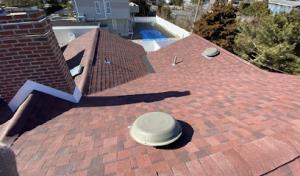
A full re-roof in Manchester Township generally requires a permit, and the contractor is expected to file it rather than leaving the homeowner to navigate the process alone. That means the project timeline hinges on the permitting office's review, and delays can push you into winter weather windows where freeze-thaw cycles worsen conditions if the roof is left exposed. Expect the permit review to address access, site safety, and drainage to neighboring properties, and plan accordingly so the crew can move from demolition to installation without gaps that invite storms.
The township requires proof of contractor licensing and insurance as part of the permit workflow for roofing work. Before any shingle tear-off, ensure the contractor can produce current credentials and a valid certificate of insurance naming you as an additional insured where applicable. This isn't just a box to check; in a region prone to heavy summer humidity and winter leaks, a properly insured crew reduces exposure to property damage and ensures the job can proceed if unforeseen conditions appear. Keep copies of these documents on site during the project in case the building department or your homeowner's insurer requests verification.
After completion, the building department performs an inspection that checks installation details such as ventilation, underlayment, flashing, and drainage before the job is fully closed out. Ventilation matters for summer humidity and winter moisture balance, so confirm attic venting is appropriate for a Maine Barrens-influenced climate. Underlayment quality and flashing around chimneys, vents, and skylights must withstand freeze-thaw stress and pine-soil dust exposure common in this area. Proper drainage-ensuring valleys, crickets, and gutters work with the roof line to shed meltwater quickly-reduces the risk of slow leaks during rapid spring storms or heavy Nor'easters. If any component fails inspection, the contractor should promptly schedule re-inspection after addressing the issue.
Because Manchester Township spans a large, spread-out mix of residential styles, the permit process can reveal site-specific concerns such as access constraints on limited-driveway lots or close proximity to neighboring structures. Expect coordination with code officials around temporary protections during the job to prevent weather-driven leaks while materials and crews move. If you've had past storm-driven leaks, document roof areas with wear or prior flashing failures, so the inspector can verify that corrective measures are included in the re-roof plan. A well-documented permit and disciplined inspection path minimize the risk of costly callbacks and ensure the replacement stands up to freeze-thaw cycles and humid summers.
In a storm-repair-heavy market, legitimate wind and hail roof damage is typically insurable when supported by photos, date-stamped documentation, and an adjuster's report. For your home's aging roof, gathering clear, time-stamped images of any curling shingles, granule loss, or dented flashing from after the last Nor'easter is crucial. Keep a simple log of dates, phone calls, and notes from conversations with contractors or neighbors who witnessed the impact. This local pattern matters in a township where storm events are frequent and repairs are common.
Claims timing can directly affect project scope and scheduling, especially when emergency tarping is needed first and the final replacement waits on insurer approval. If you must stage protection quickly, document the tarp installation with photos and keep receipts. Expect that weather windows and insurer timelines can push the final replacement out, particularly through late-wall, humid summer days or freeze-thaw cycles in winter. Plan for potential delays by aligning contractor readiness with insurer cues so the project can proceed once approval clears.
Some policies may require specific underlayment or venting details for replacement eligibility, making permit-compliant installation documentation especially important in this township. Review your policy for any storm-damage riders, and ensure your chosen contractor notes underlayment type, ventilation measures, and any roof decking observations in the claim file. That level of detail can prevent later disputes and keep the project on a steadier track through Manchester's unique climate and housing stock.
Connect with contractors who help homeowners navigate the claims process from damage assessment to final approval.
American Custom Roofing & Siding
(609) 242-8180 www.americancustomrs.com
Serving
5.0 from 111 reviews
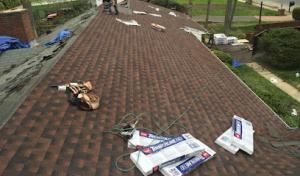
Skylights are a meaningful specialty among local contractors, and leaks around skylight penetrations show up regularly after winter freeze-thaw cycles and hot, humid summers. When a skylight starts weeping, the issue is rarely just the glass-it's the sealant, flashing, and the surrounding roof plane where heat and moisture push against aging materials. In Manchester, a careful assessment should start with the skylight curb, flashing integration with the roof, and the sealant color and condition around the unit. Expect a phased approach: remove and reseal the curb, replace worn flashing, and re-secure the surrounding shingles to prevent future movement from freeze-thaw stress.
Chimneys are another frequent source of trouble, with chimney flashing and masonry transitions showing wear first. In this area, the combination of moisture, freeze-thaw movement, and humid storm activity accelerates sealant and metal flashing failures. Local repairs often involve replacing step and counter flashing, resealing the chimney cap, and ensuring proper expulsion for condensation. Masonry joints must be inspected for hairline cracks that can channel water into the roof plane. A thorough job blends metal flashing integration with masonry repair to keep water from migrating down into the interior.
When a storm hits, focus on penetrations first-skylights and chimneys-before intrusive leaks travel across wide roof areas. Look for staining along the chimney-to-roof interface, dried sealant that's cracked or missing, and loose or lifted shingles near the skylight curb. If you notice recurring leakage after storms or rapid freeze-thaw cycles, plan a targeted flashing and sealant refresh instead of a full roof tear-off. Local contractors can match flashing profiles to the surrounding roof for a seamless, weather-tight fix.
Find contractors experienced in skylight installation, flashing, and leak repairs to bring natural light into your home.

Neuhaus Exterior Repairs & Services
(732) 223-9266 neuhausexteriorrepairs.com
Manchester Township, New Jersey
4.9 from 39 reviews

Bloodgood & Sons Roofing Contractor
(609) 661-8823 bloodgoodroofing.com
Manchester Township, New Jersey
5.0 from 19 reviews
Because Manchester Township inspections verify ventilation, underlayment, flashing, and drainage, workmanship details have direct consequences for both code approval and long-term leak performance. The choice of materials and how they are installed influence not only a panel of test notes from the inspector but also how well the roof will stand up to winter freeze-thaw cycles and humid summer storms. A careful install that respects all required details now reduces the chance of leaks after a heavy rain or sudden temperature swing.
Manufacturer-certified contractors are present in this market, which matters for homeowners comparing warranty-backed installation versus lowest-bid re-roofing. A certification often signals adherence to installation standards that align with the product's own warranty terms. When a contractor demonstrates that alignment-through documented practices and on-site quality checks-the resulting warranty tends to be more reliable, especially if weather stress and aging elements test the roof over time.
Local hiring signals show homeowners value cleanup and quick response, but in this township those convenience factors should be weighed against permit compliance and documented installation quality. A crew that arrives fast and leaves a tidy site may still miss critical steps in flashing, underlayment, or ventilation integration. When the work is completed, you should receive clear, itemized documentation of every stage: from attic ventilation checks to flashing transitions at roof-to-wall junctions.
Ask for a written plan that outlines the sequence of installation steps, including attic vent placement, underlayment overlaps, and flashing details around chimneys and skylights. Check that the contract specifies warranty coverage tied to the exact product and installation method, with clear remedies if leakage occurs. In this climate, those specifics matter long after the crew has left the driveway.
Solar roofing shows up in the local specialty mix but isn't the dominant plan for most homes in this area. When solar is on the radar, treat it as a secondary planning issue rather than the main roofing concern. In a neighborhood with Pine Barrens exposure and a mix of older and newer homes, you'll want to verify that existing slopes, attic ventilation, and shade patterns support efficient solar gains without compromising drainage or future roof integrity. For additions or sunroom transitions, align solar layouts with structural attachments and avoid creating hidden trap pockets that can hold moisture or debris.
Flat-roof specialization exists locally, but it's far less common than steep-slope re-roofing. Edge cases-such as additions, screened porches, or small flat sections atop garages or sunrooms-should be planned with the same durability standards as the main roof. When a low-slope segment is present, emphasize reliable flashing at transitions, robust edge detailing, and continuity with surrounding slopes to prevent standing water during humid summers and freeze-thaw cycles. Materials chosen for these sections should be evaluated for compatibility with the primary roof system to avoid mismatched expansion or delamination.
No matter the configuration, drainage must be continuous and predictable. Ensure gutter outlets align with downspouts to prevent water backing onto hips or parapets; confirm that ridges and hips shed water toward established drainage pathways. Flashing should be continuous at perimeters, penetrations, and transitions between roof types. For solar penetrations, use flashing details that integrate with the roof deck and counter-flashing that remains effective through seasonal temperature shifts. In all cases, detailed edge work and proper sealant choices matter, especially around vents, knuckles, and skylight interfaces.
Weather-timed replacement and storm-driven leaks stay on the radar even with solar and low-slope work. Plan inspections to coincide with seasonal shifts, particularly after heavy rainstorms and freeze-thaw cycles. Keep an eye on edge seals and flashing especially where solar mounts or flat sections intersect steeper roofs. In long-term maintenance, address any signs of edge settling, granular loss on shingles near transitions, or pooling water promptly to avoid escalation into leaks during peak humidity.
Find contractors who integrate solar panels or solar shingles into your roof for long-term energy savings.
Elegant Exteriors, LLC Roofing Siding Windows & Gutters
(609) 949-6061 www.elegant-exteriors-llc.com
Serving
5.0 from 200 reviews