Last updated: Apr 19, 2026
The Ocean County coastal weather zone that shapes this area brings Nor'easters and shore-driven wind events into the daily roof-wear equation, even outside named hurricanes. That means every storm line-early spring squalls, late-fall gusts, nor'easter backlashes-can lift shingles, loosen flashings, or shake loose vent stacks. Your roof should be treated as a weathered shield rather than a decorative layer. Prioritize proactive inspections after every significant wind event and after suspected hail impacts, especially if hairline damage isn't immediately visible but wind-driven debris may have compromised the surface.
The local insurance environment is active for wind and hail claims, so you benefit from photo documentation, dated leak records, and preserving any lifted or broken roofing pieces after storms. Start a simple storm diary: take dated photos from multiple angles, note the gutter discharge patterns, and photograph internal signs of water entry, such as staining in attic sheathing or pipe-vent seepage. If shingles curl or pry up along edges, collect the pieces and store them in a dry area for quick reference during claims discussions. After a major blow, walk the property with a flashlight at dusk to catch wind-furrowed nicks and lifted tabs that daylight might miss.
Because the township spans inland ranches to bayside pockets, storm exposure and replacement urgency can vary noticeably within the same municipality. Inland blocks may endure typical seasonal wear, but bay-influenced neighborhoods near Barnegat Bay endure salt-saturated air and stronger coastal gusts that accelerate shingle aging and fastener corrosion. A rapid change in roof performance in one part of town doesn't always mirror neighboring blocks, so assess each roof on its own terms. If a familiar section of the neighborhood saw repeated wind-driven impacts, treat its roof with heightened vigilance and respond to minor concerns sooner rather than later.
Look for granule loss on shingles in gutters, dark streaks on interior ceilings after a storm, and any soft or creaky spots along the roof deck. Lifted flashings around chimneys, skylights, and vents are red flags that wind has found paths into the stack of protections above your living space. Check attic insulation for dampness after storms; even a small leak can indicate a compromised underlayment or roof deck joint that could worsen quickly under the next round of coastal weather.
Before the season's heavy weather arrives, perform a careful roof evaluation with a focus on edge integrity and flashing seams. After a storm, prioritize a rapid exterior assessment, then secure temporary protections if you notice active leaks or exposed decking. Preserve evidence, contact your insurer promptly with your documentation, and schedule a professional inspection to evaluate whether wrapping, resealing, or a full replacement is warranted given the wind history and current condition. In bayside zones, lean into a timely, comprehensive assessment because the coastal exposure will refine how quickly a full roof replacement becomes the most durable path forward.
In this coastal Ocean County market, different roof materials respond to the area's humid shore climate and storm exposure in distinct ways. Asphalt shingles dominate replacements, especially for typical inland ranch homes, because they blend with existing roofs and provide a flexible option for rebuilds after wind or storm events. Metal roofing stands out for wind resistance and lower maintenance in a salty, humid environment, making it a practical choice for homes that sit closer to the shore or along waterfront corridors. Clay tile, concrete tile, synthetic/composite shingles, and slate appear in select neighborhoods, but their presence is less common and relies more on installer experience and structural suitability. When evaluating options, the local reality is that many homes require compatible underlayment, proper attic ventilation, and roof deck assessment to handle coastal moisture and possible salt exposure.
Asphalt shingles remain the go-to for many replacements because they align with the stock of residential re-roofs and offer straightforward installation on standard rafters. In a storm-driven climate, look for higher fire-rated and wind-resistant classes, and ensure the roofing system includes a solid ice-dam barrier where warranted by northern exposures and roof geometry. For homeowners planning an insurance-aligned replacement, asphalt can deliver predictable performance with compatible warranties and service paths, especially for mid-market houses that form the backbone of the shore community. When working with a local roofer, confirm the shingle type, granule adhesion, and the installer's experience with coastal moisture scenarios.
Metal roofing has a meaningful local specialty presence, reflecting homeowner interest in wind resistance and lower maintenance in a humid coastal environment. It transfers well to homes with steeper pitches or those facing frequent wind gusts, providing solid performance with proper attic ventilation and corrosion-resistant finishes. In coastal settings, ensure the metal system includes coastal-grade coatings and snap-lock or standing-seam installation that minimizes fastener exposure to salt. A metal roof can be a smart long-term choice for homeowners prioritizing resilience against storms, but compatibility with attic insulation and vibration management during high winds is crucial for a quiet, durable install.
Clay tile and concrete tile deliver distinctive aesthetics and durable lifespans, but their weight, cost, and installation demands require careful structural checks. Synthetic/composite shingles offer a lighter, versatile option with coastal resistance, yet installation quality remains critical to ensure long-term performance in windy conditions. Slate provides premium durability but can introduce stiffness and weight considerations that limit its suitability on older or lighter-framed homes. In neighborhoods where these options exist, prioritize installers with proven coastal experience and precise deck assessment to align with wind loads and moisture exposure.
Regardless of material, the best outcomes in this market hinge on robust underlayment, proper roof deck assessment, and corrosion-aware fasteners. Coastal homes benefit from reinforced edge details and leak mitigation strategies around chimneys, skylights, and vent penetrations. For any material choice, confirm the roofer's familiarity with hurricane-season maintenance needs, including inspection plans for post-storm scenarios and insurance-ready documentation that clearly demonstrates the system's resilience and warranty coverage.
Provided local pricing ranges run about $350-$550 per square for asphalt shingles, $700-$1100 for metal, $1100-$1800 for clay tile, $900-$1400 for concrete tile, $450-$800 for synthetic/composite, and $1500-$2800 for slate. In this coastal market, those figures are a starting point, not a final tally. The mix of housing stock-from older ranch re-roofs inland to complicated, storm-exposed layouts near the water-means bids can shift as the project scope grows. A straightforward replacement on a simple footprint may stay near the low end, while added tear-off, decking repairs, or significant flashing updates push totals higher.
Costs in Toms River can rise after coastal storm events when Ocean County demand spikes and faster scheduling becomes harder to secure. When a storm hits, shingle inventories, crew availability, and lead times tighten, and rush charges or expedited scheduling can appear on the contract. If years of exposure have softened decking or warped drip edges, those issues become part of the bill even before materials are installed. Plan for a broader window of pricing volatility in late summer and early fall, especially after a coastal event.
The township's broad mix of older re-roofing jobs, additions, and more complex rooflines means tear-off complexity, decking repairs, flashing updates, and ventilation corrections often separate low bids from final invoices. A neighborly bid that sounds cheap at first may omit essential reinforcements or skip scuttle-and-vent checks, only to surface as hidden costs later. Look for bids that itemize tear-off hours, decking inspection, ladder access, and flashing integration with existing chimney and wall interfaces. Poor ventilation fixes, if neglected, can also affect long-term durability and energy performance.
When evaluating options, start with a ballpark of material costs plus expected labor for your chosen system, then add a contingency for decking or flashing work. Ask contractors to forecast staging, dumpster needs, and any required repairs to gutters or soffits that are frequently overlooked. For asphalt shingles, expect the most budget-friendly path, but consider higher-end options if you anticipate long-term resilience against salt spray and humidity. For heavy products like slate, concrete, or clay, ensure the roof structure can handle the weight and that local crews have ample experience with coastal applications.
Wayne’s Roofing
(732) 847-6201 waynesroofingco.com
2161 Whitesville Rd, Toms River, New Jersey
5.0 from 304 reviews
Wayne’s Roofing your trusted local roofing contractor serving Ocean and Monmouth Counties, including Toms River, Lakewood, Jackson, Howell, and Manchester, NJ. We specialize in roof replacement, roof repair, shingle and flat roofs, leak detection, vinyl siding, seamless gutter installation, and gutter cleaning. Our team delivers fast turnaround, honest service, and affordable roof financing—so you can protect your home without the stress. Wayne’s Roofing Please Call, WhatsApp, or text us today at (732) 847-6201 for a free estimate! Include: • Address • Service needed • Email • Photos (if possible)
J&M Elite Contractors
(609) 770-1603 www.jmelitecontractors.com
8c Walnut St, Toms River, New Jersey
4.9 from 49 reviews
J&M Elite Contractors is a trusted family-owned roofing company serving Toms River, Brick, Lakewood, Manchester, and all of Ocean County, NJ. Specializing in roof replacement, roof repair, emergency storm damage repair, siding installation, gutter services, and window replacement across South Jersey. With over 30 years of experience, our licensed and fully insured team delivers elite customer service for residential and commercial projects. We serve Atlantic, Ocean, Gloucester, Cumberland, and Cape May Counties. From urgent roof repairs to complete replacements, our expert roofers provide fast, reliable service. Call today for your free roofing estimate!
Right Service Roof Repair & Roofers
(848) 346-2527 rightserviceroofrepairandroofers.com
1861 Hooper Ave, Toms River, New Jersey
5.0 from 31 reviews
Right Service Roof Repair and Roofers is a family-owned company in Toms River known for delivering awesome roof repair services with over 25 years of experience. Our licensed team specializes in roof leak repair, shingle replacement, flashing repair, roof inspections, and storm damage restoration. We use high-quality products to ensure lasting results and offer fair prices with honest estimates. Our dedicated owner and crew focus on excellent customer care, teamwork, and reliable same-day emergency roof repair. Trust us for expert roof maintenance and roof replacement across toms River.
Epic Exteriors Roofing
(609) 342-9829 www.epicexteriorsnj.com
2 Garfield Ave, Toms River, New Jersey
5.0 from 29 reviews
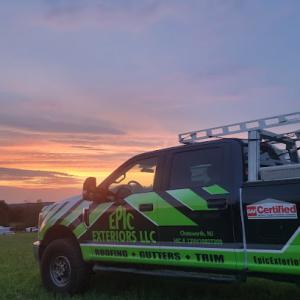
Epic Exteriors Roofing is a Residential/Commerical roofing contractor, certified by the roofing product manufacturer, GAF, and offering up to 100% project financing to those who qualify. We are located out of Chatsworth, NJ, although we primarily service Ocean, Monmouth, and Burlington County. No job is to big, or to small. We take pride in what we do, and that is leaving you with peace of mind, from the start, to after a complete roof replacement. Give us a call today to schedule your free, no-obligation, roof inspection and estimate!
Twin Roofing & Siding
(732) 240-3780 www.twininc.com
100 NJ-37, Toms River, New Jersey
4.8 from 56 reviews
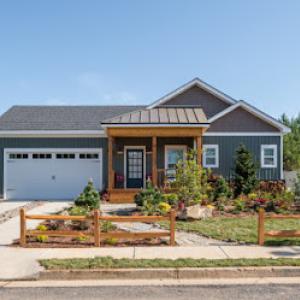
Family owned and operated home remodeling contractor since 1972.
Toms River Roofer | LGC Roofing
1102 Indian Hill Rd, Toms River, New Jersey
4.8 from 21 reviews
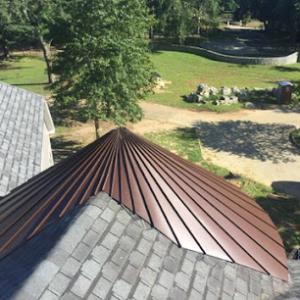
We are a family owned, Toms River NJ based full service roofing contractor company handling both residential & commercial roof projects, large and small. Whether you need simple roof repair or complete roof replacement, we are your top quality Toms River NJ roofer. We are fully insured and licensed to do roofing and siding work in New Jersey. We are certified to install variety of roofs from shingle to slate from pitched to flat roofs
Five Star Exteriors
8 Yorkshire Dr, Toms River, New Jersey
4.1 from 15 reviews
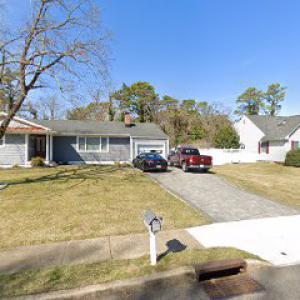
Welcome to Five Star Exteriors. We specialize in all phases of Roofing and Siding. Get a FREE estimate on high-quality, affordable work that leaves you satisfied. We put you first and are fully insured for your protection. Make an appointment with us day or night, or weekends to get started on your next construction job. We offer our service with the flexibility to fit your schedule. Contract us Today!
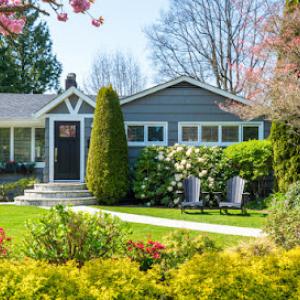
Toms River Roofing, Windows & Siding Replacement
(609) 905-5852 tomsriverreplacement.com
2360 Lakewood Rd Ste 3 #207, Toms River, New Jersey
5.0 from 2 reviews
Trust Toms River Roofing, Windows, and Siding Replacement for your home improvement needs in and near Toms River, NJ. As your local contractor, we specialize in professional installations and replacements of roofing, siding, and windows. Our friendly team is dedicated to enhancing your home’s safety and curb appeal. Let’s discuss your project today!

Prime Exteriors
Serving
5.0 from 37 reviews
Prime Exteriors is dedicated to have every job done with pristine workman ship. The owner Chris Boardingham always treats costumers like family. You will be greeted with a smile and a handshake. We are committed to please our costumers with all of your exterior needs to make your house not only reliable but gorgeous with it's new facelift. We expert in roofing, siding, windows, doors, gutters, skylights and more. We are fully insured and licensed. HIC #13VH11377500
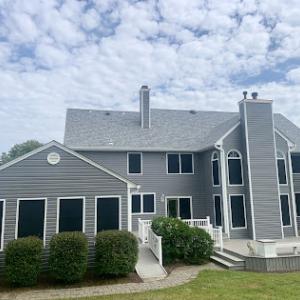
Neuhaus Exterior Repairs & Services
(732) 223-9266 neuhausexteriorrepairs.com
Serving
4.9 from 39 reviews
I have 20+ years experience in tracking down problems and coming up with creative and effective solutions. My family has been in the roofing business since 1938. I run a business that cares about each individual home. Call 908-309-0839 now to request a free estimate from an exterior contractor in Monmouth County, NJ
NJ Roofing & Siding
(888) 317-1890 njroofandsiding.com
Serving
5.0 from 12 reviews
When it comes to Roofing and Siding, our professional, skilled workforce can transform your exterior into something truly special. Given the nature of the products available we can create an absolutely amazing transformation or New Construction look . We are an experienced contractor that’s able to complete a wide range of works for a highly competitive cost. Why not contact our company for a free estimate? With over 25years in the industry we are very well educated on what to look for and what your home can use.
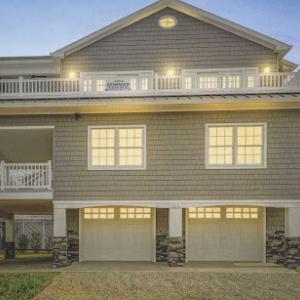
Newman Building
(732) 606-1308 newmanroofing.net
Serving
5.0 from 17 reviews
At Newman Building, we are dedicated to providing high-quality construction needs for residential and commercial properties. With over 30 years of experience in the industry, our team of skilled professionals is committed to delivering exceptional results and exceeding our clients' expectations. We offer a variety of services including new home construction, additions, house lifts, siding, roofing, and windows. Financing options available to suit your style and budget. We live here, We build here
In this area, a full roof replacement generally requires a building permit through the local Building Department. That means your project isn't just a DIY or a quick swap of shingles, even if the job seems straightforward. The permit process helps ensure that the new roof meets local wind, fire, and drainage requirements that are tailored to our coastal climate. Start by choosing a contractor who understands the Ocean County code expectations, since permit applications usually ask for project details, material specifications, and sometimes a timetable. If your home has unusual features or a non-standard system, be prepared for a more thorough plan review. The permit isn't just a box to check-it streamlines inspection and protects your home against weather events common to our shore neighborhoods.
Local inspections commonly check underlayment, flashing, ventilation, and final completion rather than treating roofing as a no-paperwork maintenance item. The underlayment must be installed properly to fend off moisture during seasonal swings, and flashing around chimneys, vents, and roof-to-wall transitions is evaluated for resilience against wind-driven rain. Ventilation is also a frequent inspection point, because proper attic airflow protects attic insulation and reduces ice-damming risk in mixed winter conditions. Final completion confirms that the project aligns with the approved plan and that drainage directs water away from the foundation. Expect at least a couple of inspection checkpoints: one during critical stages and a final inspection once the roof is in place and all penetrations are sealed.
Depending on project scope, homeowners may be asked for contractor registration or additional plan review details before approval. This matters more on non-standard systems than on straightforward shingle re-roofs. If you're upgrading to metal, clay, or a synthetic option that deviates from typical asphalt shingles, have your contractor supply engineering data, wind-load calculations, and product approvals as part of the submission. For storm-damaged roofs, retain documentation of the pre-storm condition, the discovered damage, and the proposed systems to ensure the permit review goes efficiently and to support any insurance-related paperwork you may encounter later. Keep a centralized folder with correspondence, approvals, and inspection notices so nothing slips through during the process.
In this coastal area, the calendar for replacing a roof hinges on weather windows more than on a simple warranty date. Cold winters bring snow and ice-dam risk, which can both damage eaves and interrupt replacement schedules. When winter storms threaten, shifts in crew availability and material handling can delay tear-offs or dry-in phases. Plan for a slight flexibility in your project timeline so a mid-winter snow event doesn't derail the best install window.
High summer heat and humidity affect asphalt shingle handling and installation conditions, making shoulder seasons especially attractive for planned projects. Moderate temperatures reduce the risk of back-splashing heat-related material distortion and help ensure fast, clean nailing and sealing. In a market where coastal humidity can complicate adhesive performance, scheduling in late spring or early fall often yields better results and a more precise warranty-compliant finish.
Spring and fall nor'easters in the Jersey Shore region can delay tear-offs and dry-in windows, so homeowners often need more schedule flexibility than inland New Jersey markets. Those storms can push project starts back or create patchwork delays if crews have to pause for wind, rain, or saturated roof decks. If a replacement is anticipated, build contingency days into the plan and coordinate closely with the chosen contractor for rapid resumption between storm events.
Coastal exposure means that roofing materials experience salt spray and higher humidity, which can impact certain product handling and storage on site. If a roof is near the end of its life or shows widespread workmanship-detectable failures, a replacement can be more predictable when the weather is dry and cool, but avoid dramatic temperature swings immediately after installation that could stress new seals. In practice, that means aligning tear-off timing with a forecast of several dry days in a row and moderate temperatures.
Look for curling, cupping, granule loss, or water staining near eaves as aging cues that a replacement is approaching. In neighborhoods closer to Barnegat Bay and the shore corridor, repeated exposure to wind-driven rain and salt spray can accelerate wear on edge details and flashings. When these signs appear in combination with deteriorating underlayment, planning a full replacement rather than a patch job tends to yield better long-term performance and peace of mind.
Coastal exposure shapes the claim process in a way that inland neighborhoods don't quite experience. Wind and hail events can bring close adjuster scrutiny, and the quality of your documentation can directly affect how quickly a claim moves from intake to settlement. In a market where storms are a regular concern, expect adjusters to ask for detailed, well-organized records that show the true extent of damage across the roof and related components.
Major insurers have not broadly exited New Jersey, but in areas facing the brunt of coastal weather some carriers may apply stricter deductibles or request wind-mitigation details during roof replacement claims. The goal behind these requests is to tie coverage to proven improvements that reduce future risk. Prepare for questions about shutters, roof-to-wall connections, and other features that demonstrate a resilient, storm-ready installation.
For homeowners in this area, documenting interior leaks, exterior shingle loss, flashing damage, and storm dates before temporary repairs are made is especially important. Quick, cosmetic fixes can mask deeper issues that later complicate a claim or reduce settlement value. A clear photo timeline, dated notes, and a simple, room-by-room damage map help preserve the claim's integrity and avoid disputes over what was present when the event occurred.
If a roof shows signs of significant wind or hail impact, a storm-damage specialist can provide an independent assessment that supports your claim. In coastal neighborhoods, timing matters: early, clear evaluations reduce back-and-forth with adjusters and can speed up the process. Document the storm's date and track, and share that with your insurer along with the specialist's findings.
Understand that temporary repairs are a stepping stone, not a final fix. Keep receipts and records of all repair activity, and ensure that any temporary work is properly logged with dates and photos. This careful approach minimizes questions later in the claims process and helps align a replacement plan with the realities of a storm-prone coastal climate, especially for homes in and around the Barnegat Bay corridor.
Connect with contractors who help homeowners navigate the claims process from damage assessment to final approval.
Twin Roofing & Siding
(732) 240-3780 www.twininc.com
100 NJ-37, Toms River, New Jersey
4.8 from 56 reviews
Toms River Roofer | LGC Roofing
1102 Indian Hill Rd, Toms River, New Jersey
4.8 from 21 reviews
Emergency leaks are a frequent reality for homeowners in this coastal market, where storm-driven water entry can appear suddenly. When you spot active seepage, your first move is to locate the closest shutoff for the affected area and place a bucket or tarp to minimize interior damage. Document the leak with photos or video for your roofer and insurer, then call a trusted local emergency roofer-many operate after hours because weather events don't respect the clock. If there's daylight and safe access, try to identify whether the water is tracking from the roof edge, a vent boot, or a flashing seam. Do not hammer or pressure-wash around the leak area; disturbed flashing or cracked seals can worsen the problem. A temporary patch using roofing tape or a bent metal patch can buy precious hours, but eventual professional flashing repair or replacement is the goal.
Skylight repair appears frequently in this market, indicating aging penetrations and flashing are a real service category. If a skylight leaks around the frame, check the flashing where it meets the roof deck and any sealant joints around the curb. In older homes, degraded sealant and worn flashing are common culprits. For a stubborn leak, resealing the frame and replacing faulty gaskets can resolve many issues, but be prepared for the possibility that the curb or flashing may need replacement. When planning a fix, prioritize upgrades to high-quality flashing that matches the pitch and exposure of inland versus shoreline sections, since the humid climate accelerates wear on sealants.
Chimney-related work is a recurring theme, tied to older stock where roof-to-masonry flashing fails during re-roofs or after heavy rain. Inspect the base of the chimney for loose shingles, corroded or displaced step flashing, and deteriorated chimney caps. Leaks often travel from the chimney onto interior ceilings that share a soffit line, so a careful inspection around the brickwork, mortar joints, and crown is essential. In many cases, flashing pans or countersunk drip edges must be replaced when a roof is opened for a re-roof or major repair. Expect a thorough check of the intersection where masonry meets roofing to be a routine part of any substantial roof service.
Coastal exposure and humid summers create fasteners and seam wear, especially near vent hips, dormer connections, and edge detailing. Look for granule loss on shingles, corrosion on metal components, and daylight visible through roof decks in attic spaces. A pointed inspection after storms helps catch issues before interior damage occurs. For homeowners, keeping gutters clear and ensuring proper fascia drainage reduces ice dam risk and water backup against the eave line. When you do have a contractor on site, request a focused flashings-and-seals check in addition to the general roof condition assessment, since this area often reveals the root causes of leaks before they become costly repairs.
When you can't wait, these contractors offer fast response times to stop leaks and prevent further damage.
J&M Elite Contractors
(609) 770-1603 www.jmelitecontractors.com
8c Walnut St, Toms River, New Jersey
4.9 from 49 reviews
Right Service Roof Repair & Roofers
(848) 346-2527 rightserviceroofrepairandroofers.com
1861 Hooper Ave, Toms River, New Jersey
5.0 from 31 reviews
Epic Exteriors Roofing
(609) 342-9829 www.epicexteriorsnj.com
2 Garfield Ave, Toms River, New Jersey
5.0 from 29 reviews
Flat or low-slope roofing is a meaningful but secondary specialty in this coastal market. Additions, covered porches, and a mix of commercial or mixed configurations mean that a handful of homes feature low-slope segments that run alongside steeper portions. Recognize that these areas require different detailing and maintenance compared to traditional shingle roofs, and they often demand a tailored plan during replacement.
Solar roofing is an active local specialty, with many homeowners pursuing panels or integrated PV options. When planning a replacement, anticipate mounting details, penetrations, and the need to align with existing or planned solar equipment. The roof surface should be evaluated for suitable support, attachment methods, and compatibility of underlayment and flashing with the chosen solar racking. Timing considerations matter in this market: coordinate with solar vendor schedules, and ensure that roof deck health, access, and potential rework on penetrations are accounted for before and after panel installation. A cautious approach helps avoid re-entry work and potential damage to nearby electrical components during storm-season windows.
Because the local market remains re-roof driven, low-slope and solar work should be treated as specialized scopes rather than assumed standard practice on every home. Expect attention to edge flashing, parapet conditions, and drainage on any flat runs. Coastal humidity and wind uplift pressure make robust attachment, precise flashing transitions, and durable sealants critical. Ventilation and condensation control become important on hybrid configurations where a low-slope section adjoins a steeper roof. When a replacement is underway, bring the solar plan into the roofing schedule early, ensuring that penetrations are mapped, labeled, and sequenced to minimize material handling on the day of installation.
Find specialists in TPO, EPDM, and built-up flat roofing systems for residential and commercial properties.

Wayne’s Roofing
(732) 847-6201 waynesroofingco.com
2161 Whitesville Rd, Toms River, New Jersey
5.0 from 304 reviews
J&M Elite Contractors
(609) 770-1603 www.jmelitecontractors.com
8c Walnut St, Toms River, New Jersey
4.9 from 49 reviews