
Last updated: Apr 19, 2026
Direct exposure to salt-laden coastal air on Absecon Island means metal flashings, fasteners, and rooftop accessories endure a relentless assault. The salt accelerates corrosion, so a roof that seems sound could fail first at the seams, drip edge, and vent connections. In practical terms, that means you should treat any sign of rust, discoloration, or flaking metal as a red flag: address flashing integrity, replace corroded hardware promptly, and choose components rated for coastal salt exposure. If you're reroofing, insist on corrosion-resistant fasteners, stainless or coated steel nails, and flashing materials specified for high-salt environments. If you own flat or low-slope roofs near the casino district, plan for extra attention to penetrations to prevent slow leaks that won't show until a heavy rain.
Coastal winds during nor'easters and tropical systems hit hard, and blow-off resistance becomes a first-order concern. In Atlantic City, you're likely dealing with mixed housing stock-from older shore properties to flat-roof casino-area lines-so a one-size-fits-all approach won't cut it. Insist on wind uplift-rated fasteners and a roof assembly that locks down at transitions: rakes, valleys, skylights, and expansion joints all become wind entry points if not properly secured. For shingles, you want a high-quality underlayment that remains moisture- and wind-resistant, plus properly sealed edge closures. For metal or tile, confirm yard-to-roof connections are continuous and that roof-to-wall transitions have secure, integrated flashing. If a contractor suggests quick, loose "set-and-done" details for durability, pause and push for a design that stands up to sustained gusts.
The humid Atlantic surface amplifies moisture issues, making underlayment, flashing transitions, and ventilation more critical than inland areas. In this climate, vapor movement, condensation within the attic, and trap moisture under roofing layers can lead to rot, mold, and accelerated wear. You should prioritize a breathable, high-performance underlayment paired with properly vented soffits and ridge lines that keep attic humidity in check without inviting rain intrusion. Ensure any roof upgrade includes sealing at all transitions-chimneys, skylights, and vent boots-with materials designed for high humidity. Don't overlook drip edges and pan flashings; they must be continuous and free of gaps to keep moisture from wicking into the deck.
Coastal exposure changes the calculus for material choice. The right option isn't only about aesthetics or price, but about wind resistance, corrosion tolerance, and the speed with which a roof can shed moisture after a storm. In practical terms, choose roof assemblies that pair strong wind performance with salt-friendly hardware. For flat roofs in the beachfront strip, demand robust insulation in the assembly to prevent condensation and ensure reliable drainage even when debris and sand accumulate at the roof edge. If you're considering metal, verify coatings and galvanization are appropriate for salt exposure, and if you lean toward shingles, insist on products with salt-spray performance ratings or enhanced fastener systems to resist pull-out in windy conditions.
Coastal roofs require more frequent checks than inland homes. After each major storm, inspect for loose flashings, lifted edge fasteners, and any discoloration indicating early corrosion. A quick scan after a nor'easter can prevent a small issue from becoming a costly leak. Keep an eye on gutters and downspouts for salt buildup and ensure proper drainage remains unobstructed. For any signs of accelerated wear around penetrations or transitions, arrange timely repairs rather than waiting for a full roof replacement. In this environment, timely action isn't optional-it's essential to protect the structure and maintain flood-resilient performance during the next season's gusts.
Coastal exposure on Absecon Island means winter nor'easters and late-summer hurricane-season events routinely collide with roofing plans. You'll see storms slam during off-peak windows, forcing postponements just when a roof is most vulnerable. Shingle lift, moisture intrusion, and flashing laps can worsen quickly if a crew is delayed by travel challenges, impassable streets, or docked supply chains. In practice, expect irregular schedules: a storm pops up, a crew has to pause, and days turn into weeks before work can resume. Planning around the calendar matters because once a Nor'easter or tropical storm warning hits, every roof job becomes a rush scenario with higher risk of missed leaks and stressed materials. If you're aiming for a repair or replacement, secure a staged plan that accounts for potential back-to-back events and a short-term storage zone for materials that resist salt spray and wind-driven rain.
Wind-driven rain is a major local issue because coastal storms can force water under lifted shingles, ridge details, and flashing laps even when the roof is not fully torn open. On these shores, a small vulnerability becomes a big leak quickly, especially where older houses meet modern roof lines around casino corridors and flat-roofed sections. Flashing along valleys, chimneys, and vents deserves heightened attention after every storm cycle. When wind rips along the coast, boats and debris can gouge exposed edges, lifting sections that would otherwise stay stout. If a storm loosens even a corner, water finds its way into attic insulation and ceiling cavities in a hurry. For immediate protection, inspect and reinforce vulnerable laps between shingles, seal around penetrations, and ensure ridge cap integrity before the season's peak winds arrive. Quick triage after heavy rain or a gusty event can prevent long-term rot and widespread interior damage.
Post-storm demand spikes are especially relevant in Atlantic City because concentrated coastal damage can tighten contractor availability and extend replacement timelines after major weather events. After a big event, the area can look like a crowded field of urgent patches and backlogs, with crews prioritizing higher-visibility damage and casinos first, leaving residential work queued. In practical terms, have a contingency plan that includes weatherproof temporary measures you can implement promptly-tarps, sealants, and safe securing of loose materials-while you wait for a certified contractor. When scheduling, book a window that anticipates a possible second wave of storms, and keep a clear line of communication with your roofer about expected lead times. Fast, decisive action after the first alert can reduce cumulative damage and shorten the overall restoration time.
The Queen Team G.C.
(833) 347-8336 www.queenteamgc.com
1142 Monroe Ave, Atlantic City, New Jersey
5.0 from 87 reviews
Queen Team GC roofing & Solar offers Roofing contractor services in Atlantic City, NJ and surrounding areas.
Taliaferro Roofing Company
(609) 834-7663 www.taliaferroroof.com
4712 Theresa Pl, Atlantic City, New Jersey
5.0 from 15 reviews
We install new roofing systems and we do roofing repairs for residential and commercial buildings. Additionally, we will install a temporary (emergency) tarp on residential roofs, if needed. Insurance customers welcome, we offer financing through an affiliate company and we accept all major credit cards.
Certified Roofing Contractors Brigantine
(609) 215-5262 contractorpros.wixstudio.com
Serving
4.9 from 9 reviews
With decades of experience, Certified Roofing Contractors Brigantine is dedicated to providing superior roofing services to the Brigantine area. We are a family-owned and operated business, and we are committed to providing the highest quality workmanship and customer service. Our team of professionals is fully licensed and insured, and we specialize in residential and commercial roofing. From installations to repairs, our comprehensive services will protect your investment for years to come. We use only the best materials and we stand behind our work with a full warranty. Trust Certified Roofing Contractors Brigantine to handle all your roofing needs.

SJ Roofing
(609) 509-9816 www.sjroofingnj.com
Serving
5.0 from 84 reviews
SJ Roofing is a GAF Certified full-service roofing contractor in the Ventnor, NJ area. We are a licensed roofing contractor you can trust in the Atlantic County, Cape May County, Ocean County, and Cumberland County, NJ areas. Our services include: - Asphalt shingle roof replacement and repair - Fascia, Gutter, Soffit, PVC trim installation and repair - Vinyl and Fiber Cement siding installation and repair - Exterior Door and Window Replacement - Composite and Wood product Decks - Residential Low-Slope roof replacement, repair, and maintenance - Commercial Low-Slope roof replacement, repair, and maintenance - 10, 15, 20 Fluid-Applied Silicone Restoration Systems
Costello Roofing
(609) 822-2188 www.costelloroofing.com
Serving
4.9 from 288 reviews
Looking for roofing services near you? Costello Roofing in Ventnor City, NJ, stands out as the best choice among local roofing contractors. Specializing in affordable roofing solutions, roof repair, roof replacement, and residential roofing services, we're here when you need a trusted and reliable company. Our emergency roofing services ensure you're covered in any situation, while our commitment to transparency and quality work makes us the best roofing company in the area. As roof repair experts, we offer free roofing estimates to help you make informed decisions. Choose Costello Roofing for exceptional service and reliable expertise. Contact us at 609.822.2188 today!
High Tech Roofing & Siding
(609) 271-7377 www.htroofingnj.com
Serving
4.9 from 51 reviews
High Tech Roofing is a South Jersey Based Roofing Contractor Specializing in all Commercial & Residential roofing Systems, from New Installs to Everyday Repairs, High Tech is ROOFING YOU CAN TRUST!
Top Notch Roofing Siding
(609) 215-7798 topnotch-roofing.com
Serving
5.0 from 88 reviews
Top Notch Roofing Siding provides residential roofing installation, siding installation and seamless aluminum gutter installation to the Pleasantville, NJ area. When it is time to improve your home, Top Notch Roofing Siding is the team to call. Our roofers in Galloway, NJ bring professionalism, reliability, and superior skill to every project. Along the shoreline, our roofers in Margate City, NJ provide equally dependable service, reinforcing homes against the challenges of coastal living. Contact our team of roofing contractors today to schedule a consultation!
A&J's Roofing & Siding
(609) 334-9821 ajroofingnj.com
Serving
4.7 from 28 reviews
A&J’s Roofing And Siding, is a family owned company based in south jersey with over 12+ Years of Experience, we specialize in residential and commercial Roofing And siding projects such as: -Shingle Roof Replacement, And Repair, -Flat Roof Replacement, Coating, and Repair, -Clay Tile Roof Installation, And Replacement, -Metal Roof Installation, And Replacement, -Leaking Chimney Repair, -Vinyl Siding Installation And Replacement, And Much More, We stand by our history of all completed projects with quality craftsmanship, professionalism, communication, and 100% of our full commitment and guarantee, We treat you and you’re home like family and as one of our own Contact us anytime for a Free Assessment and Estimate, Thank you.
Veterans Roofing & Restoration
(833) 323-7663 veteransroofingandrestoration.com
Serving
5.0 from 12 reviews
Are you in need of a roofing contractor that can provide outstanding customer service and quality workmanship? Look no further than the original Veterans Roofing and Restoration! As a family-owned, locally owned and operated, and veteran-owned business, we take pride in serving both residential and commercial customers in the southern NJ and Philadelphia area since 2014. Our mission is simple - we aim to build great relationships with our existing and new customers by providing them with the highest level of service and knowledge they deserve. At Veterans Roofing and Restoration, "Our Customer Service Is Through The Roof!" We specialize in the core services of roof installation, replacement, and repair of all shapes and sizes.
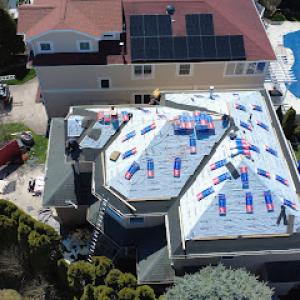
Boselli Roofing & Construction
(609) 822-5243 boselliconstruction.com
Serving
5.0 from 27 reviews
For over 75 years, Boselli Construction T/A Sea-Bee Roofing has been providing the residents of South Jersey with superior quality craftsmanship in roofing, siding, gutters and window replacement projects. Our experienced team specializes in a comprehensive range of professional services, from slate, tile, cedar and copper roofing installations to window and gutter installations. With a focus on excellence and exceptional customer service, Boselli Construction's goal is to deliver lasting results that enhance the aesthetics and functionality of your property. We service Ventnor, Margate, Longport, Brigantine, Linwood, Northfield, Somers Point, Egg Harbor Township, and Ocean City, NJ.
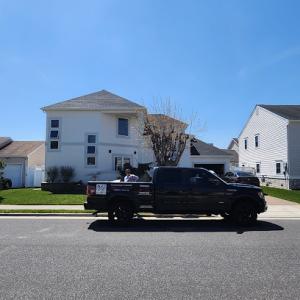
Conway Roofing - A Division of Conway Property Management
(609) 727-4130 www.conwaypropertymgmt.com
Serving
4.9 from 96 reviews
Conway Property Management is completely dedicated to client satisfaction. We are roof specialists offering other services. All of our team members are punctual and knowledgeable, helping make us some of the most trusted contractors in the industry. We’ve come a long way since our founding in 2015, but the leading operating values behind our services, to work with integrity in order to provide high-quality services to our clients, remain unchanged. Please get in touch with any inquiries. Be sure to include your contact information as well as any important details about your needs.
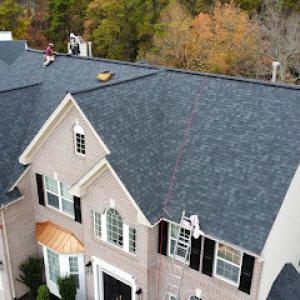
Duke's Roofing
(609) 843-3853 www.dukesnj.com
Serving
5.0 from 43 reviews
Looking for top-notch roofing services in Absecon, NJ and surrounding areas? Duke’s Roofing has got you covered. Our expertise ensures your home is in safe hands. Reach out to us today for a free estimate and experience roofing excellence like never before. Whether you are just planning or have emergency roofing service needed immediately, let us take care of your roofing needs while you enjoy peace of mind.
Asphalt shingles remain common locally, but wind exposure in this stretch of Absecon Island makes installation quality, shingle rating, and edge securement more important than in sheltered inland neighborhoods. When choosing asphalt, look for higher wind-rated shingles and a sturdy underlayment. Nail patterns and starter courses matter a lot here, so verify that the installer follows the latest wind-resistance guidelines and uses corrosion-resistant fasteners in exposed edges. In this environment, regular edge sealing and flashing inspection are prudent after storms, since salt air accelerates wear on metal components around the roof line.
Metal roofing is especially relevant near the shore because it can perform well in wind, but installations here require careful attention to corrosion-resistant components in salt-air conditions. Favor panels with a durable finish designed for salt spray exposure and confirm that fasteners are corrosion-resistant, with sealed penetrations and properly terminated eave details. Coatings that resist chalking and galvanic reaction help extend life in this climate. Metal roofs tend to respond quickly to storm gusts, so insist on a well-sealed ridge cap and robust snow/ventilation provisions to reduce uplift risks during nor'easters.
Clay tile, concrete tile, wood shakes, and synthetic products appear in the market, but heavier systems can raise structural and installation considerations on older shore homes common in this region. If contemplating tile or shake, have a structural engineer review the existing deck framing to ensure it can carry the added weight, especially on flat-roof casinos-area substrates and older residences with limited attic space. Rapid thermal cycling from sea breeze and storm events can stress fasteners and sealants, so plan for regular, proactive inspections of fastener corrosion, underlayment integrity, and edge protection. Synthetic shingles can offer improved wind resistance with lighter weight, but verify that the product line is rated for coastal salt exposure and that installers provide a coastal-grade installation kit.
Across all materials, edge securement deserves special attention due to wind exposure. Ensure that drip edges, fascia, and underlayment are rated for coastal use and installed with corrosion-resistant materials. Coastal homes benefit from more frequent, proactive maintenance cycles: inspect after major storms, check for salt buildup on flashing, and reseal penetrations as needed. Aligning material choice with the home's existing structure and prevailing wind patterns brings the best long-term yield for a shore-front roof.
Near the Boardwalk and tourism corridors, flat or low-slope roofs are a common sight on multifamily, mixed-use, and commercial-style buildings. The combination of salt air, brisk nor'easters, and hurricane-season winds means that a flat roof isn't just a cover-it's a performance system. You'll notice that ponding risk and membrane seam stress can be worsened by wind exposure and salt-air wear on metal edge details and rooftop penetrations. In practice, this means that upkeep should focus on drainage reliability, edge protection, and the integrity of seams and flashing, especially where parapets and drains meet the rest of the roof.
Start by walking the roof after a storm or high-wind event with a flashlight in hand, looking for signs of standing water that doesn't drain within 48 hours. Ponding isn't a cosmetic issue here; it's a moisture trap that accelerates edge and seam corrosion and can push water into penetrations. Check the metal edge details for rust, loose screws, or lifted flashing. Parapets deserve a close look: wind-driven spray and salt can corrode fasteners and compromise sealants. Plan drainage improvements if you find even small areas that hold water after rain, especially near drains, scuppers, and transitions to parapet cap flashing.
On coastal flat roofs, compatible membrane systems and robust edge details are worth prioritizing. Look for membranes with proven salt spray resistance and favorable elongation at low temperatures, since Atlantic winds can drive rapid temperature swings. Edge metal should be corrosion-resistant and properly sealed to resist salt accumulation at the seam between roof and parapet. If you're replacing or upgrading, consider edge installations that reduce penetrations and simplify maintenance, such as continuous base flashing where feasible and strategically located insulated pier blocks to minimize deck deflection.
Rooftop penetrations-HVAC curbs, vents, skylights, and exhausts-are high-risk points for wind-driven water intrusion. In these coastal settings, you'll want extra attention to sealant compatibility, peel/stick membranes around curbs, and mechanical fasteners that resist salt-induced corrosion. Ensure that all flashing transitions around penetrations are continuous, with backer rods and high-quality sealant that remains flexible in winter winds. Regularly recheck sealant joints after major storms.
After a storm, perform a rapid, focused inspection. Prioritize the roof perimeter and flashing transitions, drain pipes, and any seam transitions that could flex under wind gusts. If you spot ponding that persists or new signs of moisture at parapet interfaces, plan a targeted maintenance window to address it before the next storm surge risk. Quick follow-up is essential in this locale, where water intrusion may show up first at parapets and flashing rather than through obvious missing shingles.
Find specialists in TPO, EPDM, and built-up flat roofing systems for residential and commercial properties.
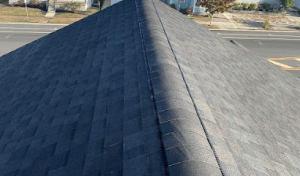
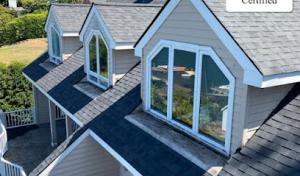
When a full reroof is planned, a building permit is typically required and the permit is generally filed with the local building department by the contractor. In properties along Absecon Island, where salt air and coastal winds tax fastenings and flashing, the permit acts as the formal checklist for code compliance and material suitability. The contractor should pull the permit before any shingles come off and, crucially, before any new underlayment or roof deck work begins. Keep a copy of the stamped permit at the job site and confirm the permit number with the contractor in writing. In Atlantic City, the timing of permit submission matters because council-required wind-resistance provisions can influence ridge vents, soffit details, and nailing patterns. If the roof uses a system with specialized wind-rated components, the permit process may request explicit product approvals or installation guidelines tied to those components. Understanding what the permit covers helps prevent delays when inspectors arrive.
Final inspection for reroof projects is the typical sign-off that the work is officially complete. Do not assume the job is finished when installation ends; a final inspection confirms that all elements have been installed to code and tied into the building's envelope as intended. In coastal conditions, inspectors may look closely at step-flashing, counter-flashing, and the integrity of the drip edge, since salt exposure accelerates corrosion and can expose weak seams. The inspection may also verify proper attic ventilation, underlayment type, and fastener corrosion resistance. Plan the timing of completion so that the contractor is ready to schedule the final inspection promptly, minimizing rain exposure that can complicate verification of decking and roof penetrations. If any deviations are noted during the review, address them quickly with the contractor so the permit can be closed without lingering hold-ups.
Depending on the roof system chosen, local review may require additional documentation such as product approvals or wind-related material details. Coastal jurisdictions place emphasis on wind resistance and corrosion control, so be prepared for documentation that demonstrates wind uplift ratings, fastener corrosion resistance, and flashing configurations designed to withstand Nor'easters and hurricane-season winds. Your contractor should provide traceable records showing what products were used, their approved wind ratings, and the installation methods that align with Atlantic City code expectations. Having these documents on hand during review helps the process move smoothly, reduces the chance of a reinspection, and ensures the new roof stands up to the island's coastal climate.
Coastal exposure on Absecon Island means salt air, nor'easters, and hurricane-season winds drive both material choice and replacement timing. When planning a roof job, expect costs to reflect Atlantic City cost planning benchmarks: asphalt shingles 350 to 700 USD per square, metal 700 to 1300, clay tile 1100 to 1800, concrete tile 900 to 1500, wood shingles or shakes 600 to 1100, and synthetic or composite shingles 600 to 1000. Factor in the storm cycle-after a major weather event, prices can shift quickly because suppliers and crews are stretched thin and corrosion-resistant accessories may be needed to protect vulnerable edges and fasteners.
Asphalt shingles remain the most common entry point, but coastal winds and salt spray can shorten service life if wind uplift warranties aren't honored. Metal roofs can resist gusts and salt spray better but come at a higher upfront cost. Clay and concrete tiles exude long life and strong wind performance, yet their weight and installation nuance can raise both delivery and labor costs. Wood shingles or shakes bring a classic shore look but require meticulous detailing for salt exposure and potential rot, while synthetic or composite shingles offer a balanced option with decent wind resistance and lighter handling, typically at 600 to 1000 USD per square. In all cases, your budget should mirror the local ranges above and reflect the roof's slope, access, and geometry.
Coastal Atlantic City jobs can cost more when corrosion-resistant accessories, upgraded wind-rated components, or storm-related scheduling pressure are needed after regional weather events. Expect to pay a premium for impact-resistant underlayment, sealed fasteners, and corrosion-proof flashings if the house sits near direct salt spray or has flagged fasteners. Scheduling pressure after a storm can compress timelines and add expedited labor costs, so build in a contingency of a few days to manage debris, permitting, and material staging.
Pricing can shift based on whether the property is a straightforward residential reroof or a more complex shore-area structure with low-slope sections, difficult access, or mixed roof geometries. Flat or low-slope portions in casino areas or older shore homes may require additional safety, drainage solutions, or specialty membranes, nudging costs toward the higher end of the local ranges. For these reasons, obtain multiple written bids that itemize corrosion accessories, wind-rated components, and any required structural or insulation work to compare apples to apples.
Don't let upfront costs delay a critical repair - these contractors offer payment plans to fit your budget.
Taliaferro Roofing Company
(609) 834-7663 www.taliaferroroof.com
4712 Theresa Pl, Atlantic City, New Jersey
5.0 from 15 reviews
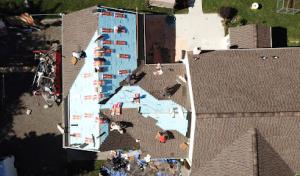
Atlantic City sits in a coastal New Jersey insurance environment where wind and hail exposure can increase claim scrutiny and make roof documentation more important than in lower-risk inland markets. That means your roof isn't just about keeping rain out; it's a record of every storm impact, every shingle, every fastener, and every patch that followed a nor'easter or hurricane event. Insurance decisions can hinge on how well the roof holds up to salt-laden air and seasonal wind loads, so the way you describe and prove the roof's condition matters almost as much as the condition itself.
Insurers serving Atlantic City may request detailed roof material specifications plus before-and-after photos, especially after nor'easters or hurricane-related loss events. Keep a simple, organized file: current material type, age, last major repair, and any upgrades that improved wind resistance or corrosion protection. When you can, photograph the roof from ground level and from an elevated viewpoint after storms. If a contractor replaces any section, obtain a clearly labeled photo set showing the new material and how it integrates with existing profiles. In discussions with your insurer, these visuals can shorten review times and reduce unnecessary questions.
Because rates in coastal New Jersey reflect storm history and ongoing exposure, Atlantic City homeowners benefit from documenting roof age, material type, and post-storm condition as part of claim readiness. A well-kept record helps distinguish wear from storm-related damage, supports efficient adjuster visits, and can prevent delays caused by ambiguous statements about material compatibility or roof accessibility. In practice, maintain receipts, warranties, and a simple timeline of storm events tied to visible roof changes.
When planning a replacement, consider how chosen materials age in salt air and respond to high winds. Metal and synthetic options often weather salt spray differently than asphalt, clay, or concrete tiles. Your decision should align with the home's exposure pattern and the likelihood of rapid post-storm assessments. Clear labeling on the roof about material type and installation date can aid future inspections and claim conversations, reducing the chance of misinterpretation when experts review the roof years later.
Connect with contractors who help homeowners navigate the claims process from damage assessment to final approval.
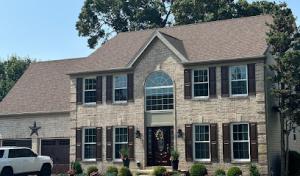
The Queen Team G.C.
(833) 347-8336 www.queenteamgc.com
1142 Monroe Ave, Atlantic City, New Jersey
5.0 from 87 reviews
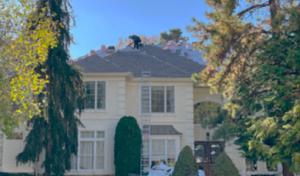
Veterans Roofing & Restoration
(833) 323-7663 veteransroofingandrestoration.com
Serving
5.0 from 12 reviews
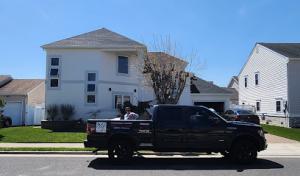
Conway Roofing - A Division of Conway Property Management
(609) 727-4130 www.conwaypropertymgmt.com
Serving
4.9 from 96 reviews
In this coastal area, skylights and similar roof penetrations are vulnerable when coastal storms drive rain under flashing details. When a nor'easter pushes salt spray and rain against the curb, even well-sealed units can leak if flashing is aged or misaligned. Inspect skylight installation after major storms for water staining, damp patches around the curb, or loose flashing metal. If you notice new movement at flashing laps, address it promptly before wind pressure widens gaps.
Salt air accelerates corrosion on metal components around skylights, especially with repeated storm exposure. If the curb, flashing, or fasteners show pitting or dark staining, consider corrosion-resistant materials for replacements. Stainless steel or Corten-based choices hold up better here, and coating exposed metal edges with compatible protective sealants can slow deterioration. Regularly check screws and nailing strips for loosening, as vibration from gusty winds can compound corrosion issues over time.
Leak tracing around skylights in this environment can be tricky because water entry during coastal storms may travel along the flashing or curb and appear inside farther from the original intrusion point. When you see a wet ceiling, start at the skylight and work outward along the flashing line, then down the curb if applicable. Look for hairline cracks in sealant, gaps at head or jamb flashing, and misaligned kerfs. A single persistent drip after a storm often hides a longer path; tracing may require removing sections of interior finish to inspect the back side of the curb and flashing.
Prioritize regular inspections after winter nor'easters and hurricane-season winds. Keep flashing surfaces clean of salt residue, reseal with marine-grade sealants if weathered, and replace degraded curb gaskets promptly. Consider using multi-layer flashing strategies or integrated skylight systems designed to resist high-wind pressure and salt exposure to extend service life in this coastal climate.
Find contractors experienced in skylight installation, flashing, and leak repairs to bring natural light into your home.
Certified Roofing Contractors Brigantine
(609) 215-5262 contractorpros.wixstudio.com
Serving
4.9 from 9 reviews
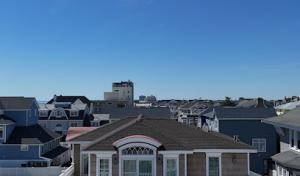
In this market, homeowners expect fast tarping and leak containment when storms hit Absecon Island. Atlantic City's exposure to salt air and nor'easters means roofs face corrosion and wind-driven damage quickly, so a contractor's ability to mobilize, tarp, and stage temporary fixes matters as much as full replacement. Look for crews that publish a reliable storm-response plan, with clear timelines for on-site assessment after a wind event or heavy rain.
Reroofing dominates the local scene, so many firms lean toward replacement and storm-recovery projects. That can be a practical advantage in a weather-driven environment, but it also means some players skip smaller repairs. Prioritize teams that demonstrate structured procedures for rapid assessment, tarp deployment, and staged ventilation and moisture control, not just a takeoff and full tear-off. Quick, organized throughput helps minimize exposure to salt and humidity while the roof dries.
Atlantic City features a mix of older shore housing and flat-roof casino-area structures. Confirm that a contractor regularly handles the same roof type and property style found in the neighborhood. A crew experienced with coastal masonry or wood-shingle homes, and with flat commercial roofs, will communicate more accurately about wind uplift, edge detailing, and drainage quirks common here. Ask for project examples and references from similar neighborhoods.
Time is of the essence when a storm hits. Ask about after-hours callouts, emergency tarp crews, and the ability to stage temporary repairs while a full replacement is scheduled. A proven quick-response plan should include safety checks, secure debris containment, and a clear handoff process from emergency fix to permanent solution, ensuring minimal interior intrusion during volatile weather.