
Last updated: Apr 19, 2026
Barnegat sits near Barnegat Bay and the open-coast weather corridor, so roofs endure salt-laden air even when the home isn't directly oceanfront. That salinity accelerates corrosion on metal components, eats at fasteners, and slowly compromises flashing seams. In a harsh autumn nor'easter or coastal wind event, the same air becomes an ally to wind uplift, lifting edges and testing the integrity of ridge cap and drip edge. Every storm season is another test of endurance for the roof system, and failure to respect that exposure translates into faster wear, more leaks, and higher repair needs down the line.
The most urgent detail is uplift resistance. In this market, a roof isn't just a shell against rain; it's a wind barrier that must stay attached under gale-force gusts. Focus on the attachment plan for sheathing and the use of corrosion-resistant fasteners in exposed zones. Flashing must be continuous and monolithic where possible, with reinforced corners and properly sealed transitions around chimneys, skylights, and vent stacks. Edge details-drip edge, gutter apron, and starter courses-should be secured with corrosion-resistant hardware and treated with a coating that reduces salt creep. When edges loosen, wind-driven spray finds its way underneath, accelerating moisture intrusion and rot. Ensure that every seam is sealed and every penetrated surface is protected against salt and ice damming from winter cycles.
The local climate blends hot humid summers with cold winters, so roofing systems in Barnegat face both salt corrosion and freeze-thaw stress over the same service life. Freeze-thaw cycles widen microcracks, allowing salt-laden moisture to enter and degrade the substrate from the inside out. Materials that resist salt corrosion and tolerate rapid temperature swings fare better in this environment. For the roof deck, that means selecting underlayment and sheathing with proven moisture tolerance, and ensuring that any venting or attic insulation remains dry and well-sealed to prevent ice dams. In practical terms, inspections should prioritize areas where shingles or tiles meet eaves and penetrations, because these are the most vulnerable to simultaneous salt exposure and freezing cycles.
Not all roofs handle Barnegat's conditions equally. For an upgrade or replacement, consider materials with robust uplift resistance, corrosion-resistant fasteners, and edge-to-edge flashing performance. Asphalt shingles with upgraded nailing patterns can hold up better in wind, while metal roofing offers superior longevity and wind performance if installed with a salt-rated fastener strategy. For higher-end bets, concrete or clay can deliver exceptional durability, provided the underlayment and flashing systems are designed for cold-weather movement and salt exposure. Regardless of the chosen material, the installation must treat the coastal environment as a design constraint: continuous flashing, salt-rated fasteners, and a comprehensive edge detailing plan are non-negotiable to keep the roof resilient through Barnegat's storm cycles.
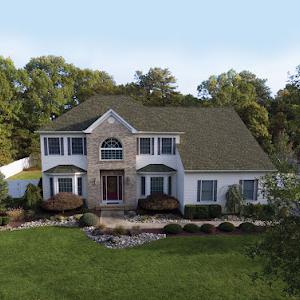
Dam Good Roofing
(732) 644-4099 damgoodroofing.com
Serving
5.0 from 24 reviews
Dam Good Roofing is a trusted, family-owned roofing contractor serving Manahawkin, Stafford Township, Barnegat, and Ocean County, NJ. With over 30 years of construction experience, we specialize in new roof installation and full roof replacement, including asphalt shingle roofing and standing seam metal roofing. Our team delivers high-quality workmanship, premium materials, and honest recommendations designed to protect New Jersey homes for decades. If you’re searching for a roofing contractor near you, contact Dam Good Roofing for a free, no-pressure estimate.
EAD Home Improvements LLC Roofing & Roof Repairs
(732) 575-5622 www.eadhomeimprovements.com
Serving
5.0 from 90 reviews
EAD Home Improvements is your trusted partner for top-quality roofing services with over 30 years of experience. Specializing in roof replacements, roof repairs, and skylight installations, we are guaranteed to enhance your home and stop any leaks. Whether you need minor repairs or a full roof replacement, our expert team ensures durable results. We also offer flexible financing options to make your home improvement projects affordable. Trust EAD Home Improvements for exceptional service and lasting peace of mind.
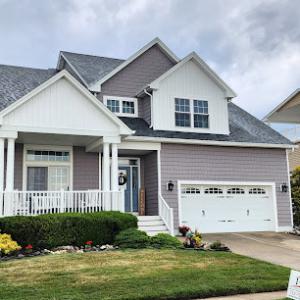
Home Pro Remodeling
Serving
5.0 from 200 reviews
Home Pro Remodeling, located in Lacey Township, NJ, is your go-to expert for roofing, siding, windows, and gutters. With over 30 years of industry experience, we pride ourselves on delivering top-quality workmanship and unparalleled customer service. Our commitment to the highest standards ensures that every project is completed beyond your expectations. Whether you need a new roof, energy-efficient windows, durable siding, or seamless gutters, we offer tailored solutions to meet your specific needs. Our reputation for excellence speaks for itself—trust Home Pro Remodeling to enhance your home with precision and care.
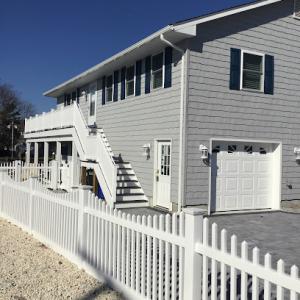
American Custom Roofing & Siding
(609) 242-8180 www.americancustomrs.com
Serving
5.0 from 111 reviews
American Custom Roofing is a professional roofing company located in Forked River, New Jersey. They specialize in offering high-quality roofing services to residential and commercial clients in the area. With years of experience, a team of skilled and certified roofers, and a commitment to using top-notch materials, American Custom Roofing delivers exceptional results that exceed customer expectations. Their services include roof repair, roof replacement, new roof installations, and more. Whether you need to fix a leak, upgrade your roof, or protect your property from weather damage, American Custom Roofing has the expertise and resources to get the job done right.

A-1 Roofing
Serving
4.6 from 37 reviews
Superior Workmanship A-1 Roofing has earned a reputation as Ocean County New Jersey as most respected roofing, contractors. Our clients know they can depend on us for innovative solutions to their toughest home repair problems, as well as completing each project promptly, professionally, and with superior workmanship. We always provide FREE estimates! Our Mission A-1 Roofing is committed to being a leader in the roofing/siding industry by setting the standards of a knowledgable, professional, dependable contracting company. We will provide superior service and be true to our word. We are committed to provide for the families that work with us and the communities we live in! QUALIFICATIONS: Quality Master™ ShingleMaster™ Company
G&C Home Improvements
Serving
4.8 from 37 reviews
G&C Home Improvements is a GAF Certified™ roofing contractor based in Forked River, NJ, serving homeowners throughout Forked River (08731), Lacey Township, and nearby Ocean County communities. We specialize in roof replacement, roof repair, and residential roofing systems designed for New Jersey’s coastal climate. With over 20+ years of experience, we install complete GAF roofing systems including asphalt shingles, ventilation upgrades, and siding, all backed by our 10-Year Craftsmanship Warranty. Known for honest pricing, clear communication, and quality workmanship, we are a trusted local roofing contractor for Forked River homeowners. Call 732-977-3557 for a free estimate.
Proven Contracting
(732) 800-4616 provenroofing.com
Serving
4.9 from 330 reviews
Proven Contracting: building trust, one project at a time. Since 2013, we've been raising the bar for roofing, siding, windows, and gutter services in Central and Southern New Jersey. Experience the difference with our customer-first approach, where clear communication and meticulous execution are standard. Dedicated project managers ensure on-time, on-budget results, with daily updates and immaculate job sites. As a GAF Master Elite Roofing Contractor, Certainteed 5-Star Siding Contractor, James Hardie Preferred Siding Contractor, and Andersen Certified Window Contractor, quality craftsmanship is guaranteed.
EZ Exteriors
(732) 200-2343 www.ezexteriorsnj.com
Serving
5.0 from 3 reviews
EZ Exteriors specializes in transforming homes with top-quality roofing, siding, window, and gutter solutions. Our experienced team is dedicated to delivering exceptional results that exceed your expectations. With a focus on craftsmanship and customer satisfaction, we take pride in every project we undertake. Trust EZ Exteriors for all your renovation needs.
All Around Construction Contractors
(732) 840-9494 www.allaroundcc.com
Serving
4.9 from 32 reviews
We are your local family operated roofing, siding, gutter, and skylight contractor. All projects are owner managed, and supervised!
Newman Building
(732) 606-1308 newmanroofing.net
Serving
5.0 from 17 reviews
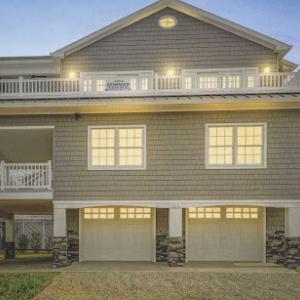
At Newman Building, we are dedicated to providing high-quality construction needs for residential and commercial properties. With over 30 years of experience in the industry, our team of skilled professionals is committed to delivering exceptional results and exceeding our clients' expectations. We offer a variety of services including new home construction, additions, house lifts, siding, roofing, and windows. Financing options available to suit your style and budget. We live here, We build here
Bayshore Roofing & Siding
(609) 294-8929 www.bayshoreroofingnj.com
Serving
4.6 from 33 reviews
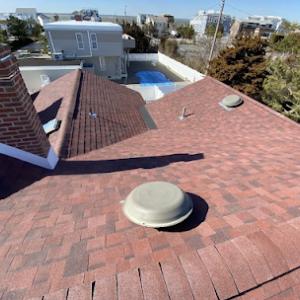
Bayshore Roofing & Siding provides roofing and siding services to Central and Southern New Jersey. Established in 1988, our primary services include residential and commercial roofing and siding. We are certified Owners Corning installers, family-owned and operated, and local to the Jersey Shore, NJ, area.
Epic Exteriors Roofing
(609) 342-9829 www.epicexteriorsnj.com
Serving
5.0 from 29 reviews
Epic Exteriors Roofing is a Residential/Commerical roofing contractor, certified by the roofing product manufacturer, GAF, and offering up to 100% project financing to those who qualify. We are located out of Chatsworth, NJ, although we primarily service Ocean, Monmouth, and Burlington County. No job is to big, or to small. We take pride in what we do, and that is leaving you with peace of mind, from the start, to after a complete roof replacement. Give us a call today to schedule your free, no-obligation, roof inspection and estimate!
Barnegat roof replacement timing is shaped by the need to avoid severe winter weather while also planning around spring moisture and autumn coastal storms. In practical terms, that means aiming for a replacement window when temperatures are consistently above freezing but before the height of hurricane season and the peak of autumn storms. The goal is to complete the tear-off, underlayment, and flashing work in a steady stretch of days, without being squeezed by sudden weather swings that can stall progress or force rework. A well-timed project minimizes the risk of moisture intrusion during the critical installation phase and helps keep the roof closely aligned with the climate realities of the inland Jersey shore.
Winter snow and ice in Ocean County can delay tear-offs and complicate flashing and underlayment work, especially on full replacements. Freezing temperatures slow adhesive cures, and thaw cycles can expose newly installed materials to repeated wetting and freezing until the sealant and underlayment set properly. If a project begins late in the season, there is also a heightened risk of short-notice weather events that force temporary shutdowns or snow-related access issues. For planning, consider targeting a window that ends before the heaviest winter patterns arrive, and build in a small contingency to cover unexpected cold snaps or late-season Nor'easters that can disrupt progress or cause moisture exposure on unfinished sections.
Summer heat and humidity affect shingle handling, crew productivity, and expansion-contraction behavior, which matters for scheduling in this coastal South Jersey climate. Asphalt and synthetic shingles can become pliable in high heat, which aids installation but requires careful handling to avoid denting or misalignment. Conversely, heat accelerates expansion just enough to demand precise fastening and staggered installation to prevent warping. Humidity can complicate attic or ventilation work during teardown and removal, and roof deck moisture levels should be checked to avoid trapping moisture under underlayment. Plan for mid-summer work only if a steady, cooler spell is anticipated or if a contractor has experience staging high-heat installations without sacrificing quality.
Spring brings salt-laden air and higher moisture potential, which can affect underlayment conditioning and flashing details if a roof sits exposed during a rainy period. Scheduling in early spring should prioritize dry days and moderate temperatures to ensure the deck dries thoroughly before covering with underlayment. In autumn, coastal storms can return with sudden wind-driven rain. A well-timed replacement avoids peak coastal storm activity and secures flashings, drip edges, and penetrations before those threats become imminent. Coordination with a crew that tracks long-range forecasts can help lock in a window that minimizes rain exposure while still fitting the project inside a favorable temperature range.
Once a window is identified, prepare a tight sequence: move debris promptly to prevent gutter or landscape debris from backing up into the home, pre-fit ridge and hip caps to reduce field handling on hot days, and confirm that attic ventilation is adequate so that moisture from removal does not linger inside the structure. Have a plan for post-install inspection after the first significant rain to verify flashing and sealing integrity, especially around chimneys, vents, and skylights. In Barnegat, the aim is to align replacement timing with the calmest portion of the shoulder seasons, while respecting the inevitability of spring moisture and autumn coastal storms that can test any roof.
Get a clear picture of your project costs upfront - no commitment required.
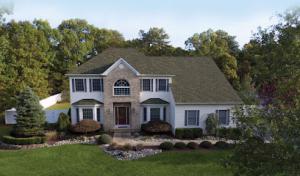

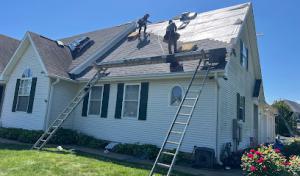
Asphalt shingles are a common sight on Barnegat homes, and for good reason-they're affordable and versatile. In this coastal climate, proper ventilation and fastening are not optional extras but essential safeguards. You should plan for a well-ventilated attic to reduce heat and moisture buildup that can accelerate shingle aging. When choosing fasteners, look for corrosion-resistant nails or screws, and consider sealed or ring-shain nails to minimize wind uplift in exposed ridge and gable areas. Ensure the roofing system includes a quality underlayment that handles salt humidity and freeze-thaw cycles, with edges properly sealed to prevent wind-driven moisture from penetrating at eave and ridge lines. If you're replacing asphalt shingles, discuss a coastal-grade starter course and edge detailing that helps resist peeling and blow-off in coastal storms.
Metal roofing is a practical option here because a correctly specified system can span decades with proper coastal preparation. Salt exposure can accelerate corrosion if the panel system, fasteners, and trim aren't chosen for coastal conditions. Choose galvalized or stainless-steel components, aluminum alloys with proven coastal performance, and corrosion-resistant coatings. Fastener spacing and sealant choices matter-use marine-grade sealants and washers, and secure panels with a layout that minimizes the risk of seam exposure to direct salt spray. Consider panel profiles and clip systems designed for wind loads common in Nor'easters. And pay attention to the trim around chimneys and skylights; coastal crews often add extra sealant beads or protective coatings to prevent water tracking during storms.
Clay tile and concrete tile offer long-lasting, high-end aesthetics but bring heavier loads. In Barnegat, heavier tile systems may require structural review on homes not originally designed for that weight. Before committing, have a structural assessment to confirm roof framing can carry the added load, especially on older homes or those with limited attic space. Tile roofs perform well in dry conditions, but salt-laden air can creep into fasteners and edge systems if not properly treated. Use breathable underlayment designed for high humidity and salt exposure, and ensure fasteners are corrosion-resistant. For concrete tile, verify that the substrate and deck are in good condition to support the weight and to handle freeze-thaw cycles without cracking or moisture intrusion.
Wood shakes provide a traditional coastal look, yet they demand meticulous maintenance in a salty environment. If you choose wood, opt for rot-resistant species and install a robust ventilation scheme to minimize moisture retention. Synthetic shingles can offer a low-maintenance alternative with better resistance to salt spray, but verify the product's coastal certifications and warranty coverage. For any option with a heavier visual impact, ensure the roof deck and trusses can sustain the anticipated loads and that the installation includes proper sealing at all penetrations and flashing details. Engage a local contractor who understands Barnegat's wind patterns and salt exposure to tailor nailing patterns, sealants, and ventilation to your home's exact geometry.
Barnegat's coastal storm environment drives claim activity, so homeowners should expect insurers to want detailed photos and records after wind events. The area's salt-laden air accelerates wear on flashing, fasteners, and edges, making even well-placed patches look suspect to an adjuster. When a storm rolls through, the clock on your claim often starts with the first documented sign of trouble, not the moment a contractor shows up. This means a careful homeowner keeps a steady eye on the roof after a nor'easter or hurricane remnants sweep inland.
In this market, insurers may scrutinize prior maintenance and pre-existing wear more closely after major regional storms affecting the Jersey Shore. A roof that shows uneven granule loss, lifted shingles, or rust on metal components prior to a wind event may be weighed against new damage claims. Salt exposure can blur the line between sudden damage and long-term deterioration, so the clearer your baseline, the better your footing when a claim comes in. Honest photographs of conditions before and after a storm help prevent back-and-forth disputes about causation.
Documentation is especially important in Barnegat because repeated wind and salt exposure can blur the line between sudden storm damage and long-term deterioration. Create a simple, dated photo log that captures the entire roof from multiple angles after a wind event, including eave lines, ridges, and flashing along transitions to siding. Use a common reference point, like a nearby window or the home's corner, to show relative position in successive shots. Keep a running note of weather days with wind speeds if possible, plus the date of any professional inspection or maintenance that touches the roof.
After a storm, do not delay minor repairs that could be misinterpreted as neglect. Quick, non-invasive fixes-like reseating loose shingles or re-fastening wind-lapped edges-can preserve the integrity of the roof and clarify the distinction between weather-related damage and wear. If you plan a replacement or major repair, begin by ensuring you have a clean, comprehensive set of photos and a maintenance log that demonstrates baseline care. That groundwork supports a smoother, faster claim review when the next coastal event tests the system.
Connect with contractors who help homeowners navigate the claims process from damage assessment to final approval.
EAD Home Improvements LLC Roofing & Roof Repairs
(732) 575-5622 www.eadhomeimprovements.com
Serving
5.0 from 90 reviews
American Custom Roofing & Siding
(609) 242-8180 www.americancustomrs.com
Serving
5.0 from 111 reviews
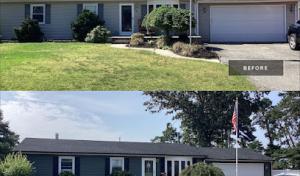
A complete roof replacement in the Barnegat area generally requires a building permit through the local building department rather than being treated as minor maintenance. Before any shingle or tile comes off, verify that your project is within permitable work and that the scope matches what the department expects to review. This step helps avoid surprises when the crew shows up and the city inspector asks for specifics on the new roofing system and any underlayment or ventilation changes.
The local process typically includes plan review and one or more inspections, with a final inspection used to confirm code compliance before closeout. Expect to submit project details such as roof type, underlayment, ventilation, and any skylights or chimneys tied into the replacement. A plan review may take a few days to a couple of weeks, depending on the season and the department's workload. Your contractor should coordinate the permit application and ensure the plans align with relevant local codes and Barnegat's storm-ready standards.
During the project, inspections are scheduled at key milestones-often after decking replacement, after underlayment and starter courses are installed, and after the roof is nearly complete. The final inspection checks for proper nail patterns, underlayment installation, flashing around hips, valleys, and penetrations, and overall wind and water-tight performance. Having the contractor present with the required documentation and a clear description of any deviations from the original plan speeds the process and reduces the chance of rework.
Because coastal weather can interrupt scheduling, inspection timing and final sign-off can be affected by storm delays more than in less weather-sensitive inland towns. Plan for potential postponements due to coastal storms, nor'easters, or seasonal high winds, and maintain a flexible window for inspections. If a weather delay pushes the project, keep the local building department informed and confirm new inspection dates promptly. In practice, your permit and inspection timeline hinges on two factors: timely coordination between you and the contractor, and the predictable rhythm of coastal weather moving through Barnegat.
In Barnegat, pricing is strongly shaped by coastal demand spikes after nor'easters and other regional storms, which tighten labor across Ocean County. When a big wind event hits, you'll notice quicker scheduling, higher crew availability costs, and faster material turnaround. That reality shows up in your quote as a higher installed price, especially for premium underlayment and corrosion-resistant components. Expect a tighter window for coordination with nearby towns after a storm, which can push project durations and related costs slightly higher than off-season estimates.
Material choice matters sharply here because corrosion-resistant components and wind-rated assemblies withstand salt air and harsh spray better, but they cost more upfront. Asphalt shingles stay the most economical option, yet even they will rise in price when storm demand is high. Metal roofing, while pricier, often pays off in coastal scenarios due to its favorable wind performance and reduced maintenance. Clay and concrete tiles endure longer, but their heavier weight and need for upgraded structural supports can push total installed cost higher in a salt-exposed market. Wood shingles and synthetic options sit somewhere in between, with synthetics offering decent moisture resistance without the upkeep of natural materials.
Salt exposure accelerates fastener and flashing corrosion, so expect higher prices for stainless or coated metal fasteners and corrosion-resistant edge details. Wind-rated assemblies with proper ventilation and integrated underlayment tend to perform better in Nor'easter winds, which can justify the added expense. In practice, you'll see quotes rise when crews include upgraded sealants, better ridge vent strategies, and reinforced ridges to resist uplift. Budget for a slightly larger contingency if your home sits close to the bay or faces prevailing gusts from open water.
Coastal demand spikes can push installed costs upward even for standard homes. Plan for a realistic range that reflects both material choice and the likelihood of expedited scheduling after a storm. Factor in the extra effort of coordinating multiple crews if a replacement overlaps with regional recovery work, and set aside a modest buffer for sudden price shifts in materials or access. A thoughtful, phased approach helps manage the impact of sea-salt exposure on long-term durability and the overall project budget.
Don't let upfront costs delay a critical repair - these contractors offer payment plans to fit your budget.
EAD Home Improvements LLC Roofing & Roof Repairs
(732) 575-5622 www.eadhomeimprovements.com
Serving
5.0 from 90 reviews
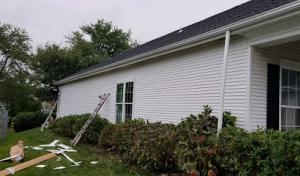
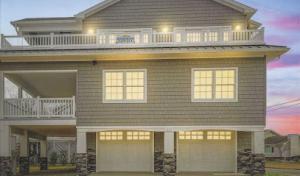
In Barnegat's wind-driven rain environment, skylights, roof penetrations, and step flashing are common weak points during coastal storms. The combination of salt air and driving rain can find the tiniest gaps and push water into the attic if those details aren't up to the task. A sagging or misaligned skylight frame acts like a funnel when gusts slam against the roof, so periodic checks after winter storms can save you bigger headaches later.
Salt exposure can shorten the life of metal flashing components around penetrations if lower-grade accessories are used. When you inspect, look for dulling, corrosion, or softened edges on flashing near vents, chimneys, and skylights. This isn't just about looks-corrosion can create invisible pathways for moisture, especially after a hard rain or freeze-thaw cycle. Upgrading flashing materials or detailing with premium sealants can mean fewer surprises when a storm rolls in.
Homes in this part of Ocean County often need leak diagnosis that distinguishes between storm-driven intrusion and chronic moisture entry from aging flashing details. If attic insulation feels damp after a storm but dry after a dry spell, the culprit may be a transient intrusion rather than a steadily failing seal. Conversely, a slow drip that follows the line of a flashing seam signals aging components that should be addressed before the next season's onslaught. Regular, targeted inspections beat reactive fixes when the ocean winds arrive.
Find contractors experienced in skylight installation, flashing, and leak repairs to bring natural light into your home.
EAD Home Improvements LLC Roofing & Roof Repairs
(732) 575-5622 www.eadhomeimprovements.com
Serving
5.0 from 90 reviews
American Custom Roofing & Siding
(609) 242-8180 www.americancustomrs.com
Serving
5.0 from 111 reviews
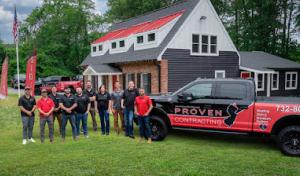
In this inland Jersey Shore market, the emphasis is on re-roofing rather than niche specialty work. You want a crew that has completed multiple re-roof projects on occupied homes, not just new builds or demonstrations. Look for references where the homeowners remained in residence during tear-off and installation. Ask specifically about how crews protected existing interiors, weatherproofed work areas overnight, and minimized disruption to living spaces. Check project timelines and whether crews staged material and equipment to avoid blocking driveways or damaging landscaping. A contractor with a track record in occupied homes will be better prepared for the salt and wind exposure common to this area during the replacement phase.
Cleanup is a major hiring priority in this market. Debris control during tear-off is not merely a courtesy-it protects your property and reduces exposure to salt spray and winter grit blown onto freshly installed materials. When interviewing teams, insist on a written plan for daily cleanup, including how dumpsters are placed, where nail and shingle remnants will be collected, and how waste disposal will occur after each shift. Confirm that ground protection measures are in place to shield mulch beds, driveways, and HVAC intakes from debris. A reputable crew will outline containment steps, use magnetic sweepups, and commit to final clean-to-grade checks before leaving each day.
Quick response matters after a storm when many homeowners seek the same crews. Prioritize contractors with a known, stable presence in the area and a history of standing by commitments during busy periods. Evaluate how they communicate lead times, weather delays, and rescheduling. Longevity often correlates with established supplier networks for materials that stand up to salt-laden air and freeze-thaw cycles, which helps keep projects moving when weather windows narrow. During interviews, ask for recent examples of storm-recovery schedules and how crews prioritized critical homes that needed rapid protection. This market values speed paired with reliability-choose a crew that can balance both without compromising cleanup or occupancy considerations.