
Last updated: Apr 19, 2026
Absecon sits in Atlantic County near the shore and back-bay environment, so roofs are exposed to salt-laden air in addition to rain and wind. That salty mix accelerates corrosion on metal flashings, degrades shingles faster, and corrodes fasteners. When a nor'easter storms in the fall or coastal systems surge in the spring, wind-driven rain becomes the dominant enemy rather than inland hail. Winter brings freeze-thaw cycles that turn small edge leaks into real water intrusion if gutters and flashing have any vulnerabilities.
Salt air is relentless on metal and fasteners. Make sure all exposed flashings around chimneys, skylights, vents, and along roof edges are secure and continuous. Loose nails or shingle tabs catching wind are failure points that let rain penetrate the underlayment. Check the drip edge and fascia for rust or corrosion after any heavy storm, and replace any compromised metal immediately. Gutters should be kept clean and tightly attached; wind-driven rain will route along the roof edge and cascade through any gaps, especially where gutters pull away from the fascia. Regularly inspect roof penetrations for sealant deterioration and re-seal with a long-lasting, salt-tolerant sealant designed for exterior use.
Fall nor'easters deliver stronger, more persistent winds than inland patterns, pushing rain under seemingly minor gaps. In spring, coastal storms bring fresh rounds of wind-driven rain that finds the smallest edge weak spots. Timing matters: after a storm, walk the roof edge and upper gutters with a sturdy ladder, looking for lifted shingles, loose fasteners, or dislodged flashing. In winter, freeze-thaw cycles at roof edges create pressure that can crack imperfect sealants and widen hairline leaks into the attic. If you notice any dampness near ceilings or attic corners after a temperature swing, treat it as an urgent warning sign and investigate the underside of the suspected area for moisture intrusion.
Chimney and vent flashing are high-risk zones because they experience more thermal cycling and wind uplift. Pay extra attention to step flashing where the roof meets these structures, and reseal or replace damaged metal promptly. Edges, gutters, and downspouts are the other weak links; clogged or loose systems redirect rain into the fascia and roof deck. Attic insulation and ventilation matter too: poor ventilation magnifies condensation, which accelerates wood rot and shingle deterioration near the eaves. If winter disappears into a wet spring and you notice attic condensation, address venting alongside any leak repairs.
Develop a rapid-response routine for after every major coastal event: inspect the visible roof surface, gutters, and flashing lines; reseal any questionable joints; and replace or repair damaged shingles immediately to prevent creeping leaks. Keep a small supply of weatherproof sealant, extra flashing pieces, and fasteners on hand, stored away from salt exposure. If a storm exposes a persistent leak that reaches the attic or interior, don't delay-call a local roofer familiar with coastal conditions to re-secure the roof system and reinforce edge protections before the next season hits.
Rossetti Roofing
(609) 348-1006 abseconroofing.com
127 E Absecon Blvd, Absecon, New Jersey
4.4 from 42 reviews
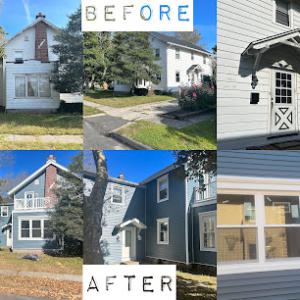
Your roof is the largest functioning component of your home's exterior and plays a key role in keeping your roof intact. If any part of your roof starts to fail, your whole home could be in danger. Rossetti Roofing is a licensed roofing contractor serving homeowners and small business owners throughout Absecon, NJ. From storm damage repairs to whole roof replacements, we'll handle any of your shingle, metal or flat rubber roofing needs.
Fieldpointe Roofing
(609) 247-7861 fieldpointeroofing.com
Serving
5.0 from 26 reviews
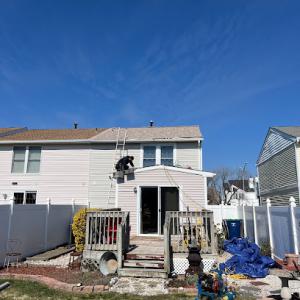
Fieldpointe Roofing is dedicated to delivering high-quality roofing services in the South Jersey area. We focus on quality that is driven by customer satisfaction to ensure the best roof replacement or repair possible. We have earned a very strong reputation through our experienced install team, highly competitive prices and overall superior quality to ensure a long lasting roof on your home or business.
Conway Roofing - A Division of Conway Property Management
(609) 727-4130 www.conwaypropertymgmt.com
Serving
4.9 from 96 reviews
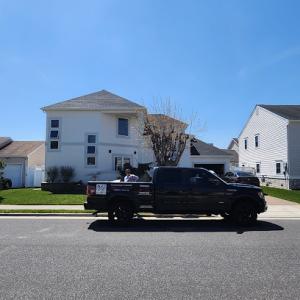
Conway Property Management is completely dedicated to client satisfaction. We are roof specialists offering other services. All of our team members are punctual and knowledgeable, helping make us some of the most trusted contractors in the industry. We’ve come a long way since our founding in 2015, but the leading operating values behind our services, to work with integrity in order to provide high-quality services to our clients, remain unchanged. Please get in touch with any inquiries. Be sure to include your contact information as well as any important details about your needs.
Duke's Roofing
(609) 843-3853 www.dukesnj.com
Serving
5.0 from 43 reviews
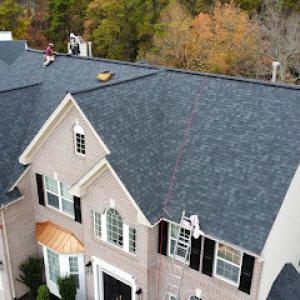
Looking for top-notch roofing services in Absecon, NJ and surrounding areas? Duke’s Roofing has got you covered. Our expertise ensures your home is in safe hands. Reach out to us today for a free estimate and experience roofing excellence like never before. Whether you are just planning or have emergency roofing service needed immediately, let us take care of your roofing needs while you enjoy peace of mind.
Top Notch Roofing Siding
(609) 215-7798 topnotch-roofing.com
Serving
5.0 from 88 reviews
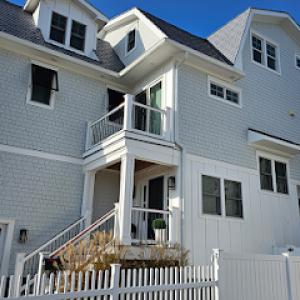
Top Notch Roofing Siding provides residential roofing installation, siding installation and seamless aluminum gutter installation to the Pleasantville, NJ area. When it is time to improve your home, Top Notch Roofing Siding is the team to call. Our roofers in Galloway, NJ bring professionalism, reliability, and superior skill to every project. Along the shoreline, our roofers in Margate City, NJ provide equally dependable service, reinforcing homes against the challenges of coastal living. Contact our team of roofing contractors today to schedule a consultation!
Seashore Construction
(800) 326-5211 seashoreconstruction.net
Serving
4.9 from 202 reviews
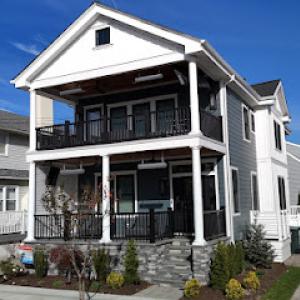
Seashore Construction is your full-service exterior remodeling company based in Egg Harbor Township, proudly serving southern New Jersey since 1980. We specialize in roofing, siding, windows, doors, decks, and railings for residential and commercial clients. Our factory-certified team installs premium products from leading manufacturers, ensuring lasting durability and style. With over 40 years of experience, we’ve built a reputation for top-quality craftsmanship, exceptional service, and lasting results. Trust Seashore Construction to enhance your property with the best materials, expert techniques, and a commitment to excellence.
Affordable Roofing
(609) 568-5272 www.affordableroofingsnj.com
Serving
4.8 from 164 reviews
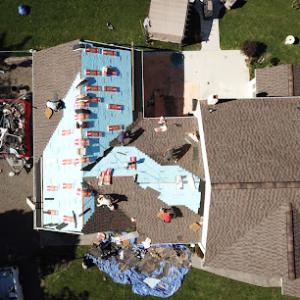
Locally owned and operated by Mitch Flaherty, Affordable Roofing was founded to bring customer service and quality craftsmanship together. We know that as a homeowner, your home’s roof protects a lot more than the rest of your house, it protects your family and all that you love.
Veterans Roofing
(609) 966-9050 veteransroofingnj.com
Serving
5.0 from 557 reviews
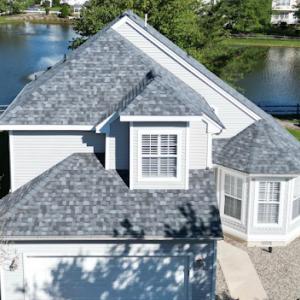
Veterans Roofing is a veteran-owned and operated company specializing in providing high-quality roofing and exterior solutions. Serving communities across New Jersey, we offer a wide range of services, including roofing, siding, windows, gutters, and full exterior and interior remodeling. Our mission is to deliver exceptional craftsmanship, unmatched reliability, and customer-focused service, ensuring every project exceeds expectations. With a commitment to excellence and a team that values hard work, attention to detail, and integrity, Veterans Roofing brings expertise and care to every job. Whether you're in need of a roof replacement, siding upgrade, or complete exterior renovation, we are here to protect and enhance your home.
The Queen Team G.C.
(833) 347-8336 www.queenteamgc.com
Serving
5.0 from 87 reviews
Queen Team GC roofing & Solar offers Roofing contractor services in Atlantic City, NJ and surrounding areas.
Apex East Roofing
(609) 653-2233 apexeastroofing.com
Serving
5.0 from 300 reviews
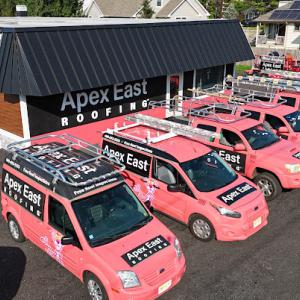
We’re a South Jersey roofing contractor that is locally owned and family-operated, offering residential and commercial roofing installation and repairs to all communities in South Jersey. We are currently Jersey's only Fortified Certified roofer. For asphalt shingle roofs, we are an Owens Corning roofing contractor. We also offer TPO, EDPM, and standing seam metal roofing systems. We are committed to customer service and offer a one-of-a-kind installation experience that includes frequent communication with photos and video during the installation process. We offer free inspections and no-money-down financing. Visit our site to see a gallery of before and after photos, and contact us today to get started on your roofing project.
Costello Roofing
(609) 822-2188 www.costelloroofing.com
Serving
4.9 from 288 reviews
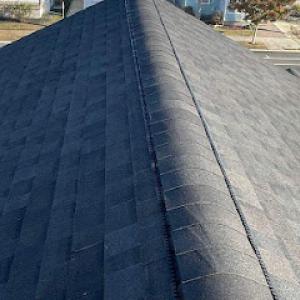
Looking for roofing services near you? Costello Roofing in Ventnor City, NJ, stands out as the best choice among local roofing contractors. Specializing in affordable roofing solutions, roof repair, roof replacement, and residential roofing services, we're here when you need a trusted and reliable company. Our emergency roofing services ensure you're covered in any situation, while our commitment to transparency and quality work makes us the best roofing company in the area. As roof repair experts, we offer free roofing estimates to help you make informed decisions. Choose Costello Roofing for exceptional service and reliable expertise. Contact us at 609.822.2188 today!

SJ Roofing
(609) 509-9816 www.sjroofingnj.com
Serving
5.0 from 84 reviews
SJ Roofing is a GAF Certified full-service roofing contractor in the Ventnor, NJ area. We are a licensed roofing contractor you can trust in the Atlantic County, Cape May County, Ocean County, and Cumberland County, NJ areas. Our services include: - Asphalt shingle roof replacement and repair - Fascia, Gutter, Soffit, PVC trim installation and repair - Vinyl and Fiber Cement siding installation and repair - Exterior Door and Window Replacement - Composite and Wood product Decks - Residential Low-Slope roof replacement, repair, and maintenance - Commercial Low-Slope roof replacement, repair, and maintenance - 10, 15, 20 Fluid-Applied Silicone Restoration Systems
Asphalt shingles dominate the market here due to a balance of performance and value that matches the area's large volume of residential re-roofing work and moderate price sensitivity. In coastal air, they hold up well against wind-driven rain and seasonal freeze-thaw cycles when installed with proper underlayment and sealing. Typical consumer choices tend to favor reinforced, heavier batches that resist wind uplift and prevent early edge peeling. For most homes, a well-sealed, properly vented asphalt system offers predictable performance with straightforward maintenance.
Metal roofing is present locally and is often considered for better wind performance and lower maintenance in salty coastal air. It tends to perform well under salt spray and heavy storms when fasteners and flashings are correctly installed and corrosion-resistant. The trade-off is a noticeably higher installed cost and the need for a roof deck prepared to support metal's weight and expansion. If you anticipate frequent coastal exposure or want longer intervals between major repairs, metal can be a sensible choice, provided the budget allows for initial installation.
Tile and wood options exist in the market but are less common fits for many Absecon homes because coastal moisture, structural load considerations, and replacement cost narrow where they make sense. Clay or concrete tiles can offer durability under wind with proper fastening, but their weight requires structural verification and sometimes additional framing. Wood shingles and shakes bring aesthetic appeal, yet moisture and salt exposure can accelerate decay unless the wood is treated and regularly maintained. If choosing these, expect more intensive inspection and potential reinforcement of structural components.
Start by evaluating the roof deck condition and ventilation, ensuring a clean, dry slate before any upgrade. Consider the typical storm exposure: strong coastal winds, salt-laden air, and freeze-thaw cycles. If your priority is a straightforward, reliable re-roof with predictable upkeep, asphalt shingles are the most sensible starting point. For homes facing harsher wind zones or aiming to minimize long-term maintenance, discuss metal options with a local roofer who can tailor the installation to your eaves, fascia, and gutter system. If you're drawn to tile or wood for curb appeal, plan for a structural assessment and a longer-term maintenance plan to protect against moisture intrusion.
In this coastal town, pricing for a roof replacement can swing after big regional storm events. When South Jersey contractors are drawn into urgent leak calls and a surge in re-roof demand hits at once, you'll see material and labor quotes push higher than the typical baseline. That spike tends to compress timelines and narrows contractor availability, so a plan that looks affordable on paper can become subject to rush charges or limited scheduling windows in the weeks after a severe storm. If a storm has just rattled the back bays, expect a wider spread between low and high estimates and a need to factor in possible delays beyond the actual roofing work.
Absecon homes range from straightforward residential shingle roofs to more complex shore-area designs. Complex features can include multiple penetrations for vents and plumbing, skylights, and sections with low slope that require specialty detailing or additional underlayment. In practice, a simple, straight-forward shingle roof will sit at the lower end of the local cost spectrum, while the presence of penetrations and skylights tends to push the price up. Low-slope zones, in particular, may require additional flashing, seam-safe membranes, or clipped-in drainage details, which add labor time and material use. When planning, pair a material choice with an honest assessment of these site conditions to avoid surprises in the invoice.
The city's coastal market often sees demand for a mix of traditional and modern options. Asphalt shingles remain the most budget-friendly path for many Absecon homeowners, especially when a straightforward roof is involved. Metal roofing delivers longer service life and strong wind resistance, but comes with higher install costs that can rise quickly if a roof has intricate geometry. Clay and concrete tiles bring a distinctive appearance and solid durability, yet their weight and installation complexity can elevate both price and structural considerations. Wood shingles or shakes offer a traditional look but may incur higher maintenance costs in salt-laced air. Synthetic or composite shingles provide a middle ground, balancing durability with more predictable installation challenges in a seaside setting. Refer to the local pricing ranges for this category to gauge where your project fits within the regional market.
Because storm reminders linger in the coastal market, it's prudent to build a calendar that accommodates potential price volatility and scheduling shifts. When a major event is fresh in memory, crews can be temporarily committed to urgent leak repairs, and the window for a routine replacement tightens. If a contractor quotes a price within the typical range, expect that a few days of delayed start or a slightly adjusted scope could occur as crews reallocate resources. To keep the project on track, coordinate a lead time that accounts for weather-driven delays and the potential need for quick material procurement, especially if a preferred shingle profile or color is in high demand after a storm.
Get a clear picture of your project costs upfront - no commitment required.
Conway Roofing - A Division of Conway Property Management
(609) 727-4130 www.conwaypropertymgmt.com
Serving
4.9 from 96 reviews
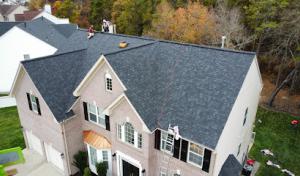
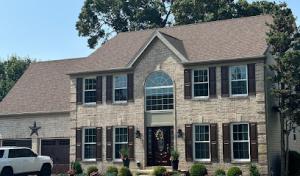
A full roof replacement in Absecon typically requires a building permit submitted through the city's Building Department by the contractor or homeowner. This process is not just a formality; it ensures that the project complies with local weather, wind, and snow considerations that are common in the coastal climate. Your permit packet will usually include project plans, material specifications, and a scope of work that clearly identifies shout-for-shingle exposure, ventilation details, and drainage provisions. The Building Department will also verify if any neighboring-property setbacks or easements could be affected by the replacement. If you're working with a licensed contractor, they should handle the permit submission, but you remain responsible for ensuring the permit is issued and posted on-site as required.
Inspections are a normal part of the process, generally scheduled during the job and again after completion. Expect inspections at key milestones such as roof deck securing, underlayment installation, flashing details around chimneys and vent penetrations, and final installation verification. In a coastal area where wind-driven rain and salt exposure stress flashing and penetrations, the inspector will look closely at sealant choices, nail patterns, and the integrity of the drip edge. After the crew has finished, a final inspection confirms that the work aligns with the approved plan and building code requirements. Only with final approval can the certificate of completion be issued, which is the formal signal that the project is officially closed with the city.
Plan review and inspection timing can vary with department workload, so homeowners should account for municipal scheduling when trying to time a fast re-roof. If a storm-related window or your insurer's timeline presses, a proactive approach helps: have a clearly documented project timeline, precise material lists, and all required forms ready for quick submission. Delays can occur if weather, staffing, or plan discrepancies arise, especially during peak seasons when the Building Department handles multiple large replacements. Stay in communication with the contractor and the inspector's office, and anticipate minor resubmissions or additional detail requests. Keeping the permit active and the inspection appointments on the calendar reduces the risk of project pauses during a critical weather window.
When a storm rattles the Atlantic County coast, insurance reviewers look for a clear, traceable story of what failed and why. In New Jersey, carriers commonly ask for before-and-after photos, material specifications, permit records, invoices, and warranty documents when reviewing wind-related roof claims. That means you should assemble a simple, orderly file as soon as the weather eases: clear photos showing damage at flashing, edges, and penetrations, close-ups of any lifted shingles or flashing, and wide shots of the roof's overall condition. Keep product labels or manufacturer specs for the same shingles, underlayment, or metal panels that were installed, and gather any contractor invoices that match the work you're claiming. This isn't about guessing what happened; it's about proving it with copies you can hand to a claims adjuster.
Absecon's coastal storm pattern punishes the roof in ways that aren't always obvious from the ground. Wind-driven rain that buzzes along the eaves can force leaks at flashing joints and edges, or around vents and chimneys, long before a row of shingles is visibly missing. When documenting, focus on signs of wind-driven damage: lifted edge materials, loose fasteners, misaligned flashing, and any interior staining that tracks to those high-stress points. Don't assume that a dry attic means a non-issue. In many cases, the damage first manifests as interior leaks after a storm, even if the exterior looks only mildly disturbed. Your photos should capture these correlations: where the interior stain sits and how that area aligns with roof penetrations or corner flashings.
Because permit finaling is part of the local replacement process, homeowners should keep municipal paperwork with claim files to support scope and completion. Store all project-related documents in one accessible folder: the contractor's written scope, material specs, any photographs tied to the claim, and the final inspection notes once the job is done. If a portion of the roof was repaired rather than replaced, document that decision with a written reason and the corresponding approvals. Having a tidy, complete file not only helps the claim flow, it also smooths the final stages of the rebuild when the last nail is set and the last permit stamp lands.
Connect with contractors who help homeowners navigate the claims process from damage assessment to final approval.
Conway Roofing - A Division of Conway Property Management
(609) 727-4130 www.conwaypropertymgmt.com
Serving
4.9 from 96 reviews
In this corner of South Jersey, hot, humid summers accelerate shingle aging and sealant fatigue, especially on older asphalt roofs already stressed by coastal UV exposure. If you notice more frequent granule loss, curling edges, or a general loss of color and surface integrity after a long stretch of heat, plan for a replacement assessment. The heat also pushes underlayment and flashing seals toward failure earlier than you'd expect in inland climates.
Spring is a common time for leaks to show up, because winter edge damage is followed by heavy rain and gusty storms. After the last frost settles, inspect the most vulnerable zones: roof deck edges, valleys, around exhaust vents, and near any dormers. If you find staining on ceilings or damp attic insulation, treat it as a warning that sealants and shingle bonds have started to fail and a more thorough evaluation is warranted. In Absecon, storm-driven wind can push moisture under shingles that look intact from the ground, so don't rely on exterior visuals alone.
Fall scheduling matters locally because nor'easter season can interrupt tear-off and dry-in windows even before winter cold arrives. If you're upgrading, aim for a window where you can complete tear-off, valley work, and a dry-in before the first sustained cold snaps. Wet fall spells and salt-laden air can complicate repairs, so a fall project should be planned with buffer days for weather and delivering proper attic ventilation during the transition.
During a home-owned inspection, look for consistently dark patches on ceilings after rain, loose or missing shingles, lifted edges, and staining along the eaves. Pay attention to wind-scoured ridges and flashing around chimneys or vents, where salt spray and spray-driven rain have the most impact. If multiple symptoms appear across different roof planes, it's a practical signal that the roof is approaching its replacement window rather than a routine repair.
Because coastal roofs in this area endure repeated salt exposure, edge and sealant deterioration can advance faster than expected. If several indicators line up across seasons, prioritize setting a replacement plan before another winter cycle begins. This keeps the home protected and minimizes the risk of weather-driven interior damage.
In this coastal climate, wind-driven rain seeks every seam, and small defects at edges, along drip edges, and where shingles meet flashing are where leaks take hold first. A careless corner, a loose step-flashing joint, or a missing sealant in a vent stack can turn a light shower into a slow drip that rots sheathing and invites mold. From your gutters to the ridge line, insist on robust, continuous flashing and backer rod in any gap that could trap water. A quick check after storms helps you spot loose nails, lifting shingles, or torn underlayment before a penalty of interior damage compounds.
Skylights are a common feature in Absecon homes, and curb flashing failures around them are among the recurring repairs. Salt air and frequent rain bend the best sealants sooner than you expect, so look for softened sealant beads, fisheye cracks, or deck flashing gaps where the curb meets the roof. If a skylight sits atop a low-slope section, the risk multiplies because ponding water can expose the seal to continuous moisture. Regular flashing re-seal and re-caulk when you notice any lift or dark staining along the curb.
Low-slope sections and tie-ins on mixed-roof homes behave differently in prolonged rain. Membranes can bridge into steeper fields, but any transition detail left unaddressed can become a leak path during Nor'easters. Pay particular attention to the intersection where a shingle field meets a flat plane, and ensure proper membrane laps, drainage, and edge terminations. A small wrinkle here rarely stays small.
Seasonal shifts bring freeze-thaw cycles that stress seals and fasteners. After storms, inspect exposed fasteners, nailing patterns, and any soft spots around penetrations. Proactive maintenance prevents minor failures from becoming costly, widespread damage before you notice it.
Find contractors experienced in skylight installation, flashing, and leak repairs to bring natural light into your home.
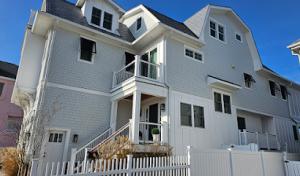
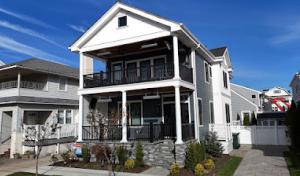
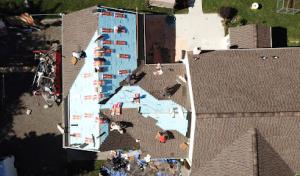
The local market shows a strong concentration of re-roofing and residential work, so expect many contractors to be optimized for replacement rather than specialty historic restoration. Storm-driven wear from coastal wind, rain, and salt exposure means homes often need quick, complete roof package solutions rather than bespoke restorations. When you describe your project, emphasize fast leak control, durable underlayment, and wind-resistant fasteners that stand up to Nor'easters.
Quick response and cleanup are prominent hiring priorities in this market. Look for contractors who can schedule a site visit promptly, provide interim tarping if you have a leak, and commit to a clean tear-off with containment to protect your landscaping and driveway. On the job, expect daily or end-of-day debris removal and a clearly defined end date. A clean jobsite after tear-off isn't optional here; it's a practical measure that minimizes storm-related debris hazards and keeps your neighbors happy.
A noticeable share of contractors market long-established, family-owned, locally owned, licensed, insured, and manufacturer-certified credentials, which suggests trust and accountability matter in this smaller coastal service area. Verify current licenses and insurance, ask for manufacturer certifications specific to the chosen product, and request references from nearby homes that endured coastal weather. Prefer bidders who can point to repeat neighbors or local referrals and who demonstrate a consistent track record with coastal exposure.
Discuss how the roof will handle salt-laden air, wind uplift, and freeze-thaw cycles. Inquire about underlayment, flashing details around bays or chimneys, and the plan for temporary protection during storm season. Confirm the contractor's warranty coverage for coastal conditions and the process for post-install repairs if a storm causes issues later.