Last updated: Apr 19, 2026
Coastal Ocean County shapes every decision on a Bayville roof, where nor'easters and Atlantic storm systems drive leaks, missing shingles, and accelerated replacement timing. The combination of salt air, high winds, and freeze-thaw cycles means that even sturdy roofs can show vulnerability after a big storm. When a nor'easter rakes through, the clock starts ticking on vulnerabilities that could turn into costly interior damage if not addressed quickly and decisively.
Spring and fall bring the most disruptive winds in this area. Wind-driven rain can force water deeper under flashing, around ridge caps, and through penetrations before a full replacement can be scheduled. If a storm tears off shingles or loosens flashing, water finds its way into the attic and ceiling joints, often originating at flashing around chimneys, skylights, and vent pipes. In Bayville, where homes frequently feature low-slope sections and roof penetrations for vents and antennas, a single exposed seam can become a flood point during a coastal gust. The risk isn't theoretical: wind-driven rain can create hidden damage that isn't obvious from the ground, so monitoring after a storm matters as much as the storm itself.
After a storm, walk the edges of the roof during daylight if safe to do so and look for lifted or missing shingles, exposed underlayment, or dark streaks along the ceiling and attic rafters. Check attic access and vent chutes for signs of moisture, mold, or a musty smell that indicates hidden leaks. Pay special attention to areas around flashing at chimneys and vents; in high-wind periods, sealants can fail and metal flashings can shift. Ridge caps are another common failure point; if any ridge portion feels loose or uneven, that is a red flag. In homes with aging shingles or asphalt overlays, a single strong storm can reveal a longer-term weakness in roof decking or insulation.
Emergency response matters in this market because local signals favor quick-response and emergency repair work after storms. If leaks are present or the attic shows active moisture, contact a trusted local contractor immediately for a temporary tarping or fast-repair solution to minimize interior damage. Do not wait for a preferred weather window to begin mitigation; delaying can compound structural risk and interior damage, especially in the spring. Document all damage with photos from multiple angles, noting date and the exact location on the roof, to help insurance coordination and repair planning.
Storms in this area demand a proactive replacement plan that aligns with Bayville's coastal climate. While a temporary fix may hold through a narrow window, a full roof replacement should be scheduled with a contractor who understands coastal exposure, salt-air effects on materials, and the need for enhanced flashing and higher-wind-rated components. When choosing materials, consider coastal resilience: the right shingles, higher-grade underlayment, and properly sealed penetrations can extend life in salty air and frequent windstorms. A clear, action-oriented schedule minimizes exposure time and reduces the risk of recurring damage during the next nor'easter.
In this coastal town, Bayville roof replacement costs should be framed around the provided per-square ranges, with asphalt shingles remaining the most budget-friendly fit for the area's large re-roofing market. If you're balancing upfront expense against long-term resilience, asphalt shingles sit at the low end of the spectrum, typically in the 350 to 700 USD per square range. Metal roofing climbs to about 600 to 1100 USD per square, offering greater wind resistance and longevity, which can pay off over time in a storm-heavy climate. For higher-end options, clay and concrete tiles push toward 900 to 1600 USD and 800 to 1400 USD per square, respectively, with slate and wood products following suit at higher price points. In practice, a Bayville project often starts with a clear view of whether your home's structure and your budget align with asphalt as a first choice, while a replacement in a storm-impacted year may push you toward upgraded materials if long-term performance matters most. The choice you make here will ripple through scheduling and final pricing for the season ahead.
Storm season, particularly nor'easters and the hurricane window, drives demand up in Ocean County and nearby markets. After a big coastal event, crews can be in high demand and short supply, which translates into tighter schedules and higher labor pressure. You'll notice this in delayed start dates, compressed timelines, and sometimes rush charges on a per-square basis as crews attempt to wrap projects before another front moves in. Planning with a realistic timeline that accounts for weather-induced hold-ups helps avoid sticker-shock once crews confirm scope and access. If your home will need a full tear-off, expect some overlap between weather windows and labor availability, which can widen the overall project duration and last-minute pricing tweaks.
Costs can rise when tear-off reveals moisture-damaged decking from repeated wind-driven rain exposure common in this coastal part of New Jersey. If decking requires replacement, the project expands beyond shingles or panels to include deck boards, flashing, and underlayment synthesis, all of which adds to the square-foot calculation. In practice, anticipate a higher cost per square if access to dry, solid decking isn't present, and factor in the possibility of extended labor hours to replace rotten or warped boards. Assessing decking condition during the initial teardown helps set expectations for the final bill and reduces the risk of surprises once the roof is stripped and the new system is ready to install. For homeowners weighing material upgrades, a stable deck can also influence choosing a higher-performing option, since a sound base supports better wind resistance and longer service life.
Proven Contracting
(732) 800-4616 provenroofing.com
1057 Atlantic City Blvd, Bayville, New Jersey
4.9 from 330 reviews
Proven Contracting: building trust, one project at a time. Since 2013, we've been raising the bar for roofing, siding, windows, and gutter services in Central and Southern New Jersey. Experience the difference with our customer-first approach, where clear communication and meticulous execution are standard. Dedicated project managers ensure on-time, on-budget results, with daily updates and immaculate job sites. As a GAF Master Elite Roofing Contractor, Certainteed 5-Star Siding Contractor, James Hardie Preferred Siding Contractor, and Andersen Certified Window Contractor, quality craftsmanship is guaranteed.
All Around Construction Contractors
(732) 840-9494 www.allaroundcc.com
14 Eagle Ave, Bayville, New Jersey
4.9 from 32 reviews
We are your local family operated roofing, siding, gutter, and skylight contractor. All projects are owner managed, and supervised!
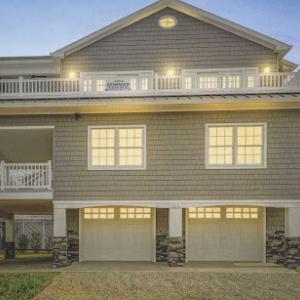
Newman Building
(732) 606-1308 newmanroofing.net
571 Atlantic City Blvd, Bayville, New Jersey
5.0 from 17 reviews
At Newman Building, we are dedicated to providing high-quality construction needs for residential and commercial properties. With over 30 years of experience in the industry, our team of skilled professionals is committed to delivering exceptional results and exceeding our clients' expectations. We offer a variety of services including new home construction, additions, house lifts, siding, roofing, and windows. Financing options available to suit your style and budget. We live here, We build here
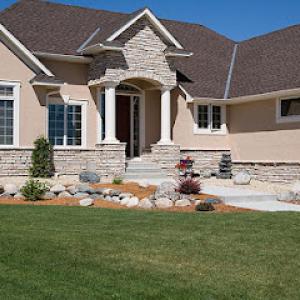
J&M Elite Contractors
(609) 770-1603 www.jmelitecontractors.com
Serving
4.9 from 49 reviews
J&M Elite Contractors is a trusted family-owned roofing company serving Toms River, Brick, Lakewood, Manchester, and all of Ocean County, NJ. Specializing in roof replacement, roof repair, emergency storm damage repair, siding installation, gutter services, and window replacement across South Jersey. With over 30 years of experience, our licensed and fully insured team delivers elite customer service for residential and commercial projects. We serve Atlantic, Ocean, Gloucester, Cumberland, and Cape May Counties. From urgent roof repairs to complete replacements, our expert roofers provide fast, reliable service. Call today for your free roofing estimate!
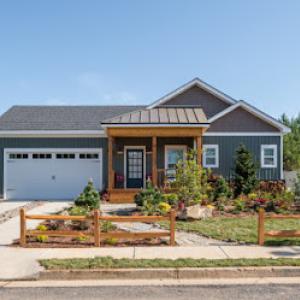
Twin Roofing & Siding
(732) 240-3780 www.twininc.com
Serving
4.8 from 56 reviews
Family owned and operated home remodeling contractor since 1972.
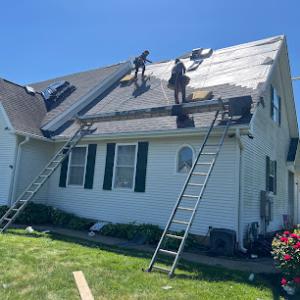
G&C Home Improvements
Serving
4.8 from 37 reviews
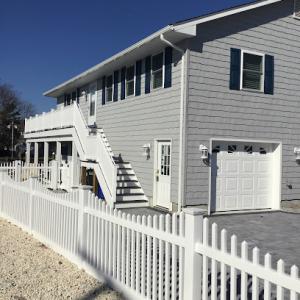
G&C Home Improvements is a GAF Certified™ roofing contractor based in Forked River, NJ, serving homeowners throughout Forked River (08731), Lacey Township, and nearby Ocean County communities. We specialize in roof replacement, roof repair, and residential roofing systems designed for New Jersey’s coastal climate. With over 20+ years of experience, we install complete GAF roofing systems including asphalt shingles, ventilation upgrades, and siding, all backed by our 10-Year Craftsmanship Warranty. Known for honest pricing, clear communication, and quality workmanship, we are a trusted local roofing contractor for Forked River homeowners. Call 732-977-3557 for a free estimate.
American Custom Roofing & Siding
(609) 242-8180 www.americancustomrs.com
Serving
5.0 from 111 reviews
American Custom Roofing is a professional roofing company located in Forked River, New Jersey. They specialize in offering high-quality roofing services to residential and commercial clients in the area. With years of experience, a team of skilled and certified roofers, and a commitment to using top-notch materials, American Custom Roofing delivers exceptional results that exceed customer expectations. Their services include roof repair, roof replacement, new roof installations, and more. Whether you need to fix a leak, upgrade your roof, or protect your property from weather damage, American Custom Roofing has the expertise and resources to get the job done right.
Home Pro Remodeling
Serving
5.0 from 200 reviews
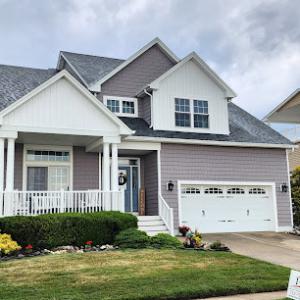
Home Pro Remodeling, located in Lacey Township, NJ, is your go-to expert for roofing, siding, windows, and gutters. With over 30 years of industry experience, we pride ourselves on delivering top-quality workmanship and unparalleled customer service. Our commitment to the highest standards ensures that every project is completed beyond your expectations. Whether you need a new roof, energy-efficient windows, durable siding, or seamless gutters, we offer tailored solutions to meet your specific needs. Our reputation for excellence speaks for itself—trust Home Pro Remodeling to enhance your home with precision and care.
Epic Exteriors Roofing
(609) 342-9829 www.epicexteriorsnj.com
Serving
5.0 from 29 reviews
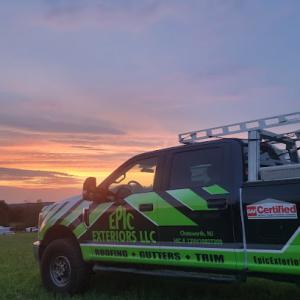
Epic Exteriors Roofing is a Residential/Commerical roofing contractor, certified by the roofing product manufacturer, GAF, and offering up to 100% project financing to those who qualify. We are located out of Chatsworth, NJ, although we primarily service Ocean, Monmouth, and Burlington County. No job is to big, or to small. We take pride in what we do, and that is leaving you with peace of mind, from the start, to after a complete roof replacement. Give us a call today to schedule your free, no-obligation, roof inspection and estimate!
EAD Home Improvements LLC Roofing & Roof Repairs
(732) 575-5622 www.eadhomeimprovements.com
Serving
5.0 from 90 reviews
EAD Home Improvements is your trusted partner for top-quality roofing services with over 30 years of experience. Specializing in roof replacements, roof repairs, and skylight installations, we are guaranteed to enhance your home and stop any leaks. Whether you need minor repairs or a full roof replacement, our expert team ensures durable results. We also offer flexible financing options to make your home improvement projects affordable. Trust EAD Home Improvements for exceptional service and lasting peace of mind.
Bayshore Roofing & Siding
(609) 294-8929 www.bayshoreroofingnj.com
Serving
4.6 from 33 reviews
Bayshore Roofing & Siding provides roofing and siding services to Central and Southern New Jersey. Established in 1988, our primary services include residential and commercial roofing and siding. We are certified Owners Corning installers, family-owned and operated, and local to the Jersey Shore, NJ, area.

Prime Exteriors
Serving
5.0 from 37 reviews
Prime Exteriors is dedicated to have every job done with pristine workman ship. The owner Chris Boardingham always treats costumers like family. You will be greeted with a smile and a handshake. We are committed to please our costumers with all of your exterior needs to make your house not only reliable but gorgeous with it's new facelift. We expert in roofing, siding, windows, doors, gutters, skylights and more. We are fully insured and licensed. HIC #13VH11377500
Asphalt shingles are a dominant material in this market because they balance initial affordability with broad contractor availability. In a coastal setting where Nor'easters can test roofs and humidity can blunt material lifespans, asphalt shingles offer predictable performance with straightforward repairs. Look for heavy-tab or architectural profiles that can better resist wind-driven rain and provide a longer fascia-to-ridge coverage. A Bayville home with a standard attic and good ventilation benefits from shingles with algae resistance and a granular coating that holds up to salt spray. When coordinating with local crews, confirm that the underlayment, starter strips, and ridge caps are installed with wind-resistance in mind to prevent blow-offs during those strong coastal gusts.
Metal roofing has local relevance because it performs well against coastal wind and sheds rain efficiently, but installation quality is critical in storm-exposed conditions. If you choose metal, focus on panel seams, fastener length, and the type of sealant used around penetrations and transitions. Coastal winds can exploit weak points, so insist on corrosion-resistant fasteners, ideally with stainless or coated steel, and ensure that interlocking seams are fully sealed. Standing-seam metal tends to perform well in Bayville's gusty spring storms, but the workmanship matters: improper edge detailing or inadequate edge fasteners can lead to leaks and edge uplift under heavy wind. A quality installation also considers tree impact zones and potential debris impact, reinforcing edges and overhang protection accordingly.
Clay tile, concrete tile, wood shakes, and slate are present in the market but require closer attention to structural load, fastening, and moisture behavior in Bayville's humid coastal environment. Clay and concrete tiles add aesthetic variety but carry significant weight; ensure the structure has adequate support and that fasteners are corrosion-resistant to withstand salt air. Wood shakes bring a traditional look but demand meticulous moisture management and regular treatment to resist rot and insect exposure in a sea-level climate with freeze-thaw cycles. Slate provides durability and a refined appearance, yet its weight and brittle nature require precise framing and careful nailing patterns to avoid cracking during storms. Moisture behavior around penetrations-vents, chimneys, and skylights-needs careful sealing and ventilation compatibility to prevent moisture buildup under tile or shake systems. In practical terms, these options tend to be best when a home's structure can bear the load and when a skilled local crew can execute the specialized detailing required.
Across all materials, Bayville homes benefit from a proactive weather-facing mindset. Regular inspections after winter or after Nor'easters help catch loose fasteners, damaged seals, or compromised underlayment before a storm exposes weaknesses. Pay particular attention to coastal corrosion around flashing, drip edges, and gutters, since salt-air exposure accelerates wear. When choosing replacement or upgrade paths, prioritize systems with robust wind-rated components, reinforced edge security, and moisture-controlling ventilation in the attic. A well-planned roof replacement in this coastal market emphasizes not only material fit but also installation detail, ensuring that the finished product stands up to repeated salt spray, humidity, and the rapid temperature swings that coastal winters impose.
Explore specialists in steel, aluminum, and standing seam metal roofs built to last 50 years or more.

In this city, a roof replacement is not treated as informal maintenance. Before any tear-off begins, you must obtain a permit through the local building department. The process is straightforward, but timing can bite you if weather or storm activity causes a surge in applications. Start the permit plan early, and line up your contractor to submit drawings and specifications that reflect the roof type, underlayment, ventilation, and any safety measures required by the department. Having complete paperwork helps avoid delays once crews are ready to begin.
Inspections are scheduled during and after the work, with a strong emphasis on tear-off, underlayment, and final installation compliance before closeout. The inspector will want to verify that the old shingles have been removed down to the deck, the deck is clean and sound, and the chosen underlayment is properly installed for coastal exposure. Ventilation and flashing details will also come under review, especially where terrain and salt air can accelerate wear. On the day of each inspection, have access ready to all roof areas and any attic space that might be inspected.
Storms and nor'easters can impact inspection windows and permit review times. When a major coastal system is forecast, expect potential rain delays and a backlog of permit submissions. If a storm surge of roofing applications hits the department, plan for extended turnaround between the permit review and the start date. Communicate with the contractor about alternate scheduling and the city's typical inspection windows, so lineups aren't stalled by a late permit decision or an inspection backlog.
Closeout requires confirming that all permit conditions are met, including proper tear-off containment, waste disposal, and site safety. The final inspection should verify that the installation aligns with code requirements, including storm-resistant detailing around eaves, dormers, and coastal flashing transitions. Once the inspector signs off, keep the file accessible for any future property records or insurance inquiries, and note that a compliant project helps defend against coastal weather wear longer term.
Nor'easters and coastal storms keep Bayville's roofs under steady stress, and insurers respond with a tighter information loop than inland markets. Wind-driven shingle loss, hail impacts, and salt-bleached framing all show up in claims with greater frequency and detail. The consequence is clear: carriers want clear, timely proof of roof condition, not after-the-fact guesses. Updated photos, on-site notes, and organized records help prevent the process from stalling when a replacement or major repair is on the line.
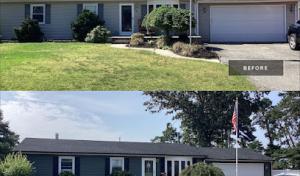
Homeowners should anticipate that before-and-after documentation will be requested, sometimes tied to quick verification of replacement feasibility. Photos should capture the full roof surface, edges, hips, valleys, and metal flashings, as well as the attic to show moisture and any insulation concerns. If there is visible prior damage or patchwork, document it with dates and context. In storms that push Bayville roofs toward replacement, adjusters may require on-site inspection or rely on photo-based review, so consistent angles and lighting matter. Keeping a dated photo log from seasonal checks reduces interpretation errors and speeds decisions.
A history of coastal claim activity can shape how smoothly a roof claim advances, particularly after multiple severe seasons. Pre-loss documentation becomes a practical safeguard: current photos, a recent roof assessment, and a keepsake of any professional evaluations. When a storm season hits, having a trusted roster of documents-photos taken from ground level and from the rooftop if safely possible-helps a claim move forward even if the roof has grown more vulnerable since the last policy period.
Set a schedule to photograph the roof and attic at least once per year, ideally after winter and before the next hurricane season. Store images with clear dates and a brief note on visible issues. Maintain a simple damage log that notes wind events, hail exposure, and any contractor assessments. If a contractor recommends immediate steps, obtain a written plan and kept receipts to show ongoing care and proactive prevention to the insurer. These records become part of the story when a storm-battered roof faces the next claim review.
Connect with contractors who help homeowners navigate the claims process from damage assessment to final approval.
North Star Roof Services
(732) 691-2131 northstarroofingservice.com
61 Harley Blvd, Bayville, New Jersey
4.9 from 77 reviews
Trotta Custom Exteriors
(732) 930-9142 www.trottasidingroofing.com
561 Atlantic City Blvd, Bayville, New Jersey
4.9 from 37 reviews
Koenig Exteriors Roofing -Siding- Gutters
(732) 266-1085 www.facebook.com
11 N Island Rd, Bayville, New Jersey
5.0 from 9 reviews
Skylights in this coast-hugging town are a frequent source of leaks once nor'easters push rain sideways and through aging flashing. The first clue is moisture around the skylight perimeter or a musty odor near the ceiling after a windy storm. Inspect the curb flashing where it meets the roof deck; a loose or bent curb edge invites seepage even with modest wind-driven rain. Look for cracked or missing sealant along the skylight flange, and check the sealant line where the skylight sits atop the curb. In older homes, the flashing often shifts with temperature swings, so expect small gaps to open after a freezing-once-a-day cycle. If you notice daylight through the curb or repeated damp spots, expect you'll need resealing or flashing replacement rather than a full skylight swap. When planning repairs, ensure the flashing bends are continuous and that the sealant bed has proper compression, not adhesion only. A competent installer will reflash with a complete curb-wrap, especially where venting or interior condensation is present.
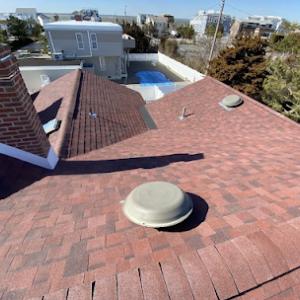
Chimneys create two high-risk zones: the base flashing where brick meets shingles, and the step and counter-flashing transitions climbing up the chimney. In Bayville, wind-driven rain can force water under aging lead pants or metal flashing if the joint has degraded. Common failures show as shiny, dark runs along the chimney wall or soft dry-rot in the surrounding sheathing. Inspect mortar joints for cracking; deteriorated masonry accelerates flashing wear. A frequent fix is replacing or reseating metal flashing with a proper apron at the base and a continuous counter-flashing strip that extends well above the roof line. Sealant over the cap flashing should be clean and weatherproof, not smeared or missing. For edge corners where the chimney meets the roof deck, ensure a gradual transition and intact shingle step-flashing to prevent water tracks from bending under the shingles during a nor'easter. Regular seasonal checks focus on these two zones, especially after windy rain events.
Find contractors experienced in skylight installation, flashing, and leak repairs to bring natural light into your home.
Proven Contracting
(732) 800-4616 provenroofing.com
1057 Atlantic City Blvd, Bayville, New Jersey
4.9 from 330 reviews
North Star Roof Services
(732) 691-2131 northstarroofingservice.com
61 Harley Blvd, Bayville, New Jersey
4.9 from 77 reviews
All Around Construction Contractors
(732) 840-9494 www.allaroundcc.com
14 Eagle Ave, Bayville, New Jersey
4.9 from 32 reviews
Winter in this coastal pocket of Ocean County brings more than chilly mornings; it brings repeated freeze-thaw cycles that can widen existing cracks and stress older roofing materials before spring repair windows open. Shingle granules can slip free as ice forms and expands, accelerating wear on edges and around flashings. For homeowners with aging roofs, inspections in late fall and early winter should focus on securing loose shingles, sealing flashing joints, and checking attic insulation to minimize condensation-driven damage. In Bayville, salt-laced air settles on exposed surfaces, making corrosion-prone metal components more vulnerable during winter storms. A practical approach is to pre-stage critical repairs, so the first clear stretch of spring weather can address any newly revealed damage without delaying essential fixes.
The summer heat and humidity in this coastal town influence both material performance and crew timing. Asphalt shingles can become more pliable in heat, while underlayment may lay differently under humid conditions, impacting the speed and sequence of installation. Continuous high temperatures can also challenge roof crews when it comes to sealing around penetrations and flashing without premature drying or warping. For homeowners planning replacements, scheduling early morning or late-day work during peak summer helps maintain material integrity and worker safety. Coastal breezes and salt exposure require careful handling of fasteners and corner details to prevent corrosion and ensure wind uplift resistance remains solid after the first seasonal storms.
Fall overlaps with Atlantic storm risk, so a practical homeowner strategy blends durability with weather realities. Replacing prior to winter can offer a longer stretch of protection before Nor'easters threaten exposed edges, but hurricane-season weather interruptions are a real factor to navigate. In this season, prioritize secure anchor points, robust sealants, and a clear plan for debris containment and drainage during the installation window. A well-timed installation in early fall may reduce the likelihood of weather-driven delays, while still leaving enough cushion before the coldest months test new shingles and underlayment under Bayville's damp coastal conditions. Regular mid-season checks help confirm that ventilation and attic sealing remain aligned with the new roofing system's performance.
In this coastal town, the contractor scene is built around re-roofing rather than specialized one-off projects. When you're evaluating crews, prioritize replacement experience and the ability to respond promptly to storms. The typical Bayville homeowner expects a crew that can mount a reliable roof quickly after a nor'easter, minimize exposure to wind-driven rain, and stay on schedule even if the weather turns harsh. This isn't the market for glossy, one-off specialties; it's a practical ecosystem where proven performance matters most.
Your best signals are a crew that can show a steady track record of full roof replacements, clear communication, and organized job sites. Ask for recent first-hand examples of storm-related projects and how cleanups were handled while families stayed inside the house. A strong local crew will explain staging, material delivery timing, and dust control in plain terms, so you know when and how the work will unfold without leaving the interior exposed longer than necessary.
Since Bayville homes are often occupied during re-roofing, you want a contractor who can coordinate temporary protection, rapid material procurement, and timely tarping if the weather shifts. Look for a plan that outlines daily progress, end-of-day site safety measures, and a clear process for addressing any unexpected storm-related interruptions. The ability to mobilize quickly after a storm, without sacrificing quality, is a practical advantage in this market.
Long-established, family-owned, residential-focused builders are common here, reflecting homeowner preference for local trust and repeatable service. Those firms tend to offer steadier communication, predictable schedules, and a consistent point of contact, which matters when storms test everyone's patience. Favor crews with rooted connections to the neighborhood and a track record of responsible, customer-centered service.
When you review bids, focus on replacement experience, storm-response plans, and the quality of project organization. Request a detailed timeline, a clear cleanup protocol, and references from nearby neighbors who faced a similar weather cycle. In this market, practical reliability-especially during coastal storm season-outweighs flashy marketing.
Get a clear picture of your project costs upfront - no commitment required.