Roofing in New Jersey
Last updated: Feb 28, 2026
New Jersey roofs endure a lot: humid summers that challenge shingles, nor'easters that push wind and rain, freeze-thaw cycles that stress flashing, and salty coastal air along the shore. Whether you're in a historic town, a suburban neighborhood, or a windy bluff by the Atlantic, you want a roof that stands up to the weather, fits your home's style, and won't break the bank. As a local roofer and neighbor, I've seen how small choices—venting, underlayment, or the right shingle type—can make a big difference over a roof's life.
This page is your practical, neighborly guide to roofing in New Jersey. You'll find straightforward, experience-based advice tailored to our conditions and backed by local resources. We'll explore how our climate informs material choices, what's realistically affordable here, and how to navigate the permitting process and the local rules that often affect NJ jobs.
Here's a quick sense of what this page covers (without getting lost in the details): Local Climate and how it shapes roofing decisions; Recommended Roofing Materials for New Jersey; Popular Roof Styles & Architectural Trends in New Jersey; Average Roofing Costs in New Jersey; Permits & Local Regulations you're likely to encounter; Common Roofing Problems in New Jersey & Solutions; Maintenance & Repair Tips for New Jersey; When to Repair vs. Replace; When to hire a professional. The aim is to give you clear, practical guidance you can act on, with straightforward checks and reliable resources you can trust.
All guidance here is tailored to New Jersey's unique blend of weather, codes, and home styles, and is supported by local references, codes, and trusted suppliers. Think of it as advice from a knowledgeable neighbor who also happens to be a licensed roofer—friendly, honest, and grounded in real New Jersey homes.
With that in mind, let's start with the climate you actually contend with and what it means for your roof.
Local Climate & Its Impact on Roofs
Seasonal rhythm in New Jersey and what it means for roofs
New Jersey experiences four distinct seasons, with cold, occasionally snowy winters and hot, humid summers. Year-round precipitation, rapid thaw cycles, and coastal storms mean roofs in this state face a unique mix of moisture, wind, and temperature swings. Understanding how the weather acts on your roof helps you spot problems early and pick durable materials.
Snow, ice, and ice dams
- Snow loads and freezing/thaw cycles can push and pull at shingles, flashing, and underlayment.
- Ice dams form when heat escaping from the attic melts snow near the eaves, which refreezes at the gutter line and backs water up under shingles.
- The result can be leaks, damp insulation, and mold risk if not addressed.
Mitigation steps:
1) Improve attic insulation and ventilation to minimize thawing at the roof deck.
2) Keep gutters clear so melted snow can flow away freely; direct downspouts away from the foundation.
3) Seal around chimneys, vents, and any roof penetrations to stop seepage paths.
4) If you use heat cables, have a licensed electrician install and maintain them, following manufacturer guidelines.
5) In snow-rich periods, use a roof rake from the ground to remove excess snow safely—never climb onto a wet or iced roof.
Wind, storms, and uplift
- Nor'easters, strong thunderstorms, and tropical remnants can drive high winds that lift shingles, loosen flashing, and damage ridge vents.
- Coastal towns face higher wind exposure, which accelerates wear on any roof fasteners and sealants.
Mitigation steps:
1) Have flashings around chimneys, skylights, and vents inspected after major storms.
2) Ensure roofing fasteners and underlayment are in good condition; replace damaged or missing shingles promptly.
3) Consider wind-rated shingles or upgraded sealant products if you live in high-wind zones.
4) Trim overhanging branches that could shed limbs onto the roof during a storm.
Coastal exposure: salt, humidity, and corrosion
- Salt spray and higher humidity near the shore accelerate corrosion of metal components and can accelerate deterioration of gutters, fasteners, and flashing.
- Mold and mildew are more likely in damp, shaded areas if leaks occur.
Mitigation steps:
1) Rinse and clean salt-laden surfaces periodically, especially along the coast, to slow corrosion.
2) Use corrosion-resistant fasteners and materials when repairing or replacing components in coastal zones.
3) Maintain proper attic ventilation to control moisture levels.
Heavy rainfall, drainage, and flood risk
- Intense rain can overwhelm gutters and downspouts, creating standing water on roofs and in valleys.
- Poor drainage plus slope issues increase the chance of water penetration and roof deck rot.
Mitigation steps:
1) Keep rain gutters and downspouts clean; ensure they direct water away from the house.
2) Check roof valleys and flashing for gaps or damage after heavy downpours.
3) Inspect ground grading around the foundation to prevent water from flowing toward the house and roof drainage.
- NJ's wide temperature range causes expansion and contraction of roofing materials, which can lead to cracked shingles or sealant failure over time.
- Clay tiles and some metal systems behave differently than asphalt shingles in this climate; choose materials with good freeze-thaw resistance and appropriate warranties.
Maintenance timeline and material considerations:
1) Match material choice to local climate: asphalt shingles are common in NJ, but metal or engineered membranes can offer better wind and ice-dam resilience in exposed areas.
2) Schedule professional roof inspections at least twice a year (ideally spring and fall) and after major storms.
3) Ensure attic insulation and ventilation meet local guidance to reduce heat transfer to the roof.
Warnings and official resources
- NOAA/NWS winter safety and forecasts:
- NOAA/NHC hurricane information:
- FEMA Flood Map Service Center:
- New Jersey DEP coastal and flood risk information:
- New Jersey Uniform Construction Code ( roofing standards):
- NJDEP general:
Recommended Roofing Materials for New Jersey
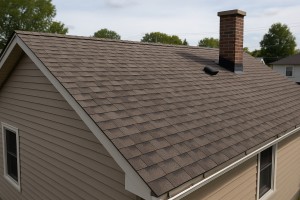
- Why they work in NJ: Affordable, widely available, and easy to repair. Architecture-grade options resist wind better and come in colors that help with heat management.
- Pros:
- Cost-effective and quick to install
- Plenty of color and texture options
- Moderate-to-high wind resistance with architectural shingles
- Cons:
- Lifespan typically 15–30 years depending on quality and climate
- Susceptible to curling in extreme heat or rapid temperature swings
- Best-use scenarios:
- First-time replacements and mid-range remodels
- Homes with standard inventory and mixed climates
- Maintenance tips:
- Inspect after heavy storms for lifted tabs; replace damaged shingles promptly
- Choose a reflective or cool-shade shingle if you have an attic with limited ventilation
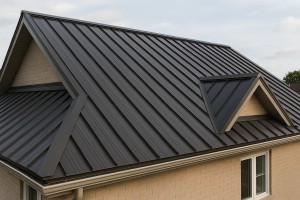
- Why they work in NJ: Excellent wind uplift resistance, strong hail performance, and long life. Coastal and storm-prone areas benefit from quick repairs and low maintenance.
- Pros:
- 40–70 year lifespan with proper maintenance
- Lightweight and fast installation
- Great for slopes of all kinds; highly resistant to wind
- Cons:
- Higher upfront cost
- Potential noise in heavy rain unless insulated
- Best-use scenarios:
- Coastal towns with salt exposure and high wind zones
- Modern or craftsman-style homes where a sleek look fits
- Maintenance tips:
- Inspect seams and fasteners every couple of years; touch up coatings if you notice chalky or dull spots
- Keep gutters clear to prevent ice damming and standing water
Slate and Clay/Concrete Tile
- Why they work in NJ: Slate and concrete tiles offer exceptional durability and fire resistance; concrete tiles can mimic natural slate at lower cost.
- Pros:
- Slate can last a century or more with minimal maintenance
- Clay and concrete tiles are fire-safe and dense
- Cons:
- Very heavy; require structural assessment and possible reinforcement
- Higher installation cost; brittle tiles can crack in freeze-thaw cycles if struck
- Best-use scenarios:
- Remodels with strong existing framing and a desire for a premium look
- Homes in regions with stable, temperate weather and good attic ventilation
- Maintenance tips:
- Have a pro inspect for broken tiles after severe weather; replace individually where possible
- Ensure proper underlayment and drainage to manage ice and snow
Cedar Shakes and Wood Shingles
- Why they work in NJ: Rich curb appeal and insulating properties when properly maintained.
- Pros:
- Natural look that ages well in many neighborhoods
- Moderate insulation value
- Cons:
- Requires regular maintenance and treatments
- Prone to rot, mold, and insect damage in damp areas; fire risk
- Best-use scenarios:
- Specialty homes or historical renovations
- Areas with good sun and reliable moisture control
- Maintenance tips:
- Seal or stain every 3–5 years; keep vegetation trimmed away from edges
- Replace damaged shakes promptly to prevent leaks
Synthetic and Composite Shakes/Slate
- Why they work in NJ: Designed for durability, reduced maintenance, and weight lower than natural materials.
- Pros:
- Resistant to cracking, warping, and rot
- Wide color and texture options; easier to install than natural slate
- Cons:
- Higher upfront cost than asphalt but often less than real slate
- Best-use scenarios:
- Homes needing the look of traditional shake or slate without the weight or upkeep
- Maintenance tips:
- Clean debris from gutters and valleys; check for panel spacing and sealant wear
EPDM, TPO, and Flat/Roof Options
- Why they work in NJ: Flat or low-slope roofs benefit from durable waterproof membranes; commonly used on additions and garages.
- Pros:
- Excellent waterproofing; economical for large flat areas
- Easy to patch or replace sections
- Cons:
- Aesthetics differ from residential pitched roofs
- Seams require periodic inspection
- Best-use scenarios:
- Garages, sunrooms, or commercial-adjacent homes with flat sections
- Maintenance tips:
- Inspect seams and flashings after heavy rain or winter thaw; re-seal as needed
Making the Call: Practical Considerations for New Jersey
1. Climate checks: Prioritize wind resistance, moisture handling, and freeze-thaw durability.
2. Structural readiness: Heavier materials require load calculations and possible framing reinforcement.
3. Local codes and permits: Ensure the chosen material meets wind-rating and fire-resistance standards.
4. Aesthetics vs. performance: Align material choice with home style, budgets, and maintenance tolerance.
Popular Roof Styles & Architectural Trends in New Jersey
Classic NJ Roof Shapes
- Gable roofs: Simple, cost-effective, and great at shedding snow and rain. They're versatile across Colonial, Cape, and contemporary homes, and they leave plenty of attic ventilation opportunities.
- Hip roofs: More wind-resistant and weather-friendly, a favorite in coastal towns and hillside neighborhoods. They distribute weight well and offer a sturdy silhouette for varied architectural styles.
- Gambrel and Dutch Colonial: Common on historic and updated Colonial designs, these shapes maximize attic space and add architectural character. They pair well with wood siding and brick exteriors but require careful flashing and insulation to prevent moisture issues.
Popular Materials in NJ
- Asphalt shingles (3-tab): The workhorse of New Jersey roofs. Affordable, easy to install, and available in a wide range of colors. Expect 15–30 years for basic 3-tab; architectural shingles push that to 30–50 years and provide better wind resistance and a more dimensional look.
- Architectural shingles: A stepped-up option that mimics the texture of more expensive materials. Superior wind uplift performance and a richer curb appeal, making them a common upgrade on mid-century and newer homes.
- Metal roofing (standing seam or metal shingles): Excellent for wind, rain, and snow. Longevity of 40–70 years is common, with low maintenance. A smart choice for coastal exposure, garages, and modern remodels seeking a sleek look.
- Slate: Natural slate is premium, long-lasting (100+ years with proper care) and highly fire-resistant. It's ideal for high-end homes or historic properties but is heavy and costly and requires a structurally capable roof deck.
- Cedar shake/shingle: Warm, rustic aesthetics that suit Cape Cod, Craftsman, and historic areas. Requires maintenance to prevent rot and mold; some municipalities have fire and HOA considerations, especially near dense neighborhoods or woodsy lots.
- Synthetic slate/composite: Lighter and often more forgiving than natural slate, with good wind resistance and low maintenance. A practical alternative for historic or upscale homes where real slate is impractical.
Climate & Weather Considerations
- Ice dam protection: Winters in New Jersey bring freezing temps and variable precipitation. Use ice/water shield along eaves and at eaves intersections to reduce leaks.
- Ventilation and underlayment: Proper soffit and ridge vents, plus a high-quality underlayment, help prevent condensation and extend roof life under humid summers and thaw cycles.
- Wind and snow loads: Coastal counties demand higher wind uplift ratings; inland areas benefit from sturdy purlins and reinforced decking. Always match materials to the local wind/snow assumptions.
Color & Finish Trends
- Charcoal, dark gray, and black shingles are popular for modern curb appeal and conceal staining; mid-tone browns and deep blues remain classic on traditional homes.
- Cool roof options: Light or reflective coatings are showing up on sunny, southern-facing elevations to reduce heat gain in attics and living spaces.
- Matte textures and dimensional shingles: Provide visual depth without increasing glare, aligning with both historic and contemporary aesthetics.
Historic & Neighborhood Aesthetics
- Many New Jersey towns have historic districts or designated landmarks. Material choices often need to respect existing profiles, colors, and textures (slate, cedar, and historically accurate asphalt shades are common requests).
- Compatibility over exact replication: When preserving a neighborhood look, many homeowners opt for approved color palettes and traditional profiles rather than bright, modern contrasts.
Modern Trends & Tech
- Solar-ready and integrated options: Roofs designed to accommodate solar panels or integrated photovoltaic shingles are increasingly common in newer builds and remodels.
- Enhanced insulation and air-sealing: Attics are being treated as critical spaces for energy efficiency, with tight envelopes and improved ventilation to minimize heat loss in winter and heat gain in summer.
- Green and low-maintenance alternatives: Synthetic supports, coated metals, and maintenance-friendly finishes are expanding the range of durable, long-lasting choices in New Jersey's climate.
Practical Decision-Making for NJ Homeowners
1. Assess climate factors and wind zones for your area; note whether you're inland or coastal, and the roof slope.
2. Check local codes, HOA guidelines, and historic district rules before selecting materials.
3. Evaluate your roof's structure, deck condition, and load capacity to determine feasible material options (especially for slate or metal).
4. Plan for proper underlayment, ventilation, insulation, and ice dam protection tailored to New Jersey winters.
5. Choose a licensed, insured local roofer with experience in NJ wind-load requirements and coastal exposure, and verify manufacturer warranties for your selected materials.
Average Roofing Costs in New Jersey
How NJ costs break down
- Material price is only part of the equation. Labor, removal of an existing roof, and disposal fees can significantly shift the final number.
- Local permitting, debris hauling, and disposal costs tend to be higher in some coast-aligned towns compared with inland areas.
- Accessibility, house height, and roof complexity (dormers, valleys,/attachments) drive labor time and price.
Common materials and price ranges in NJ
- Asphalt shingles (standard and architectural): typically $4.50–$8.50 per sq ft installed, including tear-off. Expect about $450–$850 per square (100 sq ft). A 1,500 sq ft roof might land in roughly $6,750–$12,750 before extras.
- Metal roofing: $9–$14 per sq ft installed. For the same 1,500 sq ft, roughly $13,500–$21,000.
- Clay or concrete tile: $12–$25 per sq ft. For 1,500 sq ft, about $18,000–$37,500.
- Slate: $25–$60 per sq ft. For 1,500 sq ft, roughly $37,500–$90,000.
- Flat roofing (EPDM, TPO, PVC): $5–$10 per sq ft. For 1,500 sq ft, about $7,500–$15,000. PVC or higher-end TPO may push the top end further.
Price modifiers you'll see in New Jersey
- Tear-off of old roof: adds roughly $1,000–$4,000 depending on area and whether decking needs replacement.
- Decking/repair: damaged plywood or sheathing can add $1.50–$3.50 per sq ft.
- Flashing, ice/water shield, and attic ventilation: add-ons that can total several hundred to a few thousand dollars depending on roof size and climate zone.
- Wind and thermal restrictions: NJ wind uplift and insulation requirements can nudge costs upward for higher-rated shingles or insulated underlayment.
Typical project sizes and cost ranges (illustrative)
- 1,200–1,500 sq ft (12–15 squares) asphalt: roughly $6,000–$13,000 (not including upgrades or decking work).
- 1,500–2,000 sq ft (15–20 squares) metal: roughly $14,000–$32,000.
- 1,500–2,000 sq ft tile: roughly $18,000–$50,000.
- Flat roof (EPDM) for a small addition: roughly $5,000–$12,000; larger flat sections escalate quickly with material choices.
Local considerations by NJ style and climate
- Coastal towns: salt exposure and higher humidity can influence underlayment and flashing choices; expect slightly higher material costs or specialized products.
- Inland and northern counties: colder winters and snow load can justify upgraded underlayment and insulation, which may add to the upfront price.
- Architectural style: Colonial and Cape layouts with multiple dormers or steep pitches add complexity, increasing labor hours and price.
- Regional labor markets: some counties have tighter contractor pools; this can modestly lift bids in high-demand areas.
Quick estimation steps
1. Determine roof size (square footage) and pitch; taller homes add safety gear and labor time.
2. Decide on material and whether tear-off is needed.
3. List must-have upgrades (ice/water shield, ventilation, flashing, attic insulation).
4. Get 3–4 local bids that include debris disposal, permit handling, and decking checks.
Regional distinctions within New Jersey
- Northern NJ (densely populated suburbs): higher labor and permit costs, more complex access in tight streets—slightly higher overall quotes.
- Central NJ: a balance of urban and suburban homes; costs vary with house age and roof complexity.
- Southern NJ and coastal communities: potential for higher disposal fees and specialized weatherproofing; landscapes like observably mixed with flat additions may push numbers upward.
Key takeaway
- In New Jersey, the price you pay hinges on material choice, roof size, complexity, and local conditions. Asphalt remains the most common and often most economical path, but coastal or architecturally complex homes can push costs well into the mid to high five figures for premium options.
Permits & Local Regulations
Do you need a permit for roof work in New Jersey?
Most New Jersey towns require a building permit to replace a roof, even if you're not changing the footprint. The permit helps ensure the work meets local codes for weather resistance, ventilation, drainage, and safety. Rules can vary by municipality: some towns have narrow exemptions for cosmetic shingle replacements, while others require a permit for any roof work. Before you start, contact your municipal building department to confirm whether a permit is needed.
If a permit is required, you'll need to pull it before any roofing activity begins. Working without a permit can trigger stop-work orders, fines, and the need to reopen or redo parts of the job.
Local variations in New Jersey
- No statewide roofing license: Licensing or registration for roofing contractors is handled locally. Check the town or county rules to see if a contractor must be registered or licensed to perform roof work.
- Contractor verification: Even if a permit is issued, many towns require the contractor to hold valid registration or a local license. Always verify the contractor's status with the local authority or the New Jersey Division of Consumer Affairs for Home Improvement Contractor registration.
- Weather and wind considerations: Coastal and wind-prone areas often have stricter requirements for fasteners, underlayment, and flashing to meet wind-resistance codes.
- Historic districts: If your home is in a historic district or subject to preservation guidelines, additional approvals or reviews may be needed.
- Related permits: Replacing a roof that affects electrical or venting components (e.g., attic fans, roof-mounted vents) may require separate electrical or mechanical permits.
Licensing and contractor registration
- State vs. local: There isn't a universal state roofing license. Many rules live at the local level, so your town may require a specific contractor registration or license to operate.
- How to verify: Ask the contractor for their registration/license number and confirm it with the local building department. For home improvement work, you can also check the New Jersey Division of Consumer Affairs registry for registered contractors.
- Insurance and basics: Request current liability insurance and workers' compensation coverage. A reputable contractor should provide certificate copies and be able to share their registration status upon request.
Paperwork and inspections
- Permit packet: Expect a written project description, scope of work, and material specifications (shingles, underlayment, flashing details, ventilation, and drip edge).
- Plans and specs: Some projects may require product sheets, wind-load ratings, and drainage details. If you're adding skylights or altering the roofline, more detailed plans may be needed.
- Contractor proof: License/registration numbers, liability insurance, and workers' comp information.
- Inspections: Typical inspections include:
- Rough-in/underlayment and ventilation checks during installation.
- Final inspection after completion to verify flashing, venting, and drainage meet code.
- Fees: Permit and inspection fees vary by municipality and project scope. Expect a base fee plus any plan review or special inspections.
How to obtain a roof permit in NJ
1. Contact your municipal building department to confirm permit type and any local requirements.
2. If a permit is required, hire a contractor who is registered or licensed per local rules, and obtain proof of insurance and workers' comp.
3. Gather documentation: project description, scope of work, material specs, wind ratings, and any structural notes.
4. Submit the permit package and pay the applicable fees; include contractor information and insurance certificates.
5. Address any plan-review comments from the building official, if required.
6. Schedule and pass inspections in the approved sequence (often rough-in/underlayment, flashing/venting, final).
Quick tips to avoid delays
- Start conversations with the local building department early; permit timelines vary, often 1–3 weeks or more.
- Don't start work before the permit is issued; delays and penalties are common if you proceed without authorization.
- Use a licensed/registered contractor; verify status before signing.
- Keep all permit, inspection receipts, and approval notices in your project file for future repairs or audits.
Common Roofing Problems in New Jersey & Solutions
Ice dams and icicles
New Jersey winters often bring warm attic air meeting cold roof edges, causing snow to melt and refreeze at the eaves. That creates ice dams and heavy icicles that can back up water under shingles.
1) Insulate the attic properly to keep warm air from escaping into the roof space.
2) Improve ventilation with soffit vents and ridge vents or baffles.
3) Seal air leaks from the living space into the attic.
4) Use a roof rake to remove snow from the top third of the roof after storms.
- If a dam forms
- Gently remove snow from the edge with a roof rake, not a ladder climb.
- Place calcium chloride ice melts in a sock and lay it across the dam (never salt directly on shingles).
- Check for water intrusion in the attic and contact a pro if you see staining, dripping, or mold.
Wind damage and shingle lift
Coastal and inland New Jersey storms deliver gusty winds that lift corners of shingles, loosen flashing, and expose underlayment.
- How to spot
- Curling, frayed, or missing shingles
- Exposed underlayment around edges or near chimneys and vents
- Ponding water on flat areas if a leak appears
- What to do
- Schedule a professional roof inspection after a major wind event.
- Secure loose shingles and reseal flashing as needed.
- Consider upgrading with impact-resistant shingles if you've had repeated wind damage.
Freeze-thaw damage and cracked shingles
Temperature swings can make small defects bloom into visible cracks, granule loss, or worn edges over time.
- Prevention and care
- Maintain proper attic insulation to limit rapid roof temperature changes.
- Inspect for granule loss in the gutters and downspouts; a sharp loss indicates early wear.
- Replace several damaged shingles promptly to prevent water intrusion.
- When it becomes visible
- Start with a professional roof inspection to determine extent and moisture behind the siding or underlayment.
- Plan a targeted shingle replacement rather than a full roof if the damage is localized.
Storm damage and hail impact
New Jersey hailstorms can bruise shingles, dent metal flashings, and damage vents or gutters.
- How to assess
- Look for dents in metal flashings, gutters, and vent caps.
- Inspect shingles for bruising, soft spots, or loss of granules.
- Check interior ceilings and attic for sudden leaks after a storm.
- Repair steps
- Replace damaged shingles and reseal any compromised flashing.
- Clean and inspect gutters; replace severely dented sections.
- Have a pro assess whether decking or insulation was affected.
Poor attic ventilation and condensation
Insufficient airflow leads to moisture buildup, mold growth, and wood rot, especially in NH-style homes with vaulted or cathedral ceilings.
- Prevention
- Add or upgrade soffit and ridge vents for balanced airflow.
- Seal gaps where warm attic air can rise into the roof.
- Use a dehumidifier in high-humidity spaces if needed.
- Signs of trouble
- Condensation on attic underside, musty odors, or dark staining on sheathing.
- Winter frost on sheathing despite clear exterior conditions.
- Solutions
- Properly size and position vents to meet square footage needs.
- Consider a radiant barrier for hot summer days.
Clogged gutters and fascia leaks
Leaves, twigs, and seasonal debris clog channels, causing overflowing water that rots fascia boards and leaks into the soffits.
- Maintenance
- Clean gutters and downspouts at least twice a year, and after storms.
- Ensure slope directs water away from the foundation; install guards if appropriate.
- Inspect fascia boards for rot and replace damaged sections.
- Quick fixes
- Use seasonal gutter guards to reduce debris buildup.
- Seal minor gaps with exterior-grade caulk.
Moss, algae, and roof staining
Humid New Jersey climates foster moss and algae that hold moisture against the shingles and shorten their life.
- Removal and prevention
- Gently scrub with a soft brush and a 50/50 mix of water and white vinegar or a commercially approved cleaner.
- Rinse thoroughly and treat with a zinc or copper product to deter regrowth.
- Trim overhanging branches to reduce shade and moisture retention.
- Aftercare
- Schedule periodic inspections to catch lifting or moisture early.
- Consider zinc strips along the ridge to suppress moss growth.
Flashing failures around chimneys, vents, and skylights
Leaky flashing is a common problem where roof planes meet penetrations.
- Indicators
- Water stains along the chimney base or vent penetrations
- Gaps or lifted metal around flashing
- Repair approach
- Reseal and reseat flashing with compatible, weatherproof materials.
- Reflash entire joints if the surrounding shingles are compromised.
- Confirm that underlayment behind the flashing is intact and dry.
Maintenance & Repair Tips for New Jersey
Seasonal roof inspection plan
New Jersey's mix of coastal humidity, freeze-thaw cycles, and Nor'easters means regular checks help prevent costly leaks. Do a quick ground-level visual after storms, then schedule a deeper inspection twice a year.
- Spring: look for wind-blown damage, lifted shingles, granule loss in gutters, and damaged flashing around chimneys and vents.
- Summer: wipe moss/algae growth on shaded sections; clear debris from eaves; ensure attic or soffit vents are free of obstructions.
- Fall: clean gutters and downspouts, secure any loose flashing, inspect ridge cap and vent boots; trim overhanging branches to reduce debris.
- Winter: monitor for ice dam formation during thaw cycles; avoid walking on snow or ice on the roof; if ice dams form, consider heat cable or professional inspection.
Gutter and drainage maintenance
Clogged gutters are a major NJ issue due to falling leaves and pine debris.
- Clean gutters at least twice per year, more in heavy leaf seasons.
- Rinse with water; check for sagging hangers; re-secure misaligned sections.
- Downspouts should direct water at least 4–6 feet away from the foundation; use splash blocks or extensions.
Shingles, flashing, and penetration points
NJ summers and freeze-thaw cycles stress shingles and flashing.
- Look for curling, cupping, or missing granules; replace damaged shingles promptly.
- Inspect flashings around chimneys, vents, skylights; reseal with compatible sealant or replace flashing if corroded.
- Pipe boots and vent collars should be watertight; replace brittle neoprene or cracked rubber.
Ice dams and cold-weather prep
Ice dams are common in NJ when warm attic air meets cold roof.
- Improve attic insulation (target R-38 to R-60 depending on space) and ensure proper ventilation (soffit intake and ridge exhaust).
- Seal attic air leaks; seal around recessed lights or openings to the attic.
- If ice dams form, remove excess ice safely from the edge with a roof rake from the ground; avoid using sharp tools on shingles.
Algae, moss, and stain control
North-east humidity encourages algae growth.
- Gently remove moss with a soft brush; avoid pressure washing that can lift granules.
- Use a 50/50 mix of water and oxygenated bleach on affected areas; rinse thoroughly and avoid plants.
- Consider zinc strips on the roof ridge to reduce algae growth in damp NJ summers.
Attic ventilation and insulation
Proper attic conditions extend roof life in NJ's hot summers and cold winters.
- Verify intake vents at eaves and exhaust vents near the peak; ensure free airflow.
- Insulate attic hatch and seal gaps to reduce heat transfer; a continuous air-seal saves energy and reduces ice dam risk.
DIY vs. professional repairs in New Jersey
Some tasks are homeowner maintenance, others require a pro.
- Minor shingle nailing, small leaks near vents, and resealing flashing may be manageable for a skilled DIYer.
- Do not climb on a wet or icy roof; work safely from the ladder with a helper.
- Schedule pros for structural damage, widespread leaks, damaged flashings, or asbestos-containing materials.
Quick safety reminders
- Use a sturdy ladder, non-slip shoes, and fall protection.
- Avoid roof work in rain, high winds, or when ice is present.
- If you're unsure, hire a licensed roofer familiar with NJ codes and weather patterns.
When to Repair vs. Replace
NJ climate and roof aging
- In New Jersey, roof lifespan depends on material and climate stress. Asphalt shingles typically last 15–30 years, metal 40–70, slate 50–100, wood 25–30, and clay/concrete often 40–80. Harsh Nor'easters, freeze–thaw cycles, and heavy snowfall can speed up wear.
- Age is a rule of thumb, not a trap. A younger roof with major damage may still be a repair, while an older roof with minor issues might be a replacement if the costs and benefits line up.
When to repair (local, targeted fixes)
- Localized leaks after a wind or rain event, with damage confined to a small area (a few shingles, flashing around a vent, or a chimney boot).
- Minor flashing, ridge cap, or gutter-related issues that don't threaten the deck or underlayment.
- Small granule loss or tiny mildew staining that hasn't compromised the sheathing or insulation.
- The roof is relatively recent or in good structural condition, and a repair can restore watertightness for several more years.
- Weather in the short term is favorable for a repair, and you're not facing major storm season ahead.
When to replace (bigger picture decisions)
- Sagging, soft spots, or any deck rot visible in the attic or from inside the house.
- Widespread curling, cupping, curling edges, blistering, or extensive granule loss across many shingles.
- Multiple leaks across different sections, or leaks recurring after several repairs within a short period.
- Roof age approaching or exceeding the expected life for your material, especially if repairs would become a pattern rather than a one-off fix.
- Energy bills rise despite a well-sealed attic, suggesting poor insulation and an aging roof that's losing efficiency.
- Structural concerns from a professional inspection, or after severe storm damage (hail, high winds) that compromised the deck or underlayment.
NJ-specific considerations (permits, costs, warranties)
- Permits: Most towns require a building permit for a roof replacement; verify with your municipal building department and schedule inspections accordingly.
- Insurance and claims: If a storm caused damage, document with photos and get a professional assessment to support a claim. Some replacements may be covered or partially covered depending on your policy.
- Waste and recycling: Asphalt shingles are commonly recycled; ensure your contractor follows proper disposal and recycling practices.
- Warranties: Ask about manufacturer warranties for materials and a workmanship warranty from the contractor. In NJ, local contractors may offer extended coverage or service plans.
- Local costs: Material choice affects price ranges in NJ. Asphalt shingles installed typically run in a broad range, with metal and specialty materials on the higher end. Budget for permits, disposal, and potential scaffolding.
How to decide: 5-step quick guide
1. Get an on-site inspection from a licensed roofer who understands NJ conditions and update any damage notes with photos.
2. Obtain separate, detailed written estimates for a repair and a full replacement, including material options and labor.
3. Compare long-term costs: repair now might delay replacement, but repeated repairs add up. If repair costs approach 50% of replacement, or you expect ongoing fixes, replacement may be wiser.
4. Assess warranties and energy impact: a replacement with better underlayment and attic insulation can improve comfort and curb appeal, and extend overall lifespan.
5. Confirm permits, timeline, and financing: ensure the plan accounts for permits, scheduling around weather, and any available financing or promo offers.
Quick decision checklist
- Is the damage localized and small enough to fix without touching the underlayment or deck?
- Is the roof relatively young, or does the material show widespread wear?
- Are there multiple leaks or signs of deck rot?
- Can a repair resolve the issue for several years, or is replacement likely to be more economical in the near term?
- Are necessary permits and warranties clearly outlined by the contractor?
When to Hire a Professional
Signs you definitely need a pro
- Visible damage after a storm: missing shingles, curling edges, or granules in gutters.
- Leaks or moisture in the attic, ceiling stains, or mold growth.
- Sagging roof lines, soft spots, or noticeable rot around the eaves.
- Your roof is older than 20–25 years and shows widespread wear despite minor repairs.
- You lack safe access to a steep pitch or the right tools and safety equipment.
After a major storm in New Jersey
- NJ experiences strong winds and nor'easters; damage can be hidden under shingles or flashing.
- Even small wind events can lift shingles and reveal underlayment, making timely assessment critical.
- If you've been through a storm, get a professional inspection to identify compromised flashing, vent seals, or structural backing before problems escalate.
Age and condition indicators for NJ homes
- Freeze–thaw cycles accelerate deterioration in our climate. If your asphalt shingles are nearing the 20–25 year mark or show widespread granule loss, consider a professional evaluation.
- Repetitive small leaks or recurring repairs are a red flag that a full roof replacement or a major repair may be warranted.
Permits, insurance, and credentials in New Jersey
- Permit requirements: Most New Jersey towns require a building permit for roof replacement. A reputable contractor will pull the permit and handle inspections; confirm this upfront.
- Insurance: Ask for a current certificate of insurance (COI) showing general liability and workers' comp coverage. Ensure the policy is active and that your project is named as an additional insured where applicable.
- Licenses and local standards: New Jersey does not have a single statewide roofing license, so verify that the contractor is properly licensed or registered with your local municipality or county as required. Always check references with the contractor's prior NJ projects and confirm adherence to local building codes.
How to evaluate a roofing contractor in New Jersey
- Experience with NJ climates: Look for familiarity with wind exposure, salt spray near shorelines, or freeze–thaw cycles if you're near the coast or rivers.
- Local references: Speak with neighbors or nearby homeowners who had similar roofing work done recently.
- Warranties: Clarify material warranties and workmanship guarantees. Get details in writing, including what's covered and for how long.
- Written contract: Ensure the scope of work, materials, start/end dates, cleanup, disposal, and permit numbers are spelled out.
- Subcontractors: If subs are used, confirm they're insured and integrated into the project with proper oversight.
- Payment terms: Avoid paying large sums upfront. A typical schedule tiers payments to milestones (e.g., after materials are on site, after halfway, upon completion).
What to ask and verify
- Which weather windows do you avoid for roofing in NJ, and how do you protect against weather delays?
- Can you pull the necessary permits and coordinate inspections with the local building department?
- Do you provide a written material list (shingle type, underlayment, flashing, nails) and a warranty for both materials and workmanship?
- Will you remove and dispose of old roofing materials and clean up daily?
- Do you have a project supervisor on site to address issues promptly?
4-step quick hire checklist
1) Confirm permits and insurance: ensure the contractor will pull permits and provide a COI with your name as an insured party.
2) Gather three written bids: compare material specs, warranty terms, and timelines.
3) Check references and look for NJ projects similar to yours: contact at least two homeowners and, if possible, visit a current jobsite.
4) Review contract details: start date, end date, payment schedule, disposal plan, and what happens if delays or weather disrupts the timeline.
Putting A Lid On It: Roof Maintenance, Repair, and Replacement in New Jersey
In New Jersey, winter freeze-thaw cycles, spring rains, and coastal winds keep roofs busy year‑round. Regular maintenance isn't optional—it's protection against leaks, ice dams, and hidden rot that can turn into big problems. A well‑kept roof also helps your home stay energy efficient and hold its value through changing seasons.
Think of your roof as a team player for your home and your neighborhood: when it's in good shape, everyone benefits from fewer drafts, lower utility bills, and a safer living space. With a little steady care, you can prevent small issues from becoming costly repairs and keep your home comfortable year after year.
Seasonal Focus
- Spring: Clear debris from gutters, inspect after winter storms, check for moss or algae, and examine flashing around chimneys and skylights.
- Summer: Look for loose or damaged shingles after storms; ensure attic ventilation and insulation are adequate; trim overhanging branches; keep gutters clear.
- Fall: Schedule a professional inspection before winter; seal around vent pipes and skylights; ensure gutters are clean and downspouts run freely.
- Winter: Keep pathways safe from ice, use a roof rake carefully to remove heavy snow, and watch for signs of ice dams or interior leaks after warm spells.
Common NJ Roofing Issues
- Ice dams from freeze-thaw cycles and inadequate insulation
- Wind damage fromNor'easter‑strength gusts
- Moss, algae, or lichen in shaded areas
- Clogged gutters from fallen leaves and pine needles
- Damaged flashing around chimneys, vents, and dormers
- Salt exposure near coastal areas affecting metal components
Maintenance Do's and Don'ts
- Do keep gutters and downspouts clear and ensure proper drainage
- Do trim branches that threaten the roof and clear debris promptly
- Do check attic insulation and ventilation to reduce ice dam risk
- Don't walk on a damaged or steep roof without safety gear
- Don't attempt complex repairs yourself or climb onto a roof during wet or icy conditions
- Don't ignore stains or lingering damp spots inside the attic or ceiling
Repair vs Replacement Considerations
- Age of the roof and the extent of damage
- Frequency and cost of past repairs
- Energy efficiency and potential savings from a newer roof
- Warranties and local building code requirements
- Overall cost comparison and expected lifespan of a replacement
Choosing a Local Pro
- Verify license and insurance
- Check references and look for local project galleries
- Seek clear, written estimates and project timelines
- Ask about warranties on both materials and workmanship
- Ensure the roofer evaluates ventilation, insulation, and flashing as part of the job
With steady care and guidance from trusted local professionals, your New Jersey roof can stay dry, strong, and beautiful for decades. You're part of a thoughtful, supportive community that takes pride in solid, well‑maintained homes. Here's to a beautiful roof that lasts a long time and keeps the people inside safe and comfortable.
