
Last updated: Apr 19, 2026
Schenectady's cold winters bring repeated freeze-thaw cycles that push melt water up against the cold eaves and along roof edges. Ice dams form where warm attic air meets a cooler roof, piling undrained snowmelt into a dam that leaks through soffits, under shingles, and around roof penetrations. Valleys and chimney gaps become pressure points, especially on older homes where roof planes mix steep asphalt, slate, and occasional low-slope sections. When temperatures swing, that meltwater refreezes into an ice rim that cuts off drainage and forces water to find any tiny crack or seam to escape. This pattern is not just inconvenient-it's a persistent threat that can cause rot behind gutters, staining on ceilings, and costly interior damage if left unaddressed.
Heavy snowfall in this city means crews often confront roofs already loaded with snowpack, making tear-offs and emergency repairs riskier and slower. When a roof is buried, workers must contend with refreezing at night and in the early morning, turning the job into a cautious, higher-stress operation. Residents might find themselves waiting longer for a fix, during which meltwater can back up under flashing and at joints. The consequence is a domino effect: more weight on the structure, more points of water entry, and a compressed window for safe, effective shingle or flashing work. In practical terms, that means signs of trouble may evolve from a small drip to an active leak across ceilings and walls before a contractor can safely access and remediate the problem.
Many of the city's older houses carry ventilation and insulation imbalances that intensify melt-refreeze patterns at the edges of roofs. Insulation gaps leave a warm roof surface near the eaves even when the attic is cold, encouraging meltwater to travel toward those edges and refreeze where it lingers. Deteriorated or mismatched flashings around chimneys, skylights, and vent stacks become weak points for ice dam leaks. Cedar soffits and aging gutters can also fail to shed water quickly enough, creating a wicking effect that pulls moisture deeper into the roof deck and attic. The combination of imperfect attic envelopes and mixed roof types raises the odds that a single winter storm will push a small problem into a full-blown leak, so attention to these details is crucial.
Keep an eye on eaves and valleys during warmer days when meltwater is most active. Clear debris from gutters and downspouts if safely accessible, ensuring paths for water to exit without obstruction. Check attic ventilation to confirm soffit vents and ridge/ventilation balance are not obstructed by insulation or storage, which can push heat toward the roof edge. Seal air leaks from living spaces into the attic, focusing on poorly sealed penetrations around pipes, wiring, and chimneys. If ice builds up, avoid hammering or chiseling ice directly on the roof; instead, create a safe perimeter and contact a local pro to remove ice dams with care, using techniques that protect shingles and flashing.
A proactive approach combines targeted insulation improvements with balanced ventilation to reduce heat loss into the attic and curb melt-refreeze dynamics at the eaves. Consider upgrading attic insulation to reduce heat escaping upstairs, and verify that vented soffits align with ridge or powered venting for consistent airflow. Roof edge details-flashing around penetrations, valley placements, and gutter integration-should be inspected and repaired to prevent seepage paths. For homes with mixed roof types, a cohesive plan that addresses both high-slope and low-slope sections, along with snow load considerations, will yield the most reliable protection against ice dams and winter leaks. Acting now means fewer surprises when winter storms roll in and a quicker, safer response if a problem does arise.
Schenectady's older housing stock features slate sections and masonry chimneys that can become leak points during winter and the spring thaw. Slate, while durable, can delaminate or slip if flashing shifts with freeze-thaw cycles. Chimneys built into or adjacent to the roof line often have brick or masonry mortar that cracks under repeated freezing and thawing, allowing water to find seams where flashing meets the brick, slate, or asphalt. When inspecting an aging roof, start at the chimney chase and trace the surrounding flashing-step and counter flashing should integrate smoothly with nearby slate or shingle edges. Look for hairline cracks in mortar joints, loose chimney caps, and misaligned flashing that directs meltwater toward vulnerable seams rather than away from the house.
Older city homes often have steep main roofs paired with rear or porch sections that sit on a lower pitch. Those low-slope portions age differently than the main roof and can become weak links even when the steeper sections look solid. Snow and ice tend to shed unevenly, piling up at transitions where roof planes meet, or where a dormer, porch, or chimney interrupts the continuous surface. In spring thaws, water can back up along these transitions if flashing was installed by older methods or if vent stacks and drip edges have deteriorated. When planning repairs, treat each roof plane as its own drainage and water-control system, ensuring that flashing, underlayment, and edge details are compatible across the different pitches.
Chimney-related water entry is a notable local concern because chimney work appears frequently alongside roofing in the city's contractor market. Even if the roof looks fine, a compromised chase flashing or cracked wall flashing around the chimney can let moisture migrate into the attic and down interior walls. In older homes, brick chimneys may settle or shift, opening gaps where slate or asphalt edges meet the chimney base. If you notice damp spots on ceilings beneath a chimney or staining along interior walls near a chimney breast, start by inspecting the exterior flashing at the chimney crown and along the base where it meets the roof. Replacement of a deteriorated counter-flashing or crown seal often returns a lot of control over seasonal leaks.
Begin with a careful exterior walk-around after a heavy snow melt or a warm sun on frozen shingles. Check slate edges for looseness or missing fasteners and test a small area of flashing with a finger to detect any soft, spongy feel in underlayment beneath. At chimneys, inspect the crown for cracks and ensure there is proper counter-flashing that extends well beneath any slate or shingle materials. At transitions where a steep roof meets a low-slope section, confirm the presence of snow guards or ice shields high enough to protect the lower plane during storms, and verify that drip edges extend outward to shed meltwater away from fascia and soffit lines. In winter, listen for the telltale drip or tick of water behind walls during thaw cycles; this often signals a compromised flashing detail that needs resealing or replacement.
During the shoulder seasons, methodically review flashing around chimneys, dormers, and any roof penetrations. For slate areas, keep a close eye on fasteners and mortar joints within a foot of the roof edge where weather exposure is greatest. For mixed rooflines, identify all transitions and confirm that each plane has appropriate underlayment and edge protection tailored to its pitch. If winter storms linger, perform a targeted symptom check: attic condensation patterns, attic insulation gaps near attic access or scuttle, and any unusual warmth along roof-to-wall junctions. Addressing these trouble spots promptly can prevent larger, costlier damage during the next freeze-thaw cycle.
Find specialists in TPO, EPDM, and built-up flat roofing systems for residential and commercial properties.
All Seasons Roofing
(518) 763-6718 allseasonsroofingny.com
2896 Curry Rd, Schenectady, New York
4.6 from 19 reviews
Schenectady winters bring stable cold spells, heavy snow, and the ever-present risk of ice dams on steep-pitch asphalt, slate, and metal roofs alike. If a full replacement is in the plan, the window often tightens when the ground is frozen and the crew can haul material up to gutters and eaves without damaging landscaping. The hardest part is protecting decking that may have absorbed moisture from repeated freeze-thaw cycles in prior seasons. When planning for winter work, expect shorter daylight windows and occasional travel interruptions after a heavy storm. Prioritize roofs with proven ice dam prevention strategies and ensure temporary tarps or coverings are ready to shed late-season snow without trapping moisture.
Full replacements are often pushed toward drier parts of the year because spring thaw can leave roof decking damp and unsuitable for immediate covering. In Schenectady, that means the first warm days after freeze-thaw cycles require rapid moisture checks. Before any new decking or underlayment goes down, the roof should be dry enough to allow fasteners to seat properly and for any roof decking to acclimate without warping. If there's slate or metal in the mix, the crew will take extra care to protect fragile sections during removal and to install underlayment that accommodates temperature swings. Expect a brief pause if any fascia or gutter anchors need repair to avoid moisture tracking under fresh layers.
Summer in Schenectady brings humidity and pop-up thunderstorms that can interrupt installation days and expose open roofs to sudden rain. For homes with steep pitches, careful scheduling matters to avoid heat-related safety issues and to keep asphalt shingles from softening in peak heat. Metal roofs demand attention to expansion joints during hot days, while slate and concrete tile require careful handling to prevent cracking from heat stress. Stay flexible with delivery times when pop-up storms threaten the schedule, and use temporary containment to keep debris from storm runoff affecting nearby yards and driveways.
Autumn is attractive for scheduling, but wind and leaf debris can affect cleanup, staging, and final timing before winter weather returns. In neighborhoods with mature trees, consider leaf and pine needle buildup around gutters, vents, and ridge lines. Debris can impede proper sealant adhesion and ventilation on low-slope sections. Tying down staging areas and ensuring secure waste containment helps prevent wind uprooting materials during late-season gusts. By the time the first cold snap arrives, the roof should be weather-tight, with all penetrations sealed and flashing secured, to minimize the risk of freeze-thaw damage during the first hard freezes.
Get a clear picture of your project costs upfront - no commitment required.

Ultimate Roofing
207 E Campbell Rd, Schenectady, New York
4.9 from 258 reviews
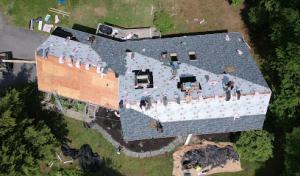

Ultimate Roofing
207 E Campbell Rd, Schenectady, New York
4.9 from 258 reviews
Ultimate Roofing is a professional roofing company serving Albany & Greater Capital Region. We provide residential and commercial roofing services including roof repairs, full replacements and new construction. If you have a concern about your roof leaking or are considering a full roof replacement, reach out to us to schedule a FREE estimate. We employ a high quality team of seasoned roofing experts and are committed to using high quality roofing products from Owens Corning. We offer affordable roofing services and do provide financing options if you need a full roof replacement. Give us a call today to schedule your FREE estimate. Our commitment is to provide high quality roofing services to the entire Capital Region.
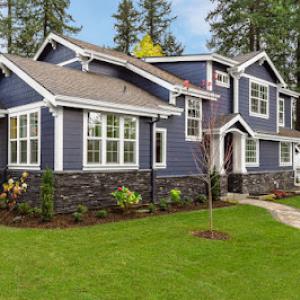
S&G Roofing
3800 State St, Schenectady, New York
4.8 from 558 reviews
Since 2011, S&G Roofing has been a trusted presence in New York's Capital Region, offering professional roofing and siding services. Specializing in everything from new installations to storm damage repair, their expert team provides durable solutions for both homeowners and businesses. As a leading roofing contractor and supply store, they are equipped to handle a wide range of needs, ensuring quality craftsmanship and lasting results. Serving communities across the Capital District, S&G Roofing is your premier partner for all things roofing.
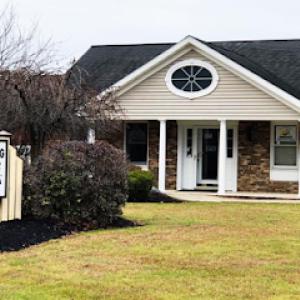
Ally Roofing
26 Broadway, Schenectady, New York
4.4 from 103 reviews
We are a family operated company with years of hands on experience in the roofing industry. We care for our customers and their homes like we care for our own. That is why if you need An Ally we are here for you.
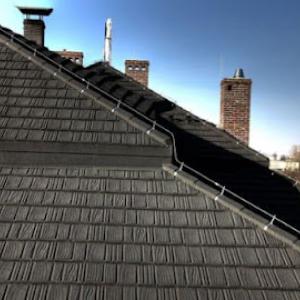
All Seasons Roofing
(518) 763-6718 allseasonsroofingny.com
2896 Curry Rd, Schenectady, New York
4.6 from 19 reviews
At All seasons Roofing We thrive on customer satisfaction . We are a family owned and operated local business with 20 years experience. we are your number one exterior restoration company in the area. We specialize in all your roofing needs.
Tri-City Roofing & Siding
(518) 388-0058 tricityroof.com
2511 Albany St #3579, Schenectady, New York
3.7 from 3 reviews
Roofing and Siding Contractor
Advanced Roofing
(518) 384-0204 www.roofadvanced.com
Serving
5.0 from 12 reviews
We offer comprehensive roofing services, including preventative maintenance and repairs for roofs of all shapes and sizes. Proudly serving Albany, Schenectady, Troy, Rensselaer, Clifton Park, and Saratoga, NY, for over 30 years. Roof Repair | Roof replacement | Gutter Cleaning | Roof Maintenance. Specializing in metal, asphalt, shingle, flat, tile residential and commercial roofing. Call today or visit our website for a free quote.
Jbhi
(518) 857-0680 roofwithmetals.com
Serving
5.0 from 6 reviews
Metal and Slate Roofing Company Sheetmetal work, snow plowing, metal roofing contractor, standing seam metal roofing
Elite Contracting
(518) 817-7253 elitecontractingny.com
Serving
4.9 from 132 reviews
Elite Contracting is a family owned business serving the capital region. We offer high quality roofing services at a great value. Get in touch with us to get a free estimate!
Tecta America WeatherGuard
(518) 356-5000 www.tectaamerica.com
2003 Chrisler Ave, Schenectady, New York
2.6 from 5 reviews
Award-winning contractor Tecta America WeatherGuard provides businesses in eastern NY and western New England with commercial and industrial roofing services: New construction, reroofs, emergency roof repair and preventive maintenance.

Graves Brothers Home Improvement
Serving
4.7 from 203 reviews
Graves Brothers Home Improvement has been locally-owned and operated in Upstate N.Y. since 1977. As one of the fastest growing businesses in the region, they offer their residential and commercial clients Roofing, Siding, Windows, and other Home Improvement services. Graves is a nationally-recognized contractor that has been repeatedly named a Top 100 company in the region as well as one of the top 500 home improvement companies in the United States, annual Angie’s List certification holder, countless product certifications, and more. Graves Brothers services Upstate and Western New York, the Finger Lakes Region and the Capital District from their facilities in Rochester, Buffalo, Albany and Syracuse.
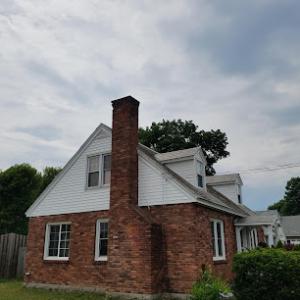
Leak Proof Roofing & Construction
(518) 612-7369 www.leakproofroofingandconstruction.com
Serving
4.6 from 14 reviews
Serving the Duanesburg and Schenectady areas, Leak Proof Roofing & Construction has built a reputation for excellence since 2019. This trusted contractor specializes in comprehensive roofing services, from minor repairs to complete replacements, ensuring every project is handled with precision and care. Beyond roofing, their expertise extends to professional deck building, siding installation, and general contracting. They are dedicated to delivering superior craftsmanship and a wide selection of materials, transforming and protecting your home with quality that stands the test of time.
Build Pros Roofing & Siding in Albany
(518) 444-3776 albanybuildpros.com
Serving
5.0 from 108 reviews
Zero Down E-Z Financing available for all home projects, commercial or residential. With the right materials, your roof will last for decades-but only if it's installed correctly. Instead of contacting roofing contractors with limited experience and poor customer service, turn to Build Pros. We can build, install, and repair all kinds of roofs, including flat roofs, with ease. Repairs To end your search for residential and commercial roofing contractors in Colonie, NY, call 518-444-3776 today. Build Pros of America will get started on your new roof right away. Ask about our low payment, easy financing options. Locally owned. Certified insured installers. Serving Latham Colonie Clifton Park Lake George Saratoga Springs Catskill more.
Asphalt shingles dominate the local market, and that means a lot of replacements come in at the most common price point. However, older homes often hide surprises once contractors pull off the first layer. If tear-offs uncover two or more existing layers, deteriorated decking, or complex flashing around chimneys and dormers, the job steps up quickly from the basic materials-and-labor figure. In this neighborhood, a straightforward re-roof can become a multi-day project when the roof has to be carefully lifted, dried out, and re-secured to handle freeze-thaw cycles. The result is a concrete reason to expect additional charges for decking repairs, venting adjustments, or upgrading flashing details.
Metal and slate are less common on the average city home, but when they appear they pull in more specialized labor. Metal roofing requires precise installation and seam work, which in this market translates to higher labor rates and scheduling sensitivity during busy seasons. Slate is even more labor-intensive, with hand-cut pieces and careful slope management to avoid future cracking from freeze-thaw cycles. In practice, even though asphalt remains the backbone, the presence of metal or slate can push a project beyond the base material range. Expect crews to account for careful handling, safety rigging, and longer timelines-all of which lift total cost.
Winter damage surges and storm-driven demand tighten scheduling and labor availability, sometimes pushing prices beyond the base material range. Unplanned ice-dam repairs or emergency leaks can compress bidding windows and create rush charges. If a storm hits during the typical peak season, you may see longer waits for available crews or expedited service fees. Budget planning should include a cushion for weather-induced variability, especially when a roof must be replaced before the next freeze.
Start with asphalt shingles as a baseline, using the typical per-square ranges for a straightforward install. If the inspection reveals multiple roof layers, damaged decking, or elaborate flashing, add contingency for decking and flashing work. When slate or metal is chosen, anticipate higher labor costs and longer timelines, with a clearer emphasis on precision and ventilation. Finally, plan for possible winter-related scheduling shifts by building in a flexible timeline and a modest contingency to absorb any price bumps from storm activity.
A full roof replacement in Schenectady typically requires a building permit issued by the City's Building Department. The permit process is not merely a checkbox; it governs the temporary staging, material choices, and structural work that must meet local code provisions, especially given the area's freeze-thaw cycles, heavy snow loads, and mixed housing stock. When planning a steep-pitched asphalt, slate, metal, or low-slope roof, expect the need for plan review or at least scheduled check-ins so the project aligns with requirements for wind resistance, ice-dam safeguards, and proper drainage. The local climate amplifies the importance of following these steps carefully, since improper work can heighten the risk of ice dams and winter-related roof failure.
The city requires inspections during and after the roofing project to verify installation, making permit closeout part of the job rather than a formality. Inspections typically cover deck integrity, underlayment installation, flashings around chimneys and vents, attic ventilation, and the correct fastening patterns for the chosen material. In neighborhoods with slate, metal, and clay or concrete tiles, inspectors pay close attention to how roof penetrations are sealed and how snow guards or drip edge details are integrated. Scheduling the inspections ahead of time helps avoid delays when cold snaps arrive or when snow accumulates on high-pitch sections.
Homeowners should expect standard application paperwork, permit fees, and scheduling coordination with the local inspection process before the project is considered complete. The Building Department often requires contractor licenses, proof of insurance, and project timelines aligned to the borough's calendar. It is helpful to coordinate with a contractor who understands Schenectady's utilities, drainage patterns, and the way snow loads interact with roof geometry. Early communication about weather windows and anticipated inspection dates can prevent rushed work that compromises ice-dam prevention measures or proper attic ventilation during winter months.
Once the work is finished and all inspections pass, permit closeout is issued, marking formal completion. Because winters here bring pronounced freeze-thaw cycles, it is prudent to verify that every detail-drip edge, ice-and-water shield placement, and membrane transitions between different roof sections-has been reviewed as part of closeout. If the project includes retrofitting for better insulation or upgrading ventilation to address winter condensation, ensure those elements are documented in the final inspection packet. Keeping organized records of the permit and inspector notes helps future maintenance, especially on older homes where roof assemblies vary across steep-pitch, slate, and low-slope sections.
Storm- and hail-related claims are common enough in this region that carriers want thorough pre-work photos and damage documentation. In older Schenectady homes with mixed roof types-steep-pitch asphalt, slate, metal, and occasional low-slope sections-photos taken before any work can prevent later disputes about what existed prior to the event. Insurance adjusters may also schedule in-person inspections before approving a replacement scope, which can slow the timeline when many homes are filing after the same weather event. Understanding this dynamic helps you plan for potential delays and keeps expectations focused on accuracy rather than speed.
Winter weather in Schenectady often hides the true extent of damage behind ice, snow, and freeze-thaw cycles. Damage from leaks or ice damming can resemble or compound issues from wind loss, yet it may show up differently on interior ceilings or attic spaces. Leaks might not be immediately obvious on a windy afternoon, but staining, damp insulation, or mold growth can emerge after several thaw cycles. Exterior clues-missing shingles, lifted edge tabs on asphalt, or cracked flashing in corners-are more pronounced after a storm, but ice dams can mask interior moisture until you inspect the attic and ceiling planes.
Take clear, dated photos from multiple angles of every affected area-roof surfaces, gutters, downspouts, flashing, and interior leaks near ceilings or walls. For interior signs, photograph stained ceilings, warped or delaminated attic plywood, and any mold or mildew growth. Include close-ups of any ice dam remnants, gutter ice, and areas where snow has managed to back up. If you suspect winter damage that isn't obvious from above, document attic insulation conditions and venting, as these factors influence how damage progresses through freeze-thaw cycles. This documentation supports a focused conversation with the adjuster and helps distinguish winter-specific damage from prior wear.
Connect with contractors who help homeowners navigate the claims process from damage assessment to final approval.
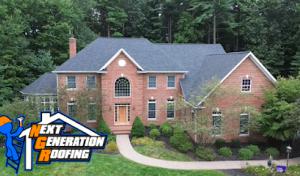
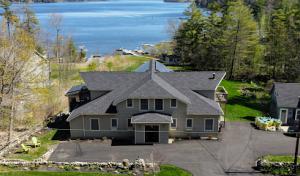
Asphalt shingles remain the default choice locally because they fit the city's steep residential roof stock and the market has many contractors set up for re-roofing them. In Schenectady's climate, common asphalt blends are selected for their balance of wind resistance, ease of installation, and repairability after heavy snows. When choosing asphalt, prioritize a product with a good notch in ultraviolet and temperature cycling resistance, since freeze-thaw cycles can push shingle edges upward and create vulnerable joints. A solid underlayment and proper attic ventilation help prevent capillary damming at the eave and in valleys, which is crucial during snow loads.
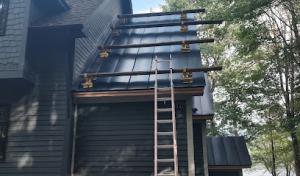
Metal roofing is a meaningful local specialty and is often considered for snow shedding, longevity, and replacement on homes where repeated winter issues make homeowners rethink shingles. In this market, metal panels or standing-seam options shed snow more predictably and reduce ice dam risk when installed with correct flashing and eave overhangs. Metal's durability can pay off in a climate with heavy snowfall, but installation quality matters: ensure fasteners are appropriate for the chosen substrate and that the roof has adequate slope transitions to avoid moisture pooling. Note that metal roofs can require a tailored ventilation strategy to manage attic temperatures during thaw cycles.
Slate remains relevant in Schenectady because of the area's older architecture, while clay and concrete tile are available but are less central to the local contractor mix. Slate offers excellent longevity and a classic aesthetic that suits many historic homes. Tile provides long life as well, but weight, roof structure, and local snowfall patterns demand careful assessment of structural support and attachment methods. If considering slate or tile, confirm the home's roof framing and valley design can accommodate the load and that fasteners and flashing are specified for freeze-thaw resilience.
Explore specialists in steel, aluminum, and standing seam metal roofs built to last 50 years or more.
In a city where re-roofing and repair work dominate the scene, you'll want a contractor who can respond quickly and clean up thoroughly after each visit. Fast response isn't a luxury here; it translates to quicker leak control during freeze-thaw cycles and less time with exposed sheathing. Look for a crew that arrives with a plan for addressing ice dam risk, plus a clear method for protecting your landscaping and driveway from snow, shingle, and debris during storms. Because many homes are older, prioritize crews with experience handling sustained leak points and caked snow buildup on steep pitches and low-slope areas alike.
Schenectady's market features several long-established, family-run firms that have earned repeat business by sticking with homeowners through recurring winter issues. These firms often bring a hands-on approach, a willingness to walk you through the job, and a track record of handling chimney flashing, valley intersections, and mismatched materials on aging roofs. When you call, note whether the crew assigns a single supervisor for the project who can coordinate all moving parts-from shingle choices to blinking and counterflashing around chimneys. Ask for recent local projects that involved similar roof types, so you can see how their work stood up to our snow load and freeze-thaw cycles.
With the city's permit and inspection cadence in mind, know who is handling paperwork, who coordinates the inspection calendar, and who is responsible for debris removal and site safety. Confirm a point person who can communicate schedule changes, access needs, and any special considerations for chimneys or attic ventilation. For older homes with multiple roof planes, ensure the team plans the sequence of work to minimize exposure and maintain weather-tightness throughout the project. A clear, written plan that covers both critical weatherproofing steps and post-project cleanup helps prevent lingering leaks and keeps your yard and driveway clear after each storm.
Get a clear picture of your project costs upfront - no commitment required.
Ultimate Roofing
207 E Campbell Rd, Schenectady, New York
4.9 from 258 reviews