
Last updated: Apr 19, 2026
Cold winters and repeated freeze-thaw cycles make ice backup at eaves a primary leak trigger, especially on older homes with uneven insulation and ventilation. When heat from the attic escapes upward, a melt runs down the roof toward the cold eaves and refreezes, forming an ice dam that pushes water under shingles. On steep roofs that characterize the historic hillside streets, that dam can grow quickly and drive water into soffits, fascia, and eventually into interior ceilings. The risk isn't just a single storm moment-it compounds with every thaw, freeze, and fresh snow, turning minor gaps into serious leaks before you even notice wear on the shingles.
Many houses in this area have steep rooflines, dormers, chimneys, and gutter lines that create snow-holding transitions where meltwater can refreeze. The slope and angles slow drainage, so ice builds up where those features interrupt the plane of the roof. The city's older housing stock often combines roofing with masonry parapets or chimneys, so flashing failures can show up during winter before shingles themselves appear worn. In short, you're dealing with a system that's working against you every cold snap: heat escaping to the attic, water trying to move off the roof, and solid architectural details that create cold traps.
Start by inspecting attic insulation and ventilation. If the attic is cold but the living space above it feels warm, heat is escaping and feeding those ice dams. Look for insulation gaps around soffits and around chimneys or plumbing penetrations. Ventilation should be continuous along the eaves and ridge; soffit vents should feed a clear path to ridge vents or dedicated exhaust vents without being blocked by insulation. In the eaves themselves, check for ice buildup near gutter lines, where meltwater sits and refreezes. Examine flashing where the roof meets a masonry parapet or around chimneys; any looseness or gaps in flashing is a red flag for winter leaks that can show up before shingles wear out.
First, remove the snow from the roof as safely as possible to reduce the immediate dam-building fuel. Use a roof rake from the ground to minimize risk of injury or damage. Clear gutters and downspouts so meltwater can move away from the fascia; clogged lines force water to seek alternate paths into the attic space. Inspect and seal penetrations where the roof meets masonry parapets or chimneys; securing flashing and sealing gaps prevents warm air from sneaking into the cold roof plane. If you have visible ice along the eaves, carefully address it from above only if trained; otherwise, focus on reducing heat loss in the attic to prevent it from forming in the first place.
Upgrade or optimize attic insulation and ventilation in the near term. Consider adding insulation in the attic floor to reduce heat escape into the roof cavity. If airflow is blocked, install or reposition soffit baffles to ensure fresh air can reach the ridge vent. Where dormers or chimneys interrupt the roof, examine the flashing around those features; poor flashing here is a common winter leak source, even when the shingles look okay. If the home still leaks after these steps, you may need a temporary ice dam mitigation strategy, such as heated cables, but these should be implemented with professional guidance to avoid damage to slate or historic materials.
A roofing professional with Troy-area experience will prioritize the flashing around masonry parapets and chimneys, the integrity of dormer transitions, and the alignment of gutters with the roof edge. They'll assess attic insulation and ventilation as a system, verify baffle placement, and check for any signs that heat is escaping into the roof plane. They'll inspect for ice dam dams at the eaves and test for potential water intrusion behind worn shingles or near flashing, recognizing that valley and transition areas can fail long before the main roof shows wear. Expect a focused plan to restore proper ventilation, seal flashing, and reduce heat loss so the next winter cycle doesn't turn minor issues into costly leaks.
Slate remains a relevant roofing material in this area in a way it is not in many cities, reflecting the Capital Region's older architecture and long-lived roof assemblies. If a historic home still carries its original slate or you're evaluating a slate retrofit, you're dealing with a roof that can outlast asphalt by decades, but only when installed with attention to the details that heat and weather demand here. In Troy, slate needs precise flashings at hips, valleys, and vent penetrations, plus solid integration with masonry parapets and chimney details common on hillside properties. When assessing a slate roof, look for uniform split shingles, clean nail lines, and absence of lifted edges or loose slates after freeze-thaw cycles. Repairs should match the original panel layout and cut to maintain the slate's water-shedding wedge. In winter, ensure the roof line has proper eave protection and that snow blocks aren't perched near vulnerable flashings; a well-coordinated edge detail matters as much as the slate itself.
Asphalt shingles are the most budget-flexible replacement path, but material choice in Troy is often constrained by older framing, steep pitches, and the need to tie into existing masonry details. On steep roofs, consider a shingle profile that favors durability under freeze-thaw stress and complements masonry trim or cornice work. For steep pitches, ensure the roof deck is solid and the underlayment is rated for cold temperatures and ice dam potential. Use a starter course that follows the original roof line to minimize edge lift, and choose shingles with good low-temperature performance to resist cracking in cold snaps. Pay attention to the alignment of new shingles with surrounding masonry features to preserve the historic aesthetic. When replacing beyond a single section, stagger rows to preserve water shed and maintain the visual rhythm of the roof. If original detailing includes decorative cornices or dormers, ensure flashing transitions are seamless where they meet these features.
Metal roofing is attractive locally for snow shedding and durability, but snow movement and edge detailing matter on sloped sites and entry-facing roof planes. Steel or aluminum metals with a standing-seam profile can shed heavy snow more reliably than some other materials, reducing ice dam risk along eaves. However, on Troy's steep sections, snow can gather at hips, valleys, and along edge lines where metal panels meet masonry or wood trim. Pay particular attention to edge detailing at eaves and rake edges, and ensure there is an appropriate drip edge and snow guard placement that accommodates frequent freeze-thaw cycles. For entry-facing planes, the look of the metal edge and any visible fasteners should harmonize with the house's historic character. Consider a finish that resists staining from winter condensation and salt exposure if your property sits near common travel routes or driveways where salt can reach the roof path. When integrating metal with existing slate or shingle sections, use compatible flashing transitions to prevent leaks at the junction points.
Regardless of material, the key in this climate is detailing that anticipates freeze-thaw pressure, icicles, and ice dam buildup. Start with sound attic ventilation to keep roof assemblies dry from within, and ensure insulation minimizes cold roof spots that encourage condensation. Flashings should be continuous and well-sealed at corners, chimneys, and masonry joints, particularly where old masonry needs tying in with new roof planes. Regular inspections after severe freezes help catch hairline problems before they become leaks, especially on steeper roofs where small issues magnify quickly. For slate and masonry-rich homes, matching fasteners and sealants to the historic character while maintaining performance in winter weather is essential to longevity.
Troy's warm-season thunderstorms can produce localized wind and hail damage that is easy to miss on steep roofs until water reaches interior plaster or attic spaces. If you notice shingles curling, granule loss, or edges lifting after a storm, don't wait for a drip to appear. On steep roofs, wind-driven hail can create micro-dents and edge damage that undermines waterproofing over time. Inspect access points such as chimney caps, vent flashings, and valley intersections for shifting or gaps in the seal, especially after a nearby strong gust event.
Water intrusion often travels along roof transitions before it shows up inside, so pay close attention to valleys, ridges, and step flashing. If you spot telltale dark staining on interior ceilings, or musty smells in the attic after a storm, treat it as a sign that wind or hail compromised the roof deck or underlayment. In Troy, the risk is amplified on older steep homes with slate, clay or concrete tile where nailed heads can fail under gusty shifts. An immediate exterior check from ground level and a cautious roof walk (seasoned, with safety in mind) can catch small issues before they become big leaks.
Spring rain events can compress scheduling because tear-off and dry-in windows are narrower when repeated wet days move through the Hudson Valley. Plan for back-to-back weather days by coordinating with a contractor who can secure a dry-in during brief dry spells and has contingency plans for delayed work along sloped rooflines. If a wind event follows a wet spell, re-seal critical joints promptly to prevent wind-driven water from sneaking under edge flashing or underlayment.
Leaf debris in fall is a practical issue in Troy's established neighborhoods because clogged valleys and gutters can push water back under roofing at transitions. After leaf fall, inspect valley gutters and downspouts for obstructions, and clear any debris that blocks water flow. A clean, functional drainage path reduces the chance of water backing up under edge details during a windy, rainy day. In tight, uphill neighborhoods, this simple step can mean the difference between a dry attic and a costly repair.
Find local contractors experienced in assessing and restoring roofs after hail, wind, and severe weather events.


Inspired Visions Home Improvement
(518) 213-3958 www.isvhomeimprovement.com
468 7th Ave, Troy, New York
5.0 from 2 reviews
Full roof, siding, and windows installation and repairs.
WB Roofing & Siding
(518) 833-4473 www.wbroofingsidingllc.com
Serving
5.0 from 22 reviews
Roofing specialist offering services with shingles, epdm, tpo, metal, synthetic slate and more other services include trim & siding, vinyl, haride, and more free estimates fully insured If you want to be leak free, CALL WB!
Apex Pro Siding & Repair
(518) 912-7374 apexproroofers.com
Serving
4.9 from 49 reviews
Apex Pro Siding and Repair is a locally owned and operated business specializing in siding and chimney repair. We believe our success relies entirely on your satisfaction. Our highly skilled and experienced professionals are dedicated to getting the job done right at a fair price. Whether you need siding installation, replacement, or chimney repair, we use the best resources and materials available while applying years of hands-on experience to every residential or commercial project. Trust Apex Pro Siding and Repair for quality service in the Capital Region of New York. Your satisfaction is our priority, ensuring your home or business is protected and looking its best.
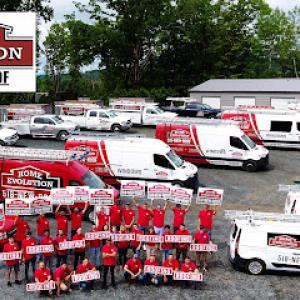
Home Evolution Roofing
(518) 639-7663 www.homeevolution.net
Serving
4.8 from 800 reviews
Why would you choose anyone other than the #RoofExperts for your Roofing needs? As the #1 preferred roofing contractor in the Capital District, you can expect Home Evolution to offer home owners with the highest quality Roofing services at an affordable cost. Home Evolution offers a workmanship warranty with every Roof replacement and also multiple financing options. Home Evolution has a "one project per day" rule, meaning your Roofing project will be our main focus until we are finished. We are known for completing our Roofing projects in one day, leaving your home like we were never there. Don't hesitate, Get your Free Roof Inspection today. 518-NEW-ROOF
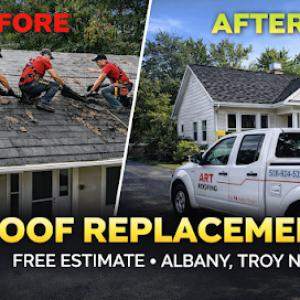
Art Roofing
(518) 424-5329 www.artroofingny.com
Serving
4.8 from 34 reviews
Art Roofing is a trusted roofing contractor serving Troy, Albany, Wynantskill and surrounding areas in New York. We specialize in: ✔ Roof replacement ✔ Roof repair ✔ Storm damage roofing ✔ Insurance claim roofing assistance ✔ Shingle roofing ✔ Flat roof installation (EPDM) ✔ Leak repairs and emergency roofing From small roof repairs to full roof replacements, we deliver fast, clean, professional work. Free roof inspections and estimates available.

Latham Roofing & Siding
(518) 250-4057 www.518lathamroofing.com
Serving
4.6 from 130 reviews
Latham Roofing & Siding is your local roofing and siding expert, serving Albany, NY, and surrounding areas. With over 20 years of experience, we specialize in top-quality roof replacement, roof installation, and vinyl siding services. We are committed to delivering exceptional craftsmanship and customer service, ensuring every project is completed with care and attention to detail. Our goal is to provide homes and businesses with long-lasting protection and enhanced curb appeal. From minor repairs to complete overhauls, Latham Roofing & Siding is your trusted partner for roofing and siding needs.

Star Roofing & Restoration
(518) 243-8919 starroofing.net
Serving
4.8 from 331 reviews
Founded in 1997, Star Roofing & Restoration has been the Capital District's trusted provider of comprehensive roofing services for over 25 years. Serving Albany, NY, and surrounding areas, including Clifton Park, Troy, Saratoga Springs, and Schenectady, we specialize in residential and commercial roofing solutions. Our offerings include new roof installations, roof repairs, shingle roofing, flat and rubber roofing, skylight installations, and more. We pride ourselves on delivering quality craftsmanship at competitive prices, backed by manufacturer warranties. Our experienced team is dedicated to ensuring your property's safety and aesthetic appeal. Request a free estimate today and let our team protect your home or business.
United Roofing & Siding
(518) 861-4979 unitedroofingservicellc.com
Serving
5.0 from 60 reviews
Welcome to United Roofing & Siding, your expert roofers in Albany, NY. With decades of experience, we are the trusted choice for top-notch roofing and siding services in the capital region. Fully insured and committed to excellence, our team of professional roofing contractors delivers exceptional workmanship and customer satisfaction. We offer comprehensive solutions as a leading roofing company, from residential roofing installations and roof replacement to commercial roofing and maintenance. As local roofing contractors, we understand the demands of New York’s climate. In addition to roofing, we specialize in siding and gutter installation to protect your property. Choose United Roofing & Siding for reliable, high-quality roofing servi
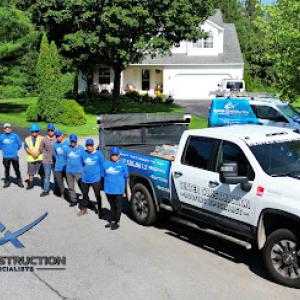
Center Construction Roofing
(518) 520-4511 centerconstructionus.com
Serving
4.9 from 174 reviews
THE ROOFING SPECIALISTS 10 Year Leak Free Warranty We're a locally owned and operated company that values honesty and integrity and treats your home or business as if it were our own. We are experts in all aspects of roofing projects, and our services are customizable to each individual project. We specialize in both installations and replacements. We pride ourselves on the quality of our work as well as our commitment to outstanding results. We look forward to building lasting relationships and guarantee your satisfaction!
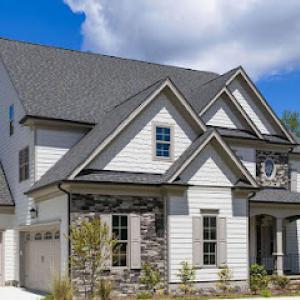
GMC Construction
(518) 805-9441 www.gmcconstructionny.com
Serving
5.0 from 30 reviews
At GMC Construction, we provide expert residential and commercial roofing and siding services throughout Albany, NY and the Capital District. Whether we’re installing a new roof, making repairs, or replacing siding, we bring reliable craftsmanship and high-quality materials to every project. Our focus is on protecting and improving homes and businesses with exterior services that last.
Graves Brothers Home Improvement
Serving
4.7 from 203 reviews
Graves Brothers Home Improvement has been locally-owned and operated in Upstate N.Y. since 1977. As one of the fastest growing businesses in the region, they offer their residential and commercial clients Roofing, Siding, Windows, and other Home Improvement services. Graves is a nationally-recognized contractor that has been repeatedly named a Top 100 company in the region as well as one of the top 500 home improvement companies in the United States, annual Angie’s List certification holder, countless product certifications, and more. Graves Brothers services Upstate and Western New York, the Finger Lakes Region and the Capital District from their facilities in Rochester, Buffalo, Albany and Syracuse.
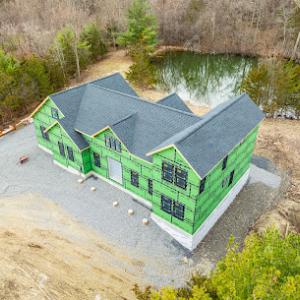
Lambert Contracting, Inc. - Roofing
(518) 898-0962 www.lambertcontracting.com
Serving
5.0 from 18 reviews
Lambert Contracting is a family-owned roofing contractor providing shingle, membrane, and metal roof installations out of Albany, NY. We also do roof coatings, maintenance, and repairs. We serve residential and commercial customers within 90 miles of Albany, NY. Call or message today for a free quote!
In this hillside city with steep, historic stock and frequent freeze-thaw cycles, the price tag on a roof is driven as much by access and detail work as by the material itself. Asphalt shingles sit at the low end of the scale, but on multi-story homes with complex geometry or tight shaft-like access, labor adds up quickly. Metal roofs, clay and concrete tile, wood shingles, and especially slate carry higher square-foot costs that reflect the extra labor to navigate chimneys, dormers, and long runs on a steep slope. The steep access and older masonry details in Troy push a project toward higher end numbers when compared to flat or easier-to-reach roofs in more modern neighborhoods.
Troy's slate, historic metal, and other heavy or specialty materials can raise project complexity significantly. Tear-off stays more complicated, disposal logistics are heavier, and structural considerations may come into play when the roof is part of an aging, multi-story home. If a roof is over an intricate footprint-think multiple dormers, chimney stacks, or wraparound flashing-the crew must carefully match the existing geometry, which translates to more labor hours and a tighter schedule. In practice, this means the premium for slate or concrete tile isn't just the material itself; it's the extra steps to protect delicate masonry, preserve timber detail, and ensure long-term waterproofing on a steep slope.
Freeze-thaw cycles in Troy turn small flashing repairs into bigger leaks if not coordinated with weather windows. A full replacement often requires staged work to weather the structure and avoid interior water intrusion during thaw cycles. This staging adds scheduling friction and can push a project timeline longer than a simple roof swap on a gentler roofline. When you're evaluating bids, expect some kick-out detail and flashing work to be priced separately within the overall scope, especially if the roof has historic metal valleys, slate eaves, or masonry chimneys.
Plan for a longer bid window and staggered work phases if the home has multiple levels or a steep approach. Ask contractors to itemize labor for chimney, dormer, and valley work, and request a documented sequence that protects the masonry and historic details. Given the climate realities, a conservative contingency helps smooth out weather-driven delays.
Get a clear picture of your project costs upfront - no commitment required.
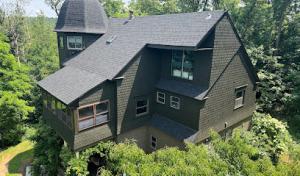

A full roof replacement in this city typically requires a building permit, and the City of Troy Building Department is the office that issues permits and coordinates inspections. The process is not just a box to check; it governs how the work is reviewed for compatibility with steep historic roofs, slate details, and masonry details common on the hillside. Expect the permit application to involve plan submission and a standard review that looks for flashing, drainage, and proper temporary protection during winter conditions. If the project involves specialty materials or historic preservation considerations, additional notes may appear on the permit or in the accompanying plan set.
Homeowners should anticipate possible plan-check lead times before any shingle tear-off or slate replacement begins. Spring and fall windows can be short in this climate, where freeze-thaw cycles and variable daily temperatures challenge timely scheduling. Factor in potential hold times for engineering or code clarifications, and coordinate with the contractor to build in a buffer for weather delays. The timing matters because an extended project can expose the interior to attic condensation and ice-dam risks if inspections lag or work stalls during peak melt periods.
The permit stays active until final inspection clears, so it is essential to confirm that the inspection has actually occurred and passed before assuming the job is complete. It is not unusual for a contractor to place a temporary certificate or a mid-project hold, but the final inspection must be completed and logged with the Building Department. Before signing off, verify the inspector's checklist-especially flashing, proper ice-dam barriers, attic ventilation if applicable, and cleanliness of roof lines around skylights or vent pipes. If any item shows as failed or pending, request a written plan for a timely re-inspection and a concrete date to wrap up the permit.
Keep a copy of the permit on site and display the project address clearly on the job trailer or equipment. Request a copy of the plan set that reflects the actual roof geometry, including hip and valley details, to cross-check material selections against the existing roof's complexity. When scheduling final inspections, have your contractor coordinate directly with the Building Department to minimize miscommunications and ensure the inspector signs off only after the handoff of all required documentation, including any special materials or historical restoration notes. This diligence helps prevent the shame of a reopened permit or a rework in a Rochester-style freeze-thaw cycle.
New York carriers generally cover weather-related roof losses in this market, but Troy homeowners should expect closer documentation after hail or wind events that affect the Capital Region. When the severity of a storm hits, insurers look for measurable damage and a clear link between the event and the leak or failure. This means keeping a precise timeline of what happened and when water first entered the interior, especially after a big storm that rattled steep, historic lines of roofing.
Because Troy roofs are often steep and architecturally complex, photo documentation should include chimneys, valleys, flashing lines, and any interior leak staining tied to storm timing. Take wide angle shots of the entire roof, then zoom in on problem areas where flashing has separated, ridge caps are loose, or slate and masonry details show movement. If possible, photograph interior evidence such as stained ceilings or warped boards that align with storm dates. A simple labeled notebook or photo log helps agents connect the dots between a specific event and observed damage.
There is no uniform statewide insurer pullback defining Troy, but local carrier appetite and pricing can shift after active storm seasons, making claim records and maintenance documentation more important. Start the claim promptly after a storm, but avoid filing on a hunch alone; pair the claim with a professional inspection from a roofer who understands freeze-thaw stress and how it manifests in steep, historic roofs. Request a written roof assessment that notes vulnerable flashing, ice dam risk, and any interior staining. When possible, obtain a second opinion to corroborate the timing of damage and the expected remediation steps. Keep all receipts for temporary tarping or detangling interior leaks, as these documents can reinforce the claim and support necessary repairs.
Connect with contractors who help homeowners navigate the claims process from damage assessment to final approval.
Flat and low-slope sections in Troy are most often found on porches, rear additions, and mixed residential-commercial buildings rather than as the dominant whole-house roof type. These smaller areas face unique challenges that don't always show up on steeper main roofs. When planning maintenance or a retrofit, focus on how these patches drain, how they hold up to snow, and how aging membranes respond to repeated freeze-thaw cycles.
In Troy, snow buildup can linger and melt, turning a once-flat surface into a shallow pond. After freeze-thaw cycles, standing water can worsen leaks at seams and around penetrations. Start with a careful inspection after each major snowfall: look for areas where water pools longer than a day, and note any sagging or oil-canning in the membrane. Ensure every scupper, drainage outlet, or internal low point is clear and capable of moving water away promptly. If ponding is persistent, plan a targeted improvement rather than a full roof replacement.
Low-slope sections tolerate coatings or restoration more readily when the underlying substrate is sound but aging. Check for blistering, cracking, or delamination of the old membrane, and verify the substrate is dry and stable. If the decking shows rot or exposed fasteners, address those issues before any coating or overlay. In Troy, a conservative approach is to restore or seal with a compatible coating that adds a fresh waterproof layer while preserving the existing assembly, especially on smaller sections where a full rebuild is not yet warranted.
Coating or restoration options are most relevant for aging low-slope sections and can extend service life when drainage paths remain functional. Ensure the product chosen is compatible with the existing membrane and designed for low-slope performance. Plan for a targeted maintenance cycle that includes reapplication timing, UV exposure considerations, and continued monitoring of scuppers and edge details. In tight or historical lots, opt for solutions that minimize weight and preserve the character of nearby structures while improving drainage performance.
Find specialists in TPO, EPDM, and built-up flat roofing systems for residential and commercial properties.
In Troy, the re-roofing market moves quickly, and a contractor's ability to respond after a heavy storm or a freeze-thaw cycle can save you from extended leaks. You should expect crews to protect landscaping and neighboring property, haul away debris promptly, and leave the site broom-clean at day's end. Sloppy cleanup invites ice-dam debris and grit that can nick gutters or slide under existing flashing during thaw periods.
Older homes often feature chimney detailing, slate remnants, and masonry penetrations that demand careful sequencing. Verify that crews are experienced with these specifics, not just with a bare-cap replacement. A firm that rehearses a plan for sequencing around chimneys and close-quarter valleys reduces the chance of unexpected leaks when temperatures swing and ice forms in the eaves.
Long-standing, family-owned firms have a visible presence in this market, which matters when detailed work is needed after the crew leaves. The ability to reach the same crew for touchups or a late-season repair matters on steep, historic roofs where a simple misstep becomes a costly drip. Seek references who can speak to punctual follow-up and workmanship beyond installation day.
Manufacturer certification is not universal in Troy's contractor pool, so warranty terms and who backs them should be clarified before signing. Ask who provides the labor warranty, what it covers, and how service calls are handled if a problem shows up after a thaw or another freeze. Ambiguity here often shows up as delayed fixes on critical flashing or ice-damn trouble spots.
Ask about the crew's access to ladders and scaffolding for steep roofs, since fall risk and winter ice demand solid protection and careful navigation around details. Request a written project plan with staging, material storage, weather contingencies, and the sequence for re-flashing around vents, chimneys, and dormers. A clear schedule helps prevent day-by-day surprises when winter presses on the ridge.