
Last updated: Apr 19, 2026
Apex homeowners face the highest roofing disruption risk from late-summer to early-fall tropical systems, with August through October bringing the strongest wind-and-rain pressure on aging roofs. That means you should treat late July as a warning bell, not just a calendar line. Prioritize a proactive evaluation of your existing roof for loose shingles, micro-cracks, and worn flashing before the tropical season hits. Walk the roof carefully after a sunny day to spot wind-delaminated edges or lifted shingles, and flag flashing around chimneys and vent pipes that might have shifted during past storms. If you've noticed any chattering on the soffits, damp attic alarms, or musty upstairs corners after hot storms, plan a targeted inspection rather than waiting for a full tear-off to become urgent.
Spring and early summer thunderstorms in the Triangle can delay tear-offs and dry-in schedules, which matters in Apex because many neighborhoods are dominated by asphalt-shingle reroofs rather than slower custom roof types. If a storm window pushes work into a crowded calendar, you'll want a contingency plan: secure your materials, protect landscaping, and coordinate with your roofer about temporary coverings and tarps. Talk through crew arrival windows, access points, and weather buffers so a sudden downpour doesn't trap crews or leave exposed sheathing. In practice, you'll reduce the risk of wind-driven leaks by ensuring fasteners and sealants are set with dry conditions in mind, not as an afterthought the moment a storm rolls in.
North Carolina insurers commonly expect detailed storm documentation, so Apex homeowners benefit from pre-storm roof photos and dated records before hurricane season begins. Build a simple photo library: wide-angle shots of all elevations, close-ups of shingles, flashing, and vent boots, and a dated video walk-through that notes any pre-existing damage. If a storm does hit, you'll have ready evidence of what existed before and what the storm may have worsened. Keep these records organized by date and location, and store copies in a cloud folder accessible from your phone. This habit can speed claims and support a smoother negotiation with adjusters.
Create a rapid-response kit for the roof: tarps, heavy-duty plastic, sealant tape, a utility knife, and a basic ladder safety plan. Check gutters and downspouts; clogged drainage magnifies wind and water intrusion risk, especially on aging roofs. Prepare your yard for debris by trimming back trees with branches that overhang the house and securing lightweight outdoor items. If you can, schedule a proactive inspection before peak hurricane season, focusing on those aging shingles, worn sealants, and compromised flashing, so you aren't scrambling when the weather turns.
When planning a reroof around this storm window, choose materials that align with Apex's wind-prone climate and the dominant asphalt-shingle stock in many neighborhoods. While asphalt shingles are common, consider improvements in underlayment, ice and water shield at eaves and valleys, and properly sealed flashing joints to maximize wind resistance. For families facing repeat storm cycles, discuss temporary reinforcements and drainage strategies with your contractor so a late-season wind event doesn't compromise the entire roofed envelope.
In Apex, inspectors and contractors repeatedly focus on underlayment, flashing, ventilation, and nailing because wind-driven rain from tropical systems exposes installation weaknesses quickly. The weather pattern-hot, humid summers followed by powerful thunderstorms-puts a premium on a continuous, well-sealed underlayment layer that can handle moisture moving laterally at high speeds. When underlayment laps aren't sealed, or flashing around corners, edges, and transitions isn't integrated with the roof deck, a single storm can infiltrate at the most vulnerable seam. Ensure that the roof is nailed with consistent spacing and that fasteners penetrate into solid decking, not just thin sheathing. If a fastener backs out or a sealant shrinks, rain can follow the path of least resistance straight into the attic.
The local climate's long humid season makes small flashing and ventilation defects more consequential, especially where attic moisture and heat buildup shorten shingle life. In hot, muggy conditions, inadequate soffit or ridge ventilation creates stagnant air, letting moisture condense behind the roof line and bounce into the attic during tropical downpours. This moisture attack weakens the edge seals on shingles and promotes premature aging, curling, or buckling. Your roof should allow a balanced flow of dry air in and moist air out, with properly sealed vents that won't leak when wind is driving rain sideways. Regularly check that soffit vents remain clear of insulation blocking and that ridge and continuous vents are uninterrupted by debris or corrosion.
Skylight and chimney transitions are recurring leak points in this market because many homes combine steep-slope shingle roofs with penetrations that must stay watertight through thunderstorm cycles. Skylights should have integrated flashing that lays flat against the deck and seals cleanly against both glass and curb surfaces. Chimneys require counter-flashing that overlaps step-flashing along the wall, plus a watertight seal around the top to resist wind-driven rain. In storm season, any misalignment or aging seal around these penetrations acts like a dam, pushing moisture into the attic as soon as a gust hits. If you notice staining around a skylight or a damp plaster line near a chimney, treat it as a warning and have it resealed with UV-resistant sealants designed for active weather cycles.
Wind exposure in this county tests the seams and fastener piles every year. A roof installed with insufficient nail length, wrong pattern, or improper sealant can peel back under heavy gusts, allowing rain to follow the wind path into the attic. Re-verify that nail placement aligns with shingle manufacturer guidance and decking profile, especially near hips, ridges, and transitions where wind load concentrates. In late-summer thunderstorm windows, minor gaps become major leaks after each system passes. A thorough inspection after a storm should pay close attention to any lifted shingle edges, fluorescent granule loss, or dark streaks signaling moisture intrusion behind the veneer.
Find contractors experienced in skylight installation, flashing, and leak repairs to bring natural light into your home.
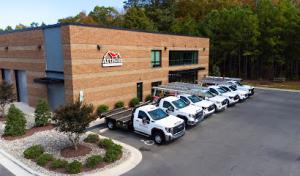
Artisan Quality Roofing
(919) 906-3791 artisanqualityroofing.com
12927 US-64 #100-A, Apex, North Carolina
5.0 from 374 reviews
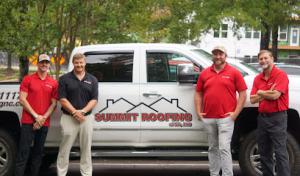
Summit Roofing of NC
(919) 457-1117 summitroofingnc.com
2201 Candun Dr, Apex, North Carolina
5.0 from 99 reviews
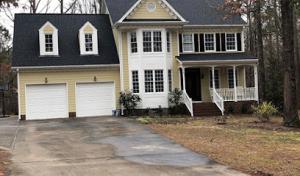
Asphalt shingles dominate the local reroofing scene because they fit the area's large suburban housing stock and broad contractor base. You'll see plenty of shingle crews and quick turnarounds in Apex, which makes scheduling easier after a storm. However, heat, humidity, and repeated thunderstorms stress any shingle system, so installation quality matters more than brochure lifespan. Pay attention to the adjacency between the roof deck, underlayment, and the shingle choice. A proper nailing pattern, adequate attic ventilation, and weather-ready flashing details are not optional extras here; they're essentials for resisting wind-driven leaks during late-summer squalls.
When you lean toward asphalt, choose high-quality shingles with good wind resistance and a solid warranty. In humid climates like this, you want an underlayment that handles moisture and a roofing stack that discourages dew-related edge rot. Look for install crews that emphasize proper ventilation and sealing around penetrations-chimneys, vent pipes, and skylights-because gaps in detailing are where moisture finds daylight in the Southern heat. If your objective is long-term performance in storm exposure, you'll benefit from a well-executed ridge vent strategy and continuous eave protection to keep attic temperatures down and shingles behaving as designed when a storm rolls through.
Metal roofing has a meaningful local niche because it performs well against wind and sheds heavy rain efficiently, though contractor availability is narrower than for shingles. If you're evaluating metal, focus on panel seams, proper edge detailing, and corrosion-resistant finishes suited to humid summers. The smoother surface helps rain sluice off quickly, which reduces water intrusion risk during downpours. Expect longer lead times to schedule specialty crews, and plan for close coordination with fascia, gutters, and roof-to-wall transitions to avoid wind-driven leaks at the edges. A retrofitted metal roof can be a strong option if the structure is sound and the installation is precise, especially in areas that see frequent thunderstorms and fast-moving fronts.
Tile and wood products exist in the market but are far less common in Apex than asphalt, so homeowners considering clay, concrete, or wood should expect a smaller pool of installers and more scrutiny of structural fit and detailing. Clay and concrete tiles demand a stouter roof deck and careful framing to resist wind uplift. Wood, while appealing visually, can suffer from humidity-related swelling and rot unless the substrate is properly air-sealed and vented. If you pursue these materials, insist on a dedicated inspection of deck structure, a conservative fastener schedule, and detailed flashing around transitions to chimneys and dormers. In all cases, verify that the chosen product has a compatible underlayment and is installed with appropriate step flashing and head laps to stand up to Apex's storm-prone, humid climate.
In Apex, reroof pricing moves more on when tropical systems and severe thunderstorms roll through Wake County than on a straight line of material costs. After a big storm, labor availability tightens and crews can be booked out by days or even weeks. That spike doesn't just shift the timeline; it often nudges every line item higher as contractors balance urgent demand with shorter windows to complete work. If you're aiming for a late-summer reroof window, expect pricing to reflect that storm-driven demand, not just the base rate you see in quiet months. The practical effect is that pre-storm scheduling windows tend to shrink, so you'll want to have a realistic plan for timing, subcontractor availability, and emergency contingencies.
The Town of Apex requires a permit-and-inspection process that makes code-correct ventilation, flashing, and fastening details more visible in the final price than homeowners might anticipate. In a typical, storm-ready reroof, the scope grows when the contractor verifies attic ventilation matches the new decking, flashing around chimneys and skylights is integrated, and fasteners meet current wind uplift requirements. These elements aren't cosmetic extras; they're essential to performance in hot, humid summers and frequent thunderstorms. Expect modest price variance if a project shifts from a straight shingle swap to a technically integrated system that reduces wind-driven leaks and heat buildup.
The local market is strongly reroof-focused, so standard asphalt replacement remains widely available and offers predictable scheduling. However, specialty materials such as tile or composite can carry higher labor premiums because a smaller pool of qualified installers is comfortable with those systems in our climate and housing stock. If you're weighing tile or synthetic options, you'll notice not just the higher material cost, but steeper labor charges for proper installation, underlayment compatibility, and wind-rated detailing. In Apex, the practical takeaway is to expect a premium for non-standard materials, driven by both material supply and the specialized labor required.
Given the late-summer window and the storm cycle, a prudent budgeting approach combines a base material price with likely labor flexibility adjustments and the added risk of weather-related delays. Asphalt shingles deliver the most budget-friendliness and fastest turns in this climate, while metal offers stronger durability at a higher price point, and tiles or composites introduce both higher upfront cost and longer lead times. Plan for a contingency that accounts for potential weather-caused rescheduling, and discuss with your contractor how they price for wind-related uplift and temporary protections during heavy rain.
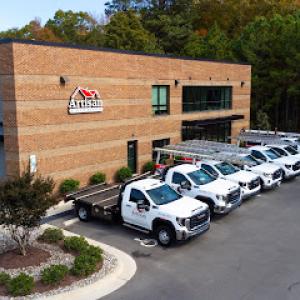
Artisan Quality Roofing
(919) 906-3791 artisanqualityroofing.com
12927 US-64 #100-A, Apex, North Carolina
5.0 from 374 reviews
Since 2011, Artisan Quality Roofing has been the trusted, family-owned choice for homeowners and businesses in Apex, Cary, Raleigh, Durham and surrounding cities. Their in-house team of expert roofers is dedicated to providing superior residential and commercial roofing solutions, from complete roof replacements to meticulous roof repairs. With a commitment to quality craftsmanship, they also specialize in installing new windows, doors, skylights, and sun tunnels to enhance and protect your property. Artisan Quality Roofing offers comprehensive services to keep your property in peak condition for years to come.
Summit Roofing of NC
(919) 457-1117 summitroofingnc.com
2201 Candun Dr, Apex, North Carolina
5.0 from 99 reviews
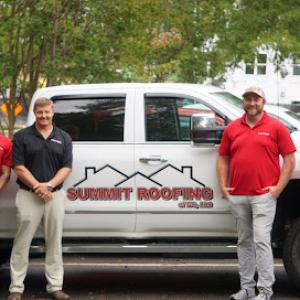
Summit Roofing of NC, LLC is a BBB A+ Certified roofing contractor based in Raleigh, NC, proudly serving Chapel Hill, Hillsborough, and surrounding areas. We specialize in residential roofing, shingle roof replacement, roof repair, gutter installation, and skylight replacement. Homeowners choose us for our dependable service, affordable roof financing, and comprehensive roofing warranties. Contact us today for a free estimate from your reliable local Raleigh roofers!
Saltbox Construction
209 Settlement Dr, Apex, North Carolina
5.0 from 84 reviews
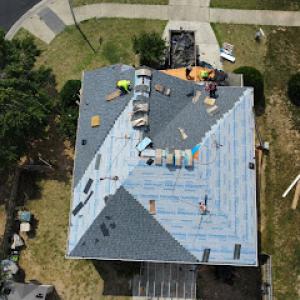
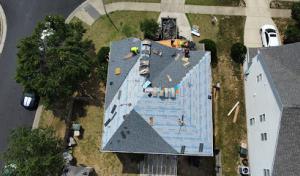
Saltbox Construction specializes in roofing, gutters, and solar panel installation. We provide free estimates and inspections. Don’t let damage from severe weather develop into costly repairs. We can work directly with your insurance company to get fast and reliable repairs. Save money on your utility bills and take advantage of the tax incentives for the year.
Baker Home Exteriors
(919) 926-7712 bakerhomeexteriors.com
1051 Schieffelin Rd, Apex, North Carolina
4.7 from 676 reviews
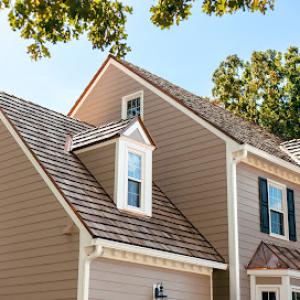
Founded in 1915 and proudly employee-owned, Baker Home Exteriors is a trusted roofing company serving Raleigh and the Triangle with reliable residential roofing services. Backed by the legacy of Baker Roofing—one of the nation’s oldest and most respected roofing contractors—we install thousands of roofs each year with proven craftsmanship. Our roofing contractors specialize in roof repairs, full roof replacements, storm damage roofing, and insurance-related repair work. We also offer siding, window, and gutter services to fully protect your home. When Raleigh homeowners need a dependable roofing company, they choose Baker.
Shield Roofing
(919) 291-3400 www.shieldroofingnc.com
Apex, North Carolina
5.0 from 29 reviews
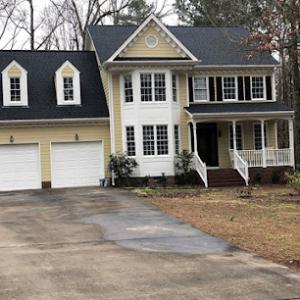
TRUST US TO TAKE CARE OF YOUR ROOF MEET WITH A RELIABLE ROOFING CONTRACTOR IN HOLLY SPRINGS, NC Shield Roofing is raising the bar on roofing services in Holly Springs, NC, one house at a time. Our roofing contractor is equipped with first-class products from brands like CertainTeed that are designed to keep your roof in tip-top shape for years to come. Whether you need partial re-roofing or a full roof replacement, you can find the help you need at Shield Roofing Call us at 919-291-3400 now to speak with a roofing contractor about our residential roofing services.
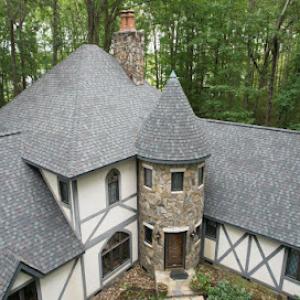
Koda Roofing & Construction
(919) 704-1089 www.kodaroofing.com
Apex, North Carolina
4.9 from 44 reviews
At Koda Roofing & Construction, we are committed to providing excellent customer service and superior workmanship. As a licensed and insured, local roofing contractor in North Carolina, we specialize in residential roof installation, replacement, and repair services. With our expertise and attention to detail, we deliver timely and reliable service, ensuring exceptional results for all your roofing needs. Contact us today.
Peak Roofing & Restoration
(919) 352-2151 www.peakroofingnc.com
1480 Chapel Ridge Rd, Apex, North Carolina
5.0 from 20 reviews
Locally owned roofing company in Apex. We also install Govee permanent lighting systems
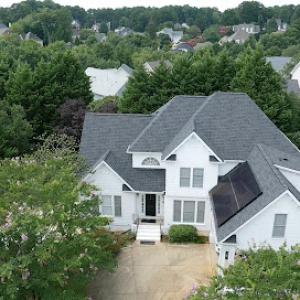
Oak City Contracting
(919) 324-4261 www.oakcitycontracting.com
Apex, North Carolina
4.7 from 43 reviews
Oak City Contracting Concepts is a full service roofing company located in Raleigh. Our # 1 goal is to make sure that your home or building has a high quality roof that exceeds all expectations.
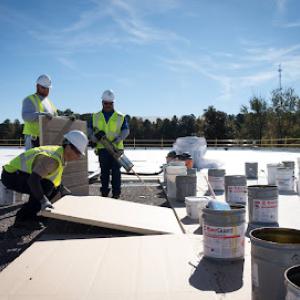
CentiMark Corporation
(919) 792-6256 www.centimark.com
1030 Goodworth Dr, Apex, North Carolina
4.6 from 18 reviews
CentiMark, conveniently located outside Raleigh, NC is your go-to source for top-tier commercial roofing services in North Carolina and Virginia. Our expertise extends to addressing the unique roofing challenges presented by the region's humid subtropical climate, including heat damage, humidity issues and storm-related damage. We offer a comprehensive range of services, including installation, maintenance and repairs, using premium materials and cutting-edge techniques. At CentiMark, we're committed to delivering reliable, efficient and long-lasting roofing solutions that withstand the rigors of our local weather and meet your business's specific needs.
Four Seasons Roofing & Restoration
(919) 618-2196 www.fourseasonsroofingandrestoration.com
2477 Reliance Ave, Apex, North Carolina
4.6 from 18 reviews
Four Seasons Roofing & Restoration is the storm damage specialist to trust in Apex, Holly Springs, Fayetteville, Wilmington, Charlotte, and the surrounding areas. We focus on fixing up or replacing roofs after storm damage has made them unsafe. Your roof is the barrier between you and the elements; ensure that barrier remains up for the job with our contractors. We work on a wide variety of roofs, specializing in asphalt shingle repairs and replacements. We also can assist with gutter and siding installation. If storm damage is the cause of your roofing issues, our team will be there to help guide you through the claims process and will get you the repairs you need. Contact us today to get started.
Authentic Restoration
Apex, North Carolina
4.8 from 6 reviews
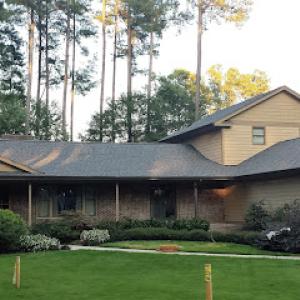
Authentic Restoration of Cary, NC is a licensed & insured general contractor serving all cities within a 50-mile radius. We offer the highest quality roofing services, roof replacements, roof repair, siding, gutters, drywall, flooring, and interior painting. Free storm damage estimates and free roof inspections for all new customers! If you want a free estimate for service contact us today. We will schedule a time to meet with you and discuss your needs. Services Provided: roofing, new roofs, roof replacements, roof repair, siding, gutters, interior painting, flooring, and drywall.
Cfe
(919) 387-1571 www.evansroofingcompany.com
2026 Production Dr, Apex, North Carolina
4.0 from 14 reviews
Evans Roofing Company, Inc., and its two wholly owned subsidiary roofing companies, Charles F. Evans Company, Inc. and CFE, Inc. have earned a national reputation for their professionalism and quality. Our corporate experience spans over 65 years and 120 million square feet of application in over 30 states. We provide our customers a “Total Quality Roofing Experience”and have given international and national presentations to audiences at the 1999 North American Conference on Roofing Technology in Canada and to the 2000 Roof Consultants Institute International Convention in Nevada.
A full reroof in Apex requires a building permit issued by the Town of Apex building department rather than being handled informally by the contractor alone. This isn't a formality meant to slow things down-it's a formal step that ensures the reroof meets local wind, weather, and structural standards that the community relies on after storm events. Before any material is ordered or work begins, verify that the permit process is understood and scheduled, and that the building department's expectations are aligned with the contractor's plan. If there is any doubt about who files the permit, ask for a written agreement that clearly designates responsibility.
The completion of the roofing project must be followed by a final inspection, and the inspectors will look closely at several critical details. Underlayment needs proper coverage and attachment, avoiding any gaps that could become leak paths in a thunderstorm. The nailing pattern must meet code requirements and match the chosen roofing material. Ventilation is evaluated to ensure attic moisture management, which helps prevent ice damming, heat buildup, and premature deck wear. Flashing around chimneys, walls, and roof penetrations is inspected for continuity and weatherproofing. Overall installation quality is assessed to confirm that all components work together as designed. Expect questions about how penetrations were flashed, how edge metal is secured, and how the roof interfaces with siding and gutters.
Because local inspection attention includes both weatherproofing details and code compliance, confirm before work starts who is responsible for permit pull, inspection scheduling, and correction of any punch-list items. If the contractor offers to manage the permit, insist on a written plan that includes who will be present for inspections and how any required corrections will be documented and addressed. If you prefer to handle permits personally, obtain a copy of the permit number, the assigned inspector's name, and a expected timeline for the final inspection. In all cases, keep a dedicated folder of the project paperwork, including the permit, approved plans, and any notes from the final walkthrough.
On inspection day, ensure access is clear to the entire roof and attic space, and that any temporary repairs or weather protection are in place without concealing unfinished work. If the inspector raises punch-list items, address them promptly and document the corrections with photos and notes. A clean, well-documented process not only smooths the inspection but also supports future insurance considerations by demonstrating attention to building-code compliance and storm-ready installation.
Wake County's exposure to tropical storms and wind events creates a variable claim environment, so homeowners often see coverage terms and pricing shaped by wind risk and roof age. When a storm window rolls through late summer, expect insurers to scrutinize older roofs and certain materials more closely. A reroof may be favored if shingles are curling or underlayment shows signs of wear, but that decision hinges on inspection findings and your policy. Knowing this reality helps you plan for what comes next rather than reacting with surprise.
Insurers in this region may be more selective with older roofs or specific materials, which can influence whether you repair, partially replace, or fully reroof after a storm. Before any work starts, gather clear pre-storm photos of the entire roof, gutters, and soffits, plus interior ceilings showing leaks. After the damage, take high-resolution photos from multiple angles, including attic spaces. Adjusters commonly request both sets, and keeping a dated record speeds the process and reduces back-and-forth disputes.
Roof age and material type matter here. Asphalt shingles that are past their prime often trigger different coverage responses than metal or synthetic products. If your roof is nearing the 20-year mark, expect more questions about service life, install quality, and maintenance history. Provide receipts, previous repair records, and any contractor estimates you have, because this information helps justify your claim during the North Carolina storm season.
In practice, expect phone calls, on-site inspections, and sometimes multiple visits. Make sure your file includes your policy number, a prioritized list of leaks, and notes on wind-driven rain patterns inside the attic. If the adjuster suspects preexisting wear, your documentation becomes essential to demonstrate the storm caused the damage and to support a fair assessment.
Once the claim is approved, decisions about repair versus reroof should weigh wind exposure, roof age, and future storm risk. Seek temporary protection to seal leaks and prevent further interior damage, then align the final plan with a storm-ready installation approach.
Connect with contractors who help homeowners navigate the claims process from damage assessment to final approval.
Artisan Quality Roofing
(919) 906-3791 artisanqualityroofing.com
12927 US-64 #100-A, Apex, North Carolina
5.0 from 374 reviews
Summit Roofing of NC
(919) 457-1117 summitroofingnc.com
2201 Candun Dr, Apex, North Carolina
5.0 from 99 reviews
Saltbox Construction
209 Settlement Dr, Apex, North Carolina
5.0 from 84 reviews
Apex's frequent thunderstorms and hurricane-season remnants can turn minor roof damage into interior water intrusion within hours, so temporary dry-in speed matters locally. A quick tarp or plastic sheathing over exposed areas reduces wind-driven leaks and buys precious time until permanent repair can begin.
If you notice shingles peeled back, fascia exposed, or condensation on ceilings after a storm, cover the most vulnerable spots with a heavy-duty tarp secured with weights and fasteners. Start at the highest point and work downward to prevent water from running into intact areas. If shingles are loose, avoid walking on the roof unless you have proper footing and safety gear. Keep a bucket ready under any active drips and document damage with photos for if/when a deeper assessment is needed.
Quick-response service is a major hiring priority in this market, reflecting how often homeowners need immediate leak control before full reroof scheduling opens up. Contact a contractor who offers emergency stabilization, understands wind-driven leak patterns, and can mobilize rapidly during heavy rain stretches. Ask about a tarp deployment plan, contractor-provided temporary fasteners, and guaranteed on-site arrival windows.
During stabilization, expect a focused assessment of the most at-risk bays, valleys, and penetrations. The crew will secure tarps, seal around vent pipes as feasible, and establish a dry line to prevent further interior intrusion. They should provide a documented plan for progressing to permanent work once conditions allow and permits are scheduled.
Monitor for new leaks after each storm, re-secure tarps after high winds, and store extra fasteners and edge boards for rapid re-deployments. Keep ample ventilation and avoid placing heavy loads near damaged roof areas to prevent additional collapse risk. Coordinate with the contractor on weather-window timing for the permanent reroof to minimize exposure between stabilization and full repair.
When you can't wait, these contractors offer fast response times to stop leaks and prevent further damage.
Peak Roofing & Restoration
(919) 352-2151 www.peakroofingnc.com
1480 Chapel Ridge Rd, Apex, North Carolina
5.0 from 20 reviews

Barkley-Jensen Roofing & Restoration
(919) 750-0911 www.barkleyjensenroofing.com
Serving
5.0 from 370 reviews
Superb Roofing & Renovations
(919) 670-9106 www.superbroofingandrenovations.com
Serving
5.0 from 48 reviews
When the job is complete, the final inspection is the moment that workmanship quality becomes visible-and in Apex, the details tied to that inspection matter as much as the brand of shingles or panels installed. Focus on sturdy nailing patterns, proper flashing at chimneys and vents, solid ventilation across the roof line, and a dependable underlayment layer. Shortcuts in any of these areas are quickly exposed by hot, humid summers and sudden thunderstorms. If the installer can walk you through their inspection checklist and point to each of these elements on the roof, you gain a clear signal that the workmanship aligns with local weather realities.
Warranty discussions are especially relevant in this market because many homeowners are replacing storm-stressed asphalt roofs and want protection against both material defects and installation errors. Ask for specifics on what the warranty covers (fabrication defects, workmanship, wind resistance, algae resistance) and request clear documentation of coverage limits, labor re-coverage periods, and requirements for in-field maintenance. A thorough warranty conversation should also verify how to file a claim, what proof is needed, and whether the warranty transfers if the home changes hands.
Manufacturer-certified and warranty-offering contractors have visible presence in Apex, which matters more here because the market is crowded and reroof-focused rather than dominated by custom new construction. Look for a contractor who can confirm active certification with the brand, provide current references, and show a history of completed projects in storm-prone settings. In practice, insist on a written warranty from the installer that mirrors the manufacturer's coverage and includes a separate performance guarantee tied to the final inspection findings. This paired approach helps you sleep sounder through the next round of seasonal winds.