Last updated: Apr 19, 2026
Spring thunderstorms, hail risk, and tropical-storm remnants regularly disrupt roofs in this area. Obvious shingle loss is common after hail or high-wind events, but moisture intrusion can hide behind soffits, flashing, and under shingle edges. Despite inland placement, wind-driven rain and storm debris still hammer roofs here, with rain finding attic pathways even when the surface looks intact. The result is a steady pattern of emergency repairs, insurance-driven claims, and the constant need to verify structural soundness after a storm. Lean-to gutters, leaning chimneys, and sagging fascia are red flags that should trigger a professional evaluation without delay.
After a storm, start with a careful top-to-bottom check. Look for torn or missing shingles, lifted edges, or granule loss along the gutter line. Inspect drip edge flashing where the roof meets the fascia; gaps here invite water to back up under shingles. Inside the attic, scan for staining, peeling paint on rafters, or noticeable humidity near penetrations such as vents and chimneys. If the attic reveals any sudden warmth during a cool evening, treat it as a sign to schedule an inspection promptly. Remember that moisture can travel from roof to ceiling in several hours, and small leaks often become bigger problems if left untreated.
When the weather clears, arrange a same-day or next-day inspection with a local contractor who prioritizes storm response and insurance-supported work. Seek out a contractor who can document damage thoroughly: weather-verified photos, a written assessment, and an itemized scope that covers exterior and interior impacts. If shingles are missing or curling, or if interior signs of moisture appear, do not delay. Temporary measures can help, such as securing loose shingles or debris and diverting water away from the most vulnerable areas using tarps or boards until a permanent fix is in place. Keep pathways clear and protect valuables from potential leaks to minimize damage while waiting for repair crews.
Locally, storm damage, insurance claims, and emergency repair form the core service demand. When selecting a contractor, confirm they are experienced with rapid-loss claims and have established relationships with reputable adjusters. Prepare a concise timeline and a realistic replacement plan if the roof shows widespread damage. Document all communication with insurers, including claim numbers and dates of inspection appointments. A contractor who can coordinate efficiently with the insurer helps minimize out-of-pocket exposure and reduces the chance of unexpected scoping changes. Expect multiple visits: initial assessment, a temporary stabilization phase, and the final replacement or repair work once weather and scheduling allow.
Once the roof is stabilized, review the replacement approach based on the material most suitable for the climate and shelter needs. In this market, storm-focused work often prioritizes robust underlayment and flashing upgrades to resist future wind-driven rain. Consider material choices that balance resilience with the realities of the local climate and nearby trees that shed debris. Ask about upgraded edge protection, improved attic ventilation, and enhanced waterproofing around penetrations. With the right partner, the roof can regain its integrity quickly, reducing the risk of recurrence during the next thunderstorm season.
Asphalt shingles remain the dominant practical choice for homes across Fuquay-Varina. The local climate-hot, humid summers with frequent thunderstorms-wears on shingles faster, so expect a lifespan of roughly 20 to 30 years when properly installed and maintained. This material pairs well with the typical suburban roof lines found in town and offers straightforward repairs after storms. When choosing asphalt, opt for a product with good UV resistance and algae/mold resistance for the humid months. In moderate climates like this, ventilation and attic insulation are just as important as the shingle quality, because heat and moisture accelerate aging. If you anticipate frequent severe weather, consider a premium asphalt option with a stronger warranty and better wind resistance to minimize wind-driven losses during heavy thunderstorms.
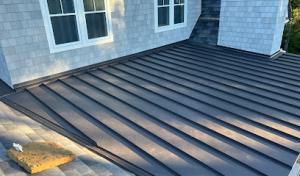
Metal roofing is a major local material category and a strong contender for homeowners who prioritize storm resilience. In a thunderstorm-heavy climate, metal panels tend to hold up well to hail and wind and can maintain their integrity longer under repeated storm cycles. For homes facing sun and heat, metal's reflective properties can reduce attic heat gain, potentially easing cooling loads. When evaluating metal, look for a standing-seam system rather than exposed-fastener designs, as it tends to perform better in wind-driven rain. If a hail event or a tropical system hits, metal roofs often sustain fewer punctures and may offer a quicker recovery path, though proper installation and flashing are crucial to prevent leaks at joints and transitions.
Clay tile, concrete tile, synthetic/composite shingles, and slate exist in the market but are less central to Fuquay-Varina's typical housing stock. Clay and concrete tiles are visually attractive and can endure in hot weather, but they're heavier and more prone to breakage from hail and impact during storms. Tile roofs require specialized installation and can complicate leak detection after a storm. Synthetic/composite shingles offer versatility and better impact resistance than standard asphalt, yet they generally align closer to asphalt performance in practice. Slate delivers long life and a refined look, but installation complexity and cost can be prohibitive, while heavy weather events demand careful flashing and maintenance to prevent leaks at ridges and penetrations. If a home already features one of these materials, ensure the roof structure and decking beneath is sound to support the load and that maintenance addresses micro-cracks that storms can induce.
After a thunderstorm, perform a careful walk-around to spot missing shingles, lifted edges, or dented panels, especially near edges and valleys. Look for granule loss in gutters and downspouts, which can indicate accelerated wear on asphalt in this climate. If a leak is suspected, trace the water path from the interior to identify the closest exterior breach. In Fuquay-Varina, rapid response matters: prompt temporary fixes like tarping exposed areas and drying any soaked insulation can prevent widespread damage. Keep a log of storm events and any observed roof issues to support a claims discussion with your insurer, as documentation helps process replacements or repairs more smoothly.
In severe weather scenarios, insurance-supported replacements are common. Gather photos of pre-storm conditions, post-storm damage, and any temporary protections you installed. Documentation of the roof's age, material type, and observed damage strengthens a claim. Work with a local contractor who understands the town's inspection cadence and can coordinate scheduling to minimize occupancy disruption. When discussing options, prioritize materials that balance performance under Fuquay-Varina's heat, humidity, and storm exposure with the familiarity of local crews- asphalt for cost-effective, reliable repairs; metal for long-term resilience and storm-rated performance; with careful consideration given to tile or slate only if the home's structure and budget align.
Twin Peaks Roofing
(910) 403-1607 www.twinpeaksroofing.net
Fuquay Varina, NC
5.0 from 5 reviews
Twin Peaks Roofing is a dependable roofing contractor based in Angier, NC, and the surrounding areas, specializing in high-quality roofing services. With years of extensive experience in this industry, our team of professionals is committed to making sure that every stage of your project is completed according to your specifications.
Finest Roofing & Homes
(919) 960-7377 www.finestroofing.net
Serving
5.0 from 136 reviews
As a licensed and insured roofing contractor in North Carolina, we focus on quality craftsmanship and customer satisfaction. We handle insurance claims and provide FREE roof inspections to help you protect your home. Our services include roof installs, roof repairs, siding and gutter services, interior and exterior work, outdoor lighting, and home repair solutions. We proudly serve Apex, Cary, Erwin, Angier, Durham, Raleigh, Sanford, Broadway, Pittsboro, Dunn, Lillington, Chapel Hill, Fayetteville, Fuquay-Varina, Holly Springs, Willow Spring, and Bunnlevel, NC. Call us at 919-960-7377

Armored Exteriors
Serving
5.0 from 14 reviews
We are Armored Exteriors. Veteran owned Certainteed Shingle Masters NRCA members We are focused on our customer service, our transparency, and our commitment to excellence. We handle retail jobs and insurance claims. If you have an insurance claim, we have answers to your biggest questions and concerns. Our highly trained professionals can lead you in the right direction. If you have a retail project (paying out of pocket), we can help educate you on what to expect and the materials and warranty you are purchasing. We stand behind our products. And we make it count.
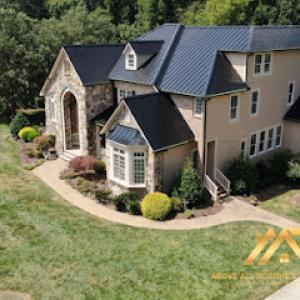
Above All Roofing & Construction
(984) 322-7663 www.aarcroofs.com
Serving
5.0 from 106 reviews
Above All Roofing & Construction proudly serves Central and Coastal North Carolina, from Fuquay-Varina and Raleigh to New Bern and Wilmington. We specialize in roof replacements, roof repairs, durable siding installation, seamless gutters, and energy-efficient windows. As an experienced local contractor, we understand the region’s tough weather conditions and provide long-lasting, high-quality solutions built to protect your home. Whether you need an emergency roof repair, a complete roof replacement, or exterior upgrades to boost curb appeal, we deliver honest estimates, fair pricing, and superior craftsmanship. Trust Above All Roofing & Construction for reliable service, top-quality materials, and results that stand the test of time.
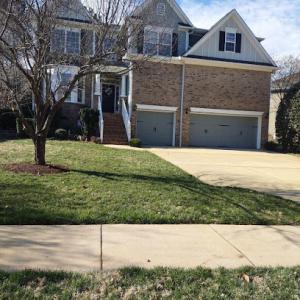
AMI Builders & Redemption Roofing
(984) 213-4244 www.amibuildersnc.com
Serving
4.5 from 59 reviews
AMI Builders & Redemption Roofing is known as one of the most reliable roof companies in Raleigh and the surrounding North Carolina areas. The integrity dedication and hard work that the company invests in every new home improvement project is what has helped build a strong reputation of professionalism among customers. If you have any general roofing or windows and Siding needs, roofing repairs, or leak inspections, choose our team of the best roofing specialists for the job. a) Over 30Yrs of Experience b) 24 Hour Response Time c) We Guarantee Customer Satisfaction With Our Warranty (call for details). d) Liability & Workers Comp Insured. e) Daily Project Site Cleaning on The Property. f) We offer financing to our customers in need
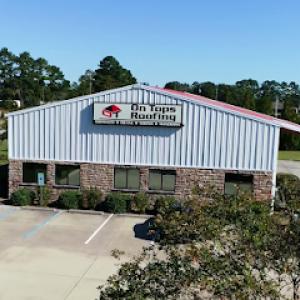
On Tops Roofing
(919) 639-4981 www.ontopsroofing.com
Serving
4.9 from 194 reviews
At On Tops Roofing, we don't provide estimates; we provide guarantees. Your roof will cost exactly what we promise you up-front. On Tops is consistently recognized as one of North Carolina's leading roofing contractors. We're proud GAF Master Elite Contractors and provide expert roof replacement and roof repair services for homeowners, commercial businesses, and home builders. With On Tops you can expect to work with industry leading professionals and receive high-quality products built to last. Our team also provides installation and repair services for siding, gutters, windows, and doors.
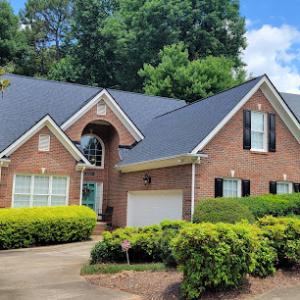
Precision Roofing Service
(919) 219-0315 www.precisionroofingservice.com
Serving
5.0 from 21 reviews
Precision Roofing Service, a reputable roofing expert in Fuquay-Varina, combines unmatched craftsmanship with over four decades of residential and commercial roofing experience. Our licensed and insured professionals excel in roof repairs, maintenance, replacements, and installations, meticulously blending durability with expert artistry. As a local roofing company, Precision Roofing prioritizes the longevity of your current roof, aiming to safeguard your home with long-lasting, weather-resistant solutions. With our team, you can rest assured of professional and affordable roofing services, prompt responses, and reliable emergency repairs.
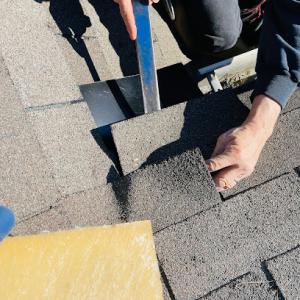
Nailed It Roof Repair
(919) 386-9564 naileditroofrepair.com
Serving
5.0 from 73 reviews
Shingle Roof Repair • Owner Operator • Serving The Triangle And Surrounding Areas. Free Estimates & Quotes • Inspections • Multi Year Money Back Guarantee • Insured

Avant-Garde Roofing & Gutters
(919) 935-7934 www.avant-garderoofing.com
Serving
5.0 from 108 reviews
Free roof inspection & assessment Free consultation & professional advice Help to determine the best course of action (get insurance involved, repair or replace roof at retail cost) Roofing made easy! Roofer, gutters, skylights, power fans
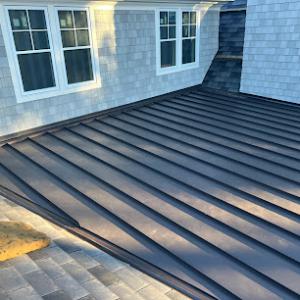
B & B Roofing
(919) 552-0944 www.bbroofingnc.com
Serving
4.7 from 42 reviews
Full service roofing and repair family owned business
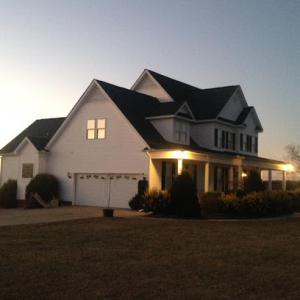
3D Roofing & Exteriors
(919) 628-0232 www.3droofpros.com
Serving
5.0 from 103 reviews
3D Roofing and Exteriors is a family owned and operated business located in the heart of Johnston county. Owner, Shayne Dawes, has been serving customers in Johnston, Wake, Harnett, Cumberland, Durham, Wayne, Sampson, Franklin, Wilson, and Brunswick counties for more than 10 years. 3D Roofing and Exteriors upholds American values such as time and its importance, openness and honesty, and practicality and efficiency. As a result, 3D Roofing and Exteriors carries its name proudly. As a father of four, Shayne understands the importance of providing outstanding service at an affordable price. In order to keep your costs down, while insuring quality work, Shayne works side-by-side with his employees.

Roofs By Design Holly Springs
(919) 480-7290 roofsbydesign.com
Serving
5.0 from 44 reviews
Your roof is one of the most expensive investments you’ll make for your home. For over 20 years, at Roofs By Design, we have been helping countless homeowners in Cary, NC get the most out of their roofing investment. We’re proud to offer unmatched customer service and superior workmanship. Our superior workmanship will leave you feeling confident in your roof after completing our service. We can find the products that match your needs and the style of your home. Call us to assist you!
When you price a replacement, you can expect asphalt shingles to land roughly from $350 to $600 per square, metal from $600 to $1100 per square, clay tile between $1000 and $1800 per square, concrete tile from $900 to $1500 per square, synthetic/composite shingles around $500 to $900 per square, and slate from $1800 to $3500 per square. Those ranges reflect typical local markets and the way crews package material, delivery, and waste removal. In practical terms, the choice you make largely drives the spread in the bid you receive, and a small upward bump in the bid can reflect a premium underlayment or upgraded flashing.
Storm-driven demand spikes can affect pricing and scheduling after severe weather events, especially because this market shows strong concentration in re-roofing and emergency work. In the days and weeks after a big storm, you'll likely see bids tighten and crews book up quickly. If your roof needs rapid work to prevent interior damage, expect some urgency-based price adjustments and shorter lead times. Planning ahead, even if you're not in a rush, helps you compare options without the pressure of a weather window looming.
Costs can rise when the Town of Fuquay-Varina requires documentation for ventilation, underlayment, and flashing details, since correction of older assemblies may be needed during replacement. If a project includes upgrading ventilation, adding or upgrading underlayment, or replacing flashing to meet current performance standards, that can add to both material and labor. A thorough pre-project assessment helps you spot these required changes before a contract is signed, reducing surprises once crews are on site.
In this market, you'll want to layer contingency into your budget for potential storm-related scheduling shifts, and for upgrades tied to improving long-term performance (like enhanced underlayment or upgraded flashing). When you receive bids, ask for itemized line items: material type, per-square cost, waste and removal, and any add-ons tied to ventilation or flashing. This clarity makes it easier to compare apples to apples and to understand what adjustments are warranted if a post-storm repair becomes more complex than anticipated.
Get a clear picture of your project costs upfront - no commitment required.
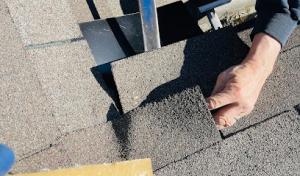
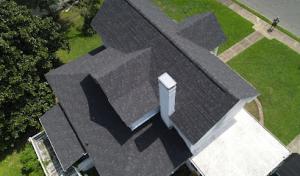
In this market, the permit and inspection process for a roof replacement is a key part of keeping your project on track and compliant with local standards. Fuquay-Varina generally requires a building permit for roof replacement, with permits issued through the Town of Fuquay-Varina Development Services. Before you or your contractor pull permit, make sure the project scope is clear: the town will want to see materials, ventilation plans, and the proposed sequence of work. Knowing this upfront helps prevent delays that can linger during the peak storm season.
Starting the permit application involves submitting details about the roof replacement, along with any changes to ventilation, underlayment, and flashing. The town's staff will review the plans to ensure they meet building code requirements and local standards, especially around attic ventilation and moisture control-critical points for hot, humid summers and summer storms. Processing times can vary based on department workload, so it's wise to plan a few extra days in the schedule if the office is handling a heavy volume of storm-related work. Your contractor may assist with the initial submission, but you retain responsibility for approving the final permit package and any conditions attached to it.
Inspections in Fuquay-Varina are typically staged rather than a single end-of-job signoff. You should expect at least two key milestones: one after tear-off and another after final installation. The tear-off inspection confirms that the old roof has been removed and that all decking and flashing conditions are suitable for installation. The final inspection checks the new roof assembly, detailing compliance with ventilation, underlayment, flashing, and accordance with the approved plans. If the project includes an underlayment or ventilation retrofit, inspectors will verify those components at or after the tear-off stage to ensure proper moisture management and attic airflow. Coordination with your contractor is essential to align a realistic inspection calendar with weather windows and storm-response demands.
The town may request documentation covering ventilation, underlayment, and flashing details. Having this ready in advance can smooth the process; typical items include venting calculations or diagrams, product specifications for underlayment and flashing, and notes on any changes from the original permit plan. Since weather events can spike inspection backlogs, expect potential rescheduling, especially after storms when crews are handling multiple urgent projects. Clear communication with the contractor and timely submission of any supplemental documents helps maintain momentum. If a storm damage scenario arises, the town's process remains the same, though the emphasis may shift to ensuring temporary protections and expedited review where necessary.
Keep a dedicated file with permit numbers, inspection dates, and any corrective actions requested by inspectors. Mark anticipated weather windows to avoid compression of tear-off and installation into unsuitable conditions. If your roof is being replaced as part of storm damage recovery, coordinate with your insurer to confirm what documentation the town requires for the replacement approval, and keep a point of contact at Development Services for follow-up questions. A well-documented permit path helps prevent delays and supports a faster, compliant re-roof that stands up to Fuquay-Varina's climate and thunderstorm cycles.
Storm damage in this area tends to come in waves: sudden downpours, strong winds, and the occasional tropical system that leaves shingles peeled back or soffit damage in its wake. In North Carolina, insurers generally honor standard roof replacements when damage is properly documented, which is especially important in Fuquay-Varina's storm-active environment. Homeowners should not expect a smooth ride if the weather event isn't clearly linked to the claim, so documenting the scene matters from day one. The goal is to tell a coherent story: what was damaged, when it happened, and how the roof was performing before the storm.
After a storm event, prepare for a thorough review. Adjusters will typically ask for before-and-after photos to establish a clear transition caused by the weather. They will want contractor estimates that reflect realistic, local construction practices, and a written scope of work that ties everything back to the damage observed during the inspection. In this market, it helps to have a precise, itemized scope that shows the exact materials, the edges of the damage, and any flashing or underlayment concerns that a full replacement would address. Having these elements ready can prevent back-and-forth during the claim process and keep the schedule aligned with town inspection milestones.
After major storms, some carriers may scrutinize claims more closely, so homeowners benefit from code-compliant installation records and complete documentation tied to the town inspection process. In this community, crews that can demonstrate alignment with standard roof replacement practices and a clean, traceable chain of workmanship tend to fare better when the paperwork lands on the desk of an adjuster. Concrete records of what was installed, when, and by whom help bridge the gap between the claim and a successful, durable resolution. Insurers may request confirmations that flashing, underlayment, and attic ventilation meet expected standards, so keep receipts, warranties, and any inspection reports organized and ready.
On the ground, preserve all damaged materials for photos and potential in-person review, but avoid tossing items that might be requested later. Keep a running log of storm dates, wind speeds if available, and any temporary repairs that prevent further damage. If a contractor is involved, ensure the written scope clearly references the observed weather-related damage and avoids ambiguous language. This local climate tends to test roofs in consecutive storms, so a well-documented, transparent claim package can reduce delays and help secure a replacement that stands up to Fuquay-Varina's next round of storms.
Connect with contractors who help homeowners navigate the claims process from damage assessment to final approval.

Spring in this area brings heavy rainfall and hail risk, which can interrupt tear-off schedules and increase the chance of exposed decking taking on moisture. When a storm rolls through, plan for a window that allows for at least a dry spell of 24 to 48 hours before tearing off. If hail is reported, delay material staging until debris and moisture are cleared from the roof line, and inspect for dented flashing or damaged underlayment before proceeding. Have a backup plan for temporary coverage if a shower hits mid-tear-off, and coordinate with the crew to protect fresh decking from sudden downpours.
Summer heat and humidity can affect underlayment adhesives and material handling, making crew timing and storage practices more important than in milder climates. Schedule the most labor-intensive steps for cooler parts of the day, and store bundles where sun exposure is limited to prevent premature adhesive setting. Keep a plan for quick, weather-aware progress notes so you can adjust daily goals if a heat index spike or sudden shower arrives. If roofing is delayed by afternoon storms, use the downtime to secure tools, cover undamaged areas, and complete interior moisture checks once a limb of sunshine returns.
Fall wind events and tropical remnants can create both new damage and contractor backlogs, while winter cold snaps and occasional precipitation can delay installation windows. After a storm, perform a targeted exterior and attic inspection for lifted shingles, damaged vents, and compromised decking. Prioritize essential repairs that protect the interior from wind-driven rain while awaiting the full replacement. In the coldest weeks, ensure adhesive-backed underlayment is kept warm and pliable, and communicate an updated timeline to household occupants who rely on predictable completion dates.
Because local inspections may focus on flashing and ventilation documentation, these are key areas where Fuquay-Varina replacement projects often need corrective work rather than simple shingle swap-outs. A common scene is noticing minor rust at step-flashing, or a vent boot that has settled and shifted, which hides bigger water stories behind the fascia. When moisture is detected, the likely culprit isn't always the visible shingles but the underlayment and the angles where roof planes meet walls. Expect that a thorough evaluation will require access to attic spaces to confirm insulation, ventilation balance, and any discreet gaps that feed hidden leaks.
Skylight-related leak repair is a meaningful specialty in this market, suggesting that penetrations and transitions are a recurring issue for homeowners. In homes with late-90s or early-2000s skylights, sealant breakdowns around the curb or flashing transitions to the roof deck can lead to slow, creeping leaks that appear only after a heavy rain. The remedy often demands careful resealing, flashing rework, or even partial curb replacement, rather than a straightforward shingle patch. In many cases, the best outcome combines targeted flashing work with improved attic ventilation to reduce condensation that worsens the interior staining.
The prevalence of quick-response and emergency-repair contractors indicates that many local roofing calls begin with active leaks rather than planned long-range replacement. When water shows up inside, the instinct is to stop the drip fast, which can overlook the underlying system damage. The wiser path pairs an immediate temporary fix with a clear plan for long-term repair, ensuring that a rushed patch doesn't mask hidden rot in eaves, decking, or ventilation pathways.
In Fuquay-Varina, attic clues often point to where leaks originate on the exterior. Warped decking, dark staining on sheathing, or powdery mold growth are signals that moisture has been entering through more than one breach. Expect that questions about roof pitch, rafter spacing, and the integrity of the ventilation baffles will come up in inspections, guiding you toward targeted fixes rather than broad, costly replacements.
Keep a fresh set of notes from every inspection and photograph suspect transitions, flashing corners, and skylight seals. When leaks are active, prioritize temporary containment to protect insulation and interior finishes, but insist on a plan that addresses root causes-flashing, ventilation, and proper skylight detailing-so that Fuquay-Varina homes stay dry through the next storm season.
Find contractors experienced in skylight installation, flashing, and leak repairs to bring natural light into your home.
Avant-Garde Roofing & Gutters
(919) 935-7934 www.avant-garderoofing.com
Serving
5.0 from 108 reviews
In this market, storm exposure and heat-driven aging can blur the line between product wear and weather damage over time. That nuance matters when talking with a contractor or manufacturer, because the same hail or heavy rain that tests a roof today might be misinterpreted as normal wear years from now. Homeowners should push for clear language about what triggers coverage, how long coverage lasts, and any conditions that could void it after a severe season. In practice, that means asking for a written outline of what is and isn't covered after wind events, rapid temperature swings, and heat buildup beneath attic ventilation.
Only a smaller share of local contractors prominently signal warranty offerings, so verification is essential. Confirm exactly which components are protected (shingles, underlayment, flashing, ventilation, and workmanship) and who bears responsibility for labor and replacement parts. Look for a warranty that outlines failure modes specific to the local climate, such as accelerated granule loss from hot summers or moisture-driven degradation after tropical-storm passages. Request a copy of the warranty document and ask for examples of what constitutes a claim and the typical claim timeline.
Manufacturer-certified installation can be especially relevant when town inspections require proper documentation of ventilation, underlayment, and flashing details. Ensure the contractor holds current manufacturer certification for the chosen product line and that the installation crew follows the required installation manual steps. Ask for proof of certification and a project-specific checklist showing ventilation placement, underlayment type, and flashing methods. This documentation not only supports warranty eligibility but also helps align with inspection expectations after a major weather event.
Keep all product labels and installation receipts, and document any storm-related damage promptly with photos. After a heavy event, contact the installer quickly to assess whether a warranty claim should be filed, rather than waiting for visible leaks to appear. If a claim is necessary, request a dedicated claim contact from the manufacturer or contractor to streamline communication and ensure the response is consistent with warranty terms.
Flat and low-slope roofing shows up in additions, porches, and some mixed residential-commercial properties around town. The market includes both residential and commercial roofers, so the expertise you see on a job site may come from different specialties. When a low-slope area is part of a bigger composition that already features steep-slope asphalt or metal on the main roof, the low-slope portion must integrate with existing drainage and flashing without creating new problem spots. In areas with frequent heavy rain, that integration matters as much as the roof's visible appearance.
In this climate, drainage performance on low-slope sections is the critical factor. Even if the main roof is steep-slope, improper drainage on a porch or addition can lead to pooling, ice dam risks, and leak pathways that travel to interior ceilings. Pay attention to slope thresholds, downspout routing, and the alignment of scuppers or edge drains with the existing gutter system. Insulation should be considered in low-slope zones to avoid condensation, particularly where outdoor living spaces meet the roofline. Regular inspection after heavy downpours helps catch membrane wear, punctures, or flashing gaps before they become leaks.
Choosing a material that performs well on low-slope surfaces is key, with attention to seam integrity and UV exposure. The local contractor mix means that reputable firms with both residential and commercial experience often collaborate on low-slope projects, which can expand the pool of knowledgeable crews. When evaluating bids, look for evidence of compatible flashings, properly rated membranes, and a plan for rapid storm response should a leak occur. A well-executed low-slope job in this market accounts for both the weather-driven demands and the need for a neat, integrated transition to existing steep-slope sections.
Find specialists in TPO, EPDM, and built-up flat roofing systems for residential and commercial properties.