Last updated: Apr 19, 2026
Morrisville endures hot, humid summers that push asphalt shingles to their limit. The combination of high heat, humidity, and sudden convective storms accelerates granule loss, bread-crumb cracking, and saturated underlayment stress. In the Triangle's climate, the heat not only dries out shingles faster but also widens micro-cracks that storm winds and driving rain can exploit. You'll notice edges curling, faster wear along valleys and penetrations, and more rapid algae staining on north-facing or shaded slopes. This is not a gradual fade; it's a local acceleration of aging, where small faults become material failure after a single severe storm. In practice, that means you should check the roof after each major storm event, especially if you've recently seen hail or wind-driven rain that rattled loose shingles and flashed gutters. The goal is to catch early delamination or lift before a second storm compounds the damage.
Central North Carolina's late-summer to fall period brings the hurricane-season-in-miniature effects: gusty winds, rain bands, and the potential for rapid shifts from calm to violent. Even if the home is inland, that inland exposure does not shield roofs from wind-driven rain and sudden pressure changes that loosen old patches or sealants. The timing matters because moisture infiltration during this window compounds aging, especially on roofs that already show edge wear or small breaches. When the storms come through, shading from mature trees can trap moisture on roof faces, promoting moss or algae growth and softening the substrate. In this window, replacement planning becomes weather-sensitive: the window for a proper, timely install shrinks if storms are forecast, and crews race to fit in a full-load replacement or a major repair before the next round of weather. Your scheduling should anticipate potential backlogs and plan for contingency, not last-minute scrambling.
The Morrisville market runs hot on storm response. Contractors that specialize in storm damage and insurance-related work are a common sight after a major event, and that makes the local demand pattern both predictable and risky. After a severe storm, you'll see a surge in emergency shingle repairs, flashing replacements, and temporary tarping. This environment creates a friction point: availability can tighten, and price pressure may rise as crews prioritize urgent repairs over preventive service. The practical takeaway is proactive planning. If your roof has recurring wind-driven leaks, loose shingles in the eaves, or granule loss visible in gutters, treat it as a warning sign rather than a cosmetic issue. Seek a durable, weather-resilient solution before the next storm cluster arrives. The sooner a professional assesses your roof's structural integrity and weather-resistance, the less exposure you have to being caught in a storm-driven scramble.
Start with a mid-summer inspection after the peak heat and before the next storm pulse. Focus on securing loose fasteners, resealing penetrations, and addressing any edge curling or lifted shingles. Maintain clear gutters and downspouts to avoid backflow during heavy rain, since standing water accelerates substrate deterioration. If patches or replacements are needed, prioritize comprehensive flashing repairs around chimneys, vents, and skylights, as those operations most directly confront wind-driven moisture pathways. In storm-prone months, align with a contractor who can provide a weather-safe installation plan, including tarp-ready contingencies and a schedule that anticipates potential delays. Your roof's resilience in this Triangle climate hinges on catching aging early, timed to the fast-moving late-summer storm rhythm.
North Carolina is a high roofing-claim environment for wind and hail, so homeowners in this area often need dated photos showing storm-affected areas, plus a licensed contractor assessment that documents the condition of the roof and any visible interior damage. After a convective storm, take exterior photos from multiple angles, focusing on shingles cupping, curling, granule loss, and any lifted or displaced flashing around vents, chimneys, and skylights. Store a dated log of when the storm occurred and when the damage was first noticed. A licensed contractor's written assessment should include the roof's current condition, the estimated remaining life, and a professional opinion on whether a full replacement is warranted. This combination-dated imagery plus a credible professional report-helps bridge the gap between observation and insurer review, especially when later decisions hinge on the roof's age and overall condition.
Claim outcomes in this market can depend heavily on roof age and whether local code-triggered items such as flashing, ventilation, or structural corrections are required during replacement. If the roof is near or past its expected life, or if the storm damaged critical components (underlayment, a deteriorated flashing bed, or compromised attic ventilation), the adjuster may view a replacement as the most prudent fix. Pay attention to the condition of the attic space as well-sagging, moisture stains, or compromised insulation can signal more extensive damage than what is visible from the exterior. If the inspection reveals that fasteners, sealant joints, or vent booting have degraded, these elements can be considered necessary repairs that influence the scope of a replacement. Understanding how these code-triggered items factor into the claim will help when discussing scope with the insurer and the contractor.
Because many local contractors actively market insurance-claim help, homeowners in Morrisville need to separate documentation support from actual insurer decision-making and policy terms. Use a contractor for a thorough, independent assessment and a clearly itemized scope of work, but rely on the insurer's own process and policy language to determine approvals. Avoid letting marketing phrases substitute for policy specifics; ask for a written explanation of what the insurer will cover, any depreciation considerations, and the expected timeline for appraisal and final settlement. Keeping documentation clear, consistent, and dated reduces ambiguity and supports a smoother resolution when a storm-driven replacement becomes the most viable path.
Connect with contractors who help homeowners navigate the claims process from damage assessment to final approval.
ProCraft Restoration Group
3131 RDU Center Dr Suite 115, Morrisville, North Carolina
5.0 from 205 reviews
Cohen Family Roofing & Restoration
(984) 600-4106 cohenfamilyroofing.com
113 Heartsease Ln, Morrisville, North Carolina
5.0 from 29 reviews
ProCraft Restoration Group
3131 RDU Center Dr Suite 115, Morrisville, North Carolina
5.0 from 205 reviews
ProCraft® is a licensed General Contractor proudly serving Raleigh and the Triangle. From roofing and storm restoration to full-scale exterior and interior renovations, we manage the entire process — including insurance claims — with expert precision. Whether you're recovering from storm damage or planning proactive upgrades, we provide 5-star results with every project. Service Areas: 50 mi radius around the Triangle Services: -General Contractor -Storm Damage Repair & Insurance Claims -Roofing Contractor -Roof Replacement & Repairs -Seamless Gutters & Gutter Guards -Exterior & Interior Painting -Siding Repair & Replacement -Window & Door Installation -Attic Insulation & Energy Solutions -Preventative Maintenance
RoofVantage
(919) 679-5425 callroofvantage.com
112 Pheasant Wood Ct suite b, Morrisville, North Carolina
5.0 from 30 reviews
Protect your most valuable investment with RoofVantage, your trusted roofing contractor. Specializing in residential and commercial roofing, we provide exceptional craftsmanship and superior materials for every project. Our experienced team is dedicated to delivering reliable, long-lasting solutions, from new installations to expert repairs. We proudly serve the greater Raleigh area, ensuring every roof we touch meets the highest standards of quality and durability. Experience peace of mind with a company committed to professional excellence and customer satisfaction.
Cohen Family Roofing & Restoration
(984) 600-4106 cohenfamilyroofing.com
113 Heartsease Ln, Morrisville, North Carolina
5.0 from 29 reviews
Cohen Family Roofing is your CertainTeed ShingleMaster & A+ BBB rated roofing contractor. Based in Morrisville, NC, we are a family-owned, licensed, and insured company proudly serving homeowners and businesses in Raleigh, Durham, Cary, and the entire Research Triangle Park. We manage the entire storm damage and insurance claim process to ensure a smooth, hassle-free experience. We use advanced drone technology for a "No-Surprise" Quote and back every job with our signature "Nail-Free" Cleanup Pledge. Service Areas: 50 mi radius around the Triangle Area Services: -Roofing Contractor -Roof Replacement & Repair -Storm Damage & Insurance Claims -Siding Installation & Repair -Seamless Gutters & Gutter Guards -Preventative Maintenance
Premier Roofing Company
(919) 752-7663 www.premier-roofing.com
Serving
4.9 from 49 reviews
Premier Roofing Company in Cary, NC, is your trusted local expert specializing in asphalt shingle roofing and hail damage roof replacement. Serving homeowners, businesses, and multi-family communities throughout Cary and the greater Raleigh area, our experienced roofing contractors deliver exceptional craftsmanship, premium materials, and unmatched customer service. Choose Premier Roofing Company in Cary for reliable asphalt roofing solutions, durable results, and superior protection against North Carolina's unpredictable weather.
Zeal Roofing & Construction
Morrisville, North Carolina
4.2 from 5 reviews
We specialize in roofing repairs and construction of new roofs. 20+ years of roofing experience.
Prepare the Way Roofing
(984) 222-4184 www.preparethewayroofing.com
Serving
5.0 from 11 reviews
When you need reliable roofing services, you're in good hands. Prepare the Way Roofing, a family-owned business, offers comprehensive roofing solutions in the Triangle area. Whether it's a minor repair or a complete overhaul, we ensure your roof is ready to withstand the elements. Our team works diligently to provide top-notch service, ensuring your satisfaction. Call now for $500 off a re-roof and see for yourself! Our commitment to quality is evident in every project we undertake. We operate with integrity and transparency, making sure you are informed every step of the way. With our full-service roofing, you can rest easy knowing your home is protected. Contact us today to schedule your consultation and elevate your home's protection.
First Choice Roofing
(919) 244-9254 firstchoiceroofingusa.com
Serving
4.9 from 92 reviews
First Choice Roofing and Construction is a GAF Master Elite Certified Roofing Contractor, specializing in, Residential & Commercial, Roof Replacements in NC & GA. As a GAF Master Elite Contractor, we are properly licensed and adequately insured. We are known for delivering high-quality roofing installations and property protection with a wide variety of Complete Roof Replacement options. GAF Lifetime Roofing Systems carry a unique factory-certified warranty that provides Peace of Mind. We know your home is one of the most important investments you will make and deserves the best. If you're new to the roofing process, you may have concerns about hiring the right contractor. Only 2% get endorsed by a manufacturer. FCR is proud to be one them!
Suretop Roofing
(336) 270-9292 suretoproofing.com
Serving
4.9 from 109 reviews
Suretop Roofing is proud to be a local roofer and a licensed General Contractor serving residential and commercial clients in the Triad and Triangle areas of North Carolina. Suretop Roofing works with homeowners and business owners.
Emerald Roofing
(919) 746-4771 emeraldroofingnc.com
Serving
5.0 from 96 reviews
Emerald Roofing is Raleigh and the Triangle's must trusted roofing company offering FREE ESTIMATES for roof repairs, total roof replacements, and storm damage restoration. Emerald Roofing offers top-quality craftsmanship for residential roofing services in Raleigh, Apex, Chapel Hill, Morrisville, Cary, Fuquay Varina, Wake Forest, Durham, Knightdale, Clayton, Pittsboro, Farrington, Wendell, Zebulon, Garner, Holly Springs, and Creedmore.
Feazel Roofing
(984) 377-7663 www.feazelinc.com
Serving
4.7 from 597 reviews
Proving exceptional roof replacement, repair, window replacement, gutters, solar, and siding since 1988, Feazel maintains an honorable reputation and is an accredited roofing company with the Better Business Bureau with an A+ rating. With a commitment to serve clients on a personal and professional level, you can count on Feazel to deliver an end-product you’ll be confident in. Feazel offers high-value solutions for roofing, windows, siding, gutters, chimneys, masonry, skylights, and more. Changing the way roofers do business, Feazel’s software, ServicePointTM, provides instant access to estimates, service scheduling, and project status information. You’ll never have to wait when it matters most.
M3 Roofing & Services
(919) 972-9625 www.m3roofingnc.com
Serving
4.7 from 19 reviews
Protect Your Property From the Top Down RELY ON US FOR PROFESSIONAL ROOFING SERVICES IN THE DURHAM, NC AREA Your roof has an important job: protecting you and your home from the elements. If your roof is damaged, you'll want to schedule professional roofing services right away. Our skilled team can repair or replace your roof quickly so you won't have to worry about further property damage. M3 Roofing and Services, LLC is a dedicated roofing company serving homeowners and business owners in the Durham, NC area. We offer very competitive price estimates and are guaranteed to beat any estimate that matches kind and quality of our supply. Call now to arrange for service.
The Shingle Master
(919) 804-8870 www.theshinglemaster.com
Serving
5.0 from 17 reviews
The Shingle Master is a family-owned GAF Master Elite contractor in Durham, NC, providing expert roof replacement, repair, and storm restoration. We offer same-day estimates, 20-point inspections, and flexible financing for GAF roofing, solar shingles, James Hardie siding, and NeverLeak gutters. Our team ensures top-tier craftsmanship with real-time project tracking via our Master Connect app. Protect your home with Durham’s trusted, award-winning exterior experts today.
In Morrisville, the heat and humidity, paired with convective storms, shape how roofs age and how you plan for replacements. The climate drives not just material choices, but the way a roof performs year after year-from granule retention on shingles to ventilation effectiveness in attics. The goal is to balance storm resilience with long-term moisture management while avoiding excess weight or fragile components that don't hold up in humid summers.
Asphalt shingles are the dominant material in this market, and they are familiar to most homes here. They're easy to install and come in a wide range of styles, which helps with curb appeal while keeping installation practical for typical Morrisville lots. The real differentiator for this climate is how well the shingles handle heat, humidity, and the heavy-summer thunderstorm cycle. Look for shingles with a thicker granule surface and a robust mineral granule retention system to reduce early granule loss after a few hot, rain-heavy days. Pay attention to the color choice: lighter shades can reduce heat absorption, but you still want a shingle that resists curling and cupping as attic temperatures spike. Ventilation matters; the best results come from a well-vented attic that keeps dew-point-driven moisture from seeping into decking during humid nights. If you're replacing an aging roof, consider increasing insulation and ensuring baffles and soffit vents maintain a clear path for air to move. A properly vented system helps limit heat buildup that accelerates aging and can support longer roof life in a storm-prone environment.
Metal roofing is common enough locally to merit specialist selection, particularly for homeowners prioritizing storm resilience and lower maintenance in a humid climate. Metals shed rain quickly, resist impact well, and can survive strong winds when installed with appropriate fasteners and underlayment. The key here is choosing a profile and gauge that balance wind resistance with the structural load your house can safely carry. In a hot, humid summer cycle, metal panels that are properly sealed at ridges, hips, and penetrations help prevent moisture intrusion around fasteners. Look for integrated or well-sealed attic ventilation to prevent condensation beneath the roof deck. Maintenance becomes more about inspection than frequent repairs: check seam laps, flashing around chimneys, vents, and skylights, and ensure coatings are intact to avoid corrosion in coastal-adjacent air moisture. A professional who can evaluate roof-to-wall connections and soffit detailing will help ensure the system performs through successive storms without compromising interior comfort or energy efficiency.
Tile, wood, and synthetic or composite roofs exist in this market, but suitability depends on moisture handling, structural load considerations, and how well details perform through humid summers and storm events. Clay and concrete tiles offer excellent longevity and fire resistance, yet their heavier weight requires a careful structural assessment and appropriate fastener and flashing details to handle rapid temperature shifts and storm-driven rain. Wood shingles or shakes bring a warm aesthetic and good insulation when properly maintained, but they are more susceptible to moisture-related issues like rot and insect exposure in high-humidity periods; they demand careful moisture management, treatment, and ventilation to prevent premature aging. Synthetic or composite shingles can mimic aesthetics while delivering improved resistance to moisture and temperature swings, but their performance hinges on the specific formulation and manufacturing quality. In all three categories, moisture management in the attic and around roof penetrations is critical, and the detailing around vents, chimneys, and vents must be designed to shed heavy rain without pooling or leaks. For these options, ensure the deck and underlayment choices align with the roof's expected moisture load and storm frequency, and verify that the chosen system can tolerate the local climate without excessive maintenance.
When planning a roof replacement, you should anchor expectations to per-square costs by material choice, recognizing that storm-season demand and local labor competition in the fast-growing Raleigh-Durham market push prices and scheduling considerations. For an asphalt shingle roof, expect roughly 450 to 900 USD per square, while metal ranges from about 700 to 1,200 USD per square. If clay or concrete tiles are chosen, costs typically sit between 900 and 1,700 USD per square and 900 to 1,500 USD per square respectively for concrete. Wood shingles/shakes usually run 700 to 1,200 USD per square, and synthetic or composite shingles fall around 550 to 1,100 USD per square. These ranges reflect material choice, local supply dynamics, and the fact that a lot of jobs get compacted into busy windows when storms surge demand. In Morrisville, pricing is influenced by storm-driven demand and the local labor market, so bid comparisons matter more than in quieter markets.
Summer thunderstorms and high humidity are the rule, not the exception, and they can interrupt tear-off and dry-in work. This can extend project timelines and add logistical costs compared with stable-weather periods. If a contractor faces back-to-back afternoon storms, crew productivity drops, and minor delays compound into multi-day extensions. In practice, plan for buffers in your schedule and budget to cover weather-induced pauses, especially for shingle and underlayment work that relies on consistent dry conditions.
Winter conditions matter as well. Cold snaps and damp days slow underlayment installation and the initial phases of interior protection, which can push a project from a target two to three weeks into a longer window. You may see crews prioritizing drier days, which means the calendar becomes a bigger variable in the slow season. In hurricane-season, backlogs are common as storm activity drives demand and arrivals across competing homesites, so homeowners should expect tighter scheduling opportunities and potential price pressure during peak periods.
To align costs with timing, start with a careful material choice that fits long-term durability and neighborhood aesthetics, then request several bids that clearly spell out weather-related contingencies. Build a weather contingency into your project timeline and contract, including potential additional days for rain or humidity delays and backup start dates in shoulder seasons. Consider coordinating with nearby projects to share staging space and reduce mobilization costs when possible. Finally, keep a realistic window for final inspections and any necessary touch-ups after installation, recognizing that back-to-back storm events can push post-install adjustments into the following weather cycle.
Get a clear picture of your project costs upfront - no commitment required.
Cohen Family Roofing & Restoration
(984) 600-4106 cohenfamilyroofing.com
113 Heartsease Ln, Morrisville, North Carolina
5.0 from 29 reviews
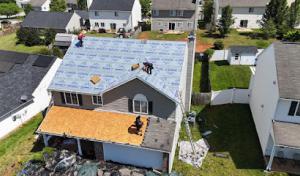
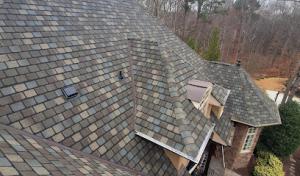
A full roof replacement in Morrisville requires a building permit processed through the town's online e-permitting system. That means your project cannot move forward without submitting the correct paperwork, a plan review, and payer verification, all tied to the town's digital portal. The system exists to ensure complex work-like structural modifications, ventilation changes, and flashing details-meets local building codes and strain limits from the Triangle's humid climate. If the permit isn't properly opened or tracked, the project can stall at any stage, leaving you with unexpected delays when weather and storm season push for timely repairs.
Town inspections are scheduled after installation and verify roofing, flashing, ventilation, and any structural work associated with the project. In practice, that means you should plan for a sequence: confirmed permit, ordered materials, actual installation, followed by the inspection window. The inspectors look for proper roof decking condition, correct flashing around chimneys and walls, adequate attic ventilation, and any changes to load-bearing elements. If components fail to meet the standard on inspection day, you'll need to address issues before the permit can advance toward final signoff. Missing or incomplete work is a common cause of hold-ups in this climate, where moisture and storm-driven wear accelerate deterioration.
A final inspection is required before the permit is released, making closeout documentation and inspection timing part of the replacement planning process in Morrisville. Expect to provide receipt documentation for material purchases, warranty information, and any contractor certifications relevant to the install. The town's final step confirms that every element-roofing, flashing, ventilation, and any structural repairs-has been completed in accordance with the approved plan. If the final inspection reveals gaps, the project cannot be closed out, which can extend exposure to weather and impact your home's long-term performance. Planning for a precise inspection window helps reduce downtime and minimizes the chance of weather-related setbacks.
Coordinate your contractor's schedule with the e-permit timeline so materials arrive just as the permit is activated. Build a contingency for inspection timing, especially during hurricane season or rapid storm bursts when the town's inspection queue can slow down. Keep copies of all permit notices, inspection appointments, and any correspondence from the city portal, and ready the closeout package ahead of time. If any structural work is performed beyond the roof plane, ensure those changes are documented and included in the final packet. The goal is to avoid surprises that could stall your project after a grueling season of moisture and heat, while aligning with Morrisville's standards for a safe, durable roof.
Skylight service is a meaningful specialty in this area, and leak-prone penetrations are a recurring homeowner concern during re-roofing and repair work. When evaluating a roof with skylights, look beyond the glass and frame to the surrounding flashing, curb, and sealant transitions. In hot, humid summers with convective storms, seals and flashing joints can degrade faster than shingles, making timely service and proper installation crucial.
Flat and low-slope roofing appears often enough among local contractors to matter for homes and attached structures where drainage and flashing details are less forgiving during summer storms. Inspect transitions where the roof meets walls, vents, and skylight curb areas. Pay special attention to the intersection of any low-slope surface with a higher slope, as water tends to linger at those joints and can lead to slow leaks that aren't immediately obvious from above.
Because town inspections check flashing and ventilation, expect penetrations and transition details to receive more scrutiny than cosmetic shingle issues alone. During a re-roof or repair, map every penetration around skylights, vents, and chimneys, and verify that flashing materials extend adequately over the deck, with clean joints and proper sealing.
Start with a dry-in walkthrough focusing on skylight curb integrity, sealant aging, and step flashing at the skylight perimeter. For low-slope areas, confirm proper drainage paths, edge flashing, and flashing continuity across transitions. Finally, ensure attic ventilation remains balanced to prevent moisture buildup that can undermine flashing work and roof deck longevity.
Find contractors experienced in skylight installation, flashing, and leak repairs to bring natural light into your home.
Cohen Family Roofing & Restoration
(984) 600-4106 cohenfamilyroofing.com
113 Heartsease Ln, Morrisville, North Carolina
5.0 from 29 reviews
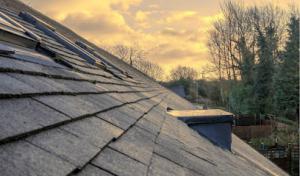
The local market is heavily oriented toward re-roofing rather than only new construction, so you should evaluate crews on replacement workflow, cleanup practices, and storm-response capacity. In this climate, crews that map out a clear sequence-scheduling materials, tarping, removing old decking, and installing underlayment in one continuous process-avoid long leaks and minimize exposure during convective storms. Look for teams that show a practiced routine for door-to-door protection, clean tarps over ground-level debris, and a rapid transition from tear-off to shingle installation.
Quick response and cleanup are especially prominent hiring priorities in this market, reflecting homeowner concern about active leaks, debris control, and minimizing disruption in dense residential neighborhoods. Ask for a written plan that spells out storm-day communications, crew arrival windows, and end-of-day cleanup checklists. Confirm how they handle weather delays and what guarantees accompany temporary repairs if storm cells threaten your home. A crew with a reputation for thorough cleanup-hammering down nails, removing all waste, and leaving neighboring properties as they found them-will reduce callbacks after the job.
Established, family-owned, locally owned, and manufacturer-certified firms all have visible presence in this market, giving homeowners a real choice between long-tenured local operators and larger storm-focused companies. Visit a current job site if possible, ask for local references, and verify how long the company has served the area. Prefer teams that demonstrate steady crews, ongoing training, and solid relationships with local suppliers. This stability helps ensure consistent workmanship through humid seasons and storm-driven aging.
In this market, solar roofing is a growing specialty, but it remains a smaller niche compared to standard replacements. When a roof is nearing the end of its service life, planning for future panel installation can influence the choice of materials, warranty considerations, and the sequencing of work. The hot, humid summers and frequent convective storms in this area stress penetrations and flashings, so aligning a roof replacement with solar installation reduces the risk of leak paths and cuts down on future disruption.
If you anticipate solar modules within a few years, consider scheduling a roof replacement before any panel work begins. Doing so minimizes duplicate flashing and penetrations, and makes it easier to achieve a clean, watertight transition from roof surface to mounting hardware. For homes with multiple penetrations-such as vent pipes, chimneys, and attic access-replacing the roof first allows the solar installer to trust that the base flashing is intact and correctly integrated with the roof deck. This coordination also simplifies warranty boundaries: the roof is responsible for the primary weather barrier, while the solar contractor handles the array taillamps and racking connections.
The town's e-permitting process emphasizes full replacement permits and a final inspection signoff. When solar-ready work is part of the plan, align roof work with the town's inspection sequence to ensure a smooth closeout. Communicate clearly with the roofing contractor about any anticipated solar components, including potential impact on attic ventilation and roof line aesthetics. A well-timed roof replacement can keep the inspection path straightforward, reducing the chances of needing re-inspection due to newly added penetrations or flashing details.
Ask your roofing contractor to map out all penetrations and flashing transitions that will be affected by future solar hardware. Consider using a standing seam or a roof with integrated flashing options if your house design suits it, as these choices can ease later solar mounting. Request documentation that details how the roof assembly will accommodate future racking, wiring routes, and potential shading considerations from nearby trees or nearby structures. If a partial retrofit appears advantageous, ensure the plan preserves a robust weather barrier and does not compromise the roof's long-term performance.
Find contractors who integrate solar panels or solar shingles into your roof for long-term energy savings.