Last updated: Apr 19, 2026
In this area, the storm season brings frequent summer thunderstorms that can punch through roofs fast, followed by a tight window for securing a full replacement. Leaks and interior damage can escalate quickly, so your first move after a storm is to stop the water intrusion and document the damage. Have a felt-tipped marker and a camera ready to capture the extent of roof, attic, and ceiling damage as soon as it's safe to inspect. The sooner you check in, the stronger your documentation will be when talking to your insurer or your adjuster.
Central North Carolina wind- and hail-driven claims are common enough that insurers typically expect photo documentation, a clear replacement scope, and often a licensed contractor's bid before approving larger roof work. Do not delay collecting evidence: take exterior photos from multiple angles, close-ups of damaged shingles or flashing, and any interior signs of moisture. A clear, itemized scope that specifies roof sections, materials, underlayment, ventilation, and a proposed replacement sequence helps speed the process and reduces back-and-forth delays caused by vague claims.
Because the southwest Wake County market sits under rapid growth, storm demand surges can tighten contractor availability after regional weather events. Scheduling delays are more likely than in slower-growth towns, so you may face a longer wait to secure a trusted roofer and a dependable crew. If possible, line up your preferred local contractor early in the claim process and keep a prioritized backup list of two or three local options. When storms hit, reach out to them within 24-48 hours to establish response times and availability, and keep your claim numbers and adjuster contact handy so communications stay direct and fast.
You'll want to align your claim timing with the insurer's review cycle. A common pattern is to file promptly, share the documented evidence promptly, and then await a scheduled adjuster visit. If weather windows push into the fall, prioritize a pre-visit by your contractor to reinforce urgency: a professional, written assessment that notes the current leak risk, underlayment condition, and a realistic replacement sequence can help prevent stalling while waiting for approval. Keep tells of weather patterns and forecasted storm risk handy to explain why a quick move from temporary mitigation to full replacement is critical.
Move quickly on temporary measures that reduce further damage: cover exposed roofs with sturdy, weatherproof tarps, secure loose shingles, and protect interior rooms most at risk. Photograph any temporary fixes and maintain a simple log of rain events, moisture readings if available, and dates of repairs. Share this evidence with your insurer and your contractor to keep the process moving. In this market, proactive coordination between you, the adjuster, and the contractor is the best way to steer a fast, solid path from claim to replacement.

Avant-Garde Roofing & Gutters
(919) 935-7934 www.avant-garderoofing.com
216 Hidden Farm Ln, Holly Springs, North Carolina
5.0 from 108 reviews
Free roof inspection & assessment Free consultation & professional advice Help to determine the best course of action (get insurance involved, repair or replace roof at retail cost) Roofing made easy! Roofer, gutters, skylights, power fans

Roofs By Design Holly Springs
(919) 480-7290 roofsbydesign.com
209 Arbor Crest Rd, Holly Springs, North Carolina
5.0 from 44 reviews
Your roof is one of the most expensive investments you’ll make for your home. For over 20 years, at Roofs By Design, we have been helping countless homeowners in Cary, NC get the most out of their roofing investment. We’re proud to offer unmatched customer service and superior workmanship. Our superior workmanship will leave you feeling confident in your roof after completing our service. We can find the products that match your needs and the style of your home. Call us to assist you!
B & B Roofing
(919) 552-0944 www.bbroofingnc.com
4529 Goosehaven Ln, Holly Springs, North Carolina
4.7 from 42 reviews
Full service roofing and repair family owned business
Trademark Roofing & Gutter
(919) 577-8050 www.trademarkroofingandgutter.com
226 Premier Dr, Holly Springs, North Carolina
4.5 from 33 reviews
Trademark Roofing & Gutter Companies have been proudly serving the Triangle for 20 years. The area's top homebuilders trust Trademark to provide reliable, on time, clean and courteous service at a fair price and so can you! At Trademark, our professionally trained craftsmen utilize the finest modern materials and equipment to provide a worry-free roof, gutter system or set of shutters for your home.
Holly Springs Roofing Solutions
(252) 494-4631 hollyspringsroofingservice.com
303 Grand Hill Pl, Holly Springs, North Carolina
4.7 from 15 reviews
Holly Springs Roofing Solutions is your trusted roofing contractor in Holly Springs, NC, delivering top-quality roofing services with excellence and reliability. We specialize in roof installation, roof replacement, and roof repair, ensuring your home or business stays protected year-round. Our expertise includes metal roofing, asphalt shingle roofing, and commercial TPO roofing, providing durable and energy-efficient solutions. Whether you need new construction roofing or flat roofing, our skilled team guarantees superior craftsmanship and long-lasting results. With a commitment to customer satisfaction and high-quality materials, we make roofing stress-free and affordable. Contact Holly Springs Roofing Solutions today for expert service.
GablesNCRoofing
309 Ash Ct, Holly Springs, North Carolina
5.0 from 2 reviews
At Gables NC Roofing, we focus on customer satisfaction. Whether we’re constructing a new roof, renovating an existing roof, or repairing a roof, we provide professional service for both residential and commercial customers.
Oak City Contracting
(919) 324-4261 www.oakcitycontracting.com
Serving
4.7 from 43 reviews
Oak City Contracting Concepts is a full service roofing company located in Raleigh. Our # 1 goal is to make sure that your home or building has a high quality roof that exceeds all expectations.
Above All Roofing & Construction
(984) 322-7663 www.aarcroofs.com
Serving
5.0 from 106 reviews
Above All Roofing & Construction proudly serves Central and Coastal North Carolina, from Fuquay-Varina and Raleigh to New Bern and Wilmington. We specialize in roof replacements, roof repairs, durable siding installation, seamless gutters, and energy-efficient windows. As an experienced local contractor, we understand the region’s tough weather conditions and provide long-lasting, high-quality solutions built to protect your home. Whether you need an emergency roof repair, a complete roof replacement, or exterior upgrades to boost curb appeal, we deliver honest estimates, fair pricing, and superior craftsmanship. Trust Above All Roofing & Construction for reliable service, top-quality materials, and results that stand the test of time.
Shield Roofing
(919) 291-3400 www.shieldroofingnc.com
Serving
5.0 from 29 reviews
TRUST US TO TAKE CARE OF YOUR ROOF MEET WITH A RELIABLE ROOFING CONTRACTOR IN HOLLY SPRINGS, NC Shield Roofing is raising the bar on roofing services in Holly Springs, NC, one house at a time. Our roofing contractor is equipped with first-class products from brands like CertainTeed that are designed to keep your roof in tip-top shape for years to come. Whether you need partial re-roofing or a full roof replacement, you can find the help you need at Shield Roofing Call us at 919-291-3400 now to speak with a roofing contractor about our residential roofing services.
Oak City Roofing
(919) 535-4278 www.oakcityroofing.com
Serving
5.0 from 43 reviews
Oak City Roofing is an exterior contractor specializing in residential roof replacement, vinyl replacement windows, and gutter replacements. We're experts in the industry, but more importantly, we're members of your community. We've been operating in Cary since 2009, so we don't just know roofs, we know roofs in Raleigh. We are able to provide roof installation & roof replacement in Cary, Raleigh & the Triangle. Our team is fully licensed and certified. We primarily work on asphalt shingle roofs, as well as install seamless gutters, replace skylights, and vinyl window replacements in Cary, Raleigh & The Triangle. Weekend and evening appointments available upon request.
Nailed It Roof Repair
(919) 386-9564 naileditroofrepair.com
Serving
5.0 from 73 reviews
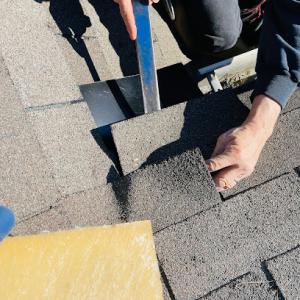
Shingle Roof Repair • Owner Operator • Serving The Triangle And Surrounding Areas. Free Estimates & Quotes • Inspections • Multi Year Money Back Guarantee • Insured

Baker Home Exteriors
(919) 926-7712 bakerhomeexteriors.com
Serving
4.7 from 676 reviews
Founded in 1915 and proudly employee-owned, Baker Home Exteriors is a trusted roofing company serving Raleigh and the Triangle with reliable residential roofing services. Backed by the legacy of Baker Roofing—one of the nation’s oldest and most respected roofing contractors—we install thousands of roofs each year with proven craftsmanship. Our roofing contractors specialize in roof repairs, full roof replacements, storm damage roofing, and insurance-related repair work. We also offer siding, window, and gutter services to fully protect your home. When Raleigh homeowners need a dependable roofing company, they choose Baker.
Spring and fall are the sweet spots for replacement roofs in this area. Central North Carolina heat and humidity in the summer can slow crews, complicate material handling, and push drying times. Mild temperatures in spring and fall help shingles seat properly, underlayment cure, and ventilation systems settle without the stress of a furnace-like July. Winter cold snaps also affect drying conditions and the ability to complete a reliable tear-off and install in a single weather window. Planning a project in these shoulder seasons reduces the chance of weather-related delays and keeps the crew moving at a steady pace.
Summer installations in this market face a double scheduling risk. Thunderstorms can roll through in the afternoon with little warning, interrupting tear-offs and forcing temporary tarps while crews wait for the next dry spell. Tropical system tracking across North Carolina adds another layer of unpredictability, since a storm's track can shift tear-off timing and dry-in plans quickly. On hot, humid days, equipment and fasteners heat up, and roofers prioritize safety and material handling to avoid heat-related delays. If a summer replacement is needed, build in buffer time for weather disruptions and have a plan for weekend or early-morning crew slots to maximize dry periods between storms.
In practice, homeowners often benefit from booking before peak storm season rather than waiting until late summer. That approach reduces exposure to the convergence of high regional demand and volatile weather. Scheduling a fall project, ideally after peak heat but before the wettest late-fall periods, helps align with steadier temperatures and reduces the risk of back-to-back weather interruptions. Early timing also gives you a clearer path to completing tear-off, installation, and final inspection without the pressure of a crowded calendar. If spring work is chosen, aim for early to mid-spring before spring thundershowers become routine, ensuring crews can finish before the hotter, rainier heat builds up.
Coordinate with your contractor to set a target installation window that accounts for local weather patterns. Ask about historical daily highs and typical rainfall days in your preferred month so the team can estimate days with solid drying conditions. Discuss contingency plans for storm days, including how many back-up days are reserved and how weather delays affect milestones like tear-off, underlayment securing, and final ventilation checks. Confirm that the scheduling aligns with crew availability during your chosen window, and ask for a preliminary inspection of the roof deck so you're not scrambling when a slot opens. If you've experienced nearby storm impacts in past years, mention those to help the contractor build a realistic calendar that accommodates both local climate quirks and regional demand spikes. By targeting the spring or fall, you keep the project on a predictable rhythm and reduce the risk that summer volatility derails a timely re-roof.
Asphalt shingles are the dominant practical choice for homes with the suburban footprint common in this area. They fit the widespread stock of brick-and-stone or vinyl-sided, two-story or split-level designs that populate the Wake County suburbs. The real-world advantage is the broad contractor availability-more crews, quicker scheduling, and easier repairs when a storm hits. In this market, shingle projects tend to move with the summer-to-fall weather window, and installers are accustomed to the local quick-turn needs after a summer thunderstorm or tropical-system wind event. For homeowners watching for reroof timing after storm damage, asphalt's versatility means faster matching materials and a more predictable repair path, with multiple shingle profiles that can mimic older looks without reinventing the entire roof appearance. When selecting asphalt, prioritize shingles with good wind resistance ratings and opt for underlayment that provides robust secondary protection against NC rain-driven spray and attic ventilation needs. A well-ventilated attic, paired with a quality underlayment and properly sealed edges, helps curb heat buildup and reduces the risk of moisture-related issues in our humid summers.
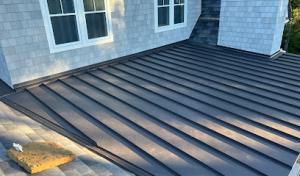
Metal roofing has a meaningful local presence, and many homeowners consider it when wind performance and durability across central North Carolina storm cycles are priorities. Metal systems can offer excellent resistance to high winds and a longer life expectancy, which matters in an area accustomed to summer squalls and occasional tropical-system gusts. In practice, metal often requires precise roof-draft calculations and quality flashing details to handle transitional areas around chimneys, skylights, and vents. If choosing metal, think about coating color that reflects heat and resists fading, since strong afternoon sun and reflective heat are common during the hottest months. Installation matters a great deal here: a seasoned crew will ensure panel seams are accurately lapped and fastened, and that the underlayment and ventilation plan integrate seamlessly with the roof's eave and ridge flows. While metal can be a bigger upfront project, its performance profile suits homes that want reduced maintenance and sustained wind resistance, provided installation quality stays high.
Clay and concrete tile, wood shakes, and synthetic or composite shingles exist in the Holly Springs market, but they are far less common as everyday choices. Availability of experienced installers who can match existing textures and colors is more limited, which can affect repair options and color consistency after years of exposure to sun and storm cycles. Clay and concrete tiles bring distinct curb appeal and robust weather resistance, yet their weight requires structural checks and careful installation details to avoid long-term issues with fasteners and deck integrity. Wood shakes offer a classic look but demand higher maintenance to prevent moisture damage in humid summers and to resist insect activity. Synthetic or composite options can provide durable, lighter-weight alternatives that mimic traditional looks, yet the local installer network may lean toward asphalt or metal compatibility for rapid service and color matching after damage. When considering these materials, discuss access to local specialists who can match profiles and ensure compatible underlayment and ventilation strategies, particularly for roofs that have complex shapes or historic appearances.
In a climate where summer thunderstorms and occasional tropical-system winds test roofing systems, the material choice should align with vented attic design, underlayment quality, and the ability to source matching components quickly after a wind event. The most reliable path for homeowners is to select a material with strong local installer support, a proven track record of wind performance, and a plan for coordinating with crews who understand how attic ventilation and deck integrity interact with the chosen finish. For replacements, leaning on a material with broad local familiarity helps ensure consistent repairs and easier color and texture matching years down the line, a crucial factor when storms necessitate rapid re-roofs during the busiest window of the year.
In this area, typical Holly Springs material pricing runs about $350-$600 per square for asphalt shingles, $700-$1300 for metal, $1100-$1900 for clay tile, $1000-$1800 for concrete tile, $500-$1000 for wood shingles or shakes, and $450-$900 for synthetic/composite shingles. Asphalt remains the most common, balancing cost and durability for the suburban rooflines you'll encounter. If a storm-damaged roof needs rapid replacement, metal and concrete or clay tiles push the budget up quickly, but they often deliver longer-term value in high-wind or storm-prone seasons.
Storm events in July through September drive spikes in both damage reports and claim activity. When an inspection is needed, have photos of pre-storm conditions and a clear chronology of the damage. Insurance adjusters expect documentation that shows what was damaged and what's recommended to restore code-compliant performance, including attic ventilation and moisture barriers. A well-documented file can speed approval and help avoid a gap between assessment and work start.
Summer-to-fall weather in this valley can hinge on sudden thunderstorms and tropical-system winds. If a claim is approved, expect bidding competition from the Raleigh-area labor pool once numbers spike after storms. That means timing matters: contractors who can mobilize quickly often win, but quick bids must still include proper ventilation and underlayment as part of the scope. When comparing bids, watch for differences in scope: the lowest price isn't always the best if a contractor omits critical ventilation improvements or underlayment upgrades. In practice, align your chosen crew with a plan that accommodates a patch-free wind zone and a weather window that protects attic and interior spaces during the replacement.
Get a clear picture of your project costs upfront - no commitment required.
Superb Roofing & Renovations
(919) 670-9106 www.superbroofingandrenovations.com
Serving
5.0 from 48 reviews
In this area, a building permit is typically required for a full re-roof, and contractors usually handle the paperwork through the Town of Holly Springs Building Department on behalf of the homeowner. The town uses a plan review for roofing work that falls under the permitting scope, and you should anticipate a formal review of venting, underlayment, and the overall roof assembly before any shingle nail hits the deck. This isn't a paper shuffle to slow things down; it's a safeguard against weather-driven failures and a misstep that could jeopardize insurance claims after a summer storm. Expect at least one cycle of review and questions from the inspector to confirm your roof details align with current code and local practice.
A final inspection is not optional in this market. Holly Springs requires a final inspection after installation, and skipping or delaying that step can lead to penalties, rework, or denial of the permit release. If the roofing crew rushes to completion to beat a weather window without allowing for inspection readiness, you risk a rejected inspection and a tightening schedule that compounds delays during the critical late-summer to early-fall window. The inspector will not just check that shingles are nailed correctly; they will verify the overall assembly matches the approved plan, including attic ventilation and roof underlayment.
Before the first sheet is removed, make sure the written scope specifies ventilation details, underlayment type, and the exact code-compliant attachment method for your new roof. Local inspections focus on ventilation adequacy, proper underlayment installation, and adherence to applicable code standards. If any of these items are missing from the scope, push for a clear addendum before the work starts. A well-documented scope helps avoid a back-and-forth with inspectors and reduces the chance of rework after installation. If the contractor cannot provide a clear plan for ventilation and underlayment, reconsider the project or request a revised scope to align with Holly Springs code expectations.
In this area, insurers scrutinize wind and hail claims closely. Before-any-work documentation matters as much as the claim itself. Take clear, date-stamped photos before repairs or replacements begin, capturing the overall roof, surrounding gutters, and vents. Keep notes from the storm that started the claim, including wind speeds if available and any trees or debris impacting the home. A detailed contractor scope that maps out each step of the replacement adds clarity and reduces back-and-forth during the process. In Holly Springs, this level of record-keeping is often the difference between a smooth claim and a protracted review.
Coverage decisions in central North Carolina can be influenced by roof age and prior repairs. If patch histories exist, expect closer review during the claim. Insurers look for consistency between what happened to the roof and what is claimed to be needed. If the roof has multiple patch jobs, or if previous work shows questionable workmanship, the carrier may question both the necessity and the scope of the repair. Honest, complete histories and a transparent narrative of the roof's condition help align the claim with what the policy intends to cover, reducing the risk of denial or underpayment.
Insurers serving this region may ask for proof of proper underlayment and ventilation on replacement roofs. The outcome of the claim can hinge on installation details that matter for long-term performance, especially in hot summers and storm-prone seasons. A replacement that fails to meet ventilation and underlayment expectations can influence coverage decisions or future claim eligibility. Ensure the contractor's plan explicitly documents vented pathways, correct underlayment type, and adherence to local guidance verified at inspection.
Verification happens here at the ground level, with local inspectors checking installation details tied to code-compliant practices. If the claim leads to a replacement, know that the insurer's confidence rises when inspection reports corroborate the contractor's scope, venting layout, and underlayment quality. Staying aligned with the inspector's notes minimizes surprises and helps secure the intended coverage outcome. In Holly Springs, this local validation is a practical hinge between claim reality and policy settlement.
In a neighborhood that grew rapidly with newer suburban homes, many homeowners face first or second full replacements rather than historic repairs. The weather here brings summer thunderstorms and tropical-system winds that test edge details, hips, and valleys. Expect to focus on how the roof sheds water quickly after a storm, and how a fast dry-in matters for the rest of the home. A practical approach is to plan around the sequence: assess damage, secure temporary weather protection, and schedule the crew for a solid dry-in window so attic space stays dry while ventilation and underlayment are reviewed.
The local contractor market shows steady demand for re-roofing, skylight work, and chimney-related roof details. Penetrations and transition areas are common homeowner concern points in these projects. Pay attention to the flashing around skylights, vents, and chimneys, and expect extra care where your deck meets the roof line. When you discuss a scope, insist on full integration of new underlayment at every penetration and a rigorous check of step and counter-flashing. Verify that any vent collars are sealed and that chimney cricket or flashing is integrated with the roof deck to resist wind-driven rain.
Ventilation and underlayment receive close scrutiny in the replacement process, and for good reason: proper intake and exhaust help prevent condensation and ice-dam risk in shoulder seasons, while a solid underlayment protects against wind-driven moisture during storms. In the typical Holly Springs install, expect a careful review of attic vent placement, ridge vent continuity, and material compatibility between underlayment and new shingles or metal panels. A straightforward checklist is to confirm that the roof deck is clean, dry, and rotted sections are replaced before any underlayment goes down.
Cleanup and quick response are unusually prominent hiring priorities in dense neighborhood settings where driveway access can complicate material staging. Coordinate with the crew on debris containment, tarp placement over vehicles, and clear routes for unloading and reloading. Ask for a defined daily cleanup plan and a reliable timeline for dry-in, so the rest of the exterior and any landscaping stay protected during the replacement.
Find contractors experienced in skylight installation, flashing, and leak repairs to bring natural light into your home.
Avant-Garde Roofing & Gutters
(919) 935-7934 www.avant-garderoofing.com
216 Hidden Farm Ln, Holly Springs, North Carolina
5.0 from 108 reviews
B & B Roofing
(919) 552-0944 www.bbroofingnc.com
4529 Goosehaven Ln, Holly Springs, North Carolina
4.7 from 42 reviews