
Last updated: Apr 19, 2026
Graham sits in North Carolina's inland Piedmont, where heavy summer thunderstorms and tropical-storm remnants are a more relevant roofing threat than coastal salt exposure. The humid subtropical pattern means wind-driven rain can turn minor shingle or flashing failures into active leaks quickly during warm-season storm cycles. If a storm hits hard, the first 24 to 48 hours are critical: a small leak can threaten attic insulation, ceiling drywall, and interior finishes in ways that cost more to repair later. Look for telltale signs like water streaks along rafters, sudden damp spots on ceilings, or damp insulation in attic spaces. If the wind-driven rain arrives with hail or flying debris, damaged edges, torn shingles, or displacement around vents and chimneys are common. Treat any new dripping as urgent and non-deferable.
The fastest way to minimize damage is to run through a simple triage: locate the highest point of the leak, identify where water is entering, and stop the flow as safely as possible. If you can reach the attic safely, place a temporary container under the leak and remove standing water from the affected area to slow interior damage. For active leaks at the roofline, a temporary tarping solution becomes essential; a sturdy blue or silver tarp anchored to the roof deck and ridges can buy critical time until a professional team can complete a proper repair. Keep flashlights and batteries handy in case power is interrupted by storm activity, and avoid stepping on weakened roof sections or damaged shingles to prevent a fall or additional breaches.
Storm-driven damage in this area tends to escalate quickly, so prompt contact with a local contractor is essential. When you call, describe the storm, exact location of leaks, and any visible roof damage-shingles lifted by wind, flashing around vents, or gaps at the chimney. If you have access to the attic, note whether insulation feels wet and whether there is any musty odor, which can indicate prolonged moisture intrusion. Ask for emergency repair options and expected response times so that tarping or leak control can begin within the same day, if possible. Request a written plan that includes tarping timelines, a scope of needed repairs, and who will perform them, with clear contact points for updates.
After the immediate threat is contained, schedule a thorough roof assessment with a reputable local contractor. The goal is to identify every compromised shingle, flashing joint, and vent boot, plus any interior damage that may require remediation. A careful inspection should prioritize safety anchors, potential hidden moisture behind soffits and under eaves, and the condition of attic ventilation, which influences how quickly heat and moisture accumulate after a storm. In Graham, a quick, documented post-storm check helps with insurance communication and ensures repairs address both the visible damage and any latent risks caused by sustained humidity and rapid rain intrusion.
Sappelt Roofing & Repair
(919) 933-0433 www.oldroofer.com
6579 NC-87, Graham, North Carolina
4.7 from 13 reviews
Call or text 919-933-0433 to get a professional estimate for your roofing and gutter project.
Donley’s Roofing
(863) 206-8785 donleys-roofing-co.ueniweb.com
Graham, NC
5.0 from 6 reviews
Donley's Roofing, a family-owned and operated business located in Graham, specializes in providing top-notch roofing services for both residential and commercial properties. Our team of experts is fully committed to ensuring the satisfaction of our customers by providing a wide range of services, including residential and commercial roof repair, replacement, maintenance, and cleaning. We understand that a damaged or poorly maintained roof can be a major inconvenience, that's why we offer quick and efficient service to minimize disruption and get your roof back in top condition as soon as possible. We are fully committed to our customer satisfaction and offer first responder and military discounts to show our appreciation.
1St Guard Roofing
1754 Crissy Ln, Graham, North Carolina
5.0 from 5 reviews
Superior roofing installation
Robinson Roofing
(336) 221-4582 www.facebook.com
Graham, NC
5.0 from 3 reviews
Robinson Roofing is a locally owned and family operated roofing company that offers commercial/residential shingles, flat roofing, carpentry, siding, gutters, emergency roof repair, and more.
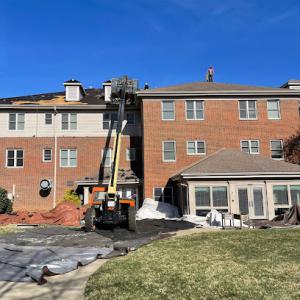
Rodriguez Roofing
(336) 792-8246 rodriguezcontractorroofers.us
Serving
5.0 from 38 reviews
Rodriguez Roofing is a company that was established in burlington, NC many years ago under the values of professionalism, integrity and responsibility.
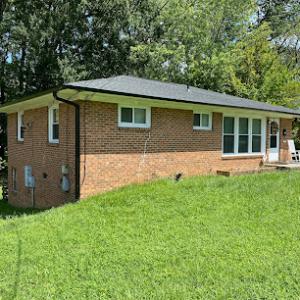
Top Tier Home Services
(336) 350-9825 www.tthservices.com
Serving
5.0 from 48 reviews
Choose the highest-quality care for the needs of your roof, gutters, and siding. Top Tier Home Services completes jobs at efficient and reliable rates to ensure your property stays at peak performance. Whether you rely on them for a roof installation or soffit repair, these professionals in Burlington, NC, will provide one-of-a-kind lasting results. Their team of contractors brings 25 years of industry experience and specializes in roofing, gutters, and painting treatments. They not only serve residential and commercial properties in North Carolina but provide their expert work to areas in South Carolina and Virginia.
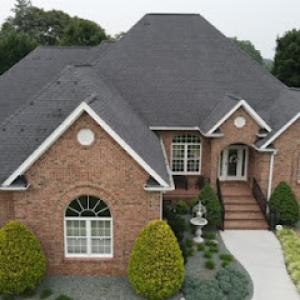
Sipe Roofing & General Contracting
(336) 264-7532 www.siperoofingandgeneralcontracting.com
Serving
4.8 from 49 reviews
Sipe Roofing & General Contracting is your go-to roofing contractor in Burlington, NC, specializing in roof replacement, roof repair, storm damage roofing, and emergency roofing services. Our expert team is ready 24/7 for emergency roof repairs, ensuring your home or business is protected. We excel in metal roofing, TPO roofing, shingle replacements, and new roof installations, using only the best roofing materials from leading brands like GAF and Owens Corning. With decades of experience since 1992, we guarantee top-quality workmanship and customer satisfaction. Contact us today for a free inspection and experience our reliable, community-focused service firsthand.
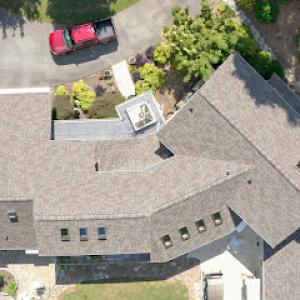
Just In Time Roofing & Restoration
Serving
4.9 from 269 reviews
At Just In Time Roofing & Restoration, we take pride in providing the highest level of customer service possible along with superior results from a job done right the first time. Our commitment to honesty and integrity is evident in every project we complete. Our local, family-owned company is dedicated to ensuring the use of top-quality products and offering extended warranties on roofs for residential and commercial customers in the Burlington, North Carolina area. We offer roof installations, repairs, and inspections, as well as emergency tarping services. We also specialize in working with your insurance company when storms hit. We can also help with solar energy, gutters, siding, fences and windows.
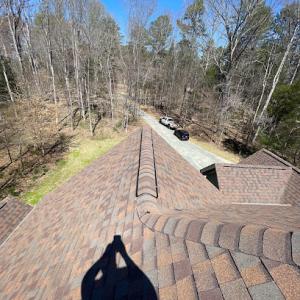
MCSquared Roofing
(336) 988-7663 www.myroofer.com
Serving
4.9 from 42 reviews
Welcome to MCSquared Roofing, the premier roofing company specializing in professional roof replacement services. If you’re in need of having your roof replaced, you’ve come to the right place. With years of industry expertise and a strong commitment to customer satisfaction, we are the trusted choice for all your roofing needs.
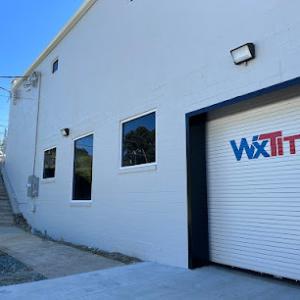
WxTite / Graham
620 W Elm St, Graham, North Carolina
5.0 from 1 review
WxTite, a specialty general contractor, is an all-encompassing solution, addressing client needs from new construction projects to ongoing building maintenance and repair endeavors. Our skilled and knowledgeable teams offer top tier services in roofing, restoration + waterproofing, siding + recladding and service: repair + maintenance to provide comprehensive building solutions to clients. Visit our website or give us a call today to discuss how we can help.

Burlington Roofing Company
(336) 226-5088 burlingtonroofingco.com
Serving
4.2 from 6 reviews
Burlington Roofing, Inc. is a fully insured, full service, licensed roofing contractor, committed to serving you with the highest standards in the industry. Burlington Roofing, Co. Inc. is a landmark company providing customers of North Carolina exceptional service and the highest quality roof installations since 1955. Each employee is bonded and insured, providing our customers the security of knowing their property is protected. Your facility is an investment, a vital element to your comfort and existence, central to your business operations and profits. Protecting that investment is your roof, which most often is out of sight & out of mind until it leaks. The expensive results are property damage and business disruption.
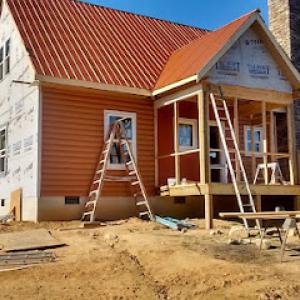
Riley Roofing Company
Serving
5.0 from 50 reviews
Call your professional residential Roofing we specialize in re-roofing older homes
Inland Graham generally remains insurable, but North Carolina homeowners are seeing rising premiums, higher deductibles, and more documentation requests after major storm events. That means when a storm rattles the attic and rooftop, the clock starts ticking on how quickly paperwork trails-or whether it trails at all. The insurance mindset in this part of the Piedmont is to verify when, where, and how the damage happened, not to assume a blanket adjustment for broad weather exposure. Being prepared with a clear narrative of what failed and when can influence the outcome more than guessing at cause.
After severe weather, adjusters may ask Graham-area homeowners for dated photos, interior leak evidence, and repeated site visits before approving full replacement versus repair. Photos should show the roof, eaves, and any staining or darkening that marks delayed leaks. Don't rely on memory; mark dates on every image and preserve records of any interior moisture, warped drywall, or ceiling stains. If water has traveled along roof joists or through attic vents, capture those pathways as clearly as possible. Expect questions about shingle granule loss, hail impact patterns, and any temporary repairs made right after the storm. Providing precise evidence reduces back-and-forth and helps align expectations during an already stressful time.
Because Graham is not a coastal market, claims often hinge on proving discrete storm damage rather than broad hurricane-zone underwriting assumptions. That nuance matters: insurers may scrutinize whether a leak came from a single event or older, preexisting wear. Focus on clear breakpoints-an event date, a rapid onset of leaks after a known storm, and a direct link between the event and the interior damage. Keeping a simple, event-based timeline can help avoid arguments about cumulative wear or prior conditions. If a wind-driven shingle blow-off occurred during a thunderstorm and exposed decking, document the exact date and weather context to anchor the claim to a discrete incident.
Maintain a concise file of correspondence with the insurer, including the claim number, adjuster names, and note-taking from every conversation. If an initial assessment suggests repair is possible, request a written scope and a documented path to full replacement only if later inspection supports it. When contractors are brought into the process, ensure their assessments reference the same event-specific evidence: dated photos, precise locations of damage, and a clear sequence from damage occurrence to condition today. In storm-prone stretches of Alamance County, a steady, well-documented case helps prevent delays and aligns treatment with what the policy intends to cover.
Connect with contractors who help homeowners navigate the claims process from damage assessment to final approval.
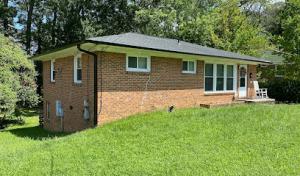
Sipe Roofing & General Contracting
(336) 264-7532 www.siperoofingandgeneralcontracting.com
Serving
4.8 from 49 reviews
Spring and fall are the practical sweet spots for a roof project in this area. The heat of summer isn't at peak yet, and winter moisture hasn't moved in to complicate installs. When planning, aim for mid-spring or early fall to reduce heat-accelerated shingle wear and to keep interior attic spaces comfortable for workers. In Graham, those shoulder seasons also tend to align with more predictable rainfall patterns, helping to keep projects on track without extended delays caused by heavy storms.
Summer storm activity around Piedmont highs can disrupt tear-off schedules. Thunderstorms blow through with short, intense downpours, and crews often have to pause work to protect freshly exposed roof decks. That interruption can compress the remaining dry-in period, leaving crews with narrow windows to wrap up a roof before the next round of storms. If you must replace in summer, plan with built-in buffer days and clear, accessible staging areas to minimize downtime. Have tarps ready to quickly cover vulnerable areas during sudden showers, and discuss contingency sequencing with the contractor so critical stages aren't left exposed.
Even though winters are generally mild, occasional freezes and light ice events can influence material handling and installation timing. Ice on ladders or slippery decks slows progress and raises safety risks. Frozen or stiff shingles and adhesive products can affect how fast crews move and how well seals set. In Graham, you'll want a flexible schedule that accounts for possible cold snaps, with some days kept in reserve for interior work or interior flashing adjustments when temperatures dip. If winter work is unavoidable, ensure crews have proper cold-weather practices, including storage of materials and proper hand-ice mitigation on walkways.
To maximize reliability, align your project with a window when moisture risk is moderate, temperatures are forgiving, and storm disruption is least likely to stop progress mid-t tear-off. Start by targeting the spring or fall months and build in a few weather contingency days. For summer starts, choose a window with a predictable weather pattern and prepare for possible delays by pre-staging materials and securing tarps. If winter work is underway, coordinate with the contractor on protective measures for roof openings and ensure that crews have a plan for safe navigation during cold mornings and potential ice. This approach keeps you moving through Graham's typical storm and temperature cycles without sacrificing long-term roof performance.
Asphalt shingles and metal roofing are the most practical mainstream choices in Graham, matching both local demand signals and the area's hot, humid summer conditions. Asphalt shingles offer a straightforward, cost-conscious option with a forgiving install that handles sudden thunderstorm downpours common in Piedmont summers. Metal roofing, while a bit bolder in appearance, provides outstanding resistance to wind-driven rain and rapid temperature swings, which helps with the rapid cooling and sweating cycles you see after a summer storm. For most homes, these two materials balance performance and maintenance needs without requiring specialized framing or exotic underlayment. In towns with frequent afternoon storms, the quick install and broad dealer support of these options make it easier to schedule repairs or replacements between storm seasons and insurance documentation cycles.
Wood shingles and shakes bring a traditional look that many Graham homeowners appreciate, especially on older or character-rich houses. In a humid climate, moisture management becomes the deciding factor. Wood ages when consistently exposed to high humidity and frequent wetting, which can accelerate cupping, warping, and fungal surface staining if venting and attic moisture control aren't carefully managed. When choosing wood in this area, select certified treated or properly seasoned stock and pair it with a high-quality underlayment and an effective attic vapor seal. Regular inspection after big storms is prudent, as moisture intrusion can travel from the roof deck into subtle gaps in the S-shape or overlaps. If the structure isn't robust enough to support heavier wood profiles, or if the roof already carries a lighter framing, avoid piling on extra mass without a structural assessment.
Clay tile and slate are available in this market but sit at the premium end of local pricing and require structure-aware planning on older or lighter-framed homes. Both materials excel at long lifespans and a cool, quiet roof deck, yet their weight demands careful verification of roof framing and tie-in details. In humid summers, clay and slate can handle heavy rains when properly installed, but they are less forgiving in marginal framing situations and can be more brittle during hail events. For houses with aging or lighter frames, a thorough structural appraisal is essential before committing to these materials. If the home already has the appropriate backing and support, these options can deliver excellent durability and a distinct, dignified curb appeal that holds up well under Piedmont weather patterns.
When planning a roof replacement in Graham, price sits squarely on the material choice and the condition of existing decking. Local pricing centers around the per-square ranges you see in the market: asphalt shingles are typically at the lower end of the Graham spectrum, while slate and clay tile sit at the top end. This means you'll often see a straightforward re-roof with asphalt landing in the lower-middle of the neighborhood range, and premium installs like slate or clay tile stretching toward the higher end. Use these ranges as anchors: asphalt shingles 350 to 650 per square, metal 700 to 1100, clay tile 900 to 1700, wood shingles/shakes 600 to 1100, synthetic/composite 550 to 1000, slate 1200 to 2100 per square.
Graham's summer thunderstorms can tighten schedules quickly after a widespread event. When the after-storm call volume spikes, crews may charge a premium for emergency dry-in and rapid re-roofing services, and you'll notice longer lead times in the job calendar. If a storm-damaged roof requires quick decking corrections, the price can rise beyond a straightforward re-roof. Factor in the urgency: the same square of material can be priced higher simply because crews are stretched and weather windows are tight.
Costs move not just with material but with project type. A straightforward re-roof using asphalt will sit near the lower end of the Graham range, while a storm-damaged replacement needing decking work can push the total higher due to labor and additional materials. Premium solutions-metal, clay tile, or slate-follow the upper end of the ranges, especially when delivery windows are constrained or specialized installation conditions apply. For tile and slate, durability and weight require careful planning and, in practice, can introduce framing or structural considerations that lift the overall cost.
For homes with standard attic access and no major decking issues, plan for asphalt at the lower cost band. If storm events have left creaking underlayment or minor decking concerns, budget toward the mid-to-upper asphalt or into metal. For clay tile or slate, anticipate the top-end pricing and longer timelines, with the expectation of meticulous installation given their weight and sensitivity to structural nuance. In Graham, storm timing and material choice together shape the bottom line, so align expectations with the weather calendar and preferred durability.
Get a clear picture of your project costs upfront - no commitment required.
Superior Roofing & Gutters
(336) 675-3359 superiorroofingandguttersnc.com
Serving
5.0 from 117 reviews
North Carolina Roofing & Gutter Company
(336) 684-8470 www.northcarolinaguttersandroofingcompany.com
Serving
4.9 from 108 reviews
A full roof replacement in Graham generally requires a permit through the local building department rather than being treated as informal maintenance. This is especially true after a Piedmont summer thunderstorm, when homeowners are more likely to consider a full replacement due to widespread underlying damage or multiple failed roofing components. The permit process helps ensure that work meets current North Carolina Building Code requirements and accounts for the moisture and humidity factors common to this inland Piedmont area.
The usual process is application, plan review, fee payment, permit issuance, then inspections at rough-in and final, with re-inspections possible if corrections are required. Plan review is the stage where the inspector checks that the proposed materials, underlayment, ventilation, and flashing details align with local expectations for the region's storm exposure. In Graham, weather-related considerations and existing roof geometry can influence what needs to be shown on the plan, so expect some back-and-forth if the plans do not fully address drainage and venting.
Homeowners in Graham should confirm whether the scope is classified as repair or replacement before work starts, because that distinction affects permit expectations and inspection scheduling. A repair may involve limited patchwork or component replacement, while a replacement triggers a broader review of roof decking, venting, and overall system integrity. The classification can also affect the timing of re-inspections if corrections are required after the initial review or rough-in inspection.
Planning for inspections around storm-season windows is prudent, since heavy rains can influence scheduling and access. Rough-in inspection typically occurs after decking, underlayment, and primary roof components are installed but before final finishing. The final inspection confirms compliance with code, correct installation of flashing and drip edges, and proper nailing patterns. Have your contractor keep documentation handy, including any plan revisions, to streamline the process if re-inspections become necessary.
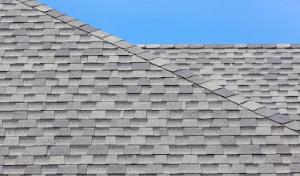
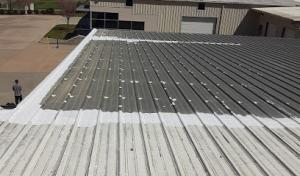
Although the town leans toward pitched roofs, there's a meaningful niche for flat or low-slope work on certain residential additions and small commercial properties. If you've added a sunroom, office, or covered patio, that low-slope area deserves the same careful attention as the main roof. In Graham's climate, these details are more than cosmetic; they're a practical anchor for leak prevention when storms roll in quickly or linger after a thunderstorm.
In humid, storm-prone seasons, slow drainage on low-slope sections becomes a repeat headache. Water can pond longer than expected, pushing up under fasteners, seals, and edge details. A loose or misaligned transition from a steeper roof to a low-slope area invites seepage right at the boundary, not far from the interior ceiling. Inspect if the gutter line overhang is adequate and if the deck or membrane-where present-sits flat without ripple. Small sagging, puckering, or debris buildup is a signal to pause and address the underlying slope, flashing, and terminations before the next round of heavy rain.
Skylights tend to be the weak link when moisture sits in the forecast. In this region, wind-driven rain can pry at the flashing and sealant around a skylight more aggressively than in drier climates. Look for loose or cracked flashing, wrinkled sealants, or gaps where the head meets the curb. After a patch repair on the surrounding roof, those skylight interfaces often reveal the true source of lingering leaks: the transitions and penetrations, not the broad field of roofing. If a leak shows up after a storm, don't assume the skylight itself is the sole culprit-check how the surrounding roof transitions into the skylight curb.
Patch jobs often focus on the visible water trail, but the real vulnerability hides at transitions: where a low-slope plane meets a steeper section, where edging devices sit, and where previous penetrations tie into new work. After repairs, leaks frequently trace to those joints rather than the middle of the deck. Expect to re-check caulking, seam tapes, and flashing at least one season after any patch, and pay special attention to the corners where water can back up and work inward.
Find specialists in TPO, EPDM, and built-up flat roofing systems for residential and commercial properties.
Sipe Roofing & General Contracting
(336) 264-7532 www.siperoofingandgeneralcontracting.com
Serving
4.8 from 49 reviews
The Graham market leans toward re-roofing rather than new construction, so your evaluation should center on how each crew handles the replacement workflow from start to finish. Look for a clear sequence: removal, decking check, underlayment, roof covering, and final inspection. Ask for a written plan that outlines staging, daily cleanup windows, and how debris is contained to protect landscaping and driveways. Clean, thorough teardown and a dressed-down, shipshape jobsite are strong signals of a crew that takes storm-driven work seriously.
After a Piedmont summer thunderstorm, leaks and exposure can escalate quickly. Gauge a crew's response speed by asking about typical call-back times, storm-day dispatch, and after-hours advice. A Graham contractor that can mobilize fast, bring tarps and essential repairs, and communicate promptly about timelines will minimize interior damage and insurance documentation hurdles. Notice if the crew assigns a dedicated supervisor for the project and if they offer a temporary leak-control plan while materials are staged.
Affordable pricing signals often appear alongside cleanup-included service, which matters in a town where jobsite control is valued. Verify what cleanup includes: dumpster usage, magnet sweeps for nails, and final broom-sweep. Clarify how debris is secured during inclement weather and how often the site is inspected for nails or shingle fragments. A crew that commits to daily cleanup and a post-project cleanup pass demonstrates practical, neighborhood-ready accountability.
Graham's market features long-established family operations and some manufacturer-certified firms. Compare each option by tenure, warranty scope, and who stands behind the work after the roof is installed. Request references from nearby homes with similar roof types and climates, and contact them about before-and-after performance, warranty handling, and any follow-up service. A well-regarded firm will blend strong local roots with solid manufacturer backing.