
Last updated: Apr 19, 2026
Franklin sits in the southern Appalachian region of Macon County, where mountain terrain and valley exposure create frequent runoff, shaded roof planes, and debris loading from surrounding trees. That combination means water does not always follow the predictable paths you learned to trust on gentler roofs. Valleys trap moisture behind chimneys and along eaves longer than in less wooded parts of North Carolina. When a storm arrives, the roof becomes a racing surface for rain and debris, pushing you into a higher level of vigilance about how water moves across every seam, edge, and flashing detail. In practice, that means paying special attention to the drip edge, valley construction, and the way debris from nearby maples, oaks, and fruit trees can form slow leaks that worsen during the wet season.
Homes around Franklin commonly deal with leaf buildup from dense tree cover, which can trap moisture at valleys, behind chimneys, and along eaves longer than in less wooded parts of North Carolina. When leaves collect in gutters and at valley intersections, water has nowhere to go but back up under shingles or underlayment, especially where roof planes intersect with dormers or old chimney flashing. If the debris sits in shade, it tends to stay damp longer, accelerating wear on underlayment and increasing the risk of rot. This is not a cosmetic issue-clogged drainage concentrates water at critical points and invites ice damming in shoulder seasons, even when temperatures flirt with freezing only intermittently. Address debris proactively, and never assume a light accumulation is harmless. Regular, targeted inspections after peak leaf-out, after strong wind events, and following storms are essential to keep water from finding unintended routes into the attic.
Summer thunderstorms and tropical-system remnants reaching western North Carolina can push rain sideways under shingles and metal laps, making flashing and underlayment performance especially important in Franklin. The mountain climate means wind-driven rain can arrive at oblique angles, slipping under shingle rows or the edge of metal panels where a conventional sealant alone cannot defend against repeated assault. Posts and flashing around chimneys, dormers, and vent penetrations become high-stakes points where failure radiates outward. A roof that relies on sealant alone, without robust step and counter flashing, is at risk of localized leaks that negotiate the attic space from a single compromised seam outward. If siding or fascia has loose nails or corrosion-driven gaps, wind-driven rain can exploit those weaknesses and migrate along roof planes into the attic or ceiling joists.
Prioritize a proactive, paired approach: improve drainage and reinforce critical seal points. Inspect gutters and downspouts for blockages after each major storm or high-wind event, and ensure arched or valley gutters are clear to carry runoff away from the house efficiently. Clean leaves and pins from the drip edge and eaves to prevent moisture pockets that encourage rot. Have a qualified roofer verify that valley flashing is continuous and properly sealed, since this is a common failure point in wooded neighbors' homes. Check chimney flashing for signs of lift or corrosion, and confirm that counter-flashing extends over the base flashing to resist wind-driven rain. If you notice damp spots near eaves during dry spells or hear water trickling in the attic after storms, treat those as urgent signs to call in a professional for a quick, targeted assessment. In homes with persistent shade, consider a roof inspection frequency that aligns with the rhythm of leaf drop and storm seasons to stay ahead of moisture intrusion before it becomes a larger repair.
Franklin homeowners live with a mountain pattern of rainfall, tree cover, and thunderstorm activity that can push a roof beyond its designed life. The terrain means rain comes with a gusty bite, and wind-driven downpours push water into vulnerable edges and penetrations. Fallen limbs from nearby oaks and pines are not rare after a quick thunderstorm, and those impacts can do more than scratch shingles-they can pry underlayment and create slow leaks that worsen with repeated wetting. The result is a climate where water intrusion isn't just a single event but a sequence of damp days, dry spells, and new exposure points after each storm track shifts inland from the coast. This is where a roof's resilience is tested year after year, not just during a single heavy downpour.
In North Carolina, roof claims commonly require photo documentation, roof-age details, and an adjuster visit, and that matters in Franklin because tree strikes and mixed wind-water damage can be disputed without clear evidence. A fallen limb can leave only a cosmetic mark on the surface, while the same incident might have compromised underlayment or a hidden water path that only shows up after a few weeks of rain. When storms come through, a well-documented history of weather exposure plus clear photos of any damage helps a claim move smoothly. The landscape around you often hides the real extent of damage until a subsequent rainfall, so meticulous records and time-stamped visuals can prevent a dispute later on.
Insurers may evaluate claims in part on roof age, material, and underlayment, which is especially relevant in Franklin where repeated wetting and shaded conditions can shorten the service life of some roof systems. A shaded, damp roof can deteriorate faster than a sunlit, dry one, even if initial damage looks minor. Asphalt, metal, or tile that has weathered through multiple seasons of mountain moisture may show wear patterns that resemble aging more than a sudden storm impact. In such cases, the claim assessment hinges on distinguishing between pre-existing wear and storm-driven damage. If a roof already carries age-related vulnerabilities, a strong wind event can push a repair into a more extensive replacement decision. Honest documentation of the roof's condition prior to the storm helps the adjuster separate wear from new damage.
After a storm, conduct a careful exterior sweep of exposed edges, valleys, and penetrations for loosened shingles, lifted flashing, or displaced metal. Take wide, interior, and up-close photos that show the extent of any damage and the surrounding water staining or darkened patches on sheathing, sheathing seams, or underlayment. Note tree debris near the eaves and gutters, since clogged drainage can exacerbate water intrusion and complicate claims. If you have a known history of shading and damp conditions, document your roof's age and any prior repairs or replacements so the adjuster can assess whether current damage is an incremental failure or a new event. A clear chain of documentation can make the difference between a straightforward settlement and a drawn-out dispute in a landscape where wind-water damage can masquerade as ordinary wear.
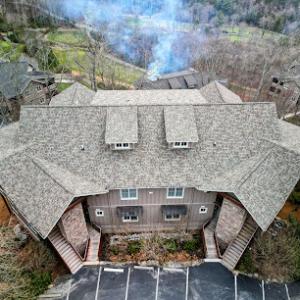
Appalachian Roof Restoration
(828) 634-5200 www.appalachianroofingwnc.com
33 Riverview St, Franklin, North Carolina
4.9 from 66 reviews
Comprehensive solutions for all your roof and gutter needs. Call today for your free estimate!
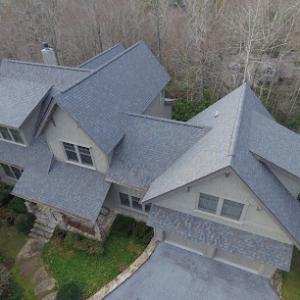
Highlander Roofing Services
(828) 397-9211 www.highlandernc.com
1511 Highlands Rd, Franklin, North Carolina
4.8 from 109 reviews
Highlander Roofing Services provides re-roofing, new roof installation, roof repairs, gutter service, and roof maintenance in the Franklin, NC area.
Four Families Roofing
93 Church St Suite 214, Franklin, North Carolina
4.9 from 33 reviews
Our Mission: At Four Families Roofing (with a personal legacy of 42 years of roofing and construction expertise) we stand as a testament to excellence, guided by the principles of a U.S. Army Combat Veteran. Rooted in strong ethics, morals, values, honesty, integrity, and a Christian background, we provide unparalleled service in the roofing industry. Our commitment to building lasting relationships is at the core of our mission. We believe in fostering connections with our clients, understanding their unique needs, and delivering solutions that stand the test of time. In every interaction, we prioritize transparency, accountability, and a dedication to the highest standards of craftsmanship.
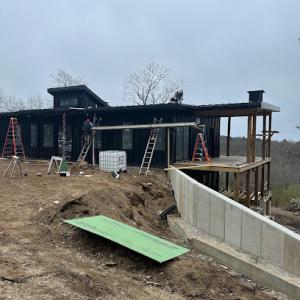
Valencia’s Roofing
(828) 347-1984 www.valenciasroofingnc.com
Franklin, North Carolina
5.0 from 7 reviews
Valencia's Roofing offers its Franklin, NC. customers a careful review of all the technical specifications of the work to be done and caters first and foremost to the customer's priorities, whether they are performance, budgetary or aesthetic. Any work performed by us is fully covered by a warranty system backed by insurance. We offer services of: Metal Siding Gutter Services Shingles Roofing Decks Hardwood Floor Vinyl Floor Drywall Interior & Exterior Painting General Remodeling Stonework Other Services Call us and we will be glad to help you, we are located in Franklin, NC.
Altitude Roofing & Contracting
(828) 371-7753 altituderoofing.biz
Serving
5.0 from 42 reviews
With over 100 years in business, Altitude Roofing & Contracting is the South East's most dependable and qualified roofing and contracting company to serve our customers. Based in Franklin, NC, our family-owned business has been operating for four generations and brings the best expertise to any type of roofing or contracting job. From residential to commercial roofs, Altitude Roofing & Contracting does it all. Altitude serves the regions of Western NC, Eastern TN, Northern Georgia, and Northern SC. Contact us for a free estimate today. We are fully insured and have a certified team of experts that can handle any job – small or large. Altitude Roofing & Contracting has the quality and craftsmanship to take your project to new heights!
Roof Guy WNC
Serving
5.0 from 2 reviews
Roof leak? We're "on top of it"! We specialize in full roof replacements, roof repairs, and storm damage insurance claims. A great crew that shows up and works hard. All facets of construction including shingles and metal, skylights and chimney flashing. Serving all of Western North Carolina. Fully insured. References available upon request. Free inspections and estimates.
Highlander Roofing Services Sylva
(828) 476-4000 highlandernc.com
Serving
5.0 from 30 reviews
Roofers in Sylva, NC Residential and Commercial Roofing, Re-roofs, gutter repairs, full seamless gutter services Replacements in Sylva, NC We provide solutions for all types of roofs including: Asphalt, Metal, Cedar, and Synthetic.
Spring in the mountain valleys brings a mix of warming days and lingering humidity. This can affect adhesive curing and dry-in timing for many roofing products, so you plan around more than just sun. In Franklin, you'll want to schedule the replacement window after the last round of deep frost risk but before the frequent spring showers pick up. If you aim for a mid-April to early May slot, you reduce the chance of rain delays while the ground has thawed enough to support crews and equipment without mud bogging up the job site. On days with higher humidity, keep conversations focused on product warranties and curing windows rather than rushing the process. A late spring dry spell helps crews seal penetrations cleanly and minimizes the risk of moisture trapped under underlayment.
Fall offers a window when heat is fading but frost hasn't started in earnest, which makes it a practical replacement season for the mountain climate. In Franklin, early to mid-October tends to balance cooler mornings with still-accessible daytime temperatures, helping adhesive bonds set without extreme heat or cold. The goal is to complete the install before the first hard freeze, which can complicate sealing and elongate cure times for certain materials. If a warm spell follows a chilly snap, inspections should verify that seals and flashing remain solid before the season shifts. Planning a fall job with a buffer into late October can help dodge the rush that follows summer storm surges and keeps crews moving steadily.
The four-season pattern in this region means adhesive curing and dry-in timing can be affected by spring and fall humidity levels. Moisture in the air can slow drying times or alter how fast underlayment and fasteners set. When humidity is high, expect potential adjustments to sequencing-shingle bundles or metal panels arriving earlier in the day to take advantage of the cooler, drier edges of the morning. For some products, a slightly cooler, drier afternoon window improves sealing, so the crew may stagger work to ride the day's best dry periods. You'll coordinate with the installer to align the roof deck readiness with the product's recommended cure window.
Winter brings cold snaps that can complicate handling and sealing for several roofing products. In Franklin, freezing nights and fluctuating daytime temperatures can affect material pliability and the performance of sealants. If a cold spell is forecast, the plan should shift toward securing the dry-in ahead of temperatures dipping below freezing, with contingency to pause work during precipitation or when ice risks appear on the slope. A well-timed winter window concentrates on safer handling conditions and minimizes the chance of post-install sealant failures once the ground freezes.
Scheduling in Franklin can tighten after major summer storm periods because regional demand spikes across western North Carolina when multiple mountain communities need emergency repairs at once. If a large storm season hits, you'll want to book ahead or request priority windows in late summer or early fall. This anticipation helps ensure materials and crews are available when weather patterns settle and the slate of urgent repairs begins to move through. To avoid delays, confirm preferred start dates early and maintain flexibility around minor weather interruptions.
Asphalt shingles remain common in Franklin, but shaded roof sections in this wooded mountain setting are more vulnerable to moisture retention and premature wear than sunnier, flatter regions. In shaded pitches, algae and moss growth can be a persistent issue, especially on northern or deeply overhung exposures. Choose a shingle with higher algae resistance and a warranty that covers any wind-driven rain that finds its way under the edges. Pay attention to the roof plane's drainage: ensure proper overhangs and clear gutter lines so water doesn't back up along the fascia during heavy storms. In areas with frequent tree shade, consider a sealant or coating that helps the shingle surface shed moisture between cycles of wet and dry periods, but avoid coatings that void the warranty. Regular inspections after spring storms are prudent, focusing on flashing around chimneys, skylights, and vent boots where moisture can linger in shaded corners. Since tree cover can drop branches and debris onto the roof during wind events, maintenance should include safer, timely debris removal and pruning to minimize contact points that trap moisture.
Metal roofing is especially relevant in Franklin because it sheds water and debris efficiently on steep mountain-home rooflines, but installers must detail penetrations and transitions carefully against wind-driven rain. A metal roof performs best when the panel seams are correctly sealed and the surrounding flashing is tailored to the prevailing wind direction and typical storm paths. In wooded districts, limbs and needles can accumulate on low-slope sections; design should emphasize a combination of adequate slope, ridge venting, and robust debris guards. Pay particular attention to penetrations around vent pipes, roof-to-wall transitions, and skylights, ensuring integrated sealants and backer rods that tolerate cyclic freezing and thawing. Given the freeze-thaw cycles common in this climate, choose metal with a protective finish and consider a standing-seam system that resists water intrusion at fasteners. Regular inspections after winter thaws and summer thunderstorms help catch loose fasteners or degraded sealants before leaks form.
Tile and wood products appear in parts of the market, but the wet climate and freeze exposure make weight, moisture cycling, and maintenance more consequential than in warmer or drier North Carolina locations. Clay and concrete tiles add durability, yet they demand a solid, well-drained substrate to prevent settlement that creates hairline cracks. In freezing conditions, moisture trapped in porous tiles can freeze and cause micro-fractures, so ensure proper underlayment and a slope that promotes rapid water shedding. Wood shingles and shakes bring a natural look but require careful maintenance to prevent rot and insect pressure in damp microclimates; expect more frequent resealing and potential treatment with water repellents. If choosing these options, budget for additional structural support, and pair with meticulous ventilation and a robust roof-infrastructure plan to manage moisture cycling, especially on shaded, tree-covered roofs.
You're looking at real-world ranges that fit the local build stock and mountain drainage concerns. Asphalt Shingles run roughly from 350 to 650 USD per square. Metal Roofing sits between 800 and 1600 USD per square. Clay Tile typically runs 1000 to 2800 USD per square, with Concrete Tile from 900 to 2000 USD per square. Wood Shingles/Shakes are usually 700 to 1600 USD per square, and Synthetic/Composite Shingles sit around 500 to 1000 USD per square. These figures reflect what a Franklin contractor will actually see on steep lots, where long leads and crane or skid-steer access can influence the bottom line.
Prices on steep-slope homes built into the side of the mountain rise because access, staging, tear-off logistics, and debris removal are harder than on level suburban lots. Expect crews to need more time and special equipment to maneuver through timber, rocks, and limited yard space. In practice, a modest change in slope or tree density can tilt the project into the next pricing tier, especially if old underlayment or multiple roof penetrations demand extra disposal and disposal fees.
Pricing can also shift with permit fees, contractor travel across western North Carolina, and post-storm demand surges when summer thunderstorm or tropical-remnant damage affects the region. After a heavy storm, expect scheduling pressure and elevated material costs if supply chains tighten. If you're replacing after a derecho or tropical remnant event, plan for a temporary bump in both materials and labor, even if your roof appears straightforward from the ground.
Start with the material you want, then layer on the extras: underlayment, ice-and-water shield where appropriate, drip edge, and proper attic ventilation. Get at least two in-person quotes that account for steep access, debris removal, and waste disposal. Confirm how each bid handles staging and precautions for tree debris, which is common in Franklin's wooded neighborhoods.
A full roof replacement typically requires a permit, with project details reviewed before work begins and contractor license verification commonly part of the process. The local building department expects you to have the plan drawn to code standards and the contractor's license current on file. In practice, homeowners should gather the essentials early: proof of ownership, a recent property survey or site plan if available, and the contractor's license number. This helps avoid delays when the permit packet is opened.
Expect inspections tied to milestones rather than a generic finish date. A pre-construction inspection is common to verify work scope, attachments, and drainage plans before any board is set or tear-off occurs. A tear-off or rough-in inspection follows once the roof deck is exposed and underlayment or the early roofing layer goes down. A final inspection confirms completed work, proper ventilation, and flashing details. Do not assume local review can be skipped or rushed; inspections guard against overlooked valley points and wind-driven water intrusion common in mountain rainfall patterns.
Because Macon County governs the permit process and jurisdiction can matter, confirm whether the property is handled through the applicable local building office before scheduling tear-off. Some neighborhoods fall under additional county or town overlays that influence permit forms, stormwater controls, and debris containment requirements. Contact the county building department or the local clerk's office to confirm the correct office and the exact steps needed. Having the right office identified upfront reduces back-and-forth and keeps the project moving.
When planning the tear-off, ensure temporary containment and debris management align with local expectations. The inspector will look for debris control, edge protection, and proper re-cover techniques if a full removal is chosen. Be prepared to present material certifications and installation details for the specific roof system, especially in wooded areas where wind and moisture interactions can stress flashing and overhangs.
Final approval hinges on a clean, compliant installation with correct ventilation, attic access, and drainage. Once the inspector signs off, keep a copy of the signed certificate of occupancy or final permit record for your files. If any item is flagged, address it promptly to avoid lien or rescheduling issues.
Valleys, chimney intersections, and roof-to-wall transitions are common trouble spots because mountain rains and debris from surrounding trees keep these areas wet longer. In practice, that means more frequent drying cycles are interrupted, which can accelerate shingle deterioration, soften flashing joints, and invite slow leaks that travel unseen to attic corners. If you notice lingering dampness after rain or misty mornings around these details, inspect for granular loss, mineral staining on siding nearby, and any subtle sagging along eaves.
Occasional winter icing in this part of western North Carolina can stress eaves and vulnerable edge details, especially on roofs with uneven sun exposure caused by hillsides and tree shade. Ice dams form where warm roof sections melt and refreeze at gutters or fascia, pushing against edges and loosening fasteners. Aluminum drip edge, properly sealed edges, and ventilation that keeps attic temps uniform help reduce the freeze-thaw damage that ages edge materials and invites small leaks that show up only after a thaw.
Branch abrasion and impact are a recurring local issue in wooded neighborhoods, where overhanging limbs can damage shingles, coatings, and flashing even without a major storm. Regularly trimming back branches that overhang the roof can prevent scratches, reduced solar reflectivity, and accelerated wear on tile or shingle edges. Keep an eye on the drip edge and valley liners near tree contact points, since minor impacts over time can create microcracks that worsen with each heavy rain.
Look for discoloration transitioning from dark wet spots to lighter, chalky staining along valleys and chimneys after storms. Check flashing around vent pipes and chimneys for hairline gaps or loose caulking, and test gutters for signs of heavy debris buildup that keeps water perched at the eaves. If you spot any of these, address promptly to prevent deeper rot and interior staining.