Last updated: Apr 19, 2026
Tropical systems and coastal storm bands can bring wind-driven rain even when the eye makes landfall elsewhere on the southeastern North Carolina coast. In Brunswick County, you may see air-filled surprises: shingles peeled back by gusts, soffit gaps that let rain run behind the fascia, and minor shingle lifting that weakens over a single squall. The danger isn't just a missing ridge cap or a fallen tree-water intrusion can hide in plain sight, showing up as damp attic decking, musty odors, or stained ceilings after a storm passes. Plan for the fact that June through November is when weather-related work disruptions spike, and be ready to act quickly when wind shifts or radar shows a band moving in.
You're looking for early warning signs you can handle before a surge hits. Check for lifted edges along eaves, loose metal flashings, and any gaps where water could funnel into joints. In a coastal insurance and weather zone that isn't always dramatic on the surface, moisture intrusion often hides behind walls or under roof penetrations. Pay attention to roof valleys, chimney sides, and vent boots-these are common entry points after heavy rain or high winds. Create a quick map of vulnerable spots-these are the areas to address first if a storm warning shortens the restoration window. If you're planning to patch, prioritize temporary tarping over exposed openings to limit interior damage while you coordinate permanent repairs.
When a storm is imminent, your first move is securing the most at-risk zones: tarps over exposed roof sections, securing loose debris around the house, and isolating water entry paths if possible. After a storm, inspect for soft or spongy decking in the attic or under the underlayment-these indicate moisture damage that can worsen with next rains. Document everything with clear photos from multiple angles, especially around fasteners, flashings, and any interior staining. Your insurance documentation will hinge on precise dates, visible damage, and accompanying weather reports or radar screenshots. If your roof holds through a gust, set up a follow-up check quickly-coastal patterns mean a second wave of wind or rain can arrive within days.
Because wind and moisture damage there often aren't dramatic failures, thorough documentation is essential. Photograph roofing components before and after any temporary repairs, keep a dated log of weather events, and capture interior effects (ceiling staining, attic condensation, or mold signs) tied to specific storms. Collect receipts for emergency tarping, fasteners, or patch materials, and note any contractors you contacted for rapid assessments. When you file, align the report with the storm timeline and the exact dates of the events that caused the damage. This precise record helps distinguish storm-related damage from preexisting issues and supports a smoother insurance review during hurricane season.
Straight Edge Solutions
(910) 800-0665 letsgetintothesolution.com
75 Lanvale Rd #103A, Leland, North Carolina
5.0 from 59 reviews
Founded in early 2024, Straight Edge Solutions is your trusted, independently-owned roofing contractor committed to guiding homeowners through every step of their roofing journey. Located in Leland, NC, our fully certified and insured team specializes in comprehensive roof repair and replacement. We pride ourselves on educating clients and simplifying the often-complex process, particularly when it comes to navigating storm insurance claims. Whether you're facing storm damage or simply seeking a stylish upgrade, Straight Edge Solutions offers professional expertise and guaranteed services to ensure your home is protected and looks its best.
Fortitude Roofing
(910) 629-2244 www.fortituderoofing.co
8581 Trade St NE Unit 135, Leland, North Carolina
5.0 from 12 reviews
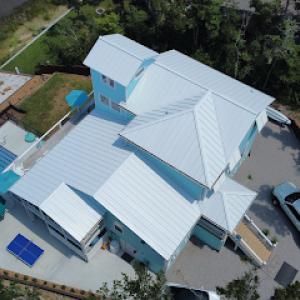
Fortitude Roofing serves Leland and Brunswick County, NC, including Southport, Shallotte, Oak Island, Bolivia, and nearby coastal communities. We provide residential and commercial roof replacement and roof repair, including roof inspections, leak repairs, and storm-damage repairs. Our crews install premium standing seam metal roofing and high-performance shingle systems built for coastal conditions. Licensed and fully insured. Every project includes a clear scope of work and is backed by workmanship and manufacturer warranties.
AmeriTop Roofing Contractors
(336) 505-7988 www.ameritoproofing.com
Serving
5.0 from 28 reviews
AmeriTop roofing contractors are local roofers to Wilmington and surrounding areas. We pride ourselves on servicing you, the customer, with the best product and workmanship in the industry. No matter the roof type, we can handle it. Call today for a free estimate.
Patriot Roofing Company
(910) 218-0600 patriotroofer.com
Serving
4.7 from 222 reviews
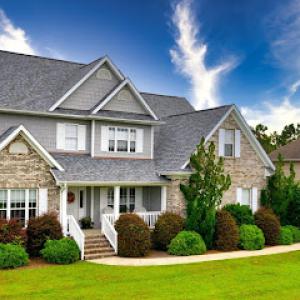
Patriot Roofing Company is a locally owned and operated Cape Fear area roofing company. We are headquartered in Wilmington and service from Raleigh to Myrtle Beach and everything in between. We have over 20 years of experience serving homeowners just like you! We specialize in roofing, siding, gutters, and windows.
Valiant Xteriors
(910) 746-2890 www.valiantwork.com
Serving
4.9 from 56 reviews
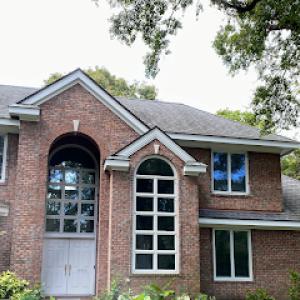
Valiant Xteriors, LLC provides roofing, gutters, siding, restoration, remodeling, storm damage repairs and more to Wilmington, NC and surrounding areas.
Port City Exteriors
(910) 524-8508 portcityexteriors.com
Serving
4.8 from 59 reviews
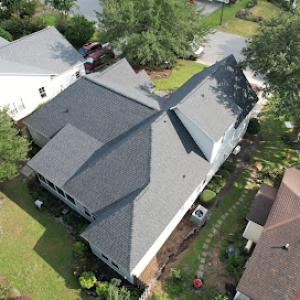
The team at Port City Exteriors believes in the transformative power of a well-crafted roof. It's not just about providing shelter; it's about creating a warm, safe, and welcoming haven for families and businesses alike. Our skilled professionals use only the highest-quality materials and cutting-edge techniques to guarantee roofs that will stand the test of time. Choosing our crew for your roofing needs means choosing a company that values craftsmanship, community, and exceptional customer care. We offer roof replacements and repairs, gutter installation, concrete services and more. If you're looking for a trusted roofing contractor in Leland, NC, contact us today to get your free quote!
IBC Roofing Wilmington
Serving
5.0 from 230 reviews
Based in Wilmington, IBC Roofing is a trusted roofing service bringing over 40 years of combined experience to every job. Specializing in both residential and commercial projects, they provide professional, licensed, and insured services for new constructions, restorations, and repairs. Their dedicated team ensures your property has a solid and reliable roof. They also offer solar services, allowing customers to harness clean, renewable energy. IBC Roofing is committed to delivering quality craftsmanship and exceptional service to the Wilmington community and surrounding areas.
Johnson Roofing
Serving
5.0 from 27 reviews
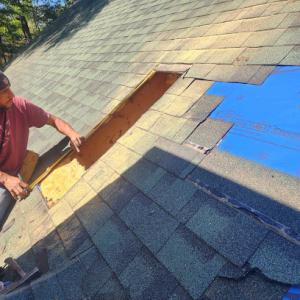
We are a family owned business. My grandfather started this business in 1963. We are very dedicated to customer service and satisfaction. We take great pride in our workmanship. I personally have (as of 2018) 28 yrs experience in the roofing business. Doing mostly re-roofing and repairs I (we) have learned what works and what doesn't and continue to learn .
Above All Roofing
Serving
3.2 from 90 reviews
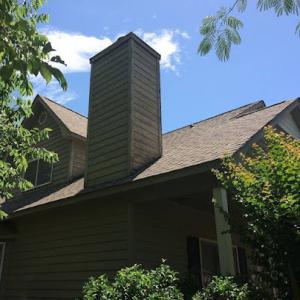
We are a locally owned roofing contractor with over 30 years of experience in the industry. We specialize in commercial roofing, residential roofing services, and we work closely with insurance companies so you can rest easy through every step of the insurance claims process. We understand looking for a reliable roofing service can be stressful and challenging, that's why we give written warranties and guarantee our work. Whether you are looking for a new roof installation or need to file a homeowner's claim for roof damage, we are your most trusted choice for roof repair. Call us today for a free estimate! (910)409-4468 or email Estimates.aboveallroofing@gmail.com or Michael.aboveallroofing@gmail.com
Norato Roofing & Renovations
(910) 228-5748 noratoroofingilm.com
Serving
5.0 from 60 reviews
Norato roofing & Renovations is a local contractor, serving Wilmington and the surrounding areas. From roof replacement, roof repairs, to interior work, like carpentry and painting. We do residential and Commercial work. We focus on doing quality work for all our customers regardless of the size of the job. We are Experienced and are fully insured!
Flores & Foley Roofing + Sheet Metal
(910) 371-1400 floresandfoley.com
Serving
4.9 from 345 reviews
Flores & Foley Roofing + Sheet Metal has been proudly serving Southeastern North Carolina since 1999, earning the trust of thousands in Wilmington and beyond. We specialize in residential and commercial roofing, from small repairs to full installations, treating each project with care to ensure your roof is safe and comfortable. Our services include custom metal work, durable roofs, and seamless gutters that enhance your property’s beauty. With deep community roots, we tailor solutions for local needs. Our skilled professionals stay updated on industry innovations, ensuring quality materials and techniques. Committed to personalized service and proven reliability, we deliver projects on time and within budget. Call for a free estimates!
RoofCo
Serving
5.0 from 12 reviews
RoofCo is a roofing company that provides residential and commercial services throughout southeastern North Carolina. Our mission is to keep our neighbors covered, so a portion of our profits go toward providing free roofs to community members.
Coastal North Carolina weather shapes every roof discussion in Brunswick County, and Leland households feel the effect when a storm line rolls in from the Cape Fear estuary. After major events, insurers treat claims differently than inland towns do, so preparation matters as much as the moment of damage. The pattern is predictable: wind-driven damage, moisture intrusion, and accelerated wear on aging roofs. When damage happens, the expectation is that documentation will tell the story of what was there before the storm and what was done to protect the home afterward. This is not about fear, but about making sure a repair or replacement decision isn't undermined by missing proof, unclear measurements, or gaps in maintenance history.
After a coastal storm, you should anticipate requests for photos, roof measurements, and evidence of wind-resistant features. Photos taken before and after the event are especially valuable because they show the baseline condition and the extent of the intrusion. Insurers in this area often want close-ups of vent edges, fasteners, flashing, and any known problem spots that could influence settlement timelines. Roof measurements help confirm whether the actual area damaged matches the claim, which matters when the roof is older or has had prior patches. Evidence of wind-rated components, such as certified underlayment, battens, or upgraded fasteners, can shift the evaluation toward a more favorable outcome for a proper repair rather than a total replacement. Expect a slower, more deliberate claim process if the documentation is incomplete or ambiguous, which can complicate scheduling and contractor availability after a storm.
The utility of pre-loss roof photos and dated maintenance records cannot be overstated in Brunswick County. After regional coastal storms, insurance scrutiny tends to increase for claims in the area, so having current images of the roof's condition and any reinforcing upgrades is a practical safeguard. If a repair patch was done last year, keep a copy of the work order, the contractor's notes, and any warranty information. A simple, labeled photo set that shows the roof from multiple angles and clearly marks critical components- flashing, ridge lines, and any visible wind damage - can smooth the review process when paperwork becomes a bottleneck. In a storm-impacted year, the clarity of these records directly influences how quickly and fairly a claim is settled.
Premium pressure after major coastal storm years can affect replacement decisions, especially when homeowners are weighing repair versus full replacement on older roofs. A roof that has reached the end of its expected life may be more vulnerable to future events, yet the insurer's settlement could steer toward patchwork if current evidence suggests a repair is sufficient. In practical terms, consider the long view: a well-documented history of maintenance and wind-resistance upgrades can shift the calculus toward a more durable solution. If a full replacement is on the table, ensure the selected system aligns with climate realities here and includes clear documentation of the wind and moisture-resistant features. The difference between a short-term fix and a robust, long-term roof matters when a new storm season looms.
Connect with contractors who help homeowners navigate the claims process from damage assessment to final approval.
Straight Edge Solutions
(910) 800-0665 letsgetintothesolution.com
75 Lanvale Rd #103A, Leland, North Carolina
5.0 from 59 reviews
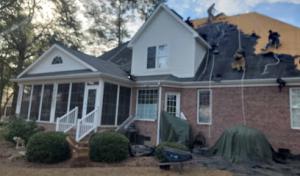
When planning a roof replacement in this coastal area, aim for spring or fall to dodge the peak hurricane-season disruptions and the worst summer heat. Those shoulder seasons typically offer more predictable weather patterns, less humidity, and crews who can stay productive without the blistering sun beating on exposed roofs. If a homeowner's calendar can accommodate it, aligning a tear-off and new install to these windows reduces the risk of weather-driven delays and keeps the workday safer for everyone involved.
Summer heat and humidity in this corner of the Cape Fear region can slow progress and shorten daily work times. Shingle handling becomes tougher when asphalt and synthetic products become pliable in heat, and crews may start earlier to beat the afternoon scorch. Plan for slightly longer project days if a summer schedule is chosen, and anticipate stricter protection measures for exposed underlayment and vents. If a start falls on a sizzling day, have shaded staging areas and hydration protocols ready to keep productivity steady.
Spring storms are a real factor here, with heavy rainfall and quick lightning bursts that can interrupt tear-off schedules. If a job begins in early spring, expect occasional pauses for wind or downpours and build in extra dry-in days to account for lingering moisture in roof decks and attic spaces. A careful dry-in plan matters, particularly on roofs with complex geometry, multiple penetrations, or older decking that benefits from thorough inspection before covering with underlayment.
Start by securing a weather-backed window of at least two to three weeks with a flexible day-by-day plan. Schedule mornings for critical tasks like underlayment and fastener installation, reserving afternoons for vent work and final sealants when shade helps control heat exposure. Prioritize dry, calm days for tear-off to minimize wind-driven debris and ensure attic ventilation remains balanced during the process. Communicate potential rain days early, so contingencies can be queued without penalizing progress or safety.
In the post-storm cycle, there is a spike in demand for quick turnarounds, especially after hurricane events. Build in a buffer period to accommodate inspection, material staging, and any needed adjustments after wind-driven damage assessments. Keeping a clear, proactive schedule helps homeowners recover faster and reduces the risk of weather creating lingering delays that push replacement into more challenging months.
Get a clear picture of your project costs upfront - no commitment required.
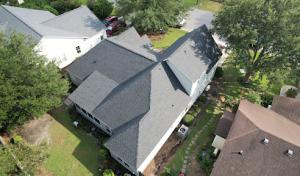
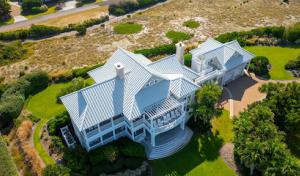
In this fast-growing corner of Brunswick County, asphalt shingles and metal roofing are the practical backbone of most homes. Shingles stay common for their cost-effectiveness and straightforward repair paths, while metal roofs gain traction where homeowners want wind resistance and longevity. Tile and slate appear more selectively, constrained by coastal moisture, structural load limits, and budget realities that matter in our area. When you're choosing, consider how often storms sweep through the Cape Fear estuary and how that climate shapes roof life over decades.
Coastal humidity accelerates moisture challenges, so the system you install needs more than a weatherproof cover. The underlayment type plays a decisive role in protecting decks and sheathing from humidity-driven decay. In practice, that means selecting an underlayment with strong moisture resistance and coupling it with an attic ventilation plan that moves humid air out of the attic space efficiently. The goal is to keep roof decks dry even when sea breezes bring dampness from the coast. A well-vented attic also reduces ice and condensation risks, which can surprise during shoulder seasons when heat and humidity shift quickly.
Metal roofing has a distinct local footprint, reflecting homeowner interest in wind resilience and long-term performance under coastal weather. If you lean toward metal, you'll find options that balance lightweight installation with excellent resistance to seasonal gusts. Look for profiles and fasteners designed for hurricane-level winds and consider sealant choices that respond to salt air. Proper attachment, reflective coatings, and a deliberately planned roof-to-attic drainage path help maintain performance through repeated storms. Metal's durability is especially valuable when you want fewer frequent repairs after a major wind event.
Asphalt shingles remain the most common everyday choice for Leland homes due to familiarity, repair ease, and readily available matching materials. When moisture is a concern, focus on higher-grade shingle options with robust granule retention and good sealant performance. Proper attic ventilation and a correctly installed underlayment can extend the life of asphalt in damp coastal conditions. If a storm pops loose shingles, the repair process is typically simpler and faster than with heavier tile systems, which matters for quick post-storm responses.
Tile and slate offer striking curb appeal but carry heavier structural demands and moisture sensitivity considerations in Brunswick County homes. Coastal humidity can affect underlayment compatibility and long-term durability, so use these options selectively where the roof structure can safely bear the weight and where budget allows for the installation and maintenance requirements. In practice, tile and slate fit best on newer, reinforced roofs with careful load calculations and a plan for moisture management that shields against salt-laden air and wind-driven moisture.
A building permit is typically required for a full roof replacement in Leland. Before any nail is driven or shingle is removed, you or your contractor should file with the Brunswick County/City of Leland building department. This is not a standalone city office; it's a joint hub that handles permits for the surrounding Brunswick County area as well as Leland projects. Start the process early, because permit review can take days, and storm repairs often pick up speed when weather windows close. Have your project details ready-scope of work, square footage, roof type, and a rough construction plan-so the clerk can issue the right permit type without back-and-forth delays.
When applying, expect to provide site plans or roof diagrams, a contractor's license or general contractor information, and a description of methods you'll use to address ventilation and underlayment. In coastal conditions, inspectors may ask for specific ventilation details and underlayment choices that perform under high humidity and driving rain. If your home has an attic that's prone to moisture buildup, include a note about ridge or soffit ventilation and any moisture barriers you plan to install. Keeping a simple, clear plan for your inspector can smooth the process and help avoid re-inspection trips.
A final inspection is required after completion. Schedule it with the same Brunswick County/City of Leland department, and be ready to show you've met the permit's requirements. The inspector may verify that in-progress ventilation updates and underlayment installations align with the approved plan, and they'll check that flashings, vents, and penetrations are properly sealed against coastal moisture and wind-driven rain. If any deviations exist from the approved drawings, have change orders or corrective actions ready to present. On coastal homes, the inspector will pay particular attention to roof-to-wall detailing, proper seam sealing on metal components, and the integrity of attic ventilation under current humidity conditions.
Coordinate with your contractor to ensure the work aligns with permit conditions and inspection timing. Any weather-related pauses should be noted in the permit record so the final inspection window isn't disrupted by unfinished tasks. If an inspector flags ventilation or underlayment concerns, address them promptly and document the corrective steps, as a smooth final sign-off prevents delays in moving back to normal occupancy or post-storm use.
Typical local pricing runs about $300-$550 per square for asphalt shingles, $600-$1000 for metal, $1000-$1900 for clay tile, $900-$1500 for concrete tile, $350-$650 for synthetic/composite shingles, and $1500-$3000 for slate. These ranges reflect recent bids from coastal suppliers and crews who understand storm work, moisture exposure, and the demands of Brunswick County homes. In Leland, costs can rise after coastal storms when regional demand surges across Brunswick County and nearby coastal communities at the same time. That spike is most noticeable on emergency repair jobs and quick-replacement projects, where prompt material access and crew availability drive prices up a bit.
Material choice matters here more than inland markets because you're balancing upfront price against storm durability, humidity exposure, and insurance considerations. Asphalt remains a practical baseline for many homes, but heavy rain, salt air, and high wind can favor metal or tougher tile options where long-term performance reduces the chance of a costly storm leak. Synthetic/composite shingles offer a middle path: better durability than basic asphalt without the premium of clay or slate. In neighborhoods with older roofs, upgrading to metal or concrete tile can pay off in resilience during hurricane season, even if the initial bill is higher.
If a major storm targets the coast, anticipate price shifts of 5-15% across all materials as crews mobilize along the Brunswick County corridor. When budgeting, factor in freight delays and lead times for popular options like concrete or clay tile. Insurance-driven decisions often push homeowners toward coverings with proven wind resistance and moisture control, so review warranty terms and expected service life alongside the quote.
Don't let upfront costs delay a critical repair - these contractors offer payment plans to fit your budget.
In this humid coastal climate, moisture-related problems can develop faster when ventilation and underlayment are weak, even if the roof covering still looks serviceable from the ground. You may not see attic dew, yet condensation can seep into plywood and create hidden rot. A shallow slope or clogged vents invites dampness into rafters, softening edges where sheathing meets the fascia and encouraging mold behind attic vents.
Wind-driven rain during coastal storms can expose weaknesses around roof penetrations and transitions before it causes broad field-shingle failure. Flashings at chimney, vent stacks, and skylights endure repeated gusts, and fasteners can loosen without obvious shingles lifting. When spray from a gusty storm bites into those gaps, you get slow leaks that worsen after every storm, even if the surface shingles still look intact.
The local contractor market's strong emphasis on emergency repair and storm damage suggests homeowners here frequently need leak stabilization and post-storm diagnostics rather than only planned replacements. That means durable temporary fixes, careful documentation of damage, and a plan for a proper repair once calm weather returns. Early action on drips can prevent attic rot and interior damage on ceilings and walls.
You should inspect after every major storm, but do not rely on shingles alone to tell the story. A roof that appears intact from the driveway may conceal damaged underlayment, loose soffit connections, or failed ventilation baffles. Pay attention to musty smells in the attic, staining along fan housings, and higher humidity levels that persist after drying. When a wind event tracks rain along the eaves, check along transitions where metal step flashing meets masonry, as that seam is a common leak path in this market. Having a documented response plan matters when a storm hits. Keep photos and notes handy.
Flat and low-slope roofing is an active specialty in the Leland market even though the city is primarily residential, indicating recurring needs on porches, additions, commercial buildings, and attached sections. In heavy-rain conditions, these areas are more vulnerable to drainage-related moisture problems than the main steep-slope roof. You'll notice faster dampness along edges, faster rusting on metal flashings, and more algae growth where shade and moisture linger.
A quick walk after storms should flag standing water, unusual pooling near transitions, or drip lines at low-slope connections to the main roof. Focus on aprons, parapet edges, deck-to-roof transitions, and any add-on structures. Check drip edges, scuppers, and internal gutters for blockages. If an attached low-slope section sits under a porch or carport, inspect the flashing where it meets the primary roof, and note any wear in the sealant along seams.
If you suspect damage, limit traction on the area by avoiding traffic over the low-slope surface. Place temporary tarps or waterproof sheeting over any exposed decking if you can do so safely, aiming to shed water toward proper drainage paths. Photograph affected zones from multiple angles, including close-ups of edges and transitions. Document the date, weather conditions, and any visible damage for insurance notes and contractor consultations.
Stormwater problems often start at transitions between main roofing and low-slope sections, so plan a combined assessment when replacing the main roof. Maintain clean drainage paths, ensure flashing around chimneys and vents is intact, and check for UV or chemical wear on membranes at transition seams. Regularly re-seal and reflash vulnerable joints before the next wet season.
Find specialists in TPO, EPDM, and built-up flat roofing systems for residential and commercial properties.