Last updated: Apr 19, 2026
Southport sits on the lower Cape Fear coast in Brunswick County, where tropical systems can bring both prolonged rain exposure and strong wind events during hurricane season. The coastal setting means roofs face salt-laden air, damp rot risks, and sudden wind gusts that can peel shingles or buckle edges. This isn't theoretical-a passing tropical storm can turn a routine roof patch into a moisture trap overnight if the timing is off or if the materials aren't prepped for quick water shedding. Your readiness hinges on selecting products and assembly details that resist salt corrosion, meet wind uplift expectations, and dry in quickly after a heavy rain.
Replacement timing in this region is often planned outside peak hurricane season because sudden tropical weather can interrupt tear-off, delay dry-in, and expose roof decks to moisture. When you're scheduling, look for windows that minimize risk of back-to-back storms during tear-off and ensure a dry-in sequence that won't stall should a late-season storm roll in. If a retrofit row is needed mid-season, prioritize materials and fasteners that can be secured quickly and that tolerate a soaked start to life. A well-timed roof project reduces the chance of vulnerable days with open roof decks, which can become moisture reservoirs during a coastal shower train or a passing tropical storm.
Coastal insurance pressure in Brunswick County makes wind-resistant installation details and documentation of roof condition especially important for homeowners. Ask for wind-rated underlayments, corrosion-resistant fasteners, and mechanically attached systems when appropriate for the product you choose. Keep a detailed photo log of the roof condition before work begins, during critical stages, and after completion, especially around hip and ridge lines where uplift risk is higher. After a storm, snapped fasteners or lifted shingles aren't just cosmetic issues-they're indicators that a claim may hinge on the quality of the installation. Ensure hail and wind impact considerations are part of the material selection, and verify that the fastening pattern matches the manufacturer's wind design for your vented ridge, eave, and edge zones.
In this climate, asphalt shingles can be a solid, rate-stable option when paired with a wind-resistant underlayment and a properly sealed drip edge. Metal roofing offers superior wind resilience if installed with corrosion-resistant fasteners and a concealed fastener system that keeps salt spray out of vulnerable joints. If clay or concrete tiles are considered, choose products rated for high wind uplift and coastal salt exposure, and ensure battens or a solid substrate are compatible with the tile profile to prevent crack propagation under gusts. Wood shingles and shakes demand meticulous maintenance against moisture and rot; if chosen, opt for treated or rot-resistant varieties with a rigorous painting or sealing schedule to lock down edges against salt-laden rain. Synthetic or composite shingles can deliver good wind performance with a lighter footprint, provided the system is fully flashed and mechanically fastened in high-wind zones.
Begin by validating your existing roof's wind and moisture history-pinpoint any vent flashing, chimney penetrations, or skylight interfaces that failed previously and plan reinforcements there first. When selecting materials, insist on coastal-grade options with guaranteed wind uplift ratings appropriate for this area's threat level, and request a detailed installation plan that maps fasteners, underlayment, and flashing sequences. Create a moisture control checklist for tear-off days: cover or seal exposed roof surfaces if a storm front arrives unexpectedly, and set up a dry-in timeline that aligns with the local weather window. Finally, coordinate with your contractor to document the finished roof's wind-resistant features and to provide homeowners with a clear, storm-season-ready maintenance and inspection plan.
MOcean Contracting
(910) 477-3020 www.moceancontracting.com
4169 Long Beach Rd SE, Southport, North Carolina
5.0 from 105 reviews
MOcean Contracting is a trusted roofing company serving Brunswick County, Oak Island, Sunset Beach, and surrounding coastal communities in North Carolina. We specialize in high-quality roof installation, repair, and replacement services built to withstand the coastal climate. Our team is licensed, insured, and dedicated to protecting homes from storm damage with durable, FORTIFIED™ roofing systems and expert craftsmanship. Whether you’re dealing with leaks, storm wear, or planning a full roof replacement, MOcean Contracting delivers reliable results and peace of mind. Schedule your free inspection today and see why homeowners across the NC coast trust MOcean for all their roofing needs.
Willis Roofing
(910) 443-9049 www.willisroofs.com
5145 Fernwood Dr, Southport, North Carolina
5.0 from 136 reviews
Your Trusted Southport, NC Roofing Company Quality Roofing Services You Can Count On Willis Roofing is the leading roofing company serving Southport, NC, and its surrounding communities. We provide residential roofing and commercial roofing services to our neighbors and local businesses including roof installation, roof repair, roof inspection, metal roofs and asphalt shingles, gutters cleaning and gutter guards
Neighbor Metal Roof
(910) 664-6048 neighbor-roofing.com
4740 Trace Ct, Southport, North Carolina
5.0 from 61 reviews
We have been installing roofing for more than 2 decades, that make us provide you a good quality work, for your roofing needs
Intercoastal Home Improvement Services
(910) 363-4026 intercoastalhomeimprovement.com
3966 Old Bridge Rd SE, Southport, North Carolina
4.8 from 25 reviews
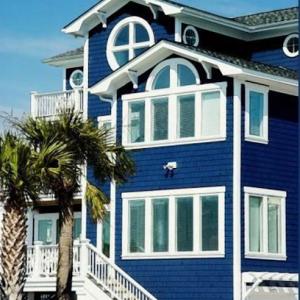
In the heart of Southport, NC, the master craftsmen at Intercoastal Home Improvement Services work their magic, restoring homes to their former glory. Specializing in roof replacement, window installation, siding, and interior and exterior renovations, their goal is to provide exceptional craftsmanship, using high-quality materials, to transform houses into beautiful, durable masterpieces that can withstand the coastal elements. Intercoastal Home Improvement Services is licensed and insured to ensure peace of mind, and they take pride in delivering exceptional customer service from the initial consultation to the final walkthrough. License #104414
Mendoza Roofing
(910) 367-7628 roofingmendoza.com
Serving
5.0 from 25 reviews
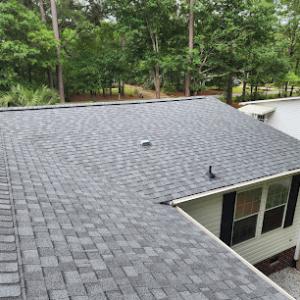
Take the first step in securing the integrity of your home. Schedule a free inspection with Mendoza Roofing today. Let us assess your roof's condition, checking for any signs of damage or wear and tear. Our detailed report will provide insights, and we'll offer transparent solutions for repair or replacement if needed. Don't wait until it's too late – safeguard your investment with Mendoza Roofing. Elevate your roofing experience with Mendoza Roofing, your trusted local experts for premium roof repairs and replacements. Our dedicated team is committed to delivering prompt, reliable, and trustworthy service, ensuring the enduring protection of your home. From meticulous repairs to expert installations, Mendoza Roofing is your reliable choice
Azalea Roofing
(910) 240-2336 www.azalearoofing.com
Serving
5.0 from 21 reviews
Residential roofing installation and repairs. We specialize in all types of roofs and can assist you with all of your roofing needs. We have extensive experience dealing with insurance claims and would love to help you with your claims process.
Carolina Building Specialists - Roofing Pros
(910) 458-8587 carolinabuildingspecialists.com
Serving
5.0 from 8 reviews
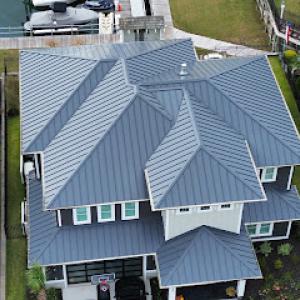
The way we approach every job, large or small is unique in our industry. At Carolina Building Specialists, we are passionate about the impact we have on our customers and our community. For more than ten years, we have provided a level of service that is different than the rest. These core principals separate us from the competition: We believe in doing the job right the first time We guarantee our work with a warranty We believe in exceeding expectations We grow through referrals and repeat customers We believe in transparency We help you make informed decisions Call Carolina Building Specialists for your next project!
Robbie Little Roofing
(910) 200-7269 www.robbielittleroofing.com
Serving
5.0 from 13 reviews
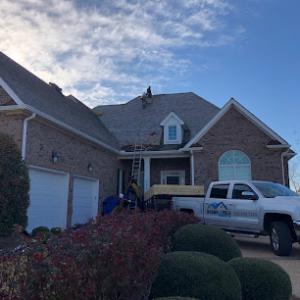
Locally Owned Family Operated We Will File Your Claim For You Call Your Local Insurance Experts We Make It Easy!
Affordable Roofing & Construction
Serving
4.9 from 198 reviews
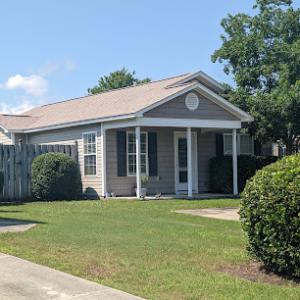
Affordable Roofing & Construction is a leading roofing contractor in Wilmington, NC, offering top-tier residential and commercial roofing services. Our business was established in 2008, making us one of the oldest roofing companies in New Hanover County. We specialize in roof installation, metal roof installation, and prompt, professional roof repair. Whether you’re building a new home or need emergency repairs after a storm, our expert team delivers high-quality workmanship and durable materials at affordable rates. As a trusted Wilmington roofing company, we handle everything from asphalt shingles to custom metal roofs. If you’re searching for reliable roofing services in Wilmington, NC, count on us.
Atlantic Roofing Company
(910) 799-3858 www.atlanticroofingcompany.com
Serving
5.0 from 92 reviews
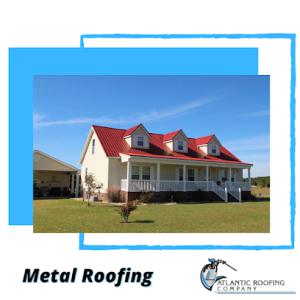
Atlantic Roofing Company serves Wilmington and Jacksonville NC. Get a free estimate for roof installation, replacement, new gutters, and storm protection.
Alpha Roofing
Serving
4.9 from 174 reviews
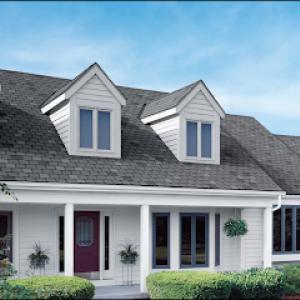
At Alpha Roofing, our customers say we are the "leader among roofing companies in Wilmington, NC, and surrounding areas." We service Leland, Wrightsville Beach, Carolina Beach, and Hampstead. Established in 2010, Alpha Roofing has built its reputation by providing superior-quality roofing services, focusing on customer satisfaction and exceptional communication. Specializing in residential and commercial roofing, we offer roof replacements, gutter installations, and metal roofing. Our roofing contractor process begins with a consultation to assess your needs. Our mission, which sets us apart from other roofers in Wilmington, NC, is evident in our communication, use of premium roofing materials, and adherence to licensing standards.
Southern Style Roofing & Remodeling
(910) 399-3204 www.southernstyleroofingandremodeling.com
Serving
5.0 from 78 reviews
Southern Style Roofing & Remodeling provides roof replacement, roof installation, roof insurance claim assistance, and roof repair services in Wilmington, NC, and the surrounding areas.
Southport's dominant residential roofing mix includes asphalt shingles, metal roofing, clay tile, concrete tile, wood shingles or shakes, and synthetic or composite shingles. Each option has a practical edge for the Cape Fear coast, but selection should hinge on how a roof will handle salt air, tropical-storm wind risk, and the humid heat, not just aesthetics. Asphalt shingles remain a common, affordable baseline, yet the salt air demands corrosion-resistant fasteners and properly sealed edges to prevent premature failure. Metal roofing offers wind resilience and long life, but color choice and panel spacing matter for coastal exposure. Clay and concrete tiles bring durability and a heavier feel for taller rooflines, yet installation must account for wind uplift and appropriate underlayment. Wood shingles or shakes deliver authentic texture but require careful moisture management to resist mold, rot, and rapid aging in heat and humidity. Synthetic or composite shingles give a balanced option, blending coastal durability with design flexibility. In practice, match the roofing style to the home's silhouette while prioritizing coastal performance, not just appearance.
Hot, humid conditions in this area can alter adhesive cure times and moisture handling compared with inland markets. As shingles cure and seal, prolonged humidity can slow adhesion, so installation windows should align with stable humidity periods to avoid compromised seals. For tile options, ensure that fasteners and support structures tolerate coastal thermal expansion and salt exposure; improper anchoring can lead to micro-cracking or wind uplift in a storm. The salt-laden air accelerates corrosion in metal components, so choose hardware with proven corrosion resistance and consider coatings on fasteners, plates, and flashings. When selecting wood products, expect faster aging and potential for cosmetic surface checks; proper sealants and tight-fitting joints help mitigate moisture ingress. For composites, verify the tear resistance and environmental aging ratings in salt-air conditions, and confirm warranties address coastal exposure. In all cases, long-term performance hinges on a well-sealed eave line, adequately lapped shingles or tiles, and a robust underlayment system that stands up to salt spray and humidity.
Because corrosion resistance matters more here, fastener materials should be chosen with the coastal air in mind-stainless or hot-dip galvanized options that resist rust and staining. Flashing around chimneys, vents, and roof edges must be continuous and corrosion-resistant, with reliable sealants that stay elastic in heat and humidity. For asphalt and synthetic shingles, ensure edge and corner sealants maintain their adhesive properties in coastal humidity. Metal roofs require paints or coatings that resist chalking and fading while protecting the substrate from salt exposure. Tile roofs rely on a solid, corrosion-resistant substrate and correct mortar or setting bed materials to prevent micro-movements that can crack in wind-driven rain. In all choices, plan for periodic inspections after storms to verify that fasteners remain secure and sealants remain intact, with timely resealing where needed.
Coastal aging trends differ from inland markets. Moisture management is ongoing: look for algae staining, salt residue, and fastener oxidation as early warning signs. Regular gutter and ridge vent checks help maintain proper moisture balance and reduce roof edge saturation. For tile and shake options, inspect for cracked pieces after heavy winds and replace promptly to prevent water intrusion. With asphalt or synthetic shingles, watch for edge curling or granule loss, a sign that sun and salt exposure is taking a toll. The goal is to preserve the roof's protective envelope while keeping a steady wind load path from eave to ridge, so timely addressing of wear patterns is essential in this coastal climate.
Brunswick County is an elevated wind and hail claim environment, so Southport homeowners are more likely to face insurer scrutiny on roof age, condition, and prior repairs. The coastal exposure-and the way tropical storms push through this area-means adjusters look closely at what the structure has endured before, and how well current components hold up under stress. This isn't about fault-finding; it's about documenting resilience and knowing where gaps could trigger questions during a claim review. When the exterior looks solid but the attic reveals years of wear, those details become decisive in whether a repair is approved or a full replacement is suggested.
Insurers serving coastal Southport may require documentation tied to wind mitigation features, roof age, and material class before underwriting or renewal decisions. That means you should have clear records that show any hurricane-rated upgrades, attic ventilation improvements, reinforced fasteners, and the overall class of the roofing material. If a policy is up for renewal after a major season, expect requests for photos, contractor notes, and verification of the roof's current condition. The aim is to avoid surprises later, particularly when a storm's memory still lingers in the underwriting file and a home's risk profile is reassessed.
After tropical storms, photo documentation taken before temporary repairs becomes a practical refuge. Emergency leak response can start immediately, and claim timelines can overlap with quick fixes that are meant to hold water and wind at bay. Capture wide exterior shots that show the roof line, any visible damage, and nearby structures for scale. Close-ups of shingles, flashing, valleys, and vents help tell the story of what actually failed and what was already sound. Keep an organized chronology: notes on dates of the storm, any temporary tarping or repairs, and the sequence of professional inspections. When the claim starts, you can present a clear narrative supported by images that preempt questions about prior conditions and the integrity of mitigation features. This local practice reduces back-and-forth and supports a smoother, more accurate evaluation of your roof's resilience.
Connect with contractors who help homeowners navigate the claims process from damage assessment to final approval.
Intercoastal Home Improvement Services
(910) 363-4026 intercoastalhomeimprovement.com
3966 Old Bridge Rd SE, Southport, North Carolina
4.8 from 25 reviews
In Southport, provided average material ranges run from 350 to 750 USD per square for asphalt shingles, 700 to 1500 for metal, 900 to 1600 for clay tile, 800 to 1400 for concrete tile, 650 to 1100 for wood shingles or shakes, and 600 to 1100 for synthetic or composite shingles. This reflects coastal exposure, salt air, and the mix of older homes with newer rebuilds along the Cape Fear shoreline. When budgeting, expect the higher end of these ranges if your roof sits directly in prevailing wind paths or visible salt spray zones.
Material choice in Southport is often influenced by coastal durability concerns, which can push homeowners toward higher-cost systems or upgraded underlayments compared with basic inland replacements. For example, metal systems and high-grade synthetics tend to perform better under tropical-storm wind gusts and driving rain, while clay and concrete tiles contribute long service life but add weight and require resilient decking. If your home has a shallow attic or limited venting, prioritizing underlayment upgrades and a sealed ridge line may be prudent to resist wind-driven water ingress.
Southport pricing can rise after coastal storms when demand surges across Brunswick County and scheduling pressure affects both labor availability and material lead times. Plan ahead by securing a chosen system before the peak of hurricane season, and build in a small contingency for expedited shipping or extra flashing. For asphalt shingles, expect the basic range to cover standard installations, but storms often push up quotes for higher-end underlayment, ice-and-water shield, and upgraded starter courses. With metal, clay, or concrete tile, the decisive factors are weight, roof pitch, and existing structure readiness, which can influence total cost more than the color or profile.
Get a clear picture of your project costs upfront - no commitment required.
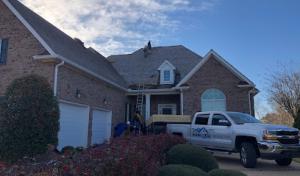
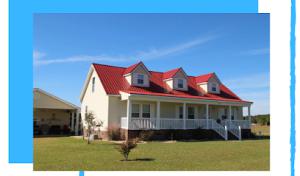

In this coastal town, full roof replacements are typically handled through the Brunswick County building process rather than being treated as informal maintenance work. That means your project will follow a formal permit path, with submitted plans reviewed by the local Building Department. The emphasis here is on ensuring the roof system, flashing detail, and underlayment meet county requirements for wind and water resistance, particularly given the exposed Cape Fear environment. Start by verifying your address and the proposed scope with the county portal, then align your contractor's plan set with the county's checklist to avoid delays at the counter or on-site.
Southport reroof projects require careful sequencing because the Building Department reviews plans and schedules inspections at key milestones. Expect inspections to be tied to specific stages such as rough-in sheathing, underlayment installation, and final roof coverage. Because inspections occur at defined milestones, a plan that progresses in logical order helps prevent hold-ups. Coordinate with the contractor to map out a sequence that aligns with the inspector's availability, especially when weather windows are narrow or crews are battling back-to-back storm threats.
Weather disruptions on the coast can affect inspection timing, which matters when crews are trying to complete a dry-in between rain bands or storm threats. Dry-in windows are your critical pockets to secure a passable shield against Cape Fear moisture. When planning, factor in forecast-driven allowances for potential rain delays and the possibility of rescheduling inspection slots. A proactive approach-keeping materials dry and tarped, and maintaining clear access for inspectors-helps keep the project on track even as tropical systems approach.
With permits issued and milestones set, effective coordination becomes essential. Ensure the contractor submits the plan review packet early and communicates anticipated inspection dates as soon as they're known. The Building Department may request revisions or clarifications; timely responses can prevent bottlenecks. In practice, establish a point of contact for the inspection notices and keep a shared calendar updated with the sequencing of milestones and site access instructions.
After each milestone inspection, secure the official stamp or approval documentation before advancing. The local process often requires retaining copy records for warranty and insurance documentation, along with proof of compliance with wind- and water-resistance standards in this coastal climate. Maintain a well-organized set of permit paperwork, inspection approvals, and any corrective-action notes so the project can progress smoothly through the Brunswick County system and into a successful final inspection.
Southport homeowners are in a coastal Brunswick County insurance environment where wind and hail exposure can affect premiums, underwriting, and roof replacement decisions. The local climate-salt air, tropical storm risk, and rapid weather shifts-means insurers look closely at how a roof performs under wind pressure and salt exposure. Understanding how coverage may change after a severe storm helps you avoid surprises when you most need your roof.
Insurers may ask for proof of roof age and condition and may tie eligibility or pricing to underlayment choices or shingle classifications suited to coastal risk. Keeping thorough records-installation date, shingle type, underlayment brand, and any coastal-specific upgrades-can smooth major events or claim reviews. A late-model underlayment and a coastal-rated shingle classification are not just paperwork; they can affect whether a roof is deemed recoverable after wind damage.
Wind mitigation credits can matter more in Southport than in inland markets, making installation records and final paperwork part of the roofing decision. If a roof has components designed to withstand higher wind speeds-such as reinforced nails, upgraded underlayment, or certain shingle classes-those features may translate into credits that affect post-storm outcomes. Keep your contractor's notes, product specs, and installation confirmations ready; you may need them when reviewing coverage or filing a claim.
Document roof age and condition with a professional inspection, especially after any storm-related event. Favor coastal-rated shingles or classifications that align with Brunswick County expectations, and ensure underlayment choices reflect wind and salt exposure. When in doubt, ask your roofer to provide a concise summary of how each upgrade addresses coastal risk, and keep a tidy binder of the final paperwork for filing and possible renewal discussions.
In this exposed coastal setting, skylights and other roof penetrations become higher-risk leak points during tropical storms and the wind-driven rain that follows. The combination of salt air, humidity, and viral storm patterns can cause glazing seals, curb flashings, and flange details to deteriorate faster than in drier inland areas. When planning reroofing, inspect skylight adaptors, seals, and surrounding deck penetration areas closely. Look for micro-cracks in glazing, torn sealant beads, and any movement in skylight frames that may indicate compromised attachment. If you notice efflorescence or staining around a penetration after a heavy rain, treat it as a warning sign to recheck the flashing.
High humidity and repeated storm exposure in coastal Southport can make flashing condition around penetrations especially important during reroofing. During replacement, ensure step and counter-flashes are integrated with a continuous water barrier, and verify that the roofing membrane laps correctly over the skylight flange. Use corrosion-resistant metal flashing compatible with salt-laden air, and seal all fastener penetrations with weatherproof sealant designed for high-wind environments. Recheck alignment of shingles or tiles at the skylight perimeter to prevent wind-driven uplift from lifting edges. Have the roofer confirm that any ventilation or vent-hood penetrations near skylights maintain proper clearance and seal.
Temporary repairs after storms in Southport often focus first on vulnerable openings and transitions to limit interior moisture intrusion. When a storm hits, cover skylights with a plywood or poly sheathing patch that seals the opening without creating new leaks, and tape or seal the edges to deter wind-driven spray. Prior to the next reroof, implement a plan to secure loose flashing and replace weathered sealants around all penetrations. After a flood or surge event, inspect the skylight curb for settlement or deck rot, and address it promptly to maintain a watertight transition as the roof recovers.
Find contractors experienced in skylight installation, flashing, and leak repairs to bring natural light into your home.
Southern Style Roofing & Remodeling
(910) 399-3204 www.southernstyleroofingandremodeling.com
Serving
5.0 from 78 reviews