
Last updated: Apr 19, 2026
Wendell sits in eastern Wake County where summer thunderstorms and Atlantic hurricane season both matter, so roofs are exposed to repeated wind-driven rain events rather than a single dominant winter hazard. That pattern means a roof can suffer incremental damage from multiple storm passages, with each event eroding shingles, loosening flashing, or driving in moisture at vulnerable seams. The first sign of trouble is rarely dramatic: a handful of lifted shingles, a handful of granules in gutters, or a damp blotch on the attic ceiling after a heavy shower. Treat any of these as a red flag, not a cosmetic nuisance.
The local contractor signal mix is heavily storm-oriented, with storm damage, emergency repair, and insurance claims all among the strongest specialties in this market. After the next thunderstorm front moves through, capable crews are quickly booked, and the pace can outstrip the usual seasonal rhythm. Homeowners who wait for a perfect sunlit weekend may find their preferred contractor already tied up. In practice, post-storm windows tighten fast across the Raleigh corridor, and that squeeze can cascade into longer waits for a full replacement even when the damage seems manageable on the surface.
Because severe weather can affect the broader Raleigh-area market at once, homeowners in Wendell can face post-storm scheduling backlogs and should document damage immediately before demand spikes. Start with a thorough walk-around of the roof while the weather is settled enough to do so safely. Photograph every suspect area: lifted or curled shingles, damaged flashing around chimneys and vents, granule loss in the gutters, and any soft or spongy spots along the roof deck. Take wide-angle shots that show the roof's overall condition and close-ups of problem seams or gaps. Note dates of the storms that caused the damage and keep a simple log of what you observe after each event.
Safety comes first. If there is active wind-driven rain, avoid tarping or climbing onto the roof without proper equipment and help. For immediate protection, cover exposed areas with a sturdy tarp or board over the most vulnerable spots to deter further water intrusion, but only if you can do so without risking injury. Reach out to a storm-oriented contractor to schedule a diagnostic inspection as soon as conditions permit. Ask for references and verify that their focus includes emergency repair and insurance-handling experience, not just aesthetic fixes. A reputable local pro will summarize findings in plain terms and outline whether what they uncover indicates typical wind-driven wear or more structural concerns that demand a measured restoration plan.
Insurance-driven decisions often hinge on documented damage and timely action. If a claim is involved, provide the insurer with your photo log, storm dates, and a clear description of observed conditions. Keep all communications organized-notes from calls, written estimates, and any adjustments to the scope as the project evolves. The goal is to move from diagnosis to approval without unnecessary delays, while ensuring the repair plan addresses both current exposure and any latent vulnerabilities revealed by careful inspection. In this market, proactive documentation and prompt, transparent communication with both the insurer and your chosen contractor are your strongest tools to reduce the risk of further damage and to keep a timely restoration on track.
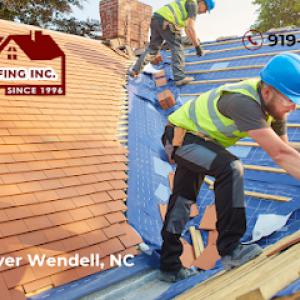
F Roofing
(919) 236-8993 froofinginc.com
Wendell, NC
5.0 from 8 reviews
We understand that most residential homeowners want a high quality, long lasting roof that will not be too costly to install. On average, most residential roofs must be repaired or replaced every 10 years. With that said, it is imperative that customers choose their roofing material carefully to help to reduce replacement costs as well as extend the life of their roof.

Clayton Roofing Contractor
(919) 626-3311 www.claytonroofingcontractor.com
Wendell, NC
5.0 from 7 reviews
When you need a Clayton roofing contractor, you need someone you can trust. That is why our team offers so much more than just free roofing estimates. Clayton Roofing Contractor is your all-in-one local roofing expert that can take on any job. No matter what materials your property uses, we work with them all. Hire us for reliable repairs, replacement roofs, and a variety of different products. Choose us for metal systems, flat roofs, asphalt shingles, and other solutions. We go beyond your roofline to help keep your property in better shape. We also offer repairs for shingles, windows, rain gutters, and new installations. Whatever your property needs, we guarantee the best results. Hire Clayton Roofing Contractor now.
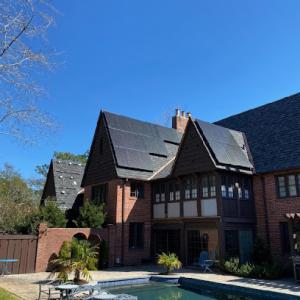
Elevate Roofing & Exteriors- Raleigh Branch
(919) 689-8929 elevateroofingandexteriors.com
3220 Wendell Blvd, Wendell, North Carolina
4.5 from 15 reviews
Licensed general contractors specializing in roofing and exteriors needs
Spectra Builders
(919) 269-2085 www.spectrabuilders.net
Serving
5.0 from 171 reviews
Hello, and welcome to Spectra Builders, Inc! Since 1993, we’ve proudly served Central and Eastern North Carolina as a trusted general contractor based in Zebulon. From custom commercial projects and residential roofing to seamless gutters and stunning home renovations, we’re here to bring your vision to life with quality craftsmanship and dependable service. Fully licensed and insured, we’re dedicated to making your project stress-free from start to finish. Communication, safety, and quality are at the heart of everything we do, and we’re passionate about exceeding expectations every step of the way providing nothing short of excellence. Ready to get started? Give us a call or stop by—we’d love to bring your ideas to life!
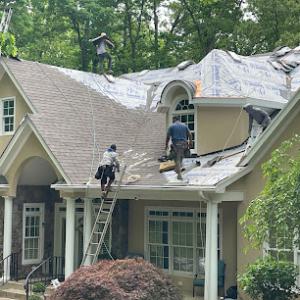
Golden Roofing
(984) 207-1118 www.goldenroofingnc.com
Serving
5.0 from 25 reviews
Here at Golden Roofing we model the Golden Rule - we treat everyone as we want to be treated. In a crowded market, we focus on what is best for our customers, employees and their families. Just like Bash, our Golden Retriever - we value loyalty, integrity, and honesty in every job we take on. Our family would be honored to keep your family COVERED!
Roman Roofing & Gutters
(989) 310-7225 romanroofingnc.com
Serving
5.0 from 183 reviews
Roman Roofing & Gutters is a premier roofing company based in Wendell, NC. With a dedicated team of experts, we specialize in providing top-notch residential roofing services, including commercial roofing, gutter installation, and siding solutions. Our mission is to be the go-to local roofing company in Wendell, NC, and surrounding areas such as Cary, Raleigh, Knightdale, and Zebulon. We take immense pride in delivering exceptional exterior home and commercial cleaning services, ensuring your property looks its best. As roofing contractors, we are committed to excellence, offering reliable and high-quality roofing solutions to our valued customers. Trust Roman Roofing & Gutters for all your roofing needs in Wendell, NC, and beyond.
Home Towne Roofing Systems
(919) 624-3557 hometowneroofingsystems.com
Serving
5.0 from 24 reviews
Welcome to HomeTowne Roofing Systems, a trusted and experienced roofing contractor in Clayton, NC. In everything we do, we lead with Value and Goodwill. We are constantly in the pursuit of excellence in our industry and believe in treating your roof like it is our personal roof. We know you could choose hundreds of other roofing contractors. We are thankful that your are giving us your consideration. If your roof needs attention, hire Home Towne Roofing Systems to get the job done right. Our local roofing contractor in Clayton, NC, will not only inspect and install your new roof, but we will also provide roof insurance claim assistance . We offer a complete roof installation service, repairs, gutter installations, and more! Get in touch!
RG Roofing Specialist
(919) 796-1365 www.rgroofingspecialists.com
Serving
5.0 from 6 reviews
RG Roofing Specialist perform shingle, composite slate, and metal roofing services in the Wendell, NC area. RG Roofing Specialist has provided exceptional roofing services to residential and commercial customers in the Greater Triangle of NC since 2003. With over two decades of experience, our family-owned shingle roofing company is committed to delivering high-quality roofing solutions tailored to meet your specific needs. As certified Shingle Masters since 2011, our roofing contractors bring unparalleled expertise to every roofing project and roof repairs in Boone, NC and beyond.
North State Property Maintenance
Serving
5.0 from 14 reviews
We are North Carolina’s premier soft washing, pressure washing, and gutter cleaning provider. At North State Property Maintenance, we treat every property we touch as if it’s our own. No matter if it’s a power washing service, soft washing, gutter cleaning, or window cleaning, Adopting this mindset allows us the opportunity to “WOW” our clients every time.
The Carolina Roofing & Gutter
(919) 264-1697 thecarolinaroofingandgutterco.com
Serving
5.0 from 19 reviews
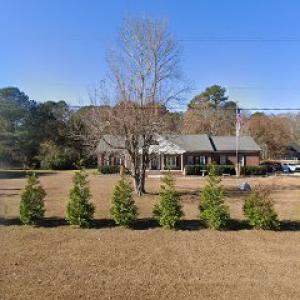
The Carolina Roofing and Gutter is your premier residential and commercial roofing and gutter specialists.
Elite Roofing Service
(252) 676-3363 eliteroofingservicenc.com
Serving
5.0 from 29 reviews
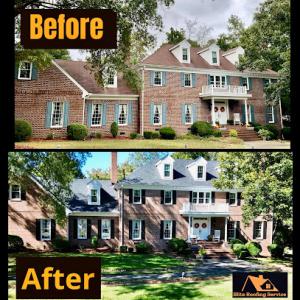
Elite roofing service provides excellent customer satisfaction through most of North Carolina with over 10 years of roofing experience. We specialize in roof repairs and renovations and go above and beyond for each of our customers. We provide the upmost quality by throughout the entire roofing service process. Call us today for a FREE inspection and FREE estimate!
Picture Perfect Roofing
(984) 900-6611 www.pictureperfectroofing.com
Serving
5.0 from 16 reviews
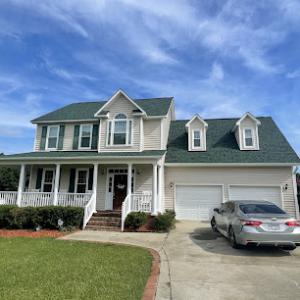
"Picture Perfect is a local roofing & water restoration company. We service North Carolina. We specialize in roof repairs, replacements and water damage restoration. PPR offers a FREE property inspection with a detailed report that contains a 360 degree view of your home. PPR takes pride in leaving your property in Picture Perfect condition.
Asphalt shingles remain the dominant choice for a reason: they're familiar, easy to install, and perform well under typical Wendell conditions. In the hot summers and humid springs, the granules can wear faster and adhesive layers can fatigue, especially on older homes or roofs with extended sun exposure. When you're selecting a new roof or replacing an existing one, consider a high-quality bundle with a robust exposure rating and granule protection that helps resist UV breakdown. Look for architectural or dimensional shingle options that offer better resistance to wind-driven rain and a longer warranty, since strong storms and tropical downpours are a recurring concern around storm season. In this market, you'll see asphalt paired with cool-advanced asphalt options that help reflect heat, which can reduce surface temperatures and slow aging on exposed sections.
Metal stands out in a wind-prone, rain-heavy market where longevity and rapid shedding of moisture are valuable. A metal roof can resist hail and heavy rain better than many other choices and typically carries a longer life expectancy. In practice, the installation quality matters a lot: proper edge detailing, correct underlayment, and sound sealing around penetrations prevent leaks during the next round of storms. For storms that push wind-driven rain across exposed eaves, a standing-seam system with tight panels reduces the risk of wind uplift and water intrusion. If color and reflective coating are options, choose those that minimize heat buildup on peak sun days while keeping the roof visually compatible with a wide range of home styles here.
Tile and wood products exist in the local material mix but are less typical for mainstream re-roofing. Structural suitability is more critical with these systems because weight and underlayment requirements change the installation dynamics. Tile needs a solid, reinforced deck and careful alignment to handle wind loads on steeper pitches, while wood products risk faster degradation in high humidity and heat if not properly ventilated and sealed. If you encounter these materials, verify that the home's framing and attic ventilation are up to the task, and plan for more exacting maintenance and potential replacement logistics when storms or shifting climate patterns stress the system.
Storm-driven rain demands attention to flashings, penetrations, and valley membranes. In hot, humid summers, proactive inspection after major weather events helps catch granule loss on asphalt, exposed fasteners on metal, and any tile crack or looseness before leaks establish themselves. For homes with steep slopes, routine checks after hail or heavy rainfall are especially prudent, as gravity can reveal slow leaks quickly. When a storm compromise is detected, addressing it promptly with a roof that matches the home's structure and climate exposure minimizes cascading damage and keeps the roof performing through the next season.
You'll see price quotes in per-square terms (one square is 100 square feet). Asphalt shingles come in at about 350 to 700 USD per square, a common choice for typical Wendell homes after minor to moderate storm damage. Metal roofing sits higher, roughly 550 to 1200 USD per square, and can be worthwhile if you're prioritizing longevity or a faster install after a major wind event. Clay tile ranges from 1200 to 2600 USD per square, while concrete tile sits between 900 and 1800 USD per square. Wood shingles or shakes run roughly 500 to 900 USD per square, and synthetic or composite shingles are about 450 to 900 USD per square. These ranges reflect the local market, material availability, and the typical steep-slope residential layouts common in newer subdivisions around the area.
During major storm events, the broader Wake County labor pool gets pulled into insurance-driven re-roofing and emergency work. That pressure tends to push lead times and, sometimes, pricing upward in the weeks following a significant wind or hail event. If a wind-driven rain incident has damaged a roof, you might see bundles of crews and materials tighten up, which can surface as higher estimates or longer timelines. In practical terms, that means you should expect some fluctuation around the top end of the per-square ranges during storm-driven rebound periods, especially for asphalt or metal where quick turnaround matters.
Steep-slope residential homes are the norm in Wendell's growing neighborhoods, and that shape drives several cost factors. Tear-off and staging for multi-story or steep roofs require more equipment, extra safety measures, and longer labor hours compared with low-slope structures. Those factors can add a few hundred dollars per square to the overall bill, even when the material itself is within a standard range. Cleanup and disposal also scale with the complexity of the roof and the height, so expect the final figure to reflect the extra effort needed to safely complete the job on steep terrain.
When choosing material, balance the initial per-square price against expected lifespan, resistance to wind, and the specific storm history of your neighborhood. Asphalt shingles present a predictable, lower up-front cost, but for families planning longer-term protection against heavy rainfall and wind, metal or concrete options can offer better value over time. Clay and synthetic options provide distinct aesthetics and performance profiles, with costs centered around their respective ranges. In a storm-prone area, a solid local contractor can help you align replacement timing with insurance considerations and the expected labor market conditions, ensuring the project is done with proper staging and safe teardown on a steep roof.
Get a clear picture of your project costs upfront - no commitment required.
Clayton Roofing Contractor
(919) 626-3311 www.claytonroofingcontractor.com
Wendell, NC
5.0 from 7 reviews
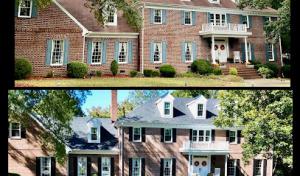
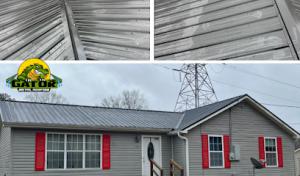
A full roof replacement in Wendell typically requires a permit through the local building department rather than being treated as purely informal maintenance. The process is designed to ensure that the work adheres to current wind, moisture, and energy standards, which matter a lot after storms that wake up the neighborhood with high winds and driving rain. When a contractor lays out the plan, expect a permit application to outline whole-roof work, including underlayment, flashing, venting, and fastener schedules. The permit acts as a formal record that the project complies with local codes and flood of inspections that follow. Since the area sees fast suburban growth and storm-related demand, the permit pathway helps confirm that the new roof is built to withstand the next round of weather events.
Inspections are part of the local process and commonly verify underlayment, nailing, and overall code compliance during and after installation. In practice, this means the inspector will check that the roof deck is sound, underlayment is properly overlapped and sealed, and that fasteners are placed at the correct intervals for the chosen roofing material and roof pitch. They'll also review flashing around chimneys, skylights, and vents, along with proper venting and attic access for moisture control. On a windy, humid North Carolina summer day, those details aren't cosmetic-they prevent leaks and tangles with gutters during a late-summer thunderstorm. Expect a sequence of checks at different stages, and plan for temporary adjustments if something doesn't meet the standard before the project can be signed off.
Because permit issuance and inspections are local gatekeeping steps, homeowners in Wendell should confirm whether the contractor or the owner is listed as the permit holder before work begins. If the contractor holds the permit, verify their license status and confirm they have current insurance and bonding. If the owner holds it, ensure there is a clear, written agreement that assigns responsibility for scheduling inspections and addressing any code deficiencies the inspectors identify. In either case, keep a copy of the permit and inspection approvals on site during the project, so that you can reference them quickly if questions arise with utilities, neighboring properties, or the homeowners association.
Start by contacting the Wendell Building Inspections Office early in the planning stage to understand required documents, anticipated timelines, and any neighborhood-specific considerations tied to storm damage claims or permitting windows. Share the project scope with your chosen contractor and confirm that the permit trail will cover the entire roof replacement. Schedule inspections as the work progresses and immediately address any noted corrections. This approach minimizes hold-ups and ensures your new roof meets local standards while delivering the performance expected after the next round of severe weather.
North Carolina is an active wind and hail claims environment, and North Carolina is an active wind and hail claims environment, and Wendell homeowners should expect adjusters to request photos, scope details, and proof that repairs meet code requirements. When a storm hits, the first few days matter. If temporary repairs or tarps go on a roof and later reveal a changed appearance, adjusters may question what was original versus what was added after the fact. Take clear, dated photos of the damaged areas from multiple angles, including close-ups of missing shingles, lifted edges, and granule loss. Keep a simple storm diary: when you noticed damage, when tarps went up, and when any professional inspected the roof. This documentation helps anchor the claim to the actual condition before temporary fixes, which in turn supports a fair evaluation of the needed work.
In a storm-responsive market like Wendell, claim outcomes can hinge on whether damage was documented before temporary repairs or tarping changed the roof's appearance. A contractor may suggest quick mitigation that protects the home, but every change to the roof's surface can become a point of contention with the insurer. Before any large repair or replacement is authorized, review what was visible prior to tarping and what was subsequently added. If the roof line looks different after a temporary fix, be prepared to explain whether the change was purely practical or intended to conceal preexisting damage. Clear records help keep the claim on track and prevent surprises during settlement.
Because insurer practices vary by carrier and policy language, homeowners in Wendell should compare deductible structure, depreciation treatment, and any wind-related limitations before authorizing full replacement. Wind and hail endorsements, depreciation holdbacks, and allowance for fast-tracked replacement can all affect how quickly and how fully a roof is repaired or replaced. Take time to read the policy portions that describe what happens after damage is acknowledged, how depreciation is recovered, and what limitations exist for different roof assemblies. When in doubt, ask for written explanations that translate the jargon into concrete steps and expected timelines, so the path from damage to a completed roof is as clear as possible.
Skylight work appears frequently enough in the local contractor market to merit dedicated attention when diagnosing leaks after heavy rain. In practice, leaks can be driven by windshield-like rain intrusion, seal failures around the skylight curb, or improper flashing where the skylight meets the roof plane. The first step is to observe whether staining or dampness appears near the skylight interior, then look up to confirm the dome or curb flashing is intact. Pay attention to any debris buildup around the skylight flange, as that can trap water and push it inward through the flange.
In thunderstorm pattern, leak complaints may originate at flashing transitions and penetrations even when field shingles look serviceable from the ground. Inspect transitions where the skylight, vent pipes, and roof intersections meet the walking deck. Look for missing or cracked boot seals, lifted shingle tabs near the skylight, or gaps at the valley and rake lines that could channel water toward the skylight. A common issue is flashing that was never properly lapped into the last roofing layer or that has been bent out of shape by wind-driven rain. If water appears along a seam, test by gently lifting surrounding shingles-any movement can indicate a flashing mismatch.
Homes with chimneys are also common enough in the local contractor signal set that flashing interfaces deserve inspection during any re-roof or storm assessment. Check the saddle or step flashing where the chimney meets the roof, plus the caulking around the base. If a chimney chase is present, inspect for moisture staining along the chase and at the counter-flashing. When a re-roof is planned, ensure the chimney flashing is replaced or resealed as part of the same cycle to avoid a narrow, water-running path that bypasses newer shingles.
Start with a visual inspection from an attic or crawl space to locate condensation or active drips near skylights, chimneys, or vent penetrations. From the roof, use a ladder with a helper and inspect with a wind-resistant mindset-look for lifted shingles, loose nails, or missing sealant at flashing joints. If the source is not obvious, perform a controlled water test on small sections (with care) to identify the exact seam or penetration feeding the leak.
If multiple leak points appear around skylights, flashing, or chimneys, or if interior damage is evident behind stained ceilings, arrange a roof assessment by a contractor experienced with Wendell's storm-driven leak patterns. A targeted reflash or skylight retrofit can stop recurring leaks and extend the life of the roof system beyond the visible field shingles.
Find contractors experienced in skylight installation, flashing, and leak repairs to bring natural light into your home.
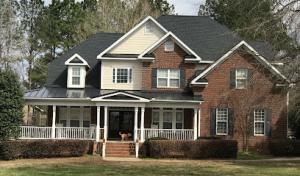
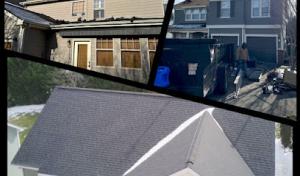
Kyle McLean Roofing & Repair
(919) 820-4286 www.kylemcleanroofingandrepair.com
Serving
5.0 from 23 reviews
In this market, quick-response crews often come with cleanup-included promises after a storm. That can feel reassuring, but you need to separate who's available for an emergency tarp or quick fix from who will stand behind the roof for the long haul. A fast crew may patch a leak today and vanish before you notice a shingle or flashing issue that only shows up after a harsh season. Look for a contractor whose written plan clearly differentiates emergency responses from scheduled, long-term workmanship commitments. This distinction helps avoid surprises when you finally need a dependable roof years down the line.
Manufacturer-backed options are common here, which can sound like a good fit for a storm-prone area. Before you sign, verify that registration is completed and that the installer documented essential details. Check ventilation considerations, attic flow, and how the underlayment and flashing were installed. A warranty can be only as strong as the installation quality behind it. If the paperwork or photos show gaps in ventilation or flashing placement, the guarantee may not fully cover future problems. Don't assume a warranty is automatic protection; it is a promise that hinges on proper setup.
Storm damage and wind-driven rain are realities in this market, so the practical value of any warranty often rests on what is excluded. Clarify whether wind events, accessory items (like vents, gutters, and turbine vents), or pre-existing damage are covered or excluded. A solid warranty should spell out these boundaries before installation begins. If exclusions leave you guessing after a storm, you risk paying out of pocket for issues the policy was meant to cover. Your best approach is to request written language that explicitly lists wind-related exclusions and any condition thresholds that void coverage.