Last updated: Apr 19, 2026
You watch the forecast and you hear the spring thunderstorms, hail risk, summer afternoon storms, and fall tropical rain events rolling through this area. In a town that sits just east of Raleigh, those bursts can suddenly interrupt roofing schedules, force emergency decisions, and push your home's ceiling leaks from inconvenient to urgent. The timing of a roof replacement in this climate isn't just about how it looks on a calendar; it hinges on rapid response to damage, the ability to manage a storm-bound worksite, and alignment with insurance workflows that move faster after a big hit.
Wind exposure is the single most relevant factor for Zebulon homes. Shingle uplift and flashing failure happen more often when a gusting afternoon sweeps through neighborhoods built on mixed-slope roofs and older penetrations. Cold-weather ice issues take a back seat here; the real risk is wind-driven damage that opens pathways for water, accelerates fascia or gutter damage, and exposes underlayment to repeat downpours. When a storm hits, you should assume any exposed seam or vent boot is a potential leak source until proven otherwise, and plan to isolate and remediate those areas quickly to prevent compounding rot or interior staining.
The local contractor signal mix clearly prioritizes emergency repair, storm damage, and insurance-claim work. After a major event, the first call should be to secure the site: tarp or plastic where there's active leakage, guard against falling debris, and stabilize any loose sections to prevent further uplift. A fast, documented assessment from a qualified roofer matters most in Zebulon because insurance adjusters will want to see the condition before and after the storm, plus a clear plan for temporary fixes. Delays in reporting damage or waiting for the weather to cooperate can complicate claims and extend out-of-pocket exposure for your family.
When a storm lands, think in terms of a two-phase plan: immediate stabilization and long-term restoration. Immediate stabilization focuses on stopping additional water entry and preventing further wind damage. This means securing rogue shingles, sealing flashing at penetrations, and setting up temporary barriers as required. The second phase centers on a code-compliant re-roof or repair that addresses uplift risks, flashing integrity, and the roof's ability to shed water through the next round of storms. In Zebulon, timing your work around forecast windows matters; a high-wind, rain-heavy forecast can disrupt crews and extend exposure to the elements, so proactive, weather-aware scheduling is essential.
If you've recently endured a storm, don't wait for new leaks to test your roof's resilience. Your goal is to minimize the number of storm-free days your home spends exposed to wind-driven cycles and rapid temperature shifts. Reach out to a trusted local contractor who understands the seasonal pulse of storms here, document every damaged area with photos and notes, and keep your insurance communication tight and consistent. A swift, targeted response keeps the roof in the best structural condition possible and helps you navigate the post-storm period with confidence.
Spectra Builders
(919) 269-2085 www.spectrabuilders.net
1302 N Arendell Ave, Zebulon, North Carolina
5.0 from 171 reviews
Hello, and welcome to Spectra Builders, Inc! Since 1993, we’ve proudly served Central and Eastern North Carolina as a trusted general contractor based in Zebulon. From custom commercial projects and residential roofing to seamless gutters and stunning home renovations, we’re here to bring your vision to life with quality craftsmanship and dependable service. Fully licensed and insured, we’re dedicated to making your project stress-free from start to finish. Communication, safety, and quality are at the heart of everything we do, and we’re passionate about exceeding expectations every step of the way providing nothing short of excellence. Ready to get started? Give us a call or stop by—we’d love to bring your ideas to life!
BK Roofing & Seamless Gutters
(919) 268-2462 www.bkroofingandgutters.com
1705 Old US Hwy 64, Zebulon, North Carolina
4.7 from 111 reviews
We over custom made on site 5 or 6 inch seamless gutters, made with a seamless Gutters machine, with hidden hangers every 2 feet with screws to add strength and stability to your gutters, if you have any wood issues from fascia to windows and siding we have you covered with in house trained professionals, we offer shingles as well as metal roofing with all trained employees and only top quality products. Fully insured and ready to serve you.
Golden Roofing
(984) 207-1118 www.goldenroofingnc.com
Zebulon, NC
5.0 from 25 reviews
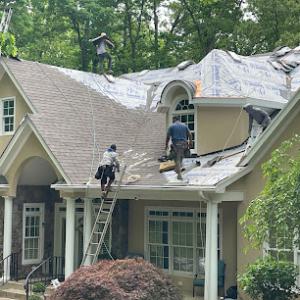
Here at Golden Roofing we model the Golden Rule - we treat everyone as we want to be treated. In a crowded market, we focus on what is best for our customers, employees and their families. Just like Bash, our Golden Retriever - we value loyalty, integrity, and honesty in every job we take on. Our family would be honored to keep your family COVERED!
North State Property Maintenance
Zebulon, NC
5.0 from 14 reviews
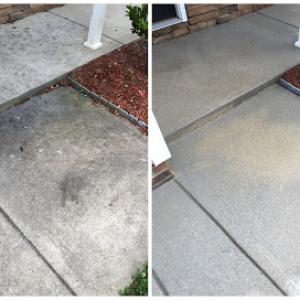
We are North Carolina’s premier soft washing, pressure washing, and gutter cleaning provider. At North State Property Maintenance, we treat every property we touch as if it’s our own. No matter if it’s a power washing service, soft washing, gutter cleaning, or window cleaning, Adopting this mindset allows us the opportunity to “WOW” our clients every time.
RG Roofing Specialist
(919) 796-1365 www.rgroofingspecialists.com
Zebulon, NC
5.0 from 6 reviews
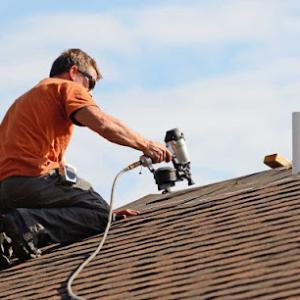
RG Roofing Specialist perform shingle, composite slate, and metal roofing services in the Wendell, NC area. RG Roofing Specialist has provided exceptional roofing services to residential and commercial customers in the Greater Triangle of NC since 2003. With over two decades of experience, our family-owned shingle roofing company is committed to delivering high-quality roofing solutions tailored to meet your specific needs. As certified Shingle Masters since 2011, our roofing contractors bring unparalleled expertise to every roofing project and roof repairs in Boone, NC and beyond.
Polaris Star Roofing
(919) 368-9500 www.polarisstarroofing.com
302 Pony Rd, Zebulon, North Carolina
5.0 from 1 review
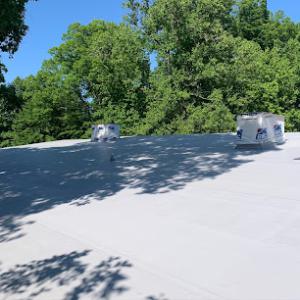
We are Polaris Star Roofing specializing in commercial roofing's with experience since 1998. We do repairs to full tear offs. All the roofing needs we can help!
Elevate Roofing & Exteriors- Raleigh Branch
(919) 689-8929 elevateroofingandexteriors.com
Serving
4.5 from 15 reviews
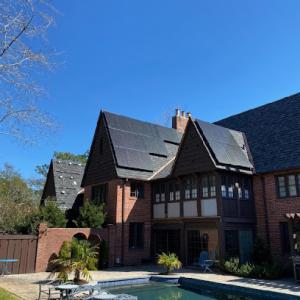
Licensed general contractors specializing in roofing and exteriors needs
F Roofing
(919) 236-8993 froofinginc.com
Serving
5.0 from 8 reviews
We understand that most residential homeowners want a high quality, long lasting roof that will not be too costly to install. On average, most residential roofs must be repaired or replaced every 10 years. With that said, it is imperative that customers choose their roofing material carefully to help to reduce replacement costs as well as extend the life of their roof.
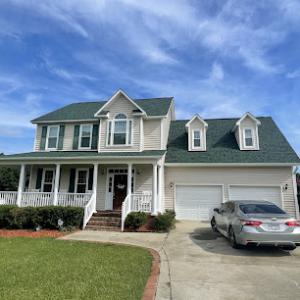
Picture Perfect Roofing
(984) 900-6611 www.pictureperfectroofing.com
Serving
5.0 from 16 reviews
"Picture Perfect is a local roofing & water restoration company. We service North Carolina. We specialize in roof repairs, replacements and water damage restoration. PPR offers a FREE property inspection with a detailed report that contains a 360 degree view of your home. PPR takes pride in leaving your property in Picture Perfect condition.
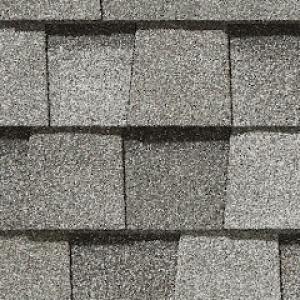
Roman Roofing & Gutters
(989) 310-7225 romanroofingnc.com
Serving
5.0 from 183 reviews
Roman Roofing & Gutters is a premier roofing company based in Wendell, NC. With a dedicated team of experts, we specialize in providing top-notch residential roofing services, including commercial roofing, gutter installation, and siding solutions. Our mission is to be the go-to local roofing company in Wendell, NC, and surrounding areas such as Cary, Raleigh, Knightdale, and Zebulon. We take immense pride in delivering exceptional exterior home and commercial cleaning services, ensuring your property looks its best. As roofing contractors, we are committed to excellence, offering reliable and high-quality roofing solutions to our valued customers. Trust Roman Roofing & Gutters for all your roofing needs in Wendell, NC, and beyond.
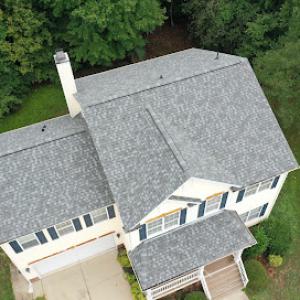
StormSafe Roofing & Exteriors
(919) 335-7754 www.stormsafenc.com
Serving
5.0 from 79 reviews
At StormSafe Roofing and Exteriors, we protect what matters most. Proudly serving Raleigh, Wake Forest, Durham, and surrounding areas, we combine local expertise with cutting-edge technology—using drone inspections and AI assessments to catch issues others miss. We specialize in storm damage restoration, insurance claim assistance, and Fortified Roofing™ systems designed to withstand severe weather. Whether you need a full roof replacement, seamless gutters, or durable siding, our team delivers transparent pricing and a 10-year workmanship warranty. Don't just fix your roof; make it StormSafe. Contact us today for a free, detailed inspection.

Clayton Roofing Contractor
(919) 626-3311 www.claytonroofingcontractor.com
Serving
5.0 from 7 reviews
When you need a Clayton roofing contractor, you need someone you can trust. That is why our team offers so much more than just free roofing estimates. Clayton Roofing Contractor is your all-in-one local roofing expert that can take on any job. No matter what materials your property uses, we work with them all. Hire us for reliable repairs, replacement roofs, and a variety of different products. Choose us for metal systems, flat roofs, asphalt shingles, and other solutions. We go beyond your roofline to help keep your property in better shape. We also offer repairs for shingles, windows, rain gutters, and new installations. Whatever your property needs, we guarantee the best results. Hire Clayton Roofing Contractor now.
Spring and fall are the preferred roofing windows for Zebulon because they avoid the worst combination of summer heat, humidity, and frequent rain delays. In these seasons, temperatures are more moderate, and you can schedule a re-roof without fighting the highest heat that can soften asphalt shingles and extend installation times. The milder air helps adhesives and sealants cure properly, and crews can move more steadily without the risk of heat-related fatigue. If your roof has storm damage from the previous season, this is typically when adjusters and contractors have the most predictable schedules, making the process smoother from start to finish.
Summer installation in Zebulon is slowed by hot, humid conditions and regular afternoon thunderstorms that can affect crew productivity and material handling. Humidity can affect sealants and asphalt products, while frequent rain delays push work into longer windows. If a summer project is unavoidable, build a realistic timeline with built-in buffers for weather days and plan for morning work blocks when temperatures are more tolerable. Have a clear plan for securing open edges, gutters, and ventilation so a sudden shower doesn't set back progress or compromise the work area. Coordinate with the contractor to target early-week starts, which tend to have fewer storm interruptions than peak weekday afternoons.
Winter is milder than in colder regions, but occasional freezing conditions still affect installation timing and seal-down performance. Cold mornings can slow shingles from setting or adhering properly, and frost or light ice can interrupt work. If weather turns chilly, crews may shift toward tasks that don't require heat or rely on temporary enclosures to maintain workable temperatures. In this season, it's important to plan for shorter days and potential pauses, especially when a cold snap follows a rain event. Flexible scheduling helps ensure that the new roof seals correctly and that tempting windows for completion don't get pushed into unfavorable weather.
When you know you'll be in the market for a roof replacement, start with a realistic calendar that prioritizes spring or fall, then build in a buffer for storm season and post-storm inspections. If storm damage is involved, align the project with the insurer's assessment window so you can move through assessment, approval, and installation without unnecessary delays. Have the crew map out access routes, staging areas, and material storage to minimize on-site disruption and to speed up the process once conditions are favorable. For homes with complex features-angled ridges, chimneys, or skylights-ensure the contractor schedules experienced crew members who can maintain proper seal-down in the local wind-driven exposure. This attention to seasonal timing and Zebulon's climate nuances reduces downtime and helps the roof perform reliably for years to come.
Asphalt shingles are the dominant practical choice in this area, balancing affordability with a proven track record in local weather patterns. The hot, humid summers and frequent thunderstorms mean that fast, secure fastening and robust flashing details are essential. Look for shingles rated for wind resistance and for those that provide strong sealant performance in humidity. When a roof is still relatively new, maintaining good edge grip and ensuring that the starter courses are properly aligned can prevent lift during sudden wind bursts. Replacement timing should be planned with attention to the roof's age, the quality of previous fastening, and any observed wind-driven damage after storms, since Zebulon experiences more wind exposure than many inland communities.
Metal roofing has a meaningful specialty presence in Zebulon, and it appeals to homeowners who want stronger wind performance and faster water shedding during heavy thunderstorms. Metal panels with properly sealed seams and corrosion-resistant finishes can help mitigate wind-driven leaks and reduce the risk of hail-induced pitting, which can be a concern during severe storms. When considering metal, attention should be paid to edge details, valley closures, and overlap configurations to maintain a continuous barrier against rain and wind-driven debris. For homes facing persistent wind corridors, a standing-seam system with integrated clips and carefully chosen fasteners provides a more durable weather envelope. Although metal can be louder during heavy rain, modern underlayment and insulation strategies help dampen sound without sacrificing performance.
Clay tile, concrete tile, wood shakes, and synthetic products are present in the market, but their suitability in Zebulon depends heavily on structural load, moisture exposure, and how well the assembly handles humid conditions. Clay and concrete tiles bring a distinctive appearance and excellent longevity, but they impose substantial weight on the structure. That means a careful assessment of the existing roof framing, attic ventilation, and the supporting deck is necessary before proceeding. Tiles can shed water efficiently in a storm, yet improper installation or damaged flashing around chimneys and vent stacks can create leak paths that are hard to seal once established. Wood shakes offer a classic, rustic look, but moisture management is critical in this humid climate to prevent warping, splitting, and accelerated decay. If wood shakes are chosen, a high-quality underlayment and regular maintenance schedule are essential in the face of humid air and storm exposure. Synthetic shingles provide versatility and improved impact resistance, with some products offering enhanced hail performance and lighter weight compared to tile or shakes. They still benefit from a well- engineered installation that prioritizes correct nailing patterns, secure flashing, and durable edge details to withstand storms and humidity.
In all cases, the local conditions emphasize the importance of a roof assembly that can handle heat, wind, and moisture in concert. The right material choice is not just about initial appearance or price; it hinges on how the roofing system performs as a cohesive unit under Zebulon's specific stressors. A thoughtful integration of underlayment, flashing, and proper fasteners tailored to the chosen material will translate into longer service life and a steadier defense against wind-driven rain.
Typical Zebulon ranges align with common regional pricing, but local conditions push numbers for some materials. Asphalt shingles run about $350 to $650 per square, a solid, weather-ready choice when storms are frequent. Metal roofing sits higher, roughly $800 to $1,500 per square, reflecting its wind resilience and longer life. Clay tile spans from $1,000 to $2,600 per square, while concrete tile lands in the $900 to $1,800 range. Wood shingles or shakes tend to be $600 to $1,100 per square, and synthetic or composite shingles sit at roughly $450 to $900 per square. These figures are the starting point when planning a replacement, not the final tally after the tear-off and reflash work.
Costs in Zebulon can rise after severe storm periods when demand surges across eastern Wake County and nearby Raleigh-area markets at the same time. When neighbors are all requesting same-day roofers, crews and supply chains tighten, nudging bids higher. If a prior hail or high-wind event hits the area, be prepared for a scramble that can widen timelines and push material premiums upward, especially for premium options like metal or tile.
Project pricing is also affected locally by the extent of tear-off work and what's found during the process. If decking repairs are needed after removing old materials, expect additional per-square costs. Proper flashing and venting to pass inspection adds another layer of labor and material expense, particularly with high-wind designs and those that require careful detailing around chimneys, skylights, and vent stacks. In Zebulon, where homes vary from modest bungalows to taller ranches, the once-a-decade replacement can quickly grow if structural repairs are uncovered or if the roof line demands upgraded ventilation strategies.
If you anticipate a full roof replacement, budget in a buffer for the higher end of the material range you're considering, plus labor for tear-off, decking, and flashing. Asphalt remains the most accessible option for many homeowners, balancing initial cost with decent performance in a hot, humid climate and seasonal thunderstorms. For newer or more storm-resilient homes, metal or tile can offer longer-term value, though the upfront investment is significantly higher. Consider how long you plan to stay in the home, and weigh the cost-per-year of service life against the immediate outlay.
Get a clear picture of your project costs upfront - no commitment required.
Clayton Roofing Contractor
(919) 626-3311 www.claytonroofingcontractor.com
Serving
5.0 from 7 reviews
Full roof replacements in Zebulon typically require a building permit filed with the Zebulon Building Inspections Department. The permit isn't a hurdle to slow you down out of spite; it's a safeguard that ensures the roof is installed to current code and prepared to withstand the humid summers and wind-driven storms common here. Skipping this step can lead to fines, a failed insurance claim, and headaches if you ever sell the house. Confidence comes from knowing the project is seen and signed off by local code officials.
Local inspections are conducted after installation to verify decking, flashing, and venting rather than treating the roof as a simple cosmetic swap. That means the inspector will look at the roof deck's condition, proper nailing patterns, waterproof underlay or shield, flashing around chimneys and vents, and venting details to ensure adequate attic airflow. If any element is not up to standard, a rework notice follows. Planning for those potential corrections ahead of time can save you multiple trips up the ladder and avoid costly delays.
Review times in Zebulon can range from a few business days to a couple of weeks depending on department workload, which can matter after widespread storm events. During busy periods, inspections may backlog, so the timeline you're given at permit submission can shift. If a storm event hits and a rebuild is triggered, expect related delays as inspectors recalibrate to the new demand. Having the permit in place and coordinating a clear inspection window helps minimize surprises.
Before pulling the permit, gather all structural and roofing plans, material specifications, and a clear install schedule. After installation, schedule the inspection promptly and have access ready to demonstrate decking, flashing, and venting details. Keep a contact at the building department handy in case the inspector has questions or you need a quick reschedule. If the project runs into weather or supply delays, communicate early to avoid penalties or extended permit holds.
The heat, humidity, and frequent thunderstorms around the area mean a roof endures wind-driven rain and hail more often than people realize. In practice, visible drips aren't the whole story-storm damage can hide in shingle edges, underlayment, and attic framing. North Carolina is a frequent hail and wind-claim environment, so homeowners often need strong documentation after severe weather rather than assuming visible leaks are enough. Keeping a dated, detailed record of what the storm looked like and how the roof responded helps separate real damage from water intrusion that takes time to appear.
Insurers commonly ask for pre-damage photos or post-storm inspections, making early documentation especially important after thunderstorm or tropical-rain events. If you have a recent exterior and attic photo set, hold onto it and note any changes after a storm. After a significant event, arrange a licensed professional to perform a thorough roof inspection and provide a written report that highlights wind-struck shingles, lifted flashing, or damaged vent collars. In Zebulon, where roofs age under strong afternoon sun and summer storms, a proactive eye often reveals trouble before it becomes a leak you can see from the living room.
There is no broad statewide withdrawal of coverage in North Carolina, but carrier availability and policy terms can still vary by company and neighborhood. That means you may find different responses from nearby roofs depending on the company and the exact street. Expect some adjusters to scrutinize hail patterns, debris impact, and roof age closely. If a claim is denied or delayed, request a second opinion or a consult from a local roofer who understands how wind and hail present on common Zebulon housing stock.
Rapid, well-documented communication with the insurer reduces back-and-forth delays. Be precise about storm dates, wind speeds you observed, and any accompanying hail reports. Avoid assuming a single visible leak equals total loss; instead, rely on the inspection report and written notes from your roofer to map out what the claim should cover. In a town where storms arrive quickly, timely documentation can determine how smoothly a claim progresses.
Connect with contractors who help homeowners navigate the claims process from damage assessment to final approval.
Elevate Roofing & Exteriors- Raleigh Branch
(919) 689-8929 elevateroofingandexteriors.com
Serving
4.5 from 15 reviews
Leak prevention in Zebulon hinges on detail work, not just shingle field condition. Local inspections focus on flashing where roof meets walls, around vent stacks, and at transitions between materials. Start by inspecting step and counter flashing at wall penetrations; missing or blistered pieces here invite wind-driven rain deep into the roof assembly. Pay close attention to the integrity of valley flashing in areas where storms tend to funnel water onto the deck. If a drip edge is loose or corroded, replace it and seal the gutter line to reduce capillary action along the fascia.
Venting is a frequent source of leaks in storm-prone summers. Check roof penetrations for proper sealing with compatible caulk and butyl tapes, and ensure flashing sits tight against the vent collar. In Zebulon's heat and humidity, sealants can shrink and crack; reseal as needed with a product rated for prolonged UV exposure and high heat. For pipes and vents that terminate near roof edges, install kick-out flashing where appropriate to divert water away from the wall and into the gutter system. A consistent rule: if a vent or pipe shows aging flashing or gaps, address it promptly before the next thunderstorm.
Roof edges are a primary vulnerability in gusty downpours. Confirm that drip edges extend past the fascia, and that the underlayment laps over the drip edge to shed water away from the fascia. At transitions to chimneys and skylights, verify the counter flashing, trapezoid sealant lines, and shingle wrap details are intact and continuous. Wind-driven rain can push water under laps near eaves; consider additional sealant or an optional metal boot for high-wind directions to reinforce these seams.
Skylight and chimney detail work appears often enough to matter for repair planning on existing homes. Inspect skylight flashing for cracks in the sealant, corroded metal, or lifted shingles along the base. For chimneys, ensure the cricket or saddle is intact and caulked where the chimney meets the roof deck. If you notice staining or soft spots around these features after a storm, treat them as a priority repair, since these areas concentrate water and can escalate quickly with recurring thunderstorms.
Find contractors experienced in skylight installation, flashing, and leak repairs to bring natural light into your home.
Kyle McLean Roofing & Repair
(919) 820-4286 www.kylemcleanroofingandrepair.com
Serving
5.0 from 23 reviews
Flat and low-slope roofing is not the dominant roof type in this area, but it shows up on additions, porches, and some commercial buildings. Those sections are built to extend usable space without steep pitches, which means the roof system has to handle drainage with extra precision. In practice, this means paying close attention to how a new addition's roof interfaces with the main house, including flashing transitions, parapet details, and proper drip edges. Local crews know that a well-integrated low-slope detail avoids water finding its way into the attic or wall cavities.
In the humid, stormy climate you experience here, low-slope sections are more vulnerable to drainage-related wear and prolonged moisture exposure than steep-slope shingle fields. Prolonged ponding can accelerate membrane wear, bubble the surface, or lead to fasteners loosening over time. Wind-driven rain also tests the edge details and parapet terminations differently than a typical pitched roof. Expect attention to deck drainage, scupper and gutter performance, and the integrity of any transitions from a standing seam or single-p ply roof to the traditional roof that covers the main structure.
Homeowners comparing bids in Zebulon should separate low-slope scope from the main roof because materials, detailing, and repair methods differ. Ensure the bid clearly distinguishes deck and parapet flashing, edge termination, and any insulation or vapor control layered under the low-slope assembly. Request a written plan that specifies surface preparation, membrane type, fastening patterns, and a dedicated drainage strategy for the addition. A thorough bid will also spell out how leakage risk will be mitigated at the intersection where the addition meets the existing roof, including temporary weather protection during construction.
Find specialists in TPO, EPDM, and built-up flat roofing systems for residential and commercial properties.
Elevate Roofing & Exteriors- Raleigh Branch
(919) 689-8929 elevateroofingandexteriors.com
Serving
4.5 from 15 reviews
Clayton Roofing Contractor
(919) 626-3311 www.claytonroofingcontractor.com
Serving
5.0 from 7 reviews