
Last updated: Apr 19, 2026
Steubenville endures cold winters with snow and ice followed by thaw periods that repeatedly open small gaps around flashing, penetrations, and shingle tabs. Those tiny openings become big leaks if left unchecked. When ice dams form, meltwater backs up and finds its way under shingles and flashing, especially where valleys meet roof edges. The result is concentrated moisture intrusion that accelerates rot in sheathing and framing. If your roof has aging or degraded sealant around vents, chimneys, or vent stacks, the risk compounds quickly during the spring thaw. The moment you notice granule loss, spalling shingles, or damp attic sheathing after a thaw, treat it as a warning and act fast to reseal and reflash exposed joints.
Older housing stock in this area commonly uses steeper rooflines that shed water fast, but that same speed places unusual stress on valleys, chimney flashing, and eave details during snow and ice cycles. Where valleys funnel meltwater, a small ice dam can push up under roofing fabric and corrode metal flashing. Eave edges, drip edges, and overhangs are exposed to wind-driven precipitation that can lift edge shingles and expose underlayment. Even when the slope seems to shed water well, rapid temperature shifts can contract and expand materials, widening gaps at flashing joints and around chimney seals. Prioritize inspection of valleys and flashing at transitions where two planes meet, and look for hairline cracks in sealant or loose flashing feet after each thaw cycle.
Homes perched on exposed hillsides above the Ohio River face stronger wind-driven precipitation than sheltered blocks, which increases the chance of moisture intrusion at roof transitions. Wind can push snow into valleys and around chimneys, forcing meltwater to back up under cornices and boot flashing. This increases the risk of moisture intrusion during the peak winter-thaw season. Pay particular attention to ridge caps, roof-to-wall intersections, and any boot flashing around plumbing vents in these exposed locations. If a vent or pipe seal shows signs of aging, replace it promptly to maintain a continuous barrier against wind-driven moisture.
If moisture intrusion is detected at transitions or along valleys, address it without delay. Small leaks at the wrong place can become structural problems quickly in this climate.
Steubenville's terrain rises sharply from the Ohio River, so many homes sit on sloped streets where runoff management and gutter discharge matter more than in flat subdivisions. That slope means water accelerates toward the lowest points, and a small drainage bottleneck can flood a ridge-style roof faster than expected. When planning or inspecting, pay special attention to how snow melt and heavy rain travel from upper bays to lower eaves. Random storm gusts can drive water toward low corners and step-flashing intersections, so the goal is to keep pathways clear and water moving away from the roof plane rather than pooling near any valley or joint.
Roofs on hillside lots often have walkout elevations and multiple roof planes, creating more valleys and step-flashing points that need careful detailing. Each valley becomes a potential freeze-thaw weakness if ice dams form or if flashing isn't continuous through the change in plane. For these roofs, think in vertical lines: where a slope ends, where a dormer or balcony step cuts in, and where two planes meet. The most vulnerable spots are where metal flashings meet sealants, where shingles bend around a corner, and where gutters terminate into downspouts that must clear through sharp angles. If you notice visible gaps in flashing at valleys or under overhangs after a thaw, treat them as high-priority fixes. The aim is uninterrupted water flow from the roof to the gutter and beyond, without allowing meltwater to back up under shingles during low-slope transitions.
In steeper sections, valleys and step-flashing deserve annual attention. Cracked or lifted shingles at a valley edge invite meltwater to back up underneath. Check that step-flashing returns properly onto the sidewall or into a kick-out at the drip edge. If you see rust, torn fabric under shingles, or any daylight through the flashing, address it promptly. In these hillside configurations, flashing pieces should be continuous and well-sealed with a durable sealant that resists temperature cycling. During inspection, run a hand along the valley to feel for soft spots or loose granules, which can indicate underlying deck rot or water intrusion waiting to happen.
In lower-lying river-adjacent areas, prolonged dampness and humidity can keep roof surfaces and shaded north slopes wetter for longer after storms. Frost action is not just a winter concern; repeated freeze-thaw cycles can push shingles apart at vulnerable joints and around flashings. Pay attention to north-facing elevations and shaded sections where moisture lingers. Ensure attic ventilation is balanced so that warm indoor air does not rise into the roof deck unchecked, which can worsen condensation and accelerate ice dam formation along eaves. If you observe damp patches on the interior ceiling aligned with tight roof corners, investigate attic air leakage and seal any gaps around soffits and baffles.
Adopt a regular rhythm for cleaning debris from gutters and downspouts on hillside properties. Debris can dam water at discharge points and force it toward sensitive flashing or into valleys. After major storms, inspect the roof edge and flashings for lifted tabs or loose nails, especially near step-flash points across multiple planes. A quick reseal with a compatible, long-lasting sealant on minor gaps will often stave off costly freeze-thaw damage when temperatures swing. For homes with multiple roof planes, consider staged maintenance-address the highest, most exposed sections first, then work downward to ensure a controlled drainage path across the entire roof surface.
Asphalt shingles remain a practical fit for Steubenville because they match the city's common steep-slope residential architecture and are easier to repair after localized wind or hail damage. The slope, combined with freeze-thaw cycles, makes proper water shedding and flashing essential. When selecting asphalt, prioritize options with good granule adhesion and a solid warranty, and plan for periodic inspection after winter storms. Pay attention to edge detail around valleys, penetrations, and chimney flashing to minimize ice dam risk. In shaded hillside neighborhoods, choose a shingle with slightly higher reflectivity to reduce surface moisture retention, which helps drying between storms and can extend service life in humid summers.
Metal roofing is especially relevant on steeper Jefferson County-style roofs because it sheds snow efficiently, but installer skill around condensation control, fasteners, and trim is critical in humid summers and cold winters. On steep pitches, metal performs well at expelling moisture quickly and resisting wind-driven uplift. The key is careful detailing at roof-to-wall transitions, ridge caps, and underlayment choices that manage condensation and vapor movement. A skilled setup reduces the chance of ice forming along eaves or near soffits, which is a common winter concern here. Look for standing-seam systems or similar designs that provide continuous panels and cleaner flashing integration with older vent and roof penetrations.
Clay and concrete tile appear on some higher-end or architecturally distinctive homes, but their weight and brittleness make structural review and freeze-thaw performance more important here than in milder climates. Tile offers a classic profile that suits historic textures, yet the added mass must be supported by the structure. In this climate, freeze-thaw cycles can cause hairline cracks that propagate under moisture, so ensure adequate drainage to prevent water pooling on flat sections. Proper installation matters: use underlayment with excellent waterproofing, secure fasteners that tolerate thermal expansion, and a careful layout of battens and frames to avoid stress concentrations during temperature swings and wind gusts.
Wood shingles and shakes face added moisture stress in Steubenville's humid summer conditions and shaded hillside settings, which can shorten service life if ventilation and drying are poor. Wood requires consistent ventilation under the roofing to prevent prolonged wetness in valleys and deeply shaded zones. If choosing wood, select treated or decay-resistant species and ensure a moisture management plan that includes ridge and soffit vents, with adequate eaves ventilation. Regular maintenance is essential: keep moss and mildew under control, and address any fastener corrosion or wood warping quickly. In shady spots, consider damp-proofing measures at the flashings and around dormers where water tends to linger.
Synthetic and composite shingles can appeal where homeowners want the look of slate or wood on older homes without the same weight burden on aging framing. This option tends to perform consistently in varied weather, provided the product is rated for freeze-thaw cycles and has robust dimensional stability. For steeper roofs, ensure the installation uses compatible underlayment and flashing that handles moisture movement between layers. Ventilation remains critical to control humidity buildup under any synthetic layer, especially on shaded, heat-retaining slopes. Choose products with proven performance in coastal or inland climates that mimic slate or wood without compromising nail retention and wind uplift resistance.
Spring wind and hail are a major local concern because they can damage shingles, ridge caps, and metal trim just before the busiest replacement season. On hillside streets where roofs slope steeply and collectors funnel wind across valleys, micro-damage adds up quickly. A few battered shingles can turn into leaks if left unchecked, especially when the next round of storms rips through before a long, hot Ohio summer begins. The risk isn't theoretical here-it's practical, and it tends to show up all at once after a heavy gust or hailstorm.
Ohio insurers serving this region may increase scrutiny after active hail or wind seasons, so Steubenville homeowners should keep date-stamped photos, contractor findings, and adjuster paperwork organized. Start with clear, contemporaneous records: timestamped photos of roof surface condition, any interior staining, and damage to flashing or trim, plus notes from a trusted contractor that pinpointed when the damage occurred and what caused it. If a claim is filed, request a written scope of work tied to visible damage and keep a copy of every correspondence. When inspectors or adjusters visit, having those organized files helps avoid back-and-forth delays and can support a fair assessment of what needs replacement versus what can be repaired.
Because weather can delay both inspections and repairs locally, documenting temporary protection measures is important when a claim remains open during a backlog. Use sturdy tarps or plywood to cover exposed roof areas after a storm, and secure downspouts and flashing where possible to prevent further water intrusion. Take photos after each protective step and keep a simple log of dates and conditions. If a long gap occurs between loss notification and repair, persistent documentation-paired with contractor notes-can help demonstrate ongoing diligence and may influence how adjusters view the claim during the backlog period.
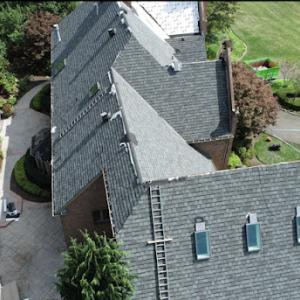
Saints Roofing & Construction
(304) 780-7902 saintsconstruction.net
Serving
4.9 from 197 reviews
Local Roofer , Roof inspection, Roof repair, Roof , installation, Local Roofer Serving Wheeling WV , Local Roofer Serving Pittsburgh PA Bridgeville PA South Hills PA Bethel Park PA Sewickley PA , Local Roofer Serving Weirton WV , Saint Clairsville OH , Local Roofer that does repairs, Roof damage repair, Attic venting, Skylight installation, Skylight repair, Free in home estimates, Locally owned and operated, Military discount available, Workmanship guarantee , Will work with your insurance
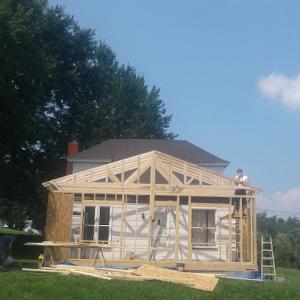
Affordable Roofing & Construction
(304) 914-2642 affordableroofsandconstruction.com
Serving
4.8 from 22 reviews
When it comes to protecting your home, Affordable Roofing and Construction is the name homeowners in Chester trust. With over 25 years of industry experience across two generations, we know how to deliver high-quality, professional roofing services. Our commitment to craftsmanship and community has made us a go-to roofing company throughout the area. Plus, we use only top-grade materials and back our work with lifetime warranties.
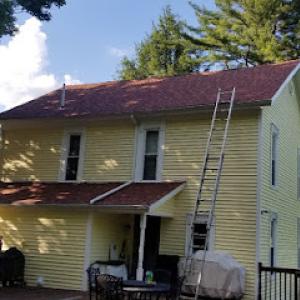
D&S Roofing
(304) 559-1400 dandsabovetherest.com
Serving
5.0 from 43 reviews
D&S is a family owned local company. We extend our family values to our customers- integrity, reliability and honesty. We give a warranty on every new roof we install and we back all of our work with a 100% guarantee. If you take your time and do it right the first time you cant fail. We use top of the line products to guarantee a worry free roof and everything is installed to factory standards. We specialize in shingles, rubber, and metal roofing. We take pride in the work. Every job we do is paid upon completion, no money up front is needed.
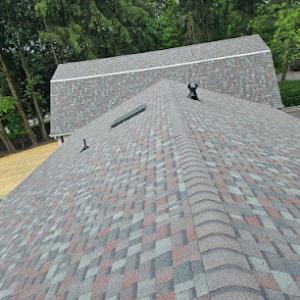
Monroy's Roofing & Exteriors
(724) 333-1128 monroysroofingexteriors.com
Serving
5.0 from 46 reviews
Monroys Sandoval Roofing & General Construction was founded on the principles of quality, integrity, and commitment. Over the past 10 years, we have been serving the residents and businesses of Monaca, PA, earning a reputation for reliability, transparency, and superior craftsmanship. Our dedicated team possesses the skills and expertise to handle a wide variety of construction and roofing tasks, ensuring our clients receive top-tier services regardless of the size or complexity of their projects. Our philosophy is simple - to provide our clients with services that add value, durability, and aesthetic appeal to their properties.
Rob Ryan Remodeling
Serving
5.0 from 11 reviews
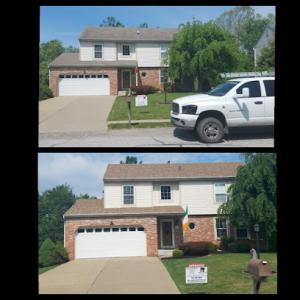
Rob Ryan Remodeling specializes in all aspects of roofing, siding, gutters, soffit, fascia and window installation. Not sure if you need a full replacement or just a repair? We at Rob Ryan Remodeling pride ourselves on honest, quality work, and customer satisfaction is 100% guaranteed. Our inspectors are highly trained and our crews get the job done right, the first time! Have an insurance claim and need answers? We work closely with your insurance company to ensure you are receiving all the necessary funds to complete your project and are by your side from the beginning to the end. Call today to schedule your free home inspection.
Stresko Contracting
(412) 320-5481 streskocontracting.com
Serving
5.0 from 20 reviews
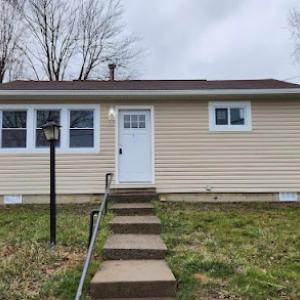
Established in 2022, Stresko Contracting is a Midland, PA-based roofing contractor dedicated to providing the community with high-quality roofing services. We are a locally owned company who takes pride in providing our community with a quality service at a fair price. We specialize in residential and commercial roof repair and replacement, committed to using high-quality materials and providing exceptional service to the local community. Contact us now to get the best roofing services in town!
Mattucci Roofing
(304) 944-0346 mattucciroofing.net
Serving
4.1 from 32 reviews
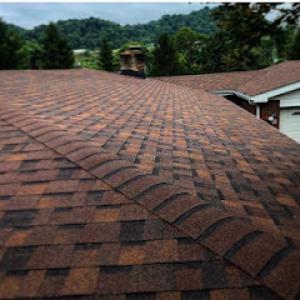
Mattucci Roofing provides rubber roofs, roofing services, and gutter services to Wheeling, WV and the surrounding areas.
Kalkreuth Roofing & Sheet Metal
Serving
4.1 from 23 reviews
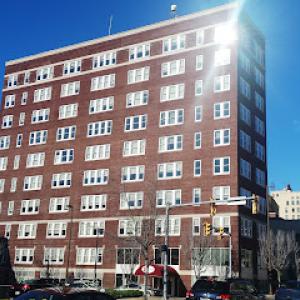
Kalkreuth Roofing & Sheet Metal, based in Wheeling, is a leading contractor of high-quality roofing and sheet metal solutions in Wheeling, West Virginia. With decades of experience, we specialize in residential, commercial, and industrial roofing, offering services such as installation, repair, and maintenance. Our team of skilled professionals is dedicated to delivering exceptional craftsmanship and customer satisfaction. We utilize the latest technologies to ensure durable, long-lasting results. Trust Kalkreuth Roofing & Sheet Metal for all your roofing needs, and experience the difference of working with a company committed to excellence. Call 24/7 to schedule all types of reliable roofing services in the Ohio Valley.
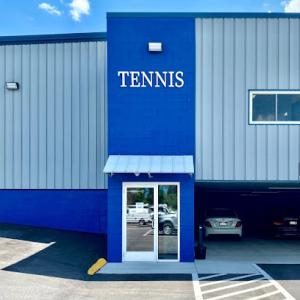
Tennis Roofing & Asphalt
(724) 884-0052 www.flatroofsrus.com
Serving
4.6 from 12 reviews
At Tennis Roofing and Asphalt, we’ve been providing top-tier roofing and asphalt services to commercial, industrial, and residential clients for nearly four decades. Founded in 1986, our mission has always been to deliver reliable craftsmanship, superior materials, and exceptional customer service to every project we undertake.
Ireland Contracting
(412) 492-7663 irelandcontracting.com
Serving
5.0 from 1 review
Roofing company specializing in new roofing, repairs siding, gutters, windows, and other exterior home improvements.
Material costs in this market are driven by roof type and the challenges of steep, hillside neighborhoods. For asphalt shingles you are looking at roughly 350 to 550 USD per square, while metal roofing runs from 700 to 1200 per square. If clay tile or concrete tile fits the house, expect 1000 to 1800 per square for clay and 900 to 1500 for concrete. Wood shingles or shakes come in around 600 to 1100 per square, and synthetic or composite shingles sit near 550 to 1000 per square. These numbers reflect older homes where steep pitches, multiple dormers, chimneys, and layered reroof tear-offs are common in established neighborhoods and can push the bill above a flat-suburban baseline. In Steubenville, the cost spread between materials is wide when the project must address tall eaves, ice-dam risk, and heavy snow loading.
Labour hours climb when access is tight on hillside streets. Deliveries may require careful timing on narrow or sloped roads, and staging space is often limited. If a roof has two or more layers to remove, expect longer tear-off times and additional disposal fees. Those details matter because the same square-foot price can become noticeably higher once the crew must work around chimneys or wraparound dormers. Planning for a modest buffer helps cover unforeseen salvage or reuse of older flashing on these older roofs.
Seasonal demand shapes pricing and availability. After spring storms and before winter, contractor schedules tighten in the Upper Ohio Valley, making it harder to lock in a reliable crew with the right equipment. If a project window is tight, some crews may charge a premium for expedited service or weekend work. Delays in material delivery-especially for a preferred shingle profile-can push start dates and extend the project, affecting overall cost.
Drainage and proper shedding must be addressed first on steep slopes to avoid water intrusion during freeze cycles. Flashing around chimneys and dormers should be integrated with valley and edge details, and ventilation checked to reduce moisture buildup that worsens ice dam risk. A clear disposal path and a planned staging area near the peak minimize on-site runoff and protect landscaping.
If the budget allows, phased replacement is reasonable on steeper, older homes. Start with critical drainage areas such as valleys and around chimneys, then complete the main field if access permits. Reserve funds for unexpected tear-offs or flashing refinishing at transition points. This market rewards concrete planning that accounts for local material ranges and hillside realities in this valley city.
In Steubenville, a building permit is required for reroof projects. The contractor must submit a permit application that lists the project address and the scope of work before any shingles come off or the old underlayment is touched. This ensures the city understands what materials and methods will be used on the steep, older roofs common in local neighborhoods. As a homeowner, you should confirm the contractor has submitted the application and that you receive the permit number before work starts. If the permit box isn't checked, delays will ripple through the project.
Inspections are scheduled during and after completion. A representative will verify that venting and underlayment meet code expectations, which is critical on Steubenville's hillside homes where proper drainage and attic ventilation mitigate freeze-thaw stress. The final roof inspection closes the job and confirms that the installed roofing system adheres to current standards for ventilation, flashing, and water shedding. Coordinating with the contractor on inspection dates, and keeping the building access clear, helps prevent schedule gaps.
The local process can be slowed by department backlog and by weather-related delays, which matters in a city with narrow seasonal roofing windows. If a storm alters the timetable, expect additional inspection reschedules and potential re-coverage checks. Plan for a little flexibility between tear-off and shingle installation phases, especially when temperatures swing or rainfall is forecast. Communicate early with the contractor about expected inspection dates and the likelihood of weather-related rescheduling so the permit and impact are understood from the outset.
Keep a copy of the permit number and the approved scope on site. Schedule the initial inspection promptly after roof removal and before underlayment goes down. Confirm that the final inspection will occur after all venting, underlayment, and flashing installations are complete, and keep your contact information current with the building department in case of any status updates.
Steubenville's warm, humid summers can accelerate asphalt shingle aging when attic ventilation is weak. The heat trapped above the living space amplifies expansion and contraction, which crops up as faster granule loss, more curling edges, and shorter shingle life. In these hillside neighborhoods, attic air often sees more stagnant pockets due to the slope of the roofs and older framing, so a deliberate, well-planned ventilation approach is not just comfort-it's performance and longevity.
The city's final roof inspection emphasis on venting makes ventilation design more than a comfort issue; it directly affects code approval and roof longevity. When a roofer designs intake and exhaust paths, they should map where soffit or continuous intake vents feed into ridge or high-cap exhausts, ensuring a balanced flow that reduces heat buildup and moisture stagnation. In practical terms, this means evaluating existing soffit geometry, determining if baffles are missing or misaligned, and confirming ridge vents pair with sufficient intake so hot air escapes freely on nearly every steep slope.
Older homes in Steubenville often need ventilation upgrades during reroofing because original attic airflow was not designed around modern shingle warranty expectations. If an attic feels stuffy, if there are signs of mildew on sheathing, or if daytime temperatures push peak attic temperatures well above ambient, plan for upgraded soffit, baffle, and ridge configurations. Even modest additions-like upgrading to continuous soffit vents or adding a passive ridge vent with proper sealant and baffling-can dramatically improve moisture management and shingle performance without altering the roof's character.
During reroofing, ask for an airflow assessment that includes an airflow model for peak summer days, confirm that intake and exhaust are not obstructed by insulation or debris, and verify that baffles extend across the entire attic to prevent wind-driven infiltration. Consider a modest boost in intake area on steeper sections to counter summer heat amplification, and ensure flashing around vents and skylights remains compatible with improved ventilation pathways.
Many Steubenville homes have masonry chimneys that rise through intersecting rooflines, which creates leak-prone flashing details. When water encounters those transitions, any failure in mortar joints or flashing becomes a conduit for moisture into attic spaces and ceilings. The combination of brick or block and steep slopes concentrates wear at the saddle and the points where chimney flashing meets the shingle or metal roof. If you notice peeling paint, staining, or musty attic smells after a heavy rain or a freeze-thaw cycle, suspect flashing around the chimney as a likely culprit.
The freeze-thaw pattern in this region-especially near the river bluffs-puts mortar-adjacent flashing and valley transitions under repeated stress. As water freezes in small cracks, it expands and can pry flashing up or widen gaps between the chimney base, saddle, and roof deck. Older roofs with sunken or misaligned flashing tend to show slow seepage first, then damp insulation and attic cold spots. Pay attention to dark staining along the mortar line, loose shingles at the chimney, or chronic ice dam buildup where valleys meet the vertical chimney chase.
Localized repairs in this area often center on chimney saddles, step flashing, and valley wear rather than on broad low-slope membrane issues. Step flashing that has corroded, loosened, or bridging between roof planes should be addressed promptly to prevent ongoing moisture intrusion. Valleys, especially where two planes converge at an older home, can wear thin and shed shingles unevenly. If you see rust stains, lifted shingles, or granules accumulating in the valley, plan a targeted repair rather than hoping for a generic fix elsewhere.
Regular, careful inspection after freeze-thaw cycles helps catch trouble before it spreads. Look for misaligned shingles near the chimney, visible mortar cracks, and caulking gaps at the saddle. Keep the area clear of debris, ensure proper ventilation in the attic to monitor condensation, and address any signs of moisture in the attic promptly. Small leaks learned early save more extensive damage later and protect the integrity of steep, historic rooflines.