
Last updated: Apr 19, 2026
Tiffin's cold winters and warm summers create repeated freeze-thaw cycling that can open shingle tabs, stress flashing joints, and worsen small drainage defects over time. When temperatures swing above and below freezing, moisture in shingle tabs and underlayment expands and contracts. Over successive cycles, fasteners loosen, tabs curl, and even solid roofs can develop micro-leaks that let moisture migrate into the attic and decking. The result is not just a minor nuisance-every cycle wears down the roof's defensive layer and sets the stage for costly failures down the line.
Winter ice, snow, and freezing temperatures in Tiffin commonly delay roofing work and make moisture control details more important during replacement planning. Ice dams form when heat escaping from the attic melts snow near the eaves, which refreezes at colder edges and forces water to back up under shingles. That backflow finds every gap in flashing, vent boot, or valley, seeping into soffits and eventually into ceilings. In shoulder-season cycles, when afternoons briefly warm and nights refreeze, these issues intensify: warm roof sections push moisture toward cold edges, leading to granular shed, lifted shingles, and rotten decking pathways for water to travel.
Shoulder-season freeze-thaw conditions in Tiffin can expose weak decking edges and flashing transitions even when a roof looks acceptable in dry weather. Small deviations in flashing-around chimneys, vents, and valleys-can become major leaks after a few rapid thaw-freeze events. Bent or loose drip edge, corroded step flashing, and compromised underlayment are not obvious from ground level or a quick one-day inspection. In practice, a roof that seems dry in late summer can look dramatically different once the snow melts, daylight fails through compromised areas, and wind-driven moisture finds its way into the attic.
Start with a detailed, weather-conscious inspection plan that accounts for anticipated freeze-thaw cycles. If replacing or re-roofing, prioritize robust moisture control details: ensure continuous underlayment coverage, properly sealed flashing transitions, and reinforced eave and valley protection to resist ice dam pressure. Ventilation should be evaluated for both winter and shoulder-season performance; inadequate attic ventilation traps warm, moist air that accelerates ice dam damage and deck deterioration. When winter storm threats loom, consider delaying non-essential work until temperatures stabilize, but do not delay necessary moisture control components that prevent interior damage. If replacement work proceeds in late fall or early spring, request explicit checking of decking edges, flashing transitions, and drainage paths. A staged approach-addressing decking integrity, then flashing and drainage, followed by a full, properly vented roof system-minimizes the risk of moisture intrusion during the project and during the next winter cycle.
In this market, spring storms and hail are a major scheduling disruptor and can create sudden surges in reroof demand. Cloudy forecasts give a false sense of security, then a line of thunderstorms rolls in with high winds and hail gathered from the Great Lakes region. The older housing stock in town is particularly vulnerable to shingle lift, flashing vulnerabilities, and moisture pooling on low-slope sections. When a hail event multiplies roofing questions from neighbors, the clock starts ticking on who gets scheduled first, how long the job takes, and how to keep savvy homeowners from letting small leaks become bigger headaches. Plan for a real-time response window: inspect after the hail, document diligently, and have a crew ready to mobilize within days of a storm.
Ohio's insurance environment sees frequent roof claim activity after regional wind and hail events, and homeowners typically need photos, date-stamped documentation, and adjuster review after severe weather. The best approach is to photograph the entire roof surface, attic, and any interior staining or signs of moisture within 48 hours of a storm. Use a preferred practice of date-stamped photos and a simple log noting the exact time of the storm, wind direction, and hail size if observed. When the adjuster arrives, you'll want a clear, organized narrative: where the damage is, what sections are affected, and how long the roof has shown signs of distress. If shingles are curling, granules are missing, or flashing around chimneys and valleys shows gaps, record those specifics with close-up imagery. A concise, factual report reduces back-and-forth with the insurer and speeds the review.
Unlike some higher-volatility insurance markets, Ohio has not seen a sustained statewide insurer pullback, so the key local issue is documenting storm damage correctly rather than market withdrawal. In practice, that means you must separate cosmetic wear from storm-driven damage and clearly demonstrate the timing of the event. For example, a hail impact may not immediately breach underlayment, but repeated strikes can create micro-cracks that propagate through freeze-thaw cycles. Your documentation should help a knowledgeable adjuster differentiate pre-existing wear from new storm damage. If an adjuster disputes a claim, a second opinion from a local roofer with experience in Tiffin's climate can provide a credible, timely assessment to support the claim.
After a severe weather event, prioritize a fast roof inspection by a licensed roofer who understands the local wind patterns and typical Tiffin roof lines. Secure the property by covering vulnerable spots temporarily to prevent water intrusion while awaiting approval, and keep receipts for any temporary weatherproofing purchased. Communicate clearly with the insurer about emergency needs-especially in spring when the next storm could arrive quickly. It matters that photos, notes, and a precise timeline are ready for the adjuster's visit. In this market, steady, accurate documentation reduces delays and keeps your project on track, even when scheduling is tight and crews are in demand.

JB Roofing, a Tecta America Company
(800) 472-0969 www.tectaamerica.com
1480 County Road 594, Tiffin, Ohio
2.9 from 9 reviews
Established in 1970, JB Roofing, a commercial roofing company, has built its business and reputation on doing what’s right for our customers, in the customers expected time frame, and with lasting quality. Today with more than 80 employees and a management team in place that has over 100 years of experience, JB Roofing has positioned the company for continued growth for decades to come while increasing the quality of services.
Vodika Roofing & Maintenance
Serving
5.0 from 33 reviews
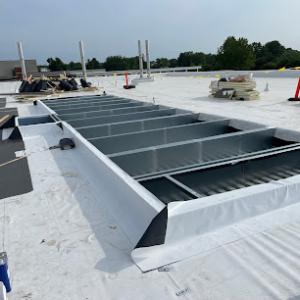
VODIKA ROOFING: Commercial Roofing Built on Trust and Faith. With 25+ years of experience in commercial and industrial flat roofing, we deliver solutions guided by our commitment to excellence and faith-based values. We believe in earning your business through superior quality, expert applications, and a full-service Maintenance and Repair department equipped for any need, day or night. We provide free commercial roof inspections to give you peace of mind that your investment is safe. Contact us to experience the difference genuine integrity makes.

Technique Roofing Systems
(419) 986-6211 www.techniqueroofing.com
Serving
5.0 from 61 reviews
With over 30 years of dependable, professional and reputable experience, we can take the worry and frustration of your roof repair and maintenance away and let you focus on your business. We know that talking about roofing isn’t the most glamorous of topics to some people, but we love it. Technique Roofing Systems was founded in 1992 by Kurt, Keith, and John Timmons in an old dairy barn outside the small farm town of Burgoon, OH. We are still true to our core mission when we began – to meet or exceed our customer’s expectations on every project with the highest level of expertise, products and service. Our goal is to provide our customers a long-term, maintenance free investment for their business.
Rooster Roofing
(567) 525-6862 roosterroofs.com
Serving
4.9 from 101 reviews
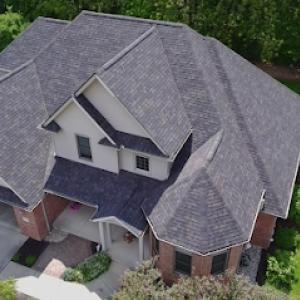
When it comes to Roofing Company, Gutter Installation, Siding Services and more, no one compares to Rooster Roofing With years of combined experience, Rooster Roofing has worked hard to build the trust of our clients in Findlay and surrounding areas. Visit our website to learn more or better yet, call us today!
Damschroder Commercial Roofing
(419) 556-6510 www.damschroderroofing.com
Serving
4.2 from 33 reviews
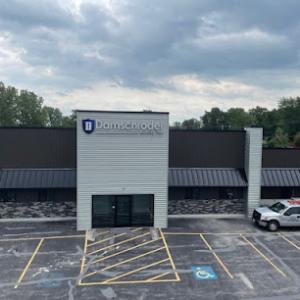
Damschroder Roofing is a full-service commercial roofing company in Fremont Ohio. We are dedicated to providing unsurpassed workmanship and expertise in commercial roofing and proactive maintenance and repairs. Our technicians are masters in the industry, and our customer service extends far beyond the completion of your roofing project. Offering top commercial roof repair, replacement, and other services covering all of the Tri-state area. If you’re looking for an experienced commercial roofing contractor who puts customer satisfaction before anything else then look no further than Damschroder! Contact us today for a free quote on your commercial roof repair or replacement needs.
Smith & Young Roofing
(419) 357-5980 www.facebook.com
Serving
3.9 from 21 reviews
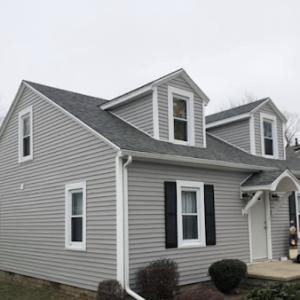
We are a general contractors who specialize in roofing services but can do any project you may have!
Petrick Roofing & Remodel
(567) 424-0095 www.petrickroofing.com
Serving
5.0 from 4 reviews
Petrick Roofing and Remodel brings quality roofing and remodel contracting. Our company is insured and available for all projects, large or small! Give us a call for your FREE ESTIMATE. Whether your home requires outdoor repair or inside updates give us a call at 567-424-0095, because "WE NAIL IT THE FIRST TIME" Brief Description of Our Available Services: New Construction Repair Gutters Wood Replacement Soffit Flooring Painting Installation Cabinets Ceiling Repair Door Replacement Sanding Staining PLUS MUCH MORE! Contact us!
Absolute Quality Roofing
Serving
4.3 from 6 reviews
With over forty years of combined experience in the building and roofing industry, Absolute Quality Roofing has the expertise you can trust when it comes to all of your roofing needs. From installation to replacement, our roofing contractors have the capability to get the job done correctly the first time around.
Elite Roofing & Restoration
(567) 201-1426 sites.google.com
Serving
5.0 from 2 reviews
At Elite Roofing and Restoration, we specialize in high-quality flat and metal roofing solutions tailored to meet the unique needs of modern homeowners. With years of experience and a commitment to craftsmanship, we provide durable, energy-efficient, and low-maintenance roofing systems that stand the test of time. Whether you’re building new, replacing an old roof, or in need of timely repairs, our skilled team delivers precision work and outstanding customer service every step of the way. Choose Elite Roofing and Restoration for innovative roofing solutions built to protect your home and elevate its curb appeal.
Deitemeyer Brothers
(567) 259-3452 www.deitemeyerbrothers.com
Serving
4.3 from 7 reviews
Deitemeyer Brothers is a growing roofing and construction company with over 30 plus years of experience. We have recently expanded our business to Findlay OH and looking forward to serving the community and surrounding areas.
Castle Roofing & Construction
(419) 680-5498 castleroofing.io
Serving
5.0 from 1 review
Local roofing and construction contractor.

Roof Maxx of Findlay, OH
Serving
Roof Maxx® is a scientifically formulated, and 100% safe, plant-based roof rejuvenating spray treatment that was developed by the world’s largest private research and development company.
Tiffin faces a unique mix of northwest Ohio freeze-thaw cycles, Lakes influenced winter snow, and spring storm swings. That combination means a roof needs to shed melting moisture quickly, resist ice dam risk, and maintain solid ventilation to prevent winter moisture buildup. The best window for reroofing your home is the one that aligns with dry spring conditions and a schedule that minimizes weather-related delays. When planning, think in terms of a calm stretch after winter and before the peak of fall, so crews can set up, seal flashing, and run underlayment without repeated weather interruptions.
Most reroofing in Tiffin is scheduled from dry spring through early fall to reduce weather delays and improve installation conditions. If you target a spring window, choose a period after the last recent freeze and before heavy spring rains, so the decking can dry and the underlayment can lay flat. Early fall can work as well, but spring has the advantage of letting crews finish before heating season starts and cold snaps return. Plan a few days of cushion for unexpected mid-season storms, especially when the forecast calls for regional hail events.
Spring storm interruptions in Tiffin can affect both crew scheduling and material availability, especially after regional hail events. Build a formal start date with the contractor and stress the importance of securing a solid delivery window for underlayment, flashing, and ridge ventilation. If a hail event hits, expect delays and potential reordering of panels or shingles; have a backup plan for temporary protections and staggered delivery to avoid stockouts at the last minute.
Summer heat in Tiffin can affect crew productivity and underlayment handling, making timing within the warm season matter even when conditions are generally favorable. Plan for midweek work during cooler mornings and late afternoons if possible, and ensure crews have shaded breaks to reduce heat-related stress. Proper ventilation becomes especially important during hot spells; the roof should not be left exposed longer than necessary, and attic vents should be coordinated with the installation to manage moisture and temperature build-up.
Before the first nail is driven, verify that the roof deck is dry, dry-fitted flashing locations are confirmed, and drainage paths are clear. Ensure soffits and vents are ready to provide continuous airflow once the new roof is down. A well-timed project, aligned with a dry spring window and mindful of spring storms, yields the most reliable long-term performance against freeze-thaw stress and winter moisture infiltration.
Asphalt shingles remain the dominant choice for reroofing in this area because they fit the common budget pattern many homeowners see when replacing a roof. In Tiffin, the freeze-thaw cycle and exposure to hail mean you should prioritize impact resistance and robust flashing details. Look for shingles rated for high wind resistance and a sealant that holds up to repeated freezes. When evaluating a shingle installation, check that the underlayment and flashing around chimneys, vent pipes, and roof-to-wall transitions are tightly sealed and extended far enough to shed late-season meltwater before it can seep behind the fascia. A well-ventilated attic helps manage condensation and reduces the risk of hidden moisture damage over the winter.
Metal roofing can be a strong match for the area's snow and ice conditions, because it sheds snow more readily and resists common weathering changes. The key in practice is detailing at penetrations, edges, and transitions where winter movement and condensation can concentrate. Ensure ridges and fasteners are designed to accommodate some seasonal movement without loosening, and that flashing around skylights, chimneys, and vent stacks integrates with proper drainage. If the home has history of ice dams or poor ventilation, pair metal decking with a carefully planned condensation control strategy and a robust attic venting plan to prevent moisture buildup at cold surfaces and attic corners.
Clay tile and concrete tile bring a distinctive look and long lifespan, but their suitability hinges on structural support. These heavier systems demand a capable deck and framing that can handle added dead load, plus careful attention to securing edges and kneecapping at wall intersections. In a climate with freeze-thaw cycles, the choice of tile and its profile influence drainage paths and the potential for water to sit at eave edges. A home with existing damaged decking or marginal support may require reinforcement before adopting these materials. If the design goal includes classic curves or a Mediterranean feel, ensure the roof geometry complements tile installation and that flashing at ridges and transitions is matched to the tile's optics and performance.
Wood shakes and slate offer traditional aesthetics, but their performance leans on structural compatibility and climate handling. Wood requires solid ventilation and protection against prolonged moisture exposure that can promote rot during warm spells followed by cold snaps. Slate is highly durable but heavy, demanding a reinforced structure and precise installation to avoid crack propagation under freeze-thaw stress. If the house plan features overhangs or eave lines that help in shedding spring rain, these details become more critical with heavier materials. In practice, homeowners should verify that existing decking can support the chosen material's weight and that edge detail work is engineered to minimize ice accumulation at transitions.
Typical Tiffin material pricing runs about $350-$650 per square for asphalt shingles, $700-$1100 for metal, $900-$1600 for clay tile, $800-$1400 for concrete tile, $550-$900 for wood shingles or shakes, and $1000-$1800 for slate. These ranges reflect both the materials themselves and the local drive to build a durable roof that handles northwest Ohio's freeze-thaw cycles. When you compare, remember that installation complexity and attic ventilation influence the final figure just as much as the raw material price.
In Tiffin, costs can rise after spring storm and hail events when regional demand increases and scheduling tightens across northwestern Ohio. If you're targeting a repair or replacement after a severe winter, expect pricing to shift upward as crews juggle multiple projects and weather windows narrow. Planning ahead, with a cushion for a potential storm-season delay, helps stabilize both timing and total cost.
Local cost variation is also driven by winter-related decking repairs, flashing replacement, ventilation corrections, and drainage upgrades because inspections typically focus on those details. A roof that shows freeze-thaw damage or inadequate drainage raises the need for robust ventilation and properly sealed flashing before you seal the surface. For example, replacing deck boards damaged by repeated freeze cycles or upgrading clogged or undersized drainage paths can add to the square footage cost, but they protect the overall longevity of the roof.
In practice, you'll weigh the upfront material price against long-term performance in our climate. Asphalt shingles offer economy with decent moisture resistance, while metal can trend higher but pays back with longevity and wind performance. Tile options (clay or concrete) excel in waterproofing and durability but demand careful installation to avoid freeze-thaw cracking. Wood and slate provide distinct aesthetics and learning curves, with corresponding price considerations. In Tiffin, planning for potential spring surge and prioritizing flashing, ventilation, and drainage upgrades during any roof work yields the most reliable, year-round performance.
In this area, reroofing permits are typically issued through the local building department at the city or county level. Before any shingle replacement begins, check whether a permit is required for the project size and scope, and confirm which department handles it. The goal is to document that the roof's critical systems-flashing, ventilation, and drainage-will meet code while the old roof is removed and the new one goes on. Typical timelines hinge on plan review and site checks, so starting the process early helps avoid delays when weather windows tighten.
A permit and final inspection are typically required to verify proper flashing, ventilation, and drainage rather than just shingle replacement alone. The inspector will look at how valleys are flashed, whether eave and ridge vents are adequately equipped, and that water is directed away from the interior. In older housing stock, attention to flashing at chimneys, skylights, and wall penetrations is crucial, since freeze-thaw cycles can exploit gaps. Ensure the contractor coordinates access for a thorough walk-through of the entire roofing system, not merely a cosmetic re-cover.
Tiffin homeowners often have the roofing contractor submit the permit application and coordinate the final inspection after completion. Confirm with the contractor that the permit is kept current and that the final inspection appointment is scheduled promptly after work finishes. Have a clear record of any deviations from the approved plan and be prepared to address minor adjustments the inspector may request on site. If your roof replacement involves multiple trades (wood, underlayment, ventilation), ensure each step aligns with the approved scope to pass the final check without rework.
Because the Ohio market sees regular wind and hail claim activity, you should start documenting roof conditions before and after storms with clear photos and notes. In practice, keep a dated gallery that shows shingles, flashing, and any visible signs of bruising or lifted tabs. Note weather details for each storm-wind speeds, hail size, and the duration of the event. This creates a consistent record you can rely on when discussions with an adjuster begin, especially after a severe weather spell.
Adjuster evaluation is a normal part of the Tiffin-area claim process after severe weather, so preserving evidence of shingle bruising, lifted tabs, flashing damage, and interior leaks is important. When an adjuster arrives, have the file of photos ready and reference the storm dates you tracked. Include interior indicators such as stained ceilings or attic condensation, since moisture can travel beyond the roof line. Honest, organized documentation helps the adjuster separate storm-related damage from long-standing freeze-thaw wear and supports a fair assessment.
The local insurance issue in Tiffin is not a broad carrier retreat but making sure storm-related damage is documented well enough to distinguish it from older freeze-thaw wear. Focus on features that specifically reflect recent impacts: new punctures, blown-off components, or sudden granule loss following a storm, versus patterning that aligns with known aging or cumulative fatigue. If you notice recurring issues after storms-especially along eaves, valleys, or near roof-to-wall flashings-capture those areas early and review them with your adjuster to prevent misclassification.