Last updated: Apr 19, 2026
Michigan winter is unforgiving on aging residential roofs. Warren homeowners deal with Michigan winter freeze-thaw cycling that repeatedly opens and closes small gaps around shingles, flashing, and roof penetrations. Every cycle weakens sealants, loosens edges, and gradually widens vulnerable seams. When a freezing night is followed by a sunny day, the resulting expansion and contraction can bend metal flashing or lift shingle tabs just enough to invite moisture beneath the surface. On common postwar rooflines, you'll notice tiny drips or popping sounds near the eaves or along vent pipes after a thaw. The risk isn't dramatic single storms; it's the cumulative effect over years, quietly edging toward accelerated wear and unexpected leaks.
Heavy snow accumulation followed by thawing creates ice-dam risk at eaves, a major concern on the city's typical low-to-moderate pitch roofs. When meltwater cannot freely run off, it refreezes at the colder edge, creating a dam that forces water back up under shingles. That backflow can seep into underlayment, then into attic spaces, and finally into ceilings. In Warren, where freezing cycles are common, you'll notice staining along overhangs or attic condensation forming while the exterior looks deceptively dry. Left unchecked, ice damming compounds existing wear from freeze-thaw cycles and accelerates rot in fascia, soffits, and the first row of roofing layers. The warning signs are subtle at first-soft damp spots at ceilings, faint musty odor, or a cool draft near the attic access.
Snow in Warren piles up on roofs, then thaws and refreezes, turning microcracks into channels for water intrusion. This is not just about the weight; the real danger is where the meltwater sits and refreezes at the eaves or around roof penetrations. With heavy, repeated cycles, sealants around vent stacks, chimney crickets, and attic hatches degrade faster than you might expect. Warped edges, lifted shingles, and curled flashing are common early indicators. In many homes, damage begins at corners and along the low-slope portions where runoff patterns diverge from the main roof face. The combination of weight and freeze-thaw stress means a small, overlooked vulnerable spot today can escalate into a full-coverage leak after the next squall.
Given the rhythm of Warren's winters, you should schedule targeted checks after every major thaw or light rainfall that follows a deep freeze. Start with the eaves and gutters for ice buildup, then move to flashing around chimneys, vents, and skylights. Look for curling or lifting shingles, granule loss, and any damp discoloration on interior ceilings beneath attic spaces. If you notice any moisture intrusion, address it promptly-delays multiply the damage by shrinking the window for effective repairs. Stack your inspections around the springtime visibility period when winter damage becomes obvious and the weather is reliably dry enough to perform work with confidence. This is when replacement work clusters to maximize dry conditions and minimize repeated disturbance to the roof during peak freeze-thaw cycles.
Spring hail and wind events in Warren are a meaningful roofing risk, especially for older shingles that already weakened over winter. When hail pounds low-to-moderate-pitch roofs common to postwar subdivisions, shingle granules shed, asphalt layers crack, and in a hurry the attic fan and vent stacks can shove moisture deeper into the roof deck. Storms that move quickly through Metro Detroit often leave a wake of cosmetic damage that hides hidden leaks. For a rooftop with a few brittle shingles, a fast, aggressive response can prevent ice dam formation later or water intrusion that travels along the rafter tails to ceiling spots inside the home. If you notice granule loss, curled edges, or new dark spots after a storm, treat it as an active risk rather than a cosmetic issue.
Michigan roof claims commonly require documentation of roof age, prior damage history, contractor estimates, and photo evidence before approval decisions are made. In practice, this means you should photograph all visible damage from multiple angles, including close-ups of cracked or missing shingles, dented vent caps, and any signs of water intrusion in the attic or ceiling. Keep a dated log of the storm events, dates of observed damage, and any temporary weatherproofing attempts. If prior damage exists, locate any repair receipts or service notes to show the roof's vulnerability. When you contact your insurer or a contractor, have name and contact info ready for the three most recent contractors who inspected the roof, plus a clear narrative of what happened and when. This approach reduces back-and-forth and speeds up decisions that affect recovery time.
Because storm-related roofing demand surges after severe weather, Warren homeowners often face scheduling pressure and should document damage immediately. Start with a temporary, roof-safe cover over any visibly exposed areas to limit water entry while you arrange assessments. Prioritize securing sagging or loose shingles, torn flashing, and compromised seals around chimneys and vents. Schedule a professional roof inspection within 48 to 72 hours if possible, especially after back-to-back hail events or strong winds. If a contractor identifies critical structural issues or widespread shingle failure, you'll want to coordinate promptly with your insurer to align estimates, timelines, and next steps. Acting now reduces the risk of progressive damage that becomes more extensive and expensive to repair as temperatures swing and freeze-thaw cycles resume.
Find local contractors experienced in assessing and restoring roofs after hail, wind, and severe weather events.
L&S Home Improvements
(586) 879-7006 www.lnshomeimprovements.com
27222 Gloede Dr suite b, Warren, Michigan
4.9 from 305 reviews
Smart Roof
(248) 579-4272 www.choosesmartroof.com
31520 Carion Dr, Warren, Michigan
4.9 from 57 reviews
Oak Roofing
22425 Schoenherr Rd, Warren, Michigan
5.0 from 134 reviews
We only do complete replacements, Sorry we do not do repairs.
L&S Home Improvements
(586) 879-7006 www.lnshomeimprovements.com
27222 Gloede Dr suite b, Warren, Michigan
4.9 from 305 reviews
L&S Home Improvements, located in Warren, MI, is your premier roofing company serving Southeast Michigan, including Macomb, Oakland, and Wayne counties. With a specialization in roofing installation, siding, and gutters, our experienced team of roofers is dedicated to delivering top-quality craftsmanship and exceptional service. Having completed over 1,600 roofs in the area, we take pride in our reputation for reliability and excellence. Whether you need a new roof, roof repairs, or a complete roofing system overhaul, trust L&S Home Improvements to protect and enhance your home. Contact us today for a free inspection and no-obligation quote. L&S Home Improvements will take care of all your roofing, siding, and gutter needs!
Smart Roof
(248) 579-4272 www.choosesmartroof.com
31520 Carion Dr, Warren, Michigan
4.9 from 57 reviews
Smart Roof is a family-owned, licensed, and insured roofing contractor serving Warren, MI and surrounding Metro Detroit communities. With over 25 years of experience, we specialize in roof replacement, roof repair, asphalt shingle roofing, storm damage restoration, gutter installation, and window replacement. Our team proudly serves homeowners in Warren, Sterling Heights, Troy, Clinton Township, Macomb, and nearby areas with high-quality roofing solutions designed for Michigan weather. As a GAF-certified contractor, we use premium materials and back our work with strong warranties. Smart Roof provides free roof inspections, honest estimates, and professional installation to ensure your home stays protected for years to come.
Pankow n Sons Roofing & repair
(586) 216-6141 www.pankowandsonsroofing.com
13110 E 9 Mile Rd, Warren, Michigan
4.9 from 38 reviews
We specialize in repairing your roof. Don't let the union tell you it has to be completely tore off and replaced. Let us come give you a free estimate today!!
Roofing Sterling Heights
(586) 331-0594 www.roofingsterlingheights.com
Warren, Michigan
5.0 from 13 reviews
The satisfaction of our clients is vital to us. We are deeply committed to providing you not just with high-quality workmanship, but also accurate feedback and advice when you have questions or concerns. The roof repair and installation industry in Sterling Heights, MI, is full of contractors, but not all are created equal. We have been in the region for decades, and we understand the needs of clients as the factors of weather conditions that make some roofing a challenge. So we will never steer your wrong, and you can trust our work and work. When you call us, you can expect a rapid response and a free estimate of work that is detailed so that you can make the decision that is right for you.
Enochs construction
203 S Lafayette Blvd, Warren, Michigan
5.0 from 12 reviews
We are a licensed & insured residential & commercial remodeling company Due to the high volume of spam calls sending a detailed text message is best for initial contact.
Detroit Roofers of Warren
Warren, Michigan
5.0 from 9 reviews
Detroit Roofers of Warren is the trusted choice for residential and commercial roofing across Warren and the surrounding cities. Our experienced, licensed, and insured team handles everything from roof repairs and replacements to detailed inspections and brand-new installations. We work with asphalt shingles, flat roofing, metal systems, and more, always delivering durable results backed by strong warranties and 5-star customer reviews. Homeowners and businesses throughout Warren depend on us for honest advice, quick service, and quality craftsmanship. When you need a roof you can count on, trust Detroit Roofers of Warren to get the job done right.
Armor Exterior Services
(248) 805-7663 www.armorexteriorsmi.com
32517 Norwood Dr, Warren, Michigan
4.1 from 17 reviews
We Are Armor Exterior Services, your premier roofing contractor in Warren, Michigan! We are thrilled to have you here and look forward to introducing you to our top-notch services and commitment to customer satisfaction. At Armor Exterior Services, we understand the importance of a well-maintained and visually appealing exterior for your property. Whether you own a residential home or a commercial building, we have the expertise and experience to transform your property and provide you with outstanding results. Our team of highly skilled professionals is dedicated to delivering exceptional craftsmanship and attention to detail in every project we undertake.
Dennis Robert Roofing
(586) 295-1844 dennisrobertroofing.com
Serving
5.0 from 24 reviews
Dennis Robert Roofing is a trusted and experienced roofing contractor and masonry contractor where quality and integrity comes first. After completing thousands of successful roofing projects over the span of 40+ years in business, you can be certain your project will be done correctly, and at an affordable price. Call now and work with the owner/operator (Dennis) for your next roofing installation or roofing repair. Experience and honesty really counts, and that's why you need the professionals at Dennis Robert Roofing. Take advantage of quality workmanship and lifetime warranty for your home or business. Get free estimates with no obligation, and rest assured you will always be charged a fair price!

Lighthouse Exteriors
(248) 629-9260 www.lighthouseexteriors.com
Serving
4.7 from 491 reviews
Welcome to Lighthouse Exteriors, your trusted Michigan-based partner for high-quality home improvement services. As a faith-based company, we are dedicated to guiding homeowners through every step of their exterior renovation journey with integrity, craftsmanship, and care. We specialize in roof replacement, roof repair, storm damage restoration, and siding installation, using durable materials and expert techniques to ensure your home is protected and looks its best. In addition to roofing and siding, we also offer professional concrete contracting services, including the installation and repair of driveways, patios, walkways, and other hardscaping features.

Troy Roofing Company
(248) 587-8250 www.roofingtroy.com
Serving
4.9 from 54 reviews
We at Troy Roofing Pros have the top certificates from the best roofing manufacturers within the roofing industry and we’re proud to become the lead roofing company in the entire Troy area of Michigan. We approach every roofing project from our clients with our utmost care and perfectly capable roofing crews with a plan to complete them without causing even the slightest mistakes or delays. As the lead roofing company around the Troy area, we cannot afford to make minor mistakes on our job that would put you in danger and ruin our reputation at the same time. Our experience over the years taught us perfectly to not make any minor mistakes as any inexperienced roofing company meant to do inevitably.
Michigan Home Restoration
Serving
4.9 from 71 reviews
Michigan Home Restoration is the leading Roofing Company in the Tri-County area. We’re a team of fully-certified professionals who tackle everything from large, complex projects to smaller scale jobs. Fueled by our commitment to excellence, we go the extra mile to make sure clients are completely satisfied with our work. Call us today to schedule a FREE Inspection.
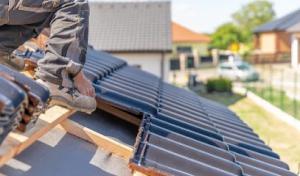
Asphalt shingles are the dominant fit for Warren's large stock of postwar single-family homes and remain the most common replacement choice locally. Their familiarity for local crews, straightforward installation on low-to-moderate-pitch roofs, and strong performance against freeze-thaw cycles make them a practical default. When choosing asphalt, look for a shingle with good algae resistance and a laminated design to add an extra layer of wind and snow shedding. In this climate, a solid underlayment and properly sealed edges are essential to curb ice dam risks and moisture intrusion during the Metro Detroit winters.
Metal roofing is present in the market but is still a secondary option compared with asphalt in Warren's residential neighborhoods. Metal can offer notable durability and a cleaner look on replacement projects, especially for homes with slightly steeper pitches or those seeking a long service life. However, metal installations require precise roof geometry and flashing work to manage condensation, ice formation at eaves, and potential noise concerns in heavy snowfall periods. If choosing metal, ensure a capable local installer coordinates underlayment, insulation, and proper venting to keep freeze-thaw damage at bay and to minimize edge ice buildup.
Premium materials like clay tile, concrete tile, wood shake, and slate exist in the broader market but are less typical for Warren's prevailing housing stock and can raise structural and installation complexity. Clay or concrete tiles add curb appeal and excellent durability, but they bring higher weight, potential retrofitting needs, and stricter loading considerations for existing rafters. Wood shakes deliver a distinctive look and solid insulation but require diligent maintenance against moisture and insects. Slate offers superb longevity and a refined aesthetic, yet its weight and installation intricacies can demand reinforced framing and specialized craftsmanship. If a premium material is contemplated, conduct a thorough structural assessment and verify that local installers have hands-on experience with these products in moderate climates with freeze-thaw exposure.
Begin by evaluating the roof's pitch and condition, then consider long-term maintenance needs in a freeze-thaw cycle. Asphalt remains the practical baseline for most homes, balancing cost, ease of replacement, and performance against ice dams when paired with proper attic ventilation and a robust underlayment. If the project calls for a longer service life or a specific aesthetic, metal can be a viable secondary route, provided installation teams address flashing details and insulation compatibility. For any nonstandard option, expect additional coordination with structural considerations and more complex installation steps to ensure resilience through harsh winters. This approach helps homeowners align material choice with the age and layout of the roof while minimizing ice dam risk and snow-load-related wear.
Ice dams, heavy snow loads, and repeated freeze-thaw cycles drive more frequent re-roofs in this area. A competitive bidding environment keeps prices in flux, but storm-driven demand spikes can push schedules and estimates tighter. When a tear-off reveals decking or ventilation needs that fail inspection, Warren costs can climb quickly because crews must correct those issues before re-shingling or reflecting insulation. Local pricing reflects a high volume of replacements, with competitive bids that can compensate for the risk of weather-driven delays.
Material choice spans a wide range. Asphalt shingles run roughly 350 to 650 USD per square, making them a common choice for aging homes with mid-range budgets. Metal roofing typically falls in the 600 to 1100 USD per square bracket, offering better snow shedding and resilience against freeze-thaw stress. Premium options such as clay tile and concrete tile start higher, with clay at about 1200 to 2500 USD per square and concrete tile around 1000 to 1800 USD per square. Wood shingles/shakes come in around 550 to 900 USD per square, while slate leads the pack at 1800 to 3200 USD per square. These ranges reflect Warren's mix of postwar subdivisions and mid-century shell layouts, where roof pitches and attic ventilation strongly influence final price.
If the old roof must be torn off, the project becomes more complex. In Warren, decking conditions and ventilation corrections required to satisfy inspection expectations can add costs beyond the basic material and labor. Expect to pay for attic venting improvements, decking repairs, and additional flashing or underlayment work if rot or moisture damage is found. A straightforward upgrade becomes a more involved project, and the final price should account for material recycling or disposal of old layers.
Start with a material scenario that fits your home's roof pitch, span, and potential snow load. If budget is tighter, asphalt shingles provide a predictable baseline with decent performance in winter cycles, followed by a staged upgrade to better-suited resists-if-needed options later. For homes facing frequent freeze-thaw cycles or heavier snow, consider metal or premium tile options early in planning to reduce long-term maintenance and vibration damage. Get multiple bids and ask each contractor to itemize tear-off, decking, ventilation, underlayment, and flashing separately so you can compare apples to apples. In Warren, plan for a possible price bump if storm season hits during the replacement window.
Get a clear picture of your project costs upfront - no commitment required.
L&S Home Improvements
(586) 879-7006 www.lnshomeimprovements.com
27222 Gloede Dr suite b, Warren, Michigan
4.9 from 305 reviews
Pankow n Sons Roofing & repair
(586) 216-6141 www.pankowandsonsroofing.com
13110 E 9 Mile Rd, Warren, Michigan
4.9 from 38 reviews
Roofing Sterling Heights
(586) 331-0594 www.roofingsterlingheights.com
Warren, Michigan
5.0 from 13 reviews
A full roof replacement in Warren typically requires a building permit through the City of Warren Building Department. Before any shingle or tile comes off, you should initiate the permit process so that the project is tracked, inspected, and stamped compliant with local codes. The permit acts as a safety net against freeze-thaw stress and evolving wind and ventilation requirements that are common on the postwar housing stock found in this area. Plan to have the project address, roof type, and any structural work clearly described, since these details determine whether plan review is necessary or if the project can proceed on a standard path.
Applications are processed with project details, and inspections are commonly scheduled at tear-off or installation stages and again at final completion. That means you will typically see one inspection when the old roof is removed and the deck is exposed, another during or immediately after the new underlayment and venting are installed, and a final visit once everything is in place and weatherproofed. It helps to coordinate with the contractor so that the inspection windows align with the work phase, reducing delays due to weather or scheduling.
Warren's inspection process focuses on venting, underlayment, and overall code compliance. Proper attic ventilation is crucial here, given heavy freeze-thaw exposure and the propensity for ice dams in aging roofs. Ensure the underlayment chosen matches the town's requirements for a low-to-moderate-pitch roof, and that attic vents, soffit details, and roof edge clearance meet current standards. If structural changes are proposed, plan review may be necessary, which can add time but helps prevent compliance issues later on.
Permit stickers are required on-site, visible to inspectors, as proof that the project is recognized and permitted. Keep the permit card accessible for the duration of the project so that inspectors can quickly verify progress and compliance during each visit. This small step can streamline the process by avoiding delays caused by missing documentation.
Coordinate with the roofing contractor to schedule tear-off and installation stages around forecasted mild days, so weather doesn't complicate inspections. Have a clear set of plans and any structural change details ready for review, even if plan review isn't required for your project. If you're near a boundary or in a neighborhood with older framing, bring any historical drawings or existing permit notes to the first meeting with the Building Department to reduce back-and-forth.
Michigan insurers handling roof claims commonly ask homeowners for photos, contractor estimates, roof age records, and evidence distinguishing new storm damage from older wear. In Warren, that distinction matters a lot after a harsh winter or a heavy hail event. Gather clear photos showing the overall roof, flashings, soffits, and any visible damage from multiple angles and dates. Have recent contractor estimates ready that detail the replacement scope, materials, and timeline. Collect records that verify roof age and any prior repairs so the adjuster can see the longer wear pattern versus a fresh hit. If a storm caused a loss, be prepared to demonstrate that the damage corresponds to the event, not preexisting deterioration from freeze-thaw cycles.
Adjusters may request a gap analysis before approving payment, making pre-repair documentation especially important after hail or wind events. A gap analysis compares what exists now to what is required by code and the typical condition of roofs of the same age and material type. In practice, this means you should have independent verification of roof conditions, prior leakage history, and any known sag or hail impact zones. Detailed photos paired with timely, precise estimates help prevent a drawn-out process where parts of the claim get stalled while the adjuster questions what was normal wear and what was newly damaged.
There is no broad statewide homeowners insurance pullback in Michigan, but coverage outcomes still depend heavily on documentation quality and roof condition history. In Warren, where postwar subdivision roofs with low-to-moderate pitch face heavy freeze-thaw exposure, the insurer will scrutinize whether damage aligns with the event or represents long-term wear. Store every file in a clearly labeled folder: event date, photos by location, contractor estimate, age documentation, and any prior claim history. This disciplined record makes it far more likely for a fair, timely settlement, sparing you months of back-and-forth.
Connect with contractors who help homeowners navigate the claims process from damage assessment to final approval.
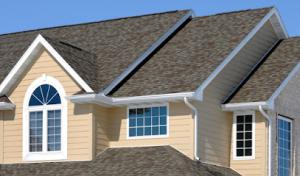

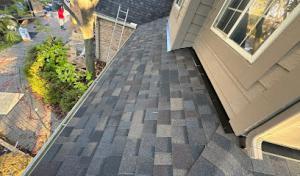
In Warren's older residential areas, garages, porches, and additions often create low-slope sections that age differently from the main shingle roof. These transitions collect snow and meltwater differently, and the shallow pitch slows drainage just enough to let ice dams form along eaves and flashing details. The result is a pattern of ice buildup that pushes against edges, penetrates under shingles, and stresses connectors where two roof planes meet.
During winter cycles, freezing and thawing push on the edges of low-slope roofs and on the joints where a garage or porch roof ties into the main structure. Repeated temperature swings loosen fasteners, lift nails, and crack sealant joints. In practical terms, that means more frequent ice dam formation, accelerated wear on drip edges, and exposed fastener sites that invite water intrusion behind the facia. If water sits at a transition long enough, it can seep into soffits and attic eave vents, feeding rot in the edge boards.
Low-slope sections drain more slowly, especially when gutters are clogged or downspouts are undersized for the surrounding snow load. In practical terms, you'll see water damming at the base of the garage or porch connection, with a visible line of ice along the edge. This is a warning signal that the drainage plan-downspout routing, scuppers, or internal drainage-needs evaluating. Small changes in slope or updated edging can make a big difference in keeping those areas drier between storms.
Local contractor demand signals show meaningful flat-roof specialization, reflecting real homeowner need for repairs on these secondary roof areas. If a low-slope patch hasn't had a thorough inspection in several winters, plan for a targeted assessment of the flashing, edge metal, and any membrane or cap sheet transitions. A focused repair plan, not a full roof replacement, often restores performance without overhauling the entire structure.
Begin with a careful walk around the house after a thaw to spot standing water and ice at transitions. Document where downward drainage is hindered and where flashing shows signs of movement or corrosion. Prioritize sealing and resealing critical joints, repairing damaged edge metal, and ensuring proper gutter and downspout function. If the low-slope areas contain flat-roof materials, confirm their seams and flashing are intact and unpunctured, and consider a professional evaluation of the flashing transitions between planes.
Find specialists in TPO, EPDM, and built-up flat roofing systems for residential and commercial properties.
Pankow n Sons Roofing & repair
(586) 216-6141 www.pankowandsonsroofing.com
13110 E 9 Mile Rd, Warren, Michigan
4.9 from 38 reviews
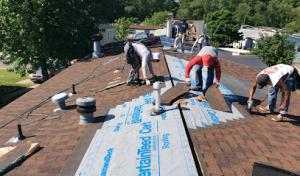
When a roof in this area is due for replacement, Warren inspections commonly verify venting details, so ventilation upgrades can become part of a replacement even when homeowners expected a simple re-roof. That means you may be surprised by added work and materials if the current system isn't aligned with the attic's air flow needs or with the latest code expectations. Before you sign off, have the contractor lay out how each vent will run, where it ties into the attic space, and whether any soffit or ridge vents need modifying to prevent future moisture buildup. A thoughtful plan now can save repeat work after the next winter.
Leak points around skylights, chimneys, and penetrations are especially vulnerable after winter movement and spring storms in Southeast Michigan. Freeze-thaw cycles can push and pull at flashing seams, causing small gaps to widen over time. Pay particular attention to flashing around skylights and where step flashing intersects wall flashings at chimneys. Even small exercise of winter expansion can lead to trespassing moisture that travels along rafter bays and down into insulation. If you notice spots, dampness in the attic, or staining near these areas, address it promptly before the spring rains intensify leaks.
Local contractor signals show strong demand for skylight work and notable chimney-related service, indicating these details are recurring homeowner concerns in Warren. If a skylight is aging or a chimney cap is weathered, expect more frequent callouts for rain intrusion and interior staining after storms. When preparing for replacement, ask about upgrading skylight flanges to more robust sealants and improving chimney base flashing with a double-layer counterflash that sheds water more effectively. Honest expectations about these elements can prevent repeated callouts and protect the interior from costly damage.
Find contractors experienced in skylight installation, flashing, and leak repairs to bring natural light into your home.