
Last updated: Apr 19, 2026
Repeated freeze-thaw cycling puts real stress on roofs in this river valley. When temperatures swing above and below freezing, tiny gaps in shingle seals open and close, allowing moisture to sneak into seams and prone join lines. Over a single season, that constant expanding and contracting can widen flashing gaps, loosen nail heads, and aggravate already softened edges. The result is small leaks that seem to appear after a warm spell, then disappear after a cold snap-only to return with the next warm day. This pattern is a local reality, not a general warning: the roof you rely on for a dry attic and usable living space needs attention to seal integrity before the next thaw. If you see granule loss in gutters or a few shingles curling at the edges, treat it as a beacon to inspect flashing around chimneys, vents, and valleys. Your goal is to stop the moisture path before it becomes a true attic leak across multiple cycles.
Snow load combined with rapid melt-and-freeze cycles creates a potent risk for ice damming along the eaves. Ice dams push meltwater under shingles, driving water toward the attic and into ceiling joints, often where insulation and ventilation are weakest. Eave protection is not optional-it's a critical line of defense. Check that the drip edge is sound, the underlayment at lower sections is intact, and there is continuous insulation at the attic dome and crawl-space edges. Adequate attic ventilation and insulation performance are especially important in this climate because warm attic air can intensify melt on sunny days, feeding dams on cold mornings. If you notice concentrated ice build-up along the lower roof edge or ceiling stains that align with exterior walls, it's a signal that the current eave details and ventilation scheme are not providing enough relief. Prioritize a plan that improves venting paths from soffits to ridge and enhances insulation at the attic floor to minimize warm air escaping upward. Don't delay if you see ice forming at gutters and eaves-addressing it now reduces expensive interior damage later.
Replacement timing in this area is pushed toward spring and fall because winter conditions complicate tear-offs and summer heat adds expansion and aging stress. Consider scheduling major roof work during shoulder seasons when temperatures are moderate and work days are longer. If a leak is persistent or flashing has widened gaps across multiple joints, plan targeted repairs as soon as practical, but avoid mid-winter tear-offs if possible. A proactive approach emphasizes preventive maintenance: clean debris from valleys and gutters before the first major freeze, reseal any compromised seams, and verify attic ventilation and insulation before winter sets in. For homes with older mixed-stock roofs, prioritize flashings around chimneys and vents, header joints, and valley intersections, where ice damming tends to exploit minor flaws first. In a neighborhood where the winter season can rearrange a roof's stress map quickly, a practical, well-timed retrofit now minimizes storm-driven failures when the next weather event rolls through. Fremont's climate rewards a plan that treats freeze-thaw damage as an ongoing maintenance priority rather than a one-off repair. If damp ceilings or spongy insulation appear after a cold snap, respond with urgency: identify the moisture path, fortify eave protection, and reinforce attic barriers before the next freeze rounds the corner.
In this corner of the Sandusky River basin, you feel the weather shift from winter to spring in a way that tests roofs year after year. Snow and ice accumulate in the valley shapes and along eaves, then melt with spring sun and gusty storms. That freeze-thaw cycle isn't a one-and-done event; it repeats, pushing up into flashing joints, gutters, and roof-to-wall transitions. In practice, this means every roof decision should start with drainage and protection: proper slope where possible, deliberate roof edge detailing, and reliable ice dam prevention measures. Materials and color choices should support steady shedding of moisture, while detailing around valleys and penetrations is prioritized to minimize ice dam buildup during the cold months. When a storm moves through, wind-driven rain and hail can find weak points quickly, so a robust scratch coat on flashing and reinforced edge protection become more than cosmetic considerations-they're a shield for the entire deck.
Warm summers here don't just feel like a relief after a hard winter; they amplify the work your roof has already endured. The cycle of freezing, thawing, and then heating can push fasteners, sealants, and underlayment layers beyond their typical endurance. As shingles flex and contract with the daily temperature swing, small gaps can widen at step flashing, corner details, and roof-to-wall junctions. This is especially critical for older houses with mixed roof styles and varied decking conditions. A roof that has weathered a harsh winter benefits from protective layers and ventilation that keep attic temperatures closer to exterior temperatures. That reduces the risk of condensation under the roofing layer and helps extend the life of sealing materials that might otherwise become brittle after repeated freeze-thaw exposure.
The local climate throws the best installation opportunities in the shoulder seasons, when temperatures are moderate and moisture levels are lower. Spring and fall often offer more predictable conditions for laying down underlayment, flashing, and finished roofing without the extremes of summer heat or winter cold. The timing matters because cold, damp days can slow sealant cures and affect the performance of certain roof systems, while scorching heat can cause fasteners to back out or shingles to curl prematurely. If a project must occur in winter, extra attention to frozen surfaces, de-icing protocols around the work area, and temporary protective measures becomes essential. Planning around those windows helps ensure the roof's weather-tight integration with the home envelope from day one.
To address the shared risks of snow, ice damming, and spring storms, consider a comprehensive approach that emphasizes drainage, ventilation, and integrity of flashing. Prioritize attic insulation and ventilation to moderate attic temperatures, reducing condensation and thermal stress on roof lines. Invest in durable edge protection and high-quality flashing at valleys, chimneys, and skylights to help resist wind uplift and water intrusion during storm events. Snow guards or curated snow retention systems can prevent sudden shifts of accumulated snow into eaves and gutters, a common hazard during rapid temperature changes. Regular debris clearance from gutters and downspouts becomes a seasonal habit, ensuring that meltwater has a clear path to exit rather than pooling at eaves where damming can begin. Finally, document deterioration promptly after storms: picky assessments in the wake of a high-wind or hail event catch small issues before they become major leaks, protecting the roof's long-term performance through Fremont's variable climate.
Fremont homeowners face spring storms with heavy rain, hail, and wind, which can create both visible shingle loss and harder-to-document bruising or flashing damage. After a storm, walk the ground and look for shingle fragments, granule loss, and dented metal seams. Up on the roof, note any lifted tabs, curling edges, or flashing gaps at chimneys, skylights, and vents. If you spot suspicious dark streaks or damp ceilings inside, treat it as a red flag for hidden moisture that can freeze during the next cold snap and worsen problems. Act quickly on any obvious damage and keep a precise timeline of what you find.
Ohio's hail and wind claim environment affects Fremont roofing choices because insurers often want dated photos, prior-condition records, and detailed repair or replacement estimates after storms. When you file, have clear, dated imagery from before and after the event, plus measurements and a simple map of affected areas. If repairs were made previously, gather receipts and notes on those materials and methods. Insurers may request independent assessments; prepare to discuss how frost cycles and wind-driven impact can alter roof performance over time. Documentation that demonstrates a pattern of weather-driven damage strengthens a claim, especially if the roof has older components or mixed materials common in local housing.
Some insurers have tightened coverage around certain roof types or overlays, so Fremont homeowners need to confirm policy treatment before choosing replacement methods or materials. Freeze-thaw cycles in the Sandusky River area accentuate the risk of ice damming, which means choosing roofing and flashing strategies that shed water efficiently and resist shingle bruising is crucial. If a storm reveals lateral wind damage or edge failure, you may lean toward systems with robust wind performance and durable underlayments, while still aligning with what the insurer will authorize. Remember that overlaid roofs or certain retrofit configurations can trigger coverage questions; confirm exactly what your plan covers before committing to a specific path.
Establish a post-storm inspection routine that you can repeat after every major hail or wind event. Photograph eaves, gutters, dormers, and chimney flashing from multiple angles, then compare to previous records. Schedule a professional roof assessment promptly when you notice missing granules, exposed felt, or lifting shingles, as moisture intrusion can worsen quickly during alternating freeze-thaw cycles. Keep a simple storm log: dates, wind speeds if known, hail size, and the sections of the roof affected. By approaching spring weather with disciplined documentation and targeted material choices, you strengthen your position against hidden damage and align repairs with both climate realities and insurer expectations.
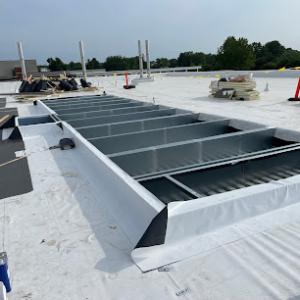
Vodika Roofing & Maintenance
2240 Hayes Ave, Fremont, Ohio
5.0 from 33 reviews
VODIKA ROOFING: Commercial Roofing Built on Trust and Faith. With 25+ years of experience in commercial and industrial flat roofing, we deliver solutions guided by our commitment to excellence and faith-based values. We believe in earning your business through superior quality, expert applications, and a full-service Maintenance and Repair department equipped for any need, day or night. We provide free commercial roof inspections to give you peace of mind that your investment is safe. Contact us to experience the difference genuine integrity makes.
Damschroder Commercial Roofing
(419) 556-6510 www.damschroderroofing.com
2625 E State St, Fremont, Ohio
4.2 from 33 reviews
Damschroder Roofing is a full-service commercial roofing company in Fremont Ohio. We are dedicated to providing unsurpassed workmanship and expertise in commercial roofing and proactive maintenance and repairs. Our technicians are masters in the industry, and our customer service extends far beyond the completion of your roofing project. Offering top commercial roof repair, replacement, and other services covering all of the Tri-state area. If you’re looking for an experienced commercial roofing contractor who puts customer satisfaction before anything else then look no further than Damschroder! Contact us today for a free quote on your commercial roof repair or replacement needs.
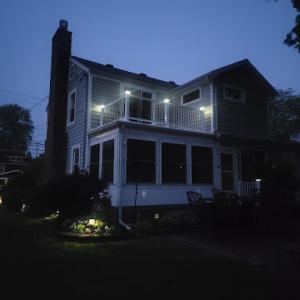
Elite Roofing & Restoration
(567) 201-1426 sites.google.com
2247 Co Rd 59, Fremont, Ohio
5.0 from 2 reviews
At Elite Roofing and Restoration, we specialize in high-quality flat and metal roofing solutions tailored to meet the unique needs of modern homeowners. With years of experience and a commitment to craftsmanship, we provide durable, energy-efficient, and low-maintenance roofing systems that stand the test of time. Whether you’re building new, replacing an old roof, or in need of timely repairs, our skilled team delivers precision work and outstanding customer service every step of the way. Choose Elite Roofing and Restoration for innovative roofing solutions built to protect your home and elevate its curb appeal.
Castle Roofing & Construction
(419) 680-5498 castleroofing.io
2379 OH-12, Fremont, Ohio
5.0 from 1 review
Local roofing and construction contractor.
Technique Roofing Systems
(419) 986-6211 www.techniqueroofing.com
Serving
5.0 from 61 reviews
With over 30 years of dependable, professional and reputable experience, we can take the worry and frustration of your roof repair and maintenance away and let you focus on your business. We know that talking about roofing isn’t the most glamorous of topics to some people, but we love it. Technique Roofing Systems was founded in 1992 by Kurt, Keith, and John Timmons in an old dairy barn outside the small farm town of Burgoon, OH. We are still true to our core mission when we began – to meet or exceed our customer’s expectations on every project with the highest level of expertise, products and service. Our goal is to provide our customers a long-term, maintenance free investment for their business.
Smith & Young Roofing
(419) 357-5980 www.facebook.com
Serving
3.9 from 21 reviews
We are a general contractors who specialize in roofing services but can do any project you may have!
Anderson Roofing & Home Improvement
(419) 836-6070 www.andersonsroofing.net
Serving
5.0 from 69 reviews
Anderson Roofing & Home Improvement is a trusted roofing contractor in Graytown, OH, proudly serving Toledo, Port Clinton, Fremont, and the surrounding Lake Erie region. As an Owens Corning Preferred Contractor with an A+ BBB rating, we deliver expert craftsmanship on every roof replacement, roof repair, and roof installation. Our skilled roofers are committed to providing durable, weather-resistant solutions that protect your home while adding long-term value. In addition to roofing, we also offer siding, gutters, and guard services to enhance both protection and curb appeal. With our Lifetime Warranty, customers enjoy peace of mind knowing their investment is backed by quality and lasting performance.
Excalibur Roofing, Siding, Windows, & Gutters
(419) 481-5384 www.roofingoakharboroh.com
Serving
4.2 from 20 reviews
With years of experience and a strong reputation for excellence, we are dedicated to providing homeowners with top-quality, reliable solutions that enhance the beauty, value, and protection of their homes. Our team of skilled professionals works closely with each client, ensuring that every project is completed to the highest standards. Whether you need a roof replacement, new siding, or energy-efficient windows, we are committed to delivering exceptional service and lasting results.
North Coast Roofing of Ohio
(419) 433-2059 www.northcoastroofing.com
Serving
4.8 from 96 reviews
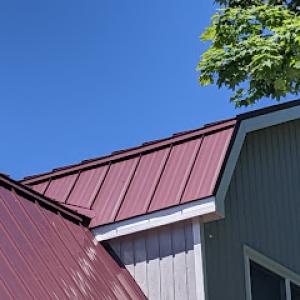
Founded in 2005, we are the areas leading roofing contractor serving Erie, Huron, Ottawa, & Sandusky counties. As your local roofing company we offer Lifetime architectural shingles like CertainTeed Landmark Pro, GAF Timberline HDZ, Owens Corning Tru-Definition Duration. Also standing seam metal, metal shingles, & gutters. We are the only local roofer that is CertainTeed Select Shingle Master & GAF Master Elite certified and offer the 5-Star Warranty & Golden Pledge Warranty ensuring premium protection and peace of mind for your roof investment. We strive to make your roof replacement experience pleasant. We provide free estimates & professional services for residential & commercial customers. Insured & A+ rating Better Business Bureau.
Bryer Company
(419) 855-3098 bryercompany.com
Serving
4.9 from 76 reviews
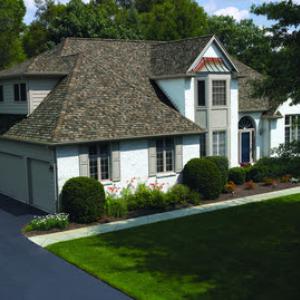
With our wide variety of services, Bryer Company roofing and remodeling can take care of your construction related needs! Bryer company is family owned and operated, with feet on the ground, quality is sure to follow. Serving Toledo, Sylvania, Oregon, Genoa, Monclova, Perrysburg, Maumee, and beyond. Roofing, painting, and asphalt paving there is a good chance we can get your project done. Serving Toledo and the surrounding area in our 30th season as a respected Commercial and residential contractor Bryer Company will get your roofing and painting needs done. We thank all of our Toledo area customers for your support of Bryer Company roofing and remodeling as contractor of choice for Toledo, and beyond.
Firelands Home Improvments
Serving
4.8 from 17 reviews
Residential Roofing, Custom roofing, Metal, Asphalt, E.P.D.M. I install most of the roofs for the contractors you pay top dollar to. Most if not all big roofing contractors sub contract the jobs to smaller companies like mine. Save money and cut out the middle man. Contact Firelands Home Improvement. Locally insured & Bonded WE LOVE WHAT WE DO.
Petrick Roofing & Remodel
(567) 424-0095 www.petrickroofing.com
Serving
5.0 from 4 reviews
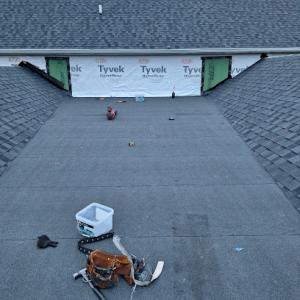
Petrick Roofing and Remodel brings quality roofing and remodel contracting. Our company is insured and available for all projects, large or small! Give us a call for your FREE ESTIMATE. Whether your home requires outdoor repair or inside updates give us a call at 567-424-0095, because "WE NAIL IT THE FIRST TIME" Brief Description of Our Available Services: New Construction Repair Gutters Wood Replacement Soffit Flooring Painting Installation Cabinets Ceiling Repair Door Replacement Sanding Staining PLUS MUCH MORE! Contact us!
Asphalt shingles are a dominant choice because they fit the area's mainstream housing stock and keep upfront budgets reasonable. In this climate, however, they are vulnerable to wind uplift, hail bruising, and granule loss after repeated freeze-thaw cycles. If you already have shingles, look at upgrading to a higher wind- or impact-resistant class, and ensure the roof edge fascia and drip edge are solid to reduce wind-driven lift. In snow and ice scenarios, a tight, well-sealed attic and proper attic ventilation help prevent warm-air plumes from melting and refreezing at the eaves, which drives ice damming. When replacing shingles, pair the choice with a quality underlayment and drilled-through fasteners that resist flexing in cold snaps. Regular maintenance after winter storms-checking for lifted tabs, missing granules, and damaged flashing-saves more than waiting for a leak.
Metal roofing is well suited to snow-shedding and long-term weather resistance needs, but expansion and contraction detailing matters in a climate with cold winters and hot summers. Choose seams and fasteners designed for freeze-thaw cycles, and ensure proper panel spacing to accommodate thermal movement. For homes with older decking or mixed construction, verify that underlayment and deck structure can handle metal's weight and movement without transferring stress to flashing. In areas with wind-driven storms, a continuous ridge vent and adequately integrated hip and valley details help prevent wind-driven leaks. Consider a color and coating that reflect summer heat while still performing well in winter sun exposure.
Clay tile, concrete tile, and slate appear in the local material mix but are less forgiving in freeze-thaw conditions if underlayment, flashing, or deck support are inadequate. Ensure a proven underlayment system, prove out flashing at chimneys and roof-to-wall joints, and confirm the deck can support tile loads without flexing. EPDM remains relevant on low-slope sections and flat roof areas where drainage is critical; ensure proper edge detailing and drainage scuppers to minimize ponding. Regardless of material, meticulous installation and a robust drainage plan help counteract the region's freeze-thaw stress and storm-driven failures.
Typical Fremont pricing runs about $350 to $700 per square. Asphalt shingles remain the most common choice in older mixed housing stock, and that price reflects a balance between decent performance in freeze-thaw cycles and the realities of storm-driven demand after hail or high-wind events. If a tear-off reveals more winter-related deck or flashing repair, the cost can creep higher. Steep residential roof lines also push labor time and safety measures, nudging the total upward. For budget-minded projects, this is usually the baseline option, with upgrades for better impact resistance or longer warranties.
Metal tends to run from $650 to $1,100 per square. In areas with frequent wind-driven storms and rapid post-storm scheduling, metal can offer superior wind resistance and quicker coverage, but delivery and crew availability can spike pricing after hail events. A steep pitch amplifies both the difficulty and the cost, while low-slope sections may reduce some labor components. Expect increases if underlayment or concealed fasteners require more attention during tear-off.
Clay tile sits around $900 to $1,600 per square. This material handles freeze-thaw cycles well but is heavier and more sensitive to deck or flashing repair uncovered during tear-off. Install complexity rises with steep roofs, and if underlayment needs reinforcement after a winter, you may see higher estimates. Hail events in this region can influence both material availability and crew mobilization, contributing to regional price spikes.
Concrete tile typically runs $700 to $1,100 per square. It offers solid durability with a favorable weight profile, yet storm demand can broaden price ranges when crews are scarce or material deliveries are delayed after hail or wind. Steep angles again push labor costs, and any winter damage to flashing increases the scope of the job.
Slate is commonly $1,200 to $2,500 per square. Its longevity is a strong fit for Northwest Ohio winters, but installation is labor-intensive and sensitive to substrate conditions uncovered during tear-off. Storm-driven shortages can widen lead times and pricing, and steep roof sections magnify both risk and cost.
EPDM generally runs about $4 to $6.50 per square foot. While often used on flat or low-slope portions, it faces the same winter and storm dynamics: post-hail or wind repair of flashing, and the occasional surge in crew availability. In a mixed roof, you may encounter a blend that includes EPDM on low-slope sections and other materials elsewhere, affecting overall project budgeting.
A full re-roof in Fremont typically requires a permit through the local building department, with either the contractor or homeowner able to apply. Because of the Sandusky River setting and the area's freeze-thaw cycles, inspectors will look closely at how the new roof handles drainage, underlayment, and flashing details to withstand ice damming and wind-driven events. Ensure the application clearly lists the roof scope, materials, and any ventilation or attic modifications. If a contractor handles the paperwork, confirm who will be the point of contact for the permit status and any requested corrections.
After installation, inspections are scheduled to verify core roofing details. The focus in this climate is not just the surface layer but how the system performs in cold snaps: is there proper underlayment for snow and ice, are nails driven to the correct depth in accordance with the sheathing, is flashing placed to direct meltwater away from vulnerable edges, and are venting and attic insulation adequate to prevent condensation that can lead to rot. In older homes with mixed roofing materials, the inspector may pay extra attention to transitions between eras or materials, ensuring there are no gaps that would trap moisture.
Permit fees and processing times in Fremont vary with department workload, so scheduling can affect project timing during busy spring and post-storm periods. If a storm recently passed and a batch of permits is queued, expect potential delays, especially for inspections once the roof is nearing completion. Plan to align material deliveries, crew availability, and ventilation checks with the anticipated inspection window to avoid rework or re-inspection fees. Having a clear line of communication with both the contractor and the building department helps keep the project on track despite seasonal spikes in activity.
Because Ohio sees hail and wind events that generate roofing claims, Fremont homeowners should maintain date-stamped roof photos before and after storms to support any future claim. The Sandusky River setting and northwest Ohio freeze-thaw cycles mean every exposure to moisture, ice, or wind can leave subtle, cumulative marks on shingles, flashing, and edging. When a storm hits, those images become practical evidence you can rely on long after the dust settles.
Adjusters in this market may request post-storm condition checks and detailed estimates, so documentation of flashing damage, shingle creasing, punctures, and interior leak evidence matters. Take wide and close-up photos of the entire roof line, valleys, and vent flashing, then capture any sagging or lifted edges. If you notice water stains inside the attic or ceilings, note the date and location. Keep a simple record of storms that produced hail or high winds and how long the roof was exposed to added moisture. This level of detail can influence how quickly a claim progresses.
Coverage restrictions on some roof types or overlay situations can influence Fremont replacement decisions before work begins, especially when homeowners are deciding between repair, overlay, and full tear-off. If a storm causes widespread damage, or if flashing and underlayment show signs of failure, the team may recommend a full replacement rather than a surface patch. Clear, well-organized documentation helps determine whether a repair or a larger project is warranted, reducing surprises down the line.
In Fremont, repeated freeze-thaw cycling commonly turns minor flashing or sealant weaknesses into active leaks by late winter or early spring. Low-slope transitions around additions or porches are especially prone to this pattern, as water finds routes through imperfect seals and expands ice can lift edges. You should routinely inspect visible flashings after winter storms and look for hairline cracks in sealant or blistering near dormers and skylights. When you spot gaps, address them promptly before snow recurs, because leaks often start as a slow drip that hides behind insulation until the attic becomes damp or molds forms.
Ice damming can back water up beneath roof coverings at eaves, making underlayment quality and attic airflow more consequential than homeowners often expect. In homes with asphalt shingles or older flashings, blocked soffit vents and insufficient attic insulation create warm roof sections that melt snow unevenly. The result is a backflow of water that seeks any crack or seam, especially near gutter lines. Plan for proper attic ventilation and a continuous, properly installed underlayment to slow dam formation and give you a margin to mitigate leaks.
On low-slope roof areas common to additions, porches, or commercial-style sections, standing water and drainage issues make EPDM detailing and seam condition especially important in this region's wet seasons. Ensure seams are fully bonded and look for pooling at edges after heavy rain. Damaged or worn bonding on EPDM seams allows water to seep beneath, where it can travel and show up far from the original leak source. Regular seam checks after storms save from bigger failures. Keep an eye on flashings around vent stacks and where different roof planes join, as those are frequent failure points after freeze cycles. Storm-driven wind and hail can push loose shingles into leaks.